
The Role of Diet in Ayurveda: Food as Medicine in Ancient Times

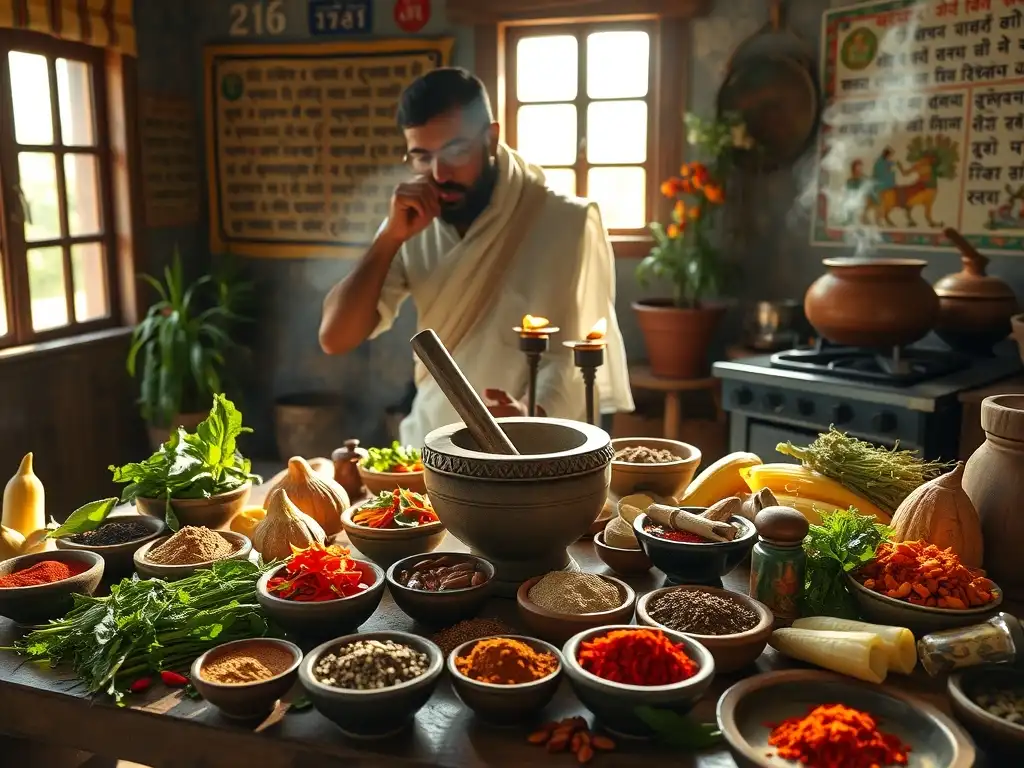
Welcome to Ancient India History, where we embark on a fascinating journey through time to uncover the rich tapestry of India's past. In this exploration, we delve into the Ayurvedic diet in ancient India, a cornerstone of wellness and vitality that highlights the profound relationship between food and medicine. Discover how ancient civilizations utilized dietary practices not just for nourishment but as a means of healing and balance. Are you ready to unlock the secrets of this age-old wisdom? Join us as we reveal the transformative power of Ayurveda and its timeless relevance in today's world.

Introduction to the Ayurvedic Diet in Ancient India
The Ayurvedic diet in ancient India was not merely a means of sustenance but a foundational element of a holistic approach to health and wellness. Rooted in the ancient medical system known as Ayurveda, this dietary philosophy emphasizes the profound connection between food, health, and the natural world.
By understanding the principles of Ayurveda, we can appreciate how ancient Indian civilizations viewed food as a powerful tool for maintaining balance and promoting well-being. This article delves into the intricacies of the Ayurvedic diet, exploring its historical context, dietary practices, and the significant role it played in shaping health and medicine in ancient India.
Overview of Ayurveda and Its Philosophies
Ayurveda, derived from the Sanskrit words "Ayus" (life) and "Veda" (knowledge), is often referred to as the "Science of Life." It encompasses a complex system of health that integrates physical, mental, and spiritual well-being. Central to Ayurvedic philosophy are the concepts of doshas, dhatus, and agni:
- Doshas: The three vital energies (Vata, Pitta, and Kapha) that govern physiological and psychological functions in the body.
- Dhatus: The seven bodily tissues that sustain life and health.
- Agni: The digestive fire essential for transforming food into energy and nutrients.
These principles underscore the belief that an individual's unique constitution (Prakriti) dictates their dietary needs and health practices, creating a personalized approach to nutrition.
Importance of Food in Ayurvedic Practices
In Ayurveda, food is considered medicine, with each ingredient possessing distinct properties that can influence the body's balance. The Ayurvedic diet is characterized by:
- Seasonal Eating: Aligning food choices with the changing seasons to optimize health.
- Food Combinations: Understanding the compatibility of different foods to enhance digestion and nutrient absorption.
- Mindful Eating: Fostering a conscious connection to food, emphasizing the importance of savoring meals and recognizing hunger cues.
This dietary framework promotes not only physical health but also mental clarity and emotional stability, reflecting the holistic nature of Ayurveda.
The Historical Context of the Ayurvedic Diet
Understanding the Ayurvedic diet within its historical context provides insights into how ancient Indian civilizations developed their culinary practices. The integration of dietary wisdom into daily life illustrates the significance of food as a source of healing and balance.
Dietary Practices in Ancient Indian Civilizations
Ancient Indian societies, such as those of the Indus Valley and later the Vedic culture, established dietary practices that were deeply intertwined with their cultural and spiritual beliefs. Some notable aspects include:
- Diversity of Ingredients: Utilization of locally sourced grains, fruits, vegetables, and herbs which contributed to a varied diet.
- Spiritual Significance: Many foods were associated with rituals and spiritual practices, reinforcing the belief that food was not just physical nourishment but also a means of connecting with the divine.
These practices laid the groundwork for what would evolve into the comprehensive Ayurvedic diet, emphasizing the importance of balance and harmony in food choices.
The Influence of Environment on Food Choices in Ayurveda
The environment played a crucial role in shaping the Ayurvedic diet, as it dictated the availability of ingredients and the dietary customs of different regions. Key factors include:
- Climate: The local climate influenced the types of crops that could be cultivated, which in turn affected dietary choices.
- Geography: Different geographical regions led to the development of unique culinary traditions, with each region adapting its diet based on natural resources.
By understanding these environmental influences, we gain a deeper appreciation for the Ayurvedic diet's adaptability and relevance across various ancient Indian cultures, reinforcing its status as a timeless approach to health and well-being.
Key Principles of the Ayurvedic Diet
The Ayurvedic diet in ancient India is rooted in holistic health principles that emphasize balance and harmony within the body. Central to these principles is the concept of individual constitution, which dictates that dietary choices should be tailored to the unique needs of each person. This personalized approach considers factors such as age, gender, lifestyle, and environmental influences.
Another key principle is the idea of food as medicine. In Ayurveda, the act of eating is not merely for sustenance but is also a vital process for maintaining health and preventing illness. Foods are believed to possess inherent qualities and energies that can influence physical and mental well-being.
Moreover, the importance of digestion is paramount; Ayurveda emphasizes that food should be easy to digest and assimilate. A strong digestive fire, or Agni, is essential for the proper breakdown of food into nutrients that nourish the body. Hence, the Ayurvedic diet recommends consuming foods that enhance digestive health, such as warm and cooked meals, rather than raw or overly processed options.
The Concept of Doshas in Relation to Food
In Ayurveda, the concept of Doshas—Vata, Pitta, and Kapha—forms the foundation for understanding individual health and dietary needs. Each Dosha represents specific elements and qualities, influencing how individuals respond to various foods.
- Vata: Characterized by air and space, individuals with a dominant Vata Dosha often benefit from warm, nourishing foods that counterbalance their cool, dry nature. These may include cooked grains, root vegetables, and healthy fats.
- Pitta: Associated with fire and water, Pitta individuals tend to have a fiery digestion and may thrive on cooling foods such as leafy greens, sweet fruits, and dairy. Spices that are not overly heating are also advisable.
- Kapha: Representing earth and water, those with a predominant Kapha Dosha often require lighter, stimulating foods to counteract their heavy, moist characteristics. Foods that are spicy, bitter, and astringent, along with plenty of fruits and vegetables, are beneficial.
Understanding one's Dosha helps in selecting foods that promote balance and well-being, illustrating how the Ayurvedic diet is intricately connected to individual health profiles.
The Role of Sattva, Rajas, and Tamas in Dietary Choices
In addition to the Doshas, Ayurveda categorizes foods based on their three Gunas: Sattva, Rajas, and Tamas, which reflect the qualities of the mind and body.
- Sattva: Foods that are pure, light, and nourishing, promoting clarity and peace. Examples include fresh fruits, vegetables, whole grains, and nuts. A Sattvic diet is believed to enhance spiritual growth and mental clarity.
- Rajas: Representing activity and passion, Rajasic foods are stimulating and often overly spicy or rich. While they can provide energy, excessive consumption can lead to restlessness and agitation. Foods such as coffee, fried snacks, and processed sugars fall into this category.
- Tamas: Foods that are heavy, stale, and often detrimental to health. Tamasic foods contribute to lethargy and dullness, such as excessively processed items, leftovers, and alcohol. Reducing Tamas in the diet is essential for maintaining vitality and health.
The balance of these Gunas in dietary choices plays a crucial role in achieving overall well-being and mental stability.
Seasonal Eating: Aligning Diet with Nature
The Ayurvedic philosophy emphasizes the significance of seasonal eating, advocating that individuals align their diets with the natural rhythms of nature. This practice not only respects the environment but also enhances health by consuming foods that are in harmony with the seasons.
- Spring: A time for cleansing, diets may focus on lighter foods, such as leafy greens and sprouts, which help to detoxify the body.
- Summer: Cooling foods, such as cucumbers and melons, are recommended to counteract the heat and maintain hydration.
- Autumn: A shift towards warming, nourishing foods like squashes and root vegetables supports grounding as the weather cools.
- Winter: Hearty, rich foods that provide warmth and energy, such as soups and stews, are beneficial during the colder months.
By attuning to seasonal changes, individuals can optimize their health and maintain balance throughout the year.
Types of Foods in Ayurveda

Ayurveda classifies foods not just by their nutritional value but also by their energetic properties and effects on the body and mind. This classification guides individuals in making conscious dietary choices that align with their health goals.
The Classification of Foods: Sattvic, Rajasic, and Tamasic
As previously mentioned, foods are categorized into Sattvic, Rajasic, and Tamasic based on their qualities and impact on health:
- Sattvic Foods: These are considered the best for mind and body, promoting health, vitality, and spiritual growth. Examples include organic fruits, vegetables, whole grains, and dairy.
- Rajasic Foods: While these foods can provide energy, they are best consumed in moderation. Foods such as spicy dishes, caffeine, and stimulants can lead to restlessness if overindulged.
- Tamasic Foods: These foods are best avoided as they can lead to lethargy and ill health. Processed, stale, or overly rich foods fall into this category and should be minimized in a balanced diet.
Understanding these classifications enables individuals to choose foods that foster a healthy mind and body, enhancing overall wellness.
Herbs and Spices: Their Medicinal Properties in Ancient Diets
Herbs and spices play a pivotal role in the Ayurvedic diet in ancient India, not only for flavor but also for their medicinal properties. These natural additives were utilized to enhance digestion, boost immunity, and promote overall health.
- Turmeric: Known for its anti-inflammatory and antioxidant properties, turmeric is often used to support digestion and detoxification.
- Ginger: This warming spice aids digestion and alleviates nausea, making it a staple in many Ayurvedic preparations.
- Cumin: Recognized for its digestive benefits, cumin seeds are frequently included in meals to enhance nutrient absorption and reduce bloating.
- Coriander: Known to cool the body, coriander is beneficial for balancing Pitta and is often used in refreshing dishes.
The incorporation of these herbs and spices reflects Ayurveda’s holistic approach to health, where food becomes a means of healing and nourishment.
Whole Foods vs. Processed Foods in Ayurvedic Tradition
Ayurveda places a strong emphasis on the consumption of whole foods over processed ones. Whole foods are those that are minimally altered from their natural state and are rich in nutrients and life force. Examples include fresh fruits, vegetables, whole grains, nuts, and seeds.
In contrast, processed foods are often stripped of their nutritional value, contain preservatives, and can lead to imbalances in the body. The Ayurvedic tradition warns against the intake of excessive refined sugars, artificial flavors, and overly packaged items, as they can disrupt digestion and overall health.
By prioritizing whole, natural foods, individuals can maintain a balanced diet that supports their well-being both physically and mentally, adhering to the fundamental principles of Ayurveda.
The Role of Digestion in the Ayurvedic Diet
In Ayurveda, the concept of digestion is paramount, underpinning the entire philosophy of health and wellness. Digestion is not merely the physical process of breaking down food; it is viewed as a transformative process that involves the assimilation of nutrients into the body. This intricate relationship between food intake and digestion lays the foundation for good health, as Ayurveda posits that proper digestion (or Agni) is essential for the nourishment of the body and mind. An imbalance in digestion can lead to the formation of toxins ( ama), which can manifest as various health issues.
Ayurveda emphasizes that different foods have unique qualities and effects on the body. Therefore, understanding how these foods interact with an individual's digestive capacity is critical. A well-functioning digestive system enables the body to extract the maximum benefit from the food consumed, while poor digestion can hinder nutrient absorption, leading to deficiencies and disease. Thus, the Ayurvedic diet is not only about what to eat but also about how to eat and the timing of meals, ensuring that digestion is optimized for health and vitality.
Agni: The Digestive Fire and Its Significance
Agni, often referred to as the "digestive fire," is a central tenet in Ayurveda. It represents the body's ability to metabolize food, convert it into energy, and facilitate the assimilation of nutrients. Agni is considered a vital force that sustains life, akin to a fire that must be nurtured to burn brightly. In Ayurveda, there are several types of Agni, including:
- Jatharagni: The primary digestive fire located in the stomach, responsible for the initial breakdown of food.
- Bhutagni: Fire associated with the digestion of the five elements (earth, water, fire, air, ether) within the body.
- Dhatvagni: The fire responsible for the metabolism of the seven dhatus (tissues) in the body.
The balance of Agni is crucial; when it is strong, it leads to optimal digestion and health. Conversely, when Agni is weak or imbalanced, it can lead to digestive disorders and the accumulation of toxins. Therefore, Ayurveda recommends various practices to enhance Agni, such as consuming warming spices, eating lighter meals, and avoiding overeating, thereby maintaining the digestive fire necessary for overall well-being.
How Digestion Influences Health According to Ayurveda
Ayurveda places a profound emphasis on the connection between digestion and overall health. Proper digestion is believed to provide the body with the necessary nourishment to sustain life. When digestion is functioning optimally, the body can effectively absorb nutrients from food, contributing to strength, vitality, and immunity. However, when digestion is impaired, it can result in the formation of ama, a toxic substance that arises from improperly digested food.
The presence of ama is a precursor to many diseases, including chronic conditions. Ayurveda teaches that health issues often arise from a failure to digest food properly, leading to the accumulation of toxins that can disrupt bodily functions. Thus, managing digestion through dietary choices, meal timing, and lifestyle practices is essential for preventing disease and promoting health. Eating in accordance with one's constitution and recognizing the signs of digestive distress are vital for maintaining balance and harmony within the body.
Ayurvedic Dietary Recommendations for Different Constitutions
In Ayurveda, dietary recommendations are not one-size-fits-all; they are tailored to individual constitutions or doshas. The three primary doshas— Vata, Pitta, and Kapha—represent distinct physiological and psychological profiles that influence dietary needs. Understanding one’s dosha is essential for making informed food choices that promote balance and health.
Each dosha has specific dietary preferences:
- Vata: Typically benefits from warm, moist, and grounding foods to counteract its dry and light qualities. Foods like cooked grains, warm soups, and healthy fats are recommended.
- Pitta: Requires cooling and soothing foods to balance its fiery nature. Fresh fruits, salads, and cooling herbs like mint are ideal.
- Kapha: Needs light, stimulating foods to counter its heavy and stagnant qualities. Spices, bitter greens, and light proteins are encouraged to stimulate digestion.
By aligning dietary choices with individual dosha characteristics, one can enhance digestion, prevent imbalances, and promote overall health.
Personalized Diet: The Importance of Individual Dosha
The significance of a personalized diet in Ayurveda cannot be overstated. Each person’s unique constitution determines their optimal dietary needs. By acknowledging individual differences in metabolism, digestion, and lifestyle, Ayurveda promotes a holistic approach to health.
For instance, a person with a predominant Vata dosha may thrive on nourishing, warming foods that provide stability, while someone with a predominant Pitta constitution might require cooling foods to balance their fiery disposition. Similarly, individuals with Kapha dosha should focus on lighter, more stimulating foods to invigorate their system.
This emphasis on personalization allows individuals to not only improve their digestion but also to cultivate a deeper understanding of how their bodies respond to different foods. Such awareness fosters a proactive approach to health, where dietary choices are made consciously and in alignment with one's innate constitution.
Food Combinations to Enhance Health and Well-being
In Ayurveda, the principle of food combinations plays a crucial role in optimizing digestion and enhancing overall health. Certain foods, when consumed together, can improve nutrient absorption and minimize digestive discomfort, while others may hinder digestion and lead to ama formation.
Here are some important food combination guidelines:
- Complementary Foods: Pairing foods with opposing qualities can enhance digestion. For example, combining warm, moist grains with light, dry vegetables can balance the qualities of both foods.
- Avoiding Certain Combinations: Certain combinations, such as dairy with citrus or fish with milk, are considered incompatible and should be avoided, as they can disrupt digestion and lead to imbalances.
- Digestive Spices: Incorporating spices such as ginger, cumin, and fennel can aid digestion and enhance nutrient absorption, making meals more nourishing.
By paying attention to food combinations, individuals can create meals that support their unique digestive capacities, leading to improved health and vitality in accordance with Ayurvedic principles.
The Connection Between Diet and Health in Ayurveda
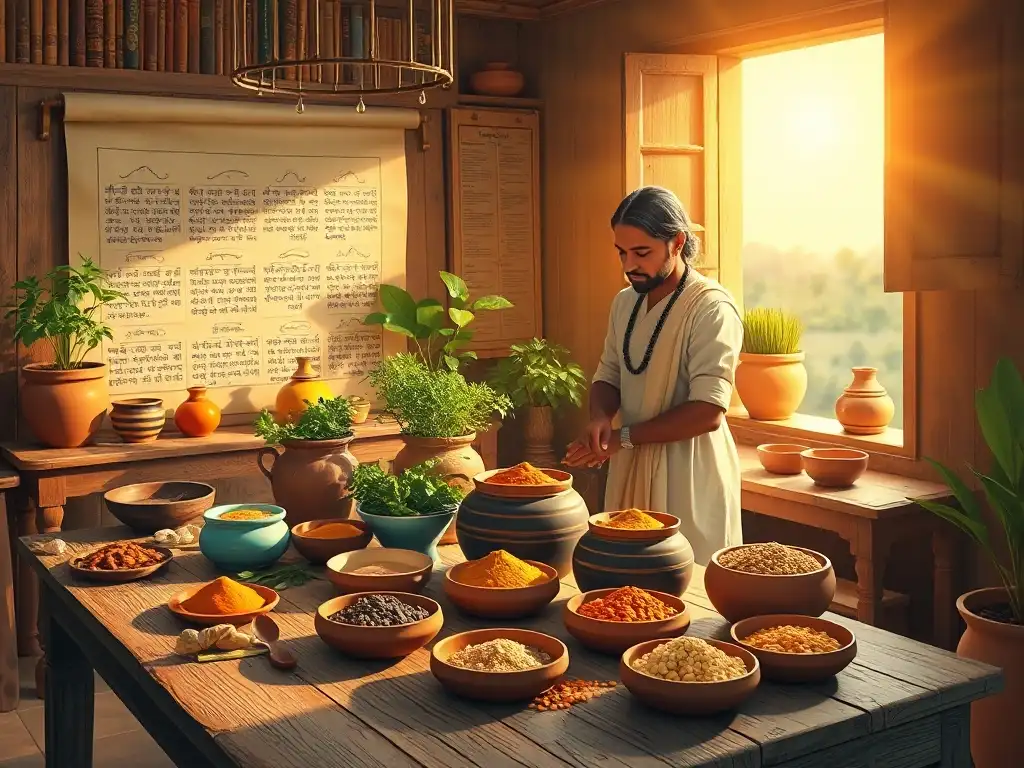
In Ayurveda, the ancient Indian system of medicine, diet is considered a cornerstone of health and well-being. The fundamental belief is that food is not merely sustenance but a vital component of one’s health, influencing both physical and mental states. The Ayurvedic diet is deeply intertwined with individual constitution (Prakriti), emphasizing that each person has unique dietary needs based on their doshic balance—Vata, Pitta, and Kapha. This personalized approach ensures that what nourishes one individual may not be suitable for another, highlighting the importance of tailoring dietary choices to maintain harmony within the body.
Ayurvedic texts, such as the Charaka Samhita and Sushruta Samhita, elaborately discuss the qualities of various foods and their effects on health. For instance, foods are categorized based on their taste (Rasa), potency (Virya), and post-digestive effect (Vipaka), which collectively influence the body's doshas. The holistic perspective of Ayurveda posits that a balanced diet contributes not only to physical health but also enhances mental clarity, emotional stability, and spiritual growth. Thus, the connection between diet and health in Ayurveda is profound, underscoring the philosophy that food can serve as medicine.
Preventive Healthcare: How Diet Acts as Medicine
Preventive healthcare is a pivotal principle in Ayurveda, where diet plays a crucial role in preventing disease and promoting overall wellness. The Ayurvedic approach advocates for the consumption of seasonal, locally sourced, and fresh foods, which are believed to harmonize with the body's natural rhythms. This preventive stance is reflected in the practice of choosing foods that balance the doshas, thus preventing imbalances that could lead to health issues.
Specific dietary guidelines are recommended to enhance immunity and bolster the body's resistance to disease. For example, incorporating spices like turmeric and ginger, known for their anti-inflammatory and antioxidant properties, is common in Ayurvedic diets. Additionally, the notion of Sattva—foods that promote purity, clarity, and harmony—encourages the consumption of fruits, vegetables, whole grains, and dairy, while minimizing processed and refined foods that can lead to toxicity (Ama) in the body.
Through this proactive approach, Ayurveda emphasizes that a well-balanced diet not only nurtures the body but also serves as a preventive measure against chronic illnesses. By aligning dietary practices with the principles of Ayurveda, individuals can cultivate a healthier lifestyle and mitigate the risk of ailments before they manifest.
Case Studies of Dietary Practices Leading to Healing
Numerous historical accounts and contemporary case studies illustrate the healing potential of dietary practices rooted in Ayurveda. One notable example is the use of a specific diet to manage diabetes. In ancient texts, practitioners recommended a regimen that included bitter vegetables, whole grains, and controlled portions of fruits, which are believed to stabilize blood sugar levels and enhance insulin sensitivity.
Another compelling case is the application of Ayurvedic dietary principles in treating digestive disorders. Patients with chronic conditions such as irritable bowel syndrome (IBS) often benefited from a diet rich in warm, cooked foods and herbal infusions, which facilitated digestion and restored gut health. Additionally, the inclusion of digestive spices like cumin and fennel proved effective in alleviating symptoms and promoting a balanced digestive fire (Agni).
These case studies not only demonstrate the efficacy of the Ayurvedic diet in addressing specific health concerns but also underline the broader principle that food can be a profound healing agent. The integration of traditional dietary practices within contemporary health paradigms continues to shed light on the enduring relevance of Ayurveda in the modern world.
Conclusion: The Enduring Legacy of the Ayurvedic Diet
The Ayurvedic diet has left an indelible mark on health practices, emphasizing the profound relationship between food and wellness. As a system that has evolved over thousands of years, Ayurveda offers insights into nutrition that are still applicable today. The principles of balance, moderation, and individuality remain relevant, guiding people toward healthier dietary choices that align with their unique constitutions.
The enduring legacy of the Ayurvedic diet is evident in its holistic approach, which recognizes food as a powerful tool for healing and prevention. This rich tradition encourages individuals to cultivate a deeper awareness of what they consume and to consider the broader implications of their dietary choices on their overall health and well-being.
Relevance of Ancient Dietary Practices in Modern Times
In contemporary society, where processed foods and fast-paced lifestyles dominate, the relevance of ancient dietary practices is increasingly significant. The Ayurvedic diet provides a framework for returning to natural, wholesome foods that nourish both the body and mind. As awareness grows around the impacts of nutrition on health, more individuals are turning to Ayurvedic principles as a guide for sustainable eating.
Moreover, the focus on seasonal and local foods resonates with the modern movement towards organic and sustainable agriculture. The Ayurvedic emphasis on mindful eating—being present during meals and appreciating the sensory experience of food—encourages a deeper connection to what we consume, fostering healthier habits in everyday life.
Encouragement to Explore Ayurvedic Diet for Wellness
As we navigate the complexities of modern nutrition, exploring the Ayurvedic diet can offer valuable insights into enhancing personal health and well-being. Individuals are encouraged to delve into the principles of Ayurveda, learning about their doshic constitution and how it influences their dietary needs. By embracing the wisdom of ancient practices, one can cultivate a balanced approach to eating that promotes vitality and harmony.
Incorporating Ayurvedic foods, herbs, and cooking methods into daily life can transform the way we perceive food—not merely as a source of energy but as a vital component of our health journey. Whether it’s through integrating spices known for their healing properties or adopting Ayurvedic meal rituals, the path to wellness is enriched by the teachings of this ancient tradition. Exploring the Ayurvedic diet is not just a dietary choice; it is a path toward holistic health and a deeper understanding of oneself.
References and Further Reading
The study of the Ayurvedic diet in ancient India is enriched by a wealth of texts and resources that detail its principles, practices, and historical significance. To delve deeper into this fascinating subject, the following key texts and suggested resources provide a comprehensive foundation for understanding the intricate relationship between diet and health in Ayurveda.
Key Texts on Ayurveda and Dietary Practices
-
Charaka Samhita
One of the foundational texts of Ayurveda, the Charaka Samhita discusses the principles of health, medicine, and the importance of diet. It presents an in-depth analysis of the six tastes (sweet, sour, salty, bitter, pungent, and astringent) and their roles in maintaining balance within the body.
-
Sushruta Samhita
This ancient text focuses on surgery and medicine but also emphasizes the significance of dietary practices for healing and wellness. The Sushruta Samhita outlines the types of food to consume for various ailments, advocating for a personalized approach to diet based on one's dosha (body constitution).
-
Ashtanga Hridayam
Authored by Vagbhata, this text synthesizes the principles from the Charaka and Sushruta texts, offering a holistic view of Ayurveda, including dietary recommendations. It underscores the importance of seasonal and regional variations in food choices.
-
Bhavaprakasha
This Ayurvedic text, written by Bhavamisra, includes extensive sections on food and nutrition, detailing how various foods can be classified and utilized for therapeutic purposes. It serves as a guide for practitioners and students of Ayurveda.
Suggested Resources for Learning More About Ayurvedic Nutrition
-
Books and Texts
-
The Complete Book of Ayurvedic Home Remedies by Vasant Lad
This book provides practical advice on using Ayurvedic principles in daily life, including simple recipes and remedies to enhance health through diet.
-
Ayurveda: The Science of Self-Healing by Vasant Lad
A comprehensive introduction to Ayurveda, this book includes sections dedicated to dietary practices and their effects on overall well-being.
-
-
Online Courses and Lectures
-
The Ayurvedic Institute
Offers various courses on Ayurveda, including specific modules focused on nutrition and dietary practices rooted in ancient traditions.
-
Coursera and edX
Platforms such as these often feature courses taught by experts in Ayurvedic medicine and nutrition, providing insights into how ancient practices can be applied today.
-
-
Websites and Online Communities
-
Banyan Botanicals
This website features articles, recipes, and resources on Ayurvedic nutrition, making it an excellent starting point for those interested in practical applications.
-
The National Center for Ayurveda
This organization promotes Ayurvedic education and practice, offering resources for further exploration of the Ayurvedic diet and lifestyle.
-
These texts and resources serve as gateways to understanding the Ayurvedic diet in ancient India, revealing how food was considered a vital element of medicine and health, integral to the holistic approach of Ayurveda.
- Introduction to the Ayurvedic Diet in Ancient India
- The Historical Context of the Ayurvedic Diet
- Key Principles of the Ayurvedic Diet
- Types of Foods in Ayurveda
- The Role of Digestion in the Ayurvedic Diet
- Ayurvedic Dietary Recommendations for Different Constitutions
- The Connection Between Diet and Health in Ayurveda
- Conclusion: The Enduring Legacy of the Ayurvedic Diet
- References and Further Reading
Frequently Asked Questions
What is the Ayurvedic diet in ancient India?
The Ayurvedic diet refers to a holistic approach to nutrition that emphasizes the balance of mind, body, and spirit. It incorporates natural foods and herbs tailored to an individual's unique constitution.
How did ancient Indian civilizations view food?
In ancient India, food was not just for sustenance; it was seen as medicine. The Ayurvedic principles taught that what we consume can significantly influence our health and well-being.
What are the main components of the Ayurvedic diet?
The Ayurvedic diet is based on the three doshas (Vata, Pitta, Kapha), which represent different body types. Foods are chosen to balance these doshas while promoting digestive health.
How does the Ayurvedic diet differ from modern diets?
Unlike many modern diets that focus on calorie counting, the Ayurvedic diet emphasizes personalization based on individual needs and seasonal variations, promoting a deeper connection with nature.
What role did herbs play in the Ayurvedic diet of ancient India?
Herbs were considered essential in the Ayurvedic diet for their medicinal properties. They were used not only to enhance flavor but also to support healing and prevent illness.
Final Reflection: The Timeless Wisdom of the Ayurvedic Diet
The Ayurvedic diet in ancient India remains profoundly relevant today, as it emphasizes the intrinsic connection between food and health. In a world increasingly dominated by fast food and processed meals, the principles of Ayurveda remind us that what we consume is not just about sustenance but also about nurturing our bodies and minds. The ancient wisdom of using food as medicine speaks volumes in our modern quest for holistic wellness and balance.
Culture and society have always been shaped by our dietary choices, and the Ayurvedic diet continues to influence contemporary health practices. The teachings of Ayurveda encourage us to understand our unique body types and the effects of different foods on our well-being. As we navigate the complexities of modern life, we can draw inspiration from this ancient system that promotes harmony between our physical health and our environment. Let food be thy medicine and medicine be thy food.
This quote encapsulates the essence of Ayurveda, reminding us that our dietary choices can be a powerful tool for healing and vitality.
As you reflect on the insights shared in this article, consider how you can incorporate the principles of the Ayurvedic diet into your own life. Take a moment to explore what foods resonate with your body and spirit, and embrace the idea that every meal can be an opportunity for nourishment and healing. By honoring the wisdom of ancient practices, we can cultivate a more mindful relationship with food and, ultimately, with ourselves.
Unleash the Healing Power of Ancient Foods!
Thank you for taking the time to explore the profound connection between diet and wellness in Ayurveda. You've uncovered the essential principle that food is more than just fuel—it serves as a vital component of healing and harmony in our lives. Now, let’s put this knowledge into action!
Here are some practical steps you can take to embrace the wisdom of Ayurvedic eating:
- Reimagine your plates: Start incorporating more whole, seasonal, and locally sourced foods into your diet. **Experiment with various Ayurvedic recipes** to harmonize with your body’s unique constitution.
- Share your journey: Connect with friends or family over a traditional Ayurvedic meal and discuss the benefits you’ve discovered. **Consider hosting a gathering** where everyone can contribute a dish inspired by Ayurvedic traditions!
- Dive deeper: Expand your understanding by reading more about the principles of Ayurveda and **look into participating in a local cooking class** that focuses on Ayurvedic cuisine.
What steps will you take today to integrate the ancient wisdom of Ayurveda into your modern lifestyle?