
How Ancient Indian Civilizations Practiced Preventive Healthcare through Ayurveda

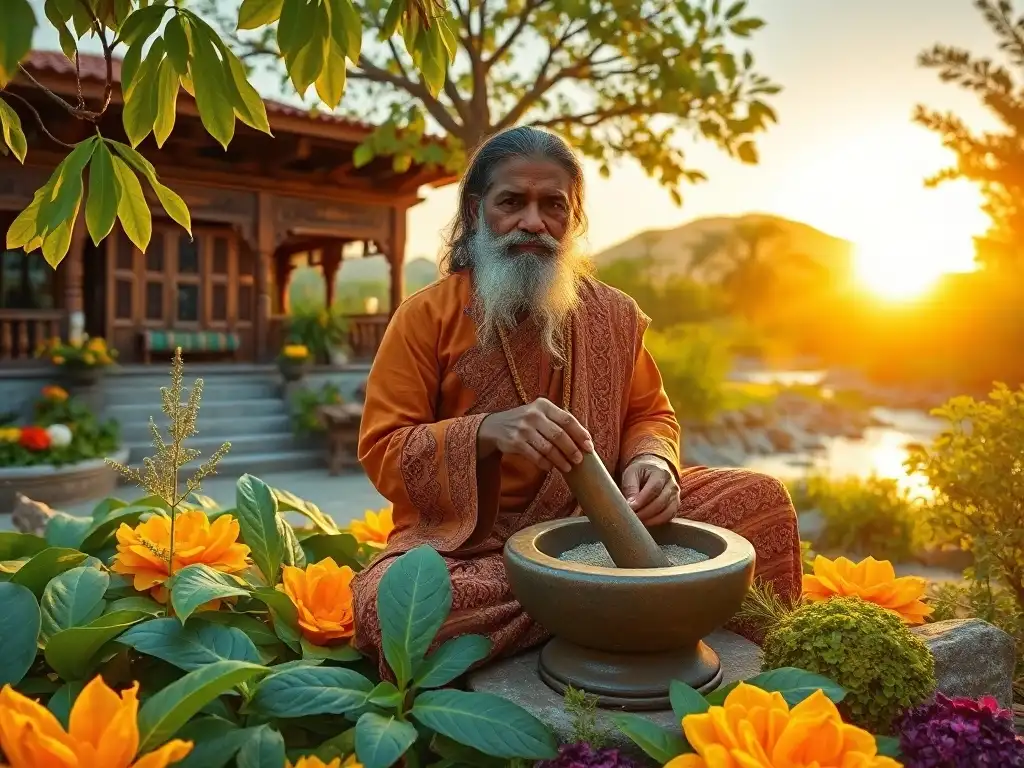
Welcome to Ancient India History, where we embark on a fascinating journey through the rich tapestry of ancient Indian civilizations. From the enigmatic Indus Valley to the illustrious Gupta Empire, we delve into the profound contributions that shaped the foundations of our modern world. In today's featured article, we uncover the intriguing practices of Ayurveda in ancient Indian healthcare, revealing how this age-old system not only prioritized preventive care but also harmonized the mind, body, and spirit.
Are you ready to explore how these timeless principles continue to influence wellness today? Join us as we unravel the secrets of ancient practices that resonate through the ages!
- Introduction to Ayurveda in Ancient Indian Healthcare
- Historical Context of Ayurveda
- Core Principles of Ayurveda
- Preventive Healthcare Practices in Ayurveda
- Herbal Remedies and Natural Treatments
- The Role of Mind-Body Connection in Ayurveda
- Case Studies of Ayurvedic Practices in Ancient Civilizations
- Conclusion: Legacy of Ayurveda in Ancient Indian Healthcare
- Frequently Asked Questions
- Final Reflection: The Enduring Wisdom of Ayurveda in Ancient Indian Healthcare
- Embrace the Wisdom of Ayurveda Today!
Introduction to Ayurveda in Ancient Indian Healthcare
Ayurveda, often described as the "Science of Life," is more than just a system of medicine; it embodies a philosophy that emphasizes balance and harmony within the body and with the environment. Rooted in ancient Indian civilization, Ayurveda has provided a comprehensive approach to health and wellness for thousands of years. The principles of Ayurveda extend beyond the treatment of ailments to focus on preventive healthcare practices, ensuring that individuals maintain optimal health and well-being.
In exploring Ayurveda in ancient Indian healthcare, we delve into the rich tapestry of knowledge that these civilizations cultivated. From the sophisticated urban planning of the Indus Valley civilization to the philosophical and scientific advancements during the Gupta Empire, preventive healthcare was a cornerstone of daily life. This article will shed light on the various preventive healthcare practices rooted in Ayurveda and the profound significance they held in ancient Indian society.
Overview of Preventive Healthcare Practices
Preventive healthcare in ancient India was intricately tied to Ayurvedic principles, which aimed to maintain a state of balance in the body, mind, and spirit. Key components of these practices included:
- Dietary Guidelines: Ancient texts emphasized the importance of a balanced diet, tailored to individual constitutions (Prakriti). Foods were categorized based on their qualities (Gunas) and effects on the body, promoting wellness.
- Daily Routines (Dinacharya): A structured daily routine was encouraged to align the body’s rhythms with natural cycles. This included waking up early, practicing hygiene, and engaging in physical activity.
- Seasonal Routines (Ritucharya): Adjusting lifestyle and dietary choices according to seasonal changes ensured that individuals remained in harmony with their environment, minimizing the risk of illness.
- Herbal Remedies: The use of herbs and natural remedies was prevalent, with a focus on preventive measures rather than reactive treatments. Formulas were developed to enhance immunity and vitality.
- Mindfulness and Meditation: Mental well-being was considered paramount, with practices such as meditation and yoga incorporated to promote mental clarity and emotional stability.
These practices reflect a holistic understanding of health, emphasizing prevention rather than merely addressing symptoms.
Significance of Ayurveda in Ancient Civilizations
The significance of Ayurveda in ancient Indian civilizations cannot be overstated. It played a pivotal role in shaping health practices, societal norms, and even governance. Key points include:
- Integration with Daily Life: Ayurveda was not viewed as a separate practice but was integrated into everyday activities, influencing everything from cooking to spiritual practices.
- Cultural Legacy: The teachings and texts of Ayurveda, such as the Charaka Samhita and Sushruta Samhita, laid the foundation for future medical practices and continue to influence healthcare systems today.
- Community Health: Preventive healthcare practices fostered a sense of community, as families and communities engaged collectively in maintaining health, sharing knowledge, and resources.
- Philosophical Impact: Ayurveda was deeply intertwined with the philosophical and spiritual beliefs of the time, promoting a worldview that saw physical health as interconnected with mental and spiritual well-being.
- Global Influence: The principles of Ayurveda transcended borders, impacting various cultures and contributing to the development of holistic health practices worldwide.
Ayurveda in ancient Indian healthcare exemplifies a sophisticated understanding of health that prioritized prevention and harmony, leaving a lasting legacy that continues to resonate in modern health practices.
Historical Context of Ayurveda

Origins of Ayurveda in Ancient India
Ayurveda, often referred to as the "Science of Life," has its roots deep within the ancient Indian civilization, tracing back to around 1500 BCE during the Vedic period. This holistic system of medicine is not merely a collection of treatments but a comprehensive philosophy that integrates the physical, mental, and spiritual aspects of health.
The term "Ayurveda" is derived from the Sanskrit words "Ayus," meaning life, and "Veda," meaning knowledge or science. This indicates that Ayurveda is fundamentally about understanding the vital principles that govern health and longevity. The earliest references to Ayurvedic practices can be found in the Vedas, particularly the Rigveda, where hymns describe various herbs and their medicinal properties.
Key Texts and Scriptures on Ayurveda
Ayurveda's foundational texts are crucial for understanding its principles and practices. The most significant among these texts include:
- Charaka Samhita:
- Compiled by the sage Charaka, this text is one of the oldest and most revered in Ayurveda. It primarily focuses on internal medicine and provides extensive insights into diagnosis, treatment, and patient care. The Charaka Samhita emphasizes the importance of diet, lifestyle, and the use of herbs in maintaining health.
- Sushruta Samhita:
- Authored by Sushruta, this text is often regarded as the foundational work in surgical practices. It outlines various surgical techniques and instruments, emphasizing the importance of preventive care and hygiene. Sushruta's contributions to plastic surgery and the treatment of wounds are particularly notable.
- Ashtanga Hridaya:
- This classical text, written by Vagbhata, synthesizes knowledge from both the Charaka and Sushruta Samhitas. It covers eight branches of Ayurveda, including internal medicine, surgery, and pediatrics, providing a comprehensive overview of the discipline.
These texts serve not only as educational resources but also as cultural artifacts that reflect the values and beliefs of ancient Indian society regarding health and well-being.
Influence of Ayurveda on Indian Society and Culture
The impact of Ayurveda on Indian society extends far beyond health care; it has significantly shaped cultural practices, rituals, and daily life. The principles of Ayurveda have been integrated into various aspects of society, including:
- Dietary Practices: Ayurvedic concepts of balancing the three doshas (Vata, Pitta, and Kapha) have influenced traditional Indian cuisine, promoting meals that align with an individual's constitution to enhance health and prevent illness.
- Yoga and Meditation: Ayurveda shares a symbiotic relationship with yoga, as both systems emphasize the unity of body and mind. Many Ayurvedic practitioners incorporate yoga into their treatment plans, recognizing its role in preventive healthcare.
- Festivals and Rituals: Various cultural festivals in India reflect Ayurvedic principles, such as the practice of detoxification during certain seasons or the use of specific herbs in festive foods, fostering a community-oriented approach to health.
- Traditional Healing Practices: Ayurveda has laid the groundwork for numerous traditional healing practices across India, influencing folk medicine and other regional health systems.
Ayurveda in ancient Indian healthcare served as a cornerstone for preventive medicine, intertwining with the very fabric of Indian culture and society. Its teachings continue to resonate today, promoting a holistic approach to health that emphasizes balance, lifestyle, and natural remedies.
Core Principles of Ayurveda
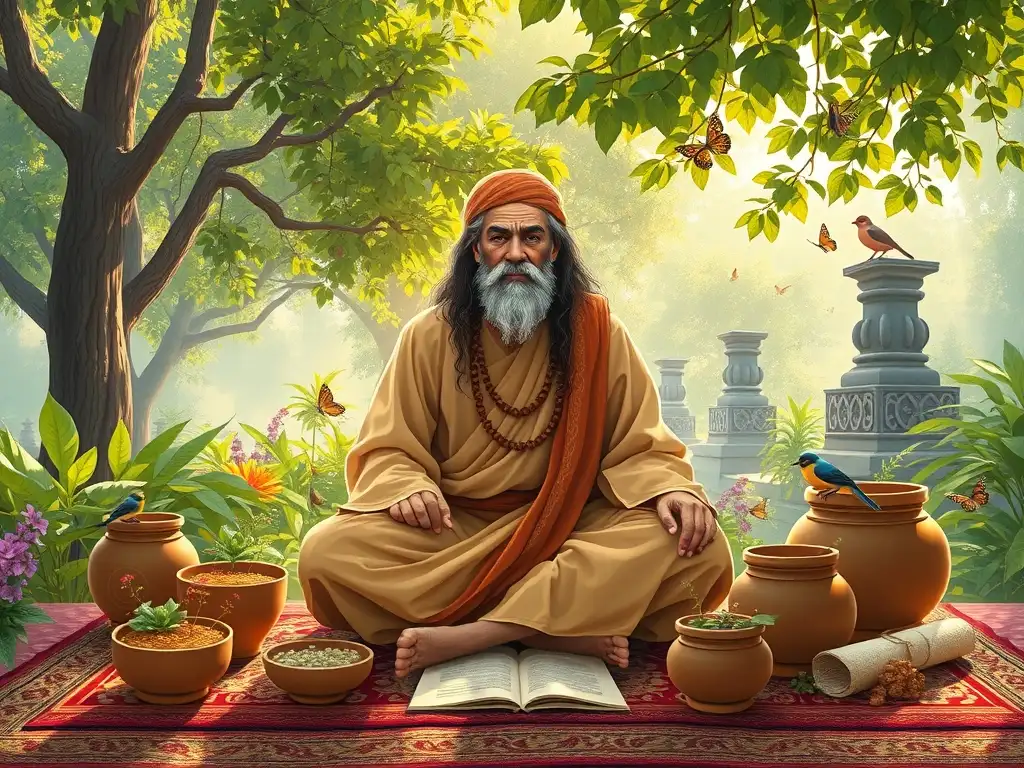
Ayurveda, often referred to as the "science of life," is a holistic system of medicine that has its roots in ancient Indian civilizations. Its approach to preventive healthcare encompasses a deep understanding of the human body, mind, and spirit, focusing on maintaining balance and harmony within these elements. The core principles of Ayurveda revolve around the concepts of doshas, agni, and the three gunas, which are critical to understanding how Ayurveda in ancient Indian healthcare was practiced.
The Concept of Doshas: Vata, Pitta, and Kapha
The foundation of Ayurvedic medicine rests on the concept of doshas, which are the three fundamental energies believed to govern physiological processes in the body. Each individual has a unique combination of these doshas, which influences their physical and mental characteristics.
- Vata:
- Elements: Air and Ether
- Characteristics: Vata is associated with movement and is responsible for bodily functions such as circulation, respiration, and elimination. When in balance, Vata promotes creativity and vitality. However, excess Vata can lead to anxiety, dry skin, and digestive issues.
- Pitta:
- Elements: Fire and Water
- Characteristics: Pitta governs metabolism, digestion, and transformation. A balanced Pitta contributes to clarity of thought and strong digestion. An imbalance, however, can result in irritability, inflammation, and digestive disorders.
- Kapha:
- Elements: Earth and Water
- Characteristics: Kapha provides structure and stability, influencing bodily strength and immunity. When balanced, it fosters calmness and endurance. An excess of Kapha may lead to lethargy, weight gain, and respiratory issues.
Understanding one's dosha is crucial in Ayurveda, as personalized health regimens are tailored to balance these energies, promoting overall well-being and preventing disease.
The Role of Agni (Digestive Fire) in Health
In Ayurveda, Agni, or digestive fire, is a central concept that signifies the power of transformation within the body. It is not merely about digestion; it encompasses how the body metabolizes food, thoughts, and experiences.
- Significance of Agni:
- A balanced Agni is essential for optimal health, as it determines the efficacy of digestion and absorption of nutrients.
- It influences the production of Ojas, the essence of vitality and immunity.
- Types of Agni:
- Jatharagni: The main digestive fire located in the stomach and intestines, responsible for digesting food.
- Dhatvagni: The metabolic fire in tissues, responsible for maintaining tissue health.
- Bhutagni: The fire that governs the transformation of five elements (earth, water, fire, air, space) into bodily tissues.
To maintain a strong Agni, Ayurveda recommends practices such as mindful eating, consuming warm, cooked foods, and incorporating spices like ginger and turmeric, which stimulate digestion.
Understanding Sattva, Rajas, and Tamas in Lifestyle Choices
The three gunas—Sattva, Rajas, and Tamas—play a fundamental role in Ayurveda by influencing lifestyle choices, mental states, and overall health.
- Sattva:
- Characteristics: Represents purity, harmony, and balance. A Sattvic lifestyle promotes clarity, peace, and well-being. Foods that are fresh, organic, and wholesome contribute to a Sattvic state.
- Lifestyle Choices: Practices such as meditation, yoga, and engaging in constructive activities enhance Sattva.
- Rajas:
- Characteristics: Represents activity, passion, and dynamism. While Rajas can drive motivation and ambition, excessive Rajas can lead to stress, agitation, and restlessness.
- Lifestyle Choices: Moderating stimulating activities and consuming foods that are spicy or excessively stimulating can help balance Rajas.
- Tamas:
- Characteristics: Represents inertia, darkness, and confusion. While Tamas can provide rest and recovery, an excess can lead to lethargy and depression.
- Lifestyle Choices: Engaging in uplifting activities and avoiding heavy, processed foods can mitigate Tamas.
By understanding and balancing these three gunas, individuals can make informed choices that promote mental clarity, emotional stability, and physical health, showcasing the profound impact of Ayurveda in ancient Indian healthcare practices.
Preventive Healthcare Practices in Ayurveda
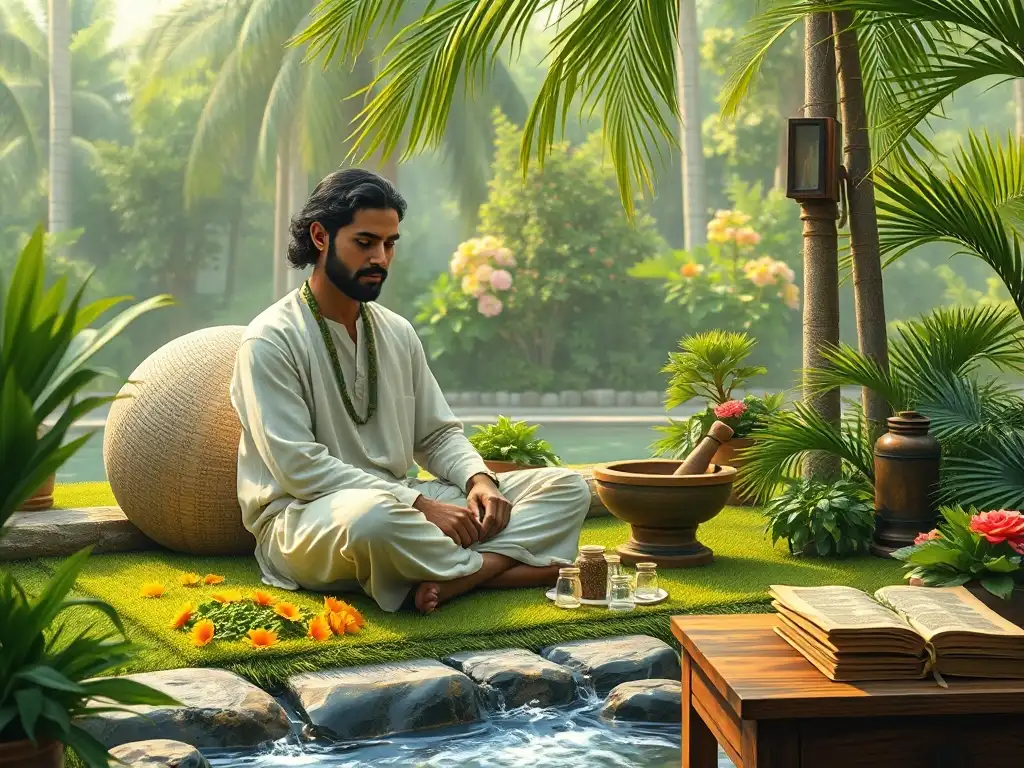
Ayurveda, the ancient Indian system of medicine, emphasizes the importance of preventive healthcare as a core principle. Unlike modern medicine, which often focuses on treating diseases after they arise, Ayurveda promotes a holistic approach to health that aims to maintain balance and harmony in the body. Preventive healthcare practices in Ayurveda encompass daily routines, seasonal adaptations, and dietary guidelines, all designed to foster well-being and prevent illness.
Daily Routines (Dinacharya) for Well-being
Dinacharya refers to the daily regimen that Ayurveda prescribes to maintain optimal health. These routines are tailored to align with the natural rhythms of the body and the environment. Here are some key components of Dinacharya:
- Waking Up Early: It is recommended to rise before sunrise (around 5 AM) to harness the energy of the morning. This time is considered auspicious and beneficial for meditation and reflection.
- Oral Hygiene: The practice of Gandush (oil pulling) and Jivha Prakshalan (tongue scraping) is essential for maintaining oral health and removing toxins. This not only freshens breath but also stimulates the digestive system.
- Self-Massage (Abhyanga): Daily oil massage is encouraged to nourish the skin, improve circulation, and alleviate stress. Using warm herbal oils specific to one’s dosha (body constitution) enhances the benefits.
- Yoga and Pranayama: Incorporating physical exercise through yoga and breath control techniques (pranayama) is crucial for maintaining flexibility, strength, and mental clarity.
- Mindfulness and Meditation: Allocating time for meditation and mindfulness practices helps in managing stress, enhancing emotional health, and promoting overall mental well-being.
Implementing these daily routines can significantly enhance one's health, increase longevity, and prevent many lifestyle-related diseases.
Seasonal Routines (Ritucharya) in Ayurveda
Ritucharya refers to the seasonal regimen that highlights the importance of adapting one's lifestyle and diet according to the changing seasons. Ayurveda identifies six seasons (Ritu), each with unique qualities that affect our health. Here’s how to align with these seasonal changes:
- Vasanta (Spring): Focus on detoxification and rejuvenation. Consume light, warm foods and engage in cleansing practices to eliminate winter stagnation.
- Grishma (Summer): Stay hydrated and incorporate cooling foods such as cucumbers and melons. Avoid heavy meals to prevent overheating.
- Varsha (Monsoon): Strengthen immunity during this season of increased humidity and infections. Include warm, cooked foods that are easy to digest and boost the immune system.
- Sharad (Autumn): As the air becomes cooler, opt for nourishing and warming foods. This is a time for balance, focusing on maintaining digestive health.
- Hemanta (Winter): Embrace rich, fatty foods to sustain warmth and energy. Include spices that promote digestion, like ginger and black pepper.
- Shishira (Late Winter): Gradually detoxify and prepare for spring by focusing on lighter foods and reducing heavy, oily meals.
By observing Ritucharya, individuals can harmonize their bodily functions with nature, thereby preventing seasonal ailments and promoting overall health.
Dietary Guidelines and Nutrition (Ahara) for Prevention
Ahara, or nutrition, plays a pivotal role in Ayurvedic preventive healthcare. The dietary guidelines in Ayurveda are tailored to support the body's unique constitution (dosha) and promote balance. Key principles include:
- Personalized Nutrition: Understanding one’s dosha (Vata, Pitta, Kapha) is essential for selecting appropriate foods. For example, Vata individuals benefit from warm, moist foods, while Pitta types should consume cooling foods.
- Fresh and Seasonal Foods: Ayurveda emphasizes the consumption of locally sourced, seasonal foods that are fresh and unprocessed. This approach enhances nutrient intake and supports digestive health.
- Six Tastes (Shad Rasa): A balanced meal should include all six tastes—sweet, sour, salty, bitter, pungent, and astringent. This balance ensures comprehensive nutrition and satisfaction.
- Mindful Eating: Practicing mindfulness during meals, such as chewing thoroughly and appreciating flavors, promotes better digestion and enhances the eating experience.
- Avoiding Food Combinations: Ayurveda advises against certain food combinations that can disrupt digestion, such as dairy with sour fruits or combining milk with fish.
By adhering to these dietary guidelines, individuals can strengthen their immune systems, enhance digestion, and prevent a wide range of health issues, thereby embodying the principles of Ayurveda in ancient Indian healthcare.
Incorporating these preventive healthcare practices from Ayurveda not only fosters a healthier lifestyle but also serves as a powerful reminder of the wisdom embedded in ancient Indian traditions. Understanding and applying these principles can lead to profound benefits for both physical and mental well-being.
Herbal Remedies and Natural Treatments

Ayurveda, the ancient Indian system of medicine, places a significant emphasis on the use of herbal remedies and natural treatments for promoting health and preventing disease. This holistic approach is rooted in the belief that the body possesses inherent healing capabilities, and with the right support from nature, individuals can maintain balance and harmony within themselves.
Common Herbs Used in Preventive Healthcare
The ancient texts of Ayurveda, such as the Charaka Samhita and Sushruta Samhita, highlight a wide array of herbs that are utilized for their therapeutic properties. Some of the most commonly used herbs include:
- Tulsi (Holy Basil): Revered for its adaptogenic properties, Tulsi helps the body cope with stress and enhances overall immunity. It is often used in teas and tinctures.
- Ashwagandha: Known as a powerful tonic, this herb supports the body's resilience to stress, reduces anxiety, and promotes vitality. It is frequently available in powdered form or as capsules.
- Turmeric: Renowned for its anti-inflammatory and antioxidant properties, turmeric is commonly used in cooking and as a supplement to support joint health and overall wellness.
- Ginger: Used for its digestive benefits, ginger helps alleviate nausea and improve gastrointestinal health. It can be consumed fresh, dried, or in tea form.
- Amla (Indian Gooseberry): Amla is rich in vitamin C and antioxidants, making it a key ingredient in many formulations aimed at boosting immunity and rejuvenating the body.
These herbs not only serve as preventive measures but also form the basis of various Ayurvedic treatments and formulations designed to maintain health and well-being.
Formulations and Preparations for Wellness
In Ayurveda, the preparation and formulation of remedies are crucial for maximizing the therapeutic potential of herbs. Traditional formulations often combine various herbs and other natural substances to create synergistic effects. Here are some notable formulations:
- Chyawanprash: This classic herbal jam, made with Amla and a blend of other herbs, is consumed for its immune-boosting properties and overall vitality enhancement.
- Kadha: A herbal decoction typically made from a mix of herbs like ginger, turmeric, and black pepper, kadha is popular for its ability to boost immunity and combat respiratory ailments.
- Ghrita (Ghee): Medicinal ghee infused with herbs is used for its nourishing properties and is believed to enhance the absorption of nutrients and promote digestion.
- Lehyam: These are herbal pastes that combine various ingredients, providing nourishment and therapeutic benefits, often used for digestive health and rejuvenation.
These formulations exemplify how Ayurveda integrates herbs into daily practices, allowing individuals to harness the power of nature for preventive healthcare.
The Role of Panchakarma in Detoxification
Panchakarma, which translates to "five actions," is an essential aspect of Ayurvedic medicine focused on detoxification and rejuvenation. This comprehensive treatment process involves five key procedures designed to eliminate toxins (ama) from the body and restore balance. The primary components include:
- Vamana (Therapeutic Vomiting): This procedure helps expel excess kapha dosha from the body, addressing issues like respiratory disorders and congestion.
- Virechana (Purgation Therapy): It targets excess pitta dosha, promoting the elimination of toxins through the gastrointestinal tract, which can alleviate conditions such as skin disorders and digestive issues.
- Basti (Enema Therapy): Utilizing herbal-infused oils and decoctions, basti aims to cleanse the colon and balance vata dosha, effectively addressing constipation and other related ailments.
- Nasya (Nasal Administration): This method involves administering herbal oils or powders through the nasal passages, supporting respiratory health and enhancing mental clarity.
- Raktamokshana (Bloodletting): Although less commonly practiced today, this technique is utilized to purify the blood and alleviate various skin and blood-related disorders.
Through these processes, Panchakarma not only detoxifies the body but also rejuvenates the mind and spirit, embodying the holistic approach of Ayurveda in ancient Indian healthcare. By integrating detoxification with preventive measures, ancient Indian civilizations laid a strong foundation for maintaining health and well-being through natural practices.
The Role of Mind-Body Connection in Ayurveda

Ayurveda, the ancient Indian system of medicine, emphasizes the intricate relationship between the mind and body, forming the foundation of its preventive healthcare practices. This holistic approach acknowledges that mental and physical health are deeply interconnected, influencing overall well-being. By understanding this relationship, Ayurveda aims to promote balance within the individual, preventing disease before it manifests.
In Ayurveda, the mind is viewed as a powerful entity that can affect bodily functions and health outcomes. Emotional disturbances and mental stress are considered significant contributors to various physical ailments. Thus, maintaining mental clarity and emotional stability is essential for achieving optimal health. The Ayurvedic principle of Sattva, which represents purity and clarity of mind, is fundamental in fostering a healthy mind-body connection.
Importance of Mental Health in Preventive Practices
Mental health plays a crucial role in Ayurveda's preventive strategies. The following aspects highlight its significance:
- Holistic Perspective: Ayurveda considers the individual as a whole, where mental health is as vital as physical health. This perspective leads to integrated treatment plans that address both aspects concurrently.
- Stress Management: Chronic stress is known to exacerbate physical illnesses. Ayurvedic practices promote stress reduction through various techniques, emphasizing the need for mental well-being as a preventive measure.
- Emotional Balance: Emotions can significantly influence physical health. Ayurveda suggests that cultivating positive emotions and reducing negative ones can lead to better health outcomes. This is achieved through practices such as Dhyana (meditation) and Sattvic diet.
- Preventive Measures: Ayurvedic texts advocate for regular Panchakarma (detoxification therapies) and lifestyle modifications that include mindfulness practices to enhance mental health, thus preventing various health issues.
Incorporating these principles into daily life can help individuals maintain mental resilience, ultimately contributing to long-term physical health.
Meditation and Yoga as Complementary Therapies
Meditation and yoga are integral components of Ayurvedic practice that strengthen the mind-body connection. These practices serve as effective complementary therapies for preventive healthcare:
- Meditation: This practice fosters mental clarity and tranquility. Regular meditation enhances focus, reduces anxiety, and promotes emotional stability. Studies have shown that meditation can lead to physiological changes that support overall health, such as reduced blood pressure and improved immune function.
- Yoga: Yoga combines physical postures, breathing techniques, and meditation, promoting both physical and mental well-being. Asanas (postures) improve flexibility and strength, while Pranayama (breath control) helps regulate the nervous system, reducing stress and anxiety.
- Synergistic Effects: Together, meditation and yoga create a synergistic effect, where the benefits of one enhance the other. This combination not only aids in relaxation and stress management but also aligns the body’s energies, fostering a state of balance that is crucial for preventive healthcare.
- Scientific Validation: Modern research supports the efficacy of yoga and meditation in promoting mental health. Various studies have documented their roles in reducing symptoms of anxiety and depression, reinforcing their importance in Ayurvedic preventive healthcare.
By integrating meditation and yoga into daily routines, individuals can cultivate a strong mind-body connection, which is vital for maintaining health and preventing disease in line with the principles of Ayurveda in ancient Indian healthcare.
Case Studies of Ayurvedic Practices in Ancient Civilizations

Examples from the Indus Valley Civilization
The Indus Valley Civilization (IVC), one of the earliest urban cultures in the world, flourished around 2500 BCE in present-day Pakistan and northwest India. Evidence suggests that the people of this civilization had a profound understanding of health and wellness, which aligns with principles of Ayurveda in ancient Indian healthcare. Archaeological findings, including seals, pottery, and urban layouts, indicate that sanitation and hygiene were prioritized, reflecting early preventive healthcare practices.
- Urban Planning and Sanitation: The cities of Harappa and Mohenjo-Daro featured advanced drainage systems and public baths, suggesting that the inhabitants valued cleanliness and its impact on health. These infrastructures are believed to have contributed to disease prevention and overall community health.
- Medicinal Plants: Excavations have uncovered evidence of various medicinal plants, such as turmeric and neem, which were likely used for their healing properties. The use of these plants aligns with Ayurvedic principles, emphasizing natural remedies for maintaining health.
- Dietary Practices: The IVC diet, rich in grains, fruits, and vegetables, indicates an early understanding of nutrition's role in health. This holistic view of food as medicine is a foundational concept in Ayurveda, which stresses the importance of diet in preventive care.
Practices during the Vedic Period
The Vedic Period, spanning from approximately 1500 BCE to 500 BCE, marked a significant evolution in Ayurvedic practices. The Vedas, especially the Atharva Veda, contain extensive references to health and medicinal practices, underscoring the integration of spirituality, philosophy, and medicine.
- Ayurveda Texts: The earliest texts on Ayurveda, such as the Charaka Samhita and Sushruta Samhita, emerged during this period. These texts laid the groundwork for understanding bodily humors (doshas) and the balance necessary for health. They emphasized preventive measures, including dietary recommendations, lifestyle modifications, and herbal treatments.
- Rituals and Health: The Vedic society believed in rituals and prayers as means to maintain health. Regular practices such as yoga and meditation, which were integral to Vedic life, promoted mental well-being and physical health, highlighting the holistic approach of Ayurveda.
- Herbal Medicine: The Vedic texts catalog various herbs and their medicinal properties, which were used to treat ailments. For example, ghee and honey were prescribed for digestive issues, while specific herbs were recommended for respiratory problems. This systematic documentation of herbal remedies laid the foundation for future Ayurvedic practices.
Contributions from the Gupta Empire
The Gupta Empire (approximately 320 to 550 CE) is often regarded as the Golden Age of India, marked by significant advancements in science, mathematics, and medicine, including the further development of Ayurveda.
- Ayurvedic Scholars: During this period, notable scholars like Charaka and Sushruta advanced Ayurvedic knowledge. Charaka emphasized the importance of preventive healthcare through balanced living, while Sushruta is known for his surgical techniques and detailed anatomical studies, which were revolutionary for their time.
- Medical Institutions: The Gupta Empire also saw the establishment of hospitals and medical schools, where Ayurveda was taught and practiced. These institutions played a crucial role in disseminating Ayurvedic knowledge and practices, making healthcare more accessible to the populace.
- Integration of Knowledge: The Gupta period witnessed the integration of various medical systems with Ayurveda, leading to a more comprehensive understanding of health. This amalgamation of knowledge contributed to refined treatment methodologies and preventive measures, solidifying Ayurveda's role in ancient Indian healthcare.
The practices of Ayurveda in ancient Indian civilizations, from the Indus Valley to the Gupta Empire, demonstrate a rich tradition of preventive healthcare. By emphasizing cleanliness, diet, and holistic well-being, these early societies laid the groundwork for the enduring legacy of Ayurveda in promoting health and wellness.
Conclusion: Legacy of Ayurveda in Ancient Indian Healthcare
The legacy of Ayurveda in ancient Indian healthcare is profound and multifaceted, reflecting a deep understanding of human health and the interconnectedness of body, mind, and environment. Rooted in texts such as the Charaka Samhita and the Sushruta Samhita, Ayurveda was not merely a system of medicine but a holistic approach to life that emphasized prevention and balance.
Lasting Impact on Modern Preventive Healthcare
Ayurveda's principles continue to resonate in contemporary wellness practices, influencing modern preventive healthcare strategies. Here are some key aspects of this lasting impact:
- Holistic Approach: Today's healthcare increasingly recognizes the importance of treating the individual as a whole rather than merely addressing symptoms. Ayurvedic practices, which incorporate physical, emotional, and spiritual health, align well with this shift.
- Emphasis on Prevention: Ancient Indian healthcare methods focused on preventive measures rather than curative treatments. This ethos has been adopted widely in modern health paradigms, encouraging practices such as regular detoxification (Panchakarma) and dietary adjustments tailored to individual constitutions (Prakriti).
- Natural Remedies: The extensive use of herbs and natural substances in Ayurveda has paved the way for the trend towards plant-based and natural remedies in contemporary medicine. Many pharmaceutical companies are now exploring Ayurvedic formulations for their potential therapeutic benefits.
- Mind-Body Connection: Practices such as yoga and meditation, integral to Ayurveda, have gained global popularity for their mental health benefits. The recognition of the mind-body connection is now a cornerstone of preventive healthcare.
- Personalized Medicine: Ayurveda’s individualized approach to treatment, taking into account a person's unique constitution and lifestyle, is mirrored in modern personalized medicine initiatives, which aim to tailor healthcare to individual patient needs.
Future Directions for Ayurveda in Health and Wellness
As we look to the future, the potential for Ayurveda in health and wellness remains expansive. Here are several directions that may shape its development:
- Integration with Modern Medicine: There is a growing interest in integrating Ayurvedic principles with conventional medical practices. This collaboration could lead to more comprehensive treatment plans that respect the strengths of both systems.
- Research and Validation: Continued scientific research into Ayurvedic practices and remedies is crucial for validating their efficacy and safety. This would not only enhance their credibility but also encourage wider acceptance in the global medical community.
- Global Awareness and Education: Increasing awareness of Ayurveda around the world can foster a greater understanding of its benefits. Educational initiatives, workshops, and certification programs can help disseminate knowledge and encourage its practice.
- Technology in Ayurveda: The use of technology, including mobile applications and telemedicine, can facilitate access to Ayurvedic consultations and resources, making it more accessible to a global audience.
- Customization through Data: Leveraging data analytics and artificial intelligence to personalize Ayurvedic treatments based on genetic, environmental, and lifestyle factors may revolutionize how preventive healthcare is approached.
The principles of Ayurveda in ancient Indian healthcare have laid a foundational framework for preventive healthcare that is still relevant today. As we continue to explore and embrace these ancient practices, the potential for a healthier, balanced future remains vibrant.
Frequently Asked Questions
What is Ayurveda in ancient Indian healthcare?
Ayurveda is a holistic healing system that emphasizes preventive healthcare and wellness, developed in ancient India. It focuses on balancing the body, mind, and spirit to promote overall health.
How did ancient Indian civilizations implement Ayurveda?
Ancient Indian civilizations practiced Ayurveda through herbal remedies, diet, and lifestyle changes. They believed in maintaining a balance of the body's energies to prevent illness.
What role did Ayurveda play in preventive healthcare?
Ayurveda played a crucial role in preventive healthcare by advocating for healthy living practices and early interventions. This approach aimed to maintain health rather than just treating diseases.
Yes, ancient texts like the Charaka Samhita and Sushruta Samhita are foundational works that detail Ayurvedic practices, including diagnosis, treatment, and lifestyle guidance.
How is Ayurveda relevant today?
Ayurveda remains relevant today as it offers natural remedies and preventive strategies that align with modern holistic health trends, emphasizing the importance of wellness and self-care.
Final Reflection: The Enduring Wisdom of Ayurveda in Ancient Indian Healthcare
The principles of Ayurveda in ancient Indian healthcare resonate profoundly in today's world, where the quest for holistic well-being is more relevant than ever. As we navigate the complexities of modern life, the ancient wisdom of Ayurveda offers a timeless framework for preventive healthcare that emphasizes balance, harmony, and self-awareness. This age-old practice not only highlights the importance of maintaining health but also serves as a reminder that true wellness is a journey rather than a destination.
Clearly, the influence of Ayurveda extends beyond its historical roots, shaping contemporary cultural and social landscapes in profound ways. From wellness retreats to herbal remedies, the principles of Ayurveda are being embraced globally, fostering a deeper understanding of the interconnectedness of body, mind, and spirit. As the renowned Ayurvedic practitioner Dr. Vasant Lad once said, Ayurveda is not just a system of medicine; it is a way of life.
This perspective encourages us to integrate these ancient practices into our daily routines, promoting a lifestyle that prioritizes preventive care and holistic health.
As you reflect on the insights shared in this article, I invite you to consider how you can incorporate the teachings of Ayurveda into your own life. Embrace the opportunity to cultivate balance and well-being through mindful practices, dietary choices, and self-care rituals. By doing so, you not only honor the legacy of ancient Indian civilizations but also empower yourself to lead a healthier, more fulfilling life. Let the wisdom of Ayurveda guide you on your journey toward preventive healthcare and holistic wellness.
Embrace the Wisdom of Ayurveda Today!
Thank you for taking the time to explore the profound insights of ancient Indian civilizations and their preventive healthcare practices through Ayurveda. You've gained valuable knowledge that can inspire a more holistic approach to your well-being. Now it’s time to put this wisdom into action!
- Start by incorporating simple Ayurvedic habits into your daily routine. Consider trying morning rituals such as tongue scraping or drinking warm lemon water to kick-start your day.
- Explore the world of Ayurvedic herbs—research a new herb each week and experiment with it in your cooking or wellness practices.
- Share your journey with friends and invite them to join you in exploring Ayurvedic practices. You might start a book club or a wellness group focused on holistic health!
What aspect of Ayurveda resonates most with you, and how do you plan to integrate it into your life?