
The Indus Valley Civilization’s Impact on Subsequent Indian Cultures


Welcome to Ancient India History, where we embark on a captivating journey through the rich tapestry of India's past. Delve into the fascinating Indus Valley civilization influence, a cornerstone of ancient Indian culture that laid the groundwork for future societies. How did this remarkable civilization shape the beliefs, practices, and innovations of subsequent cultures? Join us as we unravel the threads of history and explore the profound impact of the Indus Valley on the vibrant civilizations that followed. Your adventure into the depths of ancient Indian history begins now!
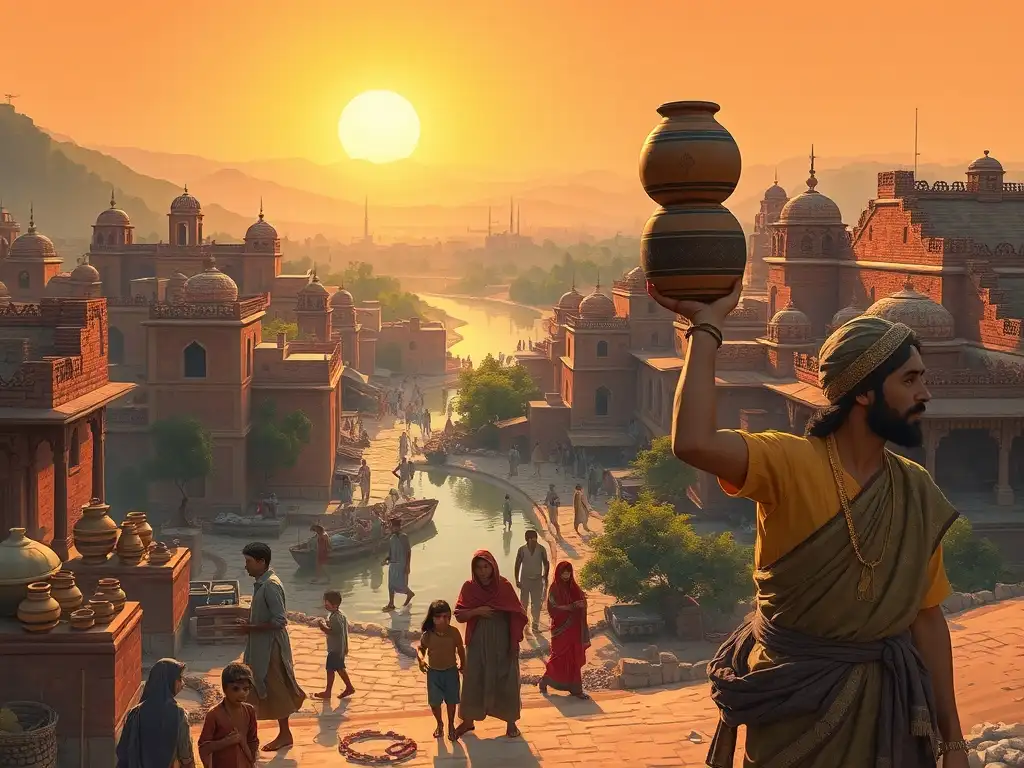
Introduction to the Indus Valley Civilization
The Indus Valley Civilization (IVC), one of the world's earliest urban cultures, flourished around 3300 to 1300 BCE in what is now Pakistan and northwest India. This remarkable civilization is noted for its advanced city planning, sophisticated drainage systems, and impressive architecture, which laid the groundwork for subsequent Indian cultures. Understanding the Indus Valley civilization influence is essential for grasping how it shaped the socio-cultural and economic frameworks of later Indian societies.
The IVC not only contributed to the region's urban development but also fostered trade and cultural practices that would resonate throughout Indian history. This article delves into the rich legacy of the Indus Valley Civilization and its lasting impact on subsequent Indian cultures.
Overview of the Indus Valley Civilization
The IVC emerged around 3300 BCE, characterized by its urban centers such as Harappa and Mohenjo-Daro. These cities were meticulously planned, featuring grid layouts, standardized fired-brick constructions, and advanced drainage systems. The civilization's economy was primarily agrarian, supplemented by trade with neighboring regions and cultures, which allowed for a diverse exchange of goods and ideas.
Key features of the IVC included:
- Urban Planning: Well-organized streets and residential areas
- Architecture: Use of fired bricks and large public buildings
- Trade Networks: Extensive trade routes connecting the IVC with Mesopotamia and Persia
- Script and Seals: The use of a yet-to-be-deciphered script and seals for trade and religious purposes
Key Characteristics of the Indus Valley Civilization
The Indus Valley Civilization was distinguished by several defining characteristics:
- Advanced Urban Infrastructure: Cities were equipped with sophisticated drainage systems, public baths, and granaries.
- Artistic Expression: The civilization produced intricate pottery, jewelry, and seals, reflecting a high level of artistic skill.
- Agricultural Practices: The IVC's economy was heavily reliant on agriculture, which was supported by advanced irrigation techniques.
- Religious Beliefs: While the specific beliefs remain largely unknown, archaeological evidence suggests the existence of a complex spiritual life, potentially involving proto-Shiva worship.
The Timeline of the Indus Valley Civilization
- 3300 BCE: Formation of the first urban centers.
- 2600 BCE: Peak of the civilization with well-established cities.
- 1900 BCE: Gradual decline, possibly due to climate change and resource depletion.
- 1300 BCE: Disintegration of the civilization as urban centers were abandoned.
The Indus Valley Civilization Influence on Indian Cultures
The influence of the Indus Valley Civilization on later Indian cultures is profound and multi-faceted. The legacy of the IVC can be observed in various aspects of culture, architecture, trade, and societal organization in subsequent periods of Indian history.
Cultural Continuities from the Indus Valley Civilization
Numerous cultural elements from the IVC continued to thrive in later Indian societies. These include:
- Agricultural Techniques: Farming methods and the domestication of crops, such as wheat and barley, persisted through generations.
- Craftsmanship: Skills in pottery, metallurgy, and textile production were passed down and evolved over time.
- Trade Practices: The trade networks established during the IVC laid the foundation for future commerce in the Indian subcontinent.
Architectural Influence on Later Indian Civilizations
The architectural innovations of the Indus Valley Civilization significantly influenced later Indian cultures:
- Urban Planning: The grid-like layout and drainage systems inspired future urban centers, including those in the Mauryan and Gupta empires.
- Materials and Construction Techniques: The use of fired bricks and public buildings set a precedent for architectural styles seen in later periods.
The Role of Trade in Spreading Indus Valley Civilization Influence
Trade was instrumental in disseminating the cultural and economic practices of the IVC:
- Trade Networks: The extensive networks established by the IVC facilitated the exchange of goods and ideas, influencing neighboring cultures and societies.
- Cultural Exchange: Interactions with regions such as Mesopotamia introduced new technologies and cultural practices, which were adapted and integrated into the Indian subcontinent.
The legacy of the Indus Valley Civilization remains an integral part of understanding the evolution of ancient Indian cultures, highlighting the profound connections between past and present.
Religious and Spiritual Contributions
The Indus Valley Civilization (IVC) holds a significant place in the evolution of religious and spiritual practices in subsequent Indian cultures. Its complex societal structure and urban planning were accompanied by a rich tapestry of beliefs that laid the groundwork for later spiritual traditions in the region. The religious contributions of the IVC can be seen in various aspects, including the veneration of deities, sacred symbols, and communal rituals, which permeated through the ages and influenced subsequent cultures in profound ways.
Early Religious Practices of the Indus Valley Civilization
Archaeological findings suggest that the Indus Valley Civilization engaged in various early religious practices, which are reflected in their urban centers like Harappa and Mohenjo-Daro. A prominent feature of these practices was the worship of fertility symbols, such as the Mother Goddess figurines, which indicate a reverence for fertility and agriculture. The presence of large public baths, like the Great Bath of Mohenjo-Daro, hints at ritualistic water purification practices, possibly linked to early forms of communal worship.
The worship of animals, particularly the bull, is also notable in the IVC, suggesting a connection to both fertility and agricultural prosperity. Furthermore, seals depicting various animals and mythological figures indicate a blend of animistic beliefs and emerging religious ideologies that may have influenced later Hindu practices.
The Transition of Spiritual Beliefs in Subsequent Cultures
As the Indus Valley Civilization transitioned into the Vedic period, the spiritual beliefs underwent significant transformations. The decline of the IVC around 1900 BCE led to an influx of Indo-Aryan people who brought with them new religious concepts. This interaction likely facilitated the amalgamation of IVC beliefs with Vedic traditions, resulting in the development of early Hinduism.
The Vedas, composed during this period, exhibit elements that can be traced back to the rituals and symbols of the Indus Valley. For instance, the emphasis on fire rituals (Yajnas) and the worship of nature deities can be linked to earlier practices. This synthesis of spiritual beliefs not only retained aspects of the IVC but also expanded them, leading to a more structured religious framework that would dominate the Indian subcontinent.
Evidence of Rituals and Symbols in Later Indian Religions
The impact of the Indus Valley Civilization on subsequent Indian religions is evident in the continuity of various rituals and symbols. For example, the Swastika, a prominent symbol found in IVC artifacts, reappeared as a sacred emblem in Hinduism, Buddhism, and Jainism. Its associations with auspiciousness and prosperity have persisted throughout Indian culture.
Moreover, certain deities that emerged during the Indus era, such as fertility goddesses and animal representations, can be traced in the pantheons of later religions. The integration of IVC motifs into the iconography of Hindu deities illustrates a direct lineage of worship practices. This continuity of rituals and symbols signifies the lasting influence of the Indus Valley Civilization on the spiritual landscape of ancient and modern India.
Language and Script Development
The Indus Valley Civilization also played a crucial role in the development of language and script in ancient India. The linguistic contributions of the IVC are integral to understanding the evolution of communication and cultural exchange in the region. The emergence of scripts and the subsequent formation of languages can be traced back to this foundational civilization.
The Indus Script: An Overview
The Indus script, which remains undeciphered, is one of the most enigmatic aspects of the civilization. Comprising a series of symbols and signs, it was used primarily on seals and pottery, indicating a form of written communication. Although the precise nature of the script and its linguistic affiliations are still subjects of debate among scholars, it is believed that it may have served administrative, commercial, and ceremonial purposes.
The presence of this script suggests that the Indus Valley people had developed a sophisticated means of communication, which likely facilitated trade and cultural exchange with neighboring regions. Its significance lies not only in its mystery but also in its potential connection to the subsequent development of written language in India.
Influence on Early Indian Languages and Scripts
The linguistic legacy of the Indus Valley Civilization can be observed in the evolution of early Indian languages. While no direct descendants of the Indus script have been conclusively identified, its existence indicates that the IVC contributed to the linguistic environment of ancient India. Scholars propose that the script may have influenced the Brahmi and Kharosthi scripts, which became foundational for many Indian languages.
The transition from the Indus script to these later scripts marks a crucial phase in linguistic development. It is believed that the interaction between the IVC and the Indo-Aryan cultures helped foster a rich tapestry of linguistic diversity that would pave the way for the emergence of languages such as Sanskrit and Prakrit.
The Legacy of the Indus Valley Civilization in Linguistic Evolution
The legacy of the Indus Valley Civilization in linguistic evolution is significant, as it highlights the interconnectedness of culture and language in ancient India. The gradual transition from the Indus script to more recognizable forms of writing reflects a broader trend of cultural assimilation and adaptation that characterized the region.
As languages evolved and diversified, they carried remnants of the IVC’s linguistic heritage. This legacy is evident in the vocabulary, phonetics, and grammatical structures that emerged in subsequent Indian languages. The influence of the Indus Valley Civilization on language not only underscores its importance in the historical narrative of ancient India but also emphasizes the enduring connections between language, culture, and identity.
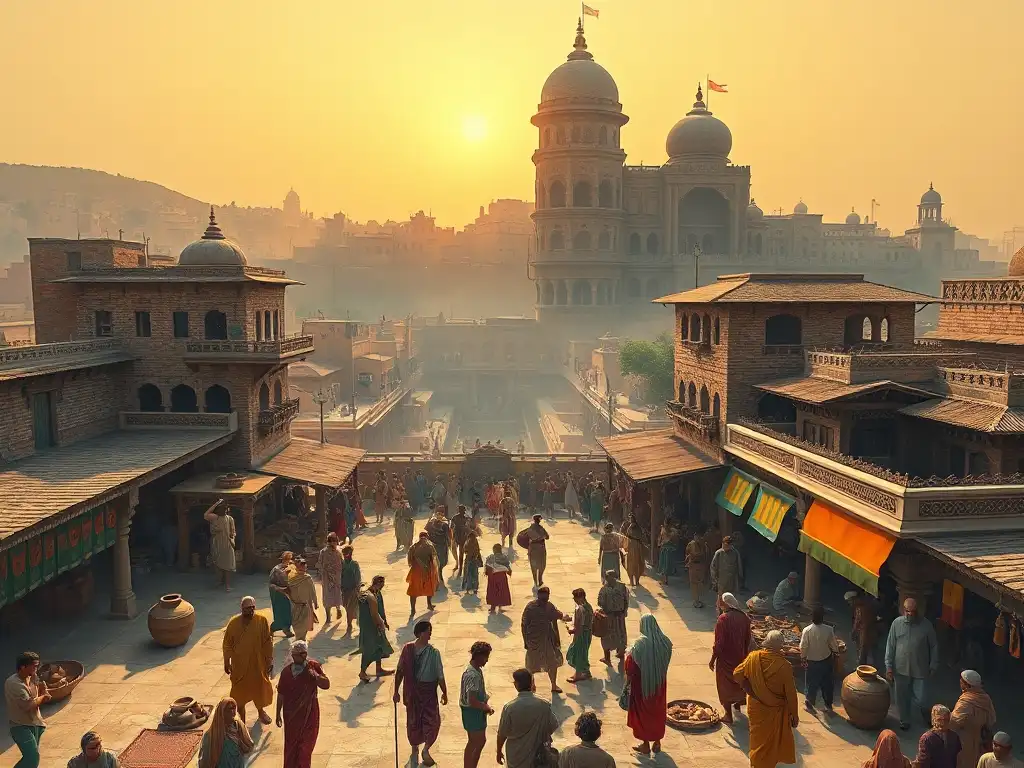
The Indus Valley Civilization (IVC) is renowned not only for its remarkable urban planning but also for its intricate social structure. These aspects significantly influenced subsequent Indian cultures and civilizations, laying foundational principles that would be adapted and evolved over centuries. The urban planning innovations and social hierarchies of the IVC set precedents that can be traced through various historical periods in India, demonstrating a continuity of influence that shaped the cultural landscape of the region.
Urban Planning Innovations of the Indus Valley Civilization
The urban planning of the Indus Valley Civilization is characterized by its advanced and systematic approach. Cities like Harappa and Mohenjo-Daro featured grid layouts, which were meticulously designed with streets intersecting at right angles. This organization facilitated efficient movement and allowed for effective drainage systems, a hallmark of IVC architecture.
Key innovations included:
- Advanced Drainage Systems: The cities had covered drains along the main streets, which directed wastewater away from living areas, showcasing an early understanding of urban sanitation.
- Standardized Brick Sizes: The use of uniformly sized bricks for construction ensured structural integrity and uniformity in building designs across various settlements.
- Public and Private Spaces: The distinction between public and residential areas indicated a sophisticated social organization. Public baths, granaries, and assembly halls reflect a community focus on hygiene, trade, and social interaction.
These urban planning innovations not only catered to the needs of the residents but also influenced later Indian cities, which adopted similar principles of organization and infrastructure.
Influence on Later Indian Urban Centers
The influence of the Indus Valley Civilization on later urban centers in India is evident in several aspects of city planning and management. As subsequent cultures emerged, many of the planning principles established by the IVC were retained and adapted.
- Grid Patterns: The grid layout seen in IVC cities reappeared in later urban centers, including those during the Mauryan and Gupta empires, facilitating systematic growth and organization.
- Water Management Systems: Successive civilizations continued to prioritize sanitation and water management, drawing inspiration from the IVC’s sophisticated drainage systems. This practice laid the groundwork for urban hygiene in later Indian cities.
- Public Infrastructure: The emphasis on public spaces, such as marketplaces and communal areas, persisted through various Indian cultures, reflecting the IVC’s influence on social interaction and economic activities.
These elements highlight how the foundational urban planning strategies of the Indus Valley Civilization shaped the trajectory of urban development in India.
Social Hierarchies: Continuities and Changes
The social structure of the Indus Valley Civilization is believed to have been complex and stratified. Evidence suggests a society that was organized into various classes, likely including elites, artisans, and laborers. This hierarchical structure laid the groundwork for social organization in later Indian cultures.
Key aspects include:
- Continuity in Social Stratification: Many of the social classes that emerged during the IVC continued to persist in subsequent Indian societies, albeit with modifications. The elite class, likely composed of traders and landowners, maintained influence through various subsequent periods.
- Artisan and Merchants Class: The prominence of skilled artisans and merchants in the IVC contributed to the emergence of a distinct middle class in later civilizations, influencing trade and craft production.
- Adaptation to Regional Contexts: As new cultures emerged, the social hierarchies began to adapt to regional and historical contexts, leading to changes in how classes interacted and functioned within society.
These continuities and changes in social hierarchies underscore the lasting impact of the IVC on the social fabric of subsequent Indian civilizations.
Trade and Economic Impact
The Indus Valley Civilization was not only a marvel of urbanization but also a hub of trade and economic activity that laid the foundation for subsequent economic systems in India. The trade networks established during this period had a profound influence on regional commerce and economic structures that followed.
Trade Networks Established by the Indus Valley Civilization
The Indus Valley Civilization is known for its extensive trade networks, which connected it to various regions, including Mesopotamia, Persia, and beyond. This trade was facilitated by a well-developed system of maritime and overland routes.
- Maritime Trade: The proximity of cities like Lothal to the Arabian Sea enabled significant maritime trade. Archaeological evidence suggests the use of ships for transporting goods, including cotton textiles, beads, and pottery.
- Overland Trade Routes: The IVC established overland routes leading to Central Asia and the Middle East, facilitating the exchange of not only goods but also ideas and technologies.
- Standardization of Weights and Measures: The IVC introduced standardized weights and measures, which streamlined trade practices and enhanced economic interactions both within and outside the civilization.
These trade networks were crucial in establishing the IVC as a central player in regional commerce, influencing economic practices in subsequent Indian cultures.
Economic Influence on Subsequent Indian Cultures
The economic practices and trade networks of the Indus Valley Civilization significantly shaped the economic landscape of later Indian cultures. The principles of trade and commerce established during the IVC were inherited and adapted by subsequent civilizations, contributing to the evolution of economic systems in India.
- Emergence of Trade Guilds: The specialization of labor and emergence of trade guilds can be traced back to practices initiated during the IVC, fostering economic collaboration and collective bargaining.
- Cultural Exchange: Trade led to cultural exchanges that influenced art, technology, and social practices in later societies, enriching the cultural tapestry of India.
- Agricultural Practices: The agricultural innovations of the IVC, including irrigation techniques, were adopted and refined in later cultures, enhancing agricultural productivity and trade.
The economic influence of the IVC laid the groundwork for the dynamic trade networks that characterized subsequent Indian civilizations.
The Indus Valley Civilization’s Role in Regional Commerce
The role of the Indus Valley Civilization in regional commerce was pivotal, positioning it as a key player in the broader economic interactions of ancient civilizations. Its strategic location and advanced trade practices allowed it to engage with various cultures and regions effectively.
- Cultural and Economic Hub: The IVC served as a cultural and economic hub, facilitating interactions between diverse groups and contributing to the spread of technologies and ideas across regions.
- Influence on Neighboring Civilizations: The economic systems established by the IVC influenced neighboring civilizations, encouraging the development of trade practices and economic models that mirrored those of the IVC.
- Legacy of Trade Practices: The legacy of the IVC’s trading practices can be seen in the economic activities of later Indian cultures, which adapted and expanded upon these foundational principles to foster their economic growth.
The Indus Valley Civilization's role in regional commerce set the stage for the economic developments that would shape the future of India, marking a significant chapter in the country's historical narrative.
Conclusion: Lasting Legacy of the Indus Valley Civilization
The Indus Valley Civilization (IVC) stands as a cornerstone in the tapestry of ancient Indian history, significantly shaping subsequent cultures and societies. Its advanced urban planning, sophisticated drainage systems, and remarkable craftsmanship reflect a level of innovation that laid the groundwork for future civilizations in the Indian subcontinent. The legacy of the IVC is not merely confined to its material achievements; it also encompasses the social, economic, and cultural frameworks that influenced later dynasties and societies.
Summary of the Indus Valley Civilization Influence
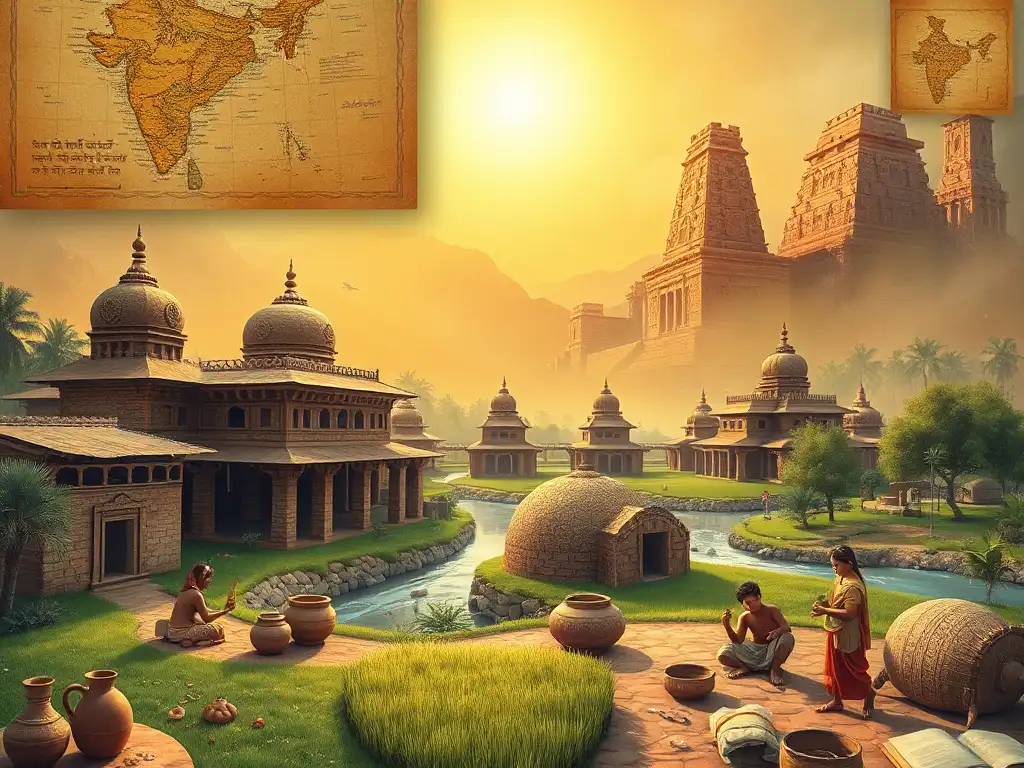
The influence of the Indus Valley Civilization can be seen across various dimensions of subsequent Indian cultures. Notably, the integration of urban planning concepts, such as grid layouts and drainage systems, set a precedent for later city developments in India. The IVC's trade networks established early economic connections that continued to thrive, promoting the exchange of goods and ideas with neighboring regions.
Culturally, the symbols and motifs found in IVC artifacts, such as seals and pottery, have been echoed in later artistic expressions throughout Indian history. Moreover, the religious practices and societal structures observed in the IVC likely provided a framework for subsequent spiritual and communal developments in ancient India. The continuity of certain agricultural practices and domesticated crops from the IVC period into later civilizations illustrates its enduring agricultural influence as well.
Reflection on the Importance of Ancient Indian Civilizations in History
Ancient Indian civilizations, with the Indus Valley Civilization as a pivotal example, have played a crucial role in shaping not only the Indian subcontinent but also the broader historical narrative of human civilization. The achievements in urbanization, governance, and trade during the IVC era highlight the sophistication of early societies and their contributions to human development.
Understanding the complexities of these ancient cultures fosters a deeper appreciation for the foundations of modern Indian society. The lessons drawn from the IVC's successes and challenges continue to resonate, prompting reflections on sustainability, innovation, and cultural identity. As we examine the past, it becomes imperative to recognize the interconnectivity of civilizations and their collective impact on the course of history.
The Enduring Impact on Modern Indian Culture and Society
The echoes of the Indus Valley Civilization are still perceptible in modern Indian culture and society. From urban layouts that mirror ancient designs to agricultural practices that have roots in IVC methodologies, contemporary India carries forward the legacy of its ancient predecessors. The IVC's emphasis on trade and economic interdependence has evolved into India's current status as a global economic player, showcasing a continuity of commercial spirit.
Moreover, the artistic expressions and craftsmanship of the IVC have influenced modern Indian artisans, evident in textiles, pottery, and jewelry. The cultural narratives that emerged from the IVC era continue to inform Indian literature, folklore, and traditions, making the ancient civilization a vital part of India's cultural heritage. Thus, the Indus Valley Civilization's influence extends beyond its chronological existence, embedding itself into the very fabric of modern Indian identity.
- Introduction to the Indus Valley Civilization
- The Indus Valley Civilization Influence on Indian Cultures
- Religious and Spiritual Contributions
- Language and Script Development
- Social Structure and Urban Planning Influence
- Trade and Economic Impact
- Conclusion: Lasting Legacy of the Indus Valley Civilization
- Summary of the Indus Valley Civilization Influence
- Reflection on the Importance of Ancient Indian Civilizations in History
- The Enduring Impact on Modern Indian Culture and Society
Frequently Asked Questions
What was the Indus Valley civilization?
The Indus Valley civilization was one of the world's earliest urban cultures, flourishing around 2500 BCE in present-day Pakistan and northwest India, known for its advanced city planning and architecture.
How did the Indus Valley civilization influence later cultures?
The Indus Valley civilization influenced subsequent Indian cultures through its urban planning, trade practices, and social organization, which laid the groundwork for future civilizations in the region.
What are some key features of the Indus Valley civilization?
Key features include sophisticated drainage systems, grid-patterned cities, extensive trade networks, and a script that remains largely undeciphered, highlighting their advanced societal structure.
How did the Indus Valley civilization contribute to trade?
The Indus Valley civilization had a highly developed trade system, engaging in commerce with neighboring regions, which facilitated the exchange of goods, ideas, and technologies, influencing later economic practices.
What legacy did the Indus Valley civilization leave behind?
The Indus Valley civilization's legacy includes contributions to urbanization, art, and metallurgy, impacting the cultural and technological development of subsequent Indian civilizations, particularly during the Vedic period.
Final Reflection: The Enduring Influence of the Indus Valley Civilization
The legacy of the Indus Valley Civilization is not just a chapter in history; it is a living testament to the foundations of subsequent Indian cultures. As we explore the intricate web of societal, architectural, and cultural advancements that emerged from this ancient civilization, it becomes clear that its influence resonates profoundly in contemporary India. The innovations in urban planning, trade, and social organization established by the Indus Valley people continue to shape the cultural landscape of the subcontinent today.
Cultural continuity is a powerful force, and the echoes of the Indus Valley Civilization can be seen in the diverse tapestry of Indian society. From the intricate craftsmanship of pottery to the sophisticated urban layouts that inspire modern architecture, the impact of this civilization is undeniable. As historian R.S. Sharma aptly stated, The Indus Valley Civilization laid the groundwork for the cultural and social evolution of India, influencing generations to come.
This ongoing influence serves as a reminder of the interconnectedness of our past and present, urging us to appreciate the rich heritage that has shaped our identities.
As we reflect on the lessons of the Indus Valley Civilization, let us embrace the call to honor and preserve our cultural roots. Consider how the values of innovation, sustainability, and community that were central to this ancient society can inspire our actions today.
Take a moment to reflect on your own cultural heritage and think about how you can contribute to the continuity of these traditions in your life. By recognizing the profound influence of the Indus Valley Civilization, we can foster a deeper appreciation for our shared history and work toward a future that honors the past while embracing progress.
Unveil the Legacy: Take Action for Ancient Awareness!
Thank you for diving deep into the fascinating world of the Indus Valley Civilization! Your interest in this remarkable era not only enhances your knowledge but also enriches our collective understanding of its enduring impact on Indian culture. Now, let’s harness that curiosity and transform it into action.
Here are some practical steps you can take to further explore and share this ancient legacy:
- Dive Deeper: Read a book or watch a documentary about the Indus Valley Civilization—discover the intricacies of its urban planning, trade systems, and social structures.
- Join the Conversation: Engage on social media or forums dedicated to history—share your insights and connect with others who are passionate about ancient history.
- Explore Local History: Visit a museum featuring exhibits on ancient civilizations—you might find surprising connections to the Indus Valley right in your community!
What aspect of the Indus Valley Civilization do you find most intriguing, and how does it inspire your understanding of modern cultures? We invite you to share your thoughts below!