
The Indus Valley Civilization: A Case Study in Artistic Innovation

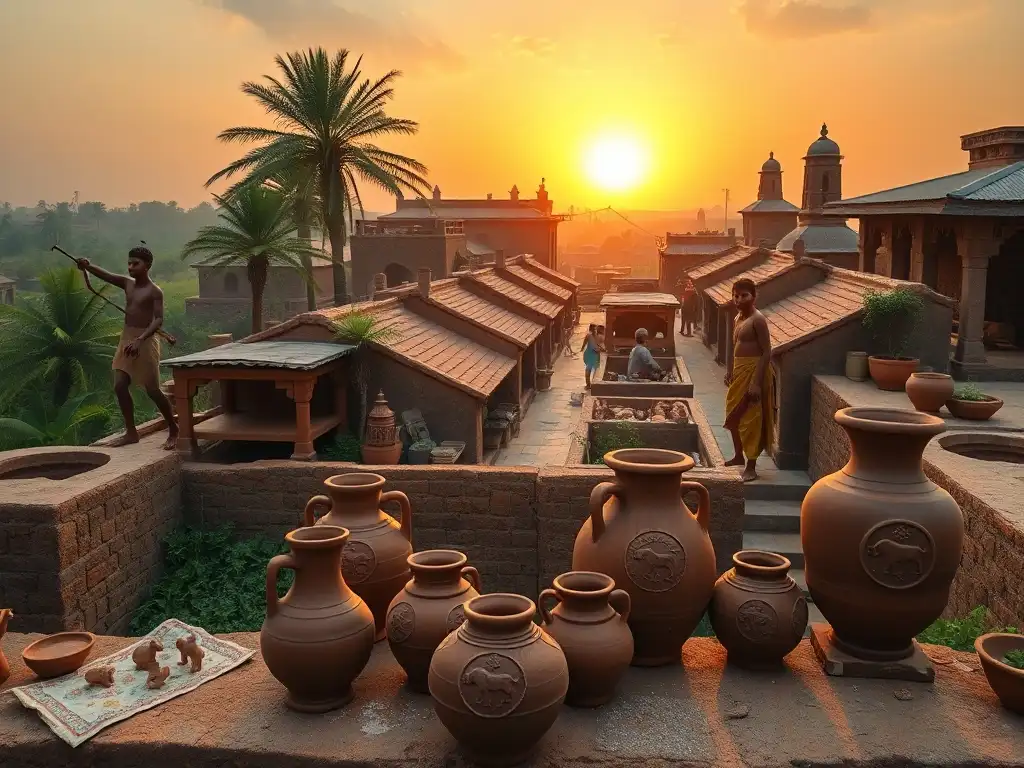
Welcome to Ancient India History, where we embark on a fascinating journey through the rich tapestry of ancient Indian civilizations. Here, we delve into the artistic achievements of the Indus Valley, a captivating topic that showcases the ingenuity and creativity of one of the world's earliest urban cultures. As you explore this case study in artistic innovation, prepare to uncover the secrets of ancient craftsmanship, architectural marvels, and the profound cultural legacies that continue to influence us today. Dive deeper and let the wonders of history ignite your curiosity!
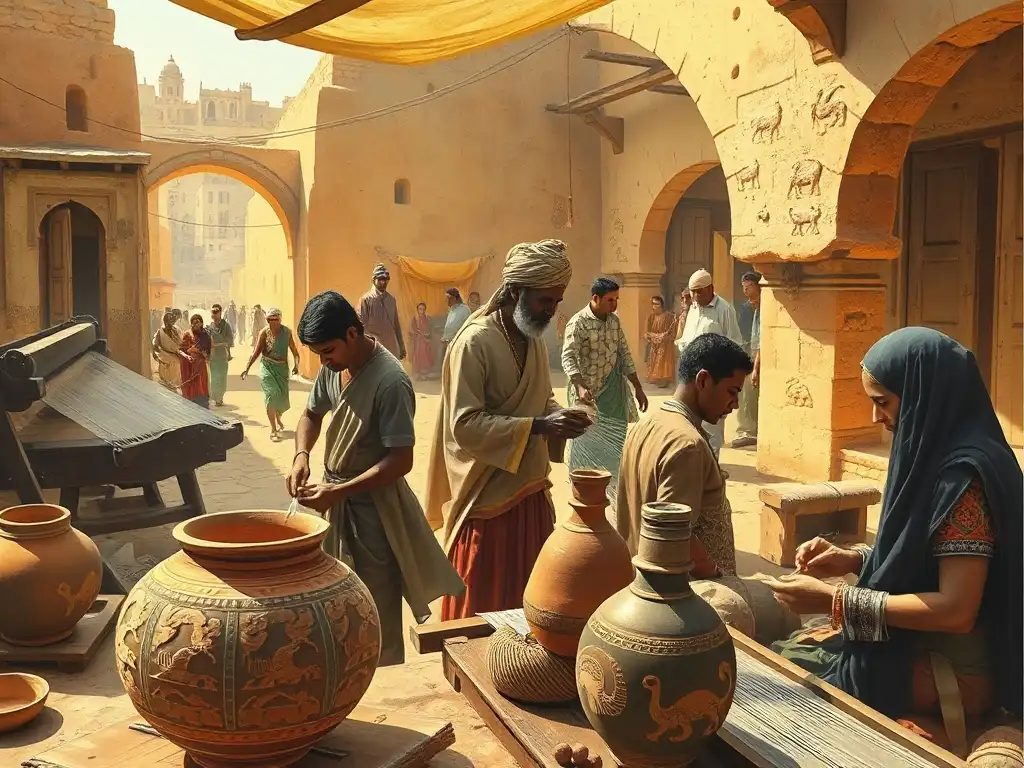
Introduction to the Indus Valley Civilization
The Indus Valley Civilization (IVC), one of the world's earliest urban cultures, flourished from approximately 3300 BCE to 1300 BCE in the northwestern regions of South Asia, primarily in present-day Pakistan and northwest India. Its remarkable achievements in urban planning, social organization, and economic management are matched by an equally impressive array of artistic innovations. This article delves into the Indus Valley artistic achievements, exploring how art and architecture not only reflect the civilization's cultural values but also demonstrate its advanced technological prowess and aesthetic sensibilities.
Overview of the Indus Valley Civilization
The IVC is renowned for its sophisticated city layouts, featuring advanced drainage systems, standardized weights and measures, and impressive architecture. Key cities like Harappa and Mohenjo-Daro exhibit a high degree of urban planning, with grid-patterned streets and well-constructed homes. This level of organization was unprecedented for its time and laid the foundation for future urban developments in the region.
Key Features of the Indus Valley Civilization:
- Urban Planning: Grid-like streets and advanced drainage systems.
- Architecture: Use of baked bricks and uniformity in building techniques.
- Trade Networks: Extensive trade with neighboring regions, including Mesopotamia.
- Cultural Practices: Evidence of ritualistic practices and a written script that remains undeciphered.
Significance of Artistic Achievements in Ancient India
Artistry in the Indus Valley was not merely decorative; it was integral to the civilization's identity and functionality. The artistic achievements of the IVC provide insights into the social, economic, and spiritual life of its people. From intricate seals and pottery to grand public buildings, these artifacts demonstrate a sophisticated understanding of craftsmanship and aesthetics.
Importance of Artistic Expressions:
- Cultural Identity: Art as a reflection of societal values and beliefs.
- Economic Activity: Artistic production as a significant economic contributor.
- Technological Advancements: Innovations in techniques and materials that influenced later Indian art forms.
Historical Context of Indus Valley Artistic Achievements
Understanding the artistic achievements of the Indus Valley Civilization requires a comprehensive exploration of its historical context. The period was marked by numerous developments that influenced art and architecture, shaping the civilization's legacy.
Timeline of the Indus Valley Civilization
| Period | Approximate Years | Key Developments |
|---|---|---|
| Early Harappan | 3300 - 2600 BCE | Initial urban centers established |
| Mature Harappan | 2600 - 1900 BCE | Peak of urbanization and artistic output |
| Late Harappan | 1900 - 1300 BCE | Decline of cities, transition to agrarian societies |
Influences on Art and Architecture
The artistic expressions of the Indus Valley Civilization were influenced by various factors, including environmental conditions, trade interactions, and cultural exchanges with neighboring regions. Notably, the blending of indigenous traditions with external influences led to a unique artistic style characterized by both innovation and continuity.
- Environmental Factors: Availability of raw materials such as clay and metals influenced artistic production.
- Trade Relationships: Interaction with Mesopotamian cultures introduced new techniques and artistic concepts.
- Religious Beliefs: Spiritual practices and iconography played a crucial role in shaping artistic themes.
By examining these elements, we can appreciate the Indus Valley Civilization as a pivotal contributor to the broader narrative of ancient Indian art and architecture, showcasing a legacy of creativity and sophistication that continues to inspire scholars and enthusiasts alike.
Key Artistic Innovations of the Indus Valley Civilization
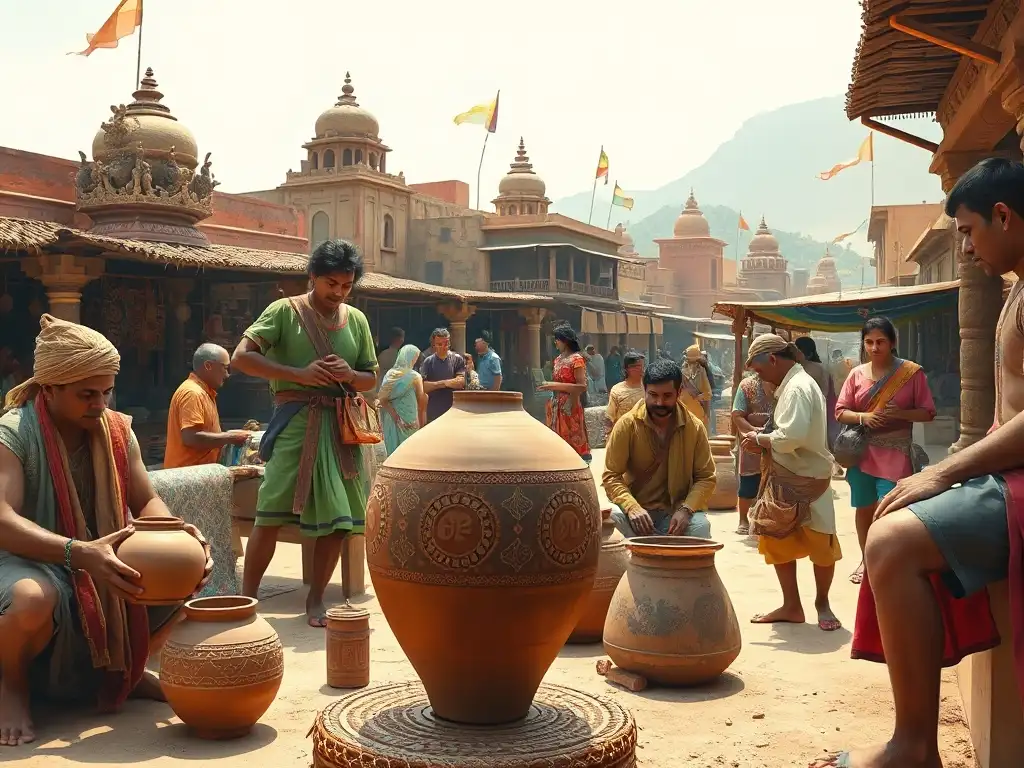
The Indus Valley Civilization, flourishing from approximately 3300 to 1300 BCE, is renowned for its remarkable artistic achievements that reflect a high level of sophistication and creativity. These innovations span various forms of art, including sculpture, pottery, seals, and architecture, showcasing both aesthetic beauty and functional design. The artistic expressions of this civilization not only reveal their technical skills but also provide insights into their cultural values and social organization.
Sculpture and Figurines
Sculpture in the Indus Valley Civilization often features small, intricately designed figurines, which serve as a testament to their artistic prowess. The most notable figurines are often made of terracotta, but materials like stone and bronze were also used. The most famous example is the "Dancing Girl" statue from Mohenjo-Daro, which stands about 10.5 cm tall and exemplifies the skillful use of proportions and detail.
These figurines often depict humans and animals, with a focus on realism and expression. The craftsmanship seen in these sculptures indicates not only a high level of artistry but also suggests a cultural significance, possibly related to religious or ritualistic practices. The presence of male figures, often adorned with elaborate jewelry, and female figures, suggesting fertility and beauty, points towards a society that valued representation and symbolic meanings in their art.
Pottery and Ceramics
Indus Valley pottery is characterized by its distinctive red and black designs, often featuring geometric patterns and motifs inspired by nature. The potters demonstrated remarkable technical skills, creating both functional wares and decorative pieces. The use of a potter's wheel, a significant innovation at the time, allowed for uniform shapes and sizes, enhancing the aesthetic quality of their pottery.
Ceramics were predominantly used for storage and cooking, but many pieces also served ritualistic purposes. The intricate designs, along with the use of high-fired ceramics, indicate that the artisans possessed a deep understanding of materials and techniques. The discovery of painted pottery in various archaeological sites reflects not only artistic talent but also a complex societal structure that valued craftsmanship.
Seals and Inscription
The seals of the Indus Valley Civilization are among the most intriguing artifacts, showcasing their artistic and communicative skills. Typically made from steatite and often engraved with intricate motifs, these seals featured animals, deities, and script that remains undeciphered to this day. The most common animal depicted is the unicorn, which has sparked various interpretations about its significance within their culture.
These seals were likely used for trade and administrative purposes, indicating a well-organized economic system. The inscriptions, although still a mystery, suggest a form of written communication that was integral to their society. The artistry of the seals, combined with their functional use, highlights an advanced understanding of both art and commerce.
Architectural Marvels of the Indus Valley
The architecture of the Indus Valley Civilization reflects not just artistic innovation but also advanced engineering and urban planning. The cities were meticulously designed, showcasing a profound understanding of spatial organization and environmental management.
Urban Planning and City Layout
The cities of the Indus Valley, such as Harappa and Mohenjo-Daro, exhibit a grid-like layout that is strikingly modern. Streets were laid out in a systematic manner, with houses constructed from standardized baked bricks. This uniformity suggests an organized approach to urban planning, possibly indicative of a central authority overseeing the development.
Key features of the urban design include the presence of large public baths, granaries, and fortified walls, which point to a society that emphasized both hygiene and security. The strategic placement of buildings, alongside wide streets, facilitated movement and trade, showcasing an advanced level of civic planning that catered to the needs of its inhabitants.
Water Management and Engineering
The Indus Valley Civilization is also celebrated for its sophisticated water management systems. The cities featured an elaborate network of drainage systems, wells, and water reservoirs, which were essential for sustaining urban life. The drainage system was particularly noteworthy, with covered drains running along the streets, ensuring effective waste disposal and hygiene.
The engineering techniques used to manage water resources reflect a deep understanding of hydraulic principles and environmental adaptation. This ability to harness and control water not only supported agriculture but also significantly contributed to the overall health and sanitation of urban centers, marking the Indus Valley as a leader in ancient engineering practices.
The artistic innovations and architectural marvels of the Indus Valley Civilization highlight a culture that prioritized aesthetics, functionality, and community well-being, leaving a lasting legacy that continues to inspire modern civilization.
Cultural Significance of Artistic Achievements
The artistic achievements of the Indus Valley Civilization are not merely reflections of aesthetic preferences but serve as crucial indicators of the cultural, social, and economic dynamics of the time. The intricate craftsmanship displayed in pottery, seals, sculptures, and architecture reveals a society that valued creativity, skill, and innovation. These artistic expressions underscore the civilization's sophisticated understanding of design, geometry, and symmetry, reflecting a rich cultural identity that was both unique and influential.
Moreover, the art of the Indus Valley Civilization acts as a conduit for understanding the people's daily lives, social organization, and even trade practices. For instance, the use of terracotta figurines and toys suggests a society that placed importance on childhood and leisure, while the meticulous seals used for trade point to an organized economic system. The diversity in artistic styles and materials also indicates a community engaged in extensive trade, allowing for the exchange of ideas and artistic techniques with neighboring cultures.
The Role of Art in Indus Valley Society
Art in the Indus Valley Civilization was deeply intertwined with everyday life, serving various practical and ceremonial purposes. It played a pivotal role in communication, as exemplified by the seals that featured unique motifs and inscriptions, likely used for administrative and commercial transactions. These seals not only functioned as identifiers but also conveyed messages about the social status of individuals and the nature of their goods.
In addition to its practical applications, art also held a significant place in religious and spiritual practices. The creation of sculptures and figurines, including those of deities and animals, suggests that art was a medium through which the people expressed their beliefs and engaged with their spirituality. The presence of ritualistic artifacts highlights the importance of art in religious ceremonies, emphasizing its role in fostering community cohesion and shared beliefs.
Artistic Representations of Religion and Beliefs
Religious beliefs in the Indus Valley Civilization were intricately woven into their artistic expressions. The civilization is known for its numerous terracotta figurines, many of which depict female forms, possibly representing fertility goddesses or mother figures. These representations indicate a reverence for femininity and fertility, which were likely central themes in their spirituality.
Moreover, the discovery of seals with animal motifs, such as the unicorn and various wildlife, suggests a symbolic relationship between the natural world and spiritual beliefs. These animals may have been considered sacred, embodying qualities that were revered in their culture. The use of geometric patterns and motifs in pottery and textiles also points to a belief system that appreciated harmony and balance, reflecting a philosophical approach to life.
Conclusion: Legacy of Indus Valley Artistic Achievements
The artistic achievements of the Indus Valley Civilization have left an indelible mark on the cultural landscape of India and beyond. Their innovative approaches to art and design set a foundation for future generations, showcasing a blend of functionality and aesthetic appeal that continues to inspire artists and craftsmen today. The legacy of their artistic endeavors is evident in the motifs, materials, and techniques that can be traced through subsequent Indian art forms.
Influence on Later Indian Art and Culture
The artistic innovations of the Indus Valley Civilization significantly influenced later Indian art and culture. Elements such as geometric patterns, the use of terracotta, and intricate craftsmanship can be observed in subsequent periods, notably during the Maurya and Gupta Empires. The emphasis on detailed sculptures and decorative arts established a precedent that shaped the development of Indian art, leading to the emergence of distinctive regional styles.
Furthermore, the spiritual and symbolic themes prevalent in Indus Valley art laid the groundwork for later religious art, particularly in Hindu and Buddhist traditions. The reverence for nature and the use of animal symbolism found in Indus art can be seen echoed in later artistic expressions, demonstrating a continuity of cultural values and beliefs.
Continuing Relevance of Indus Valley Innovations in Modern Times
The innovations of the Indus Valley artists have not only shaped historical art forms but continue to resonate in modern times. Contemporary artisans and designers draw inspiration from the motifs and techniques developed during this ancient era, integrating them into modern art, fashion, and architecture. The principles of symmetry and balance established by the Indus Valley craftsmen remain relevant, influencing modern design philosophies focused on sustainability and harmony with nature.
In addition, the archaeological discoveries related to Indus Valley art have sparked renewed interest in ancient techniques and materials, leading to a revival of traditional craftsmanship. Workshops and educational initiatives aimed at preserving these art forms are gaining momentum, reflecting a growing appreciation for the cultural heritage of the Indus Valley. As such, the artistic achievements of this ancient civilization continue to inspire creativity and innovation, bridging the past with the present.
- Introduction to the Indus Valley Civilization
- Overview of the Indus Valley Civilization
- Significance of Artistic Achievements in Ancient India
- Historical Context of Indus Valley Artistic Achievements
- Key Artistic Innovations of the Indus Valley Civilization
- Architectural Marvels of the Indus Valley
- Cultural Significance of Artistic Achievements
- Conclusion: Legacy of Indus Valley Artistic Achievements
- What are the key artistic achievements of the Indus Valley Civilization?
- How did the artistic styles of the Indus Valley differ from other ancient civilizations?
- What materials were commonly used in Indus Valley art?
- How did the artistic innovations reflect the culture of the Indus Valley Civilization?
- What role did trade play in the artistic developments of the Indus Valley?
Frequently Asked Questions
What are the key artistic achievements of the Indus Valley Civilization?
The Indus Valley Civilization is renowned for its advanced urban planning, intricate pottery, and sculpture, showcasing a high level of craftsmanship and aesthetic sensibility.
How did the artistic styles of the Indus Valley differ from other ancient civilizations?
Indus Valley artistic styles were characterized by geometric patterns and natural motifs, which contrasted with the more figurative art seen in Mesopotamia and Egypt.
What materials were commonly used in Indus Valley art?
Artisans of the Indus Valley frequently utilized materials like clay, terracotta, and bronze, enabling them to create a variety of artistic forms and crafts.
How did the artistic innovations reflect the culture of the Indus Valley Civilization?
The artistic innovations of the Indus Valley reflect a society that valued aesthetics, spirituality, and daily life, as seen in their seals, carvings, and decorative pottery.
What role did trade play in the artistic developments of the Indus Valley?
Trade facilitated the exchange of ideas and materials, allowing Indus Valley artisans to incorporate external influences into their art, thus enhancing their artistic achievements.
Final Reflection: The Enduring Legacy of Indus Valley Artistic Achievements
The artistic innovations of the Indus Valley Civilization are not just relics of the past; they are a testament to human creativity and ingenuity that resonate profoundly in today's world. As we explore the intricate seals, sophisticated pottery, and urban planning of this ancient society, we uncover a narrative that transcends time, reminding us of the power of art to reflect culture and identity. The artistic achievements of the Indus Valley continue to inspire modern creators and thinkers, urging us to appreciate the beauty and complexity of our shared human heritage.
The influence of the Indus Valley's artistic legacy can be seen in contemporary art, architecture, and design, where the principles of symmetry, functionality, and aesthetic appeal remain relevant. The meticulous craftsmanship and innovative techniques employed by the artisans of this civilization serve as a foundation for understanding the evolution of artistic expression throughout history. Art is the most beautiful of all lies.
– Claude Debussy. This quote encapsulates the essence of how art, much like the creations of the Indus Valley, can convey deeper truths about society, culture, and the human experience.
As we reflect on the lessons drawn from the artistic achievements of the Indus Valley, I invite you to consider how you can incorporate creativity into your own life. Embrace the spirit of innovation and exploration that characterized this ancient civilization. Whether through art, design, or any form of expression, let the legacy of the Indus Valley inspire you to create, reflect, and connect with the world around you. In doing so, you not only honor the past but also contribute to the ongoing narrative of human creativity and cultural evolution.
Unveil the Secrets of Artistic Innovation!
Thank you for exploring the fascinating world of the Indus Valley Civilization with us! Your interest in their artistic innovations promises to enrich your understanding of ancient cultures. Now, it’s time to take the next step in your journey of discovery.
Here are a few inspired actions you can take:
- Dive deeper into the art and artifacts of the Indus Valley by visiting a local museum or exploring virtual exhibitions available online.
- Share your insights with friends or on social media to spark engaging discussions about ancient artistic traditions.
- Connect with local history groups or online forums where you can exchange ideas and learn from others who share your passion for history and art.
What new artistic techniques or innovations from the Indus Valley intrigue you the most, and in what ways could they influence contemporary art practices?