
How the Indus Valley Civilization Set the Stage for Future Scientific Discoveries

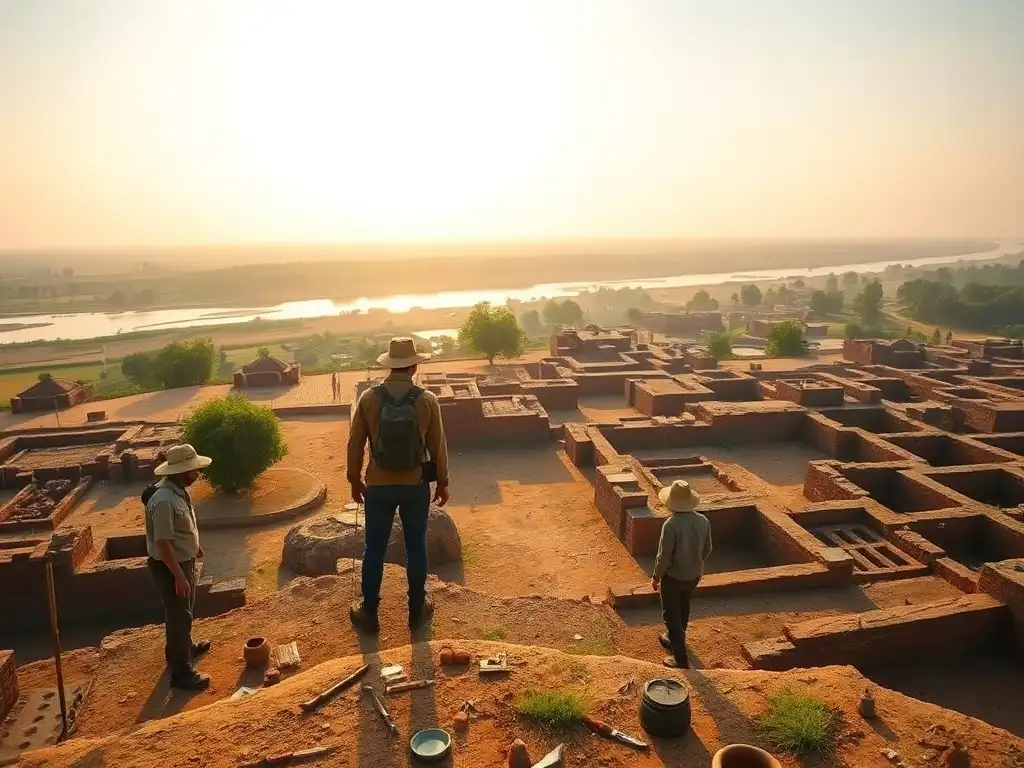
Welcome to Ancient India History, where the echoes of time reveal the extraordinary achievements of one of the world's oldest civilizations. In our featured article, "How the Indus Valley Civilization Set the Stage for Future Scientific Discoveries," we delve into the remarkable scientific advancements that emerged from the heart of the Indus Valley.
Discover how these pioneering innovations not only shaped their society but also laid the groundwork for future explorations in science and technology. Join us on this captivating journey through the annals of ancient Indian history, and unlock the secrets of a civilization that continues to inspire curiosity and wonder!
- Introduction to the Indus Valley Civilization
- Indus Valley Scientific Advancements
- Technological Contributions of the Indus Valley Civilization
- Influence of Indus Valley Scientific Advancements on Future Civilizations
- The Legacy of Indus Valley Innovations
- Conclusion
-
Frequently Asked Questions
- What were some key scientific advancements of the Indus Valley Civilization?
- How did the Indus Valley Civilization influence later cultures?
- What were the main contributions of the Indus Valley to science?
- In what ways did the Indus Valley’s urban planning reflect scientific understanding?
- Why is the Indus Valley Civilization considered a precursor to future scientific discoveries?
- Final Reflection: The Enduring Legacy of Indus Valley Scientific Advancements
- Uncover the Legacy of the Indus Valley Civilization Today!
Introduction to the Indus Valley Civilization

The Indus Valley Civilization (IVC), one of the world's earliest urban cultures, flourished around 2500 BCE in what is now modern-day Pakistan and northwest India. Renowned for its sophisticated city planning, advanced engineering, and vibrant commerce, the IVC laid a significant foundation for scientific discoveries that would influence generations to come. This civilization not only excelled in urban development but also demonstrated remarkable achievements in various scientific fields, including mathematics, metallurgy, and medicine. Understanding these Indus Valley scientific advancements is crucial to appreciating the broader tapestry of ancient Indian history and its enduring legacy in shaping future civilizations.
Overview of the Indus Valley Civilization
The Indus Valley Civilization spanned across a vast area, covering approximately 1.25 million square kilometers. It emerged around 3300 BCE and reached its zenith between 2500 and 1900 BCE. Major urban centers like Harappa and Mohenjo-Daro featured impressive grid layouts, sophisticated drainage systems, and standardized baked bricks, indicating advanced architectural and engineering skills.
Key Features of the Indus Valley Civilization:
- Urban Planning: Cities were meticulously planned with wide streets, residential areas, and public baths.
- Trade Networks: The civilization engaged in extensive trade with neighboring regions, facilitating the exchange of goods, ideas, and technologies.
- Agricultural Practices: Advances in irrigation and crop cultivation supported a growing population and contributed to economic prosperity.
The civilization's decline around 1900 BCE remains a topic of scholarly debate, but its innovations and contributions significantly influenced subsequent cultures in the Indian subcontinent.
Importance of Scientific Advancements in Ancient Societies
Scientific advancements in ancient societies, including the IVC, played a pivotal role in shaping human civilization. These innovations not only improved daily life but also laid the groundwork for future discoveries in various fields.
Key Reasons Why Scientific Advancements Were Important:
- Enhancing Quality of Life: Innovations such as advanced agricultural techniques and urban planning directly contributed to improved living conditions.
- Facilitating Trade and Commerce: Scientific understanding of navigation, weights, and measures enabled more efficient trade, fostering economic growth.
- Cultural Exchange: The dissemination of knowledge across regions allowed for the sharing of ideas, leading to advancements in technology, medicine, and mathematics.
The Indus Valley scientific advancements serve as a testament to the ingenuity of ancient civilizations, revealing how their contributions have had a lasting impact on modern society. Understanding these breakthroughs not only highlights the sophistication of the IVC but also emphasizes the interconnectedness of human progress throughout history.
Indus Valley Scientific Advancements
The Indus Valley Civilization (IVC), flourishing around 3300 to 1300 BCE, is renowned for its remarkable scientific advancements that laid the groundwork for future innovations in various fields. The achievements of this civilization demonstrate a sophisticated understanding of technology, science, and engineering, which significantly influenced subsequent cultures and societies.
Key Scientific Achievements
The scientific achievements of the Indus Valley Civilization are evident in multiple areas, especially urban planning, agriculture, and water management. These innovations not only reflect the ingenuity of the people of the IVC but also their ability to adapt to their environment and improve their quality of life.
Urban Planning and Architecture
The urban planning in the Indus Valley is characterized by its remarkable organization and foresight. Cities like Mohenjo-Daro and Harappa were meticulously designed with a grid layout, showcasing advanced urban planning concepts.
- Grid Layout: Streets were laid out in a grid pattern, which allowed for efficient movement and organization of space. This design minimized congestion and facilitated trade and transport.
- Standardized Building Materials: The use of baked bricks, with standardized sizes, reflects an understanding of construction techniques that ensured durability and uniformity across structures.
- Public Buildings: Structures such as the Great Bath in Mohenjo-Daro indicate a focus on communal activities, possibly for ritualistic purposes, while also demonstrating advanced architectural skills.
These achievements in urban planning not only highlight the aesthetic aspects of IVC architecture but also its pragmatic applications in community living.
Water Management and Sanitation Systems
One of the most significant advancements in the Indus Valley was in water management and sanitation systems. The civilization developed an intricate network of drainage and waste disposal, which was unprecedented for its time.
- Drainage Systems: The cities featured covered drainage systems that channeled sewage away from living areas. This was achieved through a combination of sloped streets and underground drains made of brick, showcasing a deep understanding of hydraulics.
- Public Baths: The presence of large public baths, particularly the Great Bath, indicates not just a focus on hygiene but also the importance of water in social and possibly spiritual contexts.
- Water Supply: The IVC also had sophisticated water supply systems, including wells and reservoirs, which ensured a steady supply of clean water for domestic and agricultural use.
These advancements in water management and sanitation significantly contributed to the overall health and well-being of the population, setting a precedent for future civilizations.
Innovations in Agriculture
Agriculture was a cornerstone of the Indus Valley Civilization, with various innovations that enhanced productivity and sustainability. The agricultural techniques developed during this period had lasting impacts on farming practices in the region.
Irrigation Techniques
The IVC employed advanced irrigation techniques to support its agricultural activities, adapting to the monsoon climate and ensuring consistent crop yields.
- Canal Systems: Evidence suggests the construction of canals to divert river water for irrigation. This allowed for the expansion of arable land and ensured crops could be grown in areas that would otherwise be dry.
- Water Conservation: Techniques such as bunding (creating embankments) to prevent soil erosion and retain moisture were utilized, reflecting an understanding of soil management and conservation practices.
These irrigation innovations not only facilitated agricultural productivity but also demonstrated the civilization's ability to harness natural resources effectively.
Crop Cultivation Methods
The Indus Valley Civilization was known for its diverse crop cultivation methods, which contributed to its economic stability and growth.
- Crop Diversity: Archaeological findings indicate that the IVC cultivated a variety of crops, including wheat, barley, peas, and cotton. This diversity not only provided food security but also allowed for trade with neighboring regions.
- Agricultural Tools: The use of plows and sickles made from bronze signifies advancements in agricultural technology, enabling more efficient farming practices.
- Seasonal Farming: The knowledge of seasonal cycles allowed the civilization to optimize planting and harvesting times, maximizing crop yields.
The agricultural innovations of the Indus Valley Civilization laid the foundation for future advancements in farming techniques, influencing agricultural practices in subsequent cultures.
The scientific advancements of the Indus Valley Civilization were multifaceted, encompassing urban planning, water management, and agricultural innovations. These accomplishments not only reflect the civilization's ingenuity but also its lasting impact on future generations, setting the stage for further scientific discoveries and advancements in the region.
Technological Contributions of the Indus Valley Civilization
The Indus Valley Civilization (IVC), flourishing around 2500 BCE in the northwestern regions of South Asia, is renowned for its sophisticated urban planning and advanced technologies. This civilization laid the groundwork for numerous scientific advancements that would influence subsequent cultures and civilizations. The technological contributions of the IVC can be categorized into several key areas, notably in weights and measures, metallurgy, and craftsmanship.
The Development of Weights and Measures
One of the most remarkable scientific advancements of the Indus Valley Civilization was its system of weights and measures. The IVC is credited with the development of a standardized system that facilitated trade and commerce across its cities, such as Harappa and Mohenjo-Daro.
- Standardization: Archaeological findings reveal a set of stone weights that were used for trade, with specific weights made of various materials such as chert and limestone. The most common weight was a cubical stone block, typically measuring 1.6 cm on each side. This standardization helped ensure fair trade practices and fostered economic growth.
- Decimal System: The Indus people employed a decimal system for their weights, which is a precursor to the modern metric system. They developed weights in various denominations, including 1, 2, 4, 8, 16, and 32 units, demonstrating a sophisticated understanding of mathematics and measurement.
The implications of this system of weights and measures were profound, as they not only facilitated trade but also reflected the IVC's emphasis on order and efficiency in economic activities.
Advances in Metallurgy and Craftsmanship
The Indus Valley Civilization was also a pioneer in metallurgy and craftsmanship, showcasing innovations that would later influence various cultures.
- Metallurgical Techniques: The IVC is known for its early use of metals, particularly copper, bronze, and tin. Evidence suggests the civilization was proficient in smelting and alloying techniques, allowing for the production of high-quality tools and weapons. The use of bronze, in particular, marked a significant advancement in technology, enabling the creation of durable and efficient implements.
- Artisan Craftsmanship: Metallurgy in the IVC was complemented by highly skilled craftsmanship. Artisans produced intricate jewelry, seals, and figurines, often using lost-wax casting techniques. The famous seals, often engraved with animal motifs and script, not only served decorative purposes but also functioned as identifiers in trade, showcasing the civilization's artistry and functional design.
| Material | Common Uses | Notable Artifacts |
|---|---|---|
| Copper | Tools, weapons | Knives, axes |
| Bronze | Tools, ornaments | Jewelry, ceremonial objects |
| Tin | Alloying with copper | Bronze tools, decorative items |
These advancements in metallurgy and craftsmanship not only highlight the technical prowess of the Indus Valley Civilization but also illustrate the interconnectivity of art and technology in their society. The legacy of IVC's scientific advancements in these areas set a precedent for future civilizations, influencing their technological development and cultural achievements.
The Indus Valley Civilization made significant contributions to the fields of weights and measures, metallurgy, and craftsmanship, showcasing a level of sophistication that played a crucial role in shaping future scientific discoveries in ancient India and beyond.
Influence of Indus Valley Scientific Advancements on Future Civilizations

The Indus Valley Civilization (IVC), flourishing from approximately 3300 to 1300 BCE, is renowned for its remarkable scientific advancements that laid the groundwork for future civilizations. The innovations developed during this period not only shaped the technological landscape of ancient India but also influenced societies across the globe.
The Impact on Ancient Indian Science
The scientific advancements of the Indus Valley Civilization had profound implications for subsequent Indian scientific thought and practice. One of the most notable impacts was the emphasis on urban planning and infrastructure. The meticulous layout of cities like Mohenjo-Daro and Harappa showcased sophisticated engineering skills, including:
- Grid-based street layouts: This planning facilitated trade and movement, allowing for efficient transportation of goods and ideas.
- Advanced drainage systems: The use of covered drains and soak pits exemplified early public health measures, influencing later Indian civilizations to prioritize sanitation in urban development.
In addition to urban planning, the IVC's contributions to metallurgy significantly influenced ancient Indian science. The use of copper and bronze for tools and weapons advanced agricultural practices and military capabilities, which were pivotal in the growth of subsequent empires.
Moreover, the mathematical skills evident in the IVC, particularly in their use of standardized weights and measures, played a crucial role in trade and commerce. This foundational understanding of mathematics would later contribute to significant developments in Indian astronomy and mathematics, such as:
- The decimal system: The principles of measurement developed during the IVC laid the groundwork for the later formalization of the decimal system in ancient Indian mathematics.
- Astronomical calculations: The precise measurements from the IVC facilitated advancements in astronomy, influencing scholars like Aryabhata and Brahmagupta.
Contributions to Global Scientific Knowledge
The innovations of the Indus Valley Civilization extended beyond the borders of ancient India, impacting global scientific knowledge. The most significant contributions include:
- Agricultural Techniques: The IVC was among the first to practice advanced agriculture, utilizing techniques such as crop rotation and irrigation. These methods not only enhanced agricultural yields in the region but also influenced neighboring cultures, spreading agricultural knowledge across Asia and beyond.
- Trade and Standardization: The IVC's trade networks facilitated the exchange of goods and ideas with distant lands, leading to the dissemination of knowledge about metallurgy, agricultural practices, and urban planning. The standardized weights and measures used in trade became a model for other civilizations, fostering economic development.
| Scientific Contributions | Impact on Future Civilizations |
|---|---|
| Grid-based urban planning | Influenced city layouts in later empires |
| Advanced drainage systems | Set public health standards in urban design |
| Metallurgy and agriculture | Enhanced military and agricultural advancements |
| Mathematical principles | Led to the development of the decimal system |
In essence, the scientific advancements of the Indus Valley Civilization served as a catalyst for future discoveries. By combining ingenuity with practical applications, the IVC set the stage for a legacy of scientific inquiry and innovation that resonates through history. The interconnections forged by their advancements not only impacted ancient Indian civilizations but also left a lasting influence on global scientific thought and practice.
The Legacy of Indus Valley Innovations

The Indus Valley Civilization (IVC), flourishing around 2500 BCE, is renowned not only for its urban planning and architectural prowess but also for its remarkable scientific advancements. The legacy of these innovations has been pivotal in shaping future scientific endeavors, influencing subsequent cultures and civilizations. By examining the preservation of knowledge and the continuation of practices from the Indus Valley, we can better appreciate the profound impact it had on the development of science and technology.
Preservation of Knowledge
The preservation of knowledge from the Indus Valley Civilization is evident in various forms, including artifacts, seals, and urban planning techniques. One of the most significant aspects of this preservation is the use of standardized weights and measures, which facilitated trade and commerce.
- Weights and Measures: The IVC utilized a decimal system for weights, which has been found in archaeological sites such as Mohenjo-Daro and Harappa. These weights were often made from stone and were standardized, indicating a sophisticated understanding of measurement that later influenced trade practices in other civilizations.
- Urban Planning Techniques: The intricate grid layout of cities like Harappa and Mohenjo-Daro showcased advanced urban planning. The use of drainage systems, including covered drains and toilets connected to a centralized waste disposal system, reflected a high level of sanitation knowledge. These urban planning principles laid the groundwork for future city designs.
- Script and Seals: The Indus script, although still undeciphered, is believed to carry significant information, possibly related to trade, administration, and culture. The seals, often inscribed with this script and depicting various motifs, suggest that the people of the IVC valued documentation and communication. This emphasis on written records highlights an early form of knowledge preservation that would influence later civilizations.
Continuation of Practices in Subsequent Cultures
The scientific advancements of the Indus Valley Civilization did not vanish with its decline; rather, many practices were absorbed and continued by subsequent cultures across the Indian subcontinent.
- Agricultural Techniques: The Indus Valley people were adept at agriculture, utilizing irrigation techniques that are still relevant today. The knowledge of crop rotation and the cultivation of various crops laid the foundation for agricultural practices in later civilizations. This agricultural knowledge was crucial in the development of societies like the Vedic civilization.
- Metallurgy and Craftsmanship: The IVC was known for its expertise in metallurgy, particularly in copper and bronze. This metallurgical knowledge was passed down, influencing later cultures, including the Mauryan and Gupta empires, which further advanced metalworking techniques. The art of crafting tools, weapons, and ornaments continued to evolve, showcasing the enduring impact of Indus craftsmanship.
- Trade Networks: The extensive trade networks established by the Indus Valley people set a precedent for commerce in ancient India. The routes and trade practices developed during this era influenced later trade dynamics, leading to the growth of powerful trade cities and the exchange of goods and ideas across regions.
The legacy of the Indus Valley Civilization's scientific advancements is profound and multi-faceted. Through the preservation of knowledge and the continuation of practices in subsequent cultures, the innovations of the IVC laid a crucial foundation for future scientific discoveries and technological progress in the Indian subcontinent and beyond. The impact of these early advancements continues to resonate in modern scientific and cultural practices, underscoring the significance of the Indus Valley Civilization in the broader narrative of human history.
Conclusion

Summary of Indus Valley Scientific Contributions
The Indus Valley Civilization, which thrived between 3300 BCE and 1300 BCE, is often celebrated for its remarkable scientific advancements that laid the groundwork for future innovations in various fields. This civilization showcased a profound understanding of urban planning, metallurgy, mathematics, and medicine, which collectively contributed to its impressive legacy.
- Urban Planning and Architecture
- The cities of Harappa and Mohenjo-Daro were meticulously planned with a grid layout, sophisticated drainage systems, and standardized baked bricks, highlighting the importance of urban engineering in ancient times.
- Public buildings, such as the Great Bath of Mohenjo-Daro, exemplified advanced architectural techniques and community-centered design.
- Metallurgy and Material Science
- The Indus Valley artisans were skilled in metallurgy, particularly in the production of bronze by alloying copper with tin. This innovation led to the creation of durable tools and weapons, influencing subsequent civilizations.
- Evidence of advanced glass-making techniques indicates a high level of craftsmanship and experimentation with materials.
- Mathematics and Measurement Systems
- The civilization employed a decimal system, which facilitated trade, construction, and agriculture. Standardized weights and measures were crucial for economic transactions and contributed to efficient trade networks.
- Archaeological findings suggest a deep understanding of geometry, as evidenced by the precise layouts of their cities.
- Medical Practices and Health
- The Indus Valley people practiced early forms of surgery and had knowledge of medicinal herbs, which underscores their understanding of healthcare and the human body.
- The presence of advanced drainage and sanitation systems indicates a commitment to public health that predated many modern sanitation practices.
These advancements not only showcase the ingenuity of the Indus Valley Civilization but also highlight their influence on later scientific developments across the globe.
Reflection on the Importance of Ancient Innovations in Modern Science
The scientific advancements of the Indus Valley Civilization hold significant relevance in today's world, offering insights into how ancient innovations can inform modern practices. Reflecting on these contributions allows us to appreciate the depth of human ingenuity and the continuity of knowledge across millennia.
- Foundation for Modern Urban Planning
- The sophisticated urban planning strategies employed by the Indus Valley people serve as a model for contemporary urban development. Their emphasis on sanitation and infrastructure is echoing in today's smart city initiatives aimed at sustainability and public health.
- Materials Science and Sustainability
- The metallurgical innovations of the Indus Valley can inspire modern materials science, particularly in developing sustainable practices in manufacturing and resource utilization. Understanding ancient techniques could lead to more ecologically sound methods in contemporary production.
- Health and Medicine
- The medical practices of the Indus Valley Civilization highlight the importance of preventative healthcare and the use of natural remedies, a principle that is gaining traction in modern holistic health movements. The integration of ancient wisdom into current medical practice can enrich our understanding of health and wellness.
- Mathematical Foundations
- The mathematical concepts employed by the Indus Valley people laid groundwork that is still relevant in fields such as engineering, architecture, and economics today. Their innovative approaches to measurement and geometry continue to influence teaching and application in various scientific disciplines.
The Indus Valley scientific advancements are not merely relics of history; they are a testament to the enduring legacy of ancient civilizations. By reflecting on their contributions, we can harness the wisdom of the past to address the challenges of the present and future, ensuring that the innovations of ancient cultures continue to inform modern scientific inquiry and development.
Frequently Asked Questions
What were some key scientific advancements of the Indus Valley Civilization?
The Indus Valley Civilization is known for its advanced urban planning, sophisticated drainage systems, and early metallurgy techniques, setting a benchmark for future civilizations.
How did the Indus Valley Civilization influence later cultures?
The innovations in architecture, trade, and sanitation of the Indus Valley significantly influenced subsequent Indian cultures and established foundational practices for urban life.
What were the main contributions of the Indus Valley to science?
The Indus Valley Civilization contributed to mathematics, including the use of weights and measures, and made strides in hydraulic engineering and agriculture.
In what ways did the Indus Valley’s urban planning reflect scientific understanding?
The meticulous layout of cities like Mohenjo-Daro showcased an understanding of geometry, drainage, and water management, highlighting their advanced scientific knowledge.
Why is the Indus Valley Civilization considered a precursor to future scientific discoveries?
The scientific advancements and urban innovations of the Indus Valley Civilization laid the groundwork for future discoveries, influencing areas such as architecture, urban planning, and environmental management.
Final Reflection: The Enduring Legacy of Indus Valley Scientific Advancements
The Indus Valley Civilization stands as a testament to human ingenuity and innovation, demonstrating that scientific advancements are not merely a product of modernity but have deep roots in our history. Today, as we grapple with complex global challenges, the lessons from this ancient civilization remind us of the importance of foundational knowledge and interdisciplinary approaches in fostering future discoveries.
The scientific achievements of the Indus Valley Civilization have not only shaped the trajectory of early technological development but continue to resonate in our contemporary cultural and social landscapes. The sophisticated urban planning, advanced drainage systems, and standardized weights and measures exemplify how a society can thrive through innovation and collaboration. > “The greatest discoveries are those that shed light on the past, guiding us toward a brighter future.”
As we reflect on the remarkable contributions of the Indus Valley Civilization, I invite you to consider how these ancient insights can inspire your own journey of discovery. Embrace the spirit of curiosity and innovation that characterized this civilization, and let it propel you to explore, question, and create in your own life. The past is not just a series of events; it is a wellspring of inspiration that can guide us toward a future filled with endless possibilities.
Uncover the Legacy of the Indus Valley Civilization Today!
Thank you for diving deep into the fascinating world of the Indus Valley Civilization with us! You've explored how this remarkable society laid the groundwork for future scientific discoveries. Now, let’s take that knowledge and build upon it together.
Here are some exciting ways you can continue your journey:
- Dive deeper into research: Explore academic publications or documentaries focused on the achievements of the Indus Valley. You'll be amazed at the innovations and techniques that laid the foundation for modern science!
- Share your passion: Discuss the significance of the Indus Valley with friends or on social media. Use the hashtag #IndusValleyDiscovery to connect with others who share your curiosity!
- Engage with history: Join local history clubs or online forums dedicated to ancient civilizations. Engaging in conversations can spark new insights and expand your understanding of their impact.
Which aspect of the Indus Valley Civilization's scientific innovations resonates with you the most, and how do you think they influence our lives today?