
Women in Agriculture: The Backbone of Ancient Indian Economies

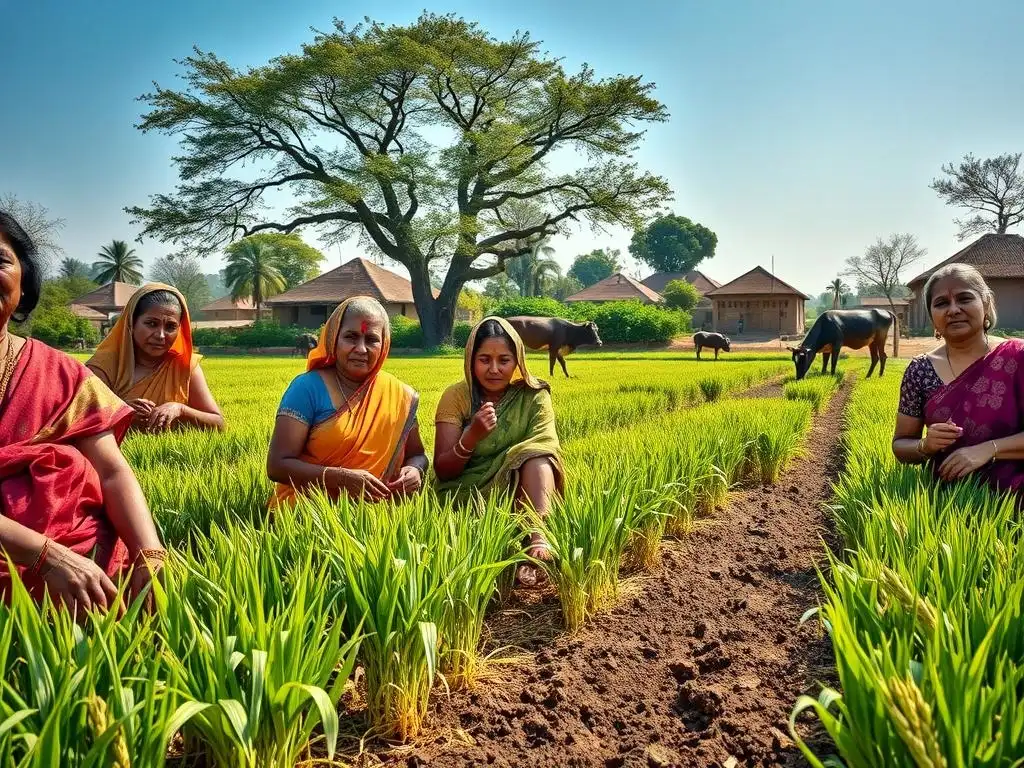
Welcome to Ancient India History, where we delve into the rich tapestry of civilizations that shaped the subcontinent. In our featured article, "Women in Agriculture: The Backbone of Ancient Indian Economies," we illuminate the vital roles that women played in the agricultural landscape of ancient India. Discover how their contributions not only supported families but also laid the foundation for thriving communities. Join us as we explore the often-overlooked stories of these remarkable women and their influence on the fabric of ancient Indian society. Your journey into the past begins now—are you ready to uncover the hidden legacies?
Introduction to Women in Ancient Indian Agriculture
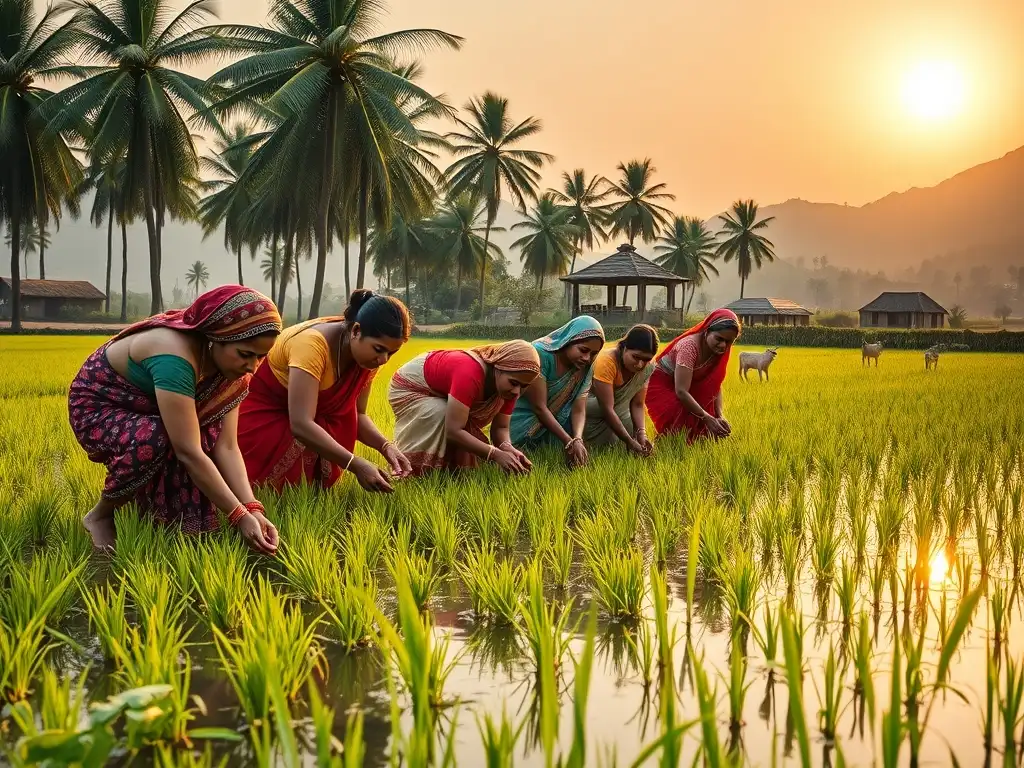
The history of ancient India is richly woven with the contributions of women, particularly in the agricultural sector. As the backbone of ancient Indian economies, women played a crucial role in farming practices that sustained communities and shaped societies. This article delves into the multifaceted roles that women held in agriculture, uncovering their significant impact from the Indus Valley Civilization through the Vedic Period and beyond. By exploring the intricate relationship between women and agriculture, we gain a deeper understanding of their essential contributions to the economic fabric of ancient India.
Overview of Women's Roles in Ancient Indian Societies
In ancient Indian societies, women were not just homemakers; they were key players in the agricultural landscape. Their roles varied across different regions and time periods, but common themes emerged:
- Farmers and Laborers: Women actively participated in planting, harvesting, and processing crops.
- Knowledge Keepers: They preserved traditional farming techniques and passed them down through generations.
- Economic Contributors: Women's agricultural work significantly contributed to household economies and, by extension, the broader economy.
Their involvement in agriculture was a testament to their resilience and adaptability, as they navigated the challenges of a predominantly male-dominated society.
Importance of Agriculture in Ancient Indian Economies
Agriculture was the cornerstone of ancient Indian economies, providing sustenance and generating wealth. The importance of agriculture can be highlighted through the following points:
- Primary Source of Livelihood: The majority of the population depended on farming for their survival.
- Cultural Significance: Agricultural practices were intertwined with religious and cultural traditions, influencing festivals and rituals.
- Trade and Economy: Surplus agricultural production facilitated trade, leading to economic prosperity and interaction with neighboring civilizations.
Understanding the importance of agriculture provides a backdrop for exploring the pivotal role women played in this essential sector.
Historical Context of Women in Agriculture
The historical context of women's roles in agriculture reveals how their contributions evolved over time, influenced by societal changes and cultural shifts.
Women’s Contributions in the Indus Valley Civilization
During the Indus Valley Civilization (circa 3300–1300 BCE), archaeological evidence suggests that women were integral to agricultural practices. They engaged in:
- Crop Cultivation: Evidence indicates that women participated in the cultivation of wheat, barley, and cotton.
- Household Management: They likely managed food storage and distribution, ensuring the sustenance of families.
These early contributions laid the groundwork for women's ongoing involvement in agriculture throughout ancient Indian history.
Roles in Agriculture During the Vedic Period
The Vedic Period (circa 1500–500 BCE) marked a significant evolution in women's roles, where they were not only agricultural workers but also:
- Educators: Women were educated and often taught agricultural practices alongside domestic duties.
- Participatory Farmers: Texts from this era suggest that women worked alongside men in the fields, contributing equally to agricultural tasks.
This period highlighted a more collaborative approach to farming, showcasing women's centrality in agricultural production.
Influence of Women in Post-Vedic Agricultural Practices
Following the Vedic Period, the role of women in agriculture continued to transform:
- Cultural Rituals: Women played a key role in agricultural rituals, reinforcing their connection to farming practices.
- Economic Empowerment: As the economy expanded, women's contributions became increasingly recognized, leading to a gradual shift in societal perceptions regarding their roles.
The influence of women in post-Vedic agricultural practices not only underscored their importance but also paved the way for future generations to continue their legacy in agriculture.
Through this exploration, we can appreciate the immense contributions of women in ancient Indian agriculture, recognizing them as vital agents of economic stability and cultural continuity. Their legacy remains an essential aspect of understanding the historical narrative of ancient Indian civilizations.
Key Responsibilities of Women in Ancient Indian Agriculture
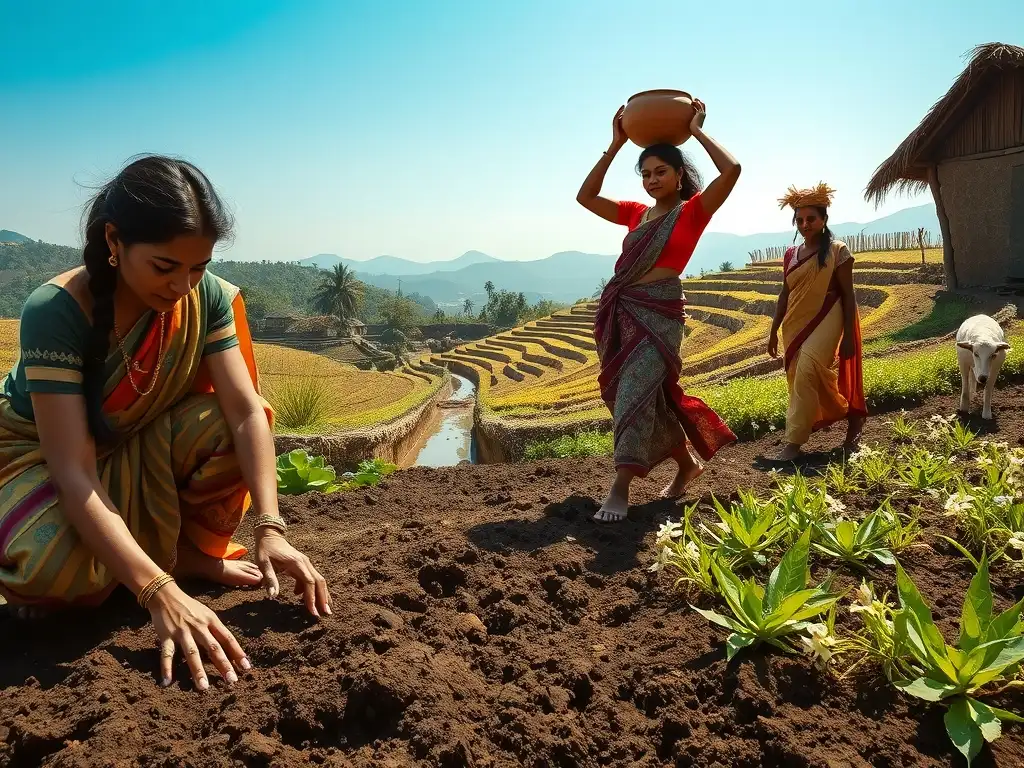
Women played a crucial role in ancient Indian agriculture, often being the backbone of farming practices and household economies. Their responsibilities extended beyond mere participation; they were integral to the various stages of agricultural production. Key responsibilities included:
- Land Preparation: Women were involved in preparing the land for sowing, which included activities such as plowing, fertilizing, and leveling the fields. Their intimate knowledge of the land's fertility and conditions made them valuable contributors to successful farming.
- Sowing and Planting: Women were primarily responsible for sowing seeds, a task that required precision and knowledge of seasonal cycles. They often utilized traditional methods passed down through generations, ensuring that planting was aligned with the lunar calendar and monsoon patterns.
- Weeding and Maintenance: Throughout the growing season, women engaged in weeding, which was vital for crop health. They also monitored the crops for pests and diseases, implementing traditional remedies to protect their yields.
- Harvesting: During the harvest season, women played a significant role in gathering crops. This not only involved cutting and bundling the produce but also the subsequent drying and storage processes, ensuring that the family's food supply was secured for the future.
Farming Techniques Employed by Women
The farming techniques employed by women in ancient India were a blend of traditional knowledge and practical skills. These methods varied by region, influenced by local agricultural practices and climatic conditions. Key techniques included:
- Crop Rotation and Intercropping: Women often practiced crop rotation and intercropping, which helped maintain soil fertility and control pests. This sustainable approach not only optimized land use but also ensured diverse food sources for their families.
- Use of Traditional Tools: Women utilized simple tools such as sickles, hoes, and plows, often made from locally available materials. Their expertise in using these tools effectively contributed to the overall productivity of the farms.
- Water Management: In regions where irrigation was necessary, women were responsible for managing water resources. They constructed and maintained irrigation channels and wells, demonstrating their understanding of hydrology and its importance in agriculture.
- Organic Farming Techniques: Women often relied on organic farming methods, employing composting and natural fertilizers derived from animal dung and plant matter. This practice not only nourished the soil but also promoted eco-friendly agriculture.
Crop Cultivation and Harvesting Practices
Women’s influence on crop cultivation and harvesting practices was profound, significantly impacting the agricultural output of ancient Indian societies. Key aspects included:
- Seasonal Crop Selection: Women were adept at choosing the right crops to plant based on seasonal changes and soil conditions. Their choices often included staple grains like rice, wheat, and pulses, which were essential for family sustenance.
- Traditional Harvesting Methods: During the harvest, women employed specific techniques to ensure minimal loss of produce. They often worked collaboratively, using rhythmic movements to cut and gather crops efficiently.
- Post-Harvest Processing: After harvesting, women took charge of processing the crops, which included threshing, winnowing, and storing. These activities were crucial for preparing food and for trade, thereby enhancing the family's economic status.
- Seed Preservation: Women played a key role in seed preservation, selecting the best seeds for planting in the next cycle. Their knowledge of seed varieties contributed to agricultural diversity and resilience against pests and diseases.
Socio-Cultural Impact of Women in Agriculture
The contributions of women in agriculture extended beyond economic functions, significantly impacting the socio-cultural fabric of ancient Indian societies. Their roles fostered community cohesion and cultural practices.
Women's Roles in Sustaining Family Economies
Women were vital in sustaining family economies through their agricultural activities. Their efforts ensured food security and provided a stable income, which allowed families to thrive. Key points include:
- Income Generation: Women often sold surplus produce in local markets, which empowered them financially and enhanced their decision-making roles within the household.
- Resource Management: By managing resources effectively, women ensured that families had enough food, leading to better health outcomes and reducing dependency on external aid.
- Skill Transmission: Women passed down agricultural skills and knowledge to younger generations, perpetuating a cycle of agricultural competence that was essential for community survival.
Influence on Community and Social Structures
Women’s agricultural roles influenced community dynamics and social structures significantly. Their participation fostered collaboration and social bonds among community members:
- Collective Farming Practices: Women often engaged in collective farming, sharing labor and resources. This fostered a sense of community and mutual support, strengthening social ties.
- Decision-Making Power: As key contributors to agricultural productivity, women gained a voice in community decisions, often advocating for better farming practices and resource allocation.
- Cultural Events and Rituals: Agricultural cycles were often accompanied by cultural events and rituals led by women, which reinforced their status within the community and celebrated their contributions.
The Spiritual and Cultural Significance of Agricultural Practices
Agriculture in ancient India was not just an economic activity; it was deeply intertwined with spiritual and cultural beliefs. Women played a crucial role in this aspect:
- Rituals and Worship: Women often conducted rituals to honor deities associated with fertility and harvest, integrating spiritual practices into agricultural routines. These rituals emphasized the belief that agriculture was a sacred duty.
- Cultural Identity: Agricultural practices contributed to a sense of cultural identity. Women’s involvement in these practices helped preserve traditional knowledge and cultural heritage, ensuring its transmission through generations.
- Festivals and Celebrations: Festivals like Pongal and Makar Sankranti celebrated the harvest season, wherein women took center stage, showcasing their agricultural contributions through various cultural performances and offerings.
Through these multifaceted roles, women in ancient Indian agriculture not only supported their families but also shaped the broader social and cultural landscape of their communities. Their enduring legacy is a testament to their vital contributions to the agricultural backbone of ancient Indian economies.
Challenges Faced by Women in Ancient Indian Agriculture
Women in ancient Indian agriculture played a crucial role in sustaining the economy and supporting their families. However, they faced numerous challenges that hindered their contributions and recognition in this vital sector. These challenges can be categorized into societal norms, economic limitations, and the impact of historical events.
Societal Norms and Gender Roles
In ancient Indian society, deeply ingrained patriarchal norms defined the roles and responsibilities of women. Farming was often seen as a male-dominated activity, while women were primarily relegated to domestic duties. These societal expectations limited women’s participation in agricultural decision-making processes and access to training in farming techniques. Consequently, many women were not recognized as primary contributors to agricultural production, despite their significant input in planting, harvesting, and processing crops.
Moreover, cultural beliefs often dictated that women should focus on household responsibilities rather than engage in external labor. This perception reinforced the idea that women's work in agriculture was supplementary rather than essential, further marginalizing their roles. Such constraints not only affected their self-esteem but also restricted their opportunities for skill development and leadership within agricultural communities.
Economic Limitations and Access to Resources
Access to resources such as land, tools, and financial support was another significant challenge for women in ancient Indian agriculture. Land ownership was predominantly a male privilege, limiting women's ability to cultivate independently. Without land tenure, women were often dependent on male relatives for access to agricultural resources, which diminished their autonomy and ability to make independent economic decisions.
Additionally, women often faced barriers in obtaining credit and financial services, as lending institutions typically favored male borrowers. This lack of financial support restricted women's ability to invest in better farming techniques or diversify crops, ultimately impacting their productivity and economic empowerment. The combination of limited access to resources and financial constraints contributed to the cycle of poverty that many women in agriculture faced.
Historical Events Affecting Women's Agricultural Roles
Throughout ancient Indian history, various historical events influenced women's roles in agriculture. For instance, invasions and wars often disrupted agricultural practices and displaced communities. During such tumultuous times, women were compelled to take on greater agricultural responsibilities to ensure the survival of their families. This shift sometimes led to changes in gender dynamics, as women became the primary breadwinners in their households.
Moreover, the rise and fall of empires could also alter women's roles in agriculture. For example, during the Mauryan Empire, state policies encouraged agricultural expansion, which opened up opportunities for women’s involvement in farming. Conversely, during periods of decline, women faced increased burdens as societal structures weakened, often leading to further marginalization.
Case Studies of Prominent Women in Ancient Indian Agriculture
To understand the impact of women in ancient Indian agriculture, it is essential to highlight notable figures and regional variations that illustrate their contributions and resilience.
Notable Figures and Their Contributions
Several women in ancient India made significant contributions to agriculture and were recognized for their leadership and innovation. One such figure is the legendary queen, Rani Durgavati of Gondwana, who not only ruled her kingdom but also implemented agricultural policies that improved crop yields and promoted sustainable farming practices. Her contributions exemplified how women could influence agricultural productivity through leadership and strategic initiatives.
Another example is the women of the Indus Valley Civilization, who were known for their advanced agricultural techniques, including irrigation and crop rotation. Archaeological evidence suggests that women played an integral role in managing these agricultural systems, showcasing their expertise and knowledge in farming. These historical accounts highlight the essential contributions of women to agricultural practices in ancient India.
Regional Variations in Women’s Agricultural Roles
Women’s roles in agriculture varied significantly across different regions of ancient India, influenced by local customs, geography, and economic conditions. In the southern regions, women often engaged in rice cultivation, while in the northern areas, they were involved in wheat and barley farming. These regional practices demonstrated the adaptability of women farmers to their specific environments and available resources.
For instance, in certain tribal communities, women were traditionally the primary cultivators, managing not only the fields but also the entire household economy. This contrasts with more urbanized regions, where women's roles in agriculture were often overshadowed by men's activities. Understanding these regional variations is crucial for appreciating the diverse experiences of women in ancient Indian agriculture.
Lessons from Ancient Women Farmers
The experiences of women in ancient Indian agriculture offer valuable lessons for contemporary society. Their resilience in the face of societal norms and economic challenges illustrates the importance of recognizing and empowering women in agricultural roles. By studying their contributions, modern agricultural policies can be better informed to promote gender equity and support women's rights to land and resources.
Furthermore, the agricultural innovations attributed to women, such as crop diversification and sustainable practices, can inspire current farming techniques. Emphasizing women's roles in agriculture can lead to more inclusive and effective agricultural strategies, ultimately benefiting entire communities and enhancing food security.
The legacy of women in ancient Indian agriculture is rich and multifaceted, revealing their vital contributions and the challenges they faced. Recognizing their historical significance can pave the way for a more equitable future in agriculture.
The Legacy of Women in Agriculture in Ancient India
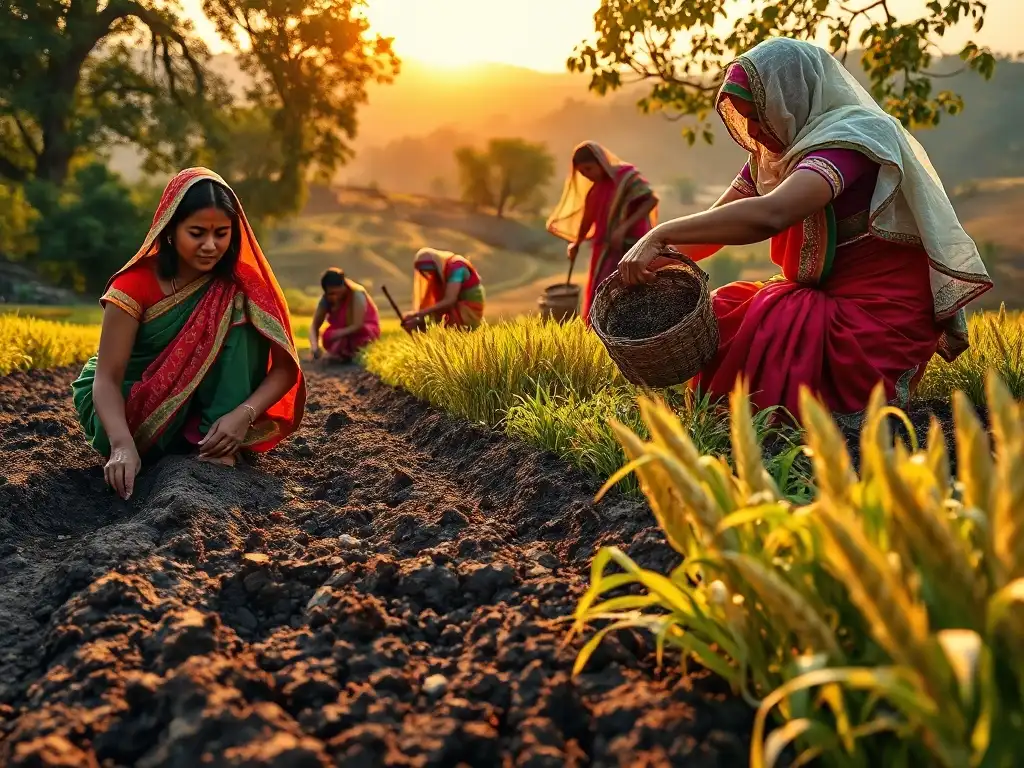
The role of women in agriculture during ancient India was pivotal, forming the backbone of agricultural practices and economic stability. Women were not only caretakers of the home but also integral participants in the agrarian landscape. Evidence from various historical texts and archaeological findings highlights that women were engaged in a myriad of agricultural tasks, from sowing seeds to harvesting crops. They played a crucial role in the cultivation of staple crops such as rice, wheat, and pulses, contributing significantly to food security and the overall economy.
Women in ancient Indian societies often held a wealth of agricultural knowledge, passed down through generations. This knowledge encompassed techniques for sustainable farming, crop rotation, and the medicinal properties of various plants. Their agricultural practices were closely intertwined with cultural traditions, where rituals and festivals celebrated the farming cycle, demonstrating the deep connection between women and the land. This legacy not only underscores the importance of women in agriculture but also highlights their role as custodians of agricultural wisdom and sustainability.
Lasting Impact on Modern Agricultural Practices
The contributions of ancient Indian women in agriculture have left an indelible mark on modern practices. Many traditional methods employed by women, such as organic farming techniques and the use of indigenous seeds, are experiencing a renaissance in contemporary agricultural discourse. With the increasing focus on sustainable agriculture, these time-tested practices are being revisited for their environmental benefits.
Moreover, the communal farming systems that women participated in fostered collaboration and knowledge-sharing, principles that are increasingly recognized in today’s cooperative farming movements. The resilience and adaptability shown by women in ancient agriculture serve as a model for modern agricultural policies aiming to empower women and integrate their expertise into contemporary farming.
Recognition and Representation of Women in Historical Narratives
Despite the significant role women played in ancient agriculture, their contributions have often been marginalized in historical narratives. Traditional historiography frequently focuses on male figures, overshadowing the essential roles women fulfilled. However, recent scholarship has begun to shed light on women's agricultural contributions, recognizing them as vital to the economic and social fabric of ancient societies.
In ancient texts, such as the Arthashastra and various Vedic scriptures, there are references to women as farmers and landowners, indicating their active participation in agricultural decision-making. By acknowledging these historical accounts, we can better appreciate the multifaceted roles women occupied and their impact on agricultural development.
Evolution of Women’s Roles in Contemporary Indian Agriculture
Today, women's roles in agriculture continue to evolve, reflecting both the challenges and opportunities they face. In contemporary India, women constitute a significant portion of the agricultural workforce, engaging in everything from cultivation to marketing produce. However, they still encounter barriers such as limited access to resources, credit, and land ownership.
To address these disparities, various initiatives have emerged, aiming to empower women in agriculture through education, training, and access to technology. Organizations are focusing on promoting women's leadership in farming cooperatives and networks, thus enhancing their visibility and influence in agricultural policies. This evolution signifies a growing recognition of women's contributions, echoing the legacy of their ancestors in shaping agricultural practices.
Conclusion: The Enduring Importance of Women in Ancient Indian Agriculture
Summary of Contributions and Historical Significance
The enduring legacy of women in ancient Indian agriculture is a testament to their resilience, knowledge, and indispensable contributions to the economy. From their involvement in crop cultivation to the maintenance of agricultural traditions, women were central to the agrarian lifestyle. Their practices not only ensured food security but also fostered community and cultural identity.
As we explore the historical significance of women's roles in agriculture, it becomes evident that their contributions have far-reaching implications that resonate even today. Recognizing this history is crucial for understanding the dynamics of current agricultural practices and the ongoing efforts to promote gender equity in the field.
Reflection on the Role of Women in Shaping Agricultural Traditions
Reflecting on the role of women in shaping agricultural traditions reveals a rich tapestry of skills, knowledge, and cultural practices that have stood the test of time. Women were the custodians of agricultural knowledge, nurturing the land and imparting wisdom to future generations. Their influence is evident in the agricultural festivals and rituals that continue to celebrate the cycles of farming.
By acknowledging and honoring the contributions of women in ancient Indian agriculture, we can inspire future generations to recognize the importance of women's roles in sustainable practices and community development. This recognition is not only a celebration of the past but also a call to action for equitable representation in the agricultural sector today.
Further Reading on Women in Ancient Indian Agriculture
To gain a deeper understanding of the pivotal role women played in ancient Indian agriculture, a variety of resources are available. These resources encompass scholarly articles, books, and online platforms that explore the intersection of gender and agricultural practices in ancient India. Engaging with these materials can illuminate the contributions of women and their significance in shaping agricultural economies.
Recommended Books and Articles
-
"Women in Ancient India" by Kumkum Sangari
This book provides a comprehensive analysis of women's roles in various aspects of ancient Indian life, including agriculture. Sangari meticulously documents the contributions of women and their influence on agrarian practices.
-
"The Role of Women in Indian Agriculture" by R.K. Sharma
This article delves into historical accounts of women in agriculture, highlighting their responsibilities and the impact of their work on the agricultural output of ancient Indian societies.
-
"Agricultural Practices in Ancient India: A Gender Perspective" by Indira V. K.
This scholarly work focuses on the gender dynamics within agricultural practices, offering insights into how women contributed to both subsistence and commercial agriculture in ancient India.
-
"Women and Work in Rural India" by Nirmala Banerjee
Although focused on a broader scope, this book provides valuable context on women's roles in agriculture, revealing the continuity of their contributions from ancient times to the present.
-
"Seeds of Change: Women in Indian Agriculture" - Journal of Indian History
This journal article discusses the historical significance of women in agriculture, emphasizing their roles as cultivators and managers of agricultural resources throughout different periods.
Online Resources for Exploring Women’s Roles in Ancient Societies
-
Digital South Asia Library
An online repository that houses a wealth of primary and secondary sources related to South Asian history, including sections on women’s contributions to agriculture.
-
Women’s Studies in India: A Resource Guide
This resource provides links to various studies, papers, and articles that focus on women’s roles in agriculture, making it easier to access relevant scholarly work.
-
The Indian Council of Historical Research
The ICHR offers a range of publications and research materials that explore the historical context of women in ancient Indian agriculture.
-
Online Archives of Ancient Indian Literature
This digital archive includes texts that reference women’s roles in agricultural practices, providing valuable cultural and historical insights.
-
International Journal of Gender Studies
This journal features articles that explore gender dynamics in different societies, including discussions on women's contributions to agriculture in ancient cultures.
Engaging with these recommended readings and online resources will provide a well-rounded perspective on the critical role women played in ancient Indian agriculture, helping to appreciate their contributions to economic stability and cultural evolution.
- Introduction to Women in Ancient Indian Agriculture
- Overview of Women's Roles in Ancient Indian Societies
- Importance of Agriculture in Ancient Indian Economies
- Historical Context of Women in Agriculture
- Key Responsibilities of Women in Ancient Indian Agriculture
- Socio-Cultural Impact of Women in Agriculture
- Challenges Faced by Women in Ancient Indian Agriculture
- Case Studies of Prominent Women in Ancient Indian Agriculture
- The Legacy of Women in Agriculture in Ancient India
- Conclusion: The Enduring Importance of Women in Ancient Indian Agriculture
- Further Reading on Women in Ancient Indian Agriculture
- What role did women play in ancient Indian agriculture?
- Were women involved in any specific agricultural practices?
- How did women’s contributions impact ancient Indian society?
- Did women have any rights or recognition in agriculture?
- How does the study of women in agriculture inform our understanding of ancient Indian civilizations?
Frequently Asked Questions
What role did women play in ancient Indian agriculture?
Women were integral to ancient Indian agriculture, participating in tasks such as sowing, harvesting, and processing crops, which significantly contributed to the economy.
Were women involved in any specific agricultural practices?
Yes, women often engaged in traditional farming techniques and were responsible for seed selection and crop management, ensuring sustainable agricultural practices.
How did women’s contributions impact ancient Indian society?
The contributions of women in agriculture helped establish food security and economic stability, thereby enhancing their social status within ancient Indian societies.
Did women have any rights or recognition in agriculture?
While their roles were often overlooked, women had certain rights related to land and agricultural produce, showcasing their importance in maintaining household economies.
How does the study of women in agriculture inform our understanding of ancient Indian civilizations?
Studying women in agriculture reveals their vital role in sustaining ancient economies and highlights the gender dynamics that shaped social and cultural structures in ancient India.
Final Reflection: Empowering Women in Ancient Indian Agriculture
The role of women in ancient Indian agriculture is not just a historical footnote; it is a crucial pillar that shaped the economic foundations of society. Today, as we navigate the complexities of modern agriculture and gender equality, it becomes increasingly clear that understanding the contributions of women in this field is vital. Their resilience and ingenuity in managing agricultural practices serve as a powerful reminder of the strength and capability that women have always possessed. Recognizing this legacy is essential as we strive for a more equitable future.
The influence of women in agriculture has left an indelible mark on our cultural and social landscape. Their contributions were not merely functional; they were transformative, fostering community ties and sustainable practices that resonate even today. As we reflect on this, we must acknowledge that the empowerment of women in agriculture is an ongoing journey. When women thrive, communities thrive.
This quote encapsulates the essence of the article, emphasizing that the success of agricultural practices is deeply intertwined with the empowerment of women, both in ancient times and in our contemporary world.
As we conclude, I invite you to reflect on the lessons from the past and consider how they apply to our present and future. How can we honor the legacy of women in ancient Indian agriculture in our own lives? Whether through supporting women-led agricultural initiatives or advocating for gender equality in farming practices, each of us has a role to play. Let us carry forward the spirit of resilience and empowerment that these women embodied, ensuring that their contributions are recognized and celebrated in our ongoing quest for a just and sustainable agricultural landscape.
Empower Your Connection to Ancient Agriculture!
Thank you for taking the time to explore the vital role women played in ancient Indian economies through agriculture. We hope you gained valuable insights into their strength, resilience, and contributions. Now, it’s time to delve deeper and keep the conversation alive!
- Join a local discussion group focused on preserving agricultural heritage in your area. Share your insights and learn more about the enduring impact women have had in the field of agriculture.
- Explore documentaries or books that highlight the history of women in agriculture across various cultures to broaden your understanding and appreciation.
- Create a platform to celebrate and share stories about women in agriculture. Whether through social media, a blog, or community events, let their voices resonate!
What lesson can you draw from the contributions of women in ancient agriculture that you can apply to your own life or community today?