
Marriage and Property Rights: Women’s Legal Status in Ancient India

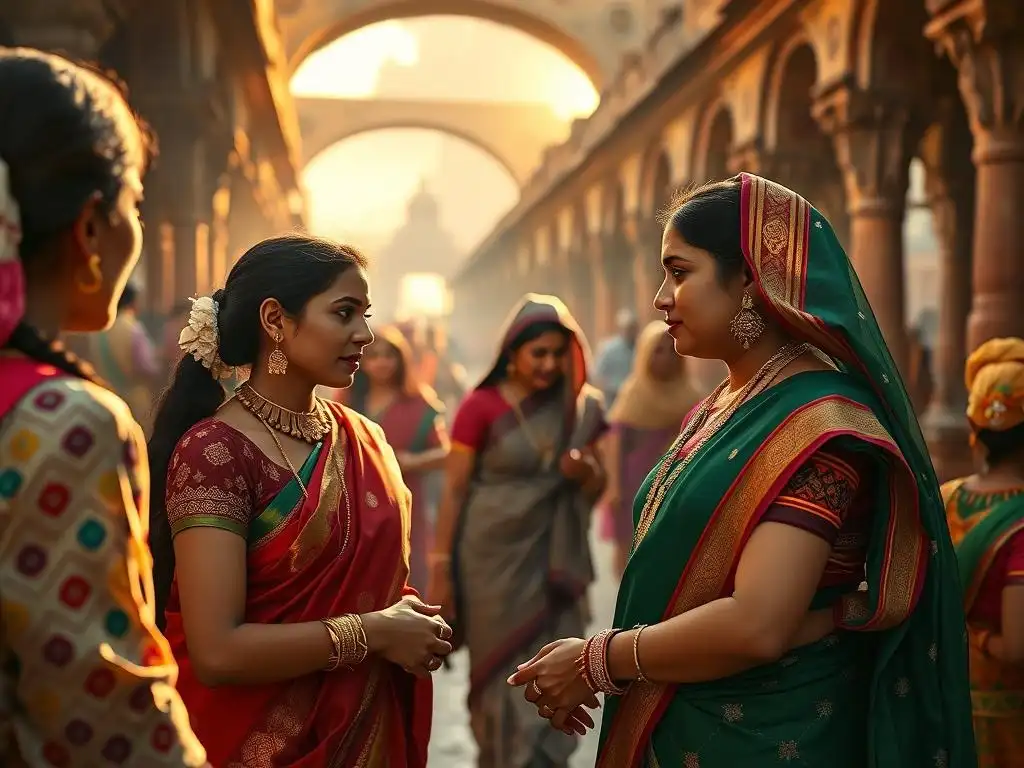
Welcome to Ancient India History, where we embark on a captivating journey through the rich tapestry of one of the world’s oldest civilizations. Here, we delve deep into the intricate roles and contributions of women in ancient India, a topic often overshadowed yet profoundly significant. Our featured article, "Marriage and Property Rights: Women’s Legal Status in Ancient India," uncovers the remarkable legal standing of women during this era, revealing insights that challenge common perceptions.
Prepare to be intrigued as we explore how women navigated their rights and societal roles, and discover the legacy they left behind. Join us on this enlightening exploration, and let the stories of ancient women inspire your understanding of history!
- Introduction to Women’s Rights in Ancient India
- Historical Context of Women’s Rights in Ancient India
- Marriage Practices and Legal Status of Women
- Women's Property Rights in Ancient India
- Legal Framework Governing Women's Rights
- Comparison of Women's Rights Across Different Periods
- Conclusion
- References
-
Frequently Asked Questions
- What was the general status of women's rights in ancient India?
- How did marriage impact women's legal rights in ancient India?
- Were women allowed to inherit property in ancient India?
- What role did religion play in shaping women's rights in ancient India?
- Did women's rights improve during the Gupta Empire?
- Final Reflection: Understanding Women’s Rights in Ancient India
- Empower Yourself with Knowledge: Take Action Today!
Introduction to Women’s Rights in Ancient India
The history of women's rights in ancient India is a complex tapestry woven from various cultural, religious, and societal norms that evolved over centuries. In a society where traditions often dictated the roles and statuses of individuals, women navigated a landscape that was both restrictive and occasionally progressive.
This article delves into the intricate legal status of women, particularly focusing on their property rights within the context of marriage. By examining historical texts, legal codes, and social practices, we can gain insight into how ancient Indian civilizations viewed women and their rights, illuminating the strides and setbacks that characterized their legal standing.
Overview of Women’s Legal Status
In ancient India, women's legal status was influenced by a myriad of factors, including caste, region, and religion. While some texts and historical records suggest a degree of autonomy, such as the rights to inherit property and engage in legal contracts, these privileges were not universally accessible.
- Vedic Period: During this era, women held a respectable position in society. They were educated, could participate in religious rituals, and were involved in decision-making within the household.
- Post-Vedic Period: As time progressed, particularly during the later Vedic and subsequent periods, societal norms began to shift. Texts such as the Manusmriti imposed restrictions on women's freedoms, emphasizing their roles primarily as wives and mothers.
The juxtaposition of rights and restrictions is evident in various historical accounts. While some women were able to own property and have a say in familial matters, many were subjected to stringent patriarchal norms that limited their autonomy. For instance, notable figures like Gargi and Maitreyi are celebrated in Vedic literature for their intellectual contributions, yet their experiences were exceptions rather than the norm.
Significance of Property Rights in Marriage
Property rights in marriage were crucial in determining a woman's status and security in ancient Indian society. The ability to own and inherit property directly affected her financial independence and social standing.
- Dowry System: The practice of dowry, though often seen as a burden, also provided women with a form of financial security. In some cases, women could claim their dowries post-marriage, which could serve as a safeguard against abandonment or divorce.
- Inheritance Laws: Various legal texts, including the Dharmashastras, outline inheritance rights for women. While daughters were entitled to a share of their father’s property, the extent of these rights varied. In some regions, women could inherit property equally, while in others, they were often marginalized.
The implications of these rights were profound. Women who possessed property had a greater ability to negotiate their roles within marriage and society. Property ownership not only enhanced their status but also provided them with a degree of leverage in familial and societal matters. Understanding these dynamics allows us to appreciate the historical context of women's rights in ancient India and their evolution over time.
Historical Context of Women’s Rights in Ancient India
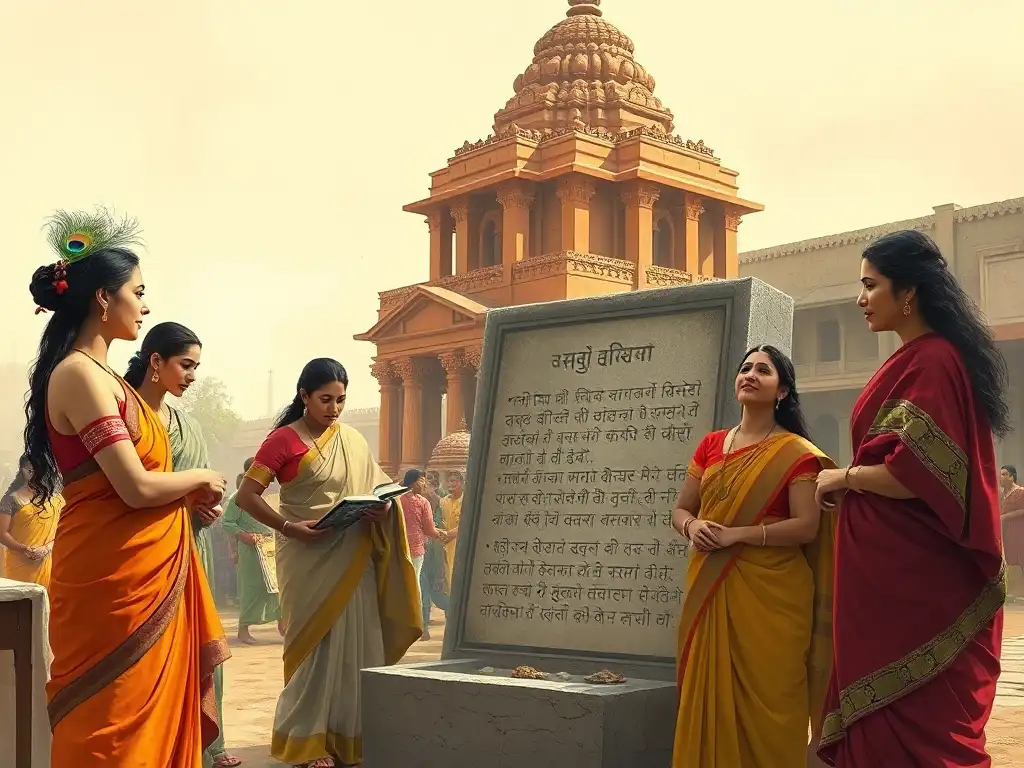
In ancient India, women's rights were deeply intertwined with the socio-religious fabric of society. The legal status of women evolved over centuries, influenced by a variety of factors including religious texts, societal norms, and prevailing economic conditions. Understanding the historical context is crucial to grasp the intricacies of women's rights during this period.
The Vedic period, which began around 1500 BCE, marked a significant phase in the development of women's rights. Women were initially afforded considerable respect and autonomy. They participated in religious rituals, composed hymns, and were often educated. However, as time progressed, especially during the later Vedic period, societal norms began to shift. The emergence of patriarchal structures saw a gradual decline in women's rights, with increasing restrictions on their freedoms.
Ancient Indian Texts and Their Influence
Ancient Indian texts such as the Vedas, Upanishads, Manusmriti, and various Puranas played a pivotal role in shaping the legal status of women. The Vedas, for instance, contain references to women participating in spiritual and intellectual pursuits:
- Education: Women were educated in various sciences and arts. The Rigveda mentions women sages, and many hymns were composed by female Rishis like Lopamudra and Gargi.
- Marriage and Family: The texts advocate for mutual respect and partnership in marriage, which indicates that women had rights within the family structure.
However, the Manusmriti, written around the 2nd century BCE to the 2nd century CE, introduced more rigid norms regarding women's roles. It emphasized a hierarchy where women were expected to be subservient to their fathers, husbands, and sons. Key aspects include:
- Property Rights: While women had some rights to property in certain contexts, the Manusmriti largely restricted their ownership, emphasizing that property should primarily belong to male heirs.
- Divorce: The text also constrained women's rights to seek divorce, making it difficult for women to escape unhappy marriages.
The dichotomy in these texts reflects a complex and evolving understanding of women's rights in ancient India, highlighting both empowerment and restriction.
Societal Norms and Gender Roles
The societal norms in ancient India were predominantly patriarchal, which significantly influenced women's legal status. Women were often viewed as caretakers of the home and bearers of children, which limited their roles outside domestic spheres. This perception was reinforced by various societal practices and customs:
- Marriage: Marriage was a central institution, often arranged, where women's choices were minimal. A woman's status was closely linked to her husband, and her primary role was seen as fulfilling familial duties.
- Dowry System: The practice of dowry, which became prevalent later, further entrenched gender inequalities. Women were often seen as financial burdens, leading to their reduced status in society.
Despite these constraints, there were notable exceptions where women exercised agency. For example, some women from royal families held significant power and influence, participating in governance and decision-making. Additionally, texts like the Arthashastra acknowledged women's roles in economic activities, indicating a recognition of their contributions to society.
The historical context of women's rights in ancient India reveals a complex interplay of texts, norms, and societal expectations. While there were periods where women enjoyed certain rights and privileges, a general trend toward increased restriction emerged, shaping the legal and social framework that defined women's roles in ancient Indian civilization. Understanding this historical backdrop is essential for comprehending the evolution of women's rights in subsequent periods.
Marriage Practices and Legal Status of Women
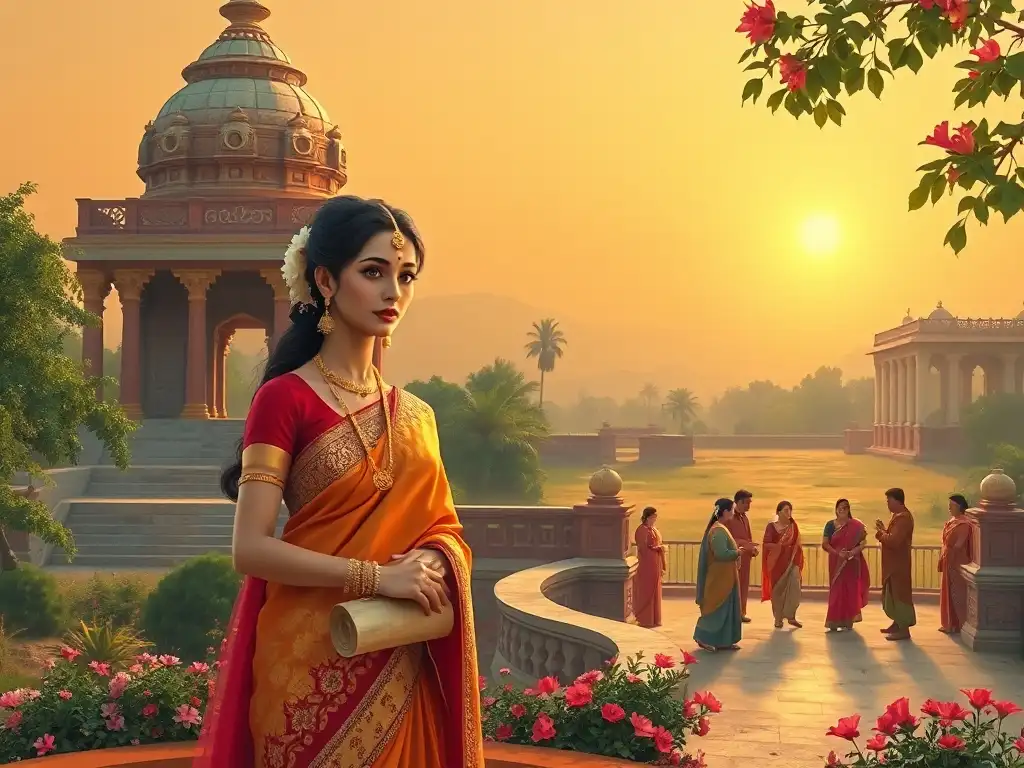
In ancient India, marriage was not merely a social contract but a complex institution intertwined with religious, cultural, and economic dimensions. The legal status of women in marriage reflected broader societal norms and beliefs regarding gender roles. This section explores the various types of marriages recognized in ancient Indian society and the legal rights afforded to women within these unions.
Types of Marriages in Ancient India
Marriage practices in ancient India were diverse, characterized by multiple forms that catered to different social classes and regional customs. The primary types of marriages included Brahma, Asura, and Gandharva marriages, each with distinct characteristics and implications for women's rights and status.
Brahma Marriage
The Brahma marriage was considered the most revered form of marriage in ancient India. It involved a formal ceremony in which the bride was given away by her father, accompanied by religious rituals and the recitation of Vedic hymns. This type of marriage emphasized the importance of mutual respect and commitment, and it was often seen as a sacred duty.
- Key Features:
- Consent: The bride's consent was essential, although parental approval held significant weight.
- Dowry: The dowry system was prevalent, where the bride's family provided gifts to the groom's family, often including property and wealth.
- Legal Status: Women in Brahma marriages were typically entitled to property rights, especially if the marriage was monogamous.
Asura Marriage
The Asura marriage, contrasting with the Brahma marriage, often involved a transaction-like exchange between the families of the bride and groom. This type of marriage was more commercial in nature and was viewed less favorably by traditional texts.
- Key Features:
- Transaction-Based: The groom would offer a significant sum or gifts to the bride's family.
- Social Stigma: While this type of marriage was accepted, it was often associated with a lower social status.
- Legal Rights: Women's rights in Asura marriages were ambiguous, often leading to disputes regarding property and inheritance.
Gandharva Marriage
The Gandharva marriage was a form of love marriage, recognized for its romantic and consensual nature. It did not involve parental consent or elaborate ceremonies, focusing instead on the emotional bond between the couple.
- Key Features:
- Consent: Both partners entered into the marriage willingly, which was revolutionary for the time.
- Lack of Formality: This type of marriage was often informal, lacking the religious rituals typical of Brahma marriages.
- Legal Rights: Women in Gandharva marriages had relatively stronger claims to property and personal autonomy compared to other forms.
Legal Rights of Women in Marriage
The legal rights of women in ancient India were influenced significantly by their marital status. Understanding these rights provides insight into the broader context of women’s rights in ancient India and highlights the complexities faced by women in their legal standing.
Dowry System and Its Implications
The dowry system played a pivotal role in shaping the marriage landscape in ancient India. It involved the transfer of parental wealth to the groom's family, often creating a financial burden on the bride's family.
- Implications:
- Economic Dependency: The dowry system reinforced women's economic dependency on their husbands, impacting their autonomy and rights.
- Social Pressure: Families often faced societal pressure to provide substantial dowries, sometimes leading to conflicts and domestic violence.
- Legal Framework: While some texts advocated for women's rights regarding dowry, the practical enforcement of these rights was inconsistent.
Rights to Property Through Marriage
Marriage in ancient India also influenced women's rights to property. While traditionally, women were often excluded from inheritance, specific marriage types allowed them some claim over property.
- Property Rights:
- Brahma Marriage: Women could inherit property from their husbands and retain ownership, especially if they had children.
- Asura Marriage: Women's rights to property were often contingent on the terms of the marriage agreement, leading to potential disputes.
- Gandharva Marriage: In many instances, women enjoyed greater freedom and autonomy regarding their property rights, as these marriages were based on mutual consent.
The legal status of women in ancient India was complex, influenced by the nature of their marriages and societal norms. Understanding these dynamics sheds light on the evolving discourse surrounding women's rights in ancient India and their implications for future generations.
Women's Property Rights in Ancient India
Inheritance Laws
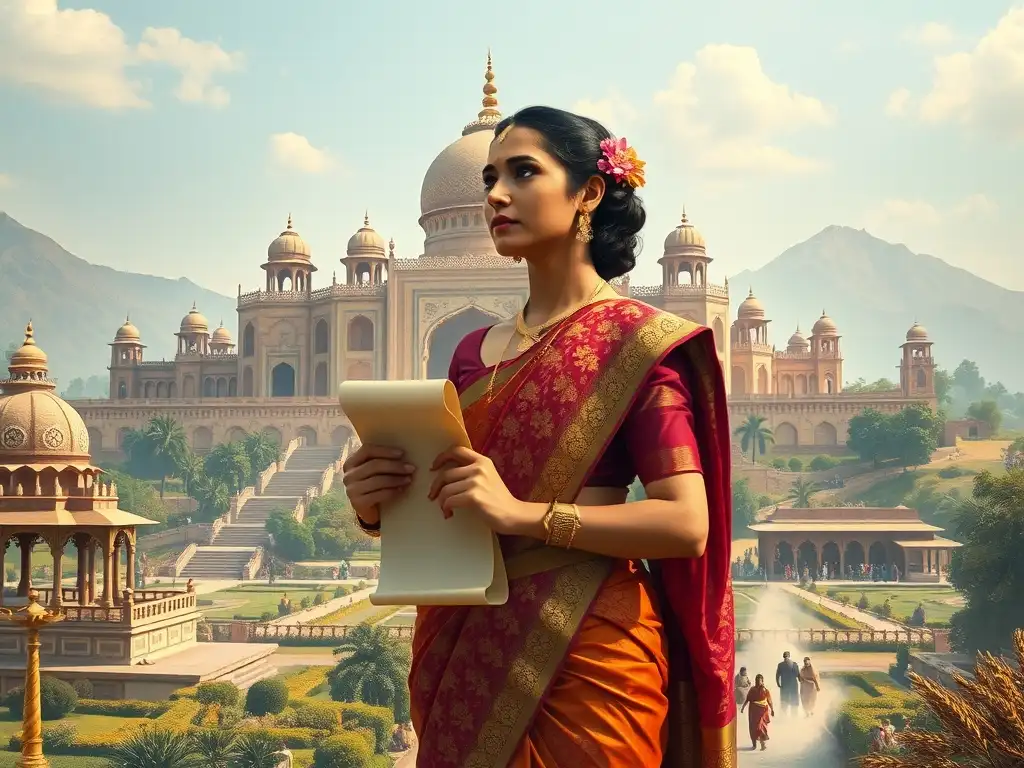
In ancient India, women's property rights were shaped by a complex interplay of religious texts, customary practices, and social norms. While the legal framework provided certain rights to women, these rights varied significantly across different regions and periods. The primary source of authority on women's rights was derived from the Dharmashastras, ancient legal texts that outlined the duties and privileges of individuals in society.
- Types of Inheritance: Women's inheritance rights included both agricultural land and movable property. In many instances, daughters were entitled to a share of their father's estate, which was a progressive step for women’s rights in ancient India.
- Patrilineal vs. Matrilineal Systems: The inheritance laws often depended on whether a society followed a patrilineal or matrilineal system. In patrilineal societies, such as those influenced by the Manusmriti, women had limited rights to inherit property. Conversely, in matrilineal societies, particularly in parts of Kerala and Northeast India, women enjoyed considerable rights over family property.
Stridhan: Women's Property Rights Explained
One of the most significant concepts in understanding women's property rights in ancient India is Stridhan. This term refers to the property that a woman receives at various stages of her life, which may include:
- Gifts from Parents: At the time of her marriage, a woman would receive gifts and property from her family, which comprised her Stridhan.
- Gifts During Marriage: Items gifted by her husband and in-laws also contributed to her Stridhan, making it a significant aspect of a woman's wealth.
- Independent Ownership: Stridhan was considered the absolute property of the woman, giving her the right to manage, use, and dispose of it as she saw fit.
The importance of Stridhan lies in its recognition of women's economic agency, allowing them a degree of financial independence within the patriarchal structure of ancient Indian society.
Limitations and Challenges in Inheritance
Despite the recognition of certain rights, women faced numerous limitations and challenges regarding property inheritance in ancient India:
- Social Norms: Cultural expectations often dictated that women should be dependent on male relatives, which limited their access to property and financial independence.
- Legal Ambiguities: The application of inheritance laws was frequently inconsistent, leading to disputes and a lack of clarity regarding women's rights.
- Disinheritance: In many cases, women were disinherited or received minimal shares in property, especially in patrilineal families, where sons were prioritized in inheritance matters.
- Lack of Enforcement: Even when laws favored women, enforcement was often weak, leaving women vulnerable to exploitation and denial of their rightful claims.
Case Studies of Prominent Women and Their Property Rights
Ancient Indian history is replete with examples of women who navigated the complexities of property rights. These case studies highlight the varied experiences of women in securing their legal rights:
- Vasanti: A notable figure in ancient texts, she successfully claimed her Stridhan after her husband's death, showcasing the potential for women to assert their rights.
- Vishakha: According to some texts, she was able to inherit her father's estate, which was uncommon but indicated the legal recognition of women's rights in certain contexts.
- Damayanti: Often depicted in literature, she used her intelligence and negotiation skills to secure her property rights against familial opposition, illustrating the resilience of women in ancient society.
These case studies not only provide insight into the legal status of women but also reflect broader societal attitudes toward women's rights in ancient India. Overall, while women’s rights in ancient India included some legal provisions for property ownership, the practical realization of these rights was often hindered by societal norms and legal limitations.
Legal Framework Governing Women's Rights
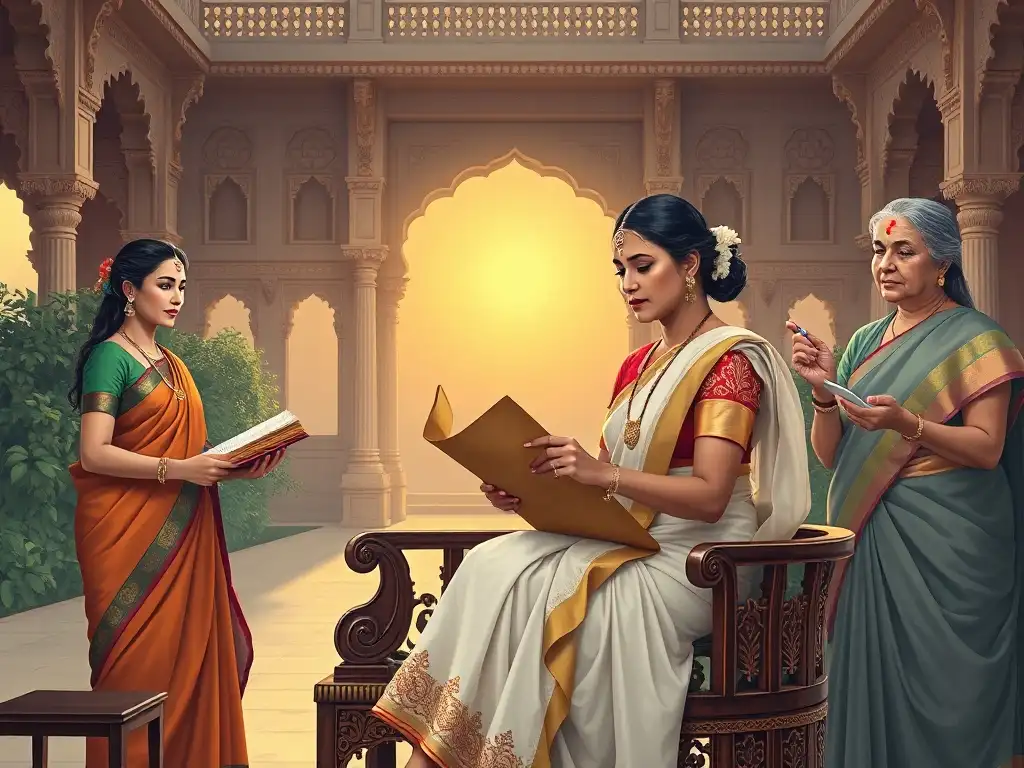
In ancient India, the legal framework governing women's rights was primarily influenced by the texts known as Dharmashastras. These texts, which date back to the early centuries of the Common Era, played a crucial role in shaping societal norms and legal principles concerning women's status within the family and society at large.
The Dharmashastras encompassed a variety of legal and ethical guidelines, with the Manusmriti being one of the most influential. They provided a detailed account of women's rights regarding marriage, inheritance, and property ownership. However, it's important to note that interpretations of these texts varied across regions and periods, leading to a complex and often inconsistent understanding of women's rights in ancient India.
Dharmashastra and Its Role in Defining Rights
The Dharmashastras outlined specific rights for women, primarily within the context of marriage and family life. Here are some key aspects:
- Marriage Rights: Women were generally expected to marry and were often considered a vital part of the family's social and economic structure. However, the choice of spouse was typically not in the hands of the woman. Arranged marriages were the norm, and the texts emphasized the importance of women's loyalty to their husbands.
- Inheritance Laws: The Dharmashastras acknowledged women's rights to inherit property, albeit with significant restrictions. For example, daughters were entitled to a share of their father's estate but were often seen as dependents who would eventually leave for their husband's family. As a result, their rights to property were not as robust as those of male heirs.
- Property Ownership: While some texts allowed women to own property, there were limitations. For instance, the Manusmriti suggested that women could hold property only under specific circumstances, such as being widowed or unmarried. Even in these situations, the property was often viewed as a form of security rather than a right.
- Social Status: The Dharmashastras reinforced a patriarchal structure, where women's primary roles were as wives and mothers. The texts often reflected the belief that a woman's honor was tied to her husband and family, further limiting her autonomy.
Overall, the Dharmashastras provided a legal framework that recognized certain rights for women, but these rights were often overshadowed by societal expectations and patriarchal norms.
Changes in Legal Status Over Time
The legal status of women in ancient India underwent significant changes over the centuries, influenced by various social, economic, and political factors.
- Early Periods: During the Vedic period (approximately 1500–500 BCE), women had relatively more freedom and rights. They could participate in religious rituals, receive education, and even choose their partners in some cases. However, this status began to decline in subsequent periods.
- Post-Vedic Period: The rise of the Dharmashastra texts marked a shift towards a more patriarchal society. By the time of the Gupta Empire (approximately 320–550 CE), women's rights were increasingly restricted. The emphasis on arranged marriages and the notion of a woman's duty to her husband became more pronounced.
- Medieval and Later Periods: The status of women continued to fluctuate with the influence of regional customs and the arrival of foreign rulers. While some regions saw a decline in women's rights, others maintained certain practices that allowed women to wield power and property, especially among royal families.
- Legal Codifications: By the 19th century, the British colonial administration began to codify laws related to marriage and inheritance, which prompted debates about women's rights in ancient texts. Activists and reformers sought to reinterpret Dharmashastric laws, advocating for greater rights and legal recognition for women.
The evolution of women's rights in ancient India reflects a complex interplay of texts, societal norms, and historical developments. While the Dharmashastra laid the foundation for understanding women's legal status, the reality of their rights was often shaped by the prevailing cultural attitudes of the time.
Comparison of Women's Rights Across Different Periods
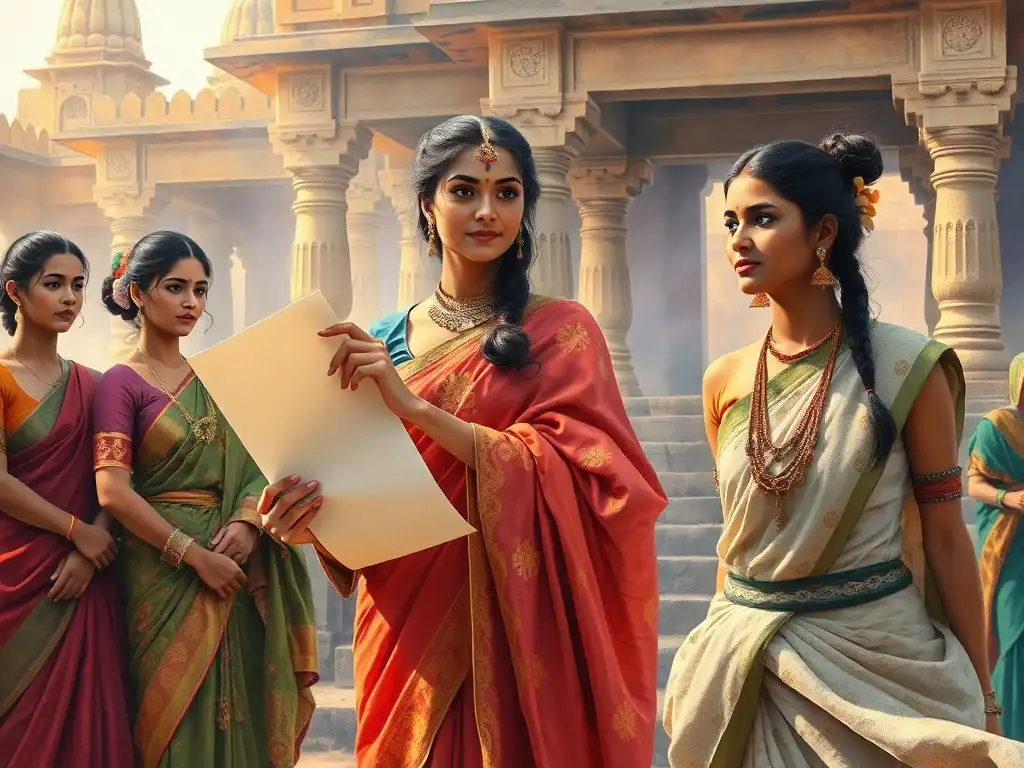
In examining the evolution of women's rights in ancient India, it is crucial to consider the significant changes that occurred across different historical periods. This comparison sheds light on how women's legal status, particularly regarding marriage and property rights, evolved from the Vedic period to the Gupta Empire.
Vedic Period vs. Post-Vedic Period
The Vedic period (approximately 1500–500 BCE) is often characterized by relatively progressive views on women's rights compared to subsequent eras. During this time, women enjoyed a degree of autonomy and were allowed to participate in religious rituals and intellectual discussions. Key aspects of women's rights during the Vedic period include:
- Education: Women had access to education and were often well-versed in Vedic texts. Notable figures, such as Gargi and Maitreyi, are examples of women who contributed to philosophical debates.
- Marriage: The concept of marriage was flexible, allowing for practices such as Swayamvara, where women could choose their husbands, indicating a level of agency.
- Property Rights: Women could inherit property and were entitled to their father's wealth, particularly after the death of their husband, which provided them with a degree of financial security.
However, the transition to the Post-Vedic period (around 500 BCE to 200 CE) marked a shift in societal norms, leading to a decline in women's rights. Important changes included:
- Marriage Customs: The introduction of monogamous and patriarchal marriage systems limited women's choices in selecting their partners. Arranged marriages became the norm, often without the woman's consent.
- Legal Status: Women's legal rights diminished, and they became increasingly dependent on male guardians. The Manusmriti, a crucial text from this period, codified these changes, emphasizing women's subservience to their fathers, husbands, and sons.
- Property Rights: Women's rights to property were curtailed; they could no longer independently own land or inherit property, relegating them to a position of economic dependency.
Gupta Empire and Women's Legal Status
The Gupta Empire (approximately 320–550 CE) represents a period of notable contradictions concerning women's rights. While certain advancements were made, traditional views remained deeply entrenched. Key features of women's legal status during this era include:
- Education and Literacy: The Gupta period witnessed a decline in women's education, with fewer women attaining literacy compared to earlier periods. Despite this, some women continued to be educated, particularly in elite families.
- Marriage Practices: Child marriage became prevalent during this time, and women's roles were largely confined to domestic spheres. The Kanyadaan ritual, which symbolized giving away the bride, reinforced the notion of women as properties transferred between families.
- Property Rights: Although women were increasingly viewed as dependents, there were still provisions for women to receive a portion of their father’s estate. Some texts suggest that widows were given rights to inherit their husband's property, albeit with restrictions.
The comparison of women's rights in ancient India reveals a complex narrative. While the Vedic period offered women certain freedoms and rights, the Post-Vedic and Gupta periods saw a regression in these liberties. The legal status of women, particularly regarding marriage and property, became increasingly restrictive, reflecting the broader societal changes that prioritized patriarchal norms over women's autonomy.
Conclusion
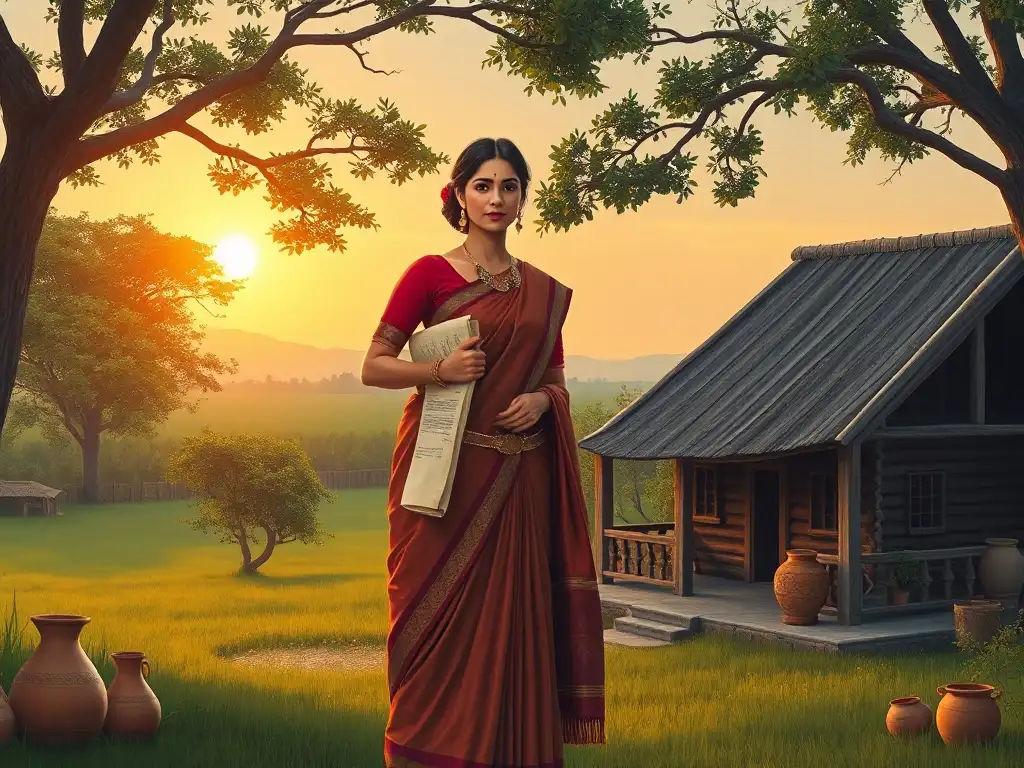
Summary of Women’s Rights in Ancient India
The status of women in ancient India was multifaceted and evolved significantly over different periods. Initially, during the Indus Valley Civilization, evidence suggests that women enjoyed considerable rights and status, participating in religious rituals and owning property. As we transition into the Vedic period, texts such as the Rigveda reveal that women had educational opportunities and could engage in philosophical discourse, although their roles gradually began to shift towards more domestic responsibilities.
By the time of the Mauryan and Gupta Empires, women's rights were more restricted. The Manusmriti, an ancient legal text, codified various laws that delineated women's status primarily as dependents of male family members. However, it also acknowledged women's rights to inherit property, albeit under specific conditions. The rights to divorce and remarriage were recognized in some texts, suggesting a complex interplay of legal rights and societal norms.
Women's rights in ancient India were not static; they reflected the dynamic social, economic, and religious contexts of their times. While there were periods of relative freedom and rights, there were also significant constraints, highlighting the need for a nuanced understanding of the historical progression of women’s rights.
The Legacy of Ancient Women’s Rights on Modern Legal Frameworks
The implications of ancient women’s rights in India extend beyond historical curiosity; they resonate in contemporary legal frameworks and women's rights movements. Many principles enshrined in ancient texts, such as the concept of property rights, have laid a foundation for modern legal practices.
For instance, the recognition of women's rights to inheritance found in texts like the Manusmriti has parallels in modern laws such as the Hindu Succession Act of 1956, which grants daughters equal rights to inherit ancestral property. This legal shift marks a significant departure from earlier norms and underscores the influence of historical precedents on current legislation.
Moreover, the discussions surrounding marriage, divorce, and women's autonomy in ancient texts continue to inspire contemporary debates on gender equality in India. Activists often reference historical practices to advocate for reforms in marriage laws, seeking to create a more equitable society.
Thus, the legacy of women’s rights in ancient India serves as both a reflection of past societal values and a catalyst for ongoing discussions about gender equality and legal reform in modern India. Understanding this historical context is crucial for appreciating the complexities of women’s rights today.
References
The exploration of women's rights in ancient India reveals a complex tapestry of legal status, cultural norms, and societal roles. Various historical texts, archaeological findings, and scholarly research provide insight into how women navigated property rights and marital relationships across different eras.
Suggested Reading on Women’s Roles in Society in Ancient India
For those interested in delving deeper into the nuances of women's rights in ancient India, the following resources are invaluable:
- "Women in Ancient India" by Kumkum Sangari
- A comprehensive examination of women's status and rights throughout ancient Indian history, focusing on societal structures and cultural practices.
- "The Status of Women in Ancient India" by R. C. Majumdar
- This work provides a critical analysis of various historical accounts and texts that discuss the legal rights and social positions of women.
- "Women and the Indian Freedom Struggle" by R. S. Sharma
- While primarily focused on the freedom struggle, this book offers insights into the historical evolution of women's rights leading up to the modern period.
- "Gender and Law in Ancient India" by N. R. Bhatt
- An exploration of legal texts that highlight the property rights and societal roles of women, analyzing how these evolved over time.
- "Ancient Indian Society: A Study in Historical Sociology" by Irfan Habib
- This text discusses broader societal structures, providing context for understanding women's positions within those frameworks.
Important Historical Texts and Documents
Several historical texts and documents provide critical context to women's rights in ancient India:
- The Manusmriti (Laws of Manu): A key Sanskrit text that outlines laws governing various aspects of life, including marriage and property rights. It presents a mixed view, often reinforcing patriarchal norms while also providing some legal standing for women.
- The Arthashastra by Kautilya: This ancient treatise on statecraft includes discussions on property management and women’s roles in economic activities, highlighting their involvement in trade and land ownership.
- The Rigveda: One of the oldest religious texts, it contains hymns that reflect the status of women, showcasing both reverence and the complexity of their roles in early society.
- The Upanishads: These philosophical texts touch on the spiritual and intellectual contributions of women, emphasizing their participation in rituals and educational pursuits.
- The Ramayana and Mahabharata: Epic tales that provide narratives involving strong female characters, their rights, and their experiences within societal constraints, illustrating the diverse roles women played.
Through these texts and resources, we can gain a more nuanced understanding of women's rights in ancient India, revealing the rich and varied tapestry of their legal status and societal roles.
Frequently Asked Questions
What was the general status of women's rights in ancient India?
Women's rights in ancient India varied by region and period, but generally, women had certain legal rights concerning marriage and property ownership during various eras.
How did marriage impact women's legal rights in ancient India?
Marriage significantly influenced women's legal status; while some texts suggest women had rights over their dowry, others indicated that married women had limited rights after marriage.
Were women allowed to inherit property in ancient India?
Yes, in many ancient texts, women were recognized as having the right to inherit property, especially in cases where they did not have male heirs, although these rights could vary greatly.
What role did religion play in shaping women's rights in ancient India?
Religion played a pivotal role in shaping women's rights, as various religious texts outlined different legal statuses and rights for women, often reflecting the patriarchal nature of society.
Did women's rights improve during the Gupta Empire?
During the Gupta Empire, there were some advancements in women's rights, particularly in terms of education and property ownership, but overall, societal norms still placed limitations on women's roles and freedoms.
Final Reflection: Understanding Women’s Rights in Ancient India
The exploration of women’s rights in ancient India reveals a complex tapestry of legal status and societal norms that continue to resonate today. As we navigate the modern landscape of gender equality, it is crucial to recognize how historical frameworks have shaped contemporary discussions around women's rights. The legal intricacies of marriage and property rights in ancient India not only highlight the struggles women faced but also serve as a reminder of the progress yet to be made in achieving true equality.
The legacy of women's legal status in ancient India profoundly influences our cultural and social landscape, reminding us of the resilience and strength of women throughout history. The stories of women who fought for their rights, even in a time when their voices were often silenced, inspire current movements advocating for gender equality. As Mahatma Gandhi once said, "> A nation's greatness is measured by how it treats its weakest members." This quote underscores the importance of recognizing and uplifting women's rights as a fundamental aspect of societal progress.
As we reflect on the lessons from ancient India, let us commit to fostering an environment where women's rights are not just acknowledged but celebrated and protected. I invite you to consider how you can contribute to this ongoing journey toward equality. Whether through education, advocacy, or simply engaging in conversations about gender rights, every action counts. Together, we can honor the legacy of those who came before us and pave the way for a future where women's rights are universally upheld and cherished.
Empower Yourself with Knowledge: Take Action Today!
Thank you for exploring the rich history of women's legal status and property rights in ancient India. Understanding these foundations not only enriches your knowledge but also empowers you to advocate for equality in the modern world. Now, let’s take the next steps together!
- Dive deeper into the topic by exploring the legal frameworks of ancient societies. Consider visiting local libraries or accessing online databases for scholarly articles that provide further insights.
- Discuss these insights with friends or family members to raise awareness and inspire meaningful conversations about women's rights; remember, knowledge shared is power multiplied!
- Join a community group or online forum dedicated to historical equity. This will allow you to connect with others who share your passion and explore ways to promote gender equality in today's society.
What aspect of ancient women’s rights strikes a chord with you the most, and how can you utilize that understanding to impact the future?