
The Legacy of Ancient Indian Agriculture: Lessons for Modern Farming

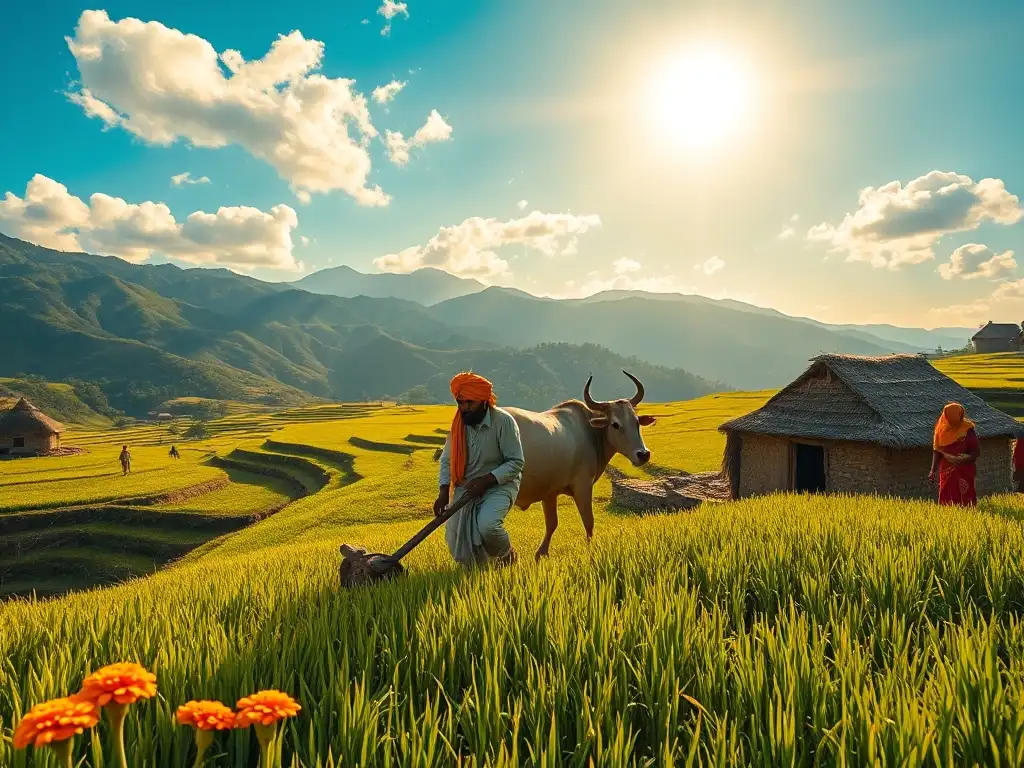
Welcome to Ancient India History, where we embark on a fascinating journey through the rich tapestry of ancient Indian civilizations. Today, we dive into the intricate world of Ancient Indian agriculture techniques, exploring how these time-honored practices not only shaped the landscape of their time but also offer invaluable lessons for modern farming. As we uncover the innovative methods that sustained thriving societies, you'll discover connections that resonate even in today's agricultural advancements. Prepare to be captivated by the legacy of ancient ingenuity—let's dig deeper!
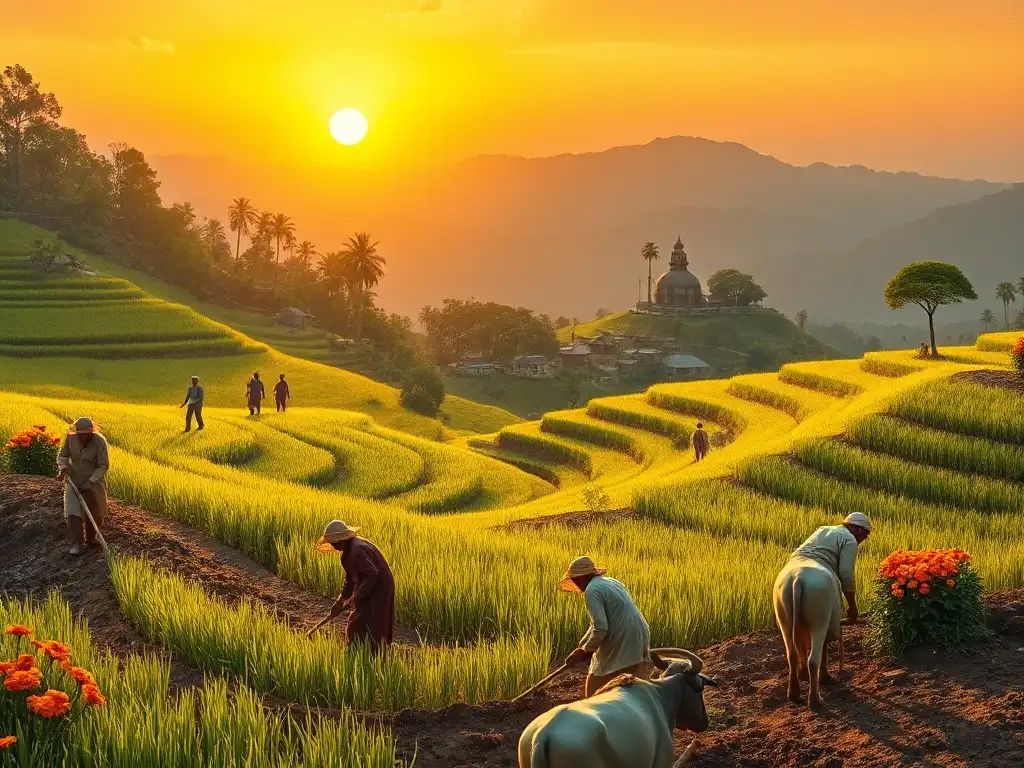
Introduction to Ancient Indian Agriculture Techniques
Ancient Indian agriculture techniques have played a pivotal role in shaping the agricultural landscape we see today, both in India and around the world. The innovations and practices developed by ancient civilizations, particularly from the Indus Valley to the Gupta Empire, laid the groundwork for sustainable farming practices that are still relevant in modern agriculture.
Understanding these techniques not only sheds light on the historical context of farming in India but also provides valuable lessons for contemporary agricultural challenges. As the world grapples with issues like climate change, food security, and soil degradation, revisiting the ingenuity of ancient Indian agriculture can inspire innovative solutions that harmonize modern practices with time-tested traditions.
Overview of Agricultural Practices in Ancient India
Agriculture in ancient India was characterized by a deep understanding of the local environment and a strong connection to the land. Ancient farmers employed a variety of techniques that maximized crop yield while maintaining soil fertility. Key practices included:
- Diverse Crop Cultivation: Farmers cultivated a wide range of crops, including wheat, barley, rice, and pulses, which not only provided food security but also enriched the soil.
- Seasonal Farming: The use of seasonal calendars allowed farmers to time their planting and harvesting according to local climatic conditions, optimizing growth cycles.
- Community Involvement: Agriculture was often a communal activity, with farmers collaborating to manage irrigation systems and share resources, fostering a sense of community and mutual support.
The sophistication of these practices underscores the advanced agricultural knowledge possessed by ancient Indian civilizations, which was crucial for their survival and prosperity.
Importance of Agriculture in Ancient Indian Civilization
Agriculture was the backbone of ancient Indian civilization, influencing economic stability, social structure, and cultural practices. Its importance can be summarized as follows:
- Economic Foundation: A significant portion of the population was engaged in farming, contributing to trade and commerce. Agricultural surplus facilitated the growth of cities and the development of a rich urban culture.
- Social Hierarchy: Land ownership and agricultural productivity often determined social status, leading to the establishment of complex societal structures.
- Cultural Significance: Agriculture was deeply embedded in the cultural and religious practices of ancient India. Festivals, rituals, and art often celebrated the agrarian lifestyle, highlighting the reverence for nature and the cycles of life.
The integration of agriculture into the fabric of daily life illustrates its role as a fundamental pillar of ancient Indian civilization.
Key Ancient Indian Agriculture Techniques
Ancient Indian agriculture techniques were diverse and innovative, reflecting a profound understanding of ecology and agriculture. Here are some key techniques that have withstood the test of time:
Crop Rotation Practices in Ancient India
Crop rotation was a common practice in ancient India, where farmers alternated different crops on the same land to improve soil fertility and reduce pest populations. This technique helped maintain a balanced ecosystem and ensured sustainable agricultural productivity. For example:
- Legume Rotation: Legumes were often planted after cereals to replenish nitrogen in the soil, enhancing nutrient availability for subsequent crops.
- Seasonal Variations: Farmers adjusted their crop choices based on seasonal changes, which not only optimized yields but also preserved soil health.
Use of Organic Fertilizers and Natural Pest Control
Ancient Indian farmers utilized organic fertilizers such as compost and manure to enrich the soil without depleting its nutrients. Additionally, natural pest control methods were employed to protect crops:
- Composting: Decomposed organic matter was used to enhance soil structure and fertility, promoting healthier plant growth.
- Intercropping: Mixing different crops in the same field helped deter pests and diseases, reducing the need for chemical interventions.
These practices highlight the sustainable methods of ancient agriculture, which prioritized ecological balance.
Irrigation Methods: Wells, Canals, and Tanks
Irrigation was crucial for agricultural success in ancient India, given the variability of the monsoon climate. The development of sophisticated irrigation systems included:
- Wells: Deep wells allowed farmers to access groundwater, ensuring a steady water supply during dry spells.
- Canal Systems: Extensive canal networks were constructed to divert river water for irrigation, enabling the cultivation of vast tracts of land.
- Water Harvesting Tanks: Tanks and reservoirs were built to collect and store rainwater, providing a reliable irrigation source.
These innovative irrigation methods reflect the advanced engineering skills of ancient Indian civilizations and their commitment to maximizing agricultural productivity.
By examining these ancient techniques, modern farmers can draw inspiration for sustainable practices that promote environmental stewardship and long-term agricultural viability.
Innovations in Ancient Indian Farming
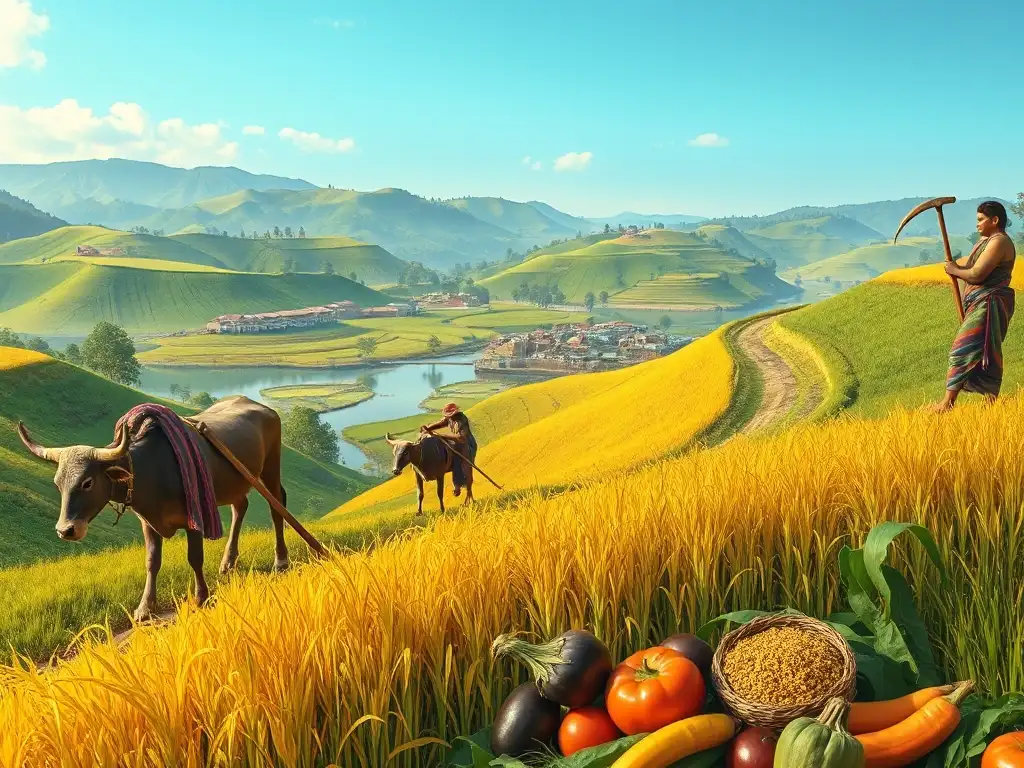
Ancient Indian agriculture was marked by numerous innovations that significantly enhanced crop yields and farming efficiency. One of the most notable advancements was the development of irrigation systems, which included the construction of canals, tanks, and wells. These systems allowed farmers to cultivate a wide variety of crops, even in dry regions, thus increasing food production and supporting larger populations.
Additionally, ancient Indian farmers employed crop rotation and intercropping practices, which helped maintain soil fertility and reduce pest outbreaks. By alternating different crops in a particular field, they minimized the depletion of soil nutrients and encouraged a more diverse ecosystem. This method not only improved agricultural productivity but also contributed to the overall health of the environment.
Furthermore, the application of organic fertilizers, such as compost and manure, was prevalent in ancient farming practices. These natural fertilizers enriched the soil without the harmful effects associated with modern chemical fertilizers, promoting a sustainable approach to agriculture that modern farmers can learn from.
The Role of Plowing Techniques in Ancient India
Plowing techniques in ancient India played a crucial role in shaping agricultural practices. The indigenous plow, known as the "ardha," was an integral tool that helped farmers till the land efficiently. The design of the ardha was simple yet effective, allowing for deep soil penetration, which in turn aerated the soil and facilitated better root growth for crops.
Moreover, farmers often employed oxen to pull these plows, harnessing animal power in a way that maximized productivity. This practice not only made plowing easier but also contributed to the development of animal husbandry, as farmers required healthy livestock for their agricultural activities.
The significance of these plowing techniques can be seen in the agricultural productivity of ancient India, which laid the foundation for subsequent developments in farming. By refining their plowing methods, ancient Indian farmers were able to cultivate more land and produce a greater variety of crops, setting a precedent for agricultural innovation.
Seed Selection and Genetic Diversity in Crops
Seed selection was a cornerstone of ancient Indian agriculture, with farmers understanding the importance of genetic diversity in their crops. Ancient texts such as the "Manasollasa" provide insights into the careful selection of seeds based on their resilience and suitability to local climates. This practice ensured that crops could withstand various environmental stresses, such as drought or flooding.
Farmers also cultivated a wide range of species, which not only provided dietary diversity but also promoted ecological balance. This emphasis on biodiversity helped to create a robust agricultural system that was less susceptible to diseases and pests. The knowledge and practices surrounding seed selection in ancient India highlight the importance of maintaining genetic diversity, a lesson that modern farmers are increasingly recognizing as vital for sustainable agriculture.
Lessons from Ancient Indian Agriculture for Modern Farming
Sustainable Practices Derived from Ancient Techniques
The sustainable practices employed in ancient Indian agriculture offer valuable lessons for today's farming methodologies. Techniques such as organic farming, the use of cover crops, and agroforestry are rooted in ancient practices that prioritized environmental health. By incorporating these methods, modern agriculture can reduce its reliance on chemical inputs and foster a more sustainable relationship with the land.
For instance, the use of crop rotation not only improves soil health but also enhances resilience against pests and diseases. Implementing these ancient principles can lead to more sustainable farming systems that ensure food security while preserving the environment.
Integrating Traditional Knowledge with Modern Agriculture
Integrating traditional knowledge with modern agricultural practices is essential for creating a holistic approach to farming. Ancient Indian farmers possessed a wealth of knowledge about local ecosystems, soil types, and weather patterns, which can inform contemporary agricultural strategies.
By valuing and incorporating this traditional wisdom, modern farmers can make informed decisions that align with sustainable practices. This integration can also help bridge the gap between conventional agricultural techniques and innovative approaches, leading to a more resilient food system.
The Importance of Biodiversity in Contemporary Farming
Biodiversity is a key principle that ancient Indian agriculture exemplified and remains crucial in contemporary farming. The diverse crop varieties cultivated by ancient farmers contributed to ecosystems that were stable and resilient. In today's context, maintaining biodiversity can help mitigate the effects of climate change, pests, and diseases.
Modern agriculture often relies on monocultures, which can lead to vulnerabilities in the food supply chain. By learning from ancient practices that emphasize the cultivation of a wide range of crops, modern farmers can enhance their resilience and sustainability. Promoting biodiversity not only supports ecological health but also enriches the agricultural landscape, ensuring a more secure future for food production.
Case Studies of Successful Applications of Ancient Techniques
The revival of ancient Indian agriculture techniques has been evident in various successful case studies across the country. These initiatives showcase how traditional practices can be harmonized with modern agricultural methods, enhancing sustainability and productivity.
- The Sabarmati River Basin Project: In Gujarat, the restoration of ancient irrigation systems has allowed farmers to utilize traditional methods of water management. Implementing ancient techniques such as the use of check dams and step wells has led to an increase in groundwater levels, ensuring a reliable water supply for crops even during dry seasons.
- Rice Farming in the Eastern Himalayas: Farmers in this region have reintroduced heritage rice varieties that are well-suited to the local climate and conditions. By leveraging traditional knowledge about seed selection and crop rotation, they have successfully increased yield while maintaining soil health.
- Agroforestry in Karnataka: The integration of trees with crops, a practice rooted in ancient Indian agriculture, has been revitalized in Karnataka. This method not only provides shade and nutrients to crops but also enhances biodiversity, leading to improved resilience against pests and climate change.
Reviving Ancient Irrigation Systems in Modern Agriculture

Ancient Indian civilizations mastered the art of irrigation, developing intricate systems that effectively managed water resources. The revival of these systems in modern agriculture is vital for sustainable farming practices.
- Construction of Traditional Water Harvesting Structures: In many regions, initiatives have focused on reconstructing ancient water harvesting structures like Johads and tanks, which capture rainwater and recharge aquifers. These structures are low-cost and environmentally friendly, offering a sustainable alternative to modern irrigation methods.
- Community Participation: Successful implementation often involves local communities, drawing on their traditional knowledge. Participatory approaches ensure that the revived systems are culturally accepted and maintained effectively.
- Integration with Technology: Modern technology has been used to enhance traditional irrigation systems. For example, using sensors to monitor soil moisture has allowed farmers to optimize water usage based on ancient water management principles.
The Use of Traditional Crop Varieties in Sustainable Farming
Traditional crop varieties, often referred to as landraces, have been cultivated in India for centuries, adapted to local climates and conditions. Their use in modern farming offers numerous benefits.
- Resilience to Climate Change: Many traditional varieties demonstrate higher resilience to extreme weather conditions, such as droughts and floods. Farmers who incorporate these varieties can better withstand climate fluctuations.
- Nutritional Diversity: Traditional crops often have higher nutritional value compared to commercially bred varieties. Reintroducing these crops can enhance food security and improve community health.
- Reduction of Chemical Inputs: Utilizing traditional varieties typically requires fewer chemical fertilizers and pesticides, promoting organic farming practices. This shift leads to healthier soils and ecosystems.
Conclusion: The Relevance of Ancient Indian Agriculture in Today's World
The lessons learned from ancient Indian agriculture are increasingly relevant in the face of modern environmental challenges. As global agricultural practices evolve, there is a growing recognition of the need to incorporate sustainable, time-tested methods.
Final Thoughts on Learning from Ancient Agricultural Innovations
Ancient Indian agricultural innovations provide a wealth of knowledge that can guide contemporary farming practices. By studying these techniques, modern farmers can discover approaches that prioritize sustainability, resource management, and biodiversity. The integration of these ideas not only supports agricultural productivity but also fosters environmental stewardship.
Encouragement to Explore and Implement Ancient Techniques in Modern Practices
Farmers, researchers, and policymakers are encouraged to explore ancient techniques and consider their application in today's agricultural landscape. Implementing these practices can lead to more sustainable farming systems that respect the environment and promote food security. By valuing the wisdom of ancient Indian agriculture, we can pave the way for a more resilient and sustainable future for agriculture.
- Introduction to Ancient Indian Agriculture Techniques
- Overview of Agricultural Practices in Ancient India
- Importance of Agriculture in Ancient Indian Civilization
- Key Ancient Indian Agriculture Techniques
- Innovations in Ancient Indian Farming
- Lessons from Ancient Indian Agriculture for Modern Farming
- Case Studies of Successful Applications of Ancient Techniques
- Reviving Ancient Irrigation Systems in Modern Agriculture
- The Use of Traditional Crop Varieties in Sustainable Farming
- Conclusion: The Relevance of Ancient Indian Agriculture in Today's World
- What were some key agriculture techniques used in ancient India?
- How did ancient Indian agriculture contribute to economic growth?
- What role did monsoons play in ancient Indian agriculture?
- How did ancient Indian agricultural practices influence modern farming?
- What are some crops that were commonly cultivated in ancient India?
Frequently Asked Questions
What were some key agriculture techniques used in ancient India?
Ancient Indian civilizations utilized various agriculture techniques such as crop rotation, irrigation systems, and the use of organic fertilizers to enhance soil fertility and yield.
How did ancient Indian agriculture contribute to economic growth?
The development of agriculture led to surplus production, which facilitated trade and the establishment of settlements, thus contributing significantly to the economic growth of ancient Indian societies.
What role did monsoons play in ancient Indian agriculture?
Monsoons were crucial for ancient Indian agriculture, providing the necessary rainfall for crops. Farmers developed methods to harness this seasonal rain to optimize their agricultural output.
How did ancient Indian agricultural practices influence modern farming?
Many ancient practices, such as companion planting and sustainable farming, are being revisited today, highlighting the sustainability and environmental awareness of ancient Indian agriculture in contemporary farming techniques.
What are some crops that were commonly cultivated in ancient India?
Ancient Indian farmers grew a variety of crops, including rice, wheat, barley, and millet. These staples formed the backbone of the diet and economy in ancient Indian civilizations.
Final Reflection: Embracing the Wisdom of Ancient Indian Agriculture
The lessons gleaned from ancient Indian agriculture techniques are not merely relics of the past; they are vital blueprints for sustainable farming today. As we grapple with the challenges of modern agriculture, including climate change and food security, the wisdom embedded in these age-old practices offers a path forward. The principles of biodiversity, crop rotation, and organic farming championed by our ancestors resonate deeply in our current quest for sustainability and resilience in food production.
The influence of ancient Indian agriculture techniques extends far beyond the fields; it shapes our cultural identity and informs our relationship with nature. These practices remind us of the interconnectedness of all life and the importance of nurturing our environment. As Mahatma Gandhi once said, “The earth provides enough to satisfy every man's needs, but not every man's greed.” This sentiment underscores the necessity of adopting a more respectful and sustainable approach to farming, one that honors the legacy of those who cultivated the land before us.
As we reflect on the rich heritage of ancient Indian agriculture, I invite you to consider how these lessons can be integrated into your own life and practices. Let us strive to cultivate not only our fields but also our minds and hearts, fostering a deeper respect for the earth and its resources. By embracing these time-tested techniques and philosophies, we can contribute to a more sustainable future, ensuring that the legacy of ancient wisdom continues to thrive for generations to come.
Cultivate Your Knowledge: Apply Ancient Wisdom Today!
Thank you for taking the time to explore the rich legacy of ancient Indian agriculture with us. We hope you’ve discovered valuable insights that can inspire modern farming practices and sustainable living. Now it’s time to turn that knowledge into action!
Here are a few practical steps you can take to honor this heritage and enhance your own gardening or farming experience:
- Embrace Traditional Techniques: Incorporate organic farming practices inspired by ancient methods to enhance soil health and sustainability.
- Join a Community: Connect with local farming groups that focus on sustainable agriculture practices—share your ideas and learn from others!
- Grow Your Own Herbs: Start a small herb garden using traditional Indian herbs such as Tulsi or Moringa, which offer numerous health benefits.
What ancient farming wisdom will you implement in your own garden or farm today? We would love to hear your thoughts in the comments!