
The Language of the Indus Valley: Decoding the Script of an Enigmatic Civilization


Welcome to Ancient India History, where we embark on a fascinating journey through the tapestry of ancient Indian civilizations. Today, we invite you to delve into the mysteries of the Indus Valley script decoding, a captivating exploration of one of the earliest writing systems in human history. What secrets does this enigmatic script hold, and how does it connect us to the vibrant culture of the Indus Valley?
Join us as we unravel the threads of this ancient civilization's language, igniting your curiosity and inspiring a deeper appreciation for the rich heritage of India. Continue reading to uncover the intricacies of a civilization that laid the foundations of a timeless legacy.
- Introduction to the Indus Valley Civilization and Its Script
- Understanding the Indus Valley Script
- Historical Context of the Indus Valley Script
- Theories on Indus Valley Script Decoding
- Techniques and Approaches to Indus Valley Script Decoding
- The Significance of Decoding the Indus Valley Script
- Current Research and Future Directions
- Conclusion: The Ongoing Mystery of Indus Valley Script Decoding
- Frequently Asked Questions
- Final Reflection: Unraveling the Mysteries of the Indus Valley Script
- Unveil the Secrets of the Indus Valley!
Introduction to the Indus Valley Civilization and Its Script
The Indus Valley Civilization, one of the world's earliest urban societies, flourished around 2500 BCE in what is now modern-day Pakistan and northwest India. Known for its remarkable urban planning, advanced drainage systems, and impressive architecture, this civilization has fascinated historians and archaeologists alike. Among its many mysteries, the Indus Valley script stands out as an enigma that has yet to be definitively decoded.
The script, comprising various symbols and signs, offers a tantalizing glimpse into the language and communication methods of a society that, despite its achievements, remains largely shrouded in mystery. This article aims to explore the intricacies of the Indus Valley script and its significance in understanding the broader historical context of the civilization.
Overview of the Indus Valley Civilization
The Indus Valley Civilization, also referred to as the Harappan Civilization, emerged around 3300 BCE and reached its zenith between 2600 and 1900 BCE. It was characterized by:
- Urban Planning: Cities like Harappa and Mohenjo-Daro were meticulously planned, featuring grid layouts, advanced drainage systems, and uniformity in brick sizes.
- Trade Networks: The civilization engaged in extensive trade with neighboring regions, including Mesopotamia, evidenced by the discovery of various seals and weights.
- Agricultural Practices: The fertile plains of the Indus River supported agriculture, with crops such as wheat, barley, and cotton being cultivated.
- Artistic Expression: The artisans of the Indus Valley were skilled in pottery, bead-making, and metallurgy, showcasing a rich cultural heritage.
Despite its advancements, the civilization eventually declined around 1900 BCE, with theories ranging from climate change to invasions explaining this fall. However, the legacy of the Indus Valley continues to intrigue researchers, particularly the written script that remains one of the civilization's most compelling mysteries.
Importance of the Indus Valley Script in Historical Context
The Indus Valley script is a critical element for understanding the cultural and social dynamics of this ancient civilization. Here are some key aspects of its importance:
- Communication Insights: The script, composed of around 400 distinct symbols, suggests a complex system of communication that could provide insights into the societal structure, trade practices, and daily life of the people.
- Cultural Identity: Deciphering the script could illuminate aspects of the Indus Valley people's identity, beliefs, and interactions with neighboring cultures.
- Historical Connections: The script may offer clues about the connections between the Indus Valley Civilization and contemporaneous societies, including the Sumerians, thereby enriching our understanding of ancient trade and cultural exchange.
- Archaeological Significance: Numerous artifacts bearing the script, including seals and pottery, have been discovered, making it a focal point for ongoing archaeological research.
The Indus Valley script is not just a collection of symbols; it is a gateway to understanding the complexities of an ancient civilization that laid the foundations for future cultures in the Indian subcontinent. As researchers continue to pursue Indus Valley script decoding, the potential revelations could reshape our understanding of this enigmatic civilization.
Understanding the Indus Valley Script
The Indus Valley script remains one of the most intriguing artifacts from one of the world's earliest urban civilizations. Despite extensive research, the script has not yet been fully deciphered, leaving scholars and enthusiasts alike captivated by its complexity and the mysteries it holds about the Indus Valley Civilization (IVC). This section will explore the key characteristics, nature of the symbols, and the mediums through which the script was inscribed.
Characteristics of the Indus Valley Script
The Indus Valley script is characterized by its unique features that distinguish it from other contemporary writing systems.
- Brevity: Most inscriptions consist of a limited number of characters, often ranging from 3 to 5 symbols, which suggests that the script may have been used for practical purposes rather than extensive literary expression.
- Directionality: The inscriptions can be found in multiple orientations, including right-to-left and top-to-bottom. This variability indicates a flexible approach to writing, though the predominant direction appears to be right-to-left.
- Symbol Count: Scholars estimate that the Indus Valley script contains around 400 distinct symbols. While some symbols may represent phonetic sounds, others could denote ideographic meanings, which complicates the decoding process.
- Lack of Known Linguistic Affiliation: Unlike scripts from other ancient civilizations, the Indus Valley script does not have a known linguistic kin, making it challenging to draw parallels or establish a decoding framework.
- Cultural Context: The script is often associated with administrative and trade activities, as evidenced by its presence on seals and weights. This suggests that it served a practical function within the society, possibly to record transactions or ownership.
The Nature of the Symbols and Signs in the Script
The symbols of the Indus Valley script are diverse, displaying a variety of shapes and forms. Each symbol may have distinct meanings or values, contributing to the overall complexity of the script.
- Iconographic Elements: Many symbols appear to have pictorial representations, possibly reflecting objects, animals, or concepts relevant to the society. For instance, certain seals depict animals like unicorns or elephants alongside script, hinting at a symbolic relationship between the visuals and the written language.
- Repetition and Variability: Some symbols are frequently repeated across different artifacts, suggesting they may have held significant meanings or denoted common terms. However, variability in their forms raises questions about standardization and regional dialects.
- Numerical Symbols: A few scholars propose that certain symbols might represent numerical values, indicating a counting system or trade practices. This hypothesis could provide insights into the economic structure of the IVC.
- Lack of Decipherable Syntax: Unlike more evolved scripts, the Indus Valley script does not exhibit clear syntactical structures that would allow linguists to apply traditional decoding methods. This adds to the ongoing challenge of understanding its language fully.
The Mediums of Inscription: Seals, Pottery, and More
The Indus Valley script was inscribed on various mediums, each contributing to our understanding of its usage and significance within the civilization.
- Seals: One of the most prominent mediums for the Indus Valley script is the seals, often made of steatite. These seals, used for trade and administrative purposes, feature intricate carvings with script and are sometimes accompanied by images of animals or deities.
- Pottery: Pottery from the Indus Valley civilization also bears inscriptions, indicating its role in everyday life. Some pots exhibit script along with decorative motifs, suggesting that writing was integrated into domestic activities.
- Tablets and Copper Plates: In addition to seals and pottery, inscriptions have been found on small clay tablets and copper plates. These artifacts provide vital data for understanding the script's applications in various contexts, including potential religious or ceremonial uses.
- Other Artifacts: The script has also been discovered on a range of other items, such as weights, jewelry, and tools. This widespread presence across different types of artifacts points to the script's significance in multiple aspects of Indus Valley life.
The exploration of the Indus Valley script and its mediums opens a window into the society’s complexity, trade practices, and cultural identity, further emphasizing the need for ongoing research and potential breakthroughs in decoding this enigmatic language.
Historical Context of the Indus Valley Script
The Indus Valley Civilization (IVC), flourishing around 2500 BCE in what is now Pakistan and northwest India, remains one of the most enigmatic cultures of the ancient world. The sophisticated urban planning, advanced drainage systems, and extensive trade networks are well-documented, yet one of the most intriguing aspects is the script that accompanied their civilization. This script, often referred to as the Indus Valley script, has eluded comprehensive decoding, presenting a tantalizing puzzle for historians and linguists alike.
The historical context surrounding this script is crucial to understanding its significance within the IVC. The emergence of writing in the IVC coincided with a period of significant cultural and technological advancements. The script appears on various seals, pottery, and other artifacts, suggesting its use for trade, administrative purposes, or possibly religious practices. Unlike other contemporary civilizations, such as Egypt and Mesopotamia, the Indus Valley script lacks a definitive translation, which raises questions about the society's communication methods and their cultural priorities.
The Origins of the Indus Valley Script
The origins of the Indus Valley script remain largely speculative, though scholars propose several theories. The script is believed to have developed around 3300 BCE, during the Early Harappan phase, and evolved alongside the civilization's growth. Unlike the logographic systems of Egypt or Mesopotamia, the Indus script appears to utilize a combination of logograms and phonetic elements, although its exact structure is still debated.
Archaeological discoveries indicate that the script was predominantly used in urban centers like Harappa and Mohenjo-Daro. The inscriptions typically consist of short sequences of signs, with most inscriptions containing fewer than five symbols. This brevity suggests that the script may have served specific functions, such as labeling goods or recording transactions.
Despite its significance, the lack of bilingual texts—such as the Rosetta Stone found in Egypt—hinders the understanding of the Indus script. The absence of direct links to known languages further complicates efforts to decode its meanings. Current hypotheses suggest that the script might represent an early form of Dravidian language or another proto-language spoken in the region.
The Timeline of Script Usage in the Indus Valley Civilization
The timeline of script usage in the Indus Valley Civilization reflects the broader socio-economic and cultural developments of the period. Evidence suggests that the script was predominantly in use from approximately 2600 BCE to 1900 BCE, coinciding with the height of the civilization.
- Early Harappan Period (c. 3300 - 2600 BCE): Initial symbols appear, likely representing early forms of communication.
- Mature Harappan Period (c. 2600 - 1900 BCE): The script becomes more standardized, appearing on seals, pottery, and other artifacts. This period marks the peak of urban development and trade.
- Late Harappan Period (c. 1900 - 1300 BCE): The use of the script declines, possibly due to socio-political changes and the eventual decline of the civilization itself.
The gradual disappearance of the script raises questions about the factors contributing to the civilization's decline. Theories suggest environmental changes, economic shifts, or invasions could have disrupted the societal structure, leading to a reduction in literacy and the practical use of writing.
Comparison with Other Ancient Scripts: Egyptian and Mesopotamian
When comparing the Indus Valley script to other ancient scripts, particularly those of the Egyptians and Mesopotamians, several key differences and similarities emerge.
| Feature | Indus Valley Script | Egyptian Hieroglyphs | Cuneiform (Mesopotamian) |
|---|---|---|---|
| Writing System Type | Logographic and Phonetic | Logographic and Alphabetic | Syllabic and Logographic |
| Materials Used | Seals, pottery | Papyrus, stone | Clay tablets |
| Primary Use | Trade, administration | Religious, governmental | Record-keeping, trade |
| Decoding Status | Undeciphered | Fully deciphered | Fully deciphered |
The Indus Valley script is primarily known for its brevity and the limited number of symbols, while Egyptian hieroglyphs and cuneiform are more complex and versatile, capable of conveying a wider range of ideas and sounds. The use of the Indus script on seals indicates a focus on trade and commerce, similar to the administrative functions of Mesopotamian cuneiform, but it lacks the extensive literary and historical texts that characterize Egyptian and Mesopotamian writing.
While the Indus Valley script shares some characteristics with other ancient scripts, its unique features and the mystery surrounding its meanings continue to challenge scholars and researchers, making it a captivating subject of study in the context of ancient civilizations.
Theories on Indus Valley Script Decoding
Major Theories of Decoding the Indus Valley Script
The Indus Valley script, found on numerous seals and pottery, remains one of the most intriguing puzzles of ancient civilizations. Scholars have proposed several theories in an attempt to decode this enigmatic script. Here are the most notable approaches:
- Linguistic Analysis: Some researchers argue that the script could represent a language related to Dravidian or other South Asian languages. By comparing the script's symbols with known phonetic systems, linguists attempt to find correlations that may reveal the underlying language structure.
- Numerical and Mathematical Interpretation: Certain scholars suggest that the script may be a form of proto-mathematics, where symbols represent numerical values or quantities. This theory posits that the script was used for administrative purposes, such as trade and accounting.
- Iconographic Approach: This theory focuses on the symbols’ visual aspects, proposing that the Indus Valley script might not be a phonetic language but rather a collection of ideograms or pictographs. Through this lens, the script's symbols would convey meanings or concepts rather than specific sounds.
- Brahmi Connection: Some researchers have drawn parallels between the Indus Valley script and Brahmi, an ancient script used in India. This theory posits that the Indus Valley script could be a precursor to Brahmi, hinting at an evolutionary link between the two writing systems.
- Syllabic Hypotheses: A prominent theory posits that the script is syllabic, meaning that each symbol represents a syllable rather than a single phoneme. This approach has seen various interpretations, with different scholars proposing distinct sets of syllables based on their analysis of the script.
Key Figures in Indus Valley Script Research
The quest to decode the Indus Valley script has attracted a diverse group of scholars, each contributing unique perspectives and methodologies. Notable figures in this field include:
- Michael Witzel: A prominent linguist, Witzel has focused on the connections between the Indus Valley script and other ancient languages, offering insights into possible linguistic relationships.
- Iravatham Mahadevan: Often regarded as a leading authority on the Indus script, Mahadevan has produced extensive research on its symbols and proposed a comprehensive cataloging system for better analysis.
- Asko Parpola: Known for his work in archaeology and linguistics, Parpola has put forth the idea that the script is a form of Dravidian language, arguing for its significance in understanding the social structure of the Indus Valley Civilization.
- Shikaripur Ranganath Rao: A prominent archaeologist, Rao has contributed to the understanding of the Indus Valley Civilization's cultural context, emphasizing the importance of the script in administrative functions.
- David McAlpin: McAlpin's research focuses on the phonetic aspects of the Indus script, exploring potential connections to other ancient scripts, particularly in the context of ancient trade networks.
Challenges in Decoding the Script
Despite the extensive research efforts, several challenges persist in the decoding of the Indus Valley script:
- Lack of Bilingual Texts: Unlike other ancient scripts, no bilingual texts exist for the Indus Valley script, making it difficult to establish a direct correlation between symbols and language.
- Limited Corpus: The number of available inscriptions is relatively small, which restricts comprehensive analysis. Most inscriptions consist of short texts, often with fewer than five symbols, leading to ambiguity in interpretation.
- Symbol Variability: The script features a high degree of variability, with symbols appearing in different contexts and forms. This inconsistency complicates the identification of a standardized system.
- Unknown Language: The language represented by the script remains unidentified, making it challenging to apply linguistic methodologies effectively. Without a known linguistic framework, many attempts at decoding risk being speculative.
- Cultural Context: Understanding the broader cultural and societal context of the Indus Valley Civilization is crucial. Without insights into their daily life, trade practices, and governance, researchers may struggle to interpret the meanings behind the symbols accurately.
While many theories and key figures have emerged in the field of Indus Valley script decoding, the challenges remain formidable. The quest continues, as each new discovery brings hope for unraveling the mysteries of this ancient civilization.
Techniques and Approaches to Indus Valley Script Decoding
Linguistic Approaches to Understanding the Script
Linguistic analysis plays a crucial role in the Indus Valley script decoding process. Scholars employ various methods to unravel the complexities of this ancient writing system, which features approximately 400 distinct signs. Key linguistic approaches include:
- Comparative Linguistics:
- Scholars often compare the symbols of the Indus Valley script with known ancient scripts such as Brahmi and Tamil-Brahmi. This comparative analysis aims to identify potential phonetic and semantic similarities that could provide clues to the language structure.
- Syllabic vs. Logographic Systems:
- Researchers debate whether the Indus Valley script is syllabic (where each symbol represents a sound) or logographic (where symbols represent words or concepts). Understanding the nature of this writing system is critical for accurate decoding.
- Contextual Analysis:
- Linguists analyze the context in which symbols appear, such as the placement on seals and pottery. By examining recurring symbols within specific contexts, they can infer meanings and potential grammatical structures.
- Statistical Methods:
- Advanced statistical techniques, such as frequency analysis of symbols, are employed to identify common patterns and correlations. This quantitative approach can highlight the most frequently used signs, potentially indicating their significance.
Despite these efforts, the lack of a bilingual inscription similar to the Rosetta Stone remains a significant challenge for linguists attempting to decipher the Indus Valley script.
Archaeological Insights and Their Role in Decoding
Archaeological findings provide invaluable insights into the Indus Valley civilization, offering context that aids in script decoding. Significant archaeological insights include:
- Seal Inscriptions:
- The discovery of hundreds of inscribed seals, often used for trade and administrative purposes, provides critical evidence for understanding the script's function. The repetitive nature of symbols on seals suggests the presence of standardized messages, potentially linked to trade and ownership.
- Urban Planning and Writing:
- The layout of Indus Valley cities, such as Mohenjo-Daro and Harappa, indicates a complex society with administrative needs. This urban planning suggests that the script could be related to record-keeping and governance, providing context for its use.
- Material Culture:
- The items associated with inscriptions, such as pottery and tools, help contextualize the script within daily life. Archaeologists explore how these artifacts relate to written communication, offering clues about the civilization's social structure and priorities.
- Burial Sites and Ritual Practices:
- Excavations of burial sites reveal that writing may have played a role in religious or ritual practices. Understanding the cultural significance of writing can provide insights into the meanings behind specific signs and symbols.
Archaeological insights are essential in forming a comprehensive understanding of the Indus Valley script, as they connect the written word with the lived experiences of the civilization.
Technological Advances in Decoding Ancient Scripts
Technological advancements have revolutionized the field of script decoding, providing new tools and methodologies to tackle challenges posed by ancient writing systems. Key technological advances include:
- Digital Imaging Techniques:
- High-resolution imaging and 3D modeling allow researchers to analyze inscriptions in unprecedented detail. These techniques help reveal subtle features of the signs that may be imperceptible to the naked eye.
- Machine Learning Algorithms:
- The application of machine learning in linguistics has opened new avenues for understanding ancient scripts. Algorithms can analyze patterns within large datasets of symbols, assisting researchers in identifying recurring motifs and potential meanings.
- Corpus Analysis:
- The development of digital corpora containing extensive collections of Indus Valley inscriptions enables scholars to conduct comprehensive analyses. This resource facilitates cross-referencing symbols and exploring their relationships in various contexts.
- Interdisciplinary Approaches:
- Collaborations between linguists, archaeologists, and computer scientists have led to innovative methodologies for script decoding. Interdisciplinary research enhances the understanding of the Indus Valley script by integrating perspectives from diverse fields.
Technological advances continue to shape the future of Indus Valley script decoding, offering promising avenues for unlocking the mysteries of this enigmatic civilization.
The Significance of Decoding the Indus Valley Script
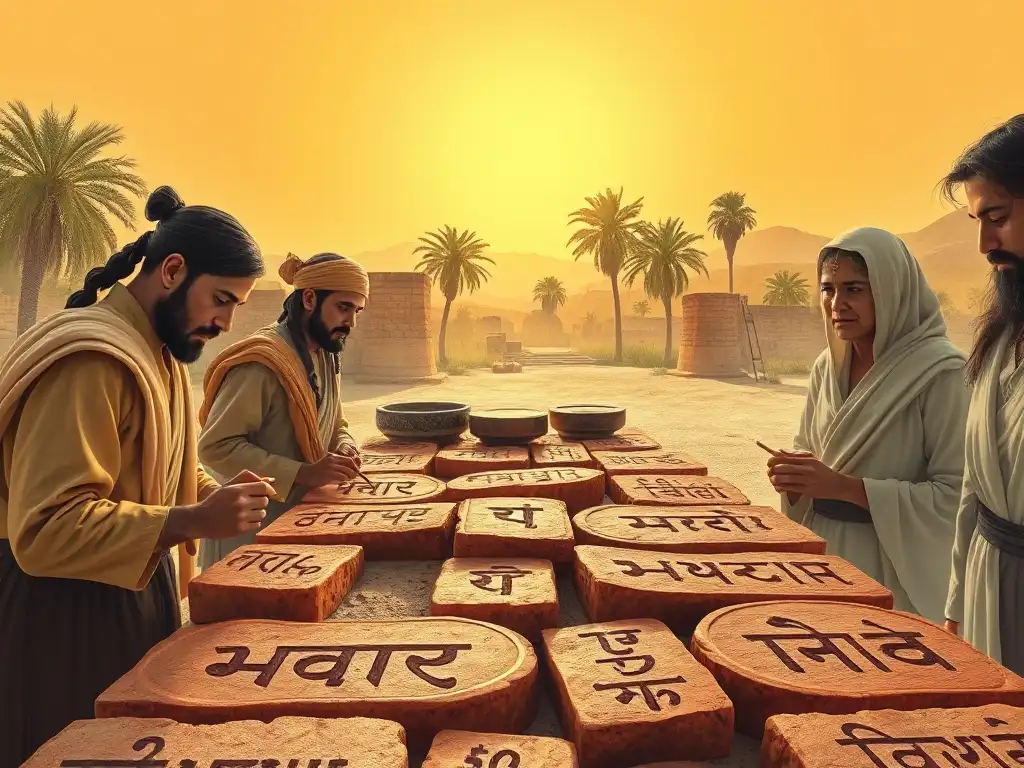
Decoding the Indus Valley script is a crucial endeavor for historians and linguists, as it holds the key to understanding one of the world's earliest urban civilizations. The script, found on seals, pottery, and various artifacts, is unique and remains largely undeciphered, adding an element of mystery to the Indus Valley Civilization (IVC). The importance of unlocking this script extends beyond mere academic curiosity; it influences our understanding of cultural, social, and economic aspects of the civilization and its contributions to human history.
Cultural Insights Gained from Decoding Efforts
The pursuit of decoding the Indus Valley script has unveiled significant insights into the cultural practices of the IVC. Researchers have focused on the symbols and motifs present in the script, which appear frequently on seals used for trade and administrative purposes. Here are some cultural insights derived from these efforts:
- Religious Practices: Symbols resembling deities or sacred animals suggest a rich spiritual life. Scholars speculate that the presence of certain figures may indicate the worship of fertility goddesses or nature deities, highlighting the spiritual dimensions of their society.
- Social Structure: The script's use on administrative seals implies a complex social hierarchy. The existence of titles or names inscribed in the script could indicate the roles of individuals in trade or governance, offering a glimpse into societal organization.
- Trade and Interaction: The presence of the script in various regions implies extensive trade networks. By analyzing the symbols and their distribution, researchers can infer connections with contemporaneous civilizations, indicating a vibrant exchange of goods and ideas.
- Artistic Expression: The intricacies of the script reflect artistry and aesthetic values. The decorative nature of the inscriptions hints at a society that valued not only functionality but also beauty, revealing insights into their artistic sensibilities.
The Impact on Understanding Indus Valley Society and Economy
Deciphering the Indus Valley script is pivotal in reconstructing the societal and economic frameworks of the civilization. Key impacts include:
- Economic Transactions: The script is believed to have been used for record-keeping in trade, highlighting the economic sophistication of the IVC. Understanding the terminology could shed light on the types of goods exchanged, trade routes, and economic relationships with neighboring cultures.
- Urban Planning and Administration: Evidence suggests that the Indus Valley had advanced urban planning and administrative systems. Decoding the script may provide insights into how cities like Harappa and Mohenjo-Daro were governed, including legal frameworks, tax systems, and civic duties.
- Technological Advancements: Certain inscriptions may relate to technological innovations, such as water management systems or agricultural practices. By interpreting these symbols, researchers can better understand the advancements that enabled the civilization to thrive in a challenging environment.
- Cultural Exchange: As trade flourished, cultural exchanges likely occurred. Decoding the script could reveal how the IVC interacted with other civilizations, influencing and being influenced by external cultures.
Implications for Ancient Indian History
The implications of decoding the Indus Valley script reach far beyond the IVC itself, affecting our understanding of ancient Indian history as a whole. Some significant implications include:
- Historical Narrative: A deeper understanding of the Indus Valley Civilization enriches the historical narrative of ancient India, allowing a more comprehensive view of its evolution. As the IVC is one of the earliest civilizations in the region, its insights are crucial for understanding subsequent developments.
- Cultural Continuity: Decoding efforts may highlight aspects of cultural continuity between the IVC and later Indian civilizations, such as the Vedic period. Recognizing these connections can reshape our understanding of the transition between ancient societies.
- Linguistic Evolution: Insights gained may also contribute to the study of the evolution of languages in India. Understanding the script could provide clues about the linguistic landscape of early Indian societies, influencing how we view the development of languages in the region.
- Interdisciplinary Research: The challenges of decoding the script have fostered interdisciplinary collaboration, bringing together linguists, archaeologists, and historians. This collaboration may inspire further research across ancient studies, expanding knowledge in related fields.
The decoding of the Indus Valley script is not merely an academic pursuit; it's a gateway to understanding the complexities of one of the earliest known civilizations and its lasting influence on the course of Indian history.
Current Research and Future Directions
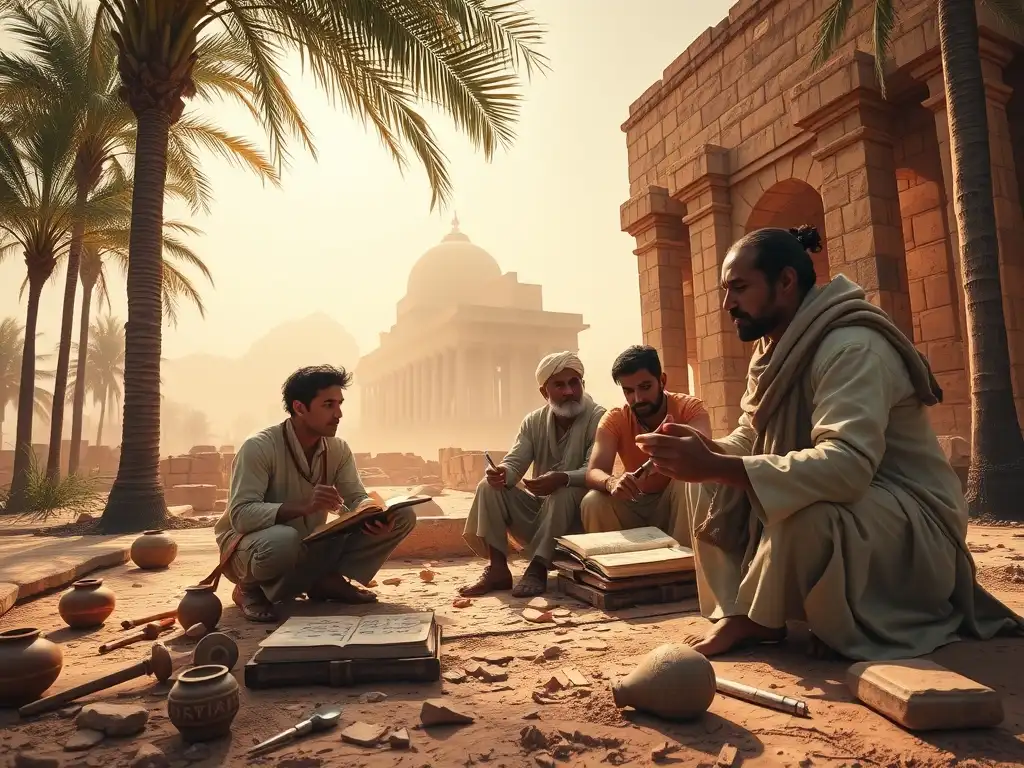
Recent Discoveries in Indus Valley Script Studies
Recent advancements in the study of the Indus Valley script have unveiled intriguing insights into this enigmatic civilization's writing system. Researchers have employed innovative technologies and interdisciplinary approaches to analyze the inscriptions found on seals, pottery, and other artifacts.
- Machine Learning and Pattern Recognition:
- Recent studies have utilized machine learning algorithms to identify patterns in the script. For instance, researchers have managed to categorize approximately 400 unique signs, suggesting a complex system of writing.
- These algorithms are capable of comparing the Indus script to other ancient writing systems, revealing potential similarities that might aid in decoding.
- Contextual Analysis:
- Excavations at sites like Mohenjo-Daro and Harappa have provided contextual information about the artifacts bearing the script. This has led to a better understanding of potential functions of the writing—whether administrative, religious, or commercial.
- Significant finds include inscriptions that accompany standard weights and measures, indicating a possible connection to trade practices.
- Linguistic Studies:
- Linguists are also exploring the possibility that the Indus Valley script may represent a language unrelated to any known language families. Comparative studies with Dravidian languages have been initiated to explore possible connections.
As research progresses, these discoveries contribute to a more nuanced understanding of the socio-political structures of the Indus Valley Civilization and its communication methods.
Future Prospects for Successful Decoding of the Script
The quest for decoding the Indus Valley script is ongoing, with several promising avenues being explored:
- Interdisciplinary Approaches:
- Future research will likely benefit from collaboration between linguists, archaeologists, and computer scientists. By combining expertise, researchers can develop comprehensive methodologies that incorporate both human analysis and computational tools.
- For example, the use of Natural Language Processing (NLP) could facilitate the analysis of symbols in a way that mimics modern linguistic studies.
- Increased Data Availability:
- As excavations continue and new artifacts are unearthed, the volume of available data is expected to grow. This may enable researchers to identify more consistent patterns or repeated symbols within the script.
- The introduction of digital databases that catalog these findings will enhance accessibility and foster collaboration among scholars globally.
- Field Validation:
- Future studies will focus on validating hypotheses about the script through fieldwork. This involves revisiting excavation sites with advanced imaging techniques and exploring previously overlooked artifacts.
The ultimate goal of these efforts is not only to decode the script but also to gain insights into the cultural and linguistic practices of the Indus Valley people, revealing the complexities of their civilization.
Collaborative Efforts in Indus Valley Research
The study of the Indus Valley script is increasingly becoming a collaborative effort, drawing participants from various disciplines and regions:
- Global Research Networks:
- International conferences and workshops have been instrumental in fostering collaboration among researchers worldwide. These platforms enable experts to share findings, discuss methodologies, and explore new theories regarding the Indus script.
- For example, the Indus Script Research Group has brought together scholars from India, Pakistan, the United States, and Europe to work on common goals.
- Public Engagement and Citizen Science:
- Engaging the public in research efforts is becoming more prevalent. Initiatives that encourage citizen scientists to assist in cataloging artifacts or analyzing inscriptions can significantly increase research capacity.
- Online platforms allow enthusiasts and amateur archaeologists to contribute their observations, leading to potentially groundbreaking discoveries.
- Cultural Heritage Organizations:
- Collaborations with cultural heritage organizations promote the preservation of sites and artifacts, ensuring that research can continue without compromising the integrity of historical sites.
- These partnerships often result in funding opportunities for research projects focused on the Indus Valley Civilization.
Together, these collaborative efforts not only enhance the study of the Indus Valley script decoding but also contribute to a broader understanding of ancient Indian civilizations as a whole.
Conclusion: The Ongoing Mystery of Indus Valley Script Decoding
The Indus Valley script remains one of the most intriguing puzzles of ancient history. Despite numerous attempts at deciphering this enigmatic writing system, scholars have yet to arrive at a consensus. The script, found on seals, pottery, and other artifacts, is characterized by its unique symbols and signs, which are often thought to represent a language spoken by the people of the Indus Valley Civilization.
Summary of Key Points on Indus Valley Script
- Unresolved Nature: The lack of a bilingual inscription, like the Rosetta Stone for Egyptian hieroglyphs, complicates efforts to decode the script. Currently, the script consists of around 400 unique symbols, but their meanings remain largely speculative.
- Cultural Context: The symbols were primarily used for administrative and trade purposes, suggesting that literacy was important in the bustling urban centers of the Indus Valley. However, the absence of clear evidence regarding the social and political structure of the civilization adds layers to the mystery.
- Attempts at Decoding: Various methods have been employed in attempts to decode the Indus Valley script, including statistical analyses and comparisons with known scripts, but most have produced inconclusive results. Scholars like Iravatham Mahadevan and others have contributed theories, yet no definitive solution has emerged.
- Significance of Symbol Usage: The occurrence of symbols on seals and pottery indicates their importance in trade and communication. The understanding of these symbols could unlock not just the language but also the social dynamics of the civilization.
The Importance of Continued Research in Ancient Indian Civilizations
The quest for understanding the Indus Valley script underscores the broader significance of continued research in ancient Indian civilizations. As archaeological methods evolve and new discoveries are made, researchers are encouraged to:
- Utilize Advanced Technologies: Innovations in imaging and data analysis can reveal patterns in the script that were previously unnoticed. Techniques such as 3D scanning and machine learning offer promising avenues for further investigation.
- Collaborate Across Disciplines: Linguists, archaeologists, and historians should work in tandem to share insights and develop a multi-faceted approach to research. This collaboration can facilitate a deeper understanding of the context in which the script was used.
- Preserve Artifacts: Continued efforts to preserve and study artifacts from the Indus Valley are crucial. Protecting these remnants of the past ensures that future generations can explore and learn from them.
- Broaden the Scope of Research: While the Indus Valley script is a focal point, research should also encompass the cultural and technological achievements of the civilization. Understanding the broader context may yield clues to unlocking the mysteries of the script.
The journey of decoding the Indus Valley script is ongoing and filled with potential discoveries. As researchers remain dedicated to unraveling this ancient mystery, they contribute not only to the understanding of the Indus Valley Civilization but also to the rich tapestry of ancient Indian history as a whole.
Frequently Asked Questions
What is the Indus Valley script?
The Indus Valley script refers to a series of symbols used by the ancient civilizations of the Indus Valley. Despite numerous attempts, the script remains largely undeciphered.
Why is decoding the Indus Valley script important?
Decoding the Indus Valley script is crucial for understanding the culture, society, and communication of one of the world's earliest civilizations, providing insights into their daily life and governance.
What are the main challenges in decoding the Indus Valley script?
Challenges include the limited number of inscriptions available, the absence of a known bilingual text, and the script's complex structure, which complicates efforts for linguists and archaeologists.
Have there been any successful attempts at decoding the Indus Valley script?
While various researchers have proposed theories and suggested possible interpretations, no widely accepted or definitive decoding has been achieved to date.
How does the Indus Valley script compare to other ancient scripts?
The Indus Valley script is unique in its pictorial representation, differing from other scripts like cuneiform or hieroglyphs, which are more systematically understood and documented.
Final Reflection: Unraveling the Mysteries of the Indus Valley Script
The quest to decode the Indus Valley script is not merely an academic pursuit; it is a journey into the heart of a civilization that once thrived in the shadows of history. As we stand at the crossroads of archaeology and linguistics, the significance of understanding this ancient script resonates profoundly in our modern world. The Indus Valley civilization, with its sophisticated urban planning and advanced social structures, reminds us that the roots of human ingenuity run deep, urging us to explore and appreciate the complexities of our shared heritage.
Culture is a living tapestry woven from the threads of our past, and the Indus Valley script serves as a vital piece of that tapestry. The ongoing efforts to decode this script not only shed light on the daily lives and beliefs of its people but also inspire a deeper appreciation for the diversity of human expression. As we grapple with the challenges of communication in our interconnected world, we can draw inspiration from the words of linguist Noam Chomsky: Language is a process of free creation.
This notion invites us to reflect on how understanding ancient languages can enrich our contemporary dialogues and foster a greater sense of unity among diverse cultures.
As we conclude our exploration of the Indus Valley script, I invite you to reflect on the importance of preserving and understanding our linguistic heritage. Consider how the lessons learned from decoding this ancient script can inspire you to engage with the languages and cultures around you.
Embrace the opportunity to explore the stories that lie beneath the surface of our everyday interactions, and let the mysteries of the past guide you in forging connections in the present. Together, we can ensure that the echoes of the Indus Valley civilization continue to resonate in our lives, enriching our understanding of humanity's shared journey.
Unveil the Secrets of the Indus Valley!
Thank you for diving into the fascinating world of the Indus Valley civilization with us! By exploring its mysterious script, you've taken a significant step in understanding one of history’s most enigmatic cultures. Now, it’s time to turn your newfound knowledge into action!
Here are a few steps to deepen your exploration:
- Join a community of fellow history enthusiasts! Connect with others on forums or social media groups to share insights and discoveries about the Indus Valley.
- Visit a local museum or an exhibit that features artifacts from the Indus Valley civilization. Engage with the displays and learn more about their culture.
- Challenge yourself to decode a sample of the Indus script using available resources or guides online. This exciting initiative could lead to intriguing discoveries!
What aspect of the Indus Valley civilization intrigues you the most, and how do you plan to explore it further?