
The Role of Art in Gupta Society: Reflections of Power and Identity

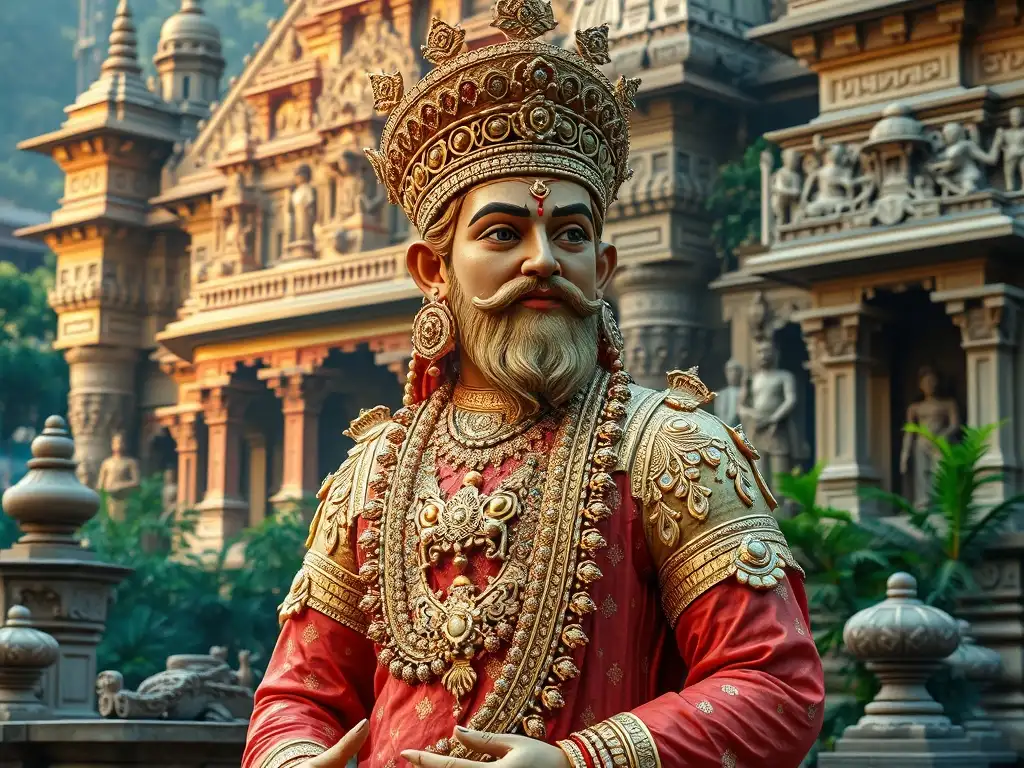
Welcome to Ancient India History, where we embark on a fascinating journey through the rich tapestry of ancient Indian civilizations. From the majestic Indus Valley to the illustrious Gupta Empire, each era offers a treasure trove of cultural insights and historical milestones. In our featured article, “The Role of Art in Gupta Society: Reflections of Power and Identity,” we delve into the captivating world of Gupta Empire art and culture—a period renowned for its artistic brilliance and profound societal impact.
Prepare to uncover the intricate ways in which art served as both a reflection of power and a canvas for identity. Join us as we explore the legacy of this remarkable civilization and its enduring influence on the world today.
Introduction to Gupta Empire Art and Culture
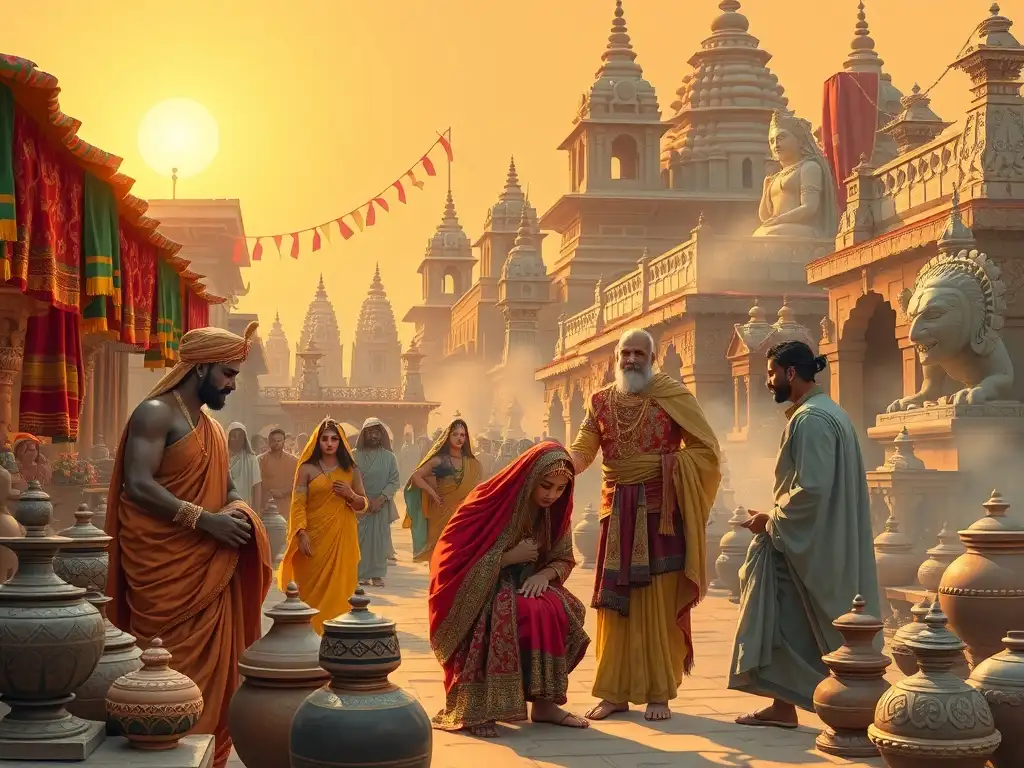
The Gupta Empire, often referred to as the "Golden Age" of ancient India, flourished from approximately 320 CE to 550 CE. This period is marked not only by significant political stability and economic prosperity but also by remarkable advancements in various fields, particularly in art and culture. The art of the Gupta Empire serves as a mirror reflecting the complexities of its society, illustrating the intricate relationship between power, identity, and cultural expression.
Through sculpture, painting, and architecture, Gupta art encapsulates the ideals of beauty, spirituality, and the socio-political dynamics of the time. Understanding this art form provides a deeper insight into the values and identities that shaped the Gupta civilization, showcasing how art was utilized as a tool for both personal and collective expression.
Overview of Gupta Empire
The Gupta Empire emerged in northern India and became one of the most influential empires in the history of the region. Established by Maharaja Sri Gupta, the empire saw its pinnacle under rulers such as Chandragupta II and Samudragupta. The Guptas are credited with unifying a vast territory, which encompassed modern-day India, parts of Pakistan, and Bangladesh.
This unification fostered a rich cultural milieu and led to advancements in science, mathematics, literature, and, notably, the arts. The Gupta period is often celebrated for its achievements in creating intricate sculptures and exquisite temple architecture, which continue to inspire awe and admiration today.
Importance of Art in Ancient Societies
Art has always played a vital role in ancient societies, serving not only as a means of aesthetic expression but also as a reflection of social hierarchies, religious beliefs, and cultural values. In the context of the Gupta Empire, art was instrumental in communicating power and prestige, as well as reinforcing the socio-political narratives of the time.
It was through artistic endeavors that rulers could project their authority and legitimize their reign, while also leaving a lasting legacy for future generations. Art in the Gupta period was not merely decorative; it was imbued with meaning and purpose, often portraying themes of divinity, valor, and cosmic order.
Historical Context of Gupta Empire Art
The Rise of the Gupta Empire
The rise of the Gupta Empire was characterized by a series of military conquests and strategic alliances that solidified its power. The period began with the ascension of Sri Gupta and saw significant expansion under his descendants. This expansion laid the groundwork for a flourishing cultural renaissance, as the empire became a hub for scholars, artists, and craftsmen. The stability brought about by Gupta rule allowed for the patronage of the arts, leading to an environment where creativity could thrive and evolve.
Influence of Earlier Indian Art Forms
Gupta art did not emerge in isolation; it was significantly influenced by earlier Indian artistic traditions, such as the Mauryan and Sunga styles. The mastery of stone carving and sculpture seen in Gupta art can be traced back to these earlier periods, which laid the foundation for the intricate designs and thematic depth characteristic of Gupta works. As artists drew inspiration from their predecessors, they also innovated, incorporating new techniques and styles that reflected the evolving societal values of the Gupta era.
Socio-Political Climate During the Gupta Period
The socio-political climate of the Gupta Empire was marked by relative peace and stability, which was conducive to cultural and artistic growth. Rulers of the Gupta dynasty actively promoted the arts as a means of demonstrating their power and divine right to rule.
This environment fostered an appreciation for various forms of art, from temple architecture to intricate sculptures, which often depicted deities, celestial beings, and scenes from mythology. The interplay between art and politics during this time highlights how cultural expressions were utilized to craft and reinforce collective identity within the Gupta society, serving both aesthetic and propagandistic purposes.
Characteristics of Gupta Empire Art and Culture
The art and culture of the Gupta Empire, often referred to as the "Golden Age" of India, is characterized by a remarkable blend of tradition and innovation. This period, which spanned from approximately 320 to 550 CE, witnessed significant advancements in various forms of artistic expression, including sculpture, painting, and architecture. Gupta art is marked by its naturalism, expressiveness, and spiritual depth, showcasing a sophisticated understanding of human emotions and divine attributes.
One of the most notable aspects of Gupta art is its integration of spirituality and everyday life, which reflects the society's philosophical and religious beliefs. The artwork often features themes from Hinduism and Buddhism, demonstrating a harmonious coexistence of these two major religions. Additionally, Gupta culture placed a strong emphasis on patronage, with royal families and affluent merchants commissioning artworks that served both aesthetic and religious purposes.
Distinctive Features of Gupta Art
Gupta art is distinguished by its refined craftsmanship and adherence to classical motifs. Sculptures from this era typically exhibit graceful proportions, delicate detailing, and dynamic poses. The figures are often depicted with a sense of serenity and inner peace, which aligns with the spiritual ideals of the time.
The use of idealized forms, especially in representations of deities and celestial beings, is a common feature. Gupta artists employed stylized drapery and intricate ornamentation to enhance the visual appeal of their sculptures. Additionally, the art of this period is known for its realism, capturing the nuances of human anatomy and emotion, which was a significant departure from the more rigid styles of earlier periods.
Materials and Techniques Used in Art
The Gupta artisans utilized a variety of materials and techniques to create their masterpieces. Stone, particularly sandstone and basalt, was the primary medium for sculptures. Artists employed advanced carving techniques that allowed for intricate detailing and smooth finishes, enhancing the overall aesthetic quality of the artwork.
In addition to stone, metalwork played a crucial role in Gupta art. Bronze sculptures were particularly popular, as they allowed for greater flexibility in representation and intricate designs. Techniques such as the lost-wax casting method were commonly used, allowing artisans to create complex forms with precision.
Painting also flourished during this period, with murals and frescoes adorning temples and monasteries. The use of natural pigments derived from minerals and plants contributed to the vibrant colors that characterized Gupta paintings. These artworks often depicted religious themes, daily life, and courtly scenes, showcasing the diversity of artistic expression during the Gupta Empire.
Themes and Subjects in Gupta Art
The themes and subjects of Gupta art reflect the cultural and religious milieu of the time. A prominent theme is the representation of deities and mythological figures, including gods and goddesses from Hinduism and Buddhism. These divine figures were often depicted with elaborate adornments and in various poses that conveyed their attributes and powers.
Another significant aspect of Gupta art is the portrayal of royalty and court life. Kings and queens were frequently depicted in sculptures and paintings, often accompanied by attendants and symbols of power such as the lotus or the lion. This not only served to elevate the status of the rulers but also reinforced the connection between divine authority and earthly power.
The depiction of daily life also flourished, with artists capturing scenes of agriculture, music, dance, and social gatherings. These representations provide valuable insights into the everyday experiences of people in Gupta society, highlighting the richness of their culture and traditions.
Reflections of Power in Gupta Art
Gupta art serves as a powerful reflection of the socio-political landscape of the Gupta Empire. Artworks from this period not only showcase the skills of artisans but also act as instruments of power, reinforcing the authority of the ruling elite. The grandeur and scale of the art produced during this time can be seen as a manifestation of the empire's prosperity and cultural supremacy.
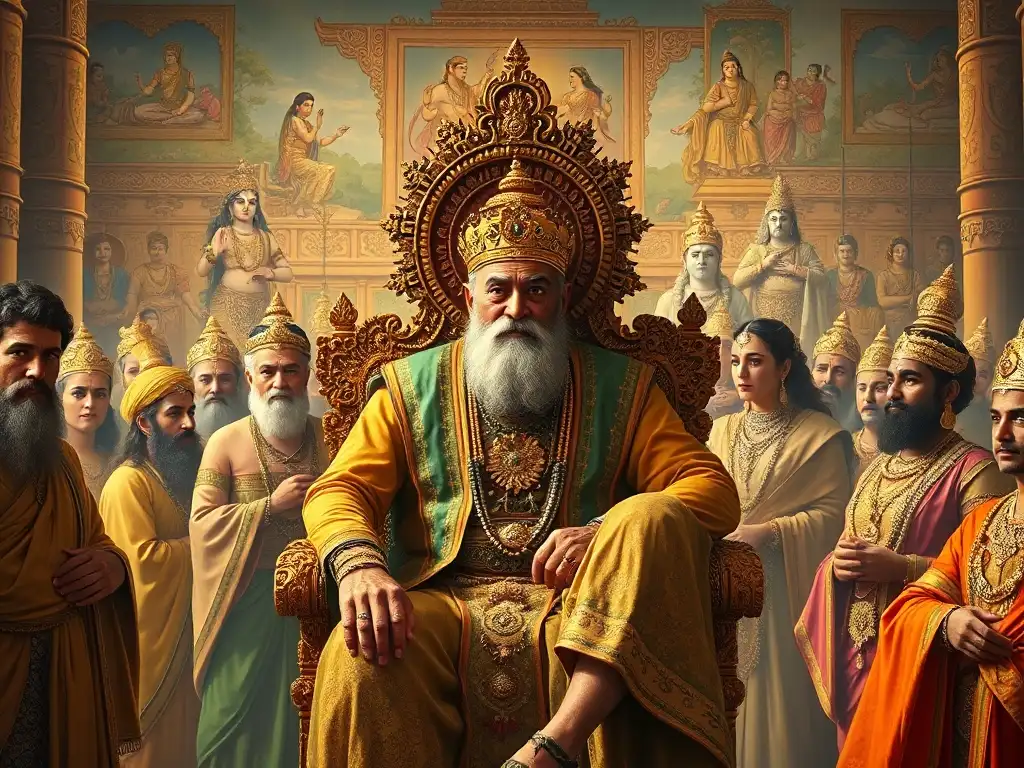
Art in the Gupta Empire was imbued with political significance. The commissioning of monumental sculptures and temples was a way for rulers to assert their dominance and legitimacy. These works often featured inscriptions that celebrated the achievements of the kings and their divine lineage, linking themselves to the gods they depicted.
Sculptures and paintings also served as propaganda tools, glorifying the rulers and reinforcing their divine right to govern. By portraying themselves alongside deities, Gupta kings positioned themselves as intermediaries between the divine and the earthly realms, thus consolidating their power and influence.
Depictions of Rulers and Deities
The representation of rulers and deities in Gupta art is particularly noteworthy. Kings were often depicted in a manner that emphasized their divine qualities, showcasing them with attributes associated with gods. This blending of human and divine characteristics was a strategic move to solidify their authority and divine right to rule.
In addition to kings, deities were portrayed with intricate details that highlighted their significance in the cultural fabric of Gupta society. These representations were not merely artistic expressions but also served to reinforce the religious devotion of the populace, ensuring that the rulers remained aligned with the spiritual beliefs of their subjects.
Architecture and Monumental Art in the Gupta Empire
Gupta architecture is renowned for its magnificent temples and stupas, which stand as testaments to the empire's artistic achievements. The construction of large-scale religious structures, such as the Dasavatara Temple at Deogarh and the Buddhist stupas at Sanchi, showcases the technical prowess and aesthetic sensibilities of Gupta architects.
These architectural marvels are characterized by their intricate carvings, ornamented façades, and use of pillars adorned with sculptural reliefs. The emphasis on symmetry and proportion in Gupta architecture reflects the underlying principles of order and harmony prevalent in their culture.
Monumental art, including relief sculptures and decorative motifs, adorned the walls of these structures, often depicting scenes from Hindu mythology and Buddhist teachings. This integration of art and architecture not only created visually stunning spaces but also served to enhance the spiritual experience of worshippers, making the temples and stupas focal points of cultural and religious life in the Gupta Empire.
Identity and Cultural Expression in Gupta Society
The Gupta Empire, often referred to as the "Golden Age of India," witnessed a flourishing of art and culture that significantly reflected the society's identity. This period, roughly from the 4th to the 6th century CE, was characterized by a remarkable synthesis of various cultural influences, primarily due to the empire's extensive trade networks and interactions with neighboring regions. Art played a crucial role as a medium of expression, encapsulating the values, beliefs, and aspirations of the Gupta people.
Artistic expressions during this era often served as a means to convey social status and identity. Sculptures, paintings, and architecture were not merely decorative; they signified the patron's power and prestige. Temples adorned with intricate carvings and large statues of deities manifested the religious devotion of the elite, while also establishing a sense of communal identity among followers. The use of symbols and motifs in art became a way for the Gupta society to express its unique cultural identity, blending indigenous traditions with influences from the broader Indian subcontinent and beyond.
Role of Religion in Gupta Art
Religion was a central theme in Gupta art, and it played a pivotal role in shaping the artistic landscape of the time. Hinduism and Buddhism coexisted harmoniously within Gupta society, and this duality was vividly reflected in the art produced during this period. Temples dedicated to various deities were constructed, showcasing the architectural prowess of Gupta artisans. These temples often featured elaborate carvings that depicted religious narratives and mythological themes.
The representation of deities in sculpture was highly stylized, emphasizing grace and serenity. Iconography became essential in Gupta art, with specific attributes assigned to deities, allowing devotees to easily identify and relate to them. For instance, sculptures of Vishnu and Shiva were imbued with symbolic meanings that conveyed their divine qualities and roles within Hindu cosmology. Similarly, Buddhist art flourished, with stupas and monasteries adorned with frescoes and sculptures depicting the life of the Buddha, serving as a means of spiritual education for the laity.
Representation of Daily Life and Society
Gupta art did not solely focus on religious themes; it also provided a window into the daily lives and societal structure of the time. Various art forms, including sculptures, pottery, and murals, depicted scenes of everyday life, showcasing the customs, attire, and social interactions of the Gupta people. These representations offered insights into the agrarian lifestyle, trade practices, and familial relationships prevalent during the period.
For instance, pottery often featured motifs that illustrated agricultural activities, while sculptures displayed figures engaged in various trades, highlighting the economic vibrancy of Gupta society. Murals found in some of the period’s temples depicted festivities, dances, and rituals, reflecting the cultural richness and social dynamics of the time. Such artistic representations served not only as documentation of daily life but also reinforced the values and norms of the Gupta society.
The Influence of Regional Variations on Gupta Art
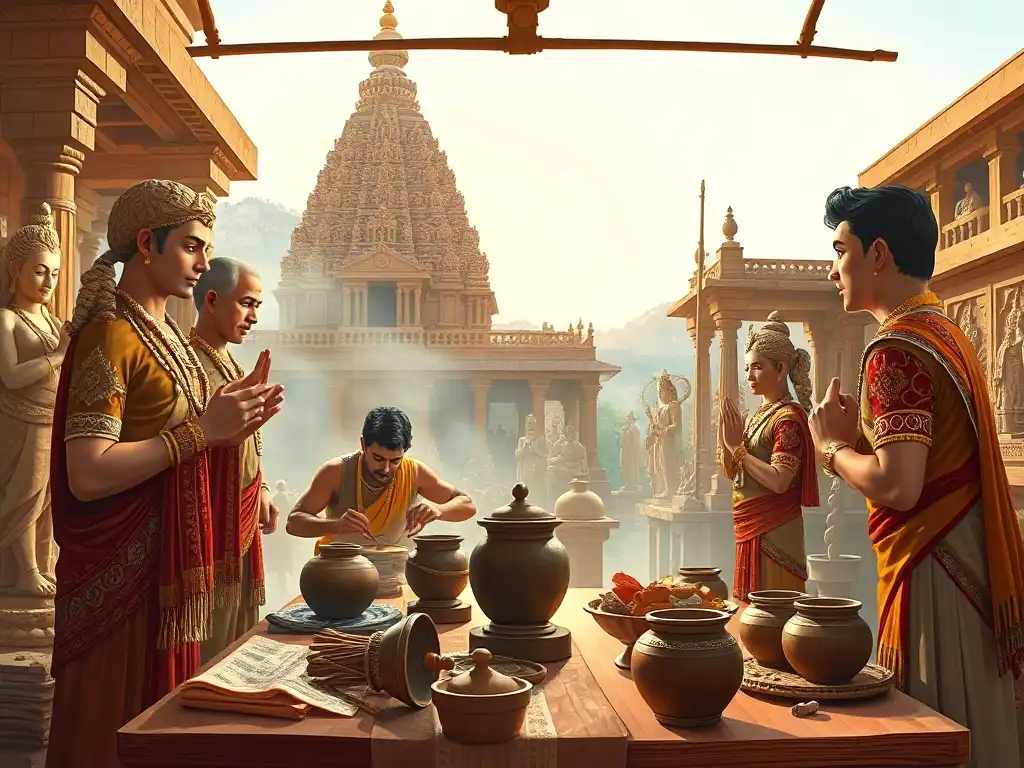
The Gupta Empire's vast expanse resulted in a rich tapestry of regional artistic styles that influenced the overall character of Gupta art. While there were prevalent themes and motifs that unified Gupta art, regional variations emerged due to local customs, traditions, and materials available.
For example, the art from the central regions of the empire, such as Uttar Pradesh, displayed distinctive characteristics in stone sculpture, often showcasing a more refined and delicate style. In contrast, the art from western regions like Gujarat exhibited a robust and bold approach, reflecting the local aesthetics. These regional differences were often intertwined with the local religious practices, leading to variations in temple architecture and iconography.
Moreover, the exchanges between different regions facilitated a cross-pollination of artistic ideas, resulting in a dynamic and evolving art scene. This interplay between regional styles and broader Gupta artistic trends enriched the cultural landscape of the empire, making it a unique and diverse artistic milieu.
Legacy of Gupta Empire Art and Culture
The art and culture of the Gupta Empire left an indelible mark on subsequent Indian artistic traditions, influencing various aspects of art, architecture, and cultural practices in later periods. The sophistication and technical mastery displayed in Gupta art set a benchmark for future artists and craftsmen.
Gupta art served as a crucial reference point for later dynasties, including the Chola and Vijayanagara empires, which drew inspiration from Gupta techniques and motifs. The intricate sculptures, temple architecture, and narrative reliefs established during the Gupta period became foundational elements in the evolution of Indian art.
Impact on Subsequent Indian Art Movements
The artistic achievements of the Gupta Empire laid the groundwork for several subsequent art movements in India. The stylistic innovations in sculpture, particularly the realistic portrayal of human figures and intricate detailing, influenced the development of medieval Indian art.
During the medieval period, artists began to adopt and adapt Gupta motifs, leading to the emergence of distinct regional styles that retained the essence of Gupta artistry. The themes of religious devotion and narrative storytelling continued to resonate, as seen in the art of the Rajput and Mughal periods. Moreover, the fusion of local and Gupta styles contributed to the rich diversity of Indian art, ensuring that the legacy of the Gupta Empire lived on through time.
Preservation and Rediscovery of Gupta Art
The preservation and rediscovery of Gupta art have been critical to understanding the cultural heritage of ancient India. Many exquisite examples of Gupta art were lost or neglected over the centuries, but archaeological excavations and scholarly research have played a significant role in unearthing these treasures.
Notable sites such as Sanchi and Ajanta have provided valuable insights into Gupta artistic practices. The meticulous documentation and conservation efforts undertaken by archaeologists and historians have helped to preserve the remaining structures and artifacts, allowing contemporary society to appreciate the grandeur of Gupta art.
Furthermore, the rediscovery of Gupta art has sparked renewed interest in ancient Indian culture, leading to exhibitions and academic studies that highlight its significance in the broader context of world art history.
Gupta Art in Modern Scholarship
In modern scholarship, Gupta art has garnered attention for its aesthetic and historical significance. Scholars have sought to analyze and interpret the intricate relationships between art, society, and culture during the Gupta period.
Research has focused on various aspects, including the techniques employed by Gupta artisans, the socio-political context influencing artistic production, and the impact of trade on artistic exchanges. Contemporary art historians and archaeologists continue to explore the nuances of Gupta art, employing interdisciplinary approaches to gain a deeper understanding of its legacy.
The ongoing scholarship not only enriches our comprehension of Gupta art but also emphasizes its enduring influence on the cultural identity of India, ensuring that the contributions of the Gupta Empire remain celebrated and studied in the context of global art history.
Conclusion
The Gupta Empire, often regarded as the Golden Age of India, witnessed an exceptional flourishing of art and culture that reflected the society's values, beliefs, and aspirations. Through various forms of artistic expression, including sculpture, architecture, and painting, the Gupta period not only showcased the technical prowess of its artisans but also served as a medium for communicating power and identity. The intricate designs and themes depicted in Gupta art provide insights into the socio-political landscape of the time, revealing the empire's priorities and the profound impact of religion, particularly Hinduism and Buddhism, on its cultural fabric.
Summary of the Role of Art in Gupta Society
Art in Gupta society played a multifaceted role that extended far beyond mere aesthetic enjoyment. Key points include:
- Cultural Identity: The artworks produced during this era served to foster a sense of cultural identity among the people of the Gupta Empire. They often reflected the philosophical and religious beliefs that were central to Gupta society, which were intertwined with daily life and governance.
- Political Power: Gupta rulers utilized art as a tool to project their power and legitimacy. Temples, sculptures, and other forms of art were commissioned to honor deities and celebrate victories, thereby reinforcing the rulers' authority and divine right to rule.
- Religious Significance: Many artistic endeavors were deeply rooted in the spiritual and religious practices of the time. The depiction of gods, goddesses, and mythological themes in sculptures and frescoes not only served religious purposes but also acted as a means of educating the populace about their faith.
- Innovation and Technique: The Gupta period is recognized for its advancements in artistic techniques, such as the use of intricate stone carving and vibrant fresco painting. These innovations not only enhanced the beauty of the artworks but also contributed to their lasting impact on subsequent generations.
Final Thoughts on Gupta Empire Art and Culture
The art and culture of the Gupta Empire are a testament to the civilization's sophistication and complexity. The legacy of Gupta art continues to influence modern Indian art and culture, embodying a rich historical narrative that resonates through time. As scholars and enthusiasts explore the intricate details of Gupta artistic expressions, they gain valuable insights into the life, beliefs, and aspirations of a society that laid the groundwork for future cultural developments in India. The Gupta Empire's art, thus, remains a vital aspect of its identity, reflecting the enduring nature of its contributions to the tapestry of ancient Indian civilization.
- Introduction to Gupta Empire Art and Culture
- Historical Context of Gupta Empire Art
- Characteristics of Gupta Empire Art and Culture
- Distinctive Features of Gupta Art
- Materials and Techniques Used in Art
- Themes and Subjects in Gupta Art
- Reflections of Power in Gupta Art
- Art as a Symbol of Authority
- Depictions of Rulers and Deities
- Architecture and Monumental Art in the Gupta Empire
- Identity and Cultural Expression in Gupta Society
- Role of Religion in Gupta Art
- Representation of Daily Life and Society
- The Influence of Regional Variations on Gupta Art
- Legacy of Gupta Empire Art and Culture
- Impact on Subsequent Indian Art Movements
- Preservation and Rediscovery of Gupta Art
- Gupta Art in Modern Scholarship
- Conclusion
Frequently Asked Questions
What is the significance of art in Gupta society?
Art in the Gupta Empire served as a reflection of power and identity, showcasing the sophistication and cultural achievements of the period. It played a crucial role in communicating values and beliefs of the society.
How did Gupta art influence later Indian art forms?
The art styles developed during the Gupta Empire laid the foundation for later Indian art forms, particularly in architecture, sculpture, and painting. This influence is evident in the intricate designs and themes that emerged in subsequent periods.
What materials were commonly used in Gupta art?
Artists in the Gupta Empire primarily utilized stone, metal, and clay for their sculptures and artifacts. These materials allowed for the creation of detailed and durable works that have survived through the ages.
Can you describe the themes commonly found in Gupta art?
Common themes in Gupta art include religious motifs, depictions of deities, and scenes from daily life. This art often reflects the spiritual and cultural values of the time, emphasizing the importance of Hindu and Buddhist traditions.
How did the Gupta Empire contribute to the cultural heritage of India?
The Gupta Empire is often referred to as the "Golden Age" of India due to its significant advancements in art, literature, and science. This period greatly enriched Indian culture, influencing future generations and contributing to India's vast heritage.
Final Reflection: The Enduring Legacy of Gupta Empire Art and Culture
The exploration of Gupta Empire art and culture reveals a profound connection between creativity and societal identity, illustrating how art serves as a mirror reflecting the values and power dynamics of its time. Today, as we navigate a world increasingly defined by cultural exchanges and identity politics, the lessons drawn from the Gupta period resonate deeply. The intricate sculptures, vibrant paintings, and architectural marvels of this era not only showcase aesthetic brilliance but also encapsulate the essence of a civilization that thrived on the interplay of power and artistic expression.
The influence of Gupta art extends far beyond its historical context, permeating contemporary discussions about cultural heritage and identity. The elegance of Gupta sculptures and the sophistication of their artistic techniques continue to inspire modern artists and historians alike. As we reflect on the past, we can appreciate how these artistic endeavors shaped societal norms and contributed to a collective identity. Art is the most beautiful of all lies.
This quote encapsulates the transformative power of art, reminding us that it can both reflect and shape our understanding of ourselves and our societies.
As we conclude our exploration of the Gupta Empire's art and culture, I invite you to reflect on the role of creativity in your own life. Consider how art influences your identity and the world around you. Whether through personal expression or engagement with the arts in your community, let the legacy of the Gupta Empire inspire you to embrace creativity as a vital part of your journey. By doing so, we honor the past while actively participating in the ongoing dialogue about power, identity, and the transformative power of art in our lives today.
Embrace the Power of Art in Your Story!
Thank you for exploring the fascinating intersection of art, power, and identity within Gupta society with us! As you reflect on the insights shared, consider how these lessons can enrich your understanding of culture and history.
Now, let’s take meaningful steps together to deepen your engagement:
- Dive Deeper: Visit your local museum or explore online galleries to experience the rich collection of Gupta art and appreciate the beauty and significance of this era's creativity.
- Share the Knowledge: Engage in discussions about Gupta art with friends or participate in community forums—your insights can inspire others to appreciate the value of historical art!
- Create Your Narrative: Initiate a personal project, whether it’s writing, painting, or crafting, that draws inspiration from Gupta art to express your own identity and heritage.
Which aspects of Gupta art resonate most with you, and how do you believe they could influence modern expressions of identity?