
Culinary Exploration: MustVisit Food Destinations in India

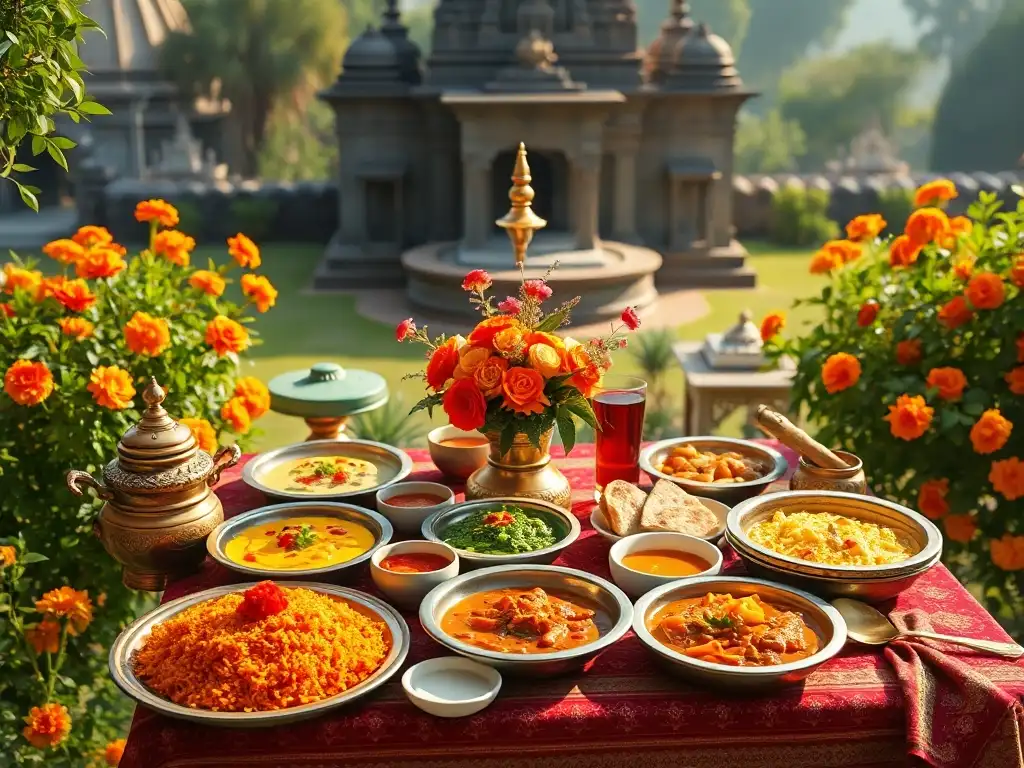
Welcome to Ancient India History, where we invite you to embark on a journey through the vibrant tapestry of India's past. Discover the ancient Indian culinary traditions that have not only tantalized taste buds but also shaped cultural identities across centuries. In our featured article, "Culinary Exploration: Must-Visit Food Destinations in India," we delve into the rich flavors and historical significance of Indian cuisine that continue to inspire food lovers today. Prepare to ignite your curiosity and savor the stories behind each dish, as you uncover the essential influences that have made Indian food a beloved global treasure.
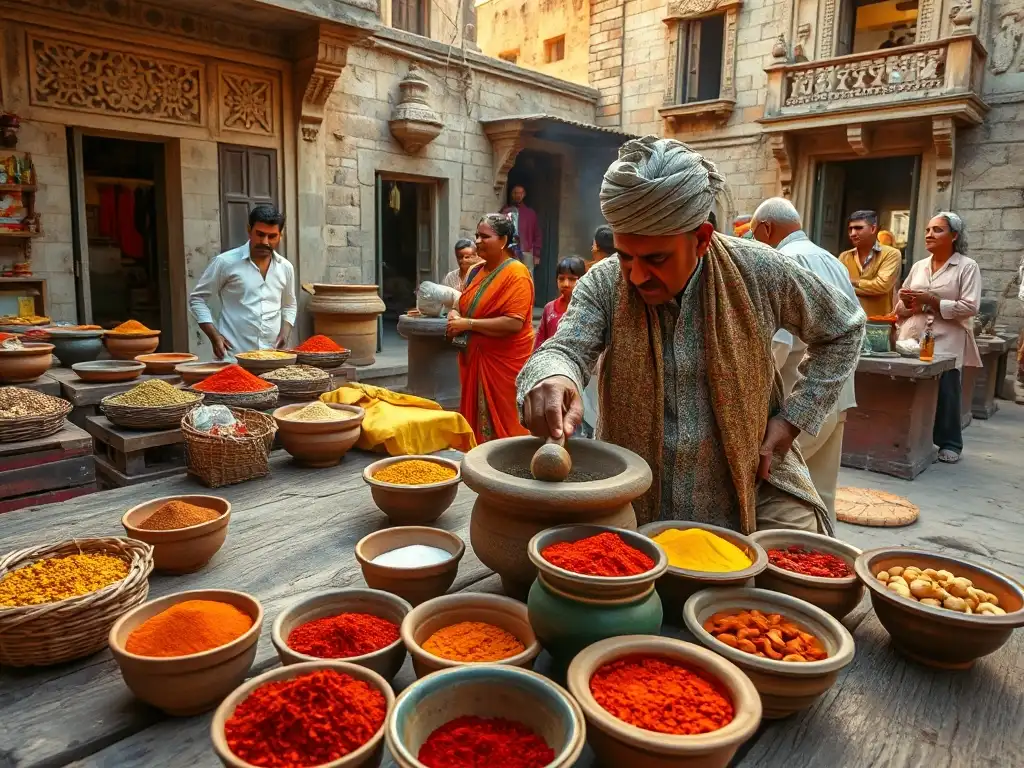
Exploring the culinary landscape of India is akin to delving into a treasure trove of flavors, aromas, and traditions that have evolved over millennia. Ancient Indian culinary traditions are not just about the food itself, but also reflect the diverse cultures, histories, and geographical influences that have shaped them.
From the sophisticated cooking techniques of the Indus Valley civilization to the grand feasts of the Gupta Empire, each region offers a unique gastronomic experience that resonates with the past. This article aims to guide you through must-visit food destinations across India, highlighting the rich heritage and significance of ancient culinary practices that continue to thrive today.
Introduction to Ancient Indian Culinary Traditions
Ancient Indian culinary traditions are a blend of various influences, reflecting the country's rich history and cultural diversity. The earliest evidence of cooking in India dates back to the Indus Valley Civilization (c. 3300–1300 BCE), where archeological findings suggest sophisticated kitchen layouts and the use of clay ovens.
- Key Features of Ancient Indian Cuisine:
- Ingredients: Ancient Indian cuisine utilized a wide array of spices, herbs, and grains, many of which are still staples today.
- Cooking Techniques: Techniques such as steaming, boiling, and roasting were prevalent, showcasing an understanding of food preservation and flavor enhancement.
- Cultural Significance: Food was not only a necessity but also a form of cultural expression, with many dishes prepared during festivals and rituals.
The culinary practices evolved significantly through different dynasties, each leaving a mark on the food culture of the region. For instance, the Maurya and Gupta empires saw the introduction of elaborate dining customs and an appreciation for diverse ingredients.
The Rich Tapestry of Regional Cuisines in India
India's regional cuisines are a testament to the country's vast geographic and cultural diversity. Each region boasts its own unique flavors and cooking styles, influenced by local ingredients, climate, and historical interactions. Here are some key culinary regions:
- North India: Known for its rich, creamy gravies and bread, dishes like Butter Chicken and Naan reflect Mughal influences.
- South India: Famous for rice-based dishes, the use of coconut, and a variety of lentils, Dosa and Sambar are quintessential examples.
- East India: With an emphasis on sweets, Rasgulla and Sandesh are beloved desserts that showcase the region’s culinary artistry.
- West India: Diverse flavors ranging from the spicy curries of Maharashtra to the sweet and savory dishes of Gujarat, such as Dhokla and Puran Poli.
Each of these regional cuisines contributes to the overall narrative of ancient Indian culinary traditions, offering travelers a delectable journey through history. As we explore these must-visit food destinations, we will uncover the stories and techniques that have stood the test of time, celebrating the legacy of India’s culinary heritage.
Top Culinary Destinations in India
India is a land of diverse cultures and culinary traditions that span thousands of years. Each region offers unique flavors and dishes that reflect its history and heritage. Here, we explore some of the top culinary destinations in India that are a must-visit for food enthusiasts looking to delve into ancient Indian culinary traditions.
1. Delhi: A Hub of Historical Flavors
Delhi, the capital city, is a melting pot of various cultures and culinary influences, making it a prime location for exploring ancient Indian culinary traditions. The streets of Old Delhi are lined with food stalls that serve age-old recipes, many of which date back to Mughal times.
- Signature Dishes: Savor the famous Chaat, which combines tangy and spicy flavors, and indulge in the rich Biryani and Kebabs from historic eateries.
- Culinary Heritage: The city’s food reflects its history, with influences from Persian, Mughal, and Punjabi cuisines. The interplay of spices and cooking techniques tells the story of Delhi’s grand past.
2. Jaipur: The Royal Cuisine of Rajasthan
Jaipur, known as the Pink City, offers a glimpse into the royal culinary traditions of Rajasthan. The local cuisine is characterized by its rich flavors, vibrant colors, and the use of unique spices.
- Signature Dishes: Don't miss trying Dal Baati Churma, a traditional dish that combines lentils, baked wheat balls, and a sweet crumbly mixture. The Gatte ki Sabzi, made from gram flour dumplings, is another must-try.
- Culinary Heritage: The royal kitchens of Jaipur have preserved recipes that celebrate the region's cultural heritage, showcasing the lavish feasts once served to kings and queens.
3. Varanasi: An Ancient City with Timeless Flavors
Varanasi, one of the oldest cities in the world, is not only a spiritual hub but also a treasure trove of culinary delights rooted in history. Its food scene is deeply intertwined with the traditions of the region.
- Signature Dishes: Experience the classic Kachori Sabzi, a spicy lentil-filled pastry served with curry, and the iconic Banarasi Paan, a betel leaf preparation that is a local specialty.
- Culinary Heritage: The cuisine of Varanasi reflects its ancient roots, with recipes that have been passed down through generations, often prepared during religious festivals and ceremonies.
4. Kolkata: A Fusion of Cultures and Tastes
Kolkata, formerly known as Calcutta, is a city known for its rich cultural heritage and culinary diversity. The food here is a blend of Bengali traditions and influences from various communities.
- Signature Dishes: Indulge in Bengali Sweets like Rasgulla and Sandesh, while Fish Curry and Bhapa Ilish (steamed hilsa fish) showcase the city's love for seafood.
- Culinary Heritage: Kolkata's culinary scene is a fusion of indigenous ingredients and colonial influences, creating a unique gastronomic experience that reflects the city’s vibrant history.
5. Hyderabad: The City of Biryani
Hyderabad, often referred to as the City of Biryani, boasts a rich culinary tradition that dates back to the Nizam era. The city is famous for its aromatic biryanis and delectable kebabs.
- Signature Dishes: The Hyderabadi Biryani is a world-renowned dish, known for its fragrant rice and marinated meat, while Haleem is a popular dish during Ramadan, showcasing slow-cooked flavors.
- Culinary Heritage: The culinary traditions of Hyderabad are a reflection of its Mughal past, with recipes that have been meticulously preserved and celebrated through generations.
Culinary Experiences to Enhance Your Journey
To fully appreciate the richness of ancient Indian culinary traditions, indulging in unique experiences can significantly enhance your culinary journey through India.
Cooking Classes: Learn Ancient Indian Recipes
Participating in cooking classes is an excellent way to connect with local culture and learn about ancient Indian culinary traditions firsthand.
- What to Expect: Classes often include hands-on experiences where you will learn to prepare traditional dishes using age-old techniques and spices.
- Cultural Insights: Instructors typically share stories about the history and significance of the dishes, enriching your understanding of the culinary heritage.
Food Festivals: Celebrating Ancient Traditions
Food festivals across India celebrate the diversity and richness of the country’s culinary landscape, often focusing on ancient traditions.
- Highlight Events: Festivals like the Kolkata Food Festival and Jaipur Food Festival showcase regional specialties, allowing visitors to taste a variety of dishes in one place.
- Cultural Significance: These festivals often include traditional music and dance, creating a vibrant atmosphere that honors the culinary heritage of the region and offers insight into local customs and practices.
Exploring these culinary destinations and experiences will not only tantalize your taste buds but also deepen your appreciation for the rich tapestry of ancient Indian culinary traditions.
The Role of Ancient Ingredients in Modern Indian Cuisine
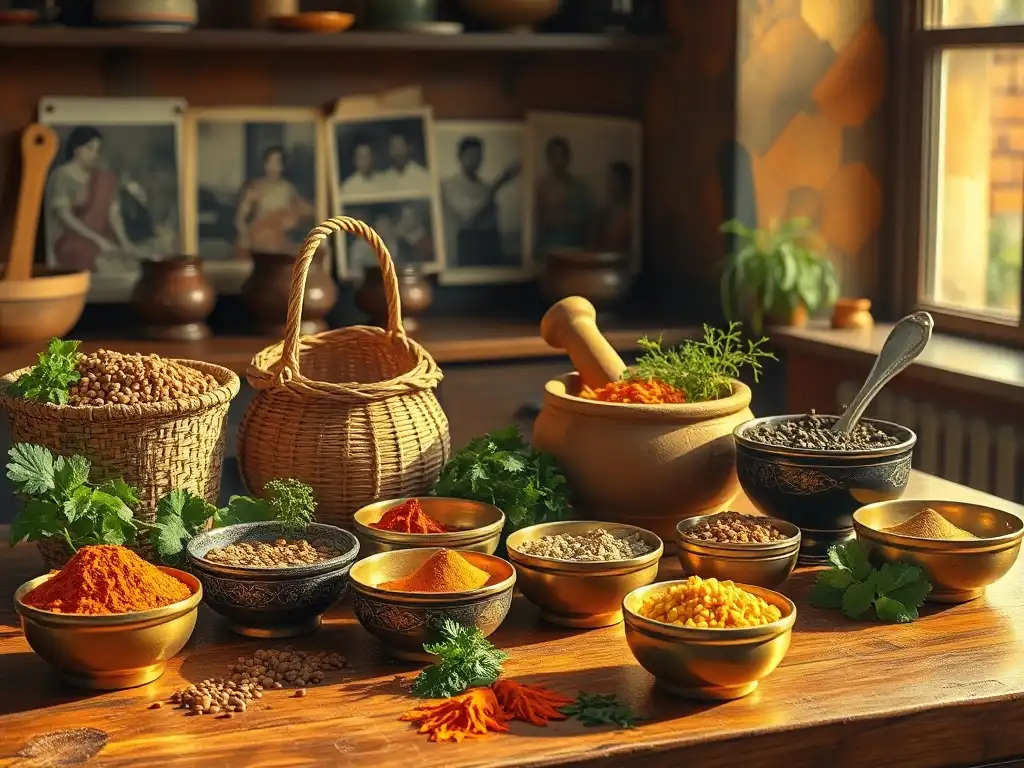
Ancient Indian culinary traditions have significantly influenced modern Indian cuisine, intertwining historical ingredients with contemporary cooking practices. Ingredients like turmeric, cumin, and coriander have been staples in Indian kitchens for centuries and are not only valued for their flavors but also for their health benefits.
The use of spices in ancient India can be traced back to the Vedic period, where texts like the Atharva Veda highlighted their medicinal properties. These spices are now integral to Indian culinary practices, adding depth, flavor, and aroma to a wide array of dishes. For instance, turmeric, revered for its anti-inflammatory properties, is a common ingredient in curries and rice preparations, reflecting the ancient understanding of food as medicine.
Additionally, grains such as rice and wheat have been cultivated in India since ancient times. The methods of cultivation and preparation have evolved, but the foundational importance of these grains remains unchanged. Modern variations of traditional dishes—like biryani and dosas—continue to celebrate these ancient grains, showcasing their versatility and cultural significance.
Moreover, ancient preservation techniques, such as pickling and fermenting, are still prevalent today. Foods like achar (pickles) and idli (fermented rice cakes) not only highlight the ingenuity of ancient culinary practices but also connect the present with the past. By incorporating these ancient ingredients and methods, modern Indian cuisine pays homage to its rich heritage while continuing to innovate.
Conclusion: Embracing Ancient Indian Culinary Traditions Through Travel
Traveling through India offers a unique opportunity to experience the vibrant tapestry of ancient Indian culinary traditions firsthand. Each region of India boasts its own distinct food culture, influenced by historical events, geographical diversity, and ancient practices. From the aromatic spices of the South to the rich, creamy gravies of the North, exploring these culinary landscapes allows travelers to appreciate the depth of India's historical food narrative.
Visiting local markets, participating in cooking classes, and dining with families provide immersive experiences that reveal the stories behind each dish. Engaging with local chefs and home cooks can illuminate how ancient techniques have been preserved or adapted, creating a living history of Indian cuisine.
Furthermore, food festivals, often held in different states, celebrate traditional culinary arts and highlight the significance of ancient ingredients in contemporary cooking. These events not only showcase mouthwatering dishes but also promote cultural exchange and awareness of India’s rich culinary heritage.
By embracing these experiences, travelers can foster a deeper connection with ancient Indian culinary traditions, understanding how they continue to shape the modern culinary scene in India and beyond.
Call to Action: Plan Your Culinary Exploration Today!
Are you ready to embark on a journey that delves into the heart of ancient Indian culinary traditions? Whether you're a seasoned foodie or a curious traveler, planning your culinary exploration in India can be the adventure of a lifetime!
- Research Destinations: Identify regions known for their unique culinary offerings, such as Rajasthan for its rich flavors or Kerala for its coastal delights.
- Book Culinary Tours: Look for guided tours that focus on traditional cooking techniques and local ingredients, allowing you to learn from the masters.
- Engage with Local Communities: Seek opportunities to dine with local families or participate in community cooking events to gain authentic insights into ancient culinary practices.
Don't miss out on the chance to taste the history and culture of India through its food. Start planning your culinary journey today, and embrace the flavors of ancient Indian culinary traditions that continue to thrive in modern cuisine!
- Introduction to Ancient Indian Culinary Traditions
- The Rich Tapestry of Regional Cuisines in India
- Top Culinary Destinations in India
- Culinary Experiences to Enhance Your Journey
- The Role of Ancient Ingredients in Modern Indian Cuisine
- Conclusion: Embracing Ancient Indian Culinary Traditions Through Travel
- Call to Action: Plan Your Culinary Exploration Today!
Frequently Asked Questions
What are ancient Indian culinary traditions?
Ancient Indian culinary traditions refer to the diverse cooking practices and ingredients used throughout India's history, reflecting the country's regional diversity and cultural influences.
How did the Indus Valley Civilization influence Indian cuisine?
The Indus Valley Civilization is known for its advanced agricultural practices, which laid the foundation for crop cultivation and contributed to the development of various staple foods like wheat and barley.
What role did spices play in ancient Indian cooking?
Spices were essential in ancient Indian cooking, not only for flavoring but also for their preservative properties and health benefits, making them a cornerstone of the region's culinary heritage.
Can you name some must-visit food destinations in India?
Some must-visit food destinations include Delhi, known for its street food; Kolkata, famous for its sweets; and Hyderabad, renowned for its biryani, showcasing India's rich culinary diversity.
How have ancient culinary traditions impacted modern Indian cuisine?
Modern Indian cuisine continues to be influenced by ancient culinary traditions, maintaining the use of spices, cooking techniques, and regional recipes that reflect India’s rich cultural tapestry.
Final Reflection: Embracing the Richness of Ancient Indian Culinary Traditions
Culinary exploration is not just about tasting food; it’s about savoring history and culture. As we delve into the ancient Indian culinary traditions, we uncover a tapestry woven with diverse flavors, techniques, and stories that have shaped the Indian subcontinent for centuries. Today, as globalization influences our palates, the importance of preserving these age-old practices becomes even more significant. The essence of India’s culinary heritage is not merely a relic of the past; it is a living, breathing entity that continues to inspire chefs and food lovers alike.
The impact of ancient culinary traditions extends far beyond the kitchen, influencing social interactions, cultural identity, and even economic opportunities. From the bustling streets of Delhi to the serene backwaters of Kerala, every region boasts unique flavors that tell the story of its people.
As we explore these must-visit food destinations, we recognize that food is a powerful medium for cultural exchange and understanding. > “Food is not just what we eat; it is a reflection of who we are.” This quote encapsulates the profound connection between our culinary practices and our cultural identity, reminding us that every meal is a celebration of heritage.
As you reflect on the culinary journeys highlighted in this article, I invite you to embrace the flavors of ancient Indian traditions in your own life. Consider how you can incorporate these rich practices into your cooking or dining experiences. Whether it’s experimenting with traditional recipes, supporting local Indian restaurants, or even traveling to experience these destinations firsthand, each step you take contributes to the preservation and appreciation of this vibrant culinary heritage. Let us honor the past while savoring the present, ensuring that the legacy of ancient Indian culinary traditions continues to thrive for generations to come.
Savor the Adventure: Explore India’s Culinary Wonders!
Thank you for joining us on this delicious journey through India's vibrant food destinations! We hope you’ve gathered plenty of inspiration to satisfy your culinary curiosity. Now, it's time to take your experience to the next level by indulging in the diverse flavors and dishes from these magical places.
Here are a few **exciting opportunities** you can explore next:
- Plan your next trip to one of these must-visit food destinations and immerse yourself in the local cuisine!
- Join a cooking class in your area to learn how to recreate some of these wonderful dishes at home.
- Share your culinary discoveries with friends and family—spread the love for India’s incredible food culture on social media!
What mouthwatering dish are you most excited to try, and where will your culinary journey take you next?