
Understanding the Four Vedas: A Comprehensive Overview


Welcome to Ancient India History, where we invite you to embark on a captivating journey through the intricate tapestry of India’s past. In this exploration, we delve into the rich and diverse history, culture, and profound contributions of ancient Indian civilizations, from the enigmatic Indus Valley to the illustrious Gupta Empire. Today, we shine a light on the Four Vedas, the sacred texts that form the foundation of ancient Indian religions.
Are you ready to uncover the wisdom and spiritual significance encapsulated in these ancient scriptures? Join us as we unravel the mysteries of the Vedas and their enduring influence on Indian heritage.

The Four Vedas are not merely ancient texts; they are the bedrock of Hindu philosophy, spirituality, and culture. Composed over several centuries, these scriptures encapsulate the wisdom, rituals, and beliefs of early Indian civilization, serving as a guide to understanding the intricate tapestry of Vedic thought and its lasting impact on Hinduism. This article aims to provide a comprehensive overview of the Four Vedas, exploring their definitions, significance, historical context, and their profound influence on ancient Indian society. By delving into these sacred texts, we can better appreciate the complexities of ancient Indian religions and their enduring legacy.
Introduction to the Four Vedas
Definition of the Vedas
The term "Veda" originates from the Sanskrit word "vid," meaning "to know." The Vedas are a collection of ancient scriptures that form the foundation of Hindu religious knowledge. They are divided into four primary texts:
- Rigveda: The oldest Veda, consisting of hymns and praises to various deities.
- Samaveda: A compilation of melodies and chants for rituals.
- Yajurveda: A prose text that provides instructions for rituals and sacrifices.
- Atharvaveda: A Veda that includes spells, prayers, and incantations for daily life.
Each Veda consists of four parts: Samhitas (hymns), Brahmanas (ritualistic texts), Aranyakas (theological discussions), and Upanishads (philosophical treatises).
Significance of the Vedas in Hinduism
The Vedas hold a paramount place in Hinduism, often referred to as "śruti," meaning "that which is heard." They are considered timeless and authoritative, shaping the spiritual and ethical guidelines for millions. The teachings of the Vedas have profoundly influenced various aspects of Hindu life, including:
- Rituals and Worship: The Vedas provide detailed instructions for performing rituals that are integral to Hindu worship.
- Philosophy: The Upanishads, part of the Vedas, delve into metaphysical questions, exploring the nature of reality and the self.
- Social Structure: The Vedas also discuss the varna system, which categorizes society into different classes based on occupation and duty.
Overview of Vedic Literature
Vedic literature is vast and diverse, encompassing not only the four Vedas but also supplementary texts such as the Brahmanas and Upanishads. This body of work reflects the evolution of Hindu thought over centuries, addressing various aspects of life, spirituality, and cosmology. The Vedic texts serve as a critical link between ancient practices and contemporary Hindu beliefs, demonstrating the continuity and adaptability of religious traditions.
Historical Context of the Four Vedas
Origin and Composition of the Vedas
The origins of the Vedas can be traced back to around 1500 BCE, during the early Vedic period. Composed by ancient sages known as Rishis, these texts were transmitted orally for generations before being written down. The exact methods of their composition remain a subject of scholarly debate, with some suggesting that they were divinely revealed while others argue for a more human-centric development.
Timeline of the Vedic Period
The Vedic period is generally divided into two phases:
- Early Vedic Period (c. 1500–1000 BCE): Characterized by the composition of the Rigveda and the establishment of early rituals.
- Later Vedic Period (c. 1000–600 BCE): Marked by the composition of the remaining Vedas, the emergence of philosophical thought, and the development of complex rituals.
This timeline highlights the dynamic evolution of Vedic texts and their growing influence on Indian society.
Influence of the Vedas on Ancient Indian Society
The Vedas significantly shaped ancient Indian civilization, influencing religion, culture, and social structures. They provided a framework for rituals that fostered community cohesion and spiritual connection. Furthermore, the philosophical insights found within the Upanishads contributed to the development of various schools of thought in Hinduism, thereby enriching the religious landscape of ancient India.
The Four Vedas are not just ancient scriptures but are living texts that continue to inspire and guide generations. Understanding their significance and historical context is essential for appreciating the depth and richness of Hindu traditions and beliefs.
Detailed Overview of Each Veda
The Vedas are the oldest sacred texts of Hinduism, composed in ancient Sanskrit, and are considered the foundational scriptures of Indian philosophy, spirituality, and culture. Each of the four Vedas—Rigveda, Samaveda, Yajurveda, and Atharvaveda—serves a distinct purpose and is characterized by unique attributes that contribute to the rich tapestry of Vedic literature. Understanding these texts is crucial for comprehending the origins of Hindu beliefs and practices.
Rigveda: The Foundation of Vedic Knowledge
The Rigveda, composed around 1500 BCE, is the oldest of the four Vedas and consists of 1,028 hymns (suktas) dedicated to various deities. It is primarily a collection of prayers and praises that reflect the spiritual and social life of the early Indo-Aryans. The text is divided into ten books (mandalas), each containing hymns that explore themes such as creation, nature, and the divine.
The Rigveda emphasizes the importance of the sacred sound and mantras, conveying deep philosophical insights about existence and the cosmos. It addresses the relationships between humans and the divine, highlighting the roles of various deities such as Agni (the fire god), Indra (the king of gods), and Varuna (the god of cosmic order). This Veda lays the groundwork for subsequent philosophical and spiritual developments in Hinduism.
Samaveda: The Veda of Melodies
The Samaveda, often referred to as the Veda of melodies, is primarily a collection of chants and musical compositions meant to be sung during rituals. It consists of 1,875 verses, many of which are derived from the Rigveda but are arranged in a manner that emphasizes musicality and rhythm. The Samaveda is divided into two main parts: the Purvashikha, or the earlier part, which contains hymns, and the Uttarakhand, which includes melodies associated with specific rituals.
The significance of the Samaveda lies in its focus on the art of sound and its influence on the development of Indian classical music. It underscores the belief that music has the power to connect the earthly realm with the divine, making it an essential component of Vedic rituals and ceremonies. Through its melodies, the Samaveda plays a crucial role in creating a spiritual atmosphere conducive to worship.
Yajurveda: The Veda of Sacrificial Rituals
The Yajurveda serves as a guide to the performance of rituals and sacrifices. It consists of prose mantras and verses, providing instructions on how to conduct various sacrificial ceremonies. The Yajurveda is divided into two main sections: the Shukla Yajurveda, which presents the mantras in a structured format, and the Krishna Yajurveda, which includes both prose and verse.
This Veda emphasizes the importance of rituals in maintaining cosmic order and harmony. By performing sacrifices, practitioners believe they can appease the gods and ensure prosperity and well-being. The Yajurveda thus plays a vital role in the practical aspects of Vedic religion, detailing the procedural aspects of worship and the significance of offerings.
Atharvaveda: The Veda of Everyday Life
The Atharvaveda is the last of the four Vedas and diverges from the predominantly ritualistic nature of the previous texts. Composed around 1000 BCE, it contains hymns, spells, and incantations that address various aspects of daily life, including health, love, and prosperity. The Atharvaveda reflects the beliefs and concerns of common people, making it more accessible than the other Vedas.
This Veda introduces a more practical approach to spirituality, encompassing themes such as healing, protection from evil, and rituals for domestic harmony. The incorporation of folk traditions and everyday concerns highlights the Atharvaveda's role in bridging the spiritual and mundane, illustrating how Vedic wisdom permeates all aspects of life.
Core Themes and Concepts in the Vedas
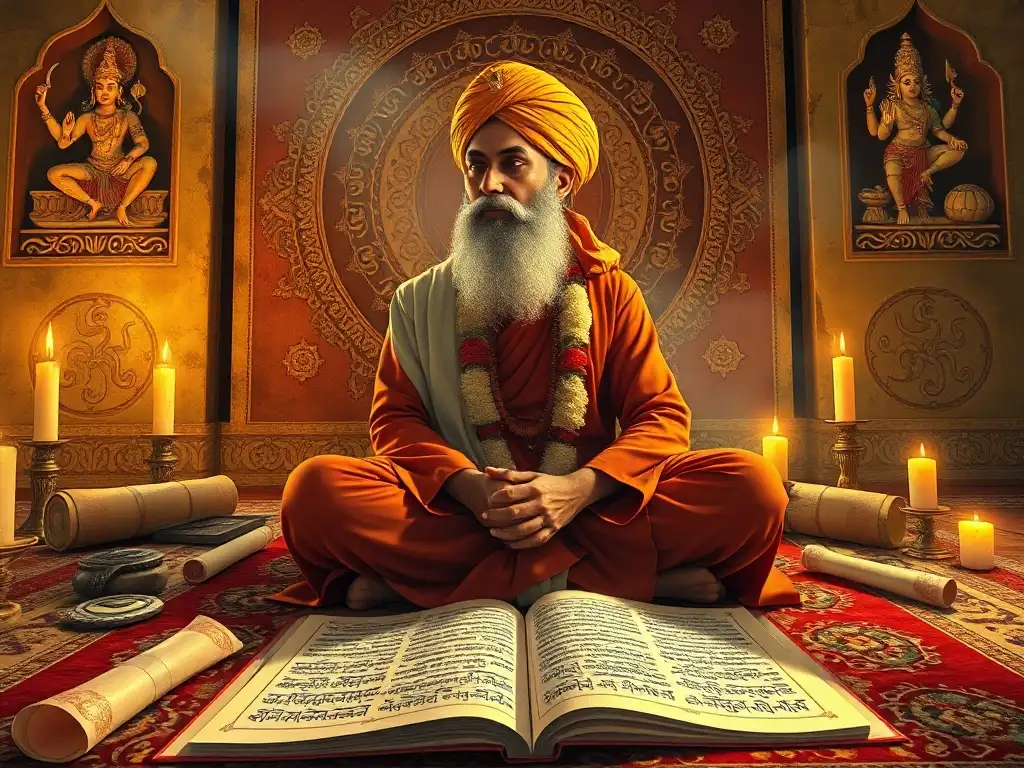
The Vedas encompass a wide range of themes and concepts that form the foundation of Hindu philosophy and practice. They explore profound questions about existence, the nature of the divine, and the relationship between humanity and the cosmos. Understanding these core themes is essential for grasping the significance of the Vedas in the broader context of ancient Indian spirituality.
Philosophy and Spiritual Insights in the Vedas
The Vedas are rich in philosophical insights that delve into the nature of reality, the self, and the ultimate purpose of life. They introduce concepts such as Brahman (the ultimate reality) and Atman (the individual self), suggesting that understanding the relationship between the two leads to spiritual liberation (moksha). These texts encourage introspection and the pursuit of knowledge, laying the groundwork for subsequent philosophical schools within Hinduism.
Moreover, the Vedas emphasize the importance of dharma, or righteous living, which guides individuals in their moral and ethical decisions. This focus on ethics and duty reflects the Vedic understanding of the interconnectedness of all life and the need for harmony in society.
Rituals and Sacrifices: Understanding Vedic Practices
Rituals and sacrifices are central to Vedic practice, serving as a means of connecting with the divine and maintaining cosmic order. The Vedas outline various rituals, including yajnas (sacrificial offerings), which are performed to invoke the blessings of the gods. These rituals often involve elaborate ceremonies, offerings of food, and chanting of mantras.
The underlying belief is that through proper performance of these rituals, individuals can influence the forces of nature and secure prosperity, health, and success. This aspect of the Vedas illustrates the importance of communal and individual practices in fostering a sense of interconnectedness with the divine and the natural world.
The Role of Mantras and Chants in Vedic Tradition
Mantras and chants hold a significant place in Vedic tradition, serving as powerful tools for meditation, invocation, and spiritual practice. Each mantra is believed to carry a specific vibrational frequency that can influence the mind and spirit. The chanting of these mantras is considered a sacred act that helps practitioners connect with higher states of consciousness and the divine.
The Vedas emphasize the correct pronunciation and intonation of mantras, as their efficacy is believed to depend on these factors. This focus on sound and vibration in the Vedic texts has greatly influenced subsequent practices in Hinduism, including yoga and meditation, highlighting the transformative power of sacred sounds in spiritual development.
The Vedas and Their Impact on Hindu Philosophy
The Vedas are a collection of ancient texts that form the cornerstone of Hindu philosophy, encompassing spiritual knowledge, rituals, and ethical guidelines. Composed in Sanskrit, the Vedas include four primary texts: the Rigveda, Samaveda, Yajurveda, and Atharvaveda. Each of these texts serves distinct purposes, with hymns, chants, rituals, and philosophical discourses that have profoundly influenced not only Hindu thought but also the cultural and spiritual landscape of India.
The philosophical depth of the Vedas has shaped various schools of thought within Hinduism, laying the groundwork for concepts such as dharma (duty/righteousness), karma (action and its consequences), and moksha (liberation). The Vedic texts promote a holistic view of life, emphasizing the connection between the material and spiritual realms. As a result, they have been instrumental in forming the ethical and moral framework that guides the lives of millions of Hindus today.
Connection Between Vedas and Upanishads
The Upanishads, often referred to as the concluding part of the Vedic literature, are philosophical treatises that delve deeper into the metaphysical concepts introduced in the Vedas. While the Vedas focus on rituals and hymns, the Upanishads explore the nature of reality, the self (Atman), and the ultimate reality (Brahman). This transition from ritualistic practice to philosophical inquiry marks a significant evolution in Hindu thought.
The connection between the Vedas and Upanishads is crucial as the latter synthesizes and interprets the former's teachings. Many key concepts, such as the idea of Brahman as the universal spirit and the notion of Atman as the individual soul, are elaborated upon in the Upanishads, creating a bridge between the ritualistic and philosophical aspects of Hinduism. This relationship underscores the Vedas' role as a foundation upon which the more speculative and abstract elements of Hindu philosophy were built.
Influence of Vedic Thought on Later Indian Philosophies
Vedic thought has left an indelible mark on various Indian philosophical traditions, including Samkhya, Yoga, Nyaya, and Vedanta. Each of these schools has drawn on the foundational ideas presented in the Vedas, adapting and expanding upon them to formulate their own doctrines. For instance, the concepts of karma and dharma from the Vedas have been central to the development of ethical frameworks in these philosophies.
Moreover, the influence of Vedic thought extends beyond Hinduism, impacting Buddhist and Jain philosophies as well. The emphasis on meditation, ethical conduct, and the pursuit of knowledge evident in the Vedas can be seen echoed in these other traditions. As such, the Vedic texts not only shaped Hindu philosophy but also contributed to a broader Indian philosophical discourse that has persisted for centuries.
Vedic Contributions to Modern Hindu Practices
Modern Hindu practices owe much to the teachings found in the Vedas. Many rituals and ceremonies performed today, such as weddings, rites of passage, and festivals, have their origins in Vedic rituals. The Vedas provide guidelines for these practices, stressing the importance of intention and devotion.
Additionally, the influence of Vedic chanting and recitation remains significant in contemporary Hindu worship. The practice of chanting mantras, derived from Vedic texts, is believed to invoke spiritual energy and maintain harmony within the practitioner and the environment. This continued adherence to Vedic traditions highlights the texts' ongoing relevance in modern Hindu spirituality.
Conclusion: The Enduring Legacy of the Four Vedas
The Four Vedas are not merely historical texts; they are living scriptures that continue to shape the spiritual and philosophical landscape of Hinduism. Their teachings resonate through millennia, influencing countless generations in their quest for knowledge and understanding of the divine.
Summary of the Importance of Vedic Texts
The Vedas are pivotal in understanding the foundations of Hindu philosophy and practices. They encapsulate the essence of spiritual knowledge, ethical living, and the quest for truth. Their teachings have inspired profound philosophical inquiry and continue to guide the lives of millions, underscoring their timeless significance.
The Vedas in Contemporary Hinduism
In contemporary Hinduism, the Vedas are revered as sacred texts that provide insights into life, spirituality, and the universe. They are often studied in academic and spiritual contexts, with many practitioners engaging with their teachings through rituals, recitations, and philosophical discussions. The Vedas remain a vital source of inspiration, shaping the spiritual practices and beliefs of modern Hindus.
Final Thoughts on the Overview of the Four Vedas
The overview of the Four Vedas reveals their integral role in the development of Hindu philosophy and practice. As foundational texts, the Vedas offer a comprehensive understanding of the spiritual and ethical dimensions of life, fostering a rich tapestry of beliefs and practices that continue to thrive in contemporary society. The enduring legacy of the Vedas is a testament to their profound impact on the cultural and philosophical heritage of India, inviting ongoing exploration and reflection.
- Introduction to the Four Vedas
- Historical Context of the Four Vedas
- Detailed Overview of Each Veda
- Core Themes and Concepts in the Vedas
- The Vedas and Their Impact on Hindu Philosophy
- Conclusion: The Enduring Legacy of the Four Vedas
Frequently Asked Questions
What are the Four Vedas?
The Four Vedas are ancient Indian scriptures that form the foundation of Hindu philosophy and spirituality. They include the Rigveda, Yajurveda, Samaveda, and Atharvaveda, each serving distinct purposes in rituals and knowledge.
How were the Vedas composed?
The Vedas were composed over several centuries, with the earliest texts dating back to around 1500 BCE. They were transmitted orally before being written down, preserving cultural traditions and spiritual wisdom.
What is the significance of the Vedas in ancient Indian culture?
The Vedas hold immense cultural significance, influencing various aspects of religion, philosophy, and social practices in ancient India. They are considered the ultimate authority on spiritual matters within Hinduism.
How do the Vedas relate to other ancient Indian texts?
The Vedas serve as the foundation for later texts such as the Upanishads, Puranas, and smriti literature. They shape the philosophical and spiritual discourse that evolved in ancient Indian civilization.
What are some key themes found in the Vedas?
The Vedas explore themes like cosmology, rituals, ethics, and the nature of existence. They address both material and spiritual aspects, guiding adherents in their pursuit of knowledge and enlightenment.
Final Reflection: Embracing the Wisdom of the Four Vedas
In today's fast-paced world, the teachings of the Four Vedas resonate more than ever, offering profound insights into spirituality, ethics, and the interconnectedness of life. As we navigate the complexities of modern existence, understanding these ancient texts can provide a grounding perspective that encourages us to seek harmony within ourselves and with the universe. The wisdom encapsulated in the Vedas is not just historical; it is a living tradition that continues to inspire and guide countless individuals on their spiritual journeys.
The impact of the Four Vedas extends far beyond their historical context, shaping cultural and social landscapes across the globe. Their teachings encourage us to reflect on our values, relationships, and our place in the cosmos. As we engage with these texts, we find ourselves part of a larger narrative that has influenced philosophy, art, and spirituality for millennia. The Vedas are the foundation of all knowledge, illuminating the path to understanding the self and the universe.
This ongoing influence invites us to explore our own beliefs and practices, fostering a deeper connection to the wisdom of our ancestors.
As we conclude this exploration of the Four Vedas, I invite you to take a moment for personal reflection. Consider how the principles found within these texts can be woven into your daily life. Whether it's through meditation, ethical living, or a deeper appreciation for the interconnectedness of all beings, let the teachings of the Vedas inspire you to cultivate a life of purpose and harmony. Embrace this opportunity to not only learn from the past but to actively apply its lessons in shaping a brighter future for yourself and those around you.
Dive Deeper into the Wisdom of the Vedas!
Thank you for joining us on this journey through the fascinating world of the Vedas! We hope you've gained valuable insights into these ancient texts and their profound influence on spirituality and philosophy. Now, let's take the next step together!
- Explore a Veda: Choose one of the four Vedas and spend some time reading about its teachings and significance. Consider delving into a specific mantra that resonates with you!
- Join the Conversation: Share your thoughts and discoveries in the comments below or on our social media pages. Your insights might inspire others!
- Host a Discussion: Organize a small gathering or online meet-up with friends to discuss what you've learned about the Vedas. Collective exploration can deepen understanding and appreciation.
What aspects of the Vedas do you find most intriguing, and how might they influence your personal or spiritual journey?