
Understanding the Feminine Divine: Shakti in Hindu Philosophical Thought

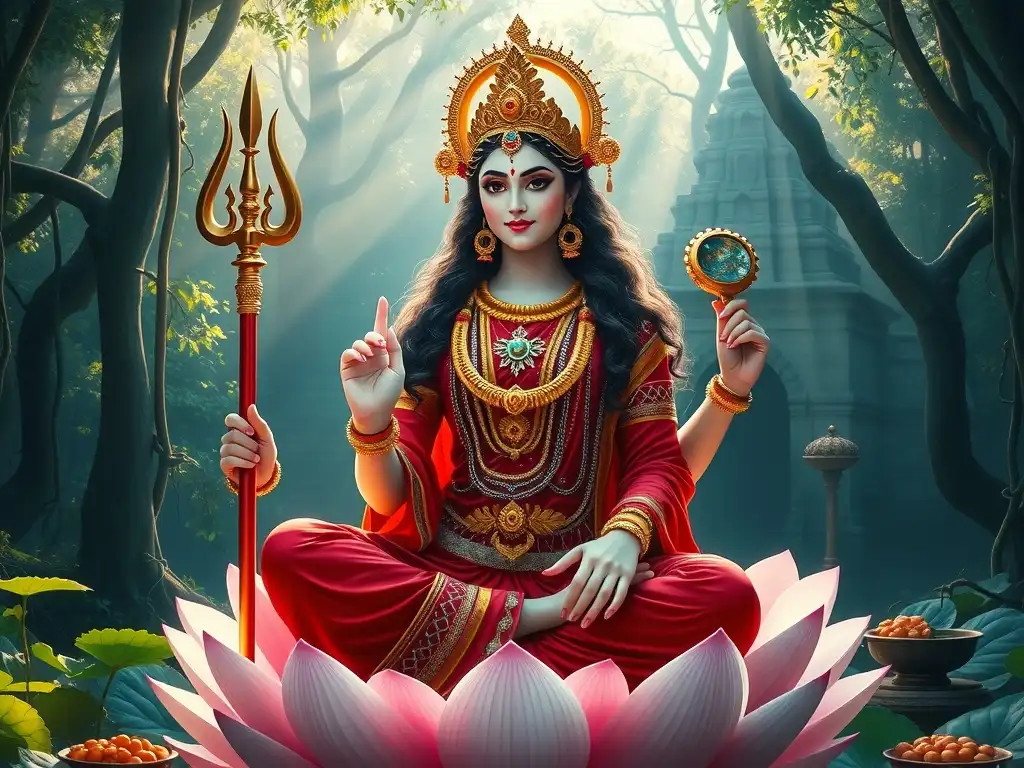
Welcome to Ancient India History, where we embark on a captivating journey through the rich tapestry of ancient Indian civilizations. Today, we delve into the profound concept of Shakti in Hindu philosophy, exploring the essence of the Feminine Divine and its pivotal role in shaping spiritual thought across the ages.
As you navigate through this enlightening article, prepare to uncover the deep-rooted significance of Shakti, and discover how it intertwines with the cultural and religious fabric of ancient India. Join us as we unravel the mysteries and contributions of this powerful concept that continues to inspire and resonate in contemporary discourse.
The exploration of Shakti in Hindu philosophy reveals a profound understanding of the feminine divine, which plays a pivotal role in the spiritual and philosophical landscape of ancient Indian thought. Shakti, often translated as "power" or "energy," embodies the dynamic forces that drive the universe and human experience. This concept is not merely a representation of femininity but encapsulates the essence of creation, preservation, and destruction, highlighting the integral relationship between the masculine and the feminine within the cosmos.
The significance of Shakti transcends mere religious iconography; it invites scholars and practitioners alike to delve into the philosophical implications of gender, power dynamics, and the holistic understanding of divinity in Hinduism. As we embark on this exploration, we will examine the multifaceted nature of Shakti, its historical evolution, and its enduring influence on contemporary Hindu thought.
Introduction to Shakti in Hindu Philosophy
Shakti is often depicted as the feminine counterpart to the masculine principle, represented by deities such as Durga, Kali, and Saraswati. In Hindu philosophy, Shakti is recognized as the source of all creation, imbuing the cosmos with energy and vitality. The term "Shakti" itself originates from the Sanskrit root "shak," meaning "to be able" or "to have power." This intrinsic power is not limited to physical strength; rather, it encompasses emotional, intellectual, and spiritual dimensions, illustrating the holistic nature of feminine energy.
The concept of Shakti is deeply embedded within various texts, including the Vedas, Upanishads, and Tantras, where it is discussed in terms of the interplay between Shakti (the energy) and Shiva (the consciousness). This relationship is often symbolized through the union of the two, representing a balance that is essential for the functioning of the universe. As such, understanding Shakti in Hindu philosophy necessitates a recognition of its dual role as both a creative force and a nurturing presence.
The Concept of the Divine Feminine in Hinduism
The divine feminine in Hinduism is not a monolithic idea but rather a rich tapestry of beliefs and practices that vary across different cultures and regions. In many traditions, the feminine divine is viewed as a nurturing mother, a fierce warrior, and a wise teacher. Each avatar of Shakti serves a unique purpose and reflects different aspects of life and existence.
Some key aspects of the divine feminine include:
- Creative Force: Shakti is often associated with creativity and fertility, symbolizing the potential for new beginnings and growth.
- Protector: Deities like Durga embody the protective aspect of Shakti, representing strength in the face of adversity.
- Wisdom: Saraswati, the goddess of knowledge and learning, emphasizes the importance of wisdom and intellect in understanding the world.
- Transformation: Kali represents the transformative power of destruction, clearing the way for renewal and change.
Understanding these diverse representations of Shakti allows for a more nuanced appreciation of the feminine divine within Hindu philosophical thought. By examining the historical context and contemporary interpretations of Shakti, we can gain insights into the broader implications of gender and divinity in the spiritual traditions of ancient India.
Historical Context of Shakti in Ancient India
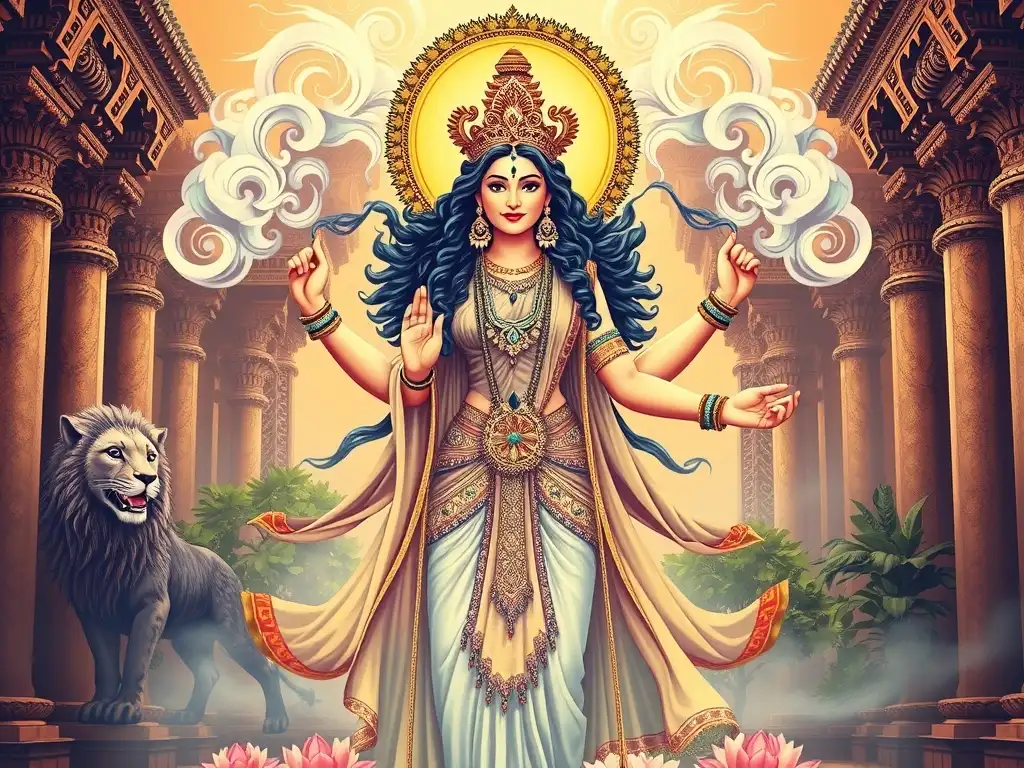
The concept of Shakti, representing the feminine divine energy, is deeply rooted in the historical and cultural landscape of ancient India. Shakti, derived from the Sanskrit word meaning "power" or "energy," embodies the dynamic forces that govern the universe. Throughout ancient Indian history, this notion has played a pivotal role in shaping religious practices, philosophical discourse, and social structures.
During the early Vedic period, which dates back to around 1500-500 BCE, Shakti was primarily associated with the earth and fertility. The Vedic texts reflect an agrarian society where the reverence for nature and the feminine principle was paramount. Goddesses were worshipped as embodiments of natural forces, essential for agricultural prosperity and sustenance.
As society evolved, particularly during the later Vedic period, the understanding of Shakti began to encompass more abstract philosophical interpretations. The dialogue surrounding Shakti transitioned from being a mere representation of physical power to a more intricate concept, intertwining with ideas of creation, destruction, and cosmic balance. This transition laid the groundwork for Shakti's profound influence in later philosophical schools, especially within the context of Hinduism.
The Role of Shakti in Vedic Texts
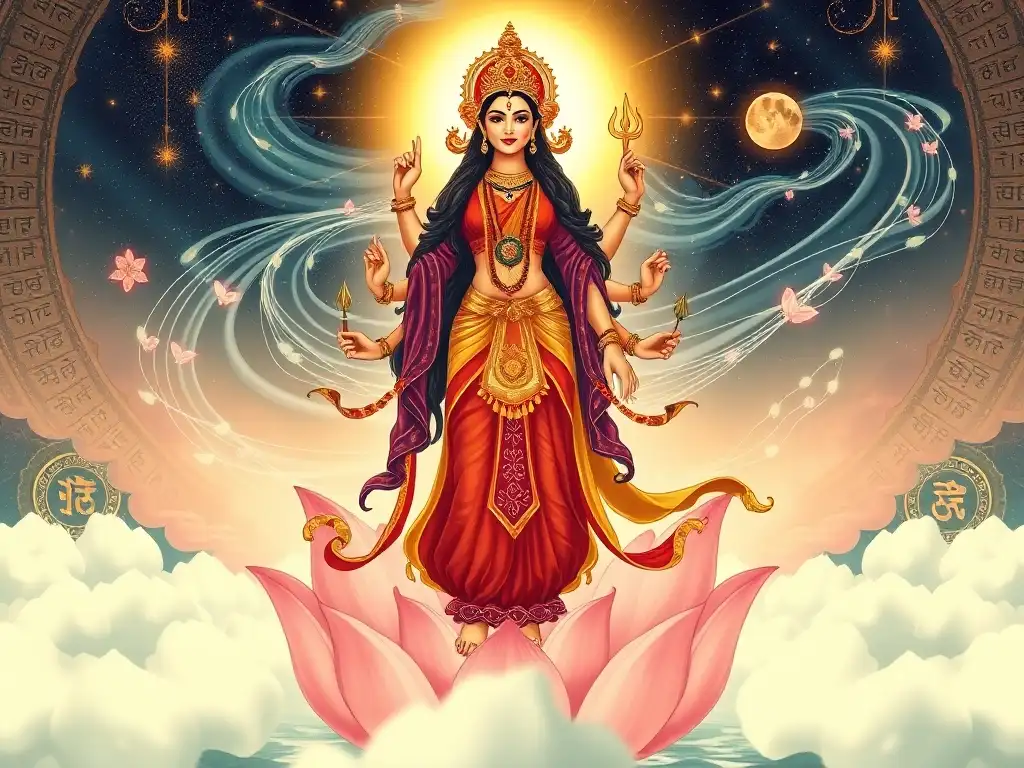
The Vedic texts, consisting of the Samhitas, Brahmanas, and Upanishads, provide rich insights into the early conceptualizations of Shakti.
1. Personification of Shakti
In the Rigveda, the earliest of the Vedic texts, we find references to goddesses such as Ushas (goddess of dawn) and Prithvi (goddess of the earth). These deities exemplify the notion of Shakti as a vital force, integral to the cyclical nature of life. Verses that praise these goddesses highlight their role in nurturing and sustaining life, emphasizing the interconnectedness of the feminine divine with the natural world.
2. Shakti and Rituals
Rituals in Vedic society often included hymns dedicated to female deities, underscoring their importance in spiritual practices. The Soma sacrifice, for example, invoked divine energies, with specific rites aimed at pleasing goddesses. This illustrates the recognition of Shakti not merely as a passive force but as an active participant in cosmic and ritualistic affairs.
3. Cosmic Order and Shakti
The Vedas also introduced the concept of Rta, which denotes the natural order of the universe. Shakti is perceived as a force that upholds this order, asserting that the feminine aspect is essential for balance and harmony in the cosmos. This philosophical underpinning paved the way for more complex interpretations of Shakti in subsequent texts.
Shakti in Upanishadic Philosophy
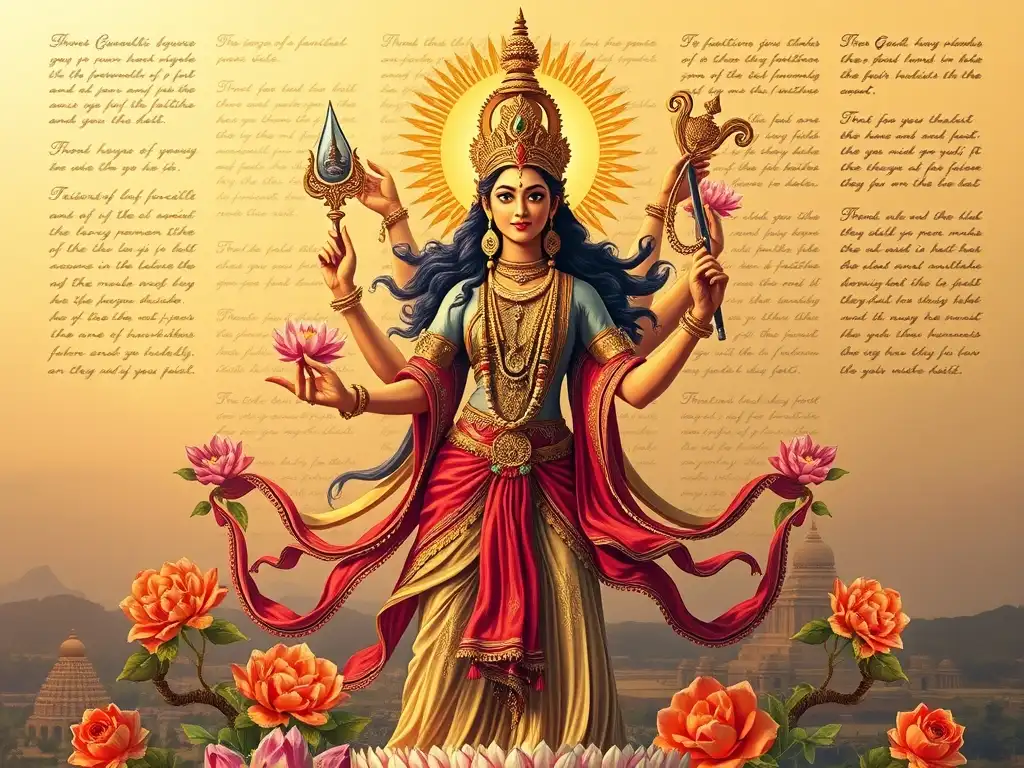
The Upanishads, composed around 800-400 BCE, represent a critical development in Hindu philosophical thought, delving deeper into metaphysical concepts and the nature of reality. Within this framework, Shakti assumes a nuanced role, reflecting both the immanence and transcendence of divine energy.
1. Shakti as the Creative Principle
In Upanishadic philosophy, Shakti is often linked to Brahman, the ultimate reality. The concept of Shakti as Prakriti (nature) complements the Purusha (spirit), suggesting a dualistic understanding of existence. This interplay highlights that creation arises from the dynamic relationship between the active feminine energy and the passive masculine principle, illustrating the holistic nature of the universe.
2. The Role of Kundalini
A significant aspect of Shakti in later philosophical thought is the concept of Kundalini, often depicted as a coiled serpent residing at the base of the spine. The awakening of Kundalini represents the ascent of Shakti through the chakras, leading to spiritual enlightenment and union with the divine. This transformative process underscores the importance of feminine energy in achieving higher states of consciousness.
3. Shakti in Meditation and Spiritual Practices
The Upanishads advocate for meditation and self-realization as paths to understanding the nature of Shakti. By engaging in practices that honor this divine energy, practitioners can cultivate a deeper connection with the cosmos. The embrace of Shakti is not merely a philosophical pursuit but a lived experience, demonstrating the relevance of Shakti in personal spiritual journeys.
The historical context of Shakti in ancient India reveals a rich tapestry of beliefs and practices that underscore the significance of the feminine divine in Hindu philosophy. From its roots in the Vedic texts to its nuanced interpretations in the Upanishads, Shakti remains a vital concept that shapes spiritual understanding and cultural expressions within Hinduism.
Key Aspects of Shakti in Hindu Philosophy
The Duality of Shakti and Shiva
In Hindu philosophy, the relationship between Shakti and Shiva is crucial for understanding the nature of reality and existence. Shakti, representing the feminine divine, embodies the dynamic and creative energies of the universe, while Shiva symbolizes the passive, unchanging aspect of the divine. This duality is not just a binary opposition; rather, it reflects a profound philosophical concept where both forces are interdependent and complementary.
- Unity in Diversity: The interplay between Shakti and Shiva signifies the unity of opposites. Shakti cannot exist without Shiva, as she is often depicted as his consort, and vice versa. This relationship is emblematic of the concept of Ardhanarishvara, where the two are fused into one being, illustrating how creation arises from their union.
- Cosmic Balance: In the cosmic order, Shakti and Shiva maintain balance. Shakti represents action, dynamism, and the material world, while Shiva represents stillness, consciousness, and the spiritual realm. This equilibrium is essential for the sustenance of the universe, as it ensures that neither aspect overwhelms the other.
- Philosophical Interpretations: Various schools of Hindu philosophy interpret the duality of Shakti and Shiva differently. For instance, in Shaivism, Shiva is often seen as the ultimate reality, with Shakti as his power. Conversely, Shaktism emphasizes Shakti as the supreme force, asserting that all forms of divinity stem from her.
Shakti as Creative Energy and Cosmic Force
Shakti is fundamentally viewed as the source of all creation and transformation in the universe. This concept extends beyond mere divinity; it encompasses the very principles of life and existence.
- Creative Energy: In the context of Hindu philosophy, Shakti is synonymous with creative energy. This energy manifests in various forms, ranging from the creation of the cosmos to the nurturing of life. The Shakti energy is often depicted through various goddesses, such as Durga and Kali, who embody fierce protective qualities and the power to destroy evil, signifying the transformative aspects of Shakti.
- Cosmic Force: Shakti also operates as a cosmic force, influencing the natural world and its cycles. This is evident in the concept of Shakti Tattva, which denotes the fundamental principles of energy that govern existence. Shakti is viewed as the driving force behind the cycles of creation, preservation, and dissolution, reflecting the ever-changing nature of the universe.
- Philosophical Implications: The recognition of Shakti's role as both creative energy and cosmic force leads to profound philosophical implications. It encourages practitioners to embrace the dynamism of life, recognizing that creation and destruction coexist in an eternal cycle. This understanding fosters a deeper appreciation of the feminine divine, empowering individuals to harness their own inner Shakti in both personal and collective contexts.
- Integration in Practices: In various spiritual practices, such as Tantra, the worship of Shakti involves rituals that seek to awaken this creative energy within individuals. These practices highlight the importance of balancing Shakti and Shiva energies within oneself, promoting harmony and spiritual growth.
The exploration of Shakti in Hindu philosophy unveils a rich tapestry of ideas that emphasize the importance of the feminine divine in understanding existence and reality. Through the lens of duality with Shiva and the acknowledgment of her creative and cosmic roles, Shakti emerges as a pivotal concept in the philosophical discourse of ancient Indian thought.
Shakti in Various Schools of Hindu Thought
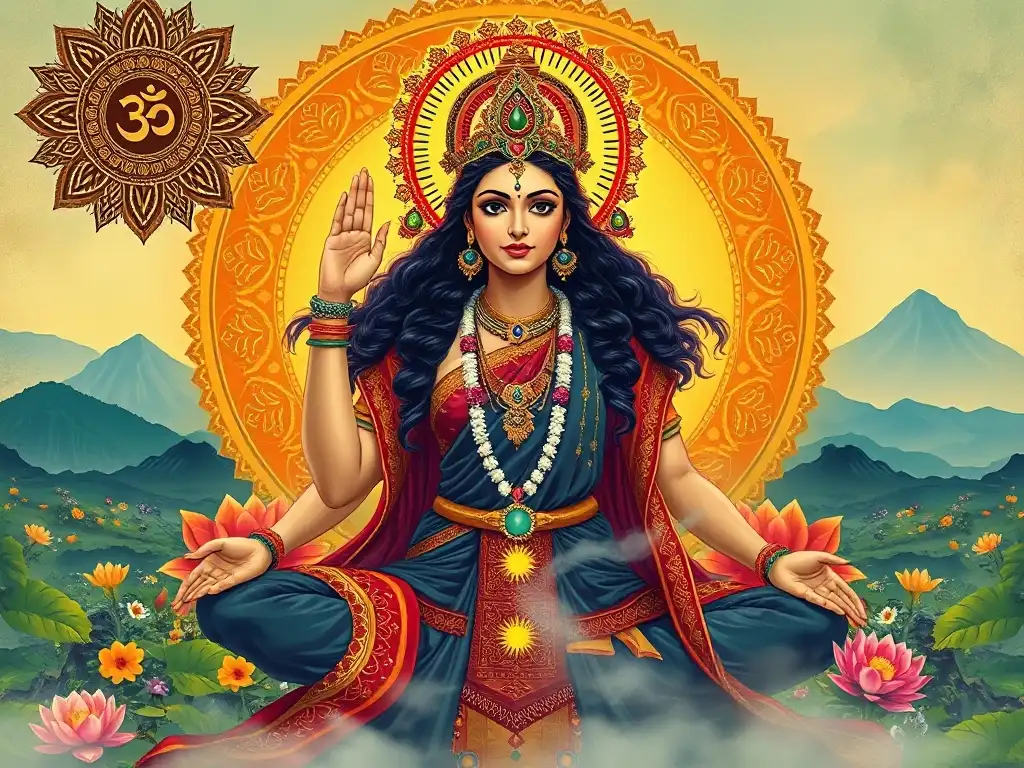
Hindu philosophy encompasses a multitude of schools of thought, each interpreting the concept of Shakti in unique ways. This dynamic understanding reflects the diverse cultural and spiritual landscape of ancient India. By examining Shakti through different philosophical lenses, we gain insight into its foundational role in Hinduism.
Shakti in Advaita Vedanta
Advaita Vedanta, one of the most prominent schools of Hindu philosophy, posits a non-dualistic understanding of reality. In this framework, Shakti is often synonymous with the divine feminine energy that manifests as the world around us.
- Concept of Maya: In Advaita Vedanta, the material world is seen as Maya, or illusion, which is a product of Shakti. This illusion distracts individuals from understanding the ultimate reality, Brahman, which is the singular, unchanging essence of the universe. Shakti, in this context, serves as both the creative energy and the veil that obscures true knowledge.
- Role of Shakti in Liberation: The interplay between Shakti and Brahman emphasizes the necessity of recognizing and transcending the material world to achieve Moksha (liberation). The realization of Shakti’s role in creating and sustaining the universe encourages seekers to cultivate awareness of their true self, which is ultimately one with Brahman.
- Philosophical Texts: Key texts, such as the Upanishads, illustrate this relationship, where Shakti is often described as the power that animates the cosmos while remaining distinct from the unchanging essence of Brahman.
Shakti in Shaktism
Shaktism is a sect of Hinduism that explicitly venerates Shakti as the supreme goddess and the source of all creation. In this tradition, Shakti is not just an abstract principle but a tangible, personal deity.
- The Goddess as Ultimate Reality: In Shaktism, the goddess, often referred to as Devi, embodies Shakti and is regarded as the ultimate reality. This tradition holds that everything in the universe is a manifestation of her divine energy, thus emphasizing the importance of feminine power in the cosmic order.
- Ritual Practices: Shaktism integrates various rituals and practices aimed at harnessing Shakti's energy. Worship often involves offerings, chanting of mantras, and participation in festivals that celebrate the goddess's diverse aspects, such as Durga, Kali, and Lakshmi. These practices serve to invoke Shakti’s presence and blessings in the devotee's life.
- Philosophical Underpinnings: Texts like the Devi Bhagavata Purana and the Tantras articulate the philosophical foundations of Shaktism, depicting the goddess as the source of all knowledge and power. This perspective emphasizes the integral role of feminine divinity in understanding the universe and one’s place within it.
The Influence of Shakti in Tantra
Tantra is a complex and multifaceted tradition within Hinduism that emphasizes the use of rituals and meditative practices to attain spiritual realization. Shakti is central to Tantric philosophy and practice, representing both the energy that fuels spiritual pursuits and the ultimate goal of these endeavors.
- The Divine Union: In Tantric thought, the union of Shakti and Shiva symbolizes the harmonious interplay between dynamic feminine energy and static masculine consciousness. This union is essential for spiritual awakening and is often depicted in the form of the Shakti and Shiva mandalas.
- Meditative Practices: Tantric practices involve invoking Shakti through various techniques, such as mantras, mudras, and yantras. These practices aim to awaken the dormant energy within the practitioner, enabling them to experience higher states of consciousness and ultimately achieve liberation.
- Cosmic Symbolism: The symbolism of Shakti in Tantra extends to the cosmos, where Shakti embodies the creative forces of nature. The Kundalini energy, often represented as a coiled serpent at the base of the spine, is a crucial aspect of this tradition, symbolizing the potential energy that can be awakened through spiritual practice.
The concept of Shakti in Hindu philosophy presents a rich tapestry of interpretations across various schools. From the non-dualistic insights of Advaita Vedanta to the personal devotion found in Shaktism and the transformative practices of Tantra, Shakti remains a central theme in understanding the divine feminine energy that permeates Hindu thought.
Symbolism and Representation of Shakti
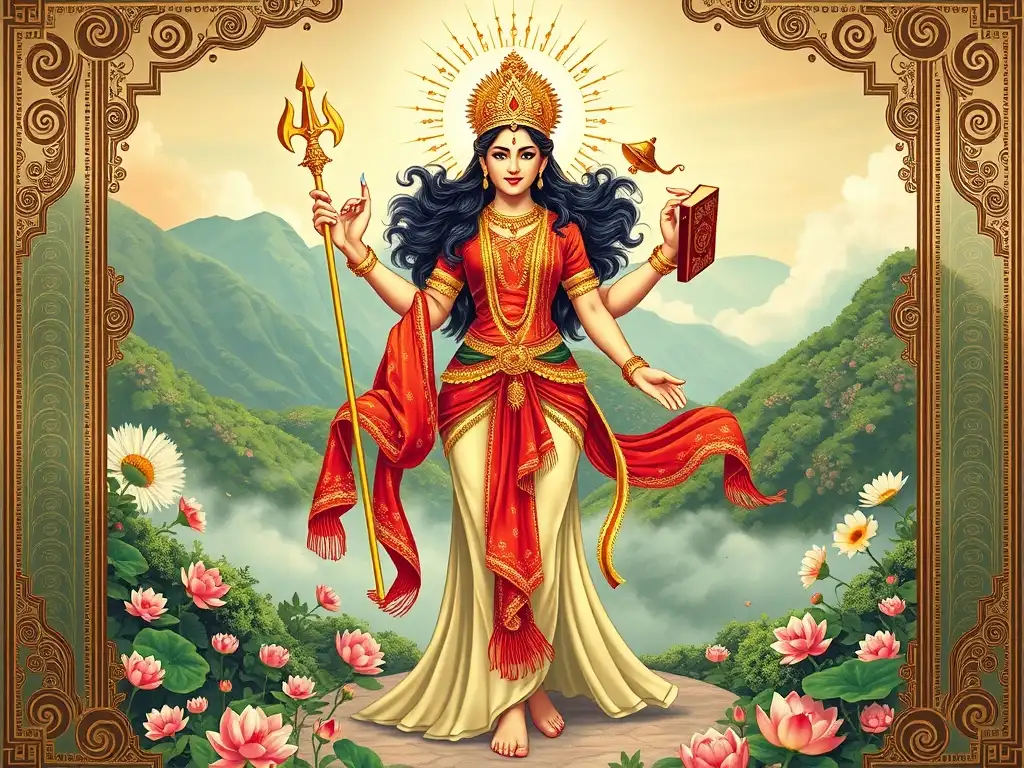
The concept of Shakti in Hindu philosophy is deeply intertwined with the symbolism and representation of feminine energy and power. In this context, Shakti is often personified as a goddess, embodying various aspects of life, creation, and destruction. The divine feminine is not merely a counterpart to the masculine but is viewed as the dynamic force that drives the universe, highlighting the importance of balance between the two energies.
Goddesses Representing Shakti: Durga, Kali, and Saraswati
In Hindu mythology, several goddesses epitomize the essence of Shakti, each representing different facets of this powerful feminine energy:
- Durga:
- Symbol of Strength and Protection: Durga is often depicted riding a lion or tiger, symbolizing her mastery over the animalistic instincts and her ability to combat evil forces. She is celebrated during the festival of Navaratri, where her various forms are worshipped.
- Victory Over Demons: The narrative of Durga's battle against the buffalo demon Mahishasura illustrates the triumph of good over evil. This victory signifies the protective and nurturing aspects of Shakti.
- Kali:
- Destruction of Negativity: Kali embodies the fierce and transformative aspect of Shakti. Often depicted with a dark complexion and a garland of skulls, she represents the destruction of ignorance and ego, clearing the path for rebirth and renewal.
- Liberation: Kali's fierce demeanor signifies the liberation that comes from confronting and overcoming fears, showcasing how Shakti can be both nurturing and fearsome.
- Saraswati:
- Wisdom and Knowledge: Saraswati is the goddess of learning, music, and arts, representing the creative force of Shakti. She is often portrayed with a veena, symbolizing harmony and intellectual pursuits.
- Spiritual Enlightenment: Her role emphasizes the importance of knowledge as a form of Shakti that leads to spiritual growth and enlightenment.
These goddesses not only serve as spiritual symbols but also reflect the multifaceted nature of women in society, showcasing their strengths, resilience, and nurturing qualities.
Shakti in Art and Literature in Ancient India
The representation of Shakti extends beyond religious texts into various forms of art and literature throughout ancient India, portraying the divine feminine in diverse ways.
- Artistic Depictions:
- In ancient sculptures and temple carvings, Shakti is often depicted in a myriad of forms, emphasizing her dynamic nature. For instance, intricate reliefs on temple walls illustrate scenes from mythological tales, showcasing her interactions with other deities and her role in the cosmic order.
- Iconography: The symbolism of Shakti in art includes attributes like the trident (signifying power), lotus (symbolizing purity), and the snake (representing transformation). Each iconographic element adds layers of meaning to the representation of feminine energy.
- Literary Works:
- Ancient texts like the Devi Mahatmya narrate the glory of Shakti through poetic verses, detailing her powers and the significance of her worship. This text, part of the Markandeya Purana, is considered a cornerstone of Shakti literature, celebrating the goddess as the ultimate reality.
- Poetry and Epics: Works such as the Mahabharata and Ramayana also reflect the influence of Shakti, depicting powerful female characters like Draupadi and Sita. Their narratives highlight themes of strength, devotion, and resilience, reinforcing the idea of feminine divinity in the philosophical framework of Hinduism.
The symbolism and representation of Shakti in Hindu philosophy reveal a complex understanding of feminine power that has been celebrated through goddesses, art, and literature. This rich tapestry of representations underscores the integral role of Shakti in the cultural and spiritual heritage of ancient India, emphasizing the need for balance and reverence for the feminine divine.
Contemporary Relevance of Shakti in Hindu Philosophy
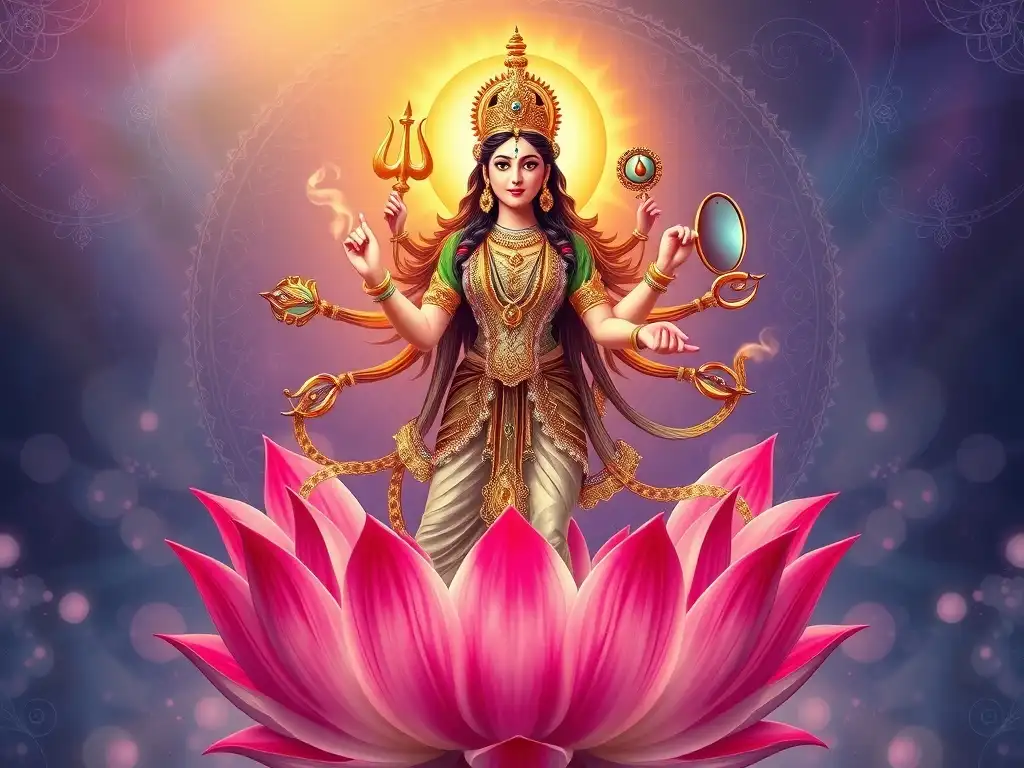
Shakti in Modern Spiritual Practices
In recent years, the concept of Shakti has found renewed interest within various modern spiritual practices. This resurgence highlights the integration of ancient philosophies into contemporary lifestyles, reflecting a shift towards a more inclusive and holistic understanding of spirituality.
- Yoga and Meditation: Many modern yoga styles emphasize Shakti as a vital force, encouraging practitioners to connect with the divine feminine energy within. Techniques such as Kundalini yoga focus specifically on awakening this energy, which is often symbolized as a coiled serpent at the base of the spine, representing Shakti's potential.
- Rituals and Celebrations: Festivals like Navaratri celebrate the goddess Durga, epitomizing Shakti. These celebrations have evolved, blending traditional rituals with modern interpretations, attracting participants from diverse backgrounds. The vibrancy of these festivals serves as a reminder of the power of feminine energy in both spiritual and communal contexts.
- Healing Practices: Contemporary healing modalities, including energy healing and holistic therapies, often draw upon the principles of Shakti. Practitioners emphasize the balance of masculine and feminine energies, aiming for a harmonious existence. This approach mirrors ancient philosophies that recognized the importance of Shakti in maintaining equilibrium in life.
Feminine Empowerment and Shakti in Contemporary Society
The notion of Shakti as a representation of feminine power has profound implications for contemporary society, particularly in the discourse surrounding feminine empowerment.
- Cultural Renaissance: Feminist movements have embraced the concept of Shakti, interpreting it as a source of strength and resilience. By reclaiming the feminine divine, women assert their right to power and agency, drawing parallels between ancient wisdom and modern struggles for equality.
- Leadership and Influence: In various sectors, women are increasingly stepping into leadership roles, embodying the principles of Shakti. The rise of female leaders in politics, business, and social movements reflects a shift towards a more balanced representation of genders, echoing the ancient philosophy that values the feminine aspect in decision-making processes.
- Art and Literature: Creatives have begun to explore themes of Shakti in their works, using art and literature as mediums to express the complexities of feminine identity. This artistic renaissance not only honors ancient traditions but also challenges societal norms regarding gender roles and expectations.
- Community Initiatives: Organizations are emerging that focus on empowering women through education and social change, often drawing inspiration from the concept of Shakti. Programs that promote self-reliance, skill development, and leadership among women are seen as modern manifestations of this ancient philosophy.
The relevance of Shakti in Hindu philosophy continues to resonate in contemporary spiritual practices and societal movements, fostering a deeper understanding of feminine power. The integration of these ancient concepts into modern life reflects a dynamic interplay between tradition and current realities, paving the way for a more inclusive and empowered future.
Conclusion: The Enduring Legacy of Shakti in Hindu Philosophy
The concept of Shakti in Hindu philosophy represents a profound and multifaceted understanding of the feminine divine, embodying power, creativity, and the dynamic forces of the universe. As we reflect on the historical evolution of Shakti, it becomes clear that her presence has significantly influenced various aspects of spiritual, cultural, and social life in ancient India.
Shakti is not only revered as the consort of divine masculine figures like Shiva but also stands independently as the ultimate source of energy and creation. This duality emphasizes her integral role in maintaining cosmic balance. The reverence for Shakti can be traced back to the Indus Valley Civilization, where archaeological evidence suggests that female deities were worshiped, hinting at an early recognition of feminine power.
Throughout the ages, Shakti has been interpreted through various philosophical lenses, including Advaita Vedanta, Tantra, and Bhakti traditions. Each perspective enriches the understanding of her role and significance, allowing for a dynamic interpretation that resonates with both ancient practices and contemporary beliefs. The Goddess cults, which gained prominence during the Gupta Empire, further solidified Shakti’s status, merging her worship with societal values and cultural expressions.
The enduring legacy of Shakti in Hindu philosophy lies not only in her historical significance but also in her capacity to inspire modern discussions about gender, power, and spirituality. As society continues to evolve, the representation of the feminine divine prompts ongoing exploration of female agency within spiritual contexts.
Future Directions in the Study of Shakti and the Feminine Divine
The study of Shakti in Hindu philosophy is poised for exciting developments as scholars and practitioners increasingly recognize the need to explore her role in contemporary contexts. Here are some potential future directions for research and exploration:
- Interdisciplinary Approaches: Combining insights from anthropology, sociology, and gender studies can provide a more holistic understanding of Shakti. This interdisciplinary lens may reveal how interpretations of the feminine divine influence modern gender dynamics and spiritual practices.
- Global Perspectives: As Hindu philosophy and Shakti gain interest beyond India, examining her representation in diaspora communities can provide fresh insights into how cultural exchanges reshape traditional beliefs.
- Digital Humanities: Utilizing digital platforms to archive, analyze, and disseminate ancient texts related to Shakti can help democratize access to knowledge and engage a wider audience in discussions about the feminine divine.
- Cultural Revivals: Investigating contemporary movements that seek to revive Shakti worship can highlight how ancient beliefs are reinterpreted to address modern spiritual needs and societal issues.
- Environmental Dimensions: Exploring the connection between Shakti and nature can foster dialogues about eco-spirituality, aligning with contemporary concerns over environmental sustainability and the representation of female energy as nurturing and life-giving.
The legacy of Shakti continues to inspire and challenge individuals to reconsider traditional narratives surrounding the feminine divine. As new avenues of inquiry emerge, the ongoing study of Shakti in Hindu philosophy will undoubtedly deepen our understanding of her enduring influence and relevance in both ancient and modern contexts.
Frequently Asked Questions
What is Shakti in Hindu philosophy?
Shakti represents the feminine divine energy and is considered the creative force behind all existence. It encompasses the dynamic principles of creation, preservation, and destruction.
How does Shakti relate to the concept of the divine feminine?
In Hinduism, Shakti embodies the divine feminine principle, often personified as goddesses such as Durga and Kali, who symbolize strength, empowerment, and the ability to overcome obstacles.
Why is Shakti important in ancient Indian civilizations?
Shakti played a crucial role in ancient Indian civilizations by influencing cultural practices, rituals, and art forms, reinforcing the belief in female empowerment and the balance of masculine and feminine energies.
How is Shakti represented in Hindu texts?
Shakti is richly depicted in various Hindu texts, including the Puranas and Tantras, where it is associated with cosmic energy and the power of creation, often linked to the divine consort of male deities.
What are the contemporary interpretations of Shakti?
In modern times, Shakti is embraced as a symbol of feminism and empowerment, promoting the recognition of women’s roles in both spiritual and social spheres, and emphasizing the need for gender equality.
Final Reflection: Embracing the Power of Shakti in Hindu Philosophy
The exploration of Shakti in Hindu philosophy reveals its profound relevance in today's world, where the quest for empowerment and balance is more critical than ever. As we navigate through societal challenges and personal struggles, understanding the feminine divine offers us a lens through which we can appreciate the strength, creativity, and transformative power inherent in all beings. The recognition of Shakti not only honors the feminine aspect of divinity but also invites us to embrace a holistic view of existence that celebrates both masculine and feminine energies.
The influence of Shakti transcends religious boundaries, shaping cultural narratives and social movements across the globe. As we witness a resurgence of interest in feminine spirituality, it becomes clear that the principles embodied by Shakti resonate deeply with contemporary discussions on gender equality and empowerment. The divine feminine is not just a concept; it is a force that drives change and inspires action.
This ongoing dialogue encourages us to reflect on our own lives and the roles we play in fostering a more inclusive and balanced society.
As you contemplate the lessons of Shakti in Hindu philosophy, I invite you to consider how you can embody this divine energy in your daily life. Whether through acts of creativity, compassion, or resilience, each of us has the potential to channel the power of Shakti. Let this understanding inspire you to seek balance within yourself and to uplift those around you, creating a ripple effect of empowerment and transformation. Embrace the feminine divine, and allow it to guide you on your journey toward a more harmonious existence.
Unveil the Power of Shakti: Embrace the Feminine Divine!
Thank you for taking the time to explore the fascinating concept of Shakti and her significance in Hindu philosophical thought. By delving into this rich topic, you've uncovered the essence of the Feminine Divine and its profound impact on spirituality and culture. Now, let's continue this journey together and put this insight into action!
- Connect with your own Shakti: Reflect on how the principles of Shakti resonate in your life. Take a moment to journal about what empowerment and creativity mean to you personally.
- Share your discoveries: Discuss the insights you've gained with friends or colleagues. Invite them to explore the essential role of the Feminine Divine across various cultures.
- Join a community: Seek out local or online groups focused on spiritual studies or feminine philosophy. Engaging with others can enhance your understanding and foster meaningful connections.
As you reflect on the power of Shakti, we invite you to ponder: How can embracing the Feminine Divine transform your perspective and enrich your daily life?