
How to Start Your Ayurvedic Journey: Tips for Beginners


Welcome to Ancient India History, where we embark on an enlightening journey through the rich tapestry of India's past! Here, we invite you to delve into the fascinating world of ancient civilizations, exploring their remarkable contributions and vibrant cultures. In our featured article, the “Beginner's Guide to Ayurveda,” you’ll uncover the timeless wisdom of this holistic science that has been cherished for centuries. Are you ready to discover how to kickstart your Ayurvedic journey? Join us as we unravel the secrets of this ancient practice and inspire your exploration of India’s enduring legacy!
Introduction to Ayurveda
Ayurveda, often referred to as the "Science of Life," is an ancient system of medicine that originated in India over 5,000 years ago. This holistic approach to health and wellness emphasizes the balance between the mind, body, and spirit, offering a unique perspective on maintaining health and treating ailments.
As more individuals seek natural alternatives to conventional medicine, the interest in Ayurveda has surged, making it essential to understand its foundational concepts. This beginner's guide to Ayurveda is designed to provide you with the tools and knowledge necessary to embark on your Ayurvedic journey, exploring its principles, practices, and historical significance.
What is Ayurveda?
At its core, Ayurveda is a comprehensive system of medicine that integrates the physical, mental, and spiritual aspects of health. It is based on the belief that each individual is unique, and treatment should be tailored to one's specific constitution or "Prakriti." This ancient practice utilizes a variety of modalities, including herbal remedies, dietary adjustments, yoga, and meditation, to create harmony within the body and mind. By understanding the underlying principles of Ayurveda, beginners can cultivate a deeper appreciation for its practices and their potential benefits.
The Historical Background of Ayurveda
Ayurveda's roots can be traced back to the Vedic texts, particularly the Atharva Veda, which contains some of the earliest references to healing practices. Over centuries, this knowledge was refined and expanded by sages and scholars, leading to the formulation of classical texts such as the Charaka Samhita and the Sushruta Samhita. These texts not only outline the principles of Ayurveda but also detail various medicinal plants, surgical techniques, and ethical guidelines for practitioners. The historical significance of Ayurveda is immense, as it has influenced various aspects of life in ancient India, including philosophy, art, and culture.
Importance of Ayurveda in Ancient Indian Medicine
Ayurveda served as the cornerstone of medical practice in ancient India, providing a comprehensive framework for health and wellness. Unlike the reductionist approach of modern medicine, Ayurveda takes a holistic view, emphasizing prevention and the treatment of the root cause of ailments rather than merely alleviating symptoms. This system of medicine not only contributed to the physical health of individuals but also promoted mental clarity and spiritual growth. The enduring legacy of Ayurveda continues to inspire contemporary wellness practices, reaffirming its relevance in today’s fast-paced world.
Understanding the Principles of Ayurveda
To truly embark on your Ayurvedic journey, it is crucial to grasp its foundational principles. These key concepts provide a roadmap for understanding how Ayurveda approaches health and well-being, guiding practitioners in their quest for balance and harmony.
The Three Doshas: Vata, Pitta, and Kapha
Central to Ayurvedic philosophy are the three doshas: Vata, Pitta, and Kapha. Each dosha represents a unique combination of the five elements (earth, water, fire, air, and space) and governs various physiological and psychological functions within the body.
- Vata is associated with air and space, governing movement and circulation.
- Pitta embodies fire and water, regulating metabolism and digestion.
- Kapha combines earth and water, providing structure and stability.
Understanding your dominant dosha is essential for creating a personalized approach to diet, lifestyle, and wellness practices.
The Concept of Agni (Digestive Fire)
In Ayurveda, Agni, or digestive fire, is considered the cornerstone of health. It represents the body's ability to digest food, absorb nutrients, and eliminate waste effectively. A balanced Agni is crucial for maintaining overall well-being, while an imbalanced Agni can lead to various health issues. Practitioners often focus on optimizing Agni through dietary choices, mindful eating practices, and the use of specific herbs and spices to enhance digestion.
The Role of Ojas and Sattva in Wellness
Ojas and Sattva are two essential concepts that play a significant role in achieving optimal health within the Ayurvedic framework. Ojas is often described as the vital essence of life, promoting immunity, vitality, and overall well-being. It is cultivated through harmonious living, proper nutrition, and stress management.
On the other hand, Sattva refers to a state of mental clarity, purity, and harmony. Cultivating Sattva through practices such as meditation, yoga, and self-reflection is essential for mental and emotional health, enabling individuals to respond to life's challenges with a balanced mindset.
By understanding these foundational principles, beginners can effectively navigate their Ayurvedic journey, laying the groundwork for a healthier and more fulfilling life. 🌱
Beginner's Guide to Ayurveda: Getting Started
Embarking on your Ayurvedic journey can be a transformative experience, enhancing your understanding of health, wellness, and balance in life. Ayurveda, the ancient Indian system of medicine, emphasizes harmony between body, mind, and spirit. To get started effectively, it is essential to familiarize yourself with key concepts such as the three doshas (Vata, Pitta, and Kapha), the importance of digestion (Agni), and the principles of maintaining balance.
Start by integrating Ayurvedic practices into your daily routine. This can include simple adjustments like establishing a morning routine, incorporating mindfulness practices, and paying attention to your dietary choices. A beginner's guide to Ayurveda suggests gradually introducing these practices, allowing your body and mind to adapt naturally. Remember that Ayurveda is not a one-size-fits-all approach; it encourages personalized wellness strategies that cater to your unique constitution.
Assessing Your Dosha: Understanding Your Body Type
Understanding your dosha is fundamental in Ayurveda as it helps identify your unique physical and psychological traits. The doshas are energies derived from the five elements of nature: space, air, fire, water, and earth. Each individual has a specific combination of these energies that influences health and well-being.
To assess your dosha, you can take online quizzes or consult an Ayurvedic practitioner. Key indicators include:
- Vata: Characterized by qualities such as dry, light, cold, and irregular. Vata individuals may be creative and energetic but can also be prone to anxiety and digestive issues.
- Pitta: Associated with heat, intensity, and sharpness. Pitta individuals are often driven and ambitious but may experience irritability or inflammatory conditions if out of balance.
- Kapha: Embodies stability, heaviness, and calmness. Kapha individuals are generally easy-going and nurturing, yet they may struggle with lethargy or weight issues when imbalanced.
By understanding your dosha, you can tailor your diet and lifestyle choices to promote balance and well-being.
Essential Ayurvedic Practices for Beginners
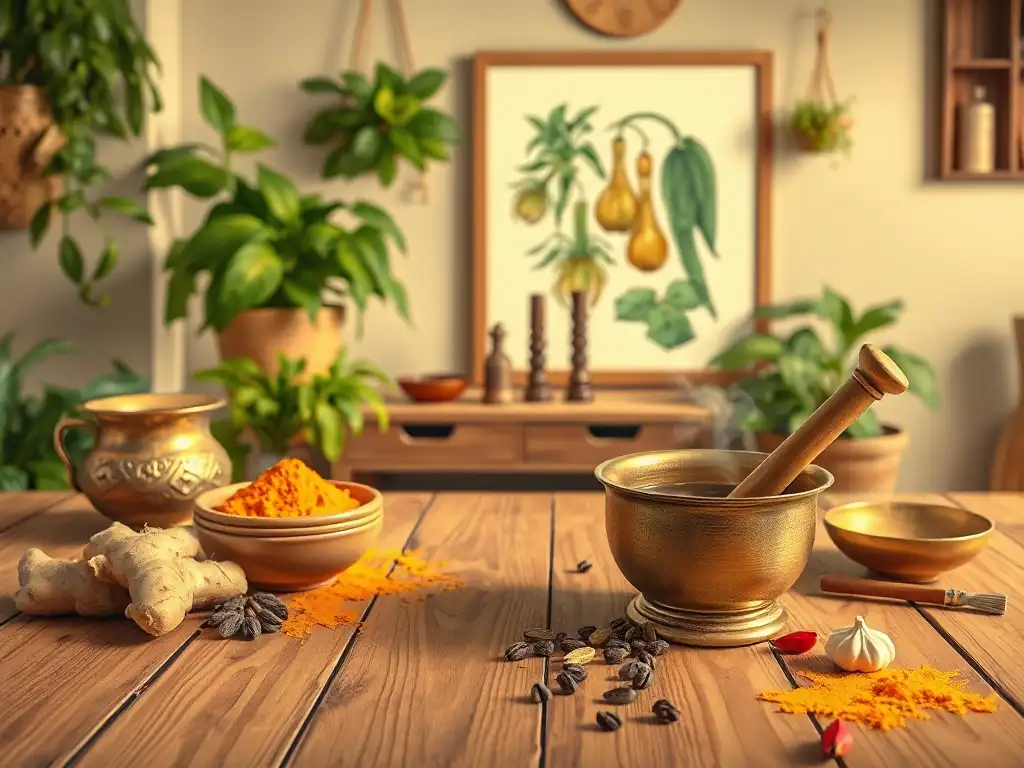
Incorporating essential Ayurvedic practices into your daily life can significantly enhance your physical and mental health. Here are some foundational practices to consider:
- Daily Routine (Dinacharya): Establish a consistent daily routine that includes waking, eating, and sleeping at the same time each day. This promotes stability and balance in your life.
- Meditation and Mindfulness: Set aside time each day for meditation or mindfulness practices. This helps in centering the mind and reducing stress.
- Self-Massage (Abhyanga): Use warm oil to massage your body daily. This practice not only nourishes the skin but also stimulates circulation and promotes relaxation.
- Breathwork (Pranayama): Incorporate breath control exercises into your routine. Practicing pranayama enhances lung capacity and aids in mental clarity.
By adopting these practices gradually, you will create a strong foundation for a healthier lifestyle aligned with Ayurvedic principles.
Nourishing Your Body with Ayurvedic Diet
An Ayurvedic diet is centered around the idea of nourishing your body in accordance with your dosha and the seasons. Understanding how to eat according to Ayurvedic principles can lead to improved digestion and overall health.
Basic Principles of an Ayurvedic Diet
The basic principles of an Ayurvedic diet involve eating in harmony with your body's needs and the natural world. Key components include:
- Seasonal Eating: Consume foods that are in season to support your body’s natural rhythms.
- Mindful Eating: Pay attention to your meals by eating slowly and savoring each bite to enhance digestion and satisfaction.
- Balancing Tastes: Incorporate all six tastes (sweet, sour, salty, bitter, pungent, and astringent) in your meals to promote balance.
- Focus on Digestion (Agni): Prioritize foods that are easy to digest, as a strong digestive fire is essential for health.
These principles aid in creating a diet that is not only nourishing but also tailored to your individual needs.
Foods to Embrace: Sattvic Foods for Beginners
Sattvic foods are fresh, light, and promote clarity and peace. For beginners, incorporating these foods can provide a solid foundation for an Ayurvedic diet. Some examples of sattvic foods include:
- Fruits and Vegetables: Fresh, organic produce such as apples, pears, leafy greens, and carrots.
- Whole Grains: Quinoa, brown rice, and barley are excellent choices that nourish the body.
- Dairy: Organic, unprocessed dairy like ghee and yogurt can be beneficial for digestion.
- Nuts and Seeds: Almonds, walnuts, and sunflower seeds provide healthy fats and nutrients.
Integrating these foods into your diet can help enhance mental clarity and emotional stability.
Foods to Avoid: The Impact of Tamasic and Rajasic Foods
In Ayurveda, certain foods can disrupt balance and lead to physical and mental disturbances. Tamasic and rajasic foods are typically advised against for beginners:
- Tamasic Foods: These are stale, processed, or overly heavy foods that can lead to lethargy and dullness. Examples include:
- Processed snacks
- Canned foods
- Leftovers that are more than a day old
- Rajasic Foods: Foods high in spice, caffeine, or sugar can lead to restlessness and agitation. Common rajasic foods include:
- Excessively spicy dishes
- Caffeinated beverages
- Sugary treats
Avoiding these foods can help maintain a balanced state of mind and support your Ayurvedic journey towards wellness. By focusing on what to embrace and what to avoid, you can cultivate a nourishing and supportive diet.
Ayurvedic Remedies and Treatments for Beginners
Embarking on an Ayurvedic journey can seem daunting at first, but understanding some foundational remedies and treatments can make it accessible. Ayurveda emphasizes balance and harmony within the body, utilizing natural herbs, dietary adjustments, and lifestyle changes to promote overall wellness. Beginners should start by familiarizing themselves with basic Ayurvedic principles such as the three doshas—Vata, Pitta, and Kapha—which represent different body constitutions and their associated characteristics.
One of the primary components of Ayurvedic treatments is the use of herbs and natural remedies. Each herb has unique properties that can aid in various health conditions. For beginners, it’s advisable to focus on a few key herbs and remedies that can be easily incorporated into daily life. Moreover, Ayurvedic treatments often encourage seasonal and individual adjustments, which means that what works for one person may not be suitable for another.
Common Ayurvedic Herbs and Their Benefits
- Turmeric (Curcuma longa): Known for its anti-inflammatory and antioxidant properties, turmeric is often used to support digestion and boost immunity. Incorporating turmeric into meals or consuming it as a tea can provide significant health benefits.
- Ginger (Zingiber officinale): Ginger is renowned for its digestive properties and is commonly used to alleviate nausea and improve circulation. Fresh ginger can be added to teas, soups, or stir-fries for a healthful kick.
- Ashwagandha (Withania somnifera): This adaptogenic herb is known for its ability to combat stress and enhance energy levels. It can be taken in powder form mixed with warm milk or water.
- Brahmi (Bacopa monnieri): Often used to enhance cognitive function and memory, Brahmi is beneficial for mental clarity and relieving anxiety. It can be consumed as a powder or in herbal teas.
- Tulsi (Holy Basil): Tulsi is revered for its potential to reduce stress and enhance respiratory health. Drinking tulsi tea can help maintain overall well-being.
Simple Ayurvedic Remedies for Everyday Ailments
- Digestive Issues: A simple remedy for indigestion is to consume boiled water infused with a teaspoon of cumin seeds. This can help soothe the digestive tract and facilitate better digestion.
- Cold and Cough: A mixture of honey and ginger juice can be taken to relieve symptoms of a cold and soothe the throat.
- Headaches: Applying a paste of ground mint leaves on the forehead can provide relief from headaches, thanks to its cooling properties.
- Stress Relief: Practicing pranayama (breath control) for a few minutes daily can significantly reduce stress levels and promote relaxation.
- Skin Irritations: A paste made of sandalwood powder and water can be applied to the skin to relieve irritations and enhance skin health.
The Importance of Herbal Teas and Infusions
Herbal teas are a foundational aspect of Ayurvedic practice, offering both hydration and therapeutic benefits. They serve as a gentle way to incorporate herbs into the diet while promoting digestion and detoxification. Different teas can be tailored to suit individual doshas:
- Vata: Warm and soothing teas such as chamomile or ginger help balance the air element in Vata individuals.
- Pitta: Cooling herbal teas like peppermint or fennel can assist in calming the heat associated with Pitta dosha.
- Kapha: Spicy teas, such as those made with ginger or cinnamon, can invigorate and stimulate Kapha types.
Incorporating herbal teas into your daily routine not only enhances hydration but also serves as a delicious way to enjoy the health benefits of Ayurveda.
Incorporating Ayurvedic Practices into Daily Life
To truly embrace an Ayurvedic lifestyle, integrating its practices into daily routines is essential. This involves not just dietary changes, but also adopting holistic practices that promote balance and well-being.
Meditation and Mindfulness in Ayurveda
Meditation is a cornerstone of Ayurveda, fostering mental clarity and emotional stability. Regular meditation helps individuals connect with their inner self, facilitating a deeper understanding of their body and mind. Practicing mindfulness during daily activities, such as eating or walking, can also enhance awareness and promote a sense of peace.
To begin, set aside a few minutes daily for meditation. Focus on your breath, allowing thoughts to come and go without judgment. Over time, this practice can lead to reduced stress and improved overall health.
Yoga as an Integral Part of Ayurvedic Lifestyle
Yoga is more than just a physical practice; it is an essential aspect of Ayurveda that supports both mental and physical health. Different yoga postures (asanas) can help balance the doshas, improve flexibility, and enhance overall vitality.
For beginners, starting with gentle yoga practices, such as Hatha or Yin yoga, can be beneficial. Focusing on breath and alignment encourages mindfulness and connection to the body, making it easier to incorporate these practices into everyday life.
The Benefits of Ayurvedic Massage (Abhyanga)
Abhyanga, or Ayurvedic massage, is a traditional practice that involves the application of warm herbal oils to the body. This therapy not only promotes relaxation but also improves circulation, detoxifies the body, and nourishes the skin.
Incorporating Abhyanga into your routine can be as simple as dedicating a few minutes each week to self-massage. Choose oils that correspond with your dosha, such as sesame oil for Vata, coconut oil for Pitta, or mustard oil for Kapha. This nurturing practice cultivates a sense of connection with oneself and enhances overall well-being.
By embracing these Ayurvedic remedies and practices, beginners can embark on a fulfilling journey towards holistic health and wellness.
Overcoming Challenges as a Beginner in Ayurveda

Starting your Ayurvedic journey can be an exciting yet daunting experience. As a beginner, you may face several challenges that can hinder your progress. Understanding these challenges and devising strategies to overcome them is essential for a successful transition into Ayurveda.
One common challenge is the overwhelming amount of information available. Ayurveda encompasses a vast body of knowledge, including dietary guidelines, herbal remedies, and lifestyle practices. To combat this, it's helpful to focus on one aspect at a time. For instance, you might start with dietary changes before moving on to lifestyle practices or herbal therapies.
Another challenge is the misconception that Ayurveda is a one-size-fits-all system. Each individual is unique, and Ayurvedic practices must be tailored to your specific constitution (Prakriti) and current imbalances (Vikriti). Consulting with a qualified Ayurvedic practitioner can provide personalized guidance, helping you navigate the complexities of this ancient science.
Lastly, patience is crucial. Results may not be immediate, and it’s easy to lose motivation. Keeping a journal of your experiences can help you track your progress and remind you of the benefits you are achieving over time.
Common Misconceptions About Ayurveda
As you embark on your Ayurvedic journey, it’s important to dispel some common misconceptions that might influence your understanding and practice of this holistic system.
- Ayurveda is Just About Herbs: Many people believe Ayurveda solely focuses on herbal medicine. While herbs are a significant component, Ayurveda also emphasizes diet, lifestyle, and mental well-being as essential elements for maintaining health.
- It’s a Quick Fix: Some view Ayurveda as a quick solution for health issues. In reality, Ayurveda promotes balance and sustainability, requiring time and commitment for lasting results.
- Only for the Sick: Ayurveda is often seen as a treatment for illness, but it is fundamentally a system of prevention and wellness. Practicing Ayurveda can enhance overall health and well-being, even for those not currently experiencing health issues.
- Ayurveda is Outdated: Another misconception is that Ayurveda is an ancient practice with no relevance today. However, many modern wellness trends incorporate Ayurvedic principles, proving that its wisdom is timeless and adaptable.
Tips for Staying Committed to Your Ayurvedic Journey
Commitment to your Ayurvedic practice is vital for reaping its full benefits. Here are some practical tips to help you stay on track:
- Set Realistic Goals: Begin with small, achievable goals that can gradually lead to larger lifestyle changes. This approach helps build confidence and avoids overwhelm.
- Create a Routine: Establishing a daily routine (Dinacharya) that incorporates Ayurvedic principles, such as a morning oil pulling ritual or regular meal times, can reinforce your commitment and make it easier to integrate Ayurveda into your life.
- Join a Community: Engaging with others on a similar journey can provide motivation and support. Look for local Ayurvedic groups or online forums where you can share experiences and learn from others.
- Celebrate Your Progress: Acknowledge the small victories along the way. Whether it’s feeling more energized or improving digestion, recognizing these changes will keep you motivated and focused on your journey.
Resources for Further Learning: Books, Courses, and Online Communities
Expanding your knowledge of Ayurveda is essential for deepening your practice. Here are some valuable resources to consider:
- Books:
- "The Complete Book of Ayurvedic Home Remedies" by Vasant Lad
- "Ayurveda: The Science of Self-Healing" by Vasant Lad
- "The Ayurveda Encyclopedia" by Swami Sada Shiva Tirtha
- Online Courses: Platforms like Coursera and Udemy offer courses on Ayurvedic principles and practices, which can be a great way to learn at your own pace.
- Online Communities: Joining social media groups or forums dedicated to Ayurveda can foster connections with like-minded individuals and provide ongoing support and information.
- Local Workshops: Many wellness centers offer workshops and classes on Ayurveda, providing hands-on experience.
Conclusion: Embracing Ayurveda for a Balanced Life
Embracing Ayurveda can lead to a more balanced and fulfilling life. As you navigate through your beginner’s journey, remember that this ancient science is not just a set of practices; it’s a holistic approach to living in harmony with yourself and the world around you.
Recap of Key Points for Beginners
- Start Small: Focus on one aspect of Ayurveda at a time, such as dietary changes or daily routines.
- Seek Guidance: Consulting an Ayurvedic practitioner can help tailor practices to your unique constitution.
- Stay Committed: Establish a routine, set realistic goals, and celebrate your progress to maintain motivation.
- Educate Yourself: Utilize books, online courses, and community resources to deepen your understanding of Ayurveda.
Encouragement to Continue Exploring Ayurveda
As you continue your Ayurvedic journey, remember that growth takes time. Embrace the learning process and stay curious. The principles of Ayurveda can provide profound insights into your health and well-being, guiding you toward a more balanced and harmonious life. Keep exploring, and let Ayurveda enrich your everyday experiences! 🌿
Additional Resources
Embarking on your Ayurvedic journey can be incredibly enriching, and having the right resources at your fingertips is crucial for a smooth start. Below, we explore various materials and avenues that can enhance your understanding and practice of Ayurveda.
Recommended Books on Ayurveda for Beginners
Books are an excellent way to delve deeper into the principles and practices of Ayurveda. Here are some highly recommended titles that cater to beginners:
- "The Complete Book of Ayurvedic Home Remedies" by Vasant Lad
- This comprehensive guide offers practical advice and remedies for common ailments while introducing fundamental Ayurvedic concepts.
- "Ayurveda: The Science of Self-Healing" by Dr. Vasant Lad
- An introductory book that provides insights into the basic principles of Ayurveda, making it an excellent starting point for newcomers.
- "The Ayurveda Bible: The Definitive Guide to Ayurvedic Healing" by Anne McIntyre
- A thorough exploration of Ayurvedic philosophy, diet, and lifestyle recommendations tailored for beginners.
- "Prakriti: Your Ayurvedic Constitution" by Dr. Robert E. Svoboda
- This book focuses on understanding your unique constitution (Prakriti) and how it influences your health and wellness.
- "Ayurvedic Cooking for Self-Healing" by Usha Lad and Dr. Vasant Lad
- A practical cookbook that introduces Ayurvedic cooking principles, featuring recipes that promote balance and health.
These books will not only provide foundational knowledge but also offer practical tips that you can implement in your daily life.
Online Courses and Workshops on Ayurveda Essentials
The digital age has made learning more accessible than ever. Here are some online courses and workshops specifically designed for beginners in Ayurveda:
- The Ayurveda Experience
- Offers various courses focusing on different aspects of Ayurveda, including basic principles, herbal remedies, and dietary practices.
- Coursera - Ayurveda and the Science of Healing
- This course introduces learners to Ayurvedic concepts, dietary guidelines, and self-care practices, making it suitable for those new to Ayurveda.
- Udemy - Introduction to Ayurveda
- A beginner-friendly course that covers the foundational elements of Ayurveda, including the doshas, diet, and lifestyle adjustments.
- Online Workshops by Local Ayurvedic Centers
- Many Ayurvedic practitioners and centers offer webinars and workshops that provide hands-on experiences and personalized guidance.
- YouTube Channels Focused on Ayurveda
- Channels like "The Ayurveda Experience" and "Sadhguru" provide valuable insights through videos that cover various Ayurvedic principles and practices.
Engaging with these courses can provide a structured approach to learning Ayurveda, allowing you to interact with instructors and fellow learners.
Ayurvedic Practitioners and Consultations
Consulting with a qualified Ayurvedic practitioner can greatly enhance your journey. Here are some tips for finding the right expert:
- Look for Authentic Credentials
- Ensure that the practitioner has a recognized qualification in Ayurveda, such as a degree from a reputable institution or certification from recognized organizations.
- Seek Recommendations
- Ask friends, family, or local health communities for referrals to reputable Ayurvedic practitioners.
- Check Online Directories
- Websites like the National Ayurvedic Medical Association (NAMA) provide directories of certified practitioners where you can find professionals in your area.
- Consider Online Consultations
- Many practitioners now offer virtual consultations, making it easier to access expertise regardless of your location.
- Prepare for Your Consultation
- Before your appointment, gather information about your health history, dietary habits, and lifestyle. This will help the practitioner provide tailored advice.
By engaging with Ayurvedic practitioners, you can gain personalized insights that are specifically suited to your health and wellness goals, ensuring a holistic approach to your Ayurvedic journey.
- Introduction to Ayurveda
- Understanding the Principles of Ayurveda
- Beginner's Guide to Ayurveda: Getting Started
- Assessing Your Dosha: Understanding Your Body Type
- Essential Ayurvedic Practices for Beginners
- Nourishing Your Body with Ayurvedic Diet
- Ayurvedic Remedies and Treatments for Beginners
- Incorporating Ayurvedic Practices into Daily Life
- Overcoming Challenges as a Beginner in Ayurveda
- Conclusion: Embracing Ayurveda for a Balanced Life
- Additional Resources
Frequently Asked Questions
What is Ayurveda?
Ayurveda is an ancient system of medicine from India that focuses on balancing the body's energies through natural remedies, diet, and lifestyle practices.
How can beginners start their Ayurvedic journey?
Beginners can start by understanding their body constitution (dosha) and incorporating simple dietary changes and lifestyle habits that align with their dosha for optimal health.
Are there any specific dietary guidelines in Ayurveda?
Yes, Ayurveda emphasizes a balanced diet that includes fresh, whole foods, tailored to individual dosha types to promote health and prevent disease.
What are some common Ayurvedic practices for beginners?
Common practices include daily routines (dinacharya), yoga, meditation, and using herbal supplements to support overall well-being and balance in life.
Is it necessary to consult an Ayurvedic practitioner?
While it's possible to start learning about Ayurveda independently, consulting an Ayurvedic practitioner can provide personalized guidance and help you navigate this holistic approach effectively.
Final Reflection: Embracing Ayurveda for a Balanced Life
In today's fast-paced world, the quest for holistic health and well-being has never been more relevant. As we navigate the complexities of modern living, the ancient wisdom of Ayurveda offers a profound pathway to balance and harmony. This beginner's guide to Ayurveda not only introduces essential concepts but also empowers individuals to reclaim their health through natural practices. The time to embrace this transformative journey is now, as we seek to reconnect with our bodies and minds.
Ayurveda's influence extends far beyond individual health; it shapes our cultural and social landscapes by promoting a deeper understanding of wellness and interconnectedness. As more people turn to these time-honored practices, we witness a shift towards more sustainable and mindful living. The greatest wealth is health.
– Virgil. This quote encapsulates the essence of Ayurveda, reminding us that true prosperity lies in our well-being. By integrating Ayurvedic principles into our lives, we not only enhance our own health but also contribute to a collective movement towards a more conscious society.
As you reflect on your own journey, consider how the lessons of Ayurveda can inspire you to cultivate a more balanced and fulfilling life. Take the first step today—whether it's incorporating a new herb into your diet, practicing mindfulness, or simply learning more about your unique constitution. The path to wellness is a personal one, and every small action can lead to significant transformation. Embrace the wisdom of Ayurveda, and let it guide you toward a healthier, more harmonious existence.
Embark on Your Ayurvedic Adventure Today!
Thank you for diving into this guide on starting your Ayurvedic journey! By exploring these timeless principles, you're taking the first step toward holistic health and wellness. Now, let's transform that knowledge into action!
Here are a few ways you can continue your exploration:
- Start by implementing an Ayurvedic practice into your daily routine—whether it’s adjusting your diet, establishing a morning ritual, or practicing mindfulness techniques.
- Join a local or online community focused on Ayurveda to connect with like-minded individuals and share your experiences and insights.
- Share your knowledge with friends or loved ones. Teach them about Ayurveda or invite them to practice alongside you for mutual encouragement.
What do you hope to discover about yourself through this Ayurvedic journey?