
Pali and Prakrit in the Context of Ancient Indian Education Systems

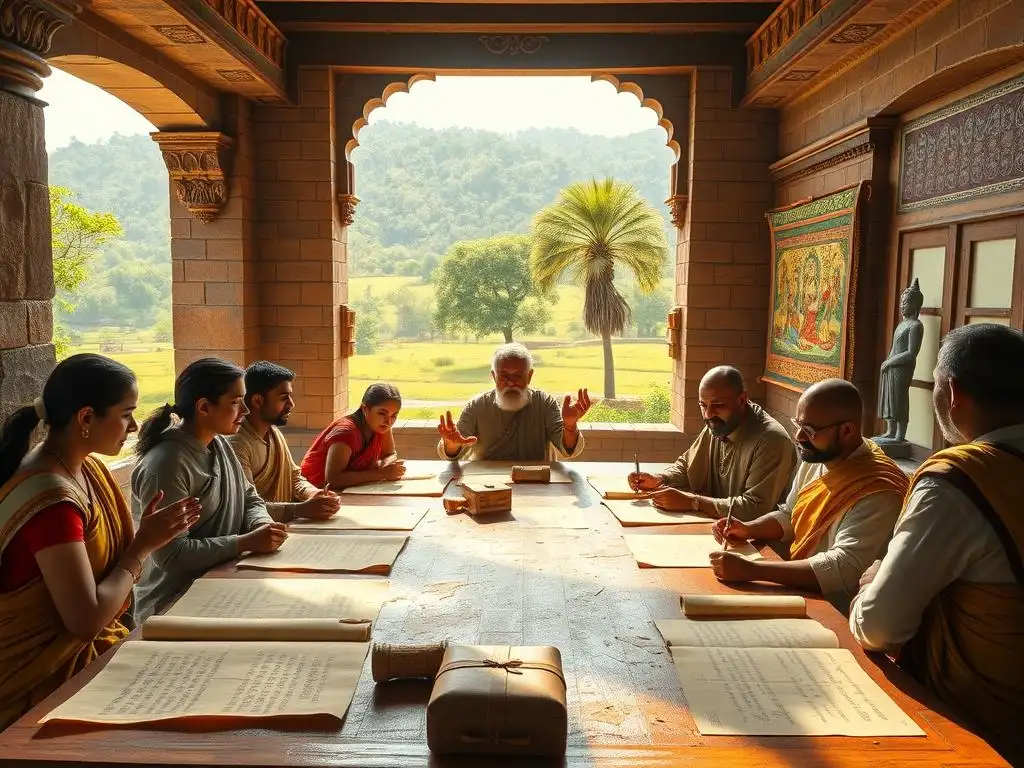
Welcome to Ancient India History, where we delve into the fascinating tapestry of India's past! Here, we explore the rich and diverse history, culture, and groundbreaking contributions of ancient Indian civilizations, illuminating everything from the wonders of the Indus Valley to the enlightenment of the Gupta Empire. In our featured article on ancient Indian education systems, discover how languages like Pali and Prakrit played pivotal roles in shaping the educational landscape of the time.
What secrets lie within their scripts, and how did they influence learning and culture? Join us as we embark on this enlightening journey through the corridors of time, sparking your curiosity to learn more!
- Introduction to Ancient Indian Education Systems
- Understanding Pali and Prakrit
- Role of Pali and Prakrit in Ancient Indian Education
- Educational Institutions of Ancient India
- The Impact of Ancient Indian Education Systems on Pali and Prakrit
- Conclusion
-
Frequently Asked Questions
- What are Pali and Prakrit in relation to ancient Indian education systems?
- How did ancient Indian education systems incorporate Pali and Prakrit?
- What was the significance of language in ancient Indian education?
- How did the Gupta Empire influence ancient Indian education systems?
- What contributions did ancient Indian education systems make to modern education?
- Final Reflection: The Enduring Legacy of Ancient Indian Education Systems
- Unveil the Richness of Ancient Indian Education!
Introduction to Ancient Indian Education Systems
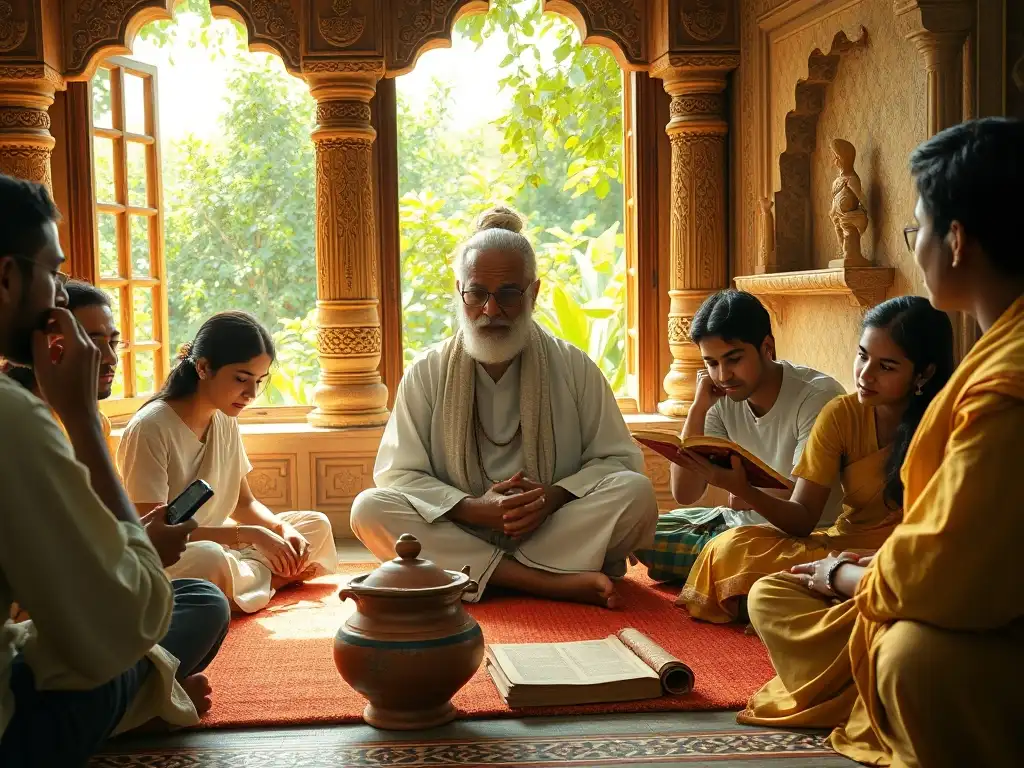
The exploration of ancient Indian education systems reveals a rich tapestry of knowledge, learning, and cultural transmission that shaped the foundations of Indian civilization. From the early days of the Indus Valley Civilization to the flourishing Gupta Empire, education in ancient India was not merely a means of acquiring knowledge; it was a holistic approach to personal and societal development.
A significant aspect of this educational framework involved the use of languages such as Pali and Prakrit, which played pivotal roles in both religious and secular education. This article delves into the intricate relationship between these languages and ancient Indian education systems, shedding light on how they contributed to the dissemination of knowledge, philosophy, and culture across centuries.
Overview of Education in Ancient India
Education in ancient India was predominantly informal and community-based, taking place in various settings, such as:
- Gurukuls: Traditional centers of learning where students lived with their teachers (gurus) and received education in various subjects, including philosophy, mathematics, astronomy, and the arts.
- Monastic Schools: Institutions often associated with Buddhist and Jain traditions that focused on religious texts and moral education.
- Public Assemblies: Spaces where knowledge was shared through discussions, debates, and recitations, fostering a communal learning environment.
The curriculum was diverse, encompassing a wide range of subjects. Key components included:
- Philosophy and Theology: Studies focused on the principles of life, ethics, and spirituality.
- Mathematics and Astronomy: Practical knowledge essential for agriculture and navigation.
- Arts and Literature: Development of skills in music, dance, poetry, and drama.
The aim of education was not only to impart knowledge but also to cultivate character and social responsibility among learners.
Importance of Language in Education
Language served as a crucial medium for education in ancient India, significantly influencing the way knowledge was transmitted and preserved. Pali and Prakrit, in particular, held unique positions in this context:
- Pali: As the language of the Theravada Buddhist scriptures, Pali became a vital tool for learning and religious instruction. It facilitated the spread of Buddhist teachings across Asia and contributed to the establishment of monastic education systems.
- Prakrit: The vernacular languages of ancient India, Prakrits were used in various literary and artistic expressions. Their accessibility made education more relatable to the common populace, encouraging widespread participation in learning.
The interplay between language and education in ancient India underlines the significance of linguistic diversity in shaping educational practices and intellectual traditions. Emphasizing both Pali and Prakrit highlights how language not only served as a medium of instruction but also as a vehicle for cultural identity and continuity.
Understanding Pali and Prakrit
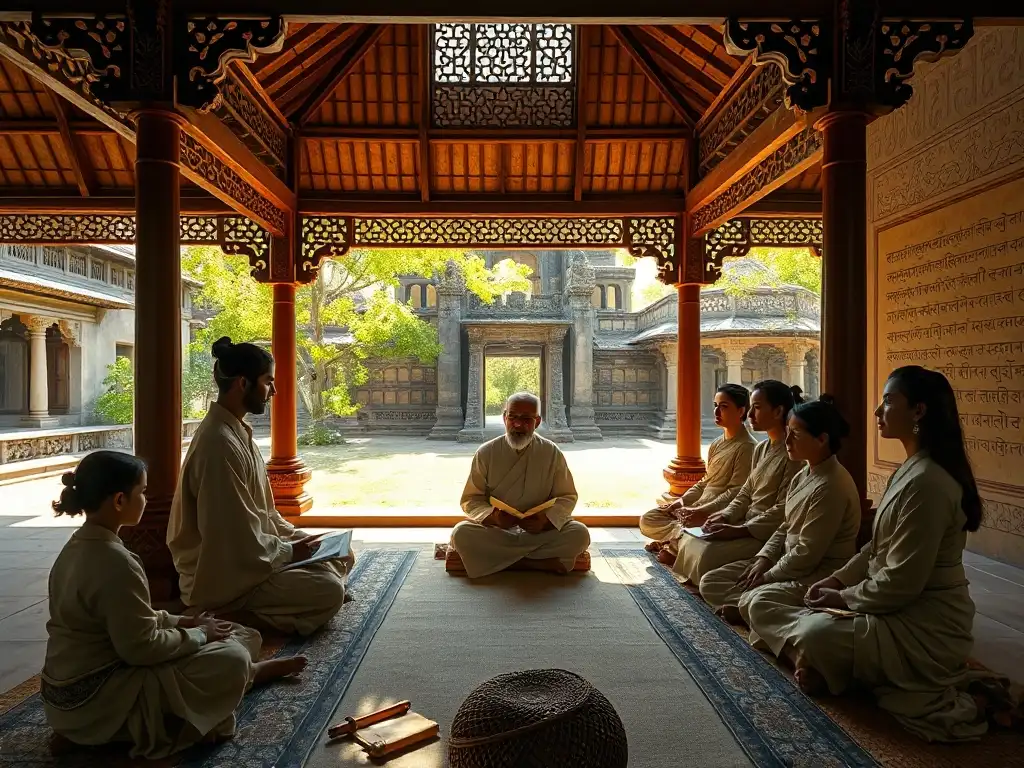
Definition and Origins of Pali
Pali is an ancient Indo-Aryan language that holds significant importance in the context of Theravada Buddhism. Its origins can be traced back to the region that corresponds to modern-day northern India. Although Pali is often associated with the scriptures of Buddhism, it is essential to understand that it is also a linguistic representation of the spoken dialects prevalent during the time of the Buddha (circa 5th century BCE).
The term "Pali" itself is believed to derive from the Pāli word pāli, meaning "line" or "text," which refers to the canonical texts of the Theravada tradition. Pali was not merely a literary language; it served as a lingua franca for Buddhist monks and scholars across various regions of South Asia. This facilitated the spread of Buddhist teachings and texts, contributing to the establishment of educational systems that emphasized monastic learning.
Pali's grammar and vocabulary are closely related to Sanskrit, but it features a simpler structure, making it more accessible for ordinary people. This distinction enabled the Pali Canon, known as the Tipitaka, to reach a broader audience, thereby influencing the ancient Indian education systems by promoting the study of texts that were more relatable to the masses.
Definition and Origins of Prakrit
Prakrit refers to a group of Middle Indo-Aryan languages that emerged during the 3rd century BCE and were spoken throughout the Indian subcontinent. The term "Prakrit" is derived from the Sanskrit word prakṛta, meaning "natural" or "ordinary," which reflects its status as the vernacular language of the people, contrasting with the more formal and scholarly Sanskrit.
Prakrit languages developed as a result of linguistic evolution from earlier forms of Indo-Aryan languages, influenced by local dialects. Various Prakrit dialects, such as Ardhamagadhi, Maharashtri, and Shauraseni, played significant roles in literature, drama, and religious texts, showcasing the diversity of ancient Indian thought.
The use of Prakrit in ancient Indian education systems was pivotal for communication and instruction, especially in regions where Sanskrit was less accessible. Literary works and plays written in Prakrit, such as those by the playwright Bhasa, reflect the cultural richness and educational practices of the time. The incorporation of Prakrit into educational frameworks allowed for a more inclusive approach, enabling a wider audience to engage with philosophical and artistic expressions.
Relationship Between Pali, Prakrit, and Sanskrit
The relationship between Pali, Prakrit, and Sanskrit is a fascinating aspect of ancient Indian linguistics and education systems. While Sanskrit is often regarded as the classical language of ancient India, both Pali and Prakrit emerged as practical alternatives that catered to the everyday linguistic needs of the populace.
- Sanskrit: A structured, highly formalized language used primarily in religious, philosophical, and scholarly contexts. Its grammar is intricate, making it suitable for sophisticated literature and discourse.
- Pali: A simplified, accessible language that served as the medium for the teachings of the Buddha. It became the liturgical language of Theravada Buddhism and was instrumental in shaping the educational pursuits of Buddhist monastic communities.
- Prakrit: A collective term for various vernacular languages that were spoken by the common people. Unlike Sanskrit, Prakrit was more flexible and closely reflected the local dialects, which made it an effective means of communication and education in various regions.
The interplay between these languages underscores the dynamic nature of ancient Indian education systems. Pali and Prakrit served as bridges that connected the philosophical and spiritual teachings articulated in Sanskrit to the lay populace. This multilayered linguistic landscape facilitated the dissemination of knowledge, enabling diverse communities to engage with philosophical, religious, and literary works.
To summarize, the integration of Pali and Prakrit into the educational practices of ancient India enriched the cultural and intellectual landscape, making the profound ideas of the time accessible to a broader audience, thus shaping the evolution of ancient Indian education systems.
Role of Pali and Prakrit in Ancient Indian Education
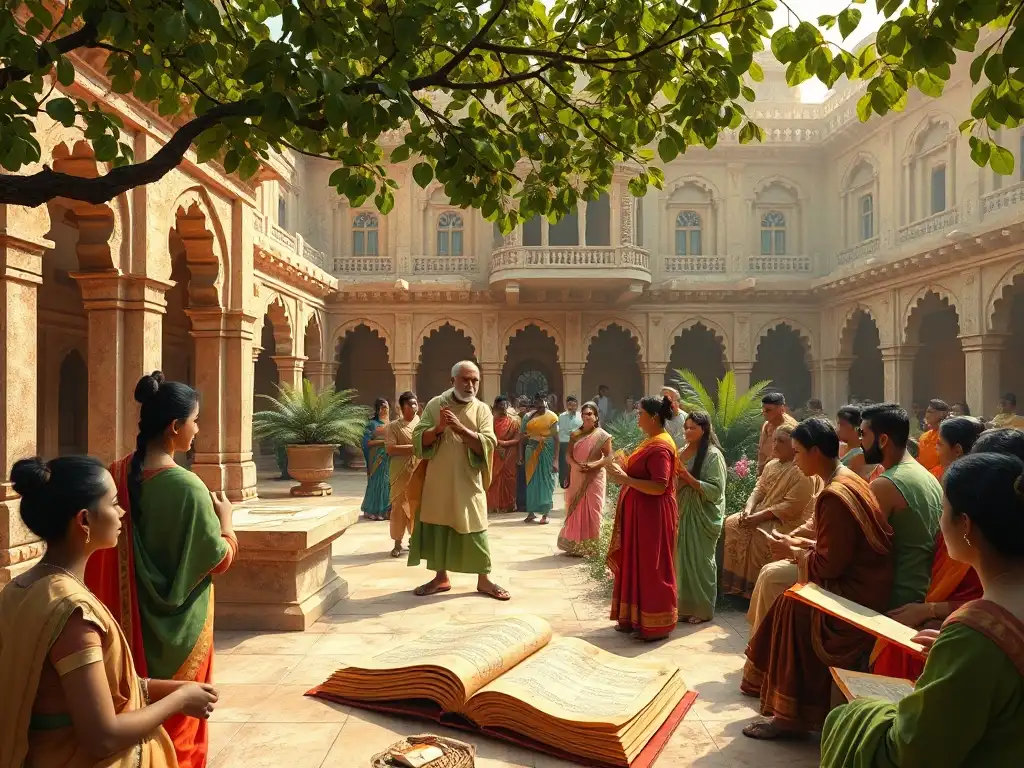
Use of Pali in Monastic Education
Pali, the liturgical language of Theravada Buddhism, played a pivotal role in the monastic education systems of ancient India. Monasteries served not only as religious centers but also as institutions of learning, where monks were trained in the doctrines of Buddhism, philosophy, and ethics. The curriculum was primarily oral, emphasizing memorization and recitation of texts, which were originally composed in Pali.
- Textual Foundations: The Tipitaka (or Pali Canon) consists of three "baskets": the Vinaya Pitaka (rules for monastic discipline), the Sutta Pitaka (discourses of the Buddha), and the Abhidhamma Pitaka (philosophical and doctrinal analysis). These texts were fundamental to the education and spiritual development of monks.
- Methods of Instruction: Monastic education employed various pedagogical methods, including:
- Chanting: Regular recitation of texts helped in internalizing teachings.
- Debate: Monks engaged in dialectical debates to sharpen their understanding and articulate their thoughts.
- Meditation Practices: Alongside textual study, meditation was an integral part of the curriculum, fostering a deeper comprehension of Buddhist philosophy.
This structured approach to education in Pali ensured that the teachings of Buddhism were preserved and transmitted through generations, significantly shaping the spiritual landscape of ancient India.
Use of Prakrit in Secular Education
Prakrit languages, being the vernacular of the people during ancient times, were crucial for secular education in India. Unlike Pali, which was largely confined to monastic settings, Prakrit was accessible to the general populace and thus played a significant role in various educational institutions, including schools and informal learning environments.
- Languages of the People: Prakrit served as a medium for literature, drama, and poetry, which were essential components of the secular education system. Texts written in Prakrit, such as the Panchatantra and the Ashvaghosha's plays, were pivotal in teaching moral lessons and cultural values.
- Diverse Educational Settings: Prakrit was utilized in:
- Gurukuls: Where students learned under the guidance of a guru.
- Public Assemblies: Knowledge was often disseminated through public speeches and performances in local dialects, making education more relatable.
- Cultural Transmission: The use of Prakrit in education facilitated the transmission of cultural narratives and local traditions, making learning more relevant to the everyday lives of students.
Prakrit's role in secular education ensured that knowledge was not confined to the elite but was spread across various strata of society, fostering a literate and informed populace.
Influence on the Curriculum of Ancient Indian Schools
The curriculum of ancient Indian schools was heavily influenced by both Pali and Prakrit, reflecting the diverse linguistic landscape of the time. The integration of these languages into educational systems not only enriched the curriculum but also shaped the intellectual heritage of ancient India.
- Multilingual Education: Students were often taught in multiple languages, including Sanskrit, Pali, and Prakrit, which created a multilingual educational environment. This approach enhanced cognitive flexibility and cultural literacy among students.
- Core Subjects: The subjects taught included:
- Philosophy and Ethics: Drawing from Pali texts and Buddhist teachings.
- Literature and Poetry: Utilizing Prakrit to explore local narratives and drama.
- Mathematics and Astronomy: These subjects were often grounded in Sanskrit but incorporated local terminologies from Prakrit for broader understanding.
- Cultural and Moral Education: The use of Pali and Prakrit allowed educators to instill cultural values and ethical teachings, essential for the holistic development of students. The moral stories and philosophical discourses provided a framework for understanding one's place in society and the cosmos.
The dual influence of Pali in monastic education and Prakrit in secular education contributed significantly to the development of ancient Indian education systems, creating a rich tapestry of knowledge that shaped the intellectual and cultural heritage of the region.
Educational Institutions of Ancient India
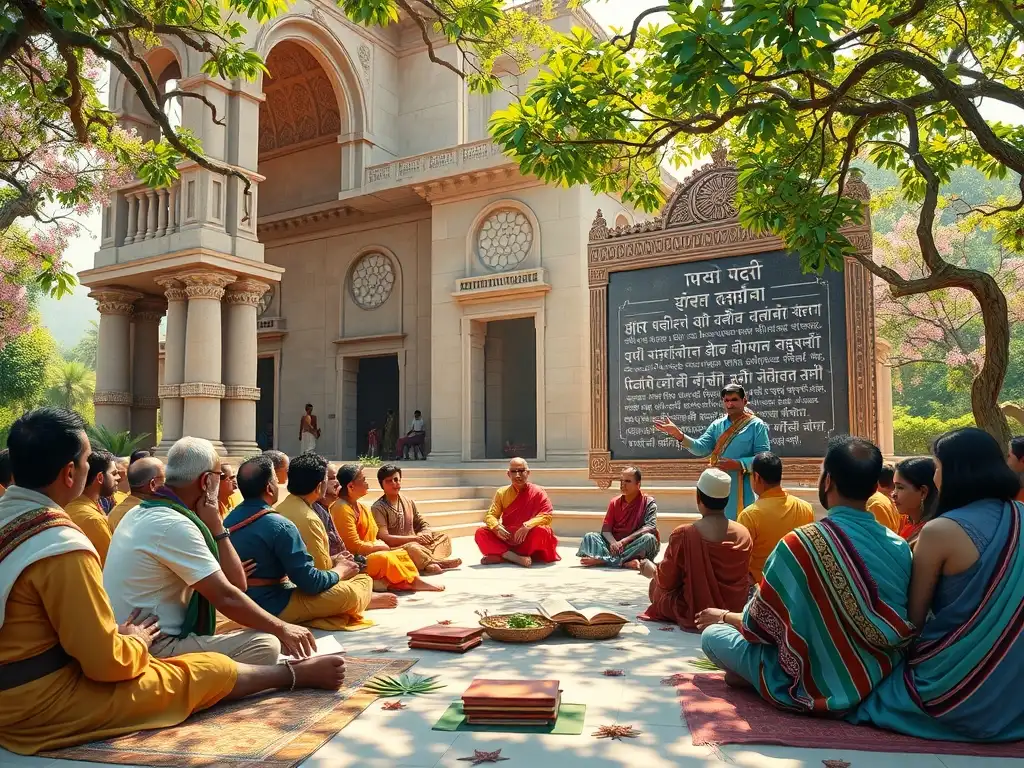
Nalanda University: A Hub for Pali and Prakrit Studies
Nalanda University, established in the 5th century CE, stands as one of the most significant educational institutions of ancient India, renowned for its extensive scholarship in various fields, including philosophy, medicine, and languages. Among its many contributions, Nalanda played a pivotal role in the study and dissemination of Pali and Prakrit languages.
Students from across Asia, including China, Korea, and Tibet, flocked to Nalanda to immerse themselves in its rich curriculum, which emphasized the importance of these languages in understanding Buddhist texts and teachings. The university hosted an impressive roster of scholars, such as the eminent philosopher Nagarjuna and the renowned monk Xuanzang, contributing to a vibrant academic atmosphere.
The curriculum at Nalanda included specialized courses in Pali and Prakrit grammar, literature, and translation. The institution utilized texts like the Tripitaka, which were written in Pali, to teach students the nuances of the language. This focus not only helped preserve these languages but also facilitated the exchange of ideas across cultures, making Nalanda a beacon of knowledge in ancient Indian education.
Takshashila: The Role of Languages in Its Curriculum
Takshashila, often considered the first university in the world, dates back to around the 6th century BCE. Located in what is now modern-day Pakistan, this ancient educational center was instrumental in the study of various subjects, including linguistics, philosophy, and the arts. The role of languages, particularly Pali and Prakrit, was integral to the curriculum offered at Takshashila.
At Takshashila, students were exposed to multiple languages, promoting a multilingual education system. Pali was particularly significant due to its association with the Buddhist texts, while Prakrit languages were crucial for understanding local dialects and vernacular literature. The institution fostered a practical approach to language learning, encouraging students to engage in discussions and debates, which enriched their understanding and fluency.
The educational framework at Takshashila was characterized by its emphasis on oral transmission of knowledge. This method of instruction not only reinforced language skills but also ensured that students could articulate complex philosophical ideas effectively. The legacy of Takshashila in promoting linguistic diversity continues to hold relevance, highlighting the importance of language in ancient Indian education systems.
Other Notable Institutions and Their Language Contributions
Apart from Nalanda and Takshashila, several other notable institutions contributed significantly to the study of Pali and Prakrit as part of ancient Indian education systems.
- Vikramshila University: Founded during the reign of the Pala dynasty in the 8th century CE, Vikramshila became a prominent center for Buddhist studies. The university emphasized the study of Pali scriptures and the dialects of Prakrit, training scholars who would later become influential in spreading Buddhist philosophy throughout Asia.
- Odantapuri: This lesser-known university was established around the same time as Nalanda and focused on Buddhist teachings. Odantapuri also offered courses in Pali and Prakrit, highlighting their significance in religious and literary contexts.
- Kanchi University: Located in Tamil Nadu, Kanchi was known for its curriculum that included a strong emphasis on both Pali and Prakrit. Scholars here contributed to the development of texts in these languages, which played a critical role in the preservation of ancient literature.
These institutions illustrate the rich tapestry of ancient Indian education systems, where Pali and Prakrit were not merely subjects of study but vital tools for philosophical inquiry, cultural exchange, and literary expression. The contributions of these universities ensured the survival and evolution of these languages, reflecting their importance in the broader context of ancient Indian civilization.
The Impact of Ancient Indian Education Systems on Pali and Prakrit
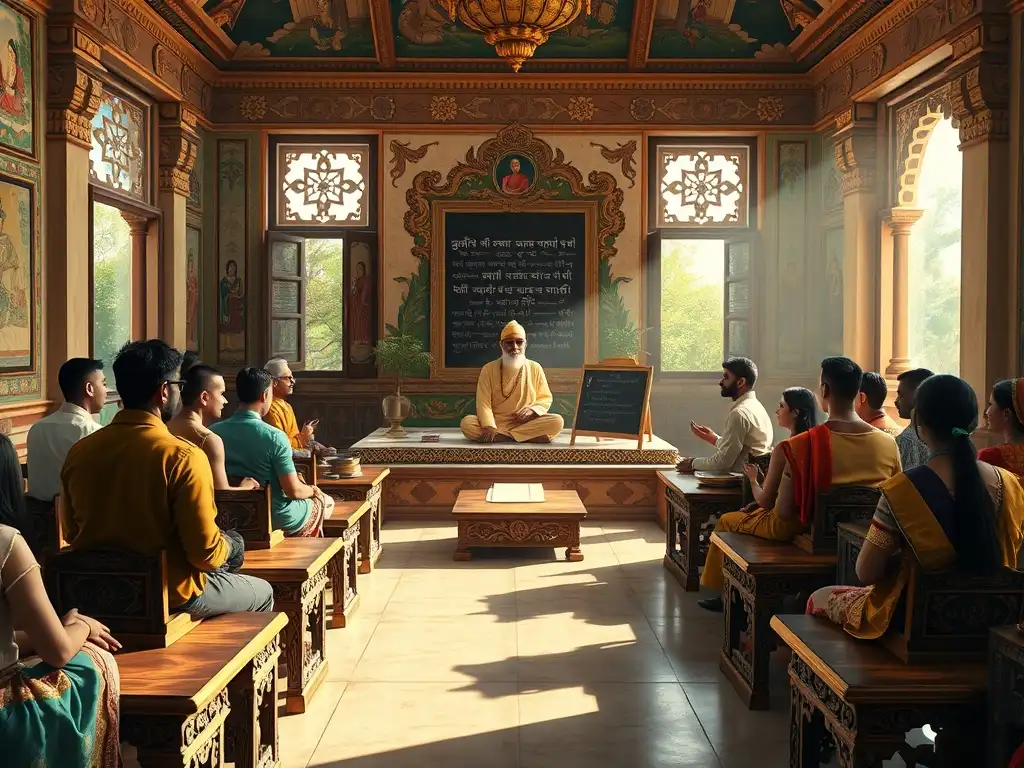
Pali and Prakrit as Mediums of Instruction
The ancient Indian education systems, particularly those established during the Vedic, Mauryan, and post-Mauryan periods, played a crucial role in the development and dissemination of the Pali and Prakrit languages. These languages emerged as significant mediums of instruction, especially in Buddhist monastic schools and the early universities like Nalanda and Takshashila.
- Monastic Schools: Pali was predominantly used in Buddhist monastic institutions, where it served as the language for teaching the teachings of Buddha. The Tipitaka, or Pali Canon, is a comprehensive collection of texts that were taught and recited in these monasteries, highlighting the importance of Pali in religious and philosophical education.
- Prakrit Languages: Prakrit languages, being more accessible to the common people, were utilized in various educational settings to facilitate learning. These languages often bridged the gap between the elite Sanskrit tradition and the vernacular speech of the masses. The use of Prakrit in instruction ensured that a larger segment of the population could participate in and benefit from educational practices.
Preservation of Texts and Literature in Ancient Education
The ancient Indian education systems were instrumental in the preservation of texts and literature in both Pali and Prakrit. This preservation took place through various methods:
- Oral Tradition: The oral transmission of knowledge was a key feature of ancient education. Monks and scholars memorized texts in Pali and Prakrit, ensuring their survival across generations. This method was especially significant in the Buddhist tradition, where recitation and memorization were paramount.
- Written Manuscripts: The advent of writing further enhanced the preservation efforts. Texts were inscribed on palm leaves and birch bark, leading to the creation of manuscripts that contained philosophical discourses, poetry, and religious teachings. Notable works in Prakrit, such as the Panchatantra and Gatha Saptashati, reflect the literary richness preserved through ancient educational practices.
- Translation Efforts: Scholars engaged in translating important texts into Pali and Prakrit from languages like Sanskrit and regional dialects. This not only enriched these languages but also made the ideas accessible to a broader audience, further embedding them into the educational fabric of ancient India.
Contributions of Ancient Scholars to Language Development
Ancient Indian scholars made significant contributions to the development of Pali and Prakrit languages, influenced by the educational systems of their time. These contributions can be categorized as follows:
- Grammar and Linguistics: Scholars like Panini and Katyayana, though primarily associated with Sanskrit, laid foundational work in grammar that influenced the structure of Prakrit. Their insights into linguistic rules facilitated the formal recognition and standardization of Prakrit languages, leading to a more structured educational approach.
- Literary Works: Poets and playwrights such as Kalidasa and Bhasa, while predominantly writing in Sanskrit, also contributed to the Prakrit tradition through their works. This cross-pollination of languages enriched the educational content available in ancient Indian institutions.
- Philosophical Texts: The philosophical writings of Buddhist scholars, such as Nagarjuna and Asanga, were often composed in Pali. Their texts not only advanced philosophical discourse but also served as educational material, influencing the scholarly community and promoting the use of Pali in higher education.
The impact of ancient Indian education systems on Pali and Prakrit is profound, shaping not only the mediums of instruction but also facilitating the preservation and development of these languages. Through a blend of oral tradition, written manuscripts, and scholarly contributions, the educational practices of ancient India have left an indelible mark on the linguistic landscape of the region.
Conclusion
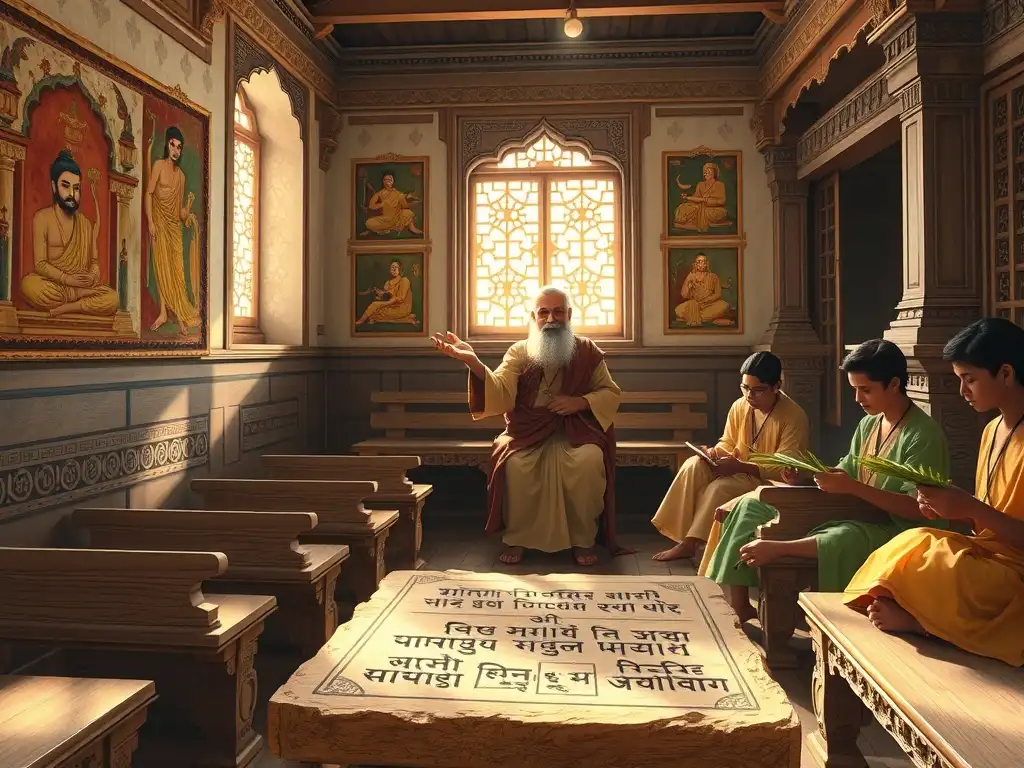
Summary of Pali and Prakrit in the Context of Ancient Indian Education Systems
Pali and Prakrit languages played a pivotal role in shaping the educational landscape of ancient India. These languages were not mere tools of communication; they were integral to the transmission of knowledge, culture, and philosophy.
- Pali: Primarily associated with the Theravada Buddhist texts, Pali became the medium through which Buddhist teachings were disseminated. Its use in monastic education helped preserve the teachings of the Buddha and made them accessible to a wider audience. This democratization of knowledge was crucial in fostering a scholarly environment where individuals, regardless of their social standing, could engage with Buddhist philosophy.
- Prakrit: On the other hand, Prakrit encompassed a range of vernacular languages spoken across different regions of India. It served as a bridge between the elite Sanskrit tradition and the common populace. The use of Prakrit in literature, drama, and poetry allowed for a rich cultural exchange and made education more inclusive. Texts written in Prakrit reflected the socio-cultural diversity of ancient Indian society, catering to various local dialects and customs.
Together, these languages facilitated a unique educational paradigm that emphasized oral traditions, storytelling, and community engagement. The emphasis on accessibility and inclusivity in education during this period laid the foundations for future educational systems in India.
Lasting Legacy of Ancient Indian Languages in Education
The legacy of Pali and Prakrit in ancient Indian education systems is profound and continues to resonate in contemporary educational practices. The impact of these languages can be analyzed through several key aspects:
- Cultural Preservation: The texts written in Pali and Prakrit have preserved ancient Indian philosophies, religious practices, and cultural narratives. This preservation is vital for understanding the evolution of Indian thought and education.
- Inclusion in Education: The use of vernacular languages like Prakrit in teaching not only made education more relatable but also encouraged the participation of various social strata. This inclusive approach is reflected in modern educational initiatives aimed at promoting mother-tongue education.
- Interdisciplinary Learning: The teachings embedded in Pali and Prakrit texts often intersect with various disciplines such as philosophy, ethics, and linguistics. This interdisciplinary approach fosters critical thinking and holistic education.
- Influence on Modern Languages: The evolution of languages in India owes much to the foundations laid by Pali and Prakrit. Many contemporary Indian languages have evolved from these ancient tongues, demonstrating their enduring influence on regional dialects and educational content.
The contributions of Pali and Prakrit to ancient Indian education systems are invaluable. They not only enriched the educational practices of their time but also established a framework that promotes inclusivity and diverse knowledge transmission, principles that remain relevant in today’s educational discourse.
Frequently Asked Questions
What are Pali and Prakrit in relation to ancient Indian education systems?
Pali and Prakrit are ancient languages used in Indian literature and education. They played a significant role in the transmission of knowledge and the development of early educational frameworks in ancient India.
How did ancient Indian education systems incorporate Pali and Prakrit?
Ancient Indian education systems utilized Pali and Prakrit as mediums of instruction, particularly in Buddhist and Jain texts, which facilitated access to philosophical and religious teachings for a broader audience.
What was the significance of language in ancient Indian education?
Language was pivotal in ancient Indian education as it enabled the preservation and dissemination of knowledge. The use of vernacular languages like Pali and Prakrit made education more accessible to the common people.
How did the Gupta Empire influence ancient Indian education systems?
The Gupta Empire is often referred to as the Golden Age of India, where education flourished. It promoted the use of Sanskrit alongside Pali and Prakrit, leading to advancements in arts, sciences, and literature.
What contributions did ancient Indian education systems make to modern education?
Ancient Indian education systems laid the groundwork for structured learning and curriculum development. They emphasized the importance of oral tradition, debate, and critical thinking, which continue to influence modern educational practices today.
Final Reflection: The Enduring Legacy of Ancient Indian Education Systems
The exploration of Pali and Prakrit within the framework of ancient Indian education systems reveals a profound connection to our contemporary understanding of knowledge and learning. These languages not only served as mediums of instruction but also encapsulated the philosophical and cultural ethos of their time. Today, as we navigate an increasingly complex educational landscape, the insights gleaned from these ancient practices remind us of the importance of language, culture, and context in shaping effective learning environments.
The influence of ancient Indian education systems, particularly through the use of Pali and Prakrit, continues to resonate in modern educational discourse. The emphasis on holistic learning, critical thinking, and the integration of diverse perspectives remains relevant as we strive to cultivate well-rounded individuals. As Mahatma Gandhi once said, “Live as if you were to die tomorrow. Learn as if you were to live forever.” This quote encapsulates the essence of lifelong learning that was deeply embedded in the ancient educational philosophies of India.
As we reflect on the lessons of the past, let us commit to embracing the principles of ancient Indian education systems in our own lives. Consider how you can incorporate the values of inquiry, cultural appreciation, and collaborative learning into your daily practices. By doing so, we not only honor the legacy of Pali and Prakrit but also contribute to a richer, more inclusive educational future for ourselves and generations to come.
Unveil the Richness of Ancient Indian Education!
Thank you for diving into the fascinating world of Pali and Prakrit in ancient Indian education. Your curiosity brings you closer to understanding the profound impact of these languages on learning and culture. Now, let's take this knowledge a step further!
Here’s how you can deepen your exploration and engage with this captivating topic:
- Join an online discussion group focused on ancient languages to share insights and learn from others.
- Visit a local library or digital archive to discover ancient texts in Pali and Prakrit—experience this history in a vibrant way!
- Consider hosting a discussion with friends or family about the significance of language in shaping culture.
What new insights about Pali and Prakrit can you share with your community today?