
The Role of Guilds in the Gupta Artistic Community

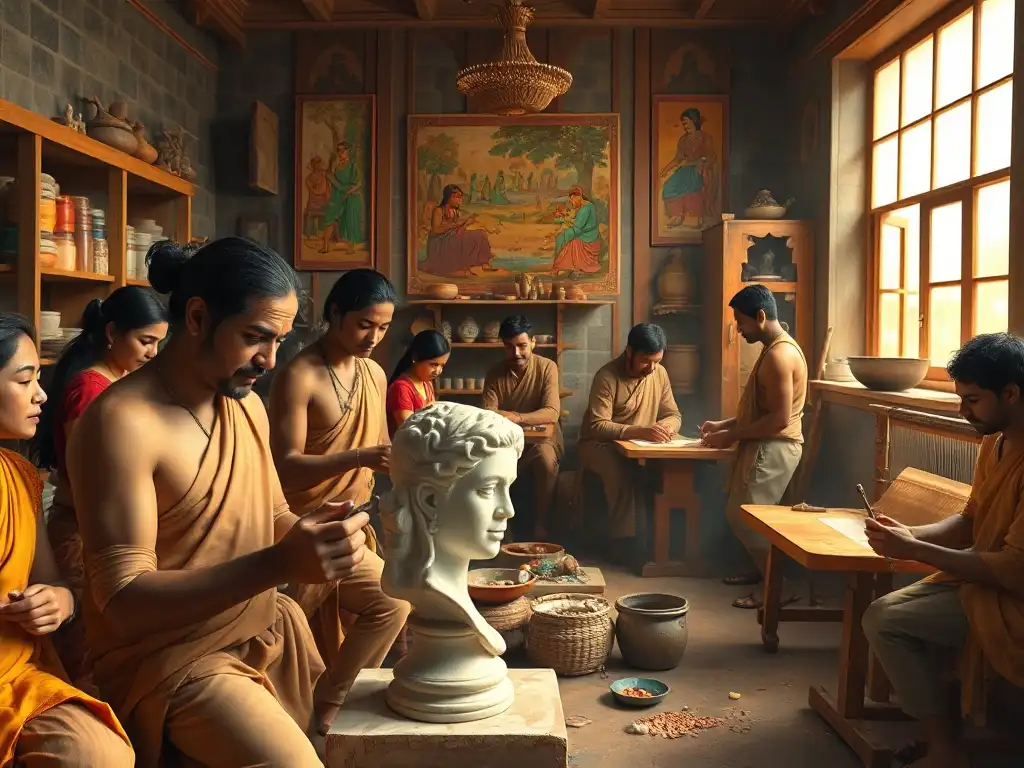
Welcome to Ancient India History, where we embark on an enlightening journey through the vibrant tapestry of India's past. In our featured article, "The Role of Guilds in the Gupta Artistic Community," we delve into the fascinating world of Gupta Empire artistic guilds history. Discover how these guilds shaped the artistic landscape, fostering creativity and collaboration during one of India's golden ages. What secrets lie within the masterpieces created by these skilled artisans? Join us as we unravel the stories that breathe life into ancient Indian civilizations, sparking your curiosity to explore further!
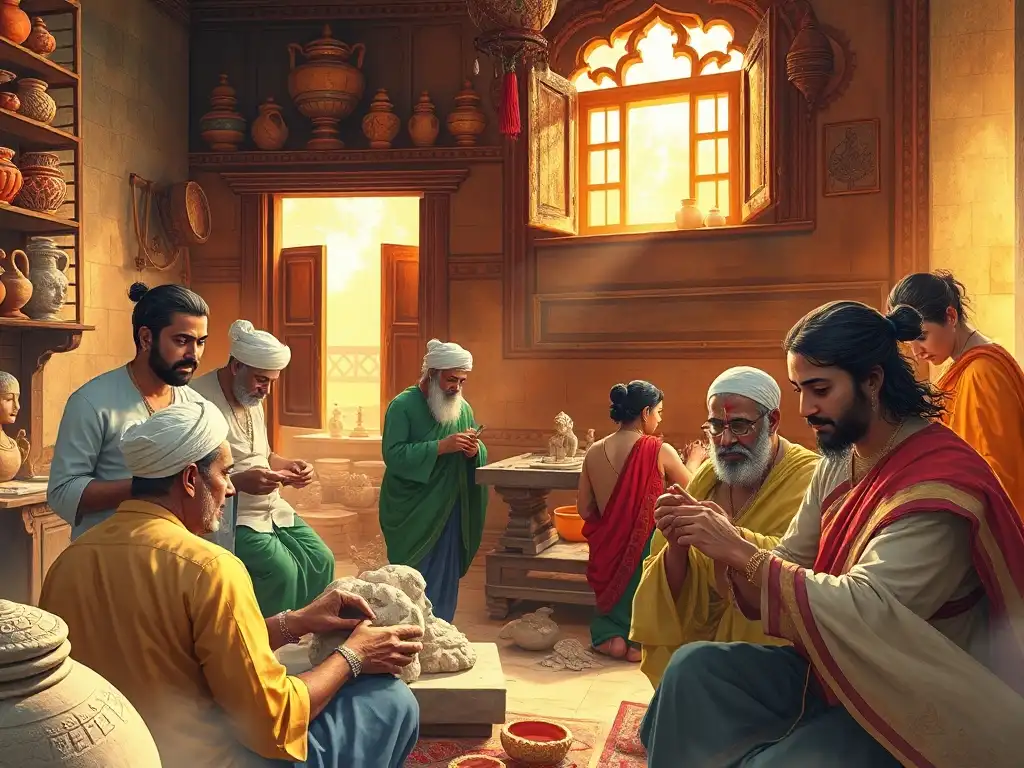
Introduction to Gupta Empire Artistic Guilds History
The Gupta Empire, often referred to as the Golden Age of India, thrived from approximately 320 to 550 CE and is renowned for its remarkable advancements in art, culture, and science. Within this vibrant landscape, artistic guilds emerged as pivotal institutions that not only fostered creativity but also structured the economic and social fabric of the period.
These guilds played a crucial role in the development and dissemination of artistic techniques, styles, and cultural values, thus significantly contributing to the rich tapestry of Gupta artistic heritage. This article delves into the history of these guilds, examining their formation, significance, and the context in which they flourished, ultimately highlighting their enduring impact on ancient Indian civilization.
Overview of the Gupta Empire
The Gupta Empire marked a period of unprecedented prosperity and cultural development in ancient India. Established by Chandragupta I, the empire reached its zenith under the reign of Chandragupta II, also known as Vikramaditya. During this era, there was a proliferation of artistic expressions, including sculpture, painting, and architecture, characterized by intricate craftsmanship and profound themes reflecting religious and philosophical ideas.
- Key Features of the Gupta Empire:
- Political Stability: The Gupta rulers established a centralized administration that contributed to security and economic growth.
- Cultural Flourishing: The period saw the emergence of classical Sanskrit literature, advancements in science, and the establishment of significant educational institutions like Nalanda.
- Religious Syncretism: While Hinduism flourished, Buddhism and Jainism also received patronage, leading to a rich confluence of cultural influences.
Significance of Artistic Guilds in Ancient India
Artistic guilds in ancient India were associations of craftsmen, artists, and skilled laborers who collaborated to enhance their crafts and maintain quality standards. These guilds served several vital functions:
- Skill Development: Guilds provided training and apprenticeship opportunities, ensuring the transmission of skills and techniques across generations.
- Economic Support: Members benefited from collective bargaining, access to resources, and shared market information, which enabled them to thrive economically.
- Cultural Preservation: By promoting specific artistic styles and traditions, guilds played a crucial role in preserving the cultural heritage of the region.
- Social Cohesion: Guilds fostered a sense of community and identity among craftsmen, providing social support and networks that extended beyond economic transactions.
Historical Context of Artistic Guilds in the Gupta Empire
Development of Guilds During the Gupta Period
The Gupta period saw a formalization and expansion of guilds, leading to a more structured artistic community. The rise of urban centers and trade routes facilitated the growth of these organizations, which became instrumental in the flourishing of arts and crafts. Notable developments included:
- Specialization: Guilds began to focus on specific crafts, such as metalwork, textiles, and sculpture, leading to enhanced quality and innovation.
- Patronage: Artists and craftsmen often received patronage from royal families and wealthy merchants, linking guilds directly to the broader socio-economic framework of the empire.
- Regulatory Framework: Some guilds established their own regulations and standards, ensuring a level of quality and ethical practices within their trades.
Influence of Earlier Indian Guild Systems
The foundations for Gupta artistic guilds can be traced back to earlier Indian guild systems, such as those present during the Mauryan period. These earlier associations provided a model for organization, trade practices, and cultural exchange that the Gupta guilds would adopt and adapt. Key influences included:
- Historical Precedents: The existence of guilds in earlier periods established a tradition of collective craftsmanship and mutual support.
- Cultural Continuity: The techniques, styles, and artistic philosophies developed during previous eras were integrated into Gupta art, creating a rich continuity in Indian artistic expression.
- Adaptation and Evolution: As the Gupta Empire expanded, guilds adapted to new cultural influences and trade practices, further enriching the artistic landscape.
The exploration of these themes will reveal the intricate relationship between guilds and the artistic community during the Gupta Empire, shedding light on their essential role in shaping the era's cultural legacy.
Structure and Organization of Gupta Artistic Guilds
The Gupta Empire, often celebrated as a golden age of art and culture in ancient India, witnessed the emergence of various artistic guilds that played a pivotal role in shaping its cultural landscape. These guilds, known as śrenis, functioned as associations of artisans and craftsmen, providing a structured framework for collaboration, training, and the exchange of ideas among skilled workers. The organization of these guilds was hierarchical, typically consisting of a head artisan or master craftsman (known as the adhikāra), along with a council of senior members who oversaw various activities.
Membership in a guild was often hereditary, meaning skills and knowledge were passed down through generations. This not only ensured a continuity of craftsmanship but also fostered a strong sense of community among artisans. Guilds were also known to have their own set of rules and regulations governing work ethics, pricing, and the quality of materials used, which helped maintain standards within the industry. Such structures allowed for specialization in various artistic disciplines, enabling artisans to focus on their craft while benefiting from the collective resources and support of their guild.
Types of Guilds in the Gupta Artistic Community
The Gupta artistic community comprised several types of guilds, each specializing in different forms of art and crafts. Noteworthy among these were:
- Sculptors' Guilds: Focused on the creation of statues and reliefs, these guilds were instrumental in producing intricate stone carvings that adorned temples and public spaces.
- Metalworkers' Guilds: Specializing in the crafting of metal objects, including coins, utensils, and decorative items, these guilds demonstrated advanced techniques in metallurgy and casting.
- Weavers' Guilds: Responsible for the production of textiles, these guilds not only created beautiful fabrics but also played a crucial role in the trade of goods, enhancing the empire's economic prosperity.
- Painters' Guilds: These guilds were dedicated to the art of painting, both on walls and on portable canvases, contributing significantly to the visual culture of the Gupta period through frescoes and manuscript illustrations.
Each type of guild had its unique practices and traditions, yet they all shared a common goal: to promote and preserve the artistic heritage of the Gupta Empire.
Roles and Responsibilities within Guilds
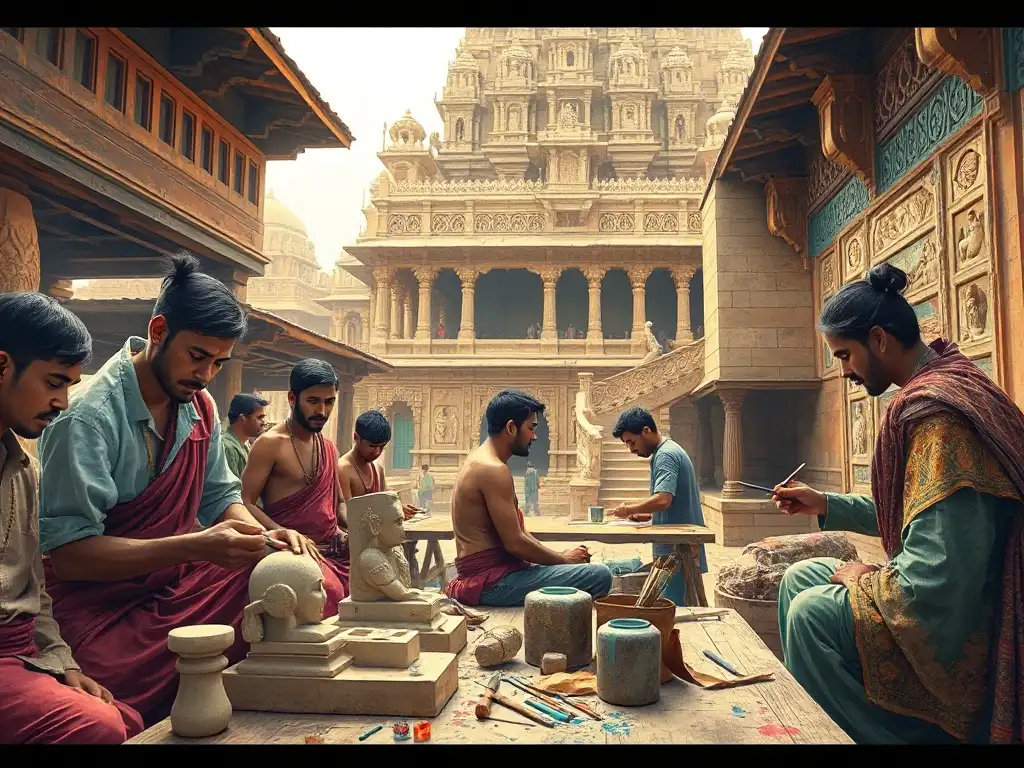
Within the artistic guilds of the Gupta Empire, roles and responsibilities were clearly delineated, contributing to the efficient functioning of the community. Key positions included:
- Master Craftsman (Adhikāra): The leader of the guild, responsible for overseeing all artistic production and ensuring adherence to quality standards.
- Journeymen: Skilled artisans who had completed their apprenticeships and were involved in the production of artworks and crafts under the guidance of the master.
- Apprentices: Young learners who were trained in various artistic techniques, often living with the master craftsman to gain hands-on experience.
- Quality Inspectors: Members tasked with maintaining the standards of craftsmanship, ensuring that all products met the guild's specifications before they reached the market.
Guild members collaborated closely, sharing expertise and resources, which fostered innovation and creativity within their respective fields. This division of labor not only enhanced productivity but also allowed for the preservation of traditional techniques, ensuring that the rich artistic legacy of the Gupta Empire was maintained.
Contributions of Guilds to Gupta Art and Culture
The contributions of guilds to Gupta art and culture were profound and far-reaching. They were not merely centers of production; they functioned as cultural hubs that facilitated the exchange of ideas, techniques, and artistic styles across the empire. The collaborative nature of these guilds enabled them to:
- Elevate Artistic Standards: By enforcing quality control and sharing best practices, guilds raised the overall standard of art and craftsmanship, leading to innovative and exquisite works.
- Encourage Diverse Artistic Expression: The variety of guilds allowed for a fusion of styles and techniques, resulting in a rich tapestry of artistic expressions that reflected the diverse cultural influences within the empire.
Impact on Sculpture and Architecture
The influence of guilds on sculpture and architecture during the Gupta period is particularly noteworthy. Guilds specialized in stone carving produced magnificent sculptures that adorned temples, depicting deities and mythological narratives with remarkable detail and artistry. The architectural guilds played a critical role in the construction of iconic structures, employing advanced techniques in planning and design. The intricate relief work and monumental sculptures found in temples, such as those in Sanchi and Udayagiri, are testaments to the skill and creativity fostered within these guilds.
Influence on Painting and Decorative Arts
In the realm of painting and decorative arts, guilds significantly impacted the visual culture of the Gupta Empire. The emergence of vibrant frescoes and intricate manuscript illustrations showcased the artistic prowess of these guilds. Painters collaborated closely with sculptors and architects, often creating harmonious designs that complemented the overall aesthetic of buildings and sculptures. The use of vivid colors and detailed narratives in their work reflected the rich cultural and religious life of the era, making Gupta art a critical component of India's artistic heritage.
Preservation of Traditional Craft Techniques
Guilds played a crucial role in the preservation of traditional craft techniques, ensuring that knowledge was passed down through generations of artisans. By maintaining rigorous training programs and adhering to established methods, guilds safeguarded the skills required for various crafts. This preservation was vital not only for the continuation of artistic practices but also for the cultural identity of the Gupta Empire. The meticulous attention to detail and dedication to craft that guilds instilled in their members contributed to the enduring legacy of Gupta art, influencing subsequent generations of artisans in India and beyond.
Economic Aspects of Gupta Artistic Guilds
The Gupta Empire, often referred to as a golden age of Indian history, saw significant advancements in various fields, including art and culture. Central to these developments were the artistic guilds, which played a crucial economic role in the empire. These guilds functioned as organized units that not only facilitated the production of art but also contributed to the broader economic framework of the Gupta society.
Guilds as Economic Units in the Gupta Empire
Artistic guilds in the Gupta Empire operated as autonomous economic units, often consisting of skilled artisans, craftsmen, and artists who specialized in various forms of artistic expression, including sculpture, painting, and textiles. These guilds were organized in such a way that they could efficiently manage resources, share knowledge, and uphold quality standards within their respective trades.
The structure of these guilds allowed for collective bargaining, which was essential in securing favorable terms for their members when dealing with patrons, including temples, royal courts, and wealthy merchants. By pooling their resources, guild members could invest in higher-quality materials and more complex projects, thus enhancing the overall quality of their output.
Additionally, the guilds had a significant role in the apprenticeship system, where young artisans were trained under the guidance of experienced masters. This not only ensured the preservation of traditional techniques but also contributed to the economic stability of the guild by maintaining a continuous supply of skilled labor.
Trade and Commerce Related to Artistic Productions
The artistic guilds were deeply intertwined with trade and commerce in the Gupta Empire. As the empire expanded, so did trade routes, which facilitated the exchange of goods, ideas, and artistic techniques. Guilds often engaged in the production of goods specifically for trade, which included decorative items, religious artifacts, and textiles.
Moreover, these guilds participated in local and regional markets, where their products could reach a wider audience. This commercial activity was vital for the economy, as it provided artisans with the means to earn a livelihood while also contributing to the wealth of the empire.
The rise of urban centers during the Gupta period further bolstered this economic model, as cities served as hubs for both artistic production and commerce. Artisans collaborated with merchants to create products that met market demands, leading to innovations and a diversification of artistic styles.
Case Studies of Prominent Gupta Artistic Guilds
The Gupta Empire was home to several notable artistic guilds, each making substantial contributions to the cultural and artistic landscape of the period. By examining specific examples, we can gain a deeper understanding of their operations and impacts.
Notable Guilds and Their Contributions
One prominent guild was the Shilpakaras, known for their expertise in stone sculpture. This guild produced some of the most exquisite sculptures found in temples across the region, including the famous carvings at the Dashavatara Temple in Deogarh. These artisans were responsible for the intricate detailing and the life-like representations that characterized Gupta art.
Another significant guild was the Chitrakaras, who specialized in painting. They played a crucial role in the development of fresco techniques, as seen in the Ajanta Caves, where their work depicted narratives from Buddhist texts with remarkable vibrancy and emotion. The contributions of these guilds not only enriched the artistic heritage of the Gupta Empire but also influenced subsequent generations of artists.
Analysis of Specific Artistic Projects
Examining specific projects provides insight into the collaborative efforts within these guilds. For instance, the construction and decoration of the Buddhist rock-cut caves in Ajanta involved multiple guilds, including stone masons, painters, and metalworkers. These projects required coordination and a shared vision, showcasing the guilds' ability to work together on large-scale artistic endeavors.
Additionally, the temple complexes built during the Gupta period often featured contributions from various guilds, with each guild bringing its unique expertise to the project. This collaborative approach not only ensured high-quality craftsmanship but also allowed for a fusion of styles and techniques across different artistic disciplines.
The artistic guilds of the Gupta Empire were pivotal in shaping the economic landscape and cultural heritage of the time. Their collective efforts in art production, commerce, and skill development helped to create a thriving artistic community that left a lasting legacy in ancient Indian history.
Challenges Faced by Gupta Artistic Guilds
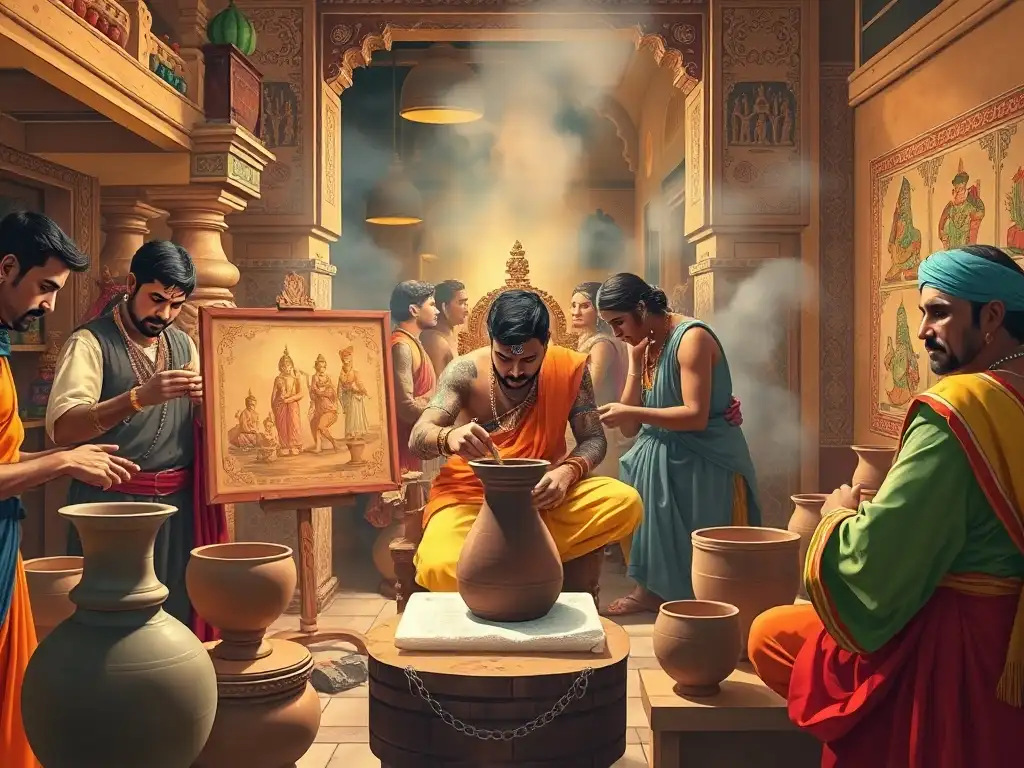
The artistic guilds during the Gupta Empire, despite their significant contributions to art and culture, encountered various challenges that impacted their operations and the quality of their output. These challenges stemmed from economic, social, and political dynamics of the time, which shaped the guilds' ability to thrive in a competitive artistic landscape.
Socio-Political Factors Affecting Guilds
One of the primary socio-political factors affecting the guilds was the fluctuating patronage from the ruling elite. The Gupta Empire is known for its cultural renaissance, but as political stability wavered towards the latter part of the empire, so did the financial support for these guilds. Without consistent patronage from kings and wealthy merchants, guilds struggled to maintain their workshops and recruit skilled artisans. Additionally, the rise of local power dynamics and feudal lords often led to rivalries, which could distract from the guilds' artistic pursuits and diminish their influence in the broader socio-political context.
Furthermore, the increasing stratification of society during the Gupta era created barriers for artisans. Guilds were often composed of members from specific communities or castes, which could restrict the exchange of ideas and styles across different artistic traditions. This insularity sometimes limited innovation, as guild members may have felt pressured to adhere to traditional practices rather than explore new artistic avenues.
Decline of Guild Influence towards the End of the Gupta Empire
As the Gupta Empire began to decline in the late 5th century, the influence of artistic guilds also waned. The weakening central authority and the increasing invasions by foreign powers, such as the Huns, disrupted trade routes and economic stability, which were vital for the flourishing of artistic practices. Many artisans found themselves without patrons and were forced to abandon their crafts or seek alternative livelihoods.
The fragmentation of the Gupta Empire led to a decline in the cohesive artistic identity that guilds had previously enjoyed. As regional powers emerged, they often favored different styles and practices, leading to a dilution of the Gupta aesthetic. In this environment, the guilds struggled to adapt, resulting in a loss of their former prestige and significance in the artistic community.
Conclusion: The Legacy of Gupta Artistic Guilds
The legacy of Gupta artistic guilds is marked by their crucial role in shaping the art and culture of ancient India. Despite facing numerous challenges, these guilds contributed significantly to the development of various artistic forms, including sculpture, painting, and architecture. Their collaborative nature fostered a rich exchange of ideas and techniques that would leave a lasting imprint on Indian art.
Lasting Impact on Indian Art and Culture
The artistic practices and styles developed by Gupta guilds laid the groundwork for subsequent generations of artists. The intricacies of sculpture and the elegance of paintings, particularly those found in Ajanta and Ellora caves, reflect the rich traditions established by these guilds. Many of the themes and motifs that originated during the Gupta period continued to influence Indian art well into the medieval and modern eras. The craftsmanship showcased by guild members is still celebrated today for its beauty and technical proficiency.
Reflection on the Role of Guilds in Artistic Development
In retrospect, the role of guilds in the Gupta artistic community can be viewed as a double-edged sword. While they provided a structured environment for artists to develop their skills and share knowledge, the socio-political challenges they faced ultimately hindered their potential. Nevertheless, the resilience and creativity of these guilds contributed significantly to the cultural fabric of ancient India, ensuring that their legacy endures in the annals of artistic history. Their story serves as a reminder of the complexities involved in the evolution of art, shaped by both collaborative efforts and external pressures.
References and Further Reading on Gupta Empire Artistic Guilds History
Understanding the intricacies of the Gupta Empire's artistic guilds requires a blend of primary and secondary sources that illuminate the socio-economic and cultural contexts of the time. Below are key sources and suggested literature that provide valuable insights into the guilds' roles and significance within the artistic community of ancient India.
Key Sources for Understanding Guilds in Ancient India
- Archaeological Reports and Findings:
- Excavations in regions like Ujjain and Sarnath have yielded artifacts and remnants that highlight the craftsmanship of the period. Reports from these digs often include details about the guilds that produced them, offering a glimpse into their operations and significance.
- Historical Texts:
- "The Arthashastra" by Kautilya: This ancient Indian treatise on statecraft and economics discusses the role of guilds in trade and craft. It provides a foundational understanding of how guilds functioned within the broader economic and social framework of the Gupta Empire.
- "The Rajatarangini" by Kalhana: Although primarily a historical chronicle of Kashmir, it contains references to the artistic and cultural practices prevalent during the Gupta period, including the influence of guilds.
- Epigraphic Evidence:
- Inscriptions found on temples and monuments often mention guilds by name, indicating their patronage of artisans and their contributions to public works. These inscriptions help trace the lineage and impact of specific guilds.
- Numismatic Studies:
- Coins from the Gupta period often bear artistic designs that reflect the craftsmanship of guilds. Studies focusing on the iconography and metallurgy of these coins can provide insights into the guilds' artistic contributions.
Suggested Literature for Deeper Insight into Gupta Art and Culture
- "Indian Art and Architecture" by Robert E. Fisher:
- This book offers a comprehensive overview of Indian art history, including a dedicated section on the Gupta period. It discusses the significance of guilds in producing some of the most renowned art forms of the era.
- "The Gupta Empire: A Historical Study" by R.C. Majumdar:
- Majumdar's work provides an in-depth look at the Gupta Empire, touching on various aspects, including economics, culture, and the role of guilds in fostering artistic endeavors.
- "The Art of Ancient India: Buddhist, Hindu, Jain" by Susan L. Huntington and John C. Huntington:
- This extensive study delves into the artistic outputs of the Gupta period, analyzing the influence of guilds on sculpture, painting, and architecture.
- "Guilds in Ancient India" by S. D. Dhananjay:
- A focused examination of the role and organization of guilds throughout ancient Indian history, with particular attention paid to the Gupta period. This text offers insights into the operational structures and socio-economic implications of these guilds.
- "Cultural and Artistic Developments in the Gupta Period" by Pramod K. Mishra:
- This work explores the artistic currents during the Gupta Empire, illustrating how guilds contributed to the flourishing of art and culture.
By engaging with these sources and literature, readers can gain a more nuanced understanding of the Gupta Empire's artistic guilds and their vital contribution to the rich tapestry of ancient Indian civilization.
- Introduction to Gupta Empire Artistic Guilds History
- Historical Context of Artistic Guilds in the Gupta Empire
- Structure and Organization of Gupta Artistic Guilds
- Types of Guilds in the Gupta Artistic Community
- Roles and Responsibilities within Guilds
- Contributions of Guilds to Gupta Art and Culture
- Economic Aspects of Gupta Artistic Guilds
- Case Studies of Prominent Gupta Artistic Guilds
- Challenges Faced by Gupta Artistic Guilds
- Conclusion: The Legacy of Gupta Artistic Guilds
- References and Further Reading on Gupta Empire Artistic Guilds History
- What were the main functions of guilds in the Gupta Empire?
- How did guilds influence artistic development during the Gupta period?
- What types of arts were supported by guilds in the Gupta Empire?
- How did guilds contribute to the economy of the Gupta Empire?
- What legacy did the guilds of the Gupta Empire leave on future artistic communities?
Frequently Asked Questions
What were the main functions of guilds in the Gupta Empire?
Guilds in the Gupta Empire served as trade organizations that regulated and supported artisans, ensuring quality and consistency in artistic production.
How did guilds influence artistic development during the Gupta period?
Artistic guilds played a crucial role in fostering creativity and innovation by providing training and resources, which led to a flourishing of art and craftsmanship.
What types of arts were supported by guilds in the Gupta Empire?
Guilds supported a wide range of arts, including sculpture, painting, and textile production, contributing to the rich artistic heritage of the Gupta period.
How did guilds contribute to the economy of the Gupta Empire?
By regulating trade and ensuring high-quality production, guilds helped to create a thriving economy, facilitating the exchange of goods and wealth in the Gupta Empire.
What legacy did the guilds of the Gupta Empire leave on future artistic communities?
The structural model of guilds established during the Gupta Empire influenced future artistic communities, promoting collaboration and elevating the status of artists throughout Indian history.
Final Reflection: The Enduring Legacy of Gupta Artistic Guilds
The exploration of Gupta artistic guilds reveals their profound influence on the cultural and artistic landscape of the time, illustrating how collaboration and shared vision can lead to remarkable achievements. Today, as we navigate a world increasingly defined by individualism, the cooperative spirit of these guilds serves as a powerful reminder of the strength found in community and collaboration. The legacy of the Gupta Empire's artistic guilds is not merely a historical footnote; it is a testament to the enduring power of collective creativity.
The impact of these guilds continues to resonate in contemporary society, shaping our understanding of art and craftsmanship as communal endeavors rather than solitary pursuits. The intricate designs and techniques developed during the Gupta period laid the groundwork for future artistic movements, emphasizing the importance of mentorship and shared knowledge. Art is not a solitary endeavor; it is a conversation between generations.
This quote encapsulates the essence of the guilds' influence, reminding us that the artistry we admire today is built upon the foundations laid by those who came before us.
As we reflect on the lessons from the Gupta artistic guilds, let us consider how we can foster a spirit of collaboration in our own lives. I invite you to seek out opportunities for connection and partnership, whether in your creative pursuits or everyday interactions. By embracing the ethos of the Gupta guilds, we can cultivate a vibrant community that honors the past while inspiring future generations. Together, we can create a legacy of artistic expression that transcends time and continues to enrich our cultural tapestry.
Unveil the Power of Guilds – Take Action Now!
Thank you for diving into the fascinating world of Gupta artistic communities! Your interest in how guilds shaped this vibrant culture is invaluable. Now, let's transform that understanding into action that can deepen your appreciation for ancient art.
- Explore local museums or online exhibits that showcase Gupta art and the influence of guilds. Immerse yourself in the beauty and craftsmanship!
- Connect with fellow enthusiasts by joining a local history group or an online forum. Share your insights and discoveries about the incredible role of guilds in shaping art.
- Create your own artwork inspired by Gupta techniques and share it on social media. Tag us to showcase your creativity!
What aspect of the guild system do you find most intriguing, and how do you think it has influenced today's artistic communities?