
The Significance of Religion in Daily Life: Spiritual Practices of the Indus Valley

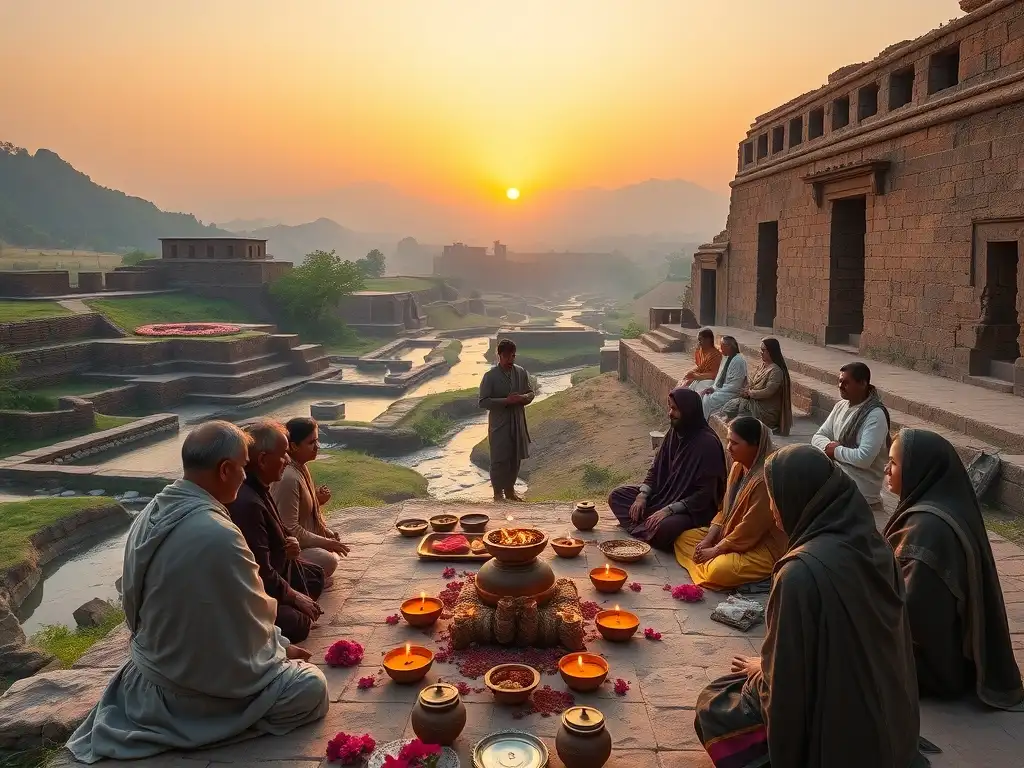
Welcome to Ancient India History, where we delve into the rich tapestry of India's past to uncover the remarkable civilizations that shaped our world. In today's featured article, we explore the "Indus Valley religion and spirituality", shedding light on the profound significance of spiritual practices in the daily lives of one of the world's oldest societies. What rituals and beliefs did the people of the Indus Valley hold dear, and how did these shape their community and culture? Join us on this enlightening journey and discover the fascinating interplay between faith and daily existence in ancient India!
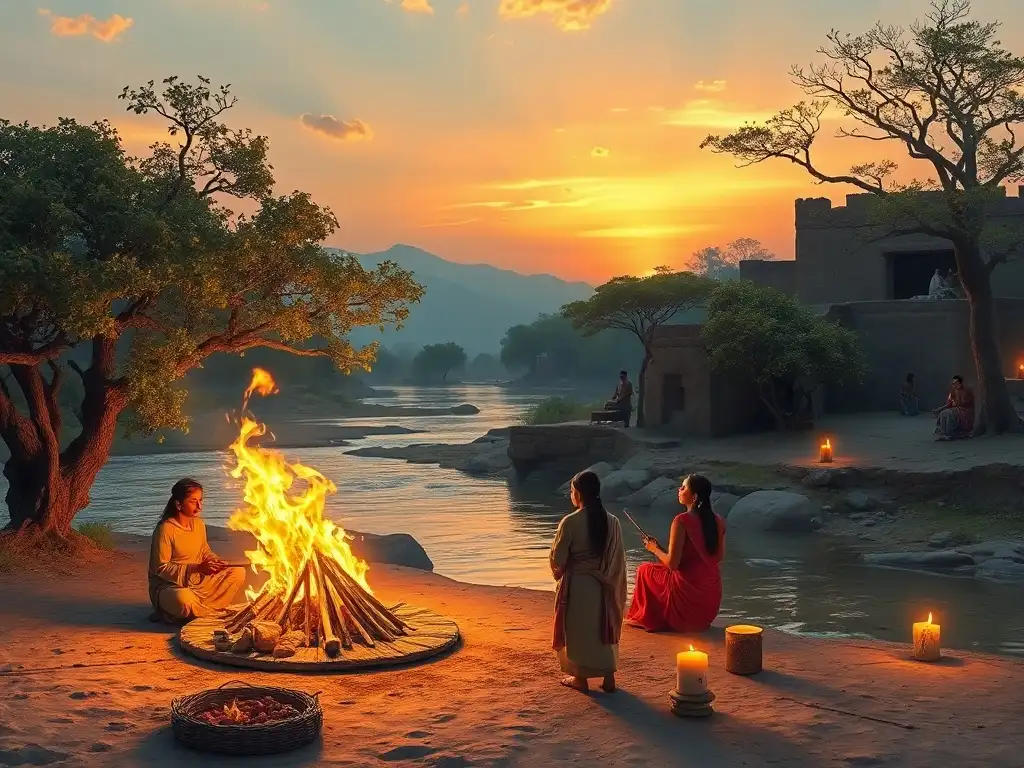
Introduction to Indus Valley Religion and Spirituality
The Indus Valley Civilization, one of the world's earliest urban cultures, flourished between 3300 and 1300 BCE in what is today Pakistan and northwest India. A remarkable aspect of this civilization is its intricate relationship with religion and spirituality, which profoundly influenced daily life, societal structure, and cultural practices.
The spiritual beliefs of the people of the Indus Valley were not merely confined to rituals and ceremonies; they permeated every aspect of their existence, shaping their worldview and interactions with the environment and each other. This article delves into the significance of religion in the daily lives of the Indus Valley inhabitants, exploring their spiritual practices, beliefs, and how these elements contributed to the fabric of their society.
Understanding the Role of Religion in Ancient Societies
Religion has often served as a foundational pillar in ancient civilizations, providing a framework for understanding life, death, and the cosmos. In the context of the Indus Valley, religion was intricately woven into the fabric of social and civic life. It offered explanations for natural phenomena, fostered community cohesion, and established moral and ethical guidelines. The reverence for natural elements, fertility, and the cosmos reflects a sophisticated understanding of the interconnectedness of life.
- Community Cohesion: Religious practices fostered a sense of belonging and unity among the people.
- Moral Framework: Spiritual beliefs provided ethical guidelines that influenced social norms and behaviors.
- Cultural Identity: Religion contributed to the unique cultural identity of the Indus Valley inhabitants, distinguishing them from neighboring civilizations.
Overview of Religious Practices in the Indus Valley Civilization
The religious practices of the Indus Valley Civilization were diverse and complex, reflecting the rich spiritual landscape of the time. Archaeological evidence suggests that the people engaged in various rituals, including offerings, possibly to deities symbolizing fertility, water, and nature.
- Ritual Purity: Practices emphasizing cleanliness and purity were paramount, as evidenced by the advanced drainage systems in cities like Mohenjo-Daro.
- Festivals and Gatherings: Community festivals likely played a significant role in reinforcing social ties and shared beliefs.
- Iconography: Seals and figurines depicting animals and human-like figures suggest a symbolic representation of divine or spiritual concepts.
Key Elements of Indus Valley Religion
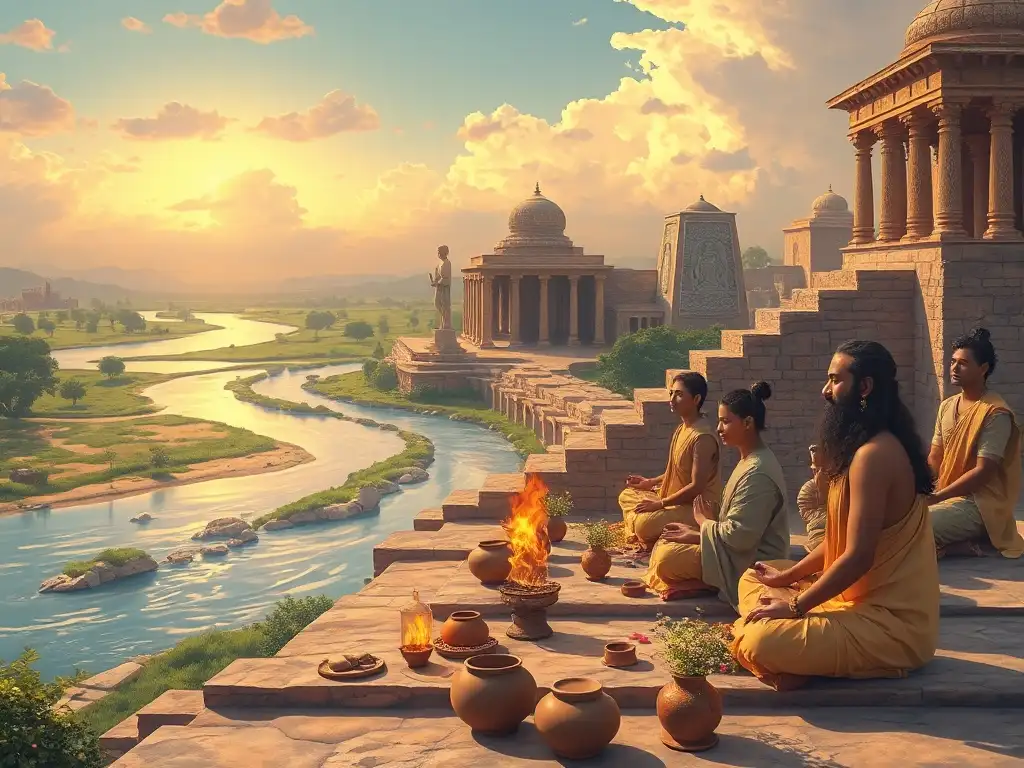
Understanding the core elements of Indus Valley religion provides deeper insights into the spirituality that shaped the civilization's identity. These elements include deities, sacred symbols, and the structures used for worship.
Deities and Divine Figures in Indus Valley Beliefs
The Indus Valley people appeared to worship a variety of deities, which were likely associated with fertility and nature. Archaeological findings, such as terracotta figurines and seals, depict figures that some scholars believe represent gods or spiritual beings.
- Mother Goddess: A prominent figure representing fertility and motherhood, often depicted in various artifacts.
- Animal Symbols: Certain animals, such as the unicorn and bull, may have held religious significance, representing various divine attributes.
Sacred Symbols and Their Meanings in Indus Spirituality
Symbols played a crucial role in the spiritual life of the Indus Valley civilization. They served as mediums for expressing beliefs and connecting with the divine.
- Swastika: Often associated with good fortune and prosperity, the swastika appears in various artifacts.
- Phallic Symbols: Representing fertility, these symbols suggest a reverence for reproductive forces in nature.
Temples and Religious Structures in the Indus Valley
While the Indus Valley Civilization is not known for large-scale temples like those in later Indian cultures, evidence of distinct religious structures indicates a practice of worship and community gatherings.
- Public Bathing Areas: The Great Bath of Mohenjo-Daro is believed to have served a ceremonial purpose, highlighting the importance of ritual purity.
- Residential Shrines: Some homes contained small shrines, suggesting that worship could also occur in private spaces, reflecting a personal connection to spirituality.
This exploration of the Indus Valley religion and spirituality reveals how deeply integrated these beliefs were in daily life, shaping not only individual practices but also the broader societal norms and values. Understanding this aspect of ancient Indian civilization enhances our appreciation of the rich tapestry of human experience in historical contexts.
Daily Spiritual Practices in the Indus Valley
The Indus Valley Civilization, one of the earliest urban cultures, showcased a rich tapestry of spiritual beliefs and practices that infiltrated daily life. Archaeological findings suggest that religion was deeply embedded within the societal framework, influencing everything from urban planning to individual routines. People engaged in daily rituals, which often included personal acts of devotion, such as the worship of deities through household shrines. These practices not only fostered a sense of community but also enhanced individual spiritual well-being.
The presence of numerous seals and figurines, often depicting animals and female deities, indicates that the inhabitants of the Indus Valley likely engaged in spiritual activities that reflected their understanding of the natural and supernatural worlds. Many homes featured altars or spaces dedicated to these spiritual practices, suggesting a blend of personal and communal religious experiences.
Rituals and Offerings in Everyday Life
Rituals and offerings played a crucial role in the daily lives of the Indus Valley people. Evidence suggests that they practiced both private and public rituals aimed at appeasing various deities. These rituals often involved offerings of food, flowers, and symbolic objects, which were believed to ensure blessings and protection from the divine.
Archaeological excavations have unveiled numerous terracotta figurines and pottery that were likely used in these offerings. For instance, the discovery of small clay pots in residential areas indicates that household rituals were commonplace. Furthermore, fire altars discovered in some of the larger settlements suggest a practice of communal worship, where offerings were made to deities in a more public setting. Such rituals not only reinforced individual faith but also strengthened community ties, as people came together to participate in these spiritual activities.
The Role of Priests and Religious Leaders in Society
In the intricate social structure of the Indus Valley Civilization, priests and religious leaders likely held significant authority. Although specific information about their roles is limited, the presence of large, public structures, possibly serving as temples or gathering places, indicates a need for organized religious practices. These leaders would have been responsible for conducting rituals, guiding the community in spiritual matters, and interpreting the will of the gods.
Priests likely played an essential role in mediating between the divine and the people. Their expertise in conducting rituals and understanding religious texts would have been vital for maintaining societal cohesion. Moreover, they might have also influenced political decisions, as spiritual authority often translated into social power within ancient civilizations.
Community Gatherings and Their Spiritual Significance
Community gatherings were integral to the spiritual life of the Indus Valley people. These events provided opportunities for collective worship, celebration, and the reinforcement of shared beliefs. Such gatherings often coincided with important agricultural cycles, seasonal changes, or significant celestial events, marking them as crucial to the community's spiritual and social calendar.
During these gatherings, communal rituals would be performed, fostering a sense of unity and collective identity among participants. The act of coming together to celebrate or worship not only reinforced individual faith but also promoted social bonds, as people shared their beliefs and experiences. The significance of these communal activities can be seen as a reflection of the interconnectedness of daily life and spirituality in the Indus Valley.
Indus Valley Religion and Its Influence on Daily Life
The religious beliefs of the Indus Valley Civilization significantly influenced various aspects of daily life. Their spirituality was not confined to formal worship but permeated all societal activities, shaping their cultural norms, economic practices, and social interactions. The intertwining of religious and daily life created a holistic approach to existence, where spirituality was woven into the very fabric of their society.
The Interconnection Between Religion and Daily Activities
Religious beliefs were intricately linked to daily activities in the Indus Valley. Many aspects of life, from cooking to farming, were often viewed through a spiritual lens. For instance, agricultural practices were likely influenced by religious calendars and rituals meant to ensure bountiful harvests. This connection between spirituality and daily tasks underscores the importance of divine favor in ensuring prosperity and well-being.
Moreover, the preparation of food and communal meals may have included specific rituals to honor the deities, illustrating how spirituality seeped into everyday tasks. The intertwining of religion and daily activities fostered a sense of purpose and meaning in the lives of the Indus Valley people, as they sought to align their actions with their spiritual beliefs.
Festivals and Their Role in the Indus Valley Civilization
Festivals in the Indus Valley Civilization served as significant markers of communal and religious life. These occasions often involved elaborate celebrations that combined various rituals, offerings, and community gatherings. Festivals provided a platform for the expression of collective identity and shared beliefs, reinforcing social bonds among participants.
Archaeological evidence suggests that these festivals may have coincided with important agricultural cycles or celestial events, highlighting the connection between nature, spirituality, and community life. They would have also provided an opportunity for the community to come together, celebrate their shared values, and express gratitude to the deities for their blessings. The role of festivals in the Indus Valley cannot be overstated; they were vital for maintaining the cultural and spiritual vitality of the civilization.
Spirituality in Trade and Economic Practices
The influence of spirituality extended into the economic practices of the Indus Valley Civilization, particularly in the realm of trade. Merchants and traders often invoked divine blessings for successful transactions, demonstrating the belief that spiritual favor could affect material outcomes. Rituals and offerings might have been performed before embarking on long trade journeys, ensuring protection and prosperity.
Moreover, the presence of seals with religious motifs suggests that spirituality played a role in the branding of goods and trade practices. These seals could have been used not only for identification but also as a means of invoking divine sanction over commercial activities. This spiritual dimension of trade highlights how deeply intertwined religion was with the economic life of the Indus Valley, reflecting a holistic worldview where material and spiritual realms were not separate but interconnected.
Comparisons with Other Ancient Indian Religions
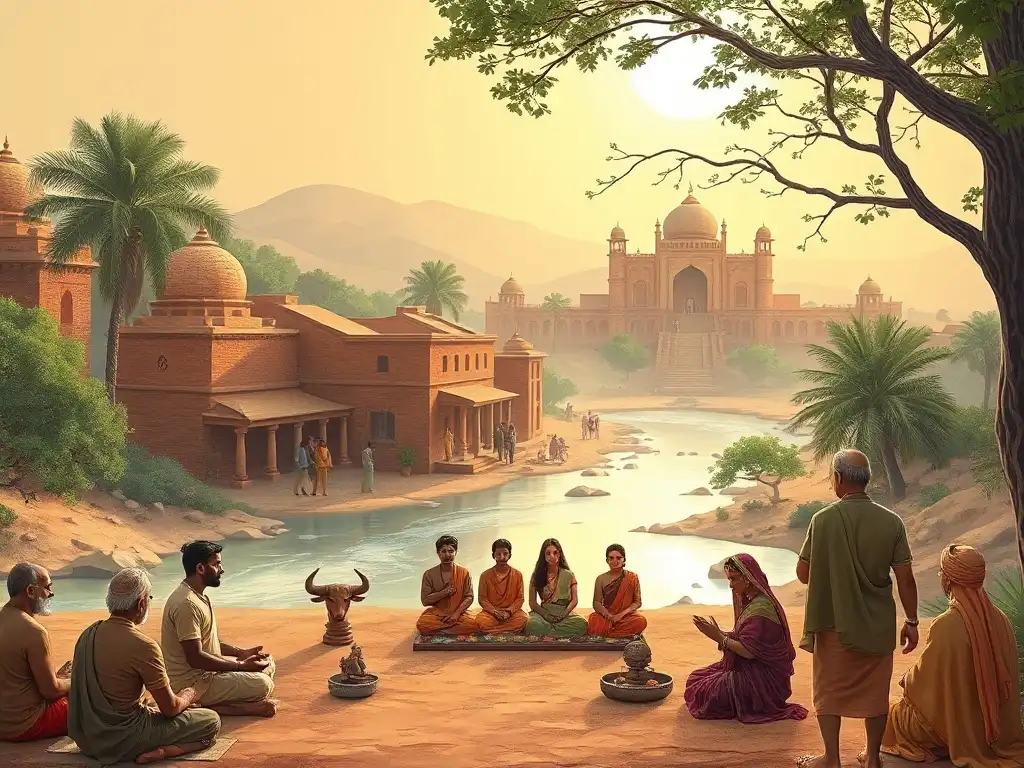
The Indus Valley civilization, one of the earliest urban cultures in the Indian subcontinent, showcases a complex tapestry of religious beliefs and practices that can be compared with other ancient Indian religions. Understanding these comparisons offers insights into the evolution of spirituality in the region. The religious practices in the Indus Valley were characterized by a unique blend of rituals, deities, and symbols that laid the foundation for subsequent religious traditions in India.
Similarities with Vedic Practices
One significant area of similarity between the Indus Valley religion and Vedic practices is the reverence for nature and the elements. Both traditions held sacred the natural world, often personifying natural phenomena as deities. For instance, the worship of fertility symbols, such as the Mother Goddess figurines found in Indus Valley sites, parallels the Vedic emphasis on fertility and agricultural prosperity, evident in hymns dedicated to deities like Prithvi (Earth) and Agni (Fire).
Additionally, both cultures employed rituals and offerings as a means to appease deities. Archaeological findings suggest that the Indus Valley people engaged in ritualistic bathing and possibly fire altars, akin to the Vedic yajnas (sacrificial rituals). This connection indicates a shared reverence for ritual as a means of connecting with the divine, highlighting a continuity of spiritual practices across these ancient civilizations.
Differences from Later Indian Religious Traditions
Despite these similarities, there are notable differences between the religious practices of the Indus Valley and later Indian traditions, particularly those emerging from Vedic influences. One major distinction lies in the absence of a clear pantheon of gods within the Indus Valley. While later traditions, including Hinduism, developed a structured hierarchy of deities, the Indus Valley religion appears to have emphasized abstract symbols and perhaps a more animistic approach to spirituality.
Moreover, the Indus Valley civilization did not leave behind extensive textual records as seen in Vedic literature. This lack of written documentation limits our understanding and creates challenges in drawing direct comparisons. The societal structure also differed; where Vedic society was stratified and hierarchical, archaeological evidence suggests that the Indus Valley may have been more egalitarian in nature, reflected in its urban planning and the absence of grandiose temples typically associated with later Indian religious practices.
The Evolution of Spiritual Beliefs from the Indus Valley to Later Periods
The evolution of spiritual beliefs from the Indus Valley to subsequent periods showcases a dynamic transformation influenced by cultural exchanges and migrations. As the Indus Valley civilization declined, the subsequent Vedic culture began to take root, bringing with it new religious ideas, rituals, and a more pronounced focus on texts. This transition marks a shift towards codified religious practices, which would ultimately shape the development of Hinduism.
The incorporation of elements from the Indus Valley religion into later traditions is evident in the enduring symbols and motifs, such as the worship of the Mother Goddess and the reverence for sacred animals. Over time, these spiritual threads were woven into the broader fabric of Indian religion, contributing to a multifaceted belief system that has persisted through the ages. The syncretism of these diverse spiritual practices highlights the fluidity of religious beliefs in ancient India, illustrating how earlier traditions informed and enriched later ones.
Conclusion: The Lasting Legacy of Indus Valley Religion
The legacy of the Indus Valley religion is profound, influencing subsequent Indian civilizations and their spiritual practices. Its unique blend of nature worship, fertility rites, and symbolic representations laid the groundwork for later religious developments in the region. The remnants of this ancient spirituality continue to resonate, offering a glimpse into the beliefs and values of one of history's earliest urban societies.
Impact on Subsequent Indian Civilizations
The impact of Indus Valley religion on subsequent Indian civilizations can be observed in various aspects of culture, art, and spirituality. Many motifs, such as the depiction of sacred animals and fertility symbols, found their way into later artistic expressions. The reverence for water, as seen in the Great Bath of Mohenjo-Daro, also has echoes in later Hindu practices, where water is considered purifying and sacred.
Furthermore, the emphasis on community and shared rituals in the Indus Valley may have influenced the communal aspects of later Indian religions, fostering a sense of collective identity that persists in modern practices. This continuity underscores the Indus Valley's role as a cultural and spiritual precursor to the diverse array of religious beliefs that characterize ancient and modern India.
The Relevance of Indus Valley Spiritual Practices in Modern Context
In today's context, the spiritual practices of the Indus Valley continue to hold relevance. Elements of their religion, such as nature worship and the veneration of female deities, resonate with contemporary movements advocating for environmental consciousness and gender equality. Scholars and practitioners alike are increasingly recognizing the value in revisiting ancient spiritual practices as a source of wisdom and guidance.
Moreover, the ongoing exploration of Indus Valley artifacts and symbols fosters a deeper understanding of the region's historical and cultural narratives. By studying these ancient practices, modern societies can gain insights into the interconnectedness of human experience and spirituality, affirming the Indus Valley's enduring legacy in the tapestry of Indian civilization.
References and Further Reading on Indus Valley Religion and Spirituality
The study of the Indus Valley religion and spirituality is a rich field that intersects archaeology, anthropology, and history. Below are key references and suggested literature that provide valuable insights into the spiritual practices of this ancient civilization.
Suggested Literature on Ancient Indian Spiritual Practices
-
"The Indus Civilization: A Contemporary Perspective" by Gregory L. Possehl
This comprehensive work examines the archaeological findings of the Indus Valley and discusses the implications for understanding their religious beliefs and practices. Possehl provides a detailed analysis of artifacts that suggest the presence of ritualistic practices.
-
"The Ancient Indus: Urbanism, Economy, and Society" by Rita Lucarelli
Lucarelli's book focuses on the urban planning of the Indus Valley cities and how social structures influenced spiritual life. It highlights the connection between daily life and religious practices, emphasizing the role of spirituality in community cohesion.
-
"The Archaeology of Religion in Ancient India" by D.P. Agrawal
Agrawal explores the religious artifacts and structures of ancient India, including the Indus Valley. This work provides a comparative analysis of the spiritual practices across different ancient Indian civilizations.
-
"A History of Indian Philosophy" by Surendranath Dasgupta
Although broader in scope, Dasgupta’s text discusses the philosophical underpinnings that may have roots in the Indus Valley spirituality. It provides context for understanding the evolution of spiritual practices in ancient India.
-
"The Indus Valley and the Vedic Literature" by A.L. Basham
Basham’s work bridges the gap between the Indus Valley civilization and later Vedic traditions, discussing continuity and change in spiritual practices and beliefs.
Online Resources for Exploring Indus Valley Civilization
-
The Archaeological Survey of India (ASI)
The ASI’s official website offers a wealth of information on archaeological findings related to the Indus Valley Civilization, including details on temples, seals, and other artifacts relevant to understanding their religious practices.
-
The British Museum’s Indus Valley Collection
This online resource features a collection of artifacts from the Indus Valley, complete with descriptions and historical context that shed light on the spiritual life of its people.
-
The Indus Valley Civilization - Ancient History Encyclopedia
This site provides articles and resources that detail various aspects of the Indus Valley Civilization, including its religion and spirituality, making it a great starting point for further exploration.
-
Khan Academy: The Indus Valley Civilization
Khan Academy offers free educational resources, including videos and articles that cover the key aspects of the Indus Valley Civilization, focusing on its social, economic, and religious dimensions.
-
YouTube Documentaries on the Indus Valley
Channels such as National Geographic and BBC History have produced documentaries that explore the Indus Valley Civilization, providing visual insights into their religious practices and societal structures.
These references and resources are essential for anyone interested in deepening their understanding of the significant role that religion and spirituality played in the daily lives of the people of the Indus Valley Civilization.
- Introduction to Indus Valley Religion and Spirituality
- Understanding the Role of Religion in Ancient Societies
- Overview of Religious Practices in the Indus Valley Civilization
- Key Elements of Indus Valley Religion
- Daily Spiritual Practices in the Indus Valley
- Indus Valley Religion and Its Influence on Daily Life
- Comparisons with Other Ancient Indian Religions
- Conclusion: The Lasting Legacy of Indus Valley Religion
- References and Further Reading on Indus Valley Religion and Spirituality
- What were the primary religions practiced in the Indus Valley?
- How did spirituality manifest in daily life during the Indus Valley civilization?
- What archaeological evidence supports the understanding of Indus Valley religion?
- How did the Indus Valley religion influence later Indian spiritual practices?
- What role did trade play in the spread of religious beliefs in the Indus Valley?
Frequently Asked Questions
What were the primary religions practiced in the Indus Valley?
The Indus Valley civilization primarily practiced a form of animism and polytheism, with a significant emphasis on natural elements and fertility deities. Evidence suggests a strong spiritual connection to the earth and water.
How did spirituality manifest in daily life during the Indus Valley civilization?
Spiritual practices in the Indus Valley were integrated into daily activities, such as rituals conducted at home. This included the worship of household deities and the use of symbols like the swastika, which represented good fortune.
What archaeological evidence supports the understanding of Indus Valley religion?
Artifacts like seals depicting animals and figures, along with figurines of deities, highlight the religious beliefs of the Indus Valley civilization. The Great Bath is also thought to have been used for ritual purification.
How did the Indus Valley religion influence later Indian spiritual practices?
The spiritual practices of the Indus Valley civilization laid the groundwork for many later traditions, including aspects of Hinduism. Concepts of purity, ritualistic bathing, and nature worship can be traced back to this ancient civilization.
What role did trade play in the spread of religious beliefs in the Indus Valley?
Trade facilitated cultural exchange, allowing for the spread of religious ideas and practices. Interactions with neighboring cultures likely influenced the spiritual landscape of the Indus Valley, enriching its religious practices.
Final Reflection: The Enduring Legacy of Indus Valley Religion and Spirituality
The exploration of Indus Valley religion and spirituality reveals a profound connection between ancient practices and modern life. Today, as we navigate an increasingly complex world, the spiritual frameworks established by the Indus Valley civilization continue to resonate, reminding us of the timeless quest for meaning and connection. Their rituals and beliefs offer a lens through which we can understand our own spiritual journeys, emphasizing that the search for purpose is a universal human experience.
The influence of Indus Valley spirituality is not confined to the past; it permeates contemporary culture and social dynamics. From the reverence for nature to the emphasis on community and harmony, these ancient practices shape our understanding of spirituality today. As we reflect on this legacy, we are reminded of the words of Mahatma Gandhi: The best way to find yourself is to lose yourself in the service of others.
This sentiment echoes the communal and altruistic values inherent in Indus Valley spirituality, urging us to look beyond ourselves and engage with the world around us.
As we conclude this exploration, I invite you to reflect on the lessons of the Indus Valley religion and spirituality in your own life. Consider how these ancient practices can inspire your daily routines, foster a deeper connection with your community, and enhance your personal spiritual journey. Embrace the wisdom of the past as a guiding light for the future, and let it encourage you to seek out meaning and connection in every aspect of your daily life.
Embrace Your Spiritual Journey Today!
Thank you for diving into the rich tapestry of the Indus Valley's spiritual practices with us! Your interest in understanding the profound significance of religion in daily life adds depth to our collective knowledge. Now, it's time to take the next step in your spiritual exploration.
Here’s how you can make the most of what you've learned:
- Dive Deeper: Explore various ancient spiritual practices and their relevance in today's world. Be sure to check out our additional articles for broader insights!
- Explore Your Own Traditions: Reflect on your personal daily rituals and practices. Consider how they connect to the larger themes we’ve discussed.
- Share and Connect: Engage in discussions with friends or join a community group, whether online or in person, to exchange insights and deepen your understanding together.
What revelation or insight have you discovered about your own spiritual practices that resonates with the wisdom of the Indus Valley? We encourage you to share your thoughts below!