
Chandragupta Maurya: The Strategic Genius Behind the Mauryan Dynasty

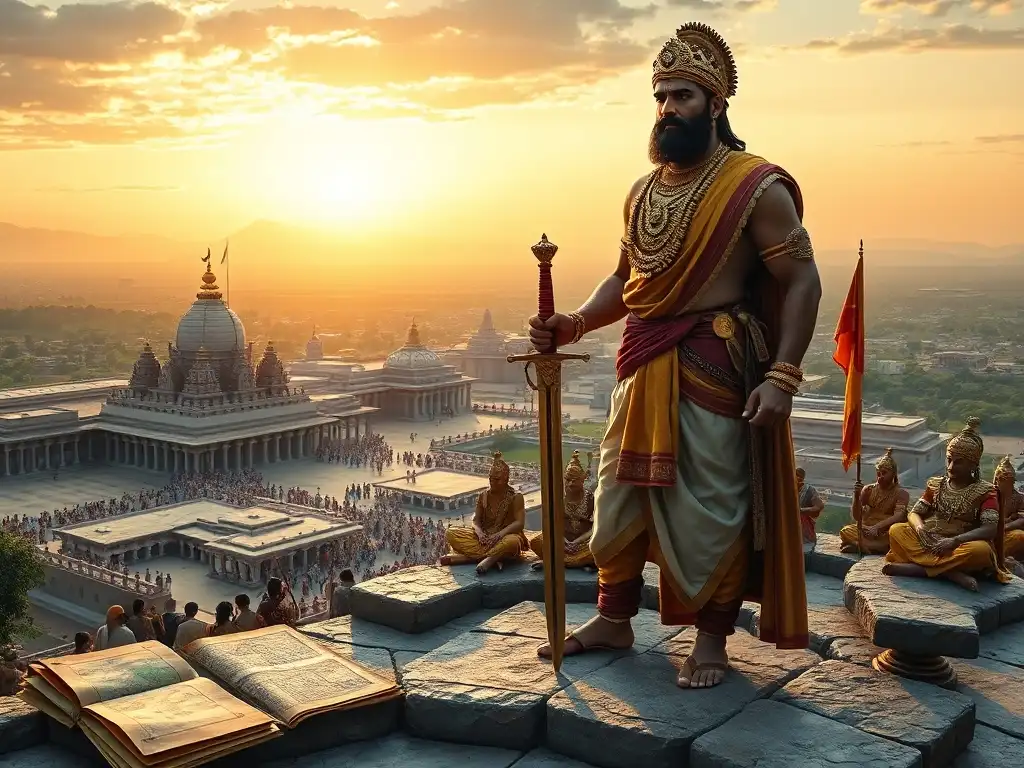
Welcome to Ancient India History, where we embark on a fascinating journey through the intricate tapestry of India's past! Here, you will uncover the remarkable stories of civilizations that flourished from the Indus Valley to the Gupta Empire. In our featured article, we delve into the historical significance of Chandragupta Maurya, a strategic genius whose vision laid the foundation for the Mauryan Dynasty. Join us as we explore the pivotal moments and influential figures that shaped ancient India, igniting your curiosity to learn more about this captivating era!
- Introduction to Chandragupta Maurya: A Historical Overview
- Early Life of Chandragupta Maurya
- Rise to Power: Chandragupta Maurya's Strategic Moves
- Chandragupta Maurya's Military Strategies
- Establishment of the Mauryan Dynasty
- Chandragupta Maurya's Legacy and Historical Significance
- Conclusion: The Enduring Impact of Chandragupta Maurya
-
Frequently Asked Questions
- What is the historical significance of Chandragupta Maurya?
- How did Chandragupta Maurya establish the Mauryan Dynasty?
- What were the major contributions of Chandragupta Maurya?
- How did Chandragupta Maurya influence future Indian rulers?
- What role did Chandragupta's mentor, Chanakya, play in his rise?
- Final Reflection: The Enduring Legacy of Chandragupta Maurya's Strategic Brilliance
- Unveil the Secrets of Ancient Strategy Today!
Introduction to Chandragupta Maurya: A Historical Overview
Chandragupta Maurya stands as a monumental figure in ancient Indian history, embodying the strategic brilliance and visionary leadership that laid the foundation for one of the largest empires in the Indian subcontinent—the Mauryan Dynasty. His journey from a humble background to becoming the founder of the Mauryan Empire highlights the dynamic socio-political landscape of ancient India.
This article delves into the historical significance of Chandragupta Maurya, exploring his contributions, the challenges he faced, and the lasting impact he had on the Indian civilization. By understanding his role, we gain valuable insights into the complexities and achievements of ancient Indian cultures, particularly during a period marked by political fragmentation and cultural flourishing.
Brief Background of Ancient India
Ancient India was characterized by a rich tapestry of cultures, languages, and philosophies that evolved over millennia. The timeline of Indian history can be broadly divided into several key periods, including the Indus Valley Civilization, Vedic Age, and the rise of various regional kingdoms. Each of these epochs contributed to the socio-economic and cultural fabric of the subcontinent.
- Indus Valley Civilization (c. 3300–1300 BCE): Known for its advanced urban planning, architecture, and trade networks, this civilization laid the groundwork for subsequent cultural developments.
- Vedic Age (c. 1500–500 BCE): Marked by the composition of the Vedas, this period saw the emergence of various philosophies and the caste system, influencing social structures for centuries.
- Regional Kingdoms: Following the Vedic period, numerous kingdoms and republics flourished, setting the stage for the rise of powerful empires, including the Mauryan Empire.
The Mauryan Empire, established by Chandragupta Maurya in the late 4th century BCE, marked a significant turning point in Indian history, unifying large parts of the subcontinent under a centralized administration.
Importance of Chandragupta Maurya in Indian History
Chandragupta Maurya's importance in Indian history cannot be overstated. His strategic genius and leadership skills were pivotal in the unification of India, transitioning it from a collection of fragmented states to a cohesive empire. Here are some key aspects that underline his historical significance:
- Founding of the Mauryan Empire: Chandragupta's successful overthrow of the Nanda Dynasty around 321 BCE marked the establishment of the Mauryan Empire, which expanded to include most of the Indian subcontinent.
- Administration and Governance: He implemented a centralized government system, introducing reforms that improved trade, agriculture, and taxation, thus laying the groundwork for economic prosperity.
- Military Strategy: His military campaigns, particularly against Alexander the Great’s successors, showcased his tactical acumen and ability to rally diverse forces under a single banner.
- Cultural Legacy: Under his reign, the Mauryan Empire became a melting pot of cultures, facilitating trade and the exchange of ideas, which influenced art, architecture, and philosophy.
Chandragupta Maurya's legacy as a unifier and a leader of the Mauryan Dynasty highlights his critical role in shaping the course of Indian history. His contributions not only established a powerful empire but also set precedents for governance and cultural integration that would resonate through the ages.
Early Life of Chandragupta Maurya
Origins and Family Background
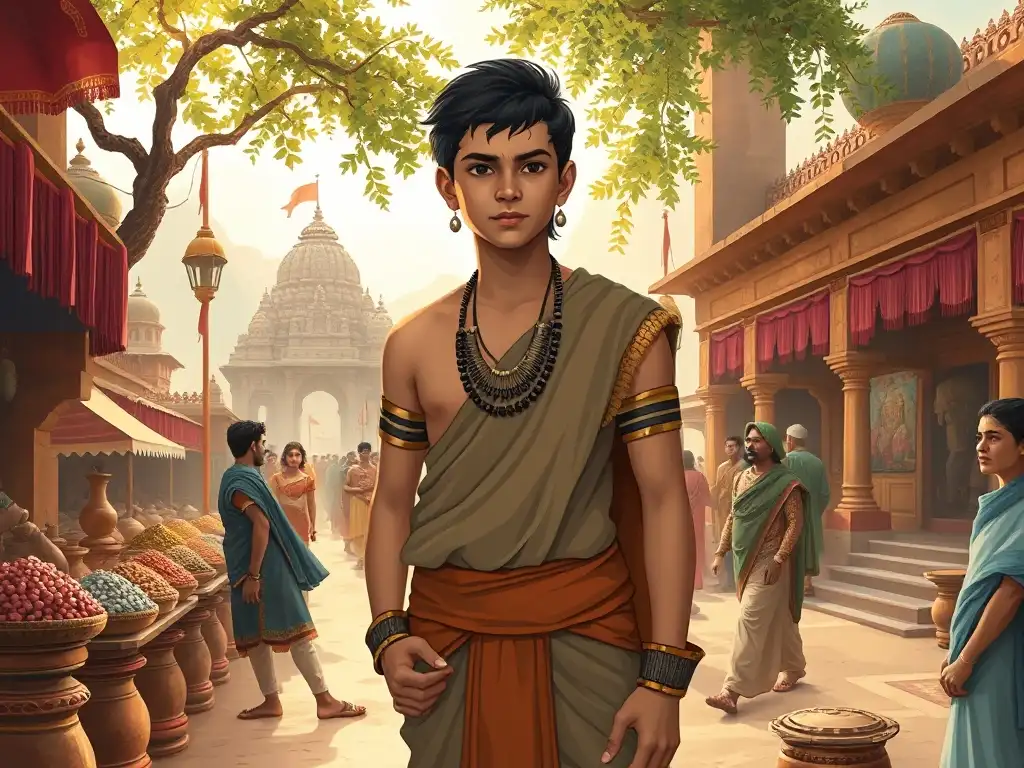
Chandragupta Maurya was born around 340 BCE, in a humble family, believed to be of the Kshatriya (warrior) caste, possibly in the region of Pataliputra (modern-day Patna). His exact lineage is often debated among historians, with some sources suggesting he was a descendant of the Moriya clan, while others propose connections to the Nandas, a prominent dynasty in northern India at the time.
Interestingly, Chandragupta’s family background remains shrouded in mystery, with few concrete historical records detailing his early ancestry. However, it is widely accepted that his family faced socio-political challenges, particularly due to the oppressive rule of the Nanda dynasty, which created an environment ripe for rebellion and change. This background likely instilled in him a sense of resilience and ambition, setting the stage for his future endeavors as a ruler.
Influences in His Early Years
Chandragupta's formative years were marked by significant influences that shaped his character and strategic acumen. One of the most critical figures in his early life was Chanakya (also known as Kautilya), a learned Brahmin and a key philosopher of statecraft. After being insulted by the Nandas, Chanakya sought to overthrow their rule and identified Chandragupta as a suitable candidate for this mission.
Chanakya’s mentorship was crucial, teaching Chandragupta the principles of governance, diplomacy, and warfare. Under Chanakya’s guidance, Chandragupta learned about the art of war, political strategy, and the importance of forming alliances. This education laid a strong foundation for his future conquests and his ability to unite various factions against a common enemy.
The early years of Chandragupta Maurya were also marked by a series of struggles that honed his skills in leadership and strategy. As he gathered a small army, he engaged in guerilla tactics against the Nandas, showcasing his ability to adapt and innovate in the face of adversity. His experiences during these formative years not only prepared him for his eventual rise to power but also imbued him with a strong sense of purpose towards unifying the fragmented Indian subcontinent.
Chandragupta Maurya's early life was characterized by a complex interplay of familial background and influential mentorship, both of which played a pivotal role in shaping his historical significance as the founder of the Mauryan Empire.
Rise to Power: Chandragupta Maurya's Strategic Moves
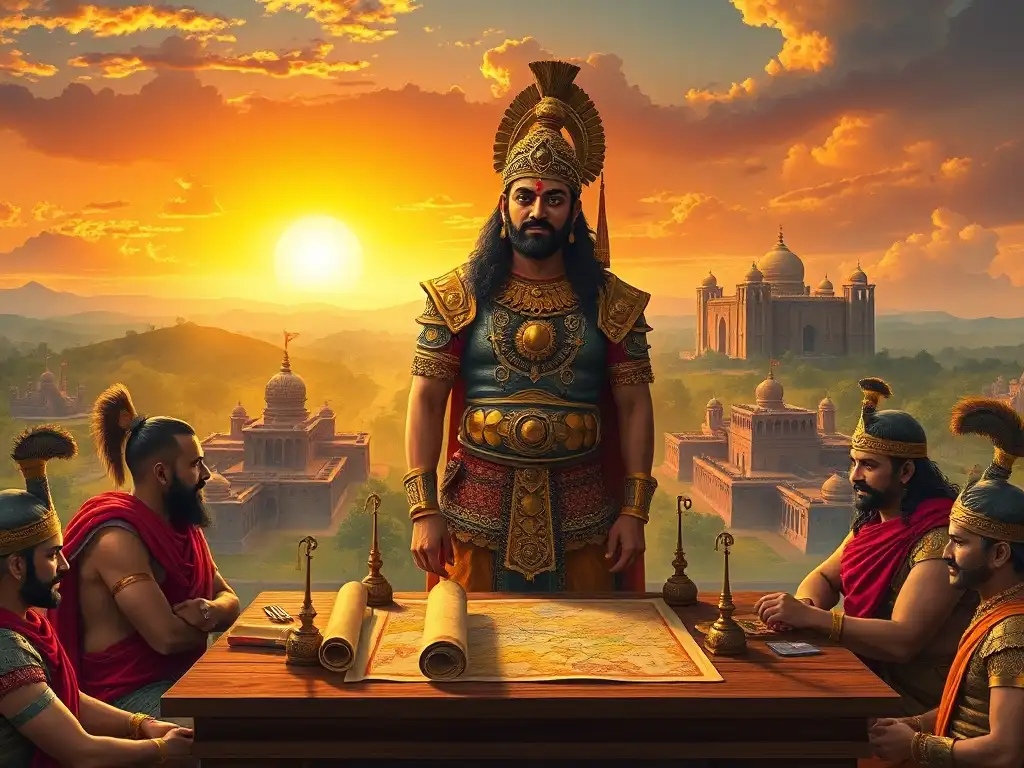
Chandragupta Maurya's ascent to power is a story of strategic brilliance and calculated moves. His journey began in the 4th century BCE, during a time when the Indian subcontinent was fragmented into various kingdoms and ruled by the powerful Nanda Dynasty.
The Fall of the Nanda Dynasty
The Nanda Dynasty, known for its wealth and military prowess, had a significant hold over northern India. However, this power was not insurmountable. Chandragupta, motivated by a desire to unify India and establish a new order, seized the opportunity to challenge the Nandas. His approach was multifaceted:
- Exploiting Weaknesses: The Nandas were perceived as unpopular among the populace due to their heavy taxation and autocratic rule. Chandragupta capitalized on this discontent, presenting himself as a liberator to rally support.
- Military Strategy: Chandragupta's military strategies were innovative for his time. He employed guerrilla tactics, utilizing the element of surprise to overcome the Nanda's larger armies. This approach allowed him to secure crucial victories in key battles, weakening Nanda's control.
- Influence of Chanakya: The philosopher and strategist Chanakya, also known as Kautilya, played a pivotal role in Chandragupta's rise. After being insulted by the Nandas, Chanakya vowed to overthrow them and became Chandragupta's mentor. His counsel on diplomacy and warfare was vital in orchestrating the fall of the Nanda Dynasty.
Chandragupta's relentless pursuit culminated in the defeat of King Dhana Nanda, effectively ending the Nanda rule and establishing the Mauryan Dynasty around 321 BCE. This victory marked a significant turning point in Indian history, leading to the unification of various regions under a centralized authority.
Key Alliances and Supporters
Chandragupta understood early on that his quest for power required strong alliances and support from influential figures and factions. His strategic acumen in forming alliances played a crucial role in the establishment of the Mauryan Dynasty:
- Support from Local Rulers: Chandragupta sought alliances with local rulers who were discontented with Nanda’s reign. By promising autonomy and better governance, he garnered support from various regional leaders, which bolstered his military strength and legitimacy.
- Chanakya's Network: Chanakya's vast knowledge of the political landscape allowed Chandragupta to tap into existing networks of dissent. Chanakya's persuasive skills helped in rallying support from influential families and clans that were opposed to the Nanda rule.
- Public Support: Chandragupta's image as a champion of the people resonated with the masses. By promoting a vision of a just and prosperous rule, he was able to inspire loyalty among the common people, who provided essential manpower for his army.
- Military Alliances: Chandragupta also established alliances with various mercenary groups and warrior castes. This not only strengthened his military capabilities but also expanded his reach across different regions of India.
The combination of these alliances and strategic partnerships laid the foundation for the Mauryan Empire, enabling Chandragupta to consolidate power and begin the transformation of India into a unified entity. His ability to forge key alliances and navigate the complex political landscape of the time is a testament to his historical significance as a leader and strategist.
Chandragupta Maurya's Military Strategies
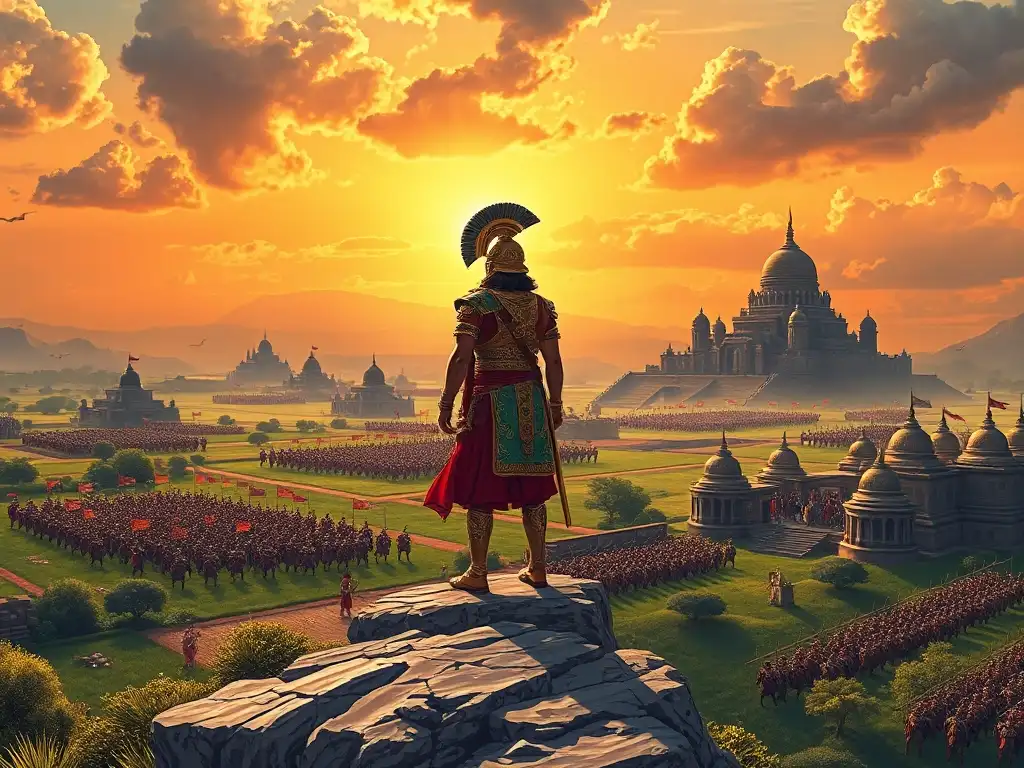
Chandragupta Maurya, the founder of the Mauryan Empire, is celebrated not only for his political acumen but also for his innovative military strategies that laid the foundation for one of ancient India's most powerful empires. His approach to warfare was characterized by a combination of strategic alliances, psychological tactics, and effective use of resources.
Innovative Tactics in Warfare
Chandragupta Maurya's military strategies were groundbreaking for their time. One of the key innovations was his use of guerrilla warfare techniques, which allowed his forces to engage larger enemy armies effectively. By utilizing the element of surprise and leveraging the terrain, his troops could execute hit-and-run tactics that disoriented and demoralized the opposition.
Another significant aspect of his military strategy was the formation of alliances. Chandragupta skillfully allied with various local rulers and tribes, which not only strengthened his position but also provided additional manpower and resources. This network of alliances was crucial in his campaigns against the Nanda Dynasty and later against regional powers.
Additionally, Chandragupta employed psychological warfare to intimidate his enemies. He understood the importance of morale in battle and often spread rumors of his invincibility, which led to fear and hesitation among his adversaries. His ability to maintain discipline and loyalty within his ranks was also noteworthy, ensuring that his soldiers were motivated and combat-ready.
Key Battles and Victories
Chandragupta Maurya's military prowess is exemplified in several key battles that marked the expansion of his empire:
- Battle of the Nandas (c. 322 BCE):
- This battle was pivotal in Chandragupta's rise to power. He faced the powerful Nanda Dynasty, which had ruled over much of northern India. With the support of his mentor, Chanakya, and a well-planned strategy, Chandragupta was able to defeat the Nandas and establish the Mauryan Empire.
- Tactics Used: A surprise attack at dawn and the element of surprise played crucial roles in this victory.
- Confrontation with Alexander's Successors (c. 323-317 BCE):
- Following Alexander the Great's incursion into India, Chandragupta capitalized on the political vacuum left by Alexander's departure. He successfully engaged and defeated several of Alexander's satraps, consolidating his power in the northwestern regions of India.
- Key Victory: The battle against Porus (known for his formidable war elephants) showcased Chandragupta's strategic use of cavalry and tactics that outmaneuvered the larger forces.
- Battle of Pataliputra (c. 321 BCE):
- After establishing control over the Nanda territories, Chandragupta turned his attention to Pataliputra, the Nanda capital. His forces besieged the city, employing both direct assault and psychological tactics to weaken the defenders.
- Outcome: The successful capture of Pataliputra marked the establishment of the Mauryan Empire's capital and further solidified Chandragupta's reign.
Chandragupta Maurya's military strategies not only led to his immediate victories but also set a precedent for future rulers in India. His innovative tactics and comprehensive approach to warfare contributed significantly to the establishment and expansion of one of the most influential empires in ancient history.
Establishment of the Mauryan Dynasty
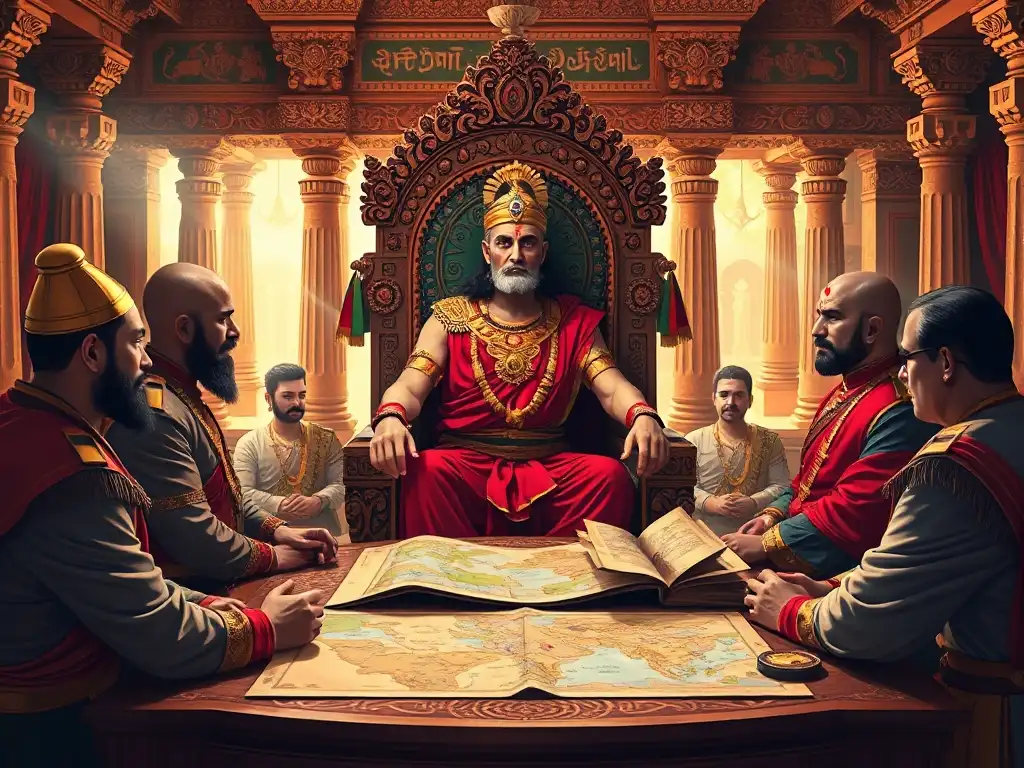
Founding the Mauryan Empire
Chandragupta Maurya is credited with the founding of the Mauryan Empire around 322 BCE, marking a significant turning point in Indian history. His rise to power was accompanied by strategic alliances and military conquests that laid the foundation for one of the largest empires in ancient India.
Chandragupta's journey began with his association with the philosopher Chanakya, also known as Kautilya, who played a pivotal role in shaping his political strategies. Together, they devised a plan to overthrow the Nanda dynasty, which was seen as corrupt and unpopular. With Chanakya's guidance, Chandragupta gathered an army and engaged in guerilla warfare tactics, which were effective against the Nanda forces.
The conquest of Pataliputra, the capital of the Nanda dynasty, marked the establishment of the Mauryan Empire. This victory was not just a military success but also symbolized the unification of various smaller kingdoms and regions under a central authority. Chandragupta's leadership was characterized by his ability to inspire loyalty among his troops and to strategically outmaneuver his adversaries.
Once he became the emperor, Chandragupta expanded the empire's territory through further conquests, including regions in present-day Punjab, Haryana, and parts of modern-day Afghanistan. His reign initiated a period of significant political and cultural development, establishing the Mauryan dynasty as a formidable power in ancient India.
Administrative Reforms and Governance
Chandragupta Maurya's historical significance extends beyond his military achievements; his administrative reforms laid the groundwork for effective governance in the Mauryan Empire. Understanding the complexities of ruling a vast territory, he implemented a centralized administrative system that emphasized efficiency and order.
Key Administrative Reforms:
- Bureaucratic Structure: Chandragupta established a well-organized bureaucracy, dividing the empire into provinces, each governed by appointed officials. This division facilitated more localized governance and allowed for better resource management.
- Legal Framework: The legal system during his reign was based on a combination of customary laws and written codes. This helped in maintaining law and order, ensuring justice, and addressing the grievances of the populace.
- Taxation System: A systematic taxation framework was introduced, where taxes were levied based on land productivity and resources. This ensured a steady revenue stream for the state, which was essential for funding military campaigns and public works.
- Infrastructure Development: Chandragupta invested in infrastructure, including roads, irrigation systems, and trade routes. This facilitated commerce and communication across the empire, promoting economic growth.
- Public Welfare Programs: Recognizing the importance of public welfare, he initiated programs to support agriculture and trade, as well as health and education initiatives for the populace.
Chandragupta's governance was characterized by a balance between authority and welfare, which endeared him to his subjects and solidified his legacy as a just ruler. His administrative innovations not only enhanced the stability of the Mauryan Empire but also set a precedent for future Indian dynasties, demonstrating his profound influence on the historical trajectory of ancient India.
Chandragupta Maurya's Legacy and Historical Significance
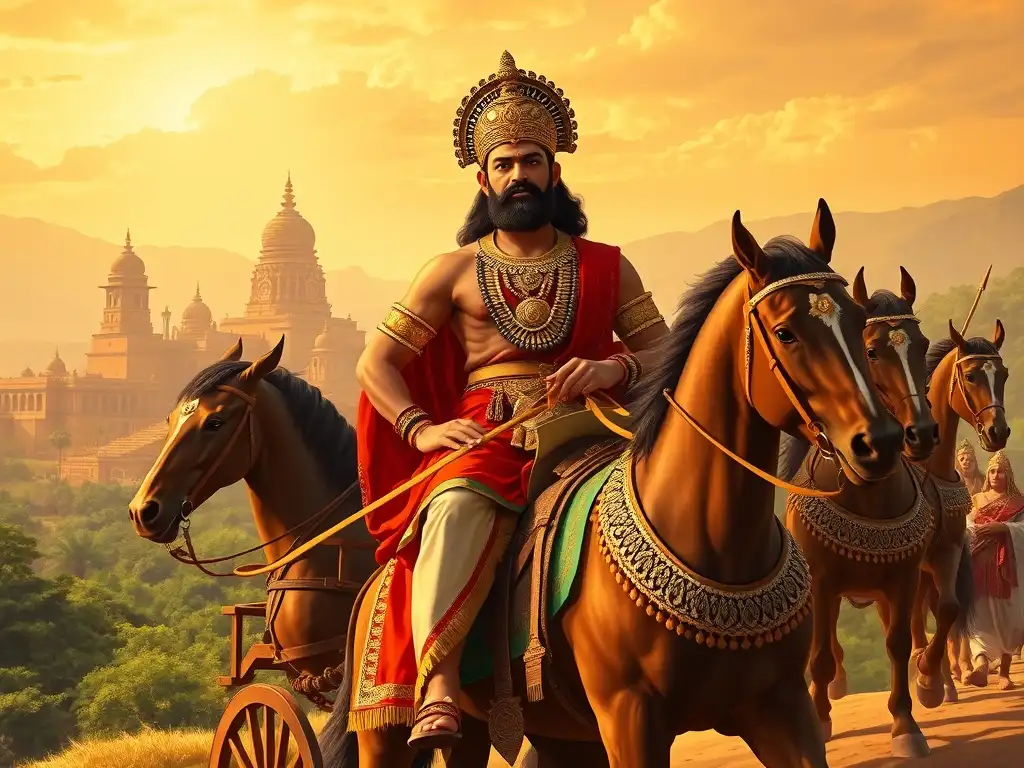
Contributions to Indian Culture and Society
Chandragupta Maurya's reign marked a transformative era in ancient Indian history, establishing the foundations for a unified Indian civilization. His contributions to Indian culture and society are manifold and pivotal.
-
Establishment of the Mauryan Empire:
Chandragupta's most significant achievement was the unification of various small kingdoms into a single, formidable empire. This unification fostered a sense of identity and belonging among the diverse populations of India, laying the groundwork for future political entities.
-
Administrative Innovations:
Under Chandragupta, a sophisticated administrative framework was developed. He implemented a centralized government that ensured efficient tax collection, law enforcement, and public welfare. His administration was characterized by:
- A bureaucratic system that divided the empire into provinces, each governed by appointed officials.
- The establishment of law codes that emphasized justice and fairness, reflecting a commitment to maintaining order.
-
Cultural Flourishing:
The Mauryan period saw a significant advancement in arts, literature, and philosophy. Chandragupta's patronage of scholars and artists led to the emergence of notable works, including:
- The writings of Kautilya, also known as Chanakya, who authored the Arthashastra, a treatise on statecraft and economics.
- Artistic achievements that included intricate sculptures and architecture, which were integral to the cultural fabric of India.
-
Promotion of Trade and Economy:
Chandragupta's reign facilitated an era of economic prosperity through enhanced trade routes. The Mauryan Empire's strategic location allowed for the exchange of goods, ideas, and cultural practices with distant lands, significantly enriching Indian society.
-
Religious Tolerance and Influence:
Although Chandragupta is often associated with Jainism, his governance allowed for the coexistence of various religious beliefs. This tolerance helped to create a pluralistic society, fostering harmony among different communities and influencing the cultural landscape of India.
Influence on Successors and Future Dynasties
Chandragupta Maurya's legacy extended beyond his reign, significantly impacting his successors and future dynasties in several key ways:
-
Foundation for the Mauryan Dynasty:
Chandragupta established a dynasty that would witness the reign of his grandson, Ashoka the Great, who further expanded the empire and promoted Buddhism. The administrative principles and governance structures set by Chandragupta served as a blueprint for Ashoka, ensuring continuity and stability.
-
Military Strategies and Tactics:
His military strategies, characterized by innovative tactics and the effective use of cavalry and infantry, influenced subsequent rulers. The successful methods employed by Chandragupta in warfare became a point of reference for later dynasties, showcasing the importance of strategic planning in military campaigns.
-
Cultural and Philosophical Heritage:
The philosophical foundations laid by Chandragupta and his advisors, particularly the Arthashastra, continued to resonate with future leaders. His emphasis on statecraft and realpolitik became essential study materials for rulers throughout Indian history, embedding a pragmatic approach to governance.
-
Political Unity:
The political unity established by Chandragupta inspired future empires, such as the Gupta Empire, which sought to replicate the centralized governance model. This influence is evident in the way subsequent rulers approached statecraft, prioritizing the cohesion of their realms.
-
Legacy of Tolerance and Pluralism:
The religious tolerance championed during Chandragupta's rule set a precedent that later empires would follow. This approach fostered a diverse and harmonious society, which became a hallmark of Indian civilization and influenced political thought in subsequent eras.
Chandragupta Maurya's historical significance lies not only in his immediate achievements but also in the enduring legacy he left behind. His contributions to Indian culture and society, alongside the influence on future rulers and dynasties, underscore his role as a pivotal figure in shaping the history of ancient India.
Conclusion: The Enduring Impact of Chandragupta Maurya
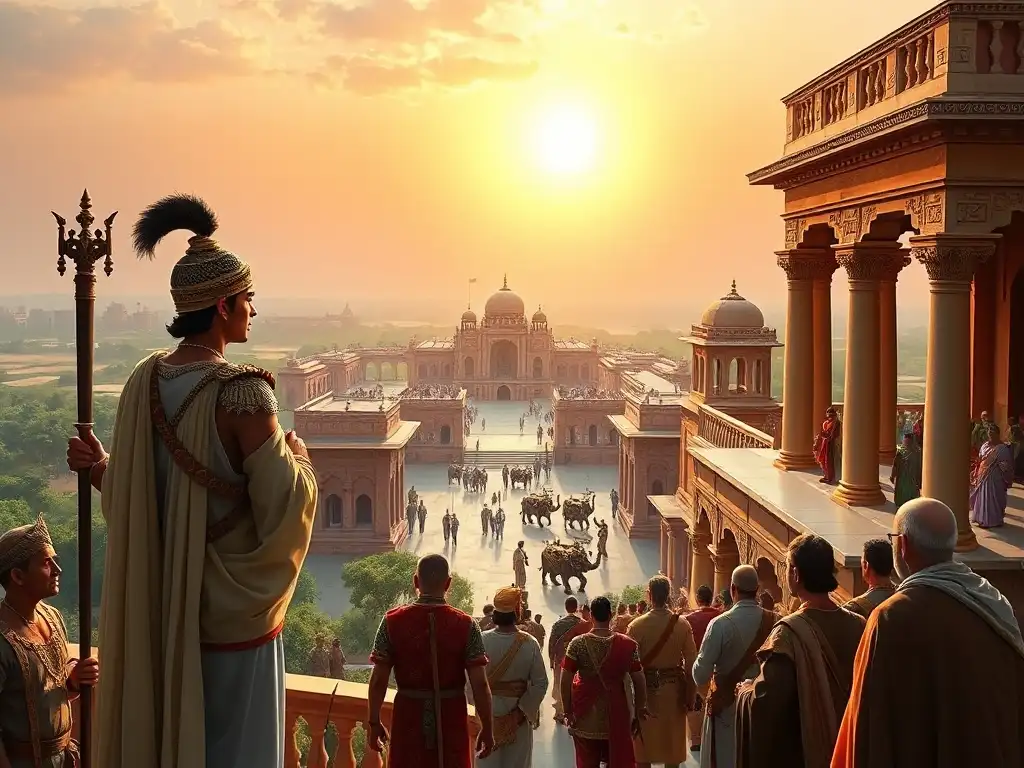
Chandragupta Maurya stands as a towering figure in the annals of Indian history, not only for his role in establishing the Mauryan Empire but also for the strategic brilliance that underpinned his rise to power. His ability to unify disparate kingdoms, leverage alliances, and implement innovative military tactics laid the foundation for one of the largest empires in ancient India. The enduring impact of his leadership style and governance can still be felt today, as many modern political and military strategies draw inspiration from his methods.
Reflection on His Strategic Genius
Chandragupta Maurya's strategic genius is best exemplified by his meticulous planning and execution of military campaigns. Under the guidance of his mentor, Chanakya, he employed guerrilla warfare tactics that capitalized on the weaknesses of larger, more established kingdoms. This approach not only allowed him to defeat formidable opponents like the Nanda Dynasty but also set a precedent for future leaders in India and beyond.
- Innovative Military Tactics: Chandragupta was known for employing surprise attacks and unconventional strategies, which allowed him to outmaneuver larger forces. For instance, during his conflicts with the Nandas, he strategically utilized the element of surprise to seize key strongholds.
- Political Alliances: His adeptness at forming alliances was crucial. By securing the support of local chieftains and influential families, he was able to consolidate power and expand his influence across northern India.
- Administrative Reforms: Beyond military conquests, Chandragupta’s establishment of a centralized administration facilitated efficient governance, which was vital in maintaining control over his expansive empire.
These strategies not only contributed to his immediate success but also established a framework for governance that would influence subsequent Indian rulers.
Relevance of His Legacy in Modern Times
The legacy of Chandragupta Maurya transcends his time, as many of his strategies and principles continue to resonate in modern political and military practices. His emphasis on strong leadership, strategic diplomacy, and effective governance offers valuable lessons for contemporary leaders.
- Leadership Principles: Chandragupta's ability to inspire loyalty and foster unity among diverse groups is a lesson for modern leaders in any field. The importance of vision and strategic foresight can be drawn from his approach to governance and military strategy.
- Conflict Resolution: The diplomatic strategies employed by Chandragupta, which included both warfare and negotiation, provide insights into modern conflict resolution techniques. His balanced approach of strength and diplomacy remains relevant in today's geopolitical landscape.
- Cultural Integration: The Mauryan Empire under Chandragupta was marked by cultural diffusion and integration, which serves as an example of how diverse societies can coexist and thrive. This principle is particularly relevant in our increasingly globalized world.
The historical significance of Chandragupta Maurya is not merely a reflection of his conquests and the establishment of an empire; it is also about the enduring lessons of strategy, leadership, and governance that continue to inspire and inform modern practices. His legacy remains a crucial element in the exploration of ancient Indian history, and his contributions set a benchmark for future leaders in various fields.
Frequently Asked Questions
What is the historical significance of Chandragupta Maurya?
Chandragupta Maurya is significant for founding the Mauryan Empire, which became one of the largest empires in ancient India, marking a pivotal moment in Indian history.
How did Chandragupta Maurya establish the Mauryan Dynasty?
Chandragupta used strategic alliances and military tactics to overthrow the Nanda Dynasty, establishing his rule and laying the foundation for a powerful empire.
What were the major contributions of Chandragupta Maurya?
He implemented administrative reforms, established a centralized government, and promoted trade, which contributed to the economic prosperity of his empire.
How did Chandragupta Maurya influence future Indian rulers?
His political strategies and governance model served as a blueprint for future Indian emperors, influencing the political landscape of India for centuries.
What role did Chandragupta's mentor, Chanakya, play in his rise?
Chanakya, also known as Kautilya, was pivotal in shaping Chandragupta's political philosophy and strategies, helping him to secure his throne and maintain control over the empire.
Final Reflection: The Enduring Legacy of Chandragupta Maurya's Strategic Brilliance
Chandragupta Maurya's historical significance resonates profoundly in today's world, as his strategic genius laid the foundation for one of the largest empires in ancient India. His ability to unite diverse factions and implement innovative governance strategies speaks volumes about the importance of leadership in shaping societies. In an era where division often prevails, the lessons from his life remind us that unity and vision can create lasting change.
The influence of Chandragupta's strategies extends beyond the annals of history, permeating our cultural and social landscapes. His story is a testament to the power of resilience and strategic thinking in overcoming adversity. As we navigate our complex world, we can draw inspiration from his journey. The greatest victory is that which requires no battle.
This quote encapsulates the essence of his approach—prioritizing diplomacy and strategy over conflict, a lesson that remains relevant as we seek peaceful resolutions in our own lives and communities.
As you reflect on the legacy of Chandragupta Maurya, consider how his principles of leadership and strategy can be applied to your own challenges. Embrace the opportunity to learn from his life, and let it inspire you to cultivate unity, resilience, and strategic thinking in your endeavors. The world needs more leaders who can navigate complexities with wisdom and foresight, just as Chandragupta did over two millennia ago.
Unveil the Secrets of Ancient Strategy Today!
Thank you for exploring the remarkable story of **Chandragupta Maurya**! Your interest highlights the depth of strategic thinking that shaped the **Mauryan Dynasty**. Now, it’s time to translate that inspiration into action.
Here’s how you can dive deeper into the fascinating world of ancient strategies:
- Explore further: Delve into other notable leaders of the Mauryan Dynasty by checking out our related articles—discover how each ruler contributed to India's rich history.
- Join the conversation: Share your insights on how ancient strategies can inform modern leadership—connect with us on social media or in the comments below!
- Reflect creatively: Compose a brief essay reflecting on how Chandragupta's tactics can be applied to contemporary challenges, and consider sharing it with our community.
What strategic lesson from Chandragupta Maurya resonates most with you in your daily life?