
The Diplomatic Strategies of Chandragupta Maurya: Alliances and Rivals

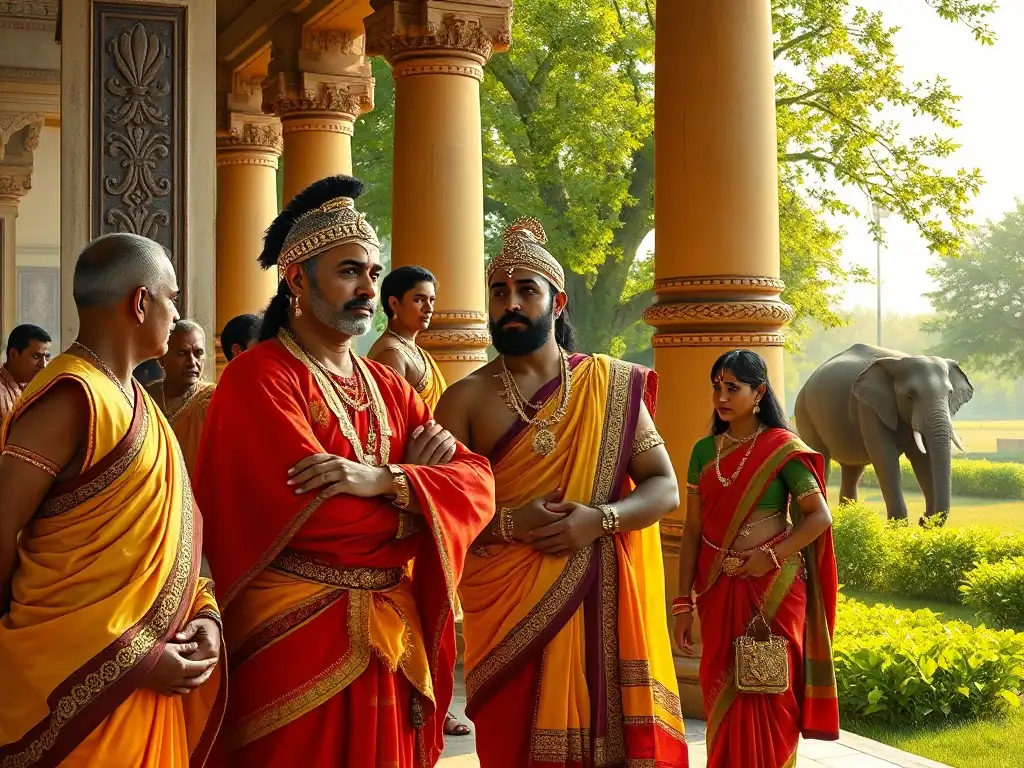
Welcome to Ancient India History, where we embark on a fascinating journey through the rich tapestry of India's past. Dive into the remarkable era of Chandragupta Maurya, a pivotal figure whose diplomatic strategies not only shaped his reign but also laid the groundwork for the Mauryan Empire. Curious about how alliances and rivalries influenced his rise to power? Join us as we unravel the intricate web of political maneuvers that defined one of history's most intriguing leaders. Prepare to explore the depths of ancient diplomacy and discover the legacy that continues to resonate today!
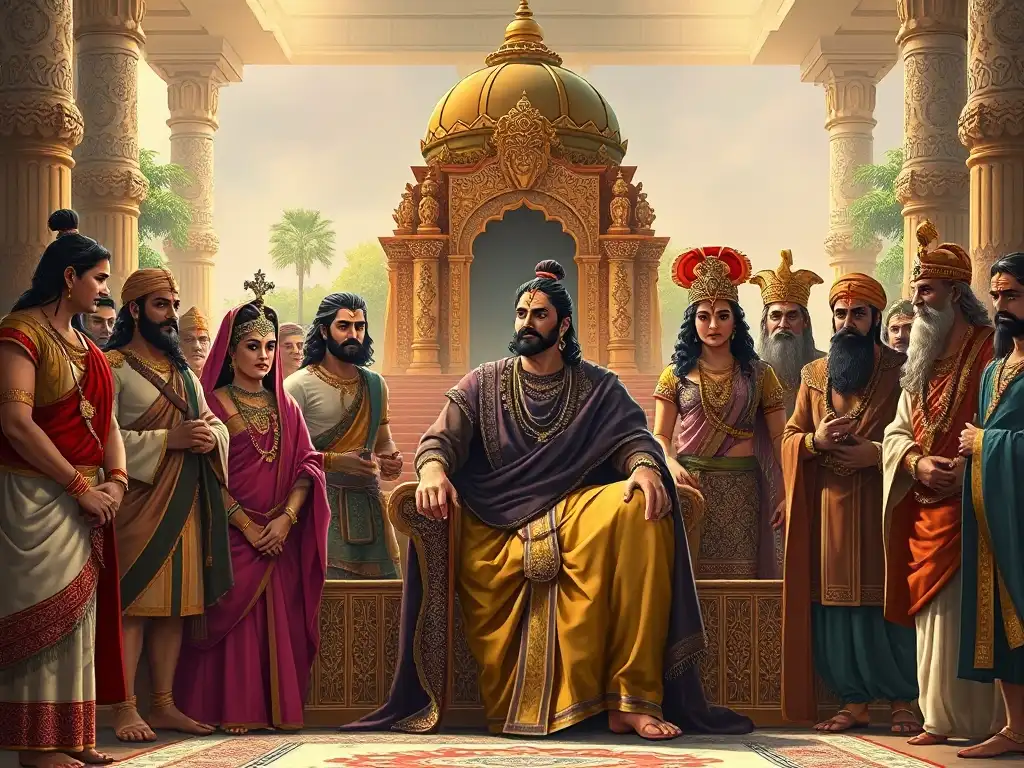
Introduction to Chandragupta Maurya and His Era
Chandragupta Maurya stands as a towering figure in the annals of ancient Indian history, known for his remarkable ability to consolidate power and influence through strategic diplomacy. His era, which marked the inception of the Maurya Empire in the 4th century BCE, was a transformative period that witnessed the rise of one of the most formidable empires in Indian history.
This article delves into the diplomatic strategies employed by Chandragupta Maurya, exploring how alliances and rivalries shaped his approach to governance and warfare. Understanding these strategies provides insight into the complexities of political relations during a time when ancient Indian civilizations were evolving rapidly.
Overview of Chandragupta Maurya's Importance in Ancient India
Chandragupta Maurya is often credited with the unification of India, which laid the foundation for a centralized state that would flourish under his successors. His reign is characterized by significant developments in administration, economy, and military organization. Notably, Chandragupta's diplomatic acumen was crucial in forging alliances with regional powers and neutralizing potential threats. His partnership with notable figures, such as Chanakya, who played a pivotal role in his rise to power, highlights the importance of strategic alliances in his journey.
- Key Achievements:
- Established the Maurya Empire (circa 322 BCE)
- Expanded territory through strategic conquests and alliances
- Instituted administrative reforms that influenced future governance
The Historical Context of His Diplomatic Strategies
The historical backdrop of Chandragupta Maurya's reign was marked by a fragmented political landscape, with various kingdoms and tribes vying for power. The decline of the Nanda dynasty created a power vacuum that Chandragupta adeptly exploited. His diplomatic strategies were not merely reactive; they were meticulously planned to enhance his position and stabilize his growing empire.
- Factors Influencing His Strategies:
- The presence of powerful adversaries such as the Greeks and regional kings
- The need for military alliances to secure borders
- The cultural and economic diversity of the Indian subcontinent
Understanding Diplomatic Strategies in Ancient India
To fully appreciate Chandragupta Maurya's diplomatic strategies, it is essential to define what these strategies entailed within the context of ancient Indian civilizations. Diplomacy during this period was multifaceted, encompassing alliances, negotiations, and sometimes warfare.
Definition of Diplomatic Strategies in the Context of Ancient Civilizations
In ancient India, diplomatic strategies were characterized by a combination of formal treaties, marriage alliances, and tactical negotiations. These strategies were vital for maintaining peace, securing resources, and achieving territorial expansion. Diplomacy was often viewed as an extension of warfare, where the subtleties of negotiation could lead to victories without bloodshed.
- Key Components of Diplomatic Strategies:
- Alliances: Forming partnerships with other rulers to strengthen positions
- Negotiations: Engaging in talks to resolve conflicts or disputes
- Espionage: Gathering intelligence on rival kingdoms to inform strategic decisions
Importance of Diplomacy for Chandragupta Maurya's Empire
For Chandragupta Maurya, diplomacy was not merely a tool of statecraft; it was essential for the stability and longevity of his empire. The ability to navigate complex political relationships enabled him to focus on internal governance and development while mitigating external threats. His diplomatic initiatives laid the groundwork for the Maurya Empire's expansion and eventual prosperity.
- Significance of Diplomacy:
- Facilitated peaceful coexistence with neighboring states
- Allowed for resource sharing and economic collaboration
- Enhanced military strength through strategic alliances
The diplomatic strategies of Chandragupta Maurya were crucial in shaping the trajectory of ancient Indian history. By understanding these strategies, we gain insight into the intricate web of alliances and rivalries that defined his reign and the Maurya Empire as a whole.
Key Diplomatic Strategies Employed by Chandragupta Maurya
Chandragupta Maurya, the founder of the Maurya Empire in ancient India, was not only a formidable military leader but also an astute diplomat. His diplomatic strategies were integral to his rise and consolidation of power. Understanding his approach provides insight into the sophisticated political landscape of ancient India. This section delves into the key diplomatic strategies he employed, which included forming strategic alliances, utilizing espionage, and adept negotiation tactics.
Formation of Strategic Alliances
One of Chandragupta Maurya's most significant diplomatic strategies was the formation of strategic alliances. Recognizing the fragmented political landscape of India, he sought partnerships with various regional powers to strengthen his position.
- Alliance with Kautilya: His advisor, Kautilya (Chanakya), played a crucial role in establishing alliances that were beneficial to Maurya's ambitions. Kautilya's expertise in statecraft and political philosophy, as outlined in his work "Arthashastra," guided Chandragupta in selecting allies who could provide military and economic support.
- Brahminical Support: Chandragupta also gained the support of Brahmins, who were respected in society for their knowledge and influence. By aligning with this influential group, he garnered legitimacy and enhanced his political stature.
- Marriage Alliances: Marriages were often used as a tool for securing alliances. Chandragupta married the daughter of a local ruler, which not only solidified his alliance with that region but also helped in integrating diverse cultures within his empire.
These alliances enabled Chandragupta to build a strong base from which he could expand his territory and influence.
Use of Espionage and Intelligence
Chandragupta Maurya understood the importance of information in warfare and politics. He employed espionage and intelligence gathering as essential elements of his diplomatic strategy.
- Network of Spies: He established a network of spies to gather critical information about rival states and potential threats. This intelligence allowed him to anticipate enemy movements and formulate effective counter-strategies.
- Understanding Rivals: By closely monitoring the political dynamics of neighboring kingdoms, Chandragupta was able to identify weaknesses in his rivals, exploiting them to his advantage. This knowledge was crucial in both diplomatic negotiations and military engagements.
- Counter-espionage Measures: In addition to gathering intelligence, Chandragupta also implemented counter-espionage tactics to protect his own state secrets from rival spies. This dual focus on intelligence gathering and protection ensured that he maintained an upper hand in political maneuvering.
Through these strategies, Chandragupta was able to navigate the complexities of ancient Indian politics effectively.
Negotiation Tactics
Chandragupta Maurya was skilled in the art of negotiation, using diplomacy to achieve his objectives without resorting to warfare whenever possible.
- Diplomatic Communication: He was adept at communicating with rival states, often using envoys to convey messages of peace or to negotiate terms that favored his empire. These diplomatic communications were carefully crafted to present Chandragupta as both a formidable adversary and a potential ally.
- Utilizing Treaties: Chandragupta often engaged in treaty-making, which served to formalize alliances and ensure mutual benefits. Treaties allowed him to secure peace with powerful neighbors, enabling him to focus on internal consolidation.
- Flexibility in Strategy: His ability to adapt his negotiation tactics based on the context and the rival's strengths was key to his success. He understood when to be conciliatory and when to adopt a more aggressive stance, demonstrating a strategic flexibility that was essential for maintaining power.
Through his negotiation tactics, Chandragupta Maurya was able to expand his influence and build a stable empire.
Major Rivals of Chandragupta Maurya
Despite his strategic prowess, Chandragupta Maurya faced several significant rivals during his quest for power. Understanding these adversaries provides a clearer picture of the challenges he encountered in establishing the Maurya Empire.
Overview of Major Rivals in His Era
Chandragupta's rise was met with resistance from various formidable rivals, each representing a different regional power.
- Nanda Dynasty: Initially, Chandragupta's most significant opponent was the Nanda Dynasty, which ruled over a substantial part of North India. The Nandas were known for their wealth and military strength, making them a formidable barrier to Chandragupta's ambitions.
- Alexander the Great: The incursion of Alexander the Great into India also posed a significant challenge. His conquests in the northwest created a power vacuum that Chandragupta aimed to exploit, although he had to contend with the remnants of Alexander's forces and their influence in the region.
- Local Kings: In addition to the Nandas and Alexander's forces, Chandragupta faced numerous local kings and regional powers who were protective of their territories. Each of these rulers had their own armies and allegiances, complicating Chandragupta's efforts to consolidate power.
These rivals presented both challenges and opportunities for Chandragupta Maurya.
Strategies to Counter Rivals
To counter these rivals, Chandragupta Maurya employed a combination of military and diplomatic strategies.
- Guerrilla Warfare: Chandragupta utilized guerrilla tactics to undermine the larger and more established forces of the Nandas. This approach allowed him to engage in hit-and-run tactics, disrupting supply lines and creating chaos within the enemy ranks.
- Forming Coalitions: Recognizing the strength of his adversaries, he strategically formed coalitions with smaller kingdoms threatened by the Nandas or Alexander. This not only diluted the power of his rivals but also provided him with additional resources.
- Diplomatic Maneuvering: Chandragupta’s negotiation tactics often included feigned submission or temporary truces, which allowed him to buy time to strengthen his own position while assessing the weaknesses of his opponents.
By employing these strategies, Chandragupta Maurya was able to navigate the turbulent political landscape of ancient India, ultimately achieving success in establishing one of the largest empires of its time.
Case Studies of Notable Alliances
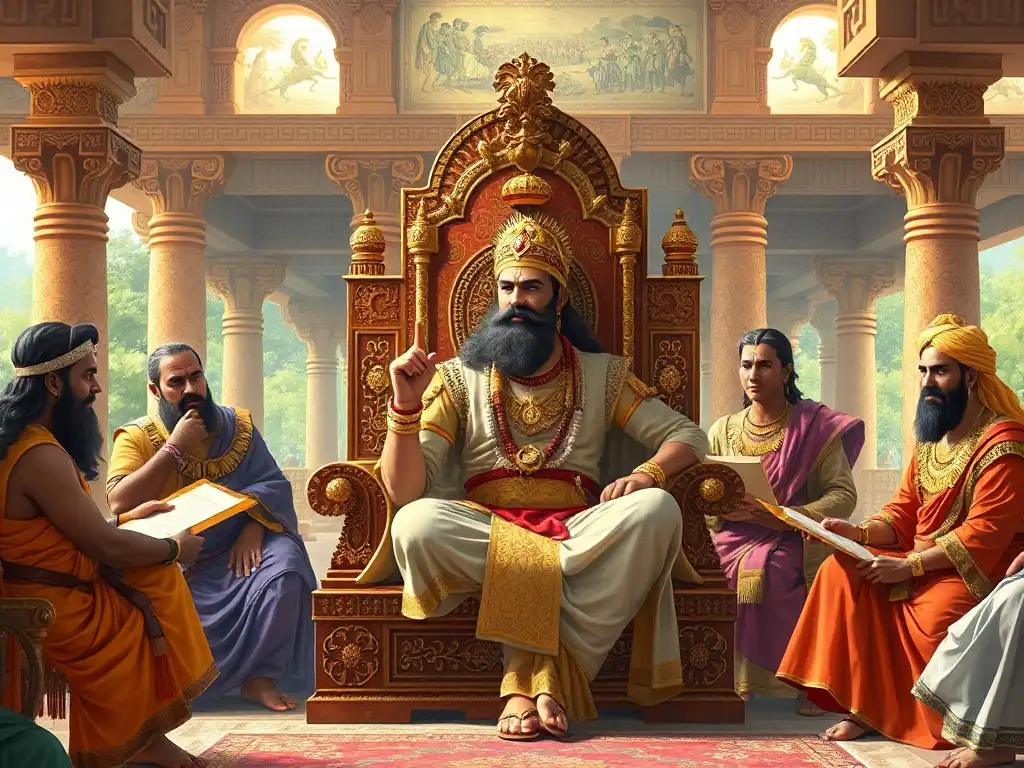
Chandragupta Maurya, the founder of the Maurya Empire, was renowned for his astute diplomatic strategies that not only expanded his territory but also solidified his power through strategic alliances. His approach to diplomacy involved a combination of military strength and political acumen, allowing him to navigate complex relationships with neighboring kingdoms and empires. This section delves into two significant case studies that exemplify his diplomatic prowess.
The Alliance with the Morya Dynasty
The Morya Dynasty played a pivotal role in shaping Chandragupta's early political landscape. By aligning with local rulers and influential clans, he was able to consolidate power in the Magadha region. Chandragupta's strategic marriage alliances and negotiations with regional leaders helped him gain legitimacy and support.
The most notable aspect of this alliance was his collaboration with the local aristocracy, which provided him with military assistance and resources essential for his campaigns against the Nanda Dynasty, his principal rival. This alliance not only facilitated the overthrow of the Nandas but also laid the groundwork for the establishment of the Mauryan Empire. The support from the Morya Dynasty was instrumental in Chandragupta's rise and showcased his ability to forge essential alliances that would serve his ambitions.
Diplomacy with the Seleucid Empire
One of the most significant diplomatic maneuvers by Chandragupta Maurya involved his dealings with the Seleucid Empire. After successfully establishing control over a substantial part of northern India, Chandragupta faced the challenge of securing his borders against external threats, particularly from the west.
In 305 BCE, Chandragupta entered into negotiations with Seleucus I Nicator, a general of Alexander the Great and the founder of the Seleucid Empire. The outcome of these negotiations was a peace treaty that included a marriage alliance between the two empires and territorial concessions. Chandragupta received territories in present-day Afghanistan, which not only expanded his empire but also provided a buffer against potential invasions.
This diplomatic engagement was significant because it marked one of the earliest instances of Indian and Hellenistic powers collaborating. The treaty facilitated trade and cultural exchanges, enhancing the prosperity of the Mauryan Empire. By successfully navigating this relationship, Chandragupta demonstrated his diplomatic skills and his ability to leverage alliances for mutual benefit.
Evaluating the Impact of Chandragupta Maurya's Diplomatic Strategies
Chandragupta Maurya's diplomatic strategies had far-reaching implications, not only for his empire but also for the broader context of Indian political history. His methods of alliance formation and conflict resolution are worthy of examination to understand their lasting effects.
Long-term Effects on the Mauryan Empire
The diplomatic strategies employed by Chandragupta played a critical role in establishing a stable and expansive Mauryan Empire. His alliances, particularly with regional powers and the Seleucid Empire, ensured a relatively peaceful environment that allowed for administrative reforms and economic development.
The foundations laid by Chandragupta continued to influence the Mauryan Empire under his grandson, Ashoka. The stability and unity achieved through his diplomatic efforts contributed to a flourishing of art, culture, and trade. This period marked a significant transformation in Indian governance, moving towards a centralized administration that was able to maintain control over a vast territory.
Influence on Future Indian Diplomacy and Political Strategies
Chandragupta's diplomatic strategies set a precedent for future Indian rulers. His blend of military might and diplomatic engagement became a model for subsequent dynasties, illustrating the importance of alliances in political consolidation.
Rulers such as Ashoka and later dynasties like the Gupta Empire drew upon these strategies, emphasizing diplomacy as a means of governance. The notion of forming alliances, whether through marriage or treaties, became a recurring theme in Indian politics, influencing how power dynamics played out in the subcontinent.
Legacy of Chandragupta Maurya in the Context of Diplomacy
The legacy of Chandragupta Maurya extends beyond his military conquests and territorial expansions; it encompasses his innovative approach to diplomacy. His success in forging alliances with both local and foreign powers exemplifies a sophisticated understanding of political relationships.
Chandragupta's diplomatic endeavors have been recognized as significant contributions to the evolution of statecraft in ancient India. His ability to balance conflict and cooperation has inspired scholars and leaders alike, marking him as a pivotal figure in the historical narrative of Indian diplomacy. The diplomatic framework established during his reign serves as a reference point for understanding the complexities of governance and international relations in ancient civilizations.
Conclusion
Chandragupta Maurya, the founder of the Mauryan Empire, exemplified the art of diplomacy in ancient India through his strategic alliances and adept handling of rivals. His diplomatic maneuvers were not merely political tactics but foundational strategies that shaped the course of Indian history. By forming alliances with influential regional powers, such as the Nanda dynasty and various local rulers, he was able to consolidate power and establish a vast empire that spanned much of the Indian subcontinent.
Moreover, his relationship with Chanakya, a brilliant strategist and philosopher, played a crucial role in shaping his diplomatic approach. Chanakya's insights into statecraft and governance informed Chandragupta's decisions, highlighting the significance of a well-planned diplomatic strategy in achieving long-term stability and control. Together, they navigated the complex political landscape of their time, overcoming formidable adversaries through a combination of alliances, espionage, and, when necessary, military action.
As we reflect on Chandragupta Maurya's legacy, it is evident that his diplomatic strategies were not only effective in his lifetime but also set precedents for future rulers in India. The blend of alliance-building, strategic marriages, and astute negotiation underscores the importance of diplomacy as a tool for statecraft, influencing the political dynamics across the subcontinent for centuries to come.
Summary of Key Diplomatic Strategies of Chandragupta Maurya
Chandragupta Maurya's diplomatic strategies were multifaceted and tailored to the unique challenges he faced. Key strategies included:
- Forming Alliances: Chandragupta skillfully allied with local rulers and influential dynasties, which provided him with military support and legitimacy. His alliance with Chanakya was particularly significant, as it combined political acumen with strategic military insights.
- Utilizing Marriages: Strategic marriages were employed to solidify alliances with powerful families. By marrying into influential clans, Chandragupta not only secured military partnerships but also united diverse factions under his rule.
- Espionage and Intelligence: Understanding the value of information, Chandragupta established a network of spies and informants. This intelligence-gathering allowed him to anticipate threats and respond effectively to rival factions.
- Diplomatic Negotiations: Chandragupta was adept at negotiation, often choosing diplomacy over conflict when possible. His willingness to engage in dialogue with adversaries showcased his strategic thinking and flexibility.
- Military Threats as Leverage: When diplomacy failed, Chandragupta was not hesitant to employ military force. His ability to project power through a formidable army reinforced his diplomatic efforts, ensuring that rivals remained cautious.
These strategies not only facilitated the establishment of the Mauryan Empire but also highlighted the intricate interplay between diplomacy and military strategy in ancient Indian politics.
Reflection on the Importance of Diplomacy in Ancient Indian History
The diplomatic strategies employed by figures like Chandragupta Maurya underscore the critical role of diplomacy in shaping ancient Indian history. In a time characterized by fragmented kingdoms and frequent conflicts, effective diplomacy proved indispensable for the consolidation of power and the maintenance of stability.
Diplomacy served as a means to achieve objectives without resorting to warfare, allowing rulers to expand their influence and manage relationships with neighboring states. The alliances forged during Chandragupta's reign laid the groundwork for the Mauryan Empire's success and longevity, illustrating how diplomacy could be more advantageous than direct confrontation.
Moreover, the legacy of diplomatic strategies from Chandragupta's time influenced subsequent rulers and dynasties, emphasizing the enduring significance of negotiation and alliance-building in governance. By studying these historical diplomatic practices, modern scholars and leaders can glean valuable insights into the importance of diplomacy as a tool for conflict resolution and statecraft, reinforcing its relevance in both ancient and contemporary contexts.
- Introduction to Chandragupta Maurya and His Era
- Understanding Diplomatic Strategies in Ancient India
- Key Diplomatic Strategies Employed by Chandragupta Maurya
- Major Rivals of Chandragupta Maurya
- Case Studies of Notable Alliances
- Evaluating the Impact of Chandragupta Maurya's Diplomatic Strategies
- Conclusion
Frequently Asked Questions
What were the key diplomatic strategies of Chandragupta Maurya?
Chandragupta Maurya employed alliances, marriage, and military threats as his primary diplomatic strategies to secure his empire and expand his influence.
How did Chandragupta Maurya form alliances?
He formed alliances through strategic marriages and partnerships with local rulers, which helped him to strengthen his position against rivals and enhance political stability.
Who were some of the rivals Chandragupta Maurya faced?
Chandragupta Maurya faced rivals like Dhana Nanda of the Nanda dynasty and Alexander the Great, using his diplomatic skills to counter their influences effectively.
What role did Kautilya play in Chandragupta's diplomacy?
Kautilya, also known as Chanakya, was instrumental in shaping Chandragupta's diplomatic strategies, offering advice on statecraft, espionage, and political maneuvering.
How did Chandragupta's diplomatic strategies impact ancient Indian history?
His effective diplomatic strategies laid the foundation for the Mauryan Empire, influencing subsequent rulers and contributing to the unification of ancient India.
Final Reflection: The Enduring Legacy of Chandragupta Maurya's Diplomatic Strategies
In examining the diplomatic strategies of Chandragupta Maurya, we uncover not only the tactical brilliance of a historical figure but also the timeless relevance of his approaches in today's geopolitical landscape. The art of diplomacy, as demonstrated by Chandragupta, remains a critical tool for navigating complex relationships and conflicts in our modern world. His ability to forge alliances and outmaneuver rivals serves as a striking reminder that effective diplomacy is as essential today as it was in ancient times.
The influence of Chandragupta Maurya's strategies extends far beyond his era, shaping the cultural and social dynamics of subsequent generations. His legacy teaches us that diplomacy is not merely about power, but about understanding, negotiation, and the delicate balance of interests. As we witness contemporary leaders grappling with similar challenges, we can draw inspiration from Chandragupta's methods. In the world of diplomacy, the greatest victories are often won without a single battle.
This quote encapsulates the essence of his approach, highlighting the importance of strategic thinking and relationship-building in achieving lasting peace and stability.
As we reflect on the lessons from Chandragupta Maurya's diplomatic strategies, I invite you to consider how these principles can be applied in your own life. Whether in personal relationships, community engagement, or professional endeavors, the ability to navigate conflicts and build alliances is invaluable. Embrace the spirit of diplomacy by fostering understanding and cooperation in your interactions, and remember that, like Chandragupta, you have the power to shape your world through thoughtful and strategic engagement.
Uncover the Legacy of Chandragupta's Diplomacy!
Thank you for diving into the intriguing world of Chandragupta Maurya and his diplomatic prowess! By exploring his strategies of alliances and rivalries, you've gained valuable insights into leadership and negotiation. Now, it’s your turn to apply these lessons in your own life.
Take action today to deepen your understanding and connect with others who share your passion:
- Engage with history: Join a local or online history discussion group to share your thoughts and learn from others.
- Explore further: Investigate how the leadership of Chandragupta's successors influenced the trajectory of ancient India.
- Share your insights: Write a summary of your key takeaways on social media and invite friends to join the conversation!
What new strategy from Chandragupta's era do you believe could be effective in today's world? Share your thoughts below!