
The Aesthetics of Love in Sangam Poetry: Exploring the 'Akam' Genre


Welcome to Ancient India History, where we embark on a captivating journey through the rich tapestry of India’s past. Here, we delve deep into the aesthetics of love found in Sangam poetry, particularly within the enchanting 'Akam' genre. This article invites you to explore the intricate love themes that not only reflect the sentiments of an era but also reveal the profound cultural insights of ancient Indian civilizations. Prepare to uncover the layers of emotion and artistry that define this literary treasure, and let your curiosity lead you further into the world of Sangam poetry and beyond!
Introduction to Sangam Poetry
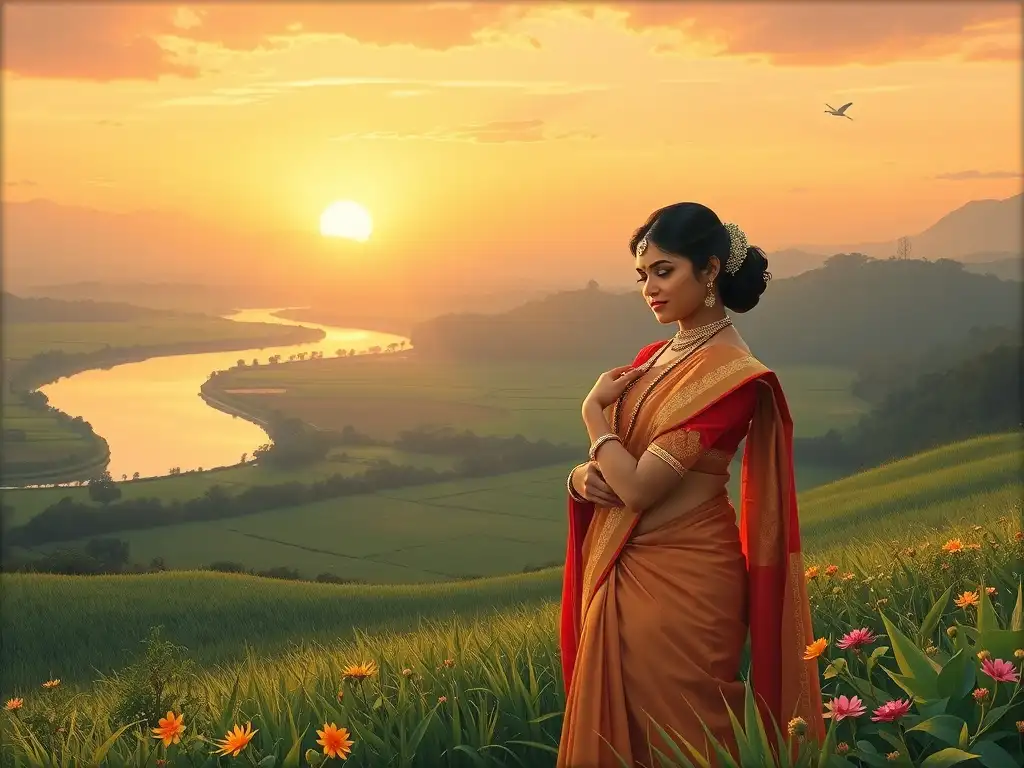
Sangam poetry, a remarkable literary tradition from ancient Tamil Nadu, serves as a vibrant window into the socio-cultural fabric of early Indian civilization. This poetry, composed between 300 BCE and 300 CE, is characterized by its rich thematic diversity and a nuanced exploration of human emotions, particularly love. The 'Akam' genre, which specifically deals with themes of love and intimacy, stands out as a crucial component of Sangam literature.
Through the lens of Sangam poetry love themes, we can delve deeper into the intricate expressions of affection, longing, and desire that shaped the emotional landscape of ancient Tamil society. This article aims to uncover the aesthetic qualities and profound meanings embedded in the 'Akam' genre, illustrating its significance in understanding human relationships within the broader context of Sangam literature.
Overview of Sangam Literature
Sangam literature is a collection of poems attributed to a group of poets known as the Sangam poets, who flourished under the patronage of the early Tamil kings. This body of work is divided into two main categories: 'Akam', focusing on interior themes such as love and emotions, and 'Puram', which deals with external themes like valor and politics. The poems not only reflect the linguistic elegance of Tamil but also resonate with the society's cultural and moral values.
The richness of Sangam poetry lies in its ability to convey complex emotions through simple yet profound imagery. The use of metaphors, similes, and evocative descriptions allows the reader to engage with the text on multiple levels. Additionally, these poems are often set against the backdrop of the natural world, where the landscape mirrors the emotional states of the characters, creating a harmonious interplay between nature and human experience.
Significance of the 'Akam' Genre in Sangam Poetry
The 'Akam' genre holds a paramount place in Sangam literature due to its exclusive focus on the nuances of love and relationships. Unlike 'Puram', which celebrates heroism and valor, 'Akam' delves into the intimate and often tumultuous emotions associated with romantic relationships.
In 'Akam' poetry, the themes of love are explored through various perspectives, including the joy of union, the sorrow of separation, and the complexities of desire. This genre not only reflects the personal experiences of the poets but also serves as a social commentary on love's role in human life. By examining the 'Akam' genre, readers gain insights into the cultural attitudes towards love during ancient times, as well as the universal nature of emotional experiences.
Understanding Love Themes in Sangam Poetry
Definition of Love Themes in Sangam Literature
Love themes in Sangam literature encompass a wide range of emotions and experiences related to romantic relationships. These themes are often categorized into various types, reflecting the complexity of love as perceived by the poets. Love is portrayed not merely as a feeling but as a multifaceted phenomenon that involves longing, admiration, and sometimes, heartache. The poets seamlessly weave together personal sentiments with broader social contexts, providing a holistic view of love in ancient Tamil society.
The emotional depth of these themes is represented through rich metaphors and natural imagery, symbolizing the poet's feelings and the societal norms surrounding love. The recurring motifs of nature, such as blooming flowers or the changing seasons, serve to enhance the emotional resonance of the love depicted in the poems.
Major Love Themes Explored in 'Akam' Poetry
The 'Akam' genre explores several major love themes, each reflecting different aspects of romantic relationships. Key themes include:
- Union and Separation: The joy of coming together and the pain of parting are central to many 'Akam' poems. This duality captures the essence of human emotions, portraying love as a source of both happiness and sorrow.
- Longing and Desire: The theme of longing, often articulated through the voices of the lovers, highlights the emotional intensity associated with unfulfilled desires. Poets frequently depict the inner turmoil of lovers separated by distance or circumstance.
- Admiration and Devotion: Expressions of admiration, where lovers extol each other's virtues, are also prevalent. This theme underscores the idealization of love, showcasing the beauty and sanctity of the bond.
- Natural Imagery: Nature serves as a vital backdrop in 'Akam' poetry, with landscapes and natural phenomena reflecting the emotional states of the characters. This thematic intertwining emphasizes the connection between love and the world around us.
Through these themes, 'Akam' poetry not only provides a glimpse into the emotional landscape of ancient Tamil society but also establishes a timeless dialogue on love that continues to resonate with readers today.
Key Characteristics of 'Akam' Poetry
'Akam' poetry is a distinctive genre within Sangam literature, celebrated for its nuanced portrayal of love and intimacy. This genre primarily focuses on the emotional and psychological dimensions of love rather than merely its physical aspects. The key characteristics of 'Akam' poetry include:
- Focus on Personal Emotions: Unlike other genres that may depict grand themes or heroic narratives, 'Akam' dives deeply into personal feelings, often reflecting the inner turmoil and joys of love.
- Natural Imagery: The use of nature as a metaphor for love is prevalent. Poets draw parallels between the beauty of the natural world and the complexities of human relationships.
- Cultural Context: 'Akam' poetry embodies the cultural practices, social norms, and values of ancient Tamil society, offering insights into the dynamics of love and courtship.
- Symbolism: Rich symbolism is a hallmark of 'Akam', with objects and elements from nature representing various emotional states and experiences, creating layers of meaning within the poems.
Structure and Form of 'Akam' Poems
The structure of 'Akam' poems is meticulously crafted, often adhering to specific forms that enhance their lyrical quality. Key structural elements include:
- Meter and Rhyme: 'Akam' poetry employs a specific meter known as 'Viruttam', which consists of varying syllable counts that contribute to its musicality.
- Stanza Division: Poems are typically divided into stanzas, each focusing on a particular aspect of love, such as longing, separation, or union.
- Use of Refrains: Poets often incorporate refrains that echo central themes, reinforcing emotional resonance and creating a rhythmic quality.
- Thematic Unity: Each poem maintains a thematic unity, often revolving around the beloved, the lover's emotions, and the challenges they face, ensuring a cohesive narrative.
Language and Imagery in Love Themes
The language used in 'Akam' poetry is both evocative and rich, employing a variety of literary devices to convey love themes vividly. Notable aspects include:
- Descriptive Language: Poets utilize intricate descriptions to evoke sensory experiences, painting vivid pictures of love's landscape.
- Metaphors and Similes: Comparisons are drawn between lovers and elements of nature, such as the moon, stars, and flowers, to highlight the beauty and fragility of love.
- Emotionally Charged Vocabulary: The choice of words often reflects deep emotional currents, using terms that resonate with feelings of passion, longing, and heartache.
- Cultural References: Frequent references to folklore, mythology, and local traditions enrich the text, grounding the poetic expressions in the cultural context of the time.
Emotional Depth in 'Akam' Poetry
Emotional depth is a defining feature of 'Akam' poetry, making it a poignant exploration of love. This emotional richness manifests in several ways:
- Complexity of Feelings: 'Akam' poetry does not shy away from depicting the multifaceted nature of love, including joy, sorrow, longing, and fulfillment, often within the same poem.
- Psychological Insight: Poets delve into the psychological aspects of love, portraying the internal conflicts and resolutions that lovers experience.
- Universality of Themes: While rooted in specific cultural contexts, the themes of separation, desire, and emotional turmoil resonate universally, allowing readers from various backgrounds to connect with the emotions expressed.
- Introspection and Reflection: Many poems encourage introspection, inviting readers to reflect on their own experiences and emotions related to love.
Notable Poets and Their Contributions
The 'Akam' genre boasts a rich tapestry of poets whose works have significantly shaped its aesthetic and thematic landscape. These poets have contributed unique perspectives on love and its complexities.
Prominent Poets in the 'Akam' Genre
Among the notable poets of 'Akam' poetry, a few stand out for their exceptional contributions:
- Kapilar: Renowned for his emotional depth and skillful use of metaphor, Kapilar’s poems often explore the pain of separation and the joy of reunion.
- Avvaiyar: A celebrated figure, Avvaiyar’s works reflect wisdom and compassion, often addressing love in the context of broader social and moral themes.
- Pattinatar: Known for his elegant and lyrical style, Pattinatar’s poetry focuses on the nuances of love, emphasizing the transient nature of relationships.
- Nakkirar: His contributions include a blend of romantic and philosophical themes, exploring the interplay between love and duty.
Comparative Study of Different Poets' Approaches to Love
A comparative study of different poets reveals varied approaches to the themes of love in 'Akam' poetry:
- Thematic Focus: While some poets, like Kapilar, emphasize the pain of separation, others, like Avvaiyar, may focus on the joys of companionship and the moral implications of love.
- Imagery and Symbolism: Each poet employs unique images and symbols to convey their emotional landscapes. For example, Nakkirar may use metaphors drawn from mythology, while Pattinatar may focus on everyday life.
- Emotional Tone: The tonal differences in their works can range from melancholic and reflective to joyful and celebratory, showcasing the diverse emotional range within the genre.
- Cultural Reflections: The poets' backgrounds and societal contexts also influence their depictions of love, providing a rich tapestry of perspectives that reflect the complexities of human relationships in ancient Tamil culture.
The Cultural Context of Love in Sangam Poetry
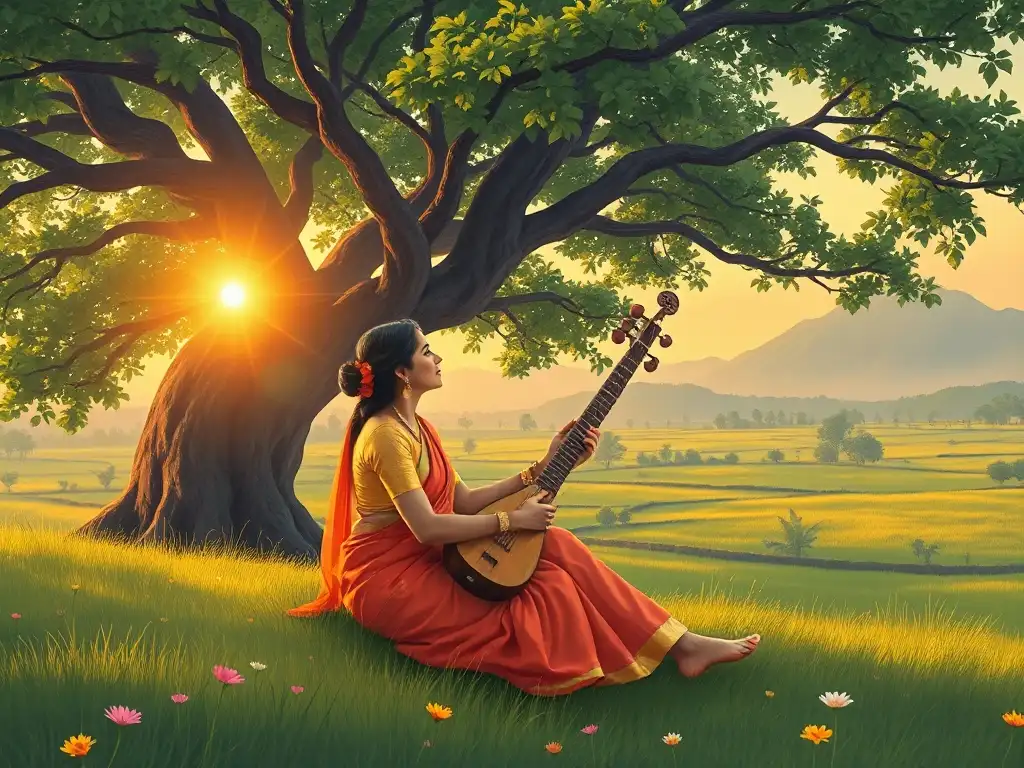
Sangam poetry, a remarkable facet of ancient Tamil literature, intricately weaves love themes into the very fabric of its verses. The cultural context of love in this genre is rooted in the social norms, traditions, and practices of ancient Tamil society. The poets of the Sangam period, which flourished between 300 BCE and 300 CE, articulated the nuances of love through the lens of their contemporary experiences, reflecting the values and aesthetics of their time.
In Sangam poetry, love is not merely a personal emotion but is deeply interlinked with the community and the environment. The poets often depicted love as a significant aspect of life, intertwining it with themes of duty, honor, and the natural world. This approach allowed for a rich exploration of human relationships, particularly the romantic ones, which were celebrated in various forms, including courtship, separation, and reunion. The 'Akam' genre, specifically, focuses on the intimate aspects of love, presenting a vivid tapestry of emotions and experiences that resonate with readers even today.
Historical Background of Love in Ancient Tamil Society
The historical backdrop of ancient Tamil society is crucial in understanding the portrayal of love in Sangam poetry. The period was marked by the emergence of a well-defined social structure, with kings, poets, and common folk all playing pivotal roles. Love was often idealized, seen as a noble pursuit that transcended mere physical attraction. The societal norms dictated that love was to be expressed within certain frameworks, such as marriage and courtly relationships, which were often governed by familial and societal expectations.
Moreover, the Sangam poets were instrumental in shaping the cultural narrative around love, emphasizing virtues such as loyalty, respect, and emotional depth. Through their verses, they celebrated the joys and sorrows of love, portraying it as a complex interplay of desire, commitment, and societal obligations. This nuanced representation not only enriched the literary landscape but also provided insights into the emotional lives of the people of that era.
Influence of Geography and Environment on Love Themes
The geography and environment of ancient Tamil Nadu significantly influenced the themes of love in Sangam poetry. The region's diverse landscapes—ranging from coastal areas to verdant hills—served as a backdrop for the romantic encounters depicted in the poems. The natural world was not merely a setting but an active participant in the emotional experiences of love, reflecting the sentiments of the lovers through its changing moods and seasons.
For instance, the monsoon rains, with their ability to evoke feelings of longing and nostalgia, were often used to symbolize the emotional turbulence of love. Similarly, the lush flora and fauna of the region were employed to express the beauty and fragility of romantic relationships. The poets skillfully utilized these geographical elements to create a rich tapestry of imagery, allowing readers to engage with the themes of love on both an emotional and sensory level.
Exploring Symbolism in 'Akam' Poetry
Symbolism is a cornerstone of 'Akam' poetry, where the poets employed various symbols to convey complex emotions and experiences related to love. The use of symbolism enriches the poetry, allowing for deeper interpretations and connections to the themes of love. Each symbol is imbued with meaning, reflecting the cultural and emotional landscape of the time.
Nature as a Symbol of Love
In 'Akam' poetry, nature often serves as a profound symbol of love, with elements like flowers, rivers, and mountains representing various aspects of romantic relationships. For example, the lotus symbolizes purity and beauty, while the river may signify the flow of emotions and the passage of time in love. The changing seasons are also reflective of the lovers' experiences; spring is often associated with new beginnings and joy, while autumn may evoke feelings of loss and longing.
The poets masterfully intertwine these natural symbols into their verses, creating a vivid emotional landscape that resonates with readers. By drawing parallels between the lovers' experiences and the natural world, the poets reinforce the idea that love, much like nature, is a dynamic and transformative force.
The Use of Metaphors in Expressing Emotions
Metaphors play a crucial role in the articulation of emotions within 'Akam' poetry, providing a rich linguistic framework for the expression of love. Through metaphors, poets could convey complex feelings in a more relatable manner, allowing for a more profound engagement with the reader. For instance, the metaphor of a bird in a cage may represent the feeling of entrapment in love, while the sea might symbolize the vastness and unpredictability of emotional experiences.
These metaphorical expressions serve to deepen the reader's understanding of love's multifaceted nature. By linking abstract emotions to tangible experiences, the poets create a relatable and immersive experience, highlighting the intensity and complexity of love in a way that transcends time and culture. The enduring appeal of these metaphors continues to resonate, allowing modern readers to connect with the emotional depth of Sangam poetry.
Conclusion: The Enduring Legacy of 'Akam' Love Themes
The 'Akam' genre of Sangam poetry encapsulates a profound and intricate understanding of love that transcends time and cultural boundaries. The themes explored within 'Akam' not only depict the emotional and psychological landscapes of love but also serve as a mirror reflecting societal norms and values of ancient Tamil culture. The nuanced portrayal of love—from the joys of union to the pains of separation—highlights the complexity of human relationships, making it universally relatable.
As a result, 'Akam' poetry continues to resonate with readers and scholars, illustrating the timeless nature of love and longing. The enduring legacy of these themes has influenced various art forms, literature, and cultural expressions, fostering a deeper appreciation for the richness of human emotions across generations.
Impact of 'Akam' Poetry on Modern Interpretations of Love
The influence of 'Akam' poetry on contemporary interpretations of love is significant. Modern poets and writers often draw inspiration from the emotional depth and subtlety present in Sangam literature. By revisiting and reinterpreting 'Akam' themes, they explore love in its multifaceted forms, addressing contemporary issues such as gender dynamics, societal expectations, and personal identity.
This revitalization of 'Akam' poetry not only honors its historical significance but also integrates its timeless insights into modern dialogues about love and relationships. The evocative imagery and emotional resonance of 'Akam' continue to inspire artistic expressions ranging from poetry to visual arts, demonstrating the genre's relevance in today's cultural landscape.
The Relevance of Sangam Poetry Love Themes in Contemporary Culture
Sangam poetry love themes maintain a profound relevance in contemporary culture, reaching beyond geographical and temporal boundaries. The emotional experiences articulated in 'Akam' resonate with modern audiences, who find parallels in their own lives. Themes of unfulfilled love, the longing for connection, and the bittersweet nature of relationships echo in contemporary literature, films, and music.
Additionally, the rich imagery and metaphors originating from 'Akam' have inspired a variety of artistic interpretations, allowing artists to explore love's complexities in innovative ways. As society evolves, the fundamental human experiences captured in Sangam poetry continue to provide a lens through which we can examine and understand our own romantic experiences.
References and Further Reading
Key Texts on Sangam Poetry
- "The Sangam Anthology" - This collection features translations of key poems from the Sangam era, providing insights into the 'Akam' genre and its themes of love.
- "Sangam Literature: A Historical Overview": by K. K. Pillai - This book offers an in-depth analysis of the cultural and historical context of Sangam poetry, including discussions on love themes.
- "Love and Longing in Sangam Poetry" - A critical exploration of the emotional depth in 'Akam' poetry, focusing on its relevance to human experiences.
Additional Resources on Tamil Literature and Culture
- "Tamil Literature: A Historical Perspective": - This resource provides a comprehensive overview of Tamil literature, including its evolution and significant contributions.
- "The Aesthetics of Tamil Poetry" - A scholarly examination of the poetic forms and aesthetic principles that define Tamil literature, including Sangam poetry.
- Online Journals and Articles - Numerous academic journals publish articles on Tamil literature and Sangam poetry, offering valuable insights and contemporary interpretations. Exploring platforms like JSTOR or Google Scholar can lead to relevant research papers and discussions.
- Introduction to Sangam Poetry
- Understanding Love Themes in Sangam Poetry
- Key Characteristics of 'Akam' Poetry
- Notable Poets and Their Contributions
- The Cultural Context of Love in Sangam Poetry
- Exploring Symbolism in 'Akam' Poetry
- Conclusion: The Enduring Legacy of 'Akam' Love Themes
- References and Further Reading
Frequently Asked Questions
What is Sangam poetry?
Sangam poetry is a classical Tamil literature tradition that emerged in ancient South India, showcasing themes of love, nature, and heroism, particularly from the Sangam period (300 BCE - 300 CE).
What are the main themes of Sangam poetry?
The main themes of Sangam poetry include love, valour, and nature. The Akam genre specifically focuses on personal relationships and emotional experiences, particularly in the context of romantic love.
How does the 'Akam' genre differ from 'Puram' in Sangam poetry?
While Akam explores intimate emotions and the inner world of love, the Puram genre addresses heroic deeds and external conflicts. This contrast highlights the duality of human experiences in Sangam literature.
Why is love a significant theme in Sangam poetry?
Love is a significant theme because it reflects the cultural values of ancient Tamil society, emphasizing emotional connections, relationships, and the complexity of human feelings. It serves as a lens to understand social dynamics of the time.
How has Sangam poetry influenced modern literature?
Sangam poetry has influenced modern literature by introducing lyrical expressions of love and emotion. Its rich imagery and cultural significance continue to inspire contemporary poets and writers in Tamil literature and beyond.
Final Reflection: The Enduring Beauty of Love in Sangam Poetry
The exploration of love in Sangam poetry remains profoundly relevant today, as it encapsulates the timeless emotions that bind humanity together. In a world where relationships often face the pressures of modernity, the deep, nuanced expressions of love found in the 'Akam' genre resonate with our own experiences, reminding us of the beauty and complexity of human connections. The themes of longing, intimacy, and the interplay of nature and emotion in these ancient verses continue to inspire and evoke a sense of nostalgia for the pure essence of love.
The influence of Sangam poetry on our cultural and social landscape is undeniable, as it serves as a bridge connecting past and present sentiments. The intricate portrayal of love in this genre not only enriches our understanding of historical perspectives but also invites us to reflect on our own relationships. As poet K. Satchidanandan aptly noted, Love is the thread that weaves the fabric of our existence, transcending time and space.
This observation underscores how the themes of love in Sangam poetry continue to shape our emotional lives, encouraging us to embrace vulnerability and connection in our own narratives.
As we conclude this exploration of the aesthetics of love in Sangam poetry, I invite you to reflect on your own experiences with love and connection. Consider how the themes of longing and intimacy resonate with your life today. Let the beauty of these ancient verses inspire you to cultivate deeper relationships, appreciate the subtleties of affection, and celebrate the enduring power of love in all its forms. Embrace the lessons of the past as you navigate the complexities of your own heart, and remember that love, in its many expressions, is a timeless journey worth cherishing.
Dive Deeper into the Beauty of Love!
Thank you for exploring the captivating world of Sangam poetry and the intricate 'Akam' genre with us! We hope you enjoyed uncovering the emotional landscapes of love that this ancient art encapsulates. Now, it's time to take your newfound insights to the next level!
Here are some exciting next steps you can take to deepen your knowledge and connection:
- Join a local poetry reading group or participate in an online forum where you can share and discuss your thoughts on Sangam poetry with fellow enthusiasts!
- Explore more of India’s rich literary traditions by delving into various poetic forms and their historical contexts!
- Create your own original poem inspired by the themes of 'Akam', and share it with friends or on social media to spark a discussion about the aesthetics of love!
What aspect of love in Sangam poetry resonates most with you, and how do you think it reflects our own experiences today? Let's keep the conversation going!