
Exploring the Diet of the Indus Valley: What Did Ancient Indians Eat?

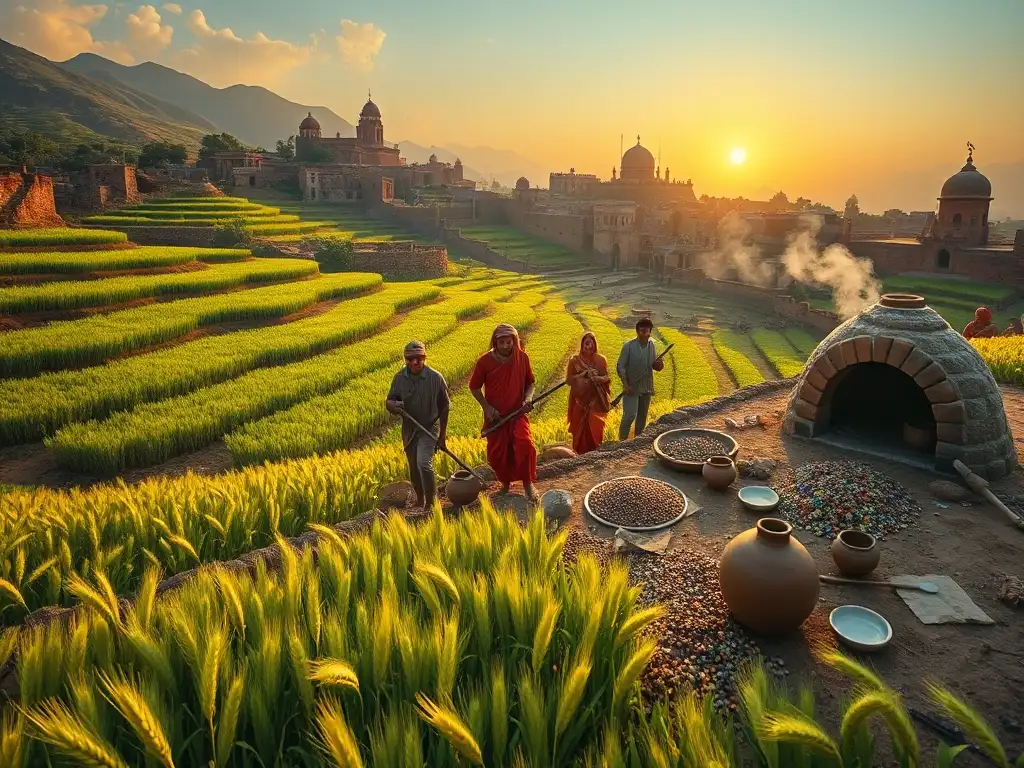
Welcome to Ancient India History, where we embark on a captivating journey through the rich tapestry of ancient Indian civilizations. In this exploration, we delve into the Indus Valley ancient diet, uncovering the fascinating foods that nourished one of the world's earliest urban societies. What secrets lie within the culinary practices of this remarkable civilization? Join us as we unearth the ingredients and traditions that shaped their daily lives, inviting you to discover the flavors of history that continue to resonate today. Dive deeper into this intriguing topic and uncover the stories behind the meals of the past!
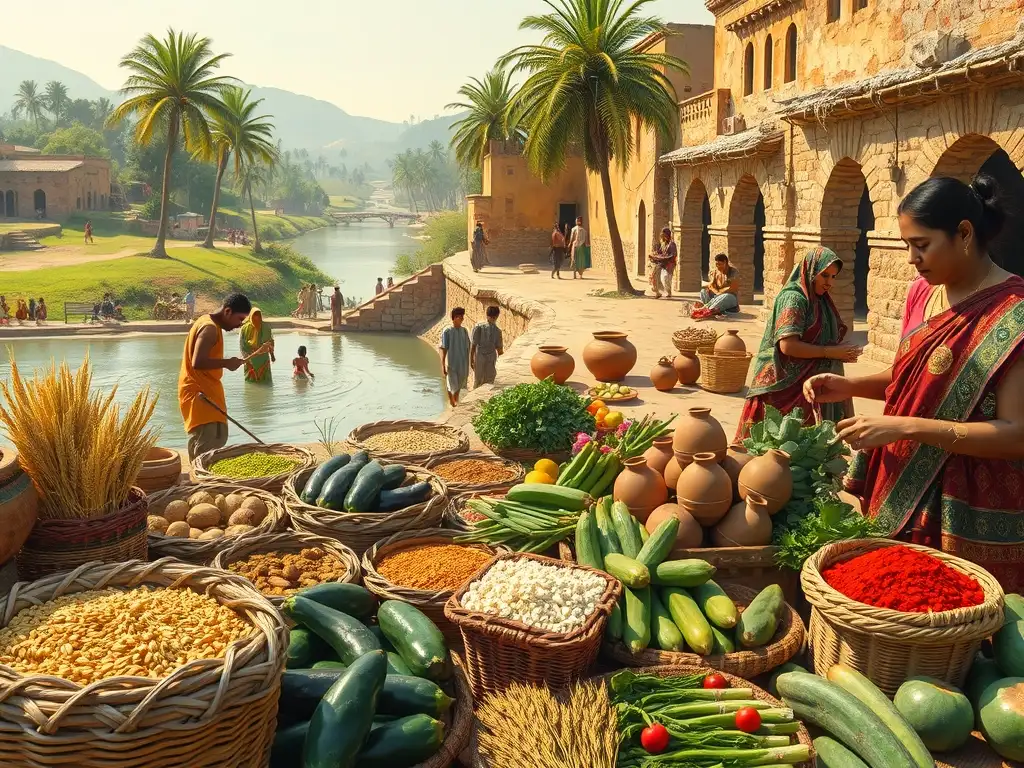
Introduction to the Indus Valley Ancient Diet
The diet of the Indus Valley civilization, one of the world's earliest urban cultures, offers fascinating insights into the daily lives of ancient Indians. Flourishing around 2500 BCE in what is now Pakistan and northwest India, this civilization is renowned for its advanced urban planning, architecture, and social organization. However, understanding what ancient Indians consumed provides a deeper appreciation for their culture and lifestyle.
The Indus Valley ancient diet was characterized by a variety of food sources, reflecting both agricultural practices and trade networks of the time. Exploring this diet not only reveals dietary habits but also informs us about the societal structure, economy, and environmental adaptations of the people in this remarkable civilization.
Overview of the Indus Valley Civilization
The Indus Valley Civilization (IVC) is notable for its impressive urban centers, such as Harappa and Mohenjo-Daro, featuring sophisticated drainage systems and granaries. Agriculture was the backbone of this civilization, primarily due to the fertile plains of the Indus River. The inhabitants cultivated a range of crops, including wheat, barley, and peas, which played significant roles in their diet. The strategic location of the IVC facilitated trade with neighboring regions, further enriching their diet with a variety of foods.
Importance of Diet in Ancient Indian Society
Diet in ancient Indian society was not merely a matter of sustenance; it was intricately linked to social status, cultural practices, and even religious beliefs. The diversity in food sources allowed for a rich culinary tradition, which would influence later Indian cuisines. The ability to produce and consume a varied diet contributed to the health and well-being of the population, fostering a vibrant community life. Understanding these dietary practices gives us a glimpse into the social dynamics and cultural values of the time.
Key Components of the Indus Valley Ancient Diet
The ancient diet of the Indus Valley was diverse and nutritious, reflecting the agricultural sophistication and trade networks of the civilization. Here, we will explore the key components that made up their daily meals.
Staple Foods in the Indus Valley Diet
- Grains: The primary staples included wheat and barley, which were ground into flour for making bread and porridge.
- Legumes: Pulses such as lentils and chickpeas were common, providing essential proteins and nutrients.
- Rice: Although less common than wheat, rice was also cultivated in the southern regions, contributing to the variety of their diet.
Fruits and Vegetables Consumed
The IVC inhabitants enjoyed a range of fruits and vegetables, enhancing the nutritional value of their meals.
- Fruits: Commonly consumed fruits included dates, melons, and possibly pomegranates and figs, which provided natural sugars and vitamins.
- Vegetables: They cultivated a variety of vegetables such as onions, garlic, and leafy greens, which added flavor and nutrients to their dishes.
Animal Products and Protein Sources
While plant-based foods formed the bulk of the diet, animal products also played a role.
- Dairy: Milk and its products, like yogurt and cheese, were significant protein sources, underlining the importance of livestock.
- Meat: Evidence suggests that the inhabitants consumed fish, and possibly beef and mutton, though the extent varied depending on regional practices and available resources.
Understanding the Indus Valley ancient diet not only sheds light on the nutritional practices of the time but also reveals the complexities of their society, economy, and cultural interactions. The dietary habits of ancient Indians continue to influence modern Indian cuisine, making this exploration both relevant and intriguing.
Agricultural Practices Supporting the Indus Valley Ancient Diet
The diet of the Indus Valley Civilization was deeply rooted in its agricultural practices, which were advanced for their time. The fertile plains along the Indus River provided a conducive environment for the cultivation of various crops, which formed the backbone of daily sustenance for its inhabitants. The strategic use of land and resources allowed for a diverse diet that was not only rich in variety but also sustainable over centuries.
Farming Techniques Used by Indus Valley Inhabitants
The inhabitants of the Indus Valley employed several innovative farming techniques that significantly enhanced their agricultural productivity. One of the most notable methods was crop rotation, which helped maintain soil fertility and prevent nutrient depletion. This practice allowed farmers to alternate between different types of crops, ensuring that the soil remained productive year after year.
Additionally, the use of ploughs made from wood and bronze enabled more efficient tilling of the soil, facilitating deeper planting of seeds and better management of crop rows. Archaeological evidence suggests that the Indus Valley farmers cultivated a range of crops, including wheat, barley, peas, and various pulses, indicating a sophisticated understanding of agronomy.
Another remarkable aspect of their farming was the cultivation of cotton, which was likely one of the first instances of cotton farming in the world. This not only provided a source of textiles but also contributed to the economy of the civilization.
Irrigation Systems and Their Impact on Food Production
Irrigation played a crucial role in supporting the agricultural practices of the Indus Valley Civilization. The extensive network of canals and reservoirs constructed by the inhabitants helped to manage water supply effectively, especially during dry seasons. These irrigation systems were essential for sustaining crop growth in the arid climate of the region.
The ability to control water flow allowed farmers to cultivate larger areas of land and grow multiple crops in a single year. This increased agricultural yield directly impacted the diet of the Indus Valley people, as it ensured a steady supply of food. Moreover, the efficient management of water resources contributed to the overall stability and growth of the civilization, as it reduced reliance on seasonal rains and mitigated the effects of drought.
Trade and Its Influence on the Indus Valley Diet
Trade was another significant factor influencing the diet of the Indus Valley Civilization. The strategic location of the Indus Valley along various trade routes facilitated the exchange of goods and ideas with neighboring regions, enriching the culinary landscape of the area.
Trade Routes and Exchanges with Neighboring Regions
The extensive trade networks established by the Indus Valley inhabitants connected them to distant regions such as Mesopotamia, Persia, and the Arabian Peninsula. These trade routes allowed for the exchange of not only agricultural products but also various food items and spices that were not locally available.
Archaeological findings indicate that the Indus Valley merchants traded surplus grains, textiles, and other goods in exchange for luxury items like spices, dried fruits, and metals. This cross-cultural exchange not only broadened the dietary options available to the people but also fostered a diverse culinary culture that included influences from various neighboring civilizations.
Imported Foods and Ingredients in the Indus Valley
The influx of imported foods and ingredients significantly diversified the Indus Valley diet. Among the notable imports were spices such as cumin, coriander, and mustard, which added flavor and variety to their meals. Additionally, dried fruits like dates and figs, likely from regions in the Arabian Peninsula, were incorporated into their diets, offering both nutritional benefits and new tastes.
Furthermore, the trade relations allowed for the introduction of new grains such as millet and rice, which supplemented the staple crops of wheat and barley. This adaptation of various food items exemplifies the dynamic nature of the Indus Valley diet and highlights how trade not only influenced agricultural practices but also shaped the culinary identity of this ancient civilization.
Cultural Significance of Food in Ancient Indian Society

Food in the ancient Indus Valley was more than just sustenance; it played a pivotal role in social structure, cultural identity, and spiritual practices. The diverse diets of ancient Indians reflected their environment, agricultural practices, and trade relations. Grains such as wheat and barley were staples, while fruits, vegetables, and legumes contributed to a varied and balanced diet.
The preparation and consumption of food were often intertwined with cultural norms and traditions. For instance, certain foods were associated with specific festivals and gatherings, reinforcing community bonds and cultural heritage. The way food was served and shared also denoted social status, with elaborate dishes and communal feasting serving as indicators of wealth and hospitality.
Food in Rituals and Religious Practices
Rituals and religious ceremonies in the Indus Valley often included specific food offerings, underscoring the belief in the spiritual significance of sustenance. The presence of sacred groves and the worship of various natural elements indicated a deep connection between food and spirituality.
Archaeological findings suggest that certain foods were utilized in rituals, including grains, fruits, and dairy products, which were offered to deities in hopes of securing blessings for fertility, health, and prosperity. The preparation of these offerings often followed strict guidelines, emphasizing purity and respect for the elements involved. This practice not only showcased the importance of food in religious observance but also reinforced community cohesion through shared beliefs and practices.
The act of sharing meals was a fundamental aspect of life in the Indus Valley, serving as a means to strengthen community ties. Communal feasting was common during festivals, agricultural harvests, and other significant events, fostering a sense of unity among the people. These gatherings allowed for the exchange of ideas, traditions, and social bonds, which were essential for maintaining the fabric of society.
Additionally, shared meals often included a variety of dishes, highlighting the agricultural diversity of the region. The communal aspect of dining also facilitated the transmission of culinary skills and knowledge across generations, ensuring the preservation of culinary heritage. This collective experience of eating together fostered not only social relationships but also a shared identity among the inhabitants of the Indus Valley.
Conclusion: The Legacy of the Indus Valley Ancient Diet
The diet of the Indus Valley civilization laid the foundation for many aspects of modern Indian cuisine. Its rich diversity and emphasis on fresh, locally-sourced ingredients have influenced culinary practices for centuries. The integration of grains, legumes, fruits, and vegetables into daily meals reflects a holistic approach to nutrition that resonates in contemporary diets.
Lasting Influences on Modern Indian Cuisine
Many traditional Indian dishes can trace their roots back to the culinary practices established during the Indus Valley period. Ingredients such as wheat, lentils, and various spices remain staples in Indian kitchens today. The emphasis on vegetarianism, which is prevalent in many parts of India, can also be linked to the dietary habits of ancient civilizations that prioritized plant-based foods for both health and spiritual reasons.
The techniques of food preparation, preservation, and communal eating that originated in this era continue to be prominent in modern Indian culture, demonstrating the enduring legacy of the Indus Valley ancient diet.
Reflection on the Dietary Diversity of Ancient Indian Civilizations
The dietary practices of the Indus Valley civilization exemplify the complexity and diversity of ancient Indian diets. The intermingling of local agricultural outputs with trade goods allowed for a rich tapestry of flavors and culinary techniques. This diversity was not only a reflection of the environmental resources available but also an indicator of the social dynamics and cultural exchanges that occurred throughout ancient Indian history.
By examining the diet of the Indus Valley, we gain valuable insights into the broader patterns of life in ancient India, revealing how food has always been a vital component of cultural identity, social interaction, and community cohesion. The legacy of these ancient dietary practices continues to nourish and shape modern Indian society, ensuring that the rich history of the Indus Valley remains relevant today.
- Introduction to the Indus Valley Ancient Diet
- Key Components of the Indus Valley Ancient Diet
- Agricultural Practices Supporting the Indus Valley Ancient Diet
- Trade and Its Influence on the Indus Valley Diet
- Cultural Significance of Food in Ancient Indian Society
- Food in Rituals and Religious Practices
- The Role of Community and Shared Meals
- Conclusion: The Legacy of the Indus Valley Ancient Diet
- What was the Indus Valley ancient diet primarily composed of?
- How did geography influence the Indus Valley ancient diet?
- Were there any animal products in the Indus Valley ancient diet?
- Did the Indus Valley ancient diet include spices or flavorings?
- How does the Indus Valley ancient diet compare to modern Indian diets?
Frequently Asked Questions
What was the Indus Valley ancient diet primarily composed of?
The Indus Valley ancient diet included a variety of grains, legumes, and vegetables. Common staples were wheat, barley, and rice, supplemented by pulses and fruits.
How did geography influence the Indus Valley ancient diet?
The geography of the Indus Valley, with its fertile plains and access to rivers, allowed for the cultivation of a diverse range of crops, significantly shaping the diet.
Were there any animal products in the Indus Valley ancient diet?
Yes, the Indus Valley people consumed dairy products and some forms of meat. Archaeological evidence suggests they raised cattle and goats for this purpose.
Did the Indus Valley ancient diet include spices or flavorings?
Yes, the ancient diet of the Indus Valley likely included a variety of spices and herbs to enhance flavors, although specific details are still under research.
How does the Indus Valley ancient diet compare to modern Indian diets?
While many elements of the Indus Valley ancient diet like grains and vegetables remain staples, modern diets have diversified to include a wider range of ingredients and flavors influenced by global cuisine.
Final Reflection: The Enduring Legacy of the Indus Valley Ancient Diet
The exploration of the Indus Valley ancient diet reveals not only the nutritional practices of a remarkable civilization but also underscores the profound connection between culture and sustenance. Today, as we grapple with modern dietary challenges and the quest for sustainable food sources, understanding the dietary habits of our ancestors can provide valuable insights into how we can nourish ourselves while respecting our environment. The ancient practices of the Indus Valley civilization remind us that food is not merely fuel; it is a vital thread in the fabric of our cultural identity.
The influence of the Indus Valley ancient diet extends far beyond its historical context, shaping contemporary culinary practices and agricultural methods. As we look to the past, we see how these early diets were deeply intertwined with the land, seasons, and community. This connection serves as a poignant reminder of the importance of local and seasonal eating in today's globalized world. Let food be thy medicine and medicine be thy food.
– Hippocrates. This quote resonates with the principles of the Indus Valley diet, emphasizing the significance of food as a source of health and well-being.
As we reflect on the lessons gleaned from the Indus Valley ancient diet, I invite you to consider how these insights can be integrated into your own life. What can you learn from the past to inform your present choices? Embrace the idea of mindful eating, prioritize local ingredients, and cultivate a deeper appreciation for the food that nourishes you. By honoring the wisdom of ancient diets, we can forge a path toward a healthier, more sustainable future for ourselves and generations to come.
Unveil the Secrets of Ancient Indian Cuisine!
Thank you for taking the time to explore the fascinating world of the Indus Valley diet! We hope this journey into ancient culinary practices has enriched your understanding of history and cultural evolution. Now, it's time to put that knowledge into action!
- Try recreating a traditional dish from the Indus Valley! Research simple recipes that utilize ancient grains or legumes to experience a taste of history.
- Share your discoveries with friends or on social media to spark discussions about ancient diets and their relevance today.
- Join a local history group or forum to connect with others who are interested in exploring ancient civilizations and their culinary legacies.
What ancient food practice would you love to see make a comeback in today's cuisine?