
The Secrets Behind Indus Valley Seals: Art and Communication

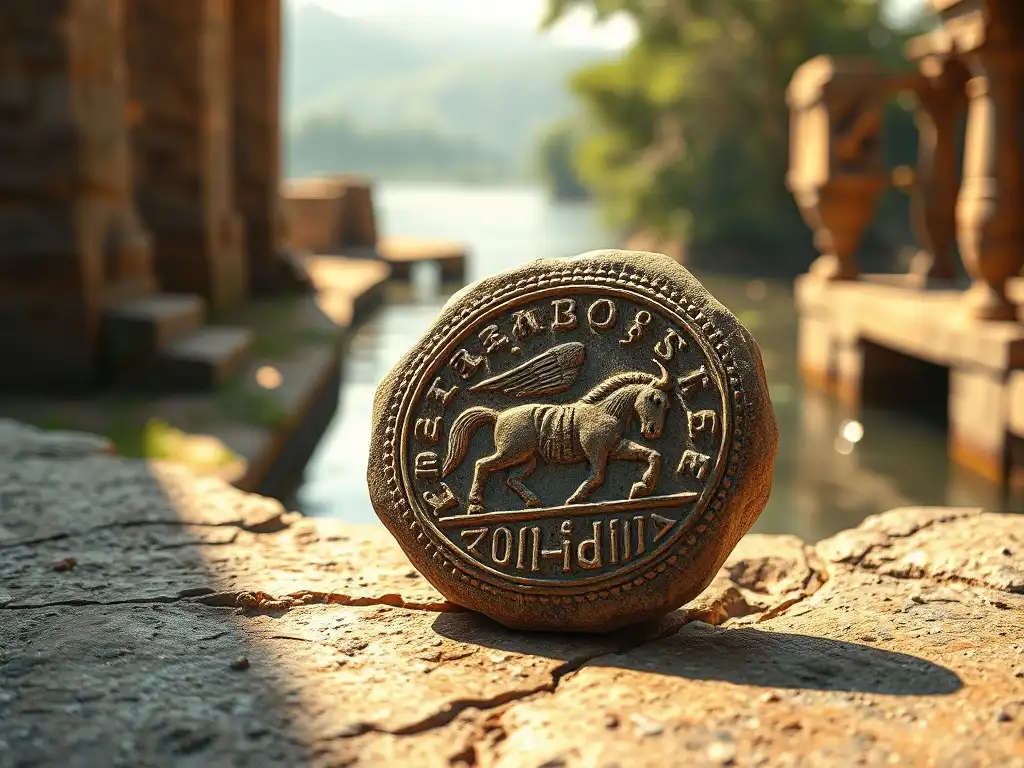
Welcome to Ancient India History, where we embark on a fascinating journey through time to uncover the rich tapestry of ancient Indian civilizations. Have you ever wondered about the mysterious Indus Valley seal inscriptions that have captivated historians and archaeologists alike?
In our featured article, “The Secrets Behind Indus Valley Seals: Art and Communication,” we delve into the artistry and significance of these enigmatic artifacts, revealing how they reflect the sophisticated culture of the Indus Valley. Join us as we explore the depths of history, culture, and contributions that have shaped this ancient civilization, and prepare to ignite your curiosity with every click!
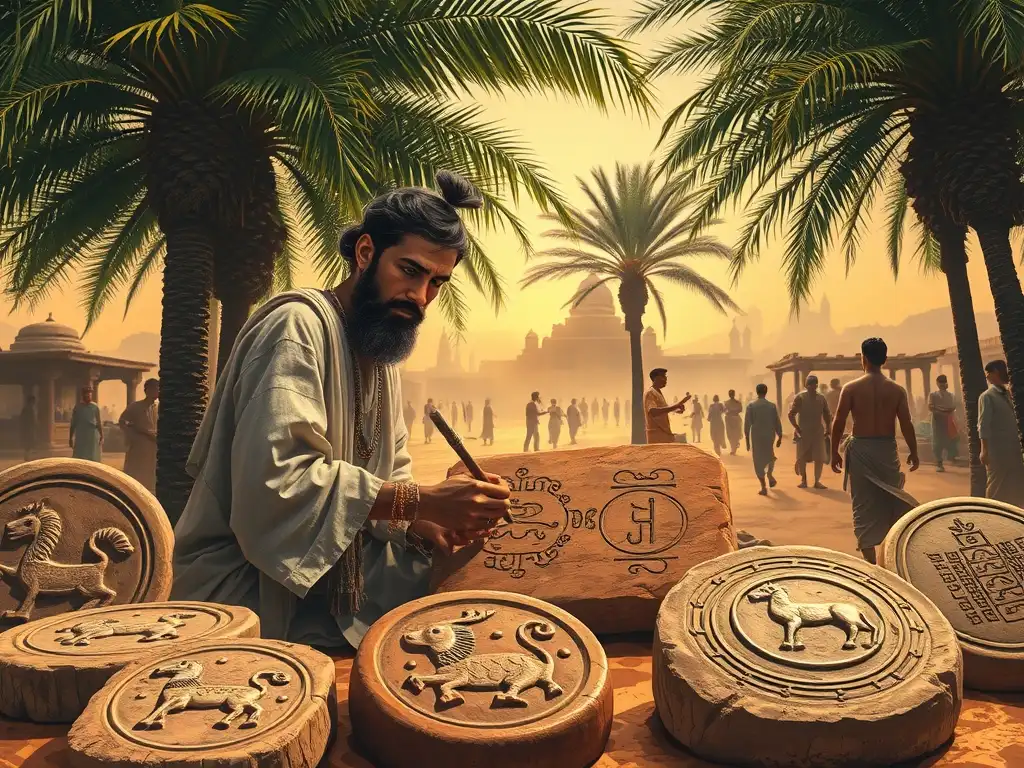
The Indus Valley Civilization, one of the world's earliest urban cultures, thrived between 2600 and 1900 BCE, showcasing remarkable advancements in art, architecture, and social organization. Among its many contributions, the seals produced by this civilization stand out as intriguing artifacts that provide invaluable insights into their communication, trade practices, and cultural expressions.
These seals, often intricately carved with symbols, motifs, and inscriptions, served not only as identifiers for merchants but also as key elements in the understanding of ancient Indian civilization's social structure and beliefs. In this article, we will delve deeper into the fascinating world of Indus Valley seal inscriptions, exploring their significance, materials, techniques, and the rich tapestry of themes embedded in their designs.
Introduction to Indus Valley Civilization
Overview of the Indus Valley Civilization
The Indus Valley Civilization (IVC) flourished along the fertile banks of the Indus River, encompassing parts of modern-day Pakistan and northwest India. Renowned for its advanced urban planning, the IVC boasted well-organized cities such as Harappa and Mohenjo-Daro, characterized by grid-like street layouts, sophisticated drainage systems, and impressive public structures. This civilization is distinguished not only by its architectural achievements but also by its complex socio-economic systems, which included agricultural practices, trade, and craftsmanship.
Key features of the Indus Valley Civilization include:
- Urban Centers: Major cities with advanced infrastructure.
- Trade Networks: Extensive trade routes connecting the IVC with other civilizations like Mesopotamia.
- Artistic Expression: Diverse artistic styles evident in pottery, jewelry, and seals.
Significance of Seals in Indus Valley Culture
Seals played a pivotal role in the Indus Valley culture, serving multiple functions that extended beyond mere decoration. They were primarily used as trade identifiers, enabling merchants to authenticate their goods and establish ownership. Additionally, these artifacts are believed to have held religious and ceremonial significance, possibly acting as amulets or tokens in rituals.
The importance of seals can be summarized as follows:
- Trade Facilitation: Aiding in commerce and trade transactions.
- Cultural Symbols: Reflecting the spiritual beliefs and social hierarchy of the civilization.
- Communication Tools: Providing insights into the language and symbol system of the IVC.
Understanding Indus Valley Seal Inscriptions
What are Indus Valley Seal Inscriptions?
Indus Valley seal inscriptions consist of pictographic symbols and script etched onto various seal materials, including terracotta, stone, and metal. These inscriptions, often enigmatic, are a critical area of study for archaeologists and linguists, as they hold clues to the language and communication methods of the Indus Valley people. The seals typically feature a central image, often of animals or deities, surrounded by a border of inscriptions, which are believed to represent a form of writing unique to this civilization.
Materials and Techniques Used in Seal Production
The production of seals in the Indus Valley involved skilled craftsmanship and a variety of materials:
- Materials Used:
- Terracotta: Most common for seal production, allowing for intricate designs.
- Steatite: A softer stone favored for its durability and ease of carving.
- Semi-precious stones: Used for high-quality seals, demonstrating wealth and status.
- Techniques:
- Carving: Skilled artisans employed tools to meticulously carve designs and inscriptions.
- Burnishing: A finishing technique used to polish surfaces, enhancing the aesthetic appeal of the seals.
Common Themes and Symbols in Seal Designs
The designs on Indus Valley seals are rich with themes and symbols that reflect the civilization's beliefs, values, and environment. Common motifs include:
- Animal Imagery: Depictions of animals like unicorns, elephants, and bulls, which may have held symbolic meanings.
- Geometric Patterns: Intricate designs that may represent natural elements or spiritual beliefs.
- Human Figures: Rare representations that could indicate societal roles or deities.
These elements not only highlight the artistic creativity of the Indus Valley people but also provide critical insights into their cultural identity and worldview.
The study of Indus Valley seal inscriptions offers a fascinating glimpse into a civilization that laid the foundations for subsequent Indian cultures, showcasing their art, communication methods, and societal values.
The Art of Indus Valley Seals
The Indus Valley Civilization, flourishing from approximately 3300 to 1300 BCE, is renowned for its sophisticated urban planning and innovative craftsmanship, particularly evident in its seal-making tradition. These seals, typically made of steatite, terracotta, or metal, showcase an impressive array of artistic styles and serve multiple functions. The artistry is characterized by intricate carvings, often depicting animals, human figures, and various symbols, reflecting the aesthetic sensibilities and cultural values of the civilization.
The seals were not merely functional items; they were also expressions of identity and status. Each seal is unique, with varying designs and inscriptions that suggest a rich tradition of artistry and communication. The presence of motifs such as unicorns, bulls, and mythical creatures hints at a complex belief system and a deep connection with the natural world. As artifacts, the seals provide invaluable insights into the artistic innovations of the Indus Valley, showcasing the civilization’s advanced techniques in engraving and design.
Artistic Styles and Innovations in Seal Crafting
The craftsmanship of Indus Valley seals exhibits remarkable artistic styles that evolved over time. Artisans employed various techniques, such as incising, drilling, and polishing, to create detailed images and inscriptions. The seals often feature a square or rectangular shape, measuring approximately 3 to 5 centimeters, which allowed for intricate designs to be displayed prominently.
One of the notable innovations in seal crafting was the use of symbolic representation. The artisans skillfully combined abstract elements with realistic depictions of animals and humans, creating a distinctive iconography that conveyed deeper meanings. For instance, the recurring motif of the unicorn is believed to symbolize purity or divinity, while other animal figures may represent specific clans or professions. This blend of realism and abstraction exemplifies the artistic ingenuity of the Indus Valley craftsmen.
Iconography: Decoding the Imagery on Seals
The iconography on Indus Valley seals is a treasure trove for historians and archaeologists seeking to understand the culture and beliefs of this ancient civilization. The seals often feature a variety of motifs, such as animals, human figures, and geometric patterns. Each image can be interpreted in multiple ways, leading to various theories about their meanings and implications.
For example, seals depicting animals like elephants and tigers may have been used to signify power or territorial claims, while human figures, often shown in ritualistic poses, could indicate religious or cultural practices. Additionally, the presence of certain symbols, such as the swastika or lotus, links the seals to broader spiritual and philosophical concepts prevalent in ancient Indian culture. By analyzing these images, researchers can gain insights into the social structure, trade practices, and spiritual beliefs of the Indus Valley Civilization.
Comparison of Seals Across Different Sites
The study of Indus Valley seals reveals notable variations in style and design across different archaeological sites, such as Harappa, Mohenjo-Daro, and Dholavira. These differences can provide clues about regional identities and the extent of cultural exchange within the civilization. For instance, seals from Harappa often feature more elaborate designs and a greater variety of symbols compared to those from Mohenjo-Daro, which tend to be more uniform in style.
Such comparisons suggest that while there were overarching themes in seal design, local artisans adapted their techniques and motifs to reflect regional influences and preferences. This artistic diversity showcases the rich tapestry of the Indus Valley Civilization, highlighting the interplay between cultural continuity and innovation.
The Role of Seals in Communication
Indus Valley seals served a crucial role in facilitating communication, both in economic transactions and social interactions. They functioned as identifiers, marking ownership of goods and property, and as a means of conveying information across vast trade networks.
Function of Indus Valley Seals in Trade and Administration
Seals were integral to the trade practices of the Indus Valley Civilization, acting as a form of currency and identification. Merchants would use seals to authenticate the goods they traded, ensuring quality and origin. The presence of seal impressions on clay tablets and goods demonstrates their role in recording transactions and ownership, which was essential for maintaining order within the bustling trade systems.
Moreover, seals likely played a significant role in administrative functions, helping to regulate trade and manage resources. The ability to imprint a seal onto goods would signify approval or authorization, streamlining the processes of trade and governance across city-states.
Linguistic Analysis: The Script of Indus Valley Seal Inscriptions
The inscriptions found on Indus Valley seals are among the earliest forms of writing in South Asia, yet they remain largely undeciphered. Comprising a series of symbols that vary in complexity, the script is thought to represent a form of proto-writing or a language specific to the civilization. Linguistic analysis suggests that these inscriptions could be phonetic, logographic, or a combination of both.
Scholars have attempted to decode the script using comparative analysis with other ancient languages, but the lack of a Rosetta Stone-like artifact has posed significant challenges. The inscriptions, typically short and repetitive, may have conveyed essential information or messages, possibly related to trade or religious practices.
Theories on the Purpose of Seal Inscriptions
There are several theories regarding the purpose of the inscriptions on Indus Valley seals. Some researchers propose that the inscriptions served to identify the owner or creator of the seal, acting as a signature or mark of authenticity. Others suggest that the inscriptions may have had a ritualistic or religious significance, linking the seals to specific deities or practices.
Additionally, some scholars argue that the seals were used to convey information about trade goods, such as quantities or origins, thus functioning as an early form of record-keeping. The ambiguity surrounding the inscriptions has led to ongoing debates, underscoring the complexity of communication within the Indus Valley Civilization and the need for further research to unlock the secrets of these fascinating artifacts.
Cultural Significance of Indus Valley Seals
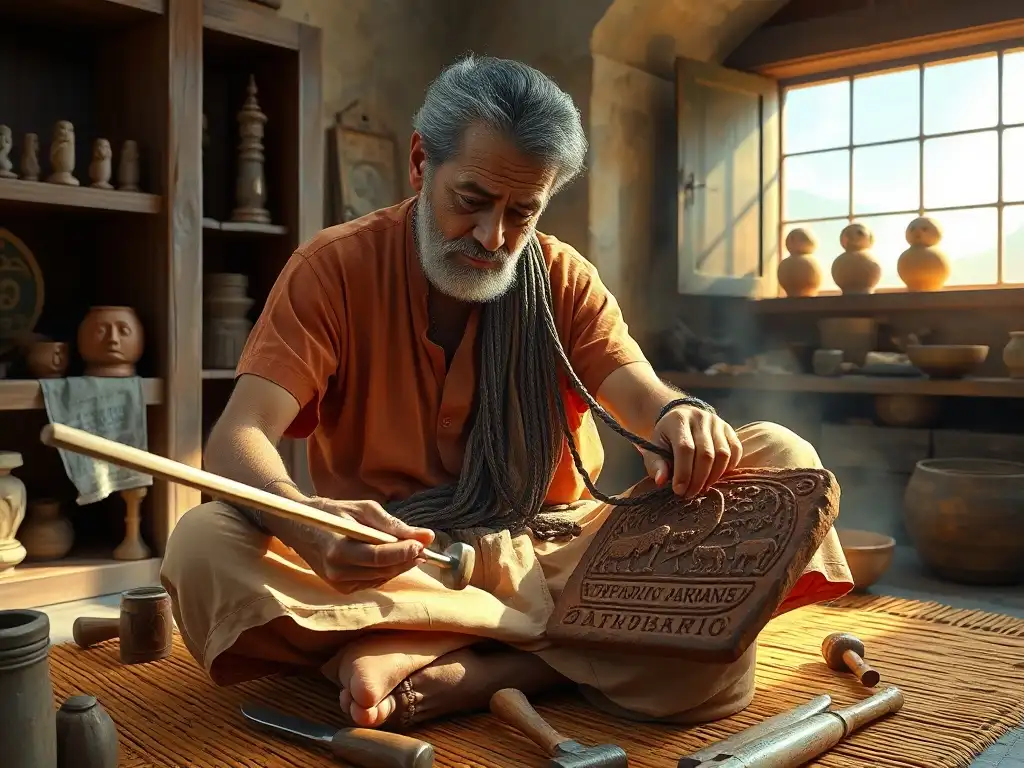
The seals of the Indus Valley Civilization are not merely artifacts; they are crucial cultural symbols that encapsulate the social, economic, and religious nuances of this ancient society. Crafted primarily from steatite, these seals often feature intricate carvings, which include motifs of animals, human figures, and geometric patterns. The artistry exhibited in these seals speaks volumes about the aesthetic sensibilities of the people and their deep connection to nature and mythology. The presence of various seals in archaeological sites indicates a sophisticated culture that valued art as a means of communication and expression.
Furthermore, the seals served as a tool for trade and commerce, likely acting as a form of branding for goods. The inscriptions on these seals, although still undeciphered, suggest a complex system of writing that could have been used for record-keeping or transactional purposes. This cultural significance is underscored by the fact that many seals have been found in distant regions, indicating that the Indus Valley Civilization engaged in extensive trade networks, thereby influencing and interacting with neighboring cultures.
Seals as Indicators of Social Structure and Identity
The diversity of motifs and inscriptions on Indus Valley seals provides valuable insights into the social structure and identity of its people. Different seals may represent various social groups, trade guilds, or even individual artisans, reflecting a society that was stratified yet interconnected. The presence of certain animals, such as the unicorn or the bull, might symbolize particular clans or families, suggesting a form of identity that went beyond mere individualism.
Moreover, the size and quality of the seals can indicate social hierarchy. Larger and more intricately designed seals were likely owned by elite members of society or prominent merchants, while simpler seals may have belonged to lower-status individuals. This stratification reveals a complex society where status, occupation, and identity were closely intertwined, highlighting the role of seals in the socio-economic fabric of the Indus Valley Civilization.
Religious and Ritualistic Aspects Reflected in Seal Art
Indus Valley seals also exhibit a rich tapestry of religious and ritualistic elements. Many seals portray deities or mythical creatures, suggesting that religion played a significant role in the lives of the Indus people. The presence of motifs such as the Shiva-like figure seated in a yogic posture indicates early forms of worship and spiritual practices that could have influenced later Indian religions.
In addition to religious iconography, some seals show evidence of ritualistic use, potentially serving as ceremonial objects in religious rites. The act of sealing could have had symbolic significance, possibly related to the protection of goods or the sanctity of agreements. These aspects point to a society where spirituality and daily life were deeply intertwined, with seals as tangible representations of their beliefs and practices.
The Impact of Seals on Understanding Indus Valley Society
The study of Indus Valley seals has profoundly impacted our understanding of this ancient civilization. These artifacts provide critical evidence for interpreting aspects of trade, social organization, and cultural practices. As researchers analyze the motifs, inscriptions, and the context in which these seals were found, they can reconstruct various elements of daily life, economic interactions, and even political structures within the Indus Valley.
Additionally, the seals have sparked interest in the broader narrative of human communication, as they represent one of the earliest forms of written expression in the Indian subcontinent. The ongoing decipherment efforts of seal inscriptions continue to hold the promise of unveiling more about the Indus Valley's complex social dynamics, thereby enriching our historical understanding.
Conclusion: Legacy of Indus Valley Seal Inscriptions
The legacy of Indus Valley seal inscriptions extends far beyond their physical presence; they serve as a bridge connecting modern scholars to the rich tapestry of ancient Indian civilization. These seals encapsulate the essence of an advanced society that not only engaged in trade and commerce but also expressed its identity and beliefs through art and communication.
Lasting Influence on Subsequent Indian Civilizations
The influence of Indus Valley seals can be traced through subsequent Indian civilizations, particularly in their art and iconography. The motifs and themes found in Indus seals can be seen echoed in later Indian artistic traditions, including those of the Mauryan and Gupta periods. This continuity suggests that the cultural and artistic legacies of the Indus Valley Civilization were absorbed and transformed by later societies, contributing to the rich cultural mosaic of ancient India.
Moreover, the concepts of trade and branding that emerged with the use of seals have persisted throughout Indian history, evolving into sophisticated systems of commerce and identity that are still relevant today. The importance of seals in establishing social status and identity has had a lasting impact on the cultural landscape of India.
Ongoing Research and Discoveries Related to Indus Valley Seals
Ongoing research into Indus Valley seals is uncovering new insights and advancements in understanding this ancient civilization. Archaeologists and linguists continue to study these artifacts, employing modern technology such as digital imaging and analytical methods to decipher the inscriptions and comprehend the context in which these seals were used.
Recent discoveries in excavation sites have yielded previously unseen seals, enriching the database of motifs and symbols available for study. Moreover, interdisciplinary approaches that combine archaeology, anthropology, and linguistics are paving the way for a more comprehensive understanding of the Indus Valley Civilization. As new findings emerge, they promise to illuminate the complexities of this enigmatic society, ensuring that the secrets behind Indus Valley seal inscriptions remain a vibrant area of scholarly inquiry.
Further Reading and Resources
To deepen your understanding of Indus Valley seal inscriptions and their significance in ancient Indian history, a variety of books, articles, and exhibitions are available. These resources provide valuable insights into the art, culture, and communication methods used by the Indus Valley Civilization, enriching your exploration of this fascinating topic.
Suggested Books and Articles on Indus Valley Seals
-
"The Indus Civilization: A Contemporary Perspective" by Gregory L. Possehl
This comprehensive book delves into the history, archaeology, and cultural significance of the Indus Valley Civilization, with a dedicated section on seals and their role in communication.
-
"Indus Seals and Their Significance" by J. P. Joshi
This article explores the various types of seals found in the Indus Valley, analyzing their inscriptions and the possible meanings behind them, while also discussing their artistic styles.
-
"The Indus Valley Civilization: A Historical Perspective" by R. S. Sharma
This work provides a broad overview of the Indus Valley Civilization, including an in-depth examination of its art forms, including seals, and how they reflect the society's values and practices.
-
"The Script of the Indus Valley Civilization: A Key to Understanding the Seals"
This article discusses the ongoing efforts to decipher the seals' inscriptions, offering insights into their structure, symbols, and potential linguistic significance.
-
"The Art of the Indus Valley: A Comprehensive Study" by V. S. S. Rao
This book focuses on the artistic expressions of the Indus Valley Civilization, featuring detailed analyses of seals as pivotal artifacts that showcase the civilization's creativity and cultural identity.
Recommended Museums and Exhibitions Featuring Indus Valley Art
-
National Museum, New Delhi
This museum houses a vast collection of artifacts from the Indus Valley Civilization, including numerous seals. Visitors can explore the intricate designs and inscriptions that characterize this ancient culture.
-
Archaeological Museum, Harappa
Located near the archaeological site of Harappa, this museum showcases several Indus Valley seals. It provides context for their discovery and significance in understanding the civilization's trade and communication.
-
Salar Jung Museum, Hyderabad
Known for its diverse collection, this museum features a section dedicated to the Indus Valley artifacts, including seals. The exhibits highlight the artistic prowess and the complexity of the society that created them.
-
Indus Valley Civilization Exhibition, British Museum, London
This temporary exhibition (check current status) highlights the art, culture, and daily life of the Indus Valley Civilization, with a focus on seals as vital communication tools.
-
Indus Valley Seals in the V&A Museum, London
The Victoria and Albert Museum includes a collection of Indus Valley seals, showcasing their artistic significance and offering insights into the civilization's trade networks and cultural exchanges.
By engaging with these resources, you can gain a more comprehensive understanding of the Indus Valley seals and their importance in the broader context of ancient Indian history and civilization.
- Introduction to Indus Valley Civilization
- Understanding Indus Valley Seal Inscriptions
- The Art of Indus Valley Seals
- The Role of Seals in Communication
- Cultural Significance of Indus Valley Seals
- Conclusion: Legacy of Indus Valley Seal Inscriptions
- Further Reading and Resources
Frequently Asked Questions
What are Indus Valley seal inscriptions?
Indus Valley seal inscriptions are engraved symbols found on small seals that were used for trade and communication in ancient India. They often feature animal motifs and script that remains undeciphered.
Why are Indus Valley seals important for historical studies?
These seals provide valuable insights into the social, economic, and political structures of the Indus Valley Civilization. They also reflect the artistic and communicative practices of the time.
How were the seals used in the Indus Valley Civilization?
Seals were primarily used for trade purposes, likely to mark ownership and authenticate transactions. They might have also held religious or ceremonial significance as symbols of authority.
What materials were used to create the Indus Valley seals?
Most seals were made from steatite, a soft stone that could be easily carved. Some seals were also crafted from carnelian, agate, and other materials to indicate status and craftsmanship.
Is the script on the Indus Valley seals deciphered?
As of now, the script found on the seals remains largely undeciphered, making it a mystery that intrigues historians and linguists. Researchers continue to explore its potential meanings and connection to other ancient scripts.
Final Reflection: Unveiling the Legacy of Indus Valley Seal Inscriptions
The exploration of Indus Valley seal inscriptions reveals a profound connection between art and communication that resonates deeply in our modern world. As we strive to understand the complexities of ancient civilizations, the significance of these seals transcends mere artifacts; they serve as a reminder of humanity's enduring quest for expression and connection. The intricate designs and symbols etched into these seals not only reflect the artistic prowess of the Indus Valley civilization but also their sophisticated methods of communication, which continue to inspire contemporary discourse on the interplay between art and language.
Cultural heritage is a living testament to our shared history, and the Indus Valley seals exemplify how art can bridge gaps across time and space. The inscriptions on these seals are more than just historical remnants; they are a window into the social, economic, and spiritual life of a civilization that thrived thousands of years ago. As we analyze these artifacts, we uncover layers of meaning that inform our understanding of identity and community. Art is the most beautiful of all lies.
This quote encapsulates the essence of how art, including the seals of the Indus Valley, continues to shape our perceptions and narratives about the past.
As we reflect on the lessons embedded in the artistry of Indus Valley seal inscriptions, I invite you to consider how you can incorporate the spirit of communication and creativity into your own life. What stories do you wish to tell, and how can you express them through your unique lens?
Embrace the power of art as a means of connection, and let the legacy of the Indus Valley inspire you to explore new forms of expression that resonate with your experiences and aspirations. The secrets behind these ancient seals are not just historical; they are a call to engage with the world around us, fostering understanding and creativity in our own narratives.
Unveil the Mysteries of the Indus Valley!
Thank you for exploring the fascinating world of Indus Valley seals with us! You’ve delved into the artistry and communication of an ancient civilization that continues to captivate scholars and enthusiasts alike. Now, let's take action to deepen your understanding and share this remarkable history!
- Join a local history group or participate in an online forum to discuss your insights and findings about the Indus Valley.
- Expand your knowledge by visiting a museum exhibit or accessing digital archives that showcase artifacts from the Indus Valley.
- Share your discoveries on social media using #IndusValleySecrets to inspire others and spark engaging conversations!
What intriguing piece of information about the Indus Valley do you find most compelling, and how do you believe it influenced the culture of that era?