
The Fascinating Trade Goods of the Indus Valley Civilization

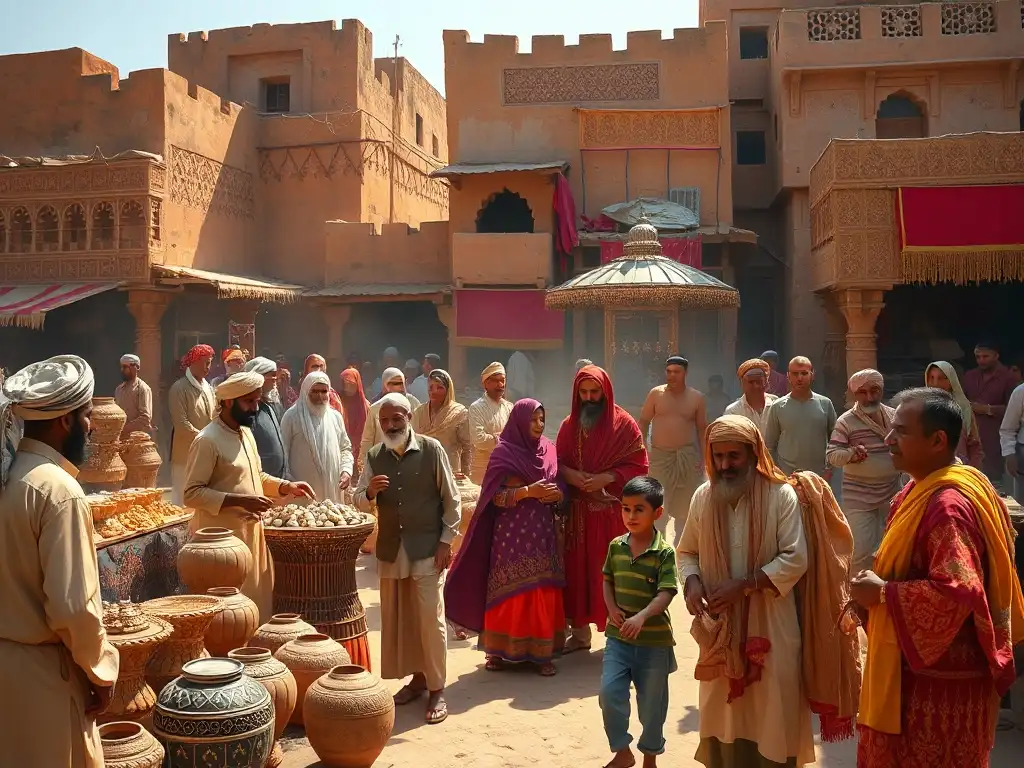
Welcome to Ancient India History, where we embark on a captivating journey through the rich tapestry of ancient Indian civilizations. Today, we delve into the intriguing realm of Indus Valley trade goods history, uncovering the remarkable artifacts and commodities that fueled a thriving economy. What secrets do these ancient trade goods hold about the social and cultural exchanges of the time? Join us as we explore the fascinating connections that shaped not only the Indus Valley but also the broader narrative of India's past. Prepare to be inspired and enlightened—your adventure into ancient history begins now!
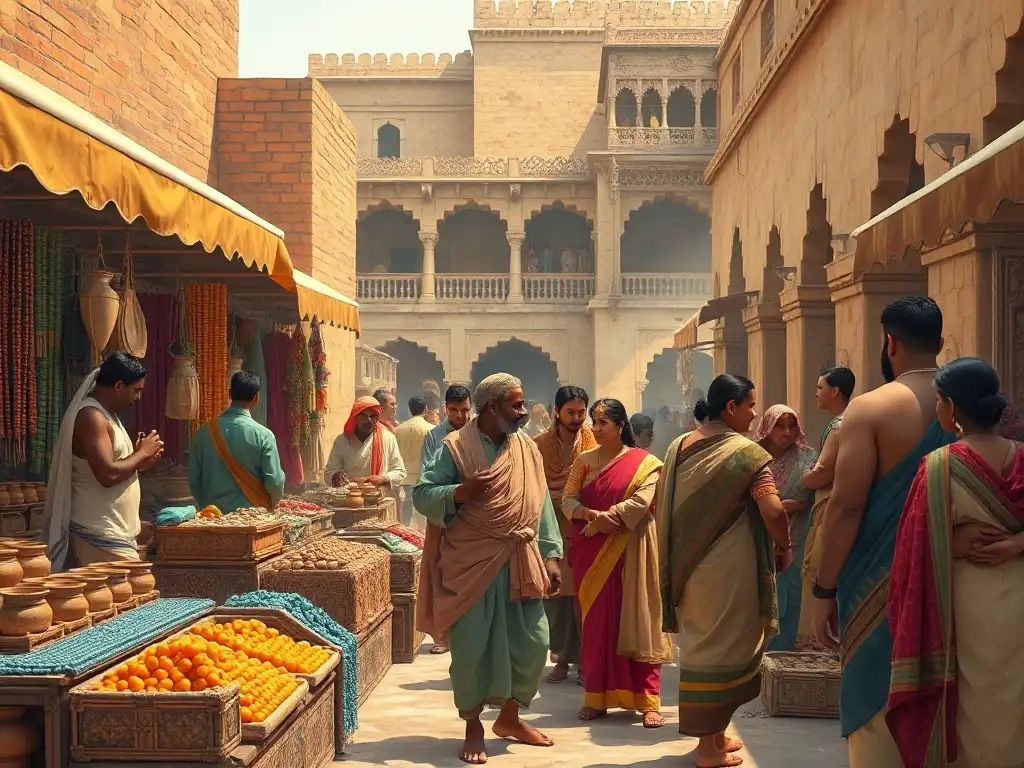
Introduction to Indus Valley Trade Goods History
The Indus Valley Civilization (IVC), flourishing around 3300 to 1300 BCE in present-day Pakistan and northwest India, is renowned for its remarkable urban planning, advanced drainage systems, and rich cultural heritage. One of the less highlighted yet equally significant aspects of this ancient civilization is its vibrant trade network and the diverse range of goods produced and exchanged.
Understanding the Indus Valley trade goods history provides insights into the economic, social, and cultural dynamics of the time, illustrating how commerce played a vital role in the civilization's development and longevity. This article delves into the fascinating variety of trade goods that not only fueled the economy of the IVC but also connected it to distant lands, showcasing the sophistication and far-reaching influence of this ancient society.
Overview of the Indus Valley Civilization
The Indus Valley Civilization emerged as one of the world's earliest urban cultures, characterized by well-planned cities such as Harappa and Mohenjo-Daro. These cities were equipped with advanced infrastructure, including grid-patterned streets, sophisticated drainage systems, and public baths, indicating a high level of social organization. The people of the IVC engaged in agriculture, animal husbandry, and various crafts, which laid the foundation for a thriving economy.
Trade played a pivotal role in the IVC, facilitating exchanges not only within the civilization but also with neighboring regions, including Mesopotamia, Persia, and beyond. Evidence suggests that the Indus merchants employed a standardized system of weights and measures, which helped streamline trade transactions and foster economic relationships with distant cultures.
Significance of Trade in Ancient Societies
Trade has always been a cornerstone of human civilization, fostering economic growth, cultural exchange, and social cohesion. In ancient societies, including the Indus Valley, trade was essential for:
- Resource Exchange: Ensuring access to essential materials that were not locally available.
- Cultural Interaction: Facilitating the exchange of ideas, technologies, and cultural practices among diverse communities.
- Economic Stability: Creating a diversified economy that could withstand local shortages or crises.
The trade practices of the Indus Valley Civilization not only enhanced its internal economy but also established vital connections with other cultures, contributing to its legacy as one of the great civilizations of the ancient world.
Major Trade Goods of the Indus Valley Civilization
The Indus Valley Civilization was known for a variety of trade goods that were highly sought after both locally and internationally. These goods included:
Textiles and Clothing
Textiles were a significant component of the trade economy in the IVC. Cotton, which was cultivated in the region, became a primary export. The people of the Indus Valley were adept at weaving and dyeing fabrics, producing intricate patterns and vibrant colors. Evidence from archaeological sites suggests that textiles were traded extensively, reaching as far as Mesopotamia, where they were highly valued.
Metalwork and Tools
The craftsmanship in metalwork of the Indus Valley was exceptional. Artisans produced tools and ornaments from copper, bronze, and later iron. These items were not only functional but also served as symbols of status and wealth. The trade of metal goods was crucial, as they were used for agricultural implements, weapons, and decorative items, enhancing both daily life and ceremonial practices.
Pottery and Ceramics
Pottery from the Indus Valley is characterized by its quality and variety. The civilization produced fine painted pottery, utilitarian vessels, and storage jars, often featuring intricate designs and motifs. These ceramics were essential for daily life and were also traded widely, reflecting the aesthetic sensibilities and artistic skills of the people.
Agricultural Products
The fertile plains of the Indus Valley allowed for the cultivation of various crops, including wheat, barley, and rice. Surplus agricultural production not only supported the local population but also became a key trade commodity. The exchange of these products facilitated food security and sustained the population, reinforcing the economic structure of the civilization.
Stone and Gemstone Trade
The IVC was known for its skilled craftsmanship in stone and gemstone work. Artisans created intricate jewelry, seals, and decorative items from semi-precious stones like lapis lazuli, carnelian, and agate. The demand for these luxury items extended beyond the Indus Valley, contributing to the wealth of the civilization and its trade networks.
The trade goods of the Indus Valley Civilization not only reflect the economic prosperity of the time but also highlight the civilization's interconnectedness with other cultures, laying the groundwork for future exchanges in ancient history.
Trade Routes of the Indus Valley Civilization
The trade routes of the Indus Valley Civilization (IVC) played a crucial role in shaping its economy and connecting it with neighboring regions. Evidence suggests that the IVC engaged in extensive trade both overland and via maritime routes, facilitating the exchange of goods, ideas, and cultural practices. These trade networks not only supported the economic vitality of the IVC but also helped in the dissemination of its innovations and artistic expressions throughout the ancient world.
Overland Trade Routes
The overland trade routes of the Indus Valley were instrumental in connecting major urban centers such as Harappa and Mohenjo-Daro with distant regions. These routes traversed the arid landscapes of present-day Pakistan and northwest India, linking the IVC with the Iranian plateau and Central Asia.
- Key Overland Routes:
- The Silk Road: Although primarily associated with later civilizations, early segments of the Silk Road facilitated trade in luxury items like textiles and spices.
- The Khyber Pass: This route served as a critical passage through the Hindu Kush mountains, enabling trade with regions such as Bactria.
The use of pack animals like camels and donkeys, along with the establishment of caravanserais (stopping places for traders), helped sustain long-distance trade. Archaeological findings indicate that merchants actively traded commodities such as semi-precious stones, metals, and textiles along these routes.
Maritime Trade: Ports and Navigation
Maritime trade was another vital aspect of the economic framework of the Indus Valley Civilization. The proximity of the IVC to the Arabian Sea allowed for the development of ports and trade networks that extended to Mesopotamia, the Arabian Peninsula, and beyond.
- Key Ports:
- Lothal: Often identified as one of the earliest known ports, Lothal featured a sophisticated dockyard that facilitated maritime trade. It served as a hub for the exchange of goods like beads, cotton textiles, and pottery.
- Dholavira: Located on an island in the Rann of Kutch, this site also played a significant role in maritime activities, showcasing advanced water management systems that supported trade.
Navigational skills were essential for the IVC traders, who likely used seasonal monsoon winds to optimize their maritime journeys. Trade with distant lands not only brought economic benefits but also facilitated cultural exchanges that enriched the civilization.
Interaction with Neighboring Civilizations
The trade routes of the Indus Valley Civilization fostered interactions with several neighboring civilizations, including Mesopotamia and the Persian Gulf cultures. These interactions were characterized by the exchange of goods, commodities, and cultural practices, which significantly influenced the development of both regions.
- Mesopotamia: Archaeological evidence indicates that the IVC traded goods such as lapis lazuli, carnelian, and cotton textiles with the Mesopotamians in exchange for silver, wool, and pottery.
- Persian Gulf: The IVC's maritime trade extended to the Persian Gulf, where goods like dates and copper were traded, further enhancing the complexity of economic relationships.
This interplay between cultures led to shared technologies, artistic styles, and even religious practices, underscoring the significance of trade in shaping the historical narrative of the Indus Valley Civilization.
The Economic Impact of Trade Goods
The trade goods of the Indus Valley Civilization were not merely commodities; they were essential components that influenced the economic landscape and urban development of the civilization. The variety and quality of these goods reflect the prosperity and complexity of the IVC society.
Role of Trade in Urban Development
Trade played a pivotal role in the urbanization of the Indus Valley Civilization. The wealth generated from trade facilitated the growth of cities, leading to the establishment of complex urban planning and infrastructure.
- Characteristics of Urban Centers:
- Planned Cities: The layout of cities like Harappa and Mohenjo-Daro showcased advanced planning, with grid patterns, drainage systems, and public baths, all indicative of a thriving economy.
- Specialized Industries: Urban centers became hubs for specialized craftsmanship, producing goods such as pottery, metalwork, and textiles for both local consumption and export.
As trade flourished, it attracted populations to urban areas, contributing to the rise of a merchant class and the diversification of occupations, which further fueled economic growth.
Trade Goods as Indicators of Economic Prosperity
The variety and abundance of trade goods found in archaeological sites serve as indicators of the economic prosperity of the Indus Valley Civilization. Goods such as:
- Beads and Ornaments: Crafted from semi-precious stones, these items were highly sought after and signify the wealth of the elite.
- Metals: The trade of copper, bronze, and later iron reflects advancements in metallurgy and the civilization's ability to engage in long-distance trade.
The presence of these goods in both local and foreign contexts highlights the interconnectedness of the IVC with other cultures and the economic dynamism that characterized the era.
Influence on Daily Life and Culture
The trade goods of the Indus Valley Civilization had a profound impact on daily life and cultural practices. The availability of a diverse range of products influenced social structures, consumption patterns, and even artistic expressions.
- Cultural Exchange: Interaction through trade led to the assimilation of new ideas, technologies, and artistic influences, evident in pottery designs and architectural styles.
- Social Stratification: The distribution of luxury goods often reflected social hierarchies, with wealth concentrated among traders and elites, shaping the societal structure.
Moreover, the commodities traded, such as textiles and food items, played an essential role in daily sustenance and cultural rituals, further embedding trade into the very fabric of IVC society.
Cultural Exchange Through Trade
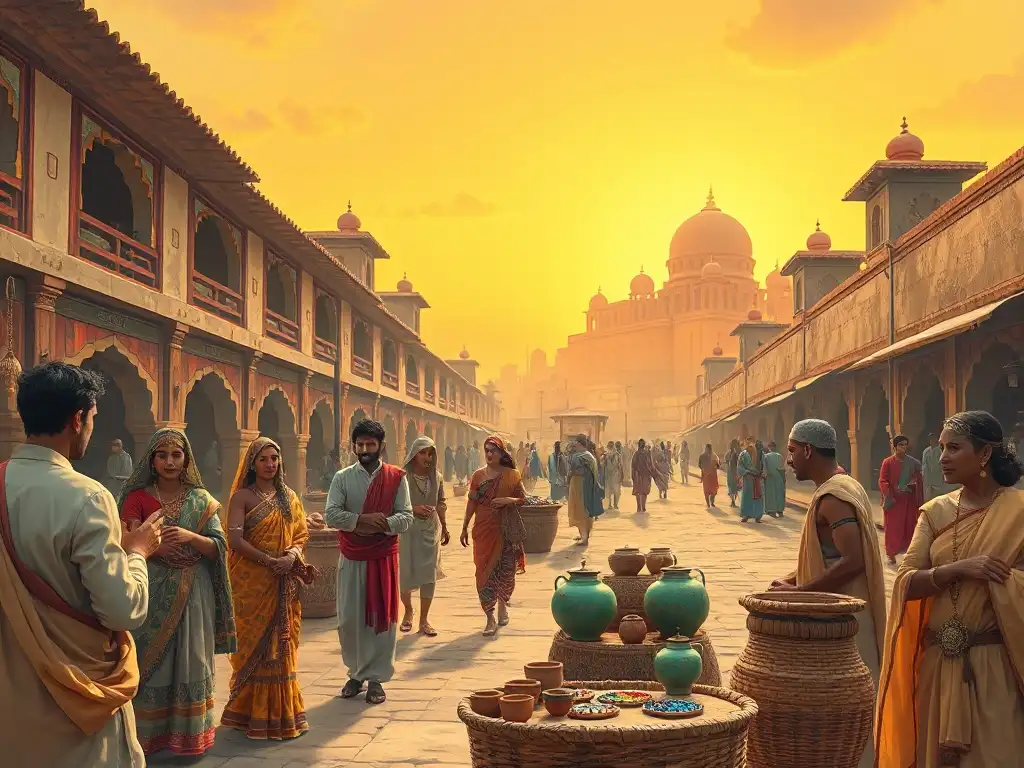
Trade in the Indus Valley Civilization (IVC) was not merely a means of exchanging goods; it was a conduit for cultural exchange that significantly shaped the social fabric of the region. The extensive trade networks established by the IVC facilitated interactions with neighboring civilizations, including those in Mesopotamia, Persia, and Arabia. This exchange of goods often led to the sharing of ideas, religions, technologies, and customs, fostering a rich tapestry of cultural interconnections.
The trade routes allowed for the movement of not just commodities but also people, who brought with them new perspectives and practices. This cultural diffusion is evident in various artifacts discovered at IVC sites, showcasing influences from other ancient civilizations. For instance, the presence of Mesopotamian seals in Indus Valley cities suggests a level of diplomatic or commercial exchange that went beyond mere transactions, potentially influencing religious practices and societal norms.
Spread of Ideas and Innovations
The trade activities of the Indus Valley Civilization are believed to have played a vital role in the spread of ideas and innovations across regions. As merchants traveled along trade routes, they carried with them inventions and cultural practices. For example, the introduction of new agricultural techniques from the Fertile Crescent could have influenced farming practices in the IVC, leading to enhanced crop yields and agricultural diversity.
Additionally, innovations in metallurgy, pottery, and textile production were likely exchanged between cultures. The IVC was known for its advanced urban planning and drainage systems, which may have inspired similar infrastructural developments in neighboring civilizations. This exchange of knowledge not only enriched the IVC but also contributed to the overall advancement of contemporary societies.
Influence on Art and Craftsmanship
The art and craftsmanship of the Indus Valley Civilization reflect a blend of indigenous styles and influences from foreign cultures due to trade interactions. The IVC artisans were skilled in producing intricate pottery, jewelry, and seals, often incorporating motifs and techniques inspired by other civilizations. The famous terracotta figurines, for instance, showcase a level of sophistication that suggests exposure to various artistic traditions.
Moreover, the incorporation of foreign materials, such as lapis lazuli from Afghanistan and carnelian from Persia, into IVC jewelry highlights the influence of trade on craftsmanship. These materials were not only valued for their beauty but also for their rarity, indicating a status symbol within the society. The fusion of different artistic influences created a unique style that characterized the IVC, contributing to its cultural legacy.
Language and Script Development
Trade within the Indus Valley Civilization also had implications for language and script development. The need for record-keeping in commercial transactions likely spurred the evolution of a written script. The Indus script, although still undeciphered, is believed to have been used to document trade activities, transactions, and possibly even administrative matters.
The presence of seals, many of which are inscribed with symbols, suggests that language played a critical role in trade. These seals were used to mark goods, indicating ownership and origin, and they might have facilitated trade across regions. The interaction with other cultures could have influenced the development of writing systems, contributing to the broader evolution of language in ancient civilizations.
Archaeological discoveries have provided invaluable insights into the trade goods of the Indus Valley Civilization, revealing the complexity and sophistication of their trade networks. Excavations at key sites have uncovered a wide array of artifacts that highlight the economic practices and the extent of trade relations.
Significant Excavations and Findings
Notable excavations, such as those at Harappa and Mohenjo-Daro, have yielded significant findings related to trade goods. Researchers have uncovered evidence of a bustling economy characterized by the production and exchange of various commodities, including textiles, pottery, and metalwork. The discovery of standardized weights and measures suggests a highly organized trading system, facilitating trade transactions both locally and with distant regions.
Additionally, the presence of imported goods, like Mesopotamian cylinder seals and Egyptian faience, indicates the extent of the IVC's trade connections. Such findings underscore the importance of trade in the development of urban centers within the IVC, which thrived as hubs of commercial activity.
Interpretation of Artifacts in Trade Context
The interpretation of artifacts found in the Indus Valley has led to a deeper understanding of the trade context within which these items were produced and exchanged. Items such as beads, pottery, and tools have been analyzed not only for their material composition but also for their functional significance in trade.
For instance, the abundance of carnelian beads suggests they were highly sought after in trade markets. The craftsmanship involved in creating these beads indicates a skilled artisan community that catered to both local and foreign demands. By examining the distribution of these artifacts across various sites, archaeologists can reconstruct trade routes and understand the economic networks that connected the IVC to other civilizations.
Case Studies of Trade Goods in Archaeology
Several case studies illustrate the significance of trade goods in understanding the Indus Valley Civilization. One prominent example is the trade in textiles, which was a staple of the IVC economy. Evidence from excavations reveals that cotton was cultivated and woven into cloth, making it a valuable export item. The discovery of spindle whorls and loom weights further supports the notion of a thriving textile industry.
Another case study involves the trade of semi-precious stones, such as lapis lazuli and agate. These materials were used to craft jewelry and decorative items that were highly prized in both local and international markets. The trade of these goods not only generated wealth within the IVC but also enhanced its cultural prestige, allowing it to engage with other civilizations on an equal footing.
Through these archaeological discoveries and case studies, it becomes evident that the trade goods of the Indus Valley Civilization were pivotal in shaping its economic, cultural, and social dynamics, illustrating a complex web of interactions that defined this ancient civilization.
Conclusion: Legacy of Indus Valley Trade Goods
The trade goods of the Indus Valley Civilization represent a remarkable facet of ancient Indian history, showcasing not only the economic prowess of this civilization but also its cultural exchanges with neighboring regions. The artifacts and commodities traded, such as cotton textiles, semi-precious stones, and pottery, reveal a sophisticated understanding of craftsmanship and market dynamics. This legacy has had a lasting impact, influencing subsequent civilizations in the Indian subcontinent and beyond.
The trade routes established during the Indus Valley period laid the groundwork for future economic interactions, promoting not just commerce but also the exchange of ideas, technologies, and cultural practices. The ability to produce high-quality goods, combined with a strategic geographic location, allowed the Indus Valley to thrive as a major trade hub, which is evident from the archaeological findings in cities like Harappa and Mohenjo-Daro.
Lasting Impact on Future Civilizations
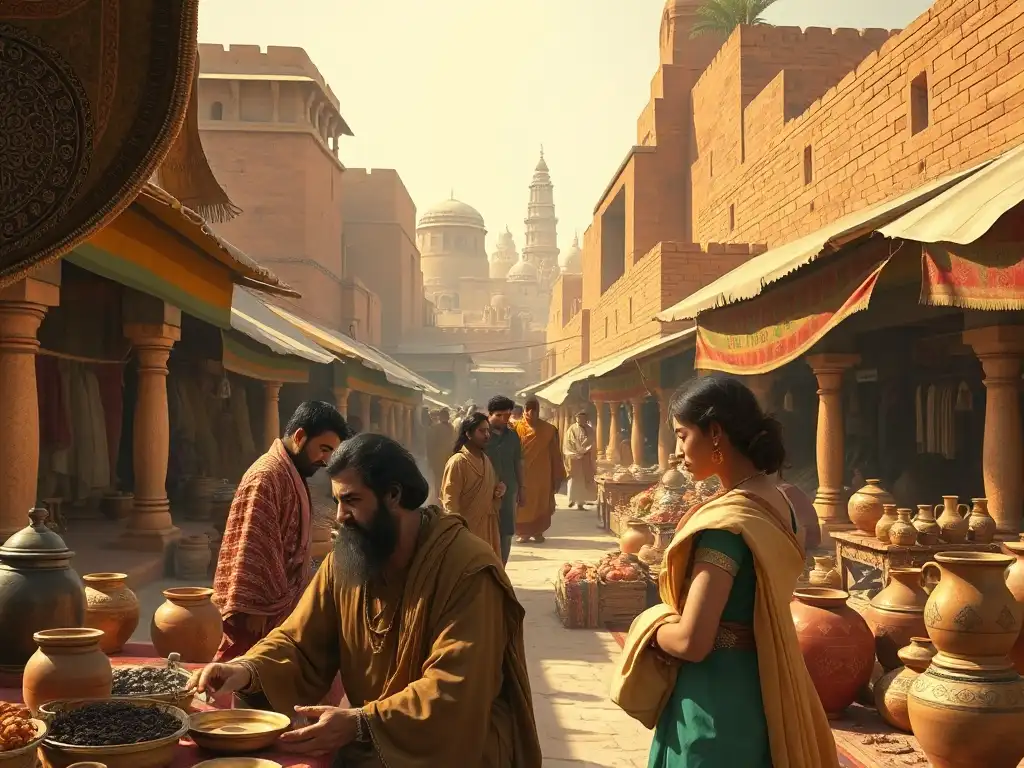
The influence of the Indus Valley trade goods extended far beyond its immediate geographical boundaries. As trade routes connected the Indus Valley to regions such as Mesopotamia and Persia, the exchange of goods fostered a cultural synthesis that enriched civilizations. For instance, the introduction of cotton textiles revolutionized clothing practices in neighboring societies, while the artistic styles seen in pottery and metallurgy influenced subsequent artisans and craftspeople.
Additionally, the trade practices initiated by the Indus Valley Civilization set a precedent for economic systems in later Indian empires. The use of standardized weights and measures in trade contributed significantly to the development of organized commerce, which became a hallmark of subsequent civilizations, including the Maurya and Gupta Empires. The legacy of these trade goods is a testament to the advanced economic strategies that characterized the Indus Valley, reinforcing its position as a pivotal player in ancient trade networks.
Lessons Learned from Indus Valley Trade Practices
The trade practices of the Indus Valley Civilization offer valuable lessons that remain relevant today. One of the most significant aspects is the importance of establishing trade relationships built on mutual benefit. The Indus Valley’s ability to engage with diverse cultures and economies demonstrates how cooperation and adaptation can lead to sustained prosperity.
Moreover, the emphasis on quality and craftsmanship in their traded goods highlights the necessity of maintaining high standards in production and trade, which continues to be a critical factor for success in modern economies. The integration of innovative techniques, such as the use of seals and inscriptions for trade documentation, underscores the importance of record-keeping and transparency in commerce.
Lastly, the resilience shown by the Indus Valley traders in adapting to changing market dynamics and environmental factors can inspire contemporary traders and businesses to remain agile and responsive in a rapidly evolving global marketplace.
Further Reading on Indus Valley Trade Goods and History
For those interested in delving deeper into the fascinating world of Indus Valley trade goods and their historical context, there are numerous resources available that provide comprehensive insights and analyses. Below, we outline some recommended books, articles, and online resources that cater to a wide range of interests in ancient Indian trade studies.
Recommended Books and Articles
- "The Indus Civilization: A Contemporary Perspective": by Gregory L. Possehl: This book offers an updated examination of the Indus Valley Civilization, including its trade networks and economic practices.
- "Ancient Cities of the Indus Valley Civilization" by Jonathan Mark Kenoyer: Kenoyer explores the archaeological findings of the Indus Valley, highlighting the trade goods and their significance in ancient commerce.
- "Trade and Exchange in the Indus Valley Civilization" by Rita Lucarelli: An insightful article that discusses the complexities of trade relationships and economic structures in the Indus Valley.
Online Resources for Ancient Indian Trade Studies
- Indus Valley Civilization Online Database: A comprehensive database that provides access to archaeological findings, trade artifacts, and scholarly articles related to the Indus Valley.
- The Archaeological Survey of India: Offers insights into ongoing research and discoveries pertaining to ancient Indian civilizations, including trade practices of the Indus Valley.
- Digital South Asia Library: A valuable resource containing a collection of texts, maps, and images that explore various aspects of South Asian history, including trade in the Indus Valley Civilization.
These resources are essential for anyone seeking to enrich their understanding of the Indus Valley trade goods history and the broader implications of trade in ancient civilizations.
- Introduction to Indus Valley Trade Goods History
- Major Trade Goods of the Indus Valley Civilization
- Trade Routes of the Indus Valley Civilization
- The Economic Impact of Trade Goods
- Cultural Exchange Through Trade
- Archaeological Discoveries Related to Trade Goods
- Conclusion: Legacy of Indus Valley Trade Goods
- Lasting Impact on Future Civilizations
- Lessons Learned from Indus Valley Trade Practices
- Further Reading on Indus Valley Trade Goods and History
- What were the primary trade goods of the Indus Valley Civilization?
- How did the Indus Valley engage in trade with other civilizations?
- What materials were commonly used in Indus Valley trade goods?
- What role did seals play in Indus Valley trade?
- How did the trade practices of the Indus Valley influence later civilizations?
Frequently Asked Questions
What were the primary trade goods of the Indus Valley Civilization?
The Indus Valley Civilization was known for its trade in cotton textiles, metals, and semi-precious stones, which were highly valued in both local and international markets.
How did the Indus Valley engage in trade with other civilizations?
The civilization had a sophisticated network of trade routes that connected them to Mesopotamia and Egypt, facilitating the exchange of goods and ideas through maritime and overland trade.
What materials were commonly used in Indus Valley trade goods?
Common materials included cotton, bronze, and a variety of jewelry made from gold and silver, reflecting the advanced craftsmanship of the era.
What role did seals play in Indus Valley trade?
Seals were used for identification and authentication of goods, often inscribed with symbols and scripts, indicating the ownership and origin of products in trade transactions.
How did the trade practices of the Indus Valley influence later civilizations?
The trade practices established by the Indus Valley laid the groundwork for future economic systems in the region, influencing the cultural exchange and commercial relationships with subsequent Indian civilizations, including the Gupta Empire.
Final Reflection: The Enduring Legacy of Indus Valley Trade Goods
The intricate web of trade goods from the Indus Valley Civilization not only showcases the sophistication of ancient commerce but also highlights the interconnectedness of cultures that resonates in today's global economy. The remarkable artifacts and commodities exchanged thousands of years ago serve as a testament to human ingenuity and the timeless pursuit of connection and prosperity. As we navigate our modern world, the lessons from the past remind us that trade is not merely an economic transaction but a bridge that fosters relationships and cultural exchange.
The influence of Indus Valley trade goods extends far beyond their historical context; they continue to shape our understanding of cultural interactions and economic systems. The artifacts unearthed from this ancient civilization reveal a complex society that thrived on commerce, craftsmanship, and collaboration. This legacy prompts us to reflect on our own trade practices and the importance of ethical sourcing and sustainability in our contemporary world. As historian John Keay aptly stated, Trade is the lifeblood of civilization; it connects us and enriches our lives in ways we often take for granted.
As we conclude our exploration of the fascinating trade goods of the Indus Valley Civilization, I invite you to reflect on how the principles of trade and cooperation can be applied in your own life. Consider how you can foster connections, whether through supporting local artisans, engaging in fair trade practices, or simply sharing knowledge and resources with others. By embracing the spirit of collaboration that characterized the Indus Valley, we can contribute to a more interconnected and harmonious world, honoring the legacy of those who came before us.
Unveil the Treasures of the Indus Valley!
Thank you for diving into the rich and intriguing world of the Indus Valley Civilization! We hope you’ve discovered the remarkable trade goods that shaped its economy and culture. Now, let’s take a step further and engage with this fascinating history by translating your newfound knowledge into action!
Here are some ways you can enrich your understanding and share your passion for the Indus Valley Civilization:
- Explore further: Visit your local museum or an online exhibition showcasing artifacts from the Indus Valley. Experiencing these goods firsthand can deepen your appreciation.
- Join the conversation: Share this article on social media and invite a friend who loves history to join the discussion. What surprised you the most about the trade practices of this ancient civilization?
- Get creative: Write a blog post or create a digital presentation on how trade in the Indus Valley influenced contemporary commerce. What connections can you identify?
What aspect of the Indus Valley trade goods fascinates you the most, and how do you think it shapes our understanding of ancient economies today?