
The Role of Ancient Indian Agriculture in Global Trade Networks

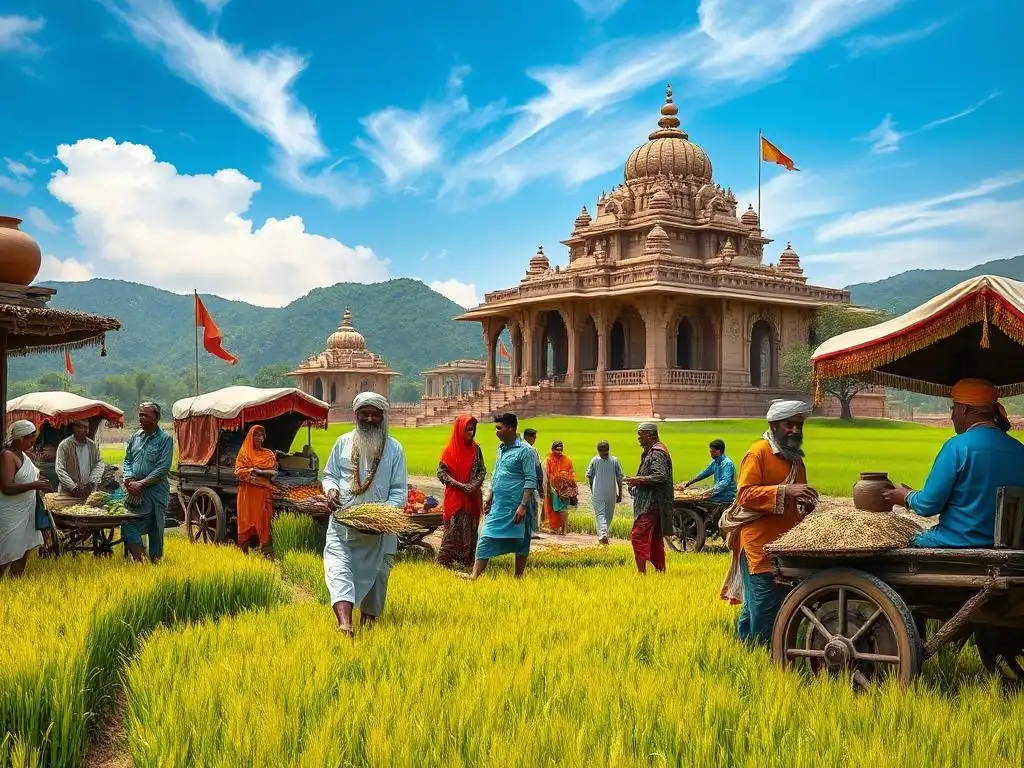
Welcome to Ancient India History, where we embark on a fascinating journey through the vibrant tapestry of ancient Indian civilizations. From the sophisticated urban planning of the Indus Valley to the remarkable advancements of the Gupta Empire, this site delves deep into the rich cultural heritage that shaped not only India but the world. In our featured article, “The Role of Ancient Indian Agriculture in Global Trade Networks,” we uncover how agricultural innovations laid the groundwork for extensive trade routes that connected diverse cultures and economies.
Prepare to be intrigued as we explore the pivotal contributions of ancient Indian agriculture and its profound impact on global trade. The past awaits—dive in and discover the stories that shaped our present!

Introduction to Ancient Indian Agriculture Trade
Ancient Indian agriculture played a pivotal role in shaping the socio-economic landscape of early civilizations, influencing not only local communities but also global trade networks. As one of the earliest regions to domesticate crops and develop farming techniques, ancient India contributed significantly to the exchange of agricultural goods and innovations across continents. This article delves into the intricate relationship between ancient Indian agriculture and trade, highlighting the innovations that emerged, the major crops cultivated, and the impact of these practices on trade networks that connected India to other cultures.
Overview of Agricultural Practices in Ancient India
The agricultural practices of ancient India were diverse and sophisticated, reflecting the region's varied climates and topographies. Key features of these practices included:
- Irrigation Systems: The development of extensive irrigation systems, including canals and tanks, allowed for the cultivation of crops in regions with unreliable rainfall.
- Crop Rotation: Farmers practiced crop rotation to maintain soil fertility and maximize yields, a technique that showcased their advanced understanding of agriculture.
- Use of Fertilizers: Organic fertilizers derived from animal dung and composting were commonly used to enrich the soil, enhancing crop productivity.
These practices not only ensured food security for local populations but also made surplus production possible, setting the stage for trade.
Importance of Trade Networks in Ancient Societies
Trade networks were vital for the exchange of goods, ideas, and technologies in ancient societies. In the context of ancient Indian agriculture, these networks facilitated:
- Cultural Exchange: Agricultural trade fostered interactions between diverse cultures, leading to the exchange of agricultural knowledge and innovations.
- Economic Prosperity: The surplus generated from agricultural production contributed to the wealth of ancient kingdoms, allowing them to invest in infrastructure and trade routes.
- Expansion of Markets: Indian agricultural products, such as spices, textiles, and grains, became highly sought after in international markets, establishing India as a crucial player in global trade.
Historical Context of Ancient Indian Agriculture
Understanding the historical context of ancient Indian agriculture is essential for grasping its role in trade networks. The evolution of farming techniques and the types of crops cultivated significantly influenced trade dynamics.
The Evolution of Farming Techniques in Ancient India
Farming techniques in ancient India evolved over centuries, reflecting advancements in technology and knowledge. Key milestones included:
- Domestication of Crops: Early evidence suggests that the domestication of crops such as barley and wheat occurred around 7000 BCE, laying the foundation for agricultural societies.
- Iron Plowshares: The introduction of iron plowshares around the first millennium BCE enhanced tillage efficiency, allowing farmers to cultivate larger areas.
- Agricultural Manuals: Texts like the Krishi Parashara detailed agricultural practices, showcasing the importance of agriculture in society and its integration into trade.
Major Crops Cultivated in Ancient India and Their Impact on Trade
Ancient Indian agriculture was characterized by the cultivation of several key crops that had a significant impact on trade:
- Rice and Wheat: Staple crops that formed the backbone of the diet in many regions, contributing to food security and surplus for trade.
- Spices: India's spices, including black pepper and cardamom, were highly valued in international markets, leading to the establishment of trade routes across Asia and beyond.
- Cotton: The cultivation of cotton and the production of textiles positioned India as a leader in the global textile trade, with goods being exported to various regions.
Ancient Indian agriculture not only sustained local populations but also played a crucial role in shaping global trade networks, facilitating cultural exchanges and economic prosperity across civilizations. The interplay between agricultural innovations and trade laid the groundwork for India's enduring legacy in the annals of history.
Agricultural Innovations and Their Contribution to Trade
Ancient Indian agriculture was not just a means of sustenance; it was a pivotal factor in shaping trade relationships and economic exchanges across regions. The innovations in agricultural practices significantly enhanced the production of various crops, contributing to surpluses that facilitated trade. Notably, the introduction of advanced farming techniques and tools allowed for the cultivation of diverse crops, which were then traded both locally and internationally.
The impact of these agricultural innovations extended beyond mere production. They fostered the development of urban centers where trade thrived. Markets emerged where farmers could sell their surplus goods, leading to the establishment of a vibrant economy that was interconnected with distant lands. As a result, ancient Indian agriculture played a crucial role in global trade networks, allowing for the exchange of not only goods but also ideas and cultural practices.
Irrigation Techniques and Their Role in Boosting Crop Yields
Irrigation was a cornerstone of agricultural innovation in ancient India, significantly enhancing crop yields and enabling farmers to cultivate land that would otherwise be barren. Advanced irrigation systems, such as canals, wells, and reservoirs, were developed to ensure a consistent water supply throughout the year. The construction of these systems showcased remarkable engineering skills and an understanding of local hydrology.
The impact of improved irrigation was profound. With reliable water sources, farmers could grow multiple crops per season, leading to increased productivity. This surplus not only supported local populations but also allowed for excess produce to be traded with neighboring regions. The ability to grow cash crops like cotton and spices further integrated Indian agriculture into global trade networks, establishing India as a significant player in international markets.
The Use of Crop Rotation and Its Effects on Trade Relationships
Crop rotation emerged as a vital agricultural practice in ancient India, contributing to soil fertility and pest control. By alternating the types of crops grown on a specific piece of land, farmers could maintain soil health and ensure consistent yields. This method not only enhanced agricultural productivity but also allowed for the cultivation of a wider variety of crops, which were essential for trade.
The benefits of crop rotation extended to trade relationships as well. Farmers who practiced crop rotation could produce surplus goods that were in high demand, such as pulses and grains. This surplus facilitated the exchange of agricultural products with traders from other regions, strengthening economic ties. As different communities traded their unique crops, the interconnectedness of ancient Indian agriculture with global trade networks became increasingly apparent.
Key Trade Routes and Networks Involving Ancient Indian Agriculture
Ancient Indian agriculture was intricately linked to various trade routes that facilitated the movement of goods across vast distances. These routes not only enabled the exchange of agricultural products but also facilitated cultural interactions and the spread of innovations. Understanding these trade networks provides insight into how ancient Indian agriculture contributed to global trade.
The Silk Road: Connecting India with the World
The Silk Road was one of the most significant trade routes that connected India with the rest of the world. This extensive network of trade routes spanned across Asia, linking India with China, Persia, and beyond. Indian agricultural products, particularly spices, textiles, and grains, were highly sought after along this route.
The exchange of goods along the Silk Road was not limited to agriculture; it also included ideas, technologies, and cultural practices. The demand for Indian agricultural products helped to establish trade relationships that were not only economically beneficial but also culturally enriching. Through these interactions, ancient Indian agriculture played a critical role in shaping global trade dynamics.
Maritime Trade Routes and Their Influence on Agricultural Exports
In addition to overland routes like the Silk Road, ancient India was also connected through maritime trade routes. The Indian Ocean served as a vital conduit for trade, linking Indian ports with regions such as Southeast Asia, Africa, and the Arabian Peninsula. Indian agricultural exports, including spices, rice, and fruits, were transported across these waters, significantly impacting trade relationships.
The maritime trade routes facilitated not only the exchange of goods but also the cultural exchange of ideas and practices. Traders and seafarers brought back goods and knowledge from distant lands, further enriching Indian agriculture. This interconnectedness through maritime routes fostered a robust trade network that underscored the importance of ancient Indian agriculture in global trade.
The Impact of Ancient Indian Agriculture on Global Trade
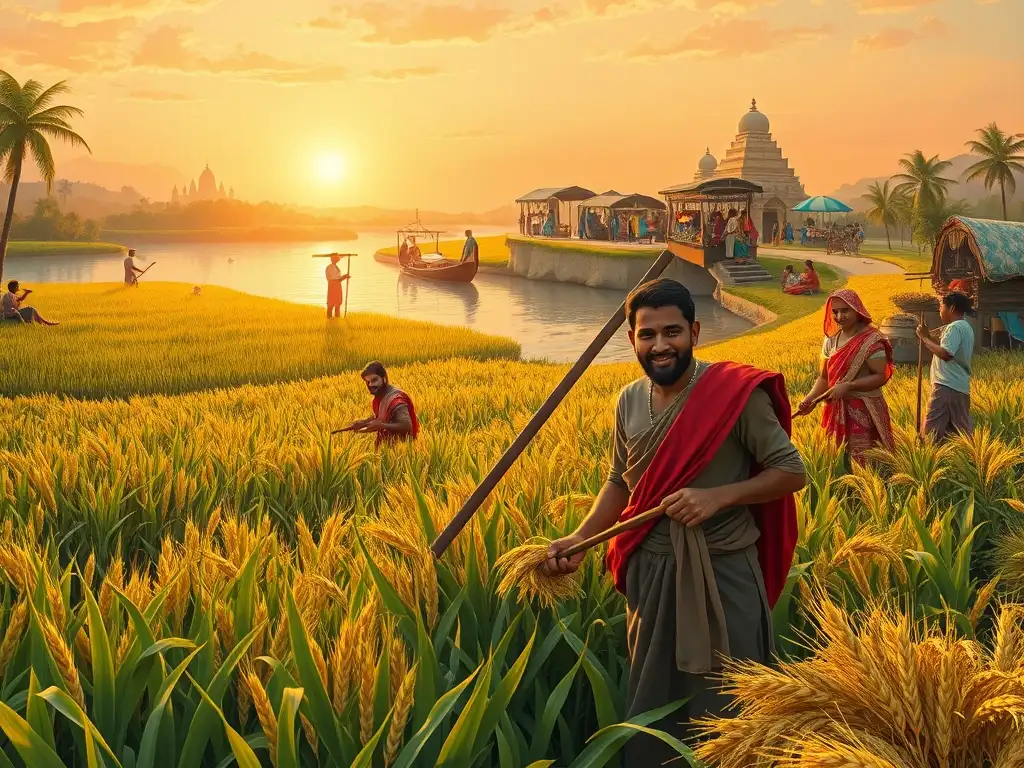
Ancient Indian agriculture played a pivotal role in shaping global trade networks, significantly influencing economic systems beyond its geographical confines. The agricultural practices developed in the Indus Valley and later civilizations led to the production of surplus crops, which became key commodities in trade. This surplus not only supported local populations but also enabled merchants to engage in long-distance trade, connecting India with various global markets.
The diversity of crops grown in ancient India, including rice, wheat, barley, and legumes, provided a robust foundation for trade. Notably, the cultivation of spices such as black pepper, cardamom, and turmeric established India as a vital player in the spice trade routes. These commodities were highly sought after, not only for their culinary uses but also for their medicinal properties, which contributed to India's reputation as a center for agrarian innovation and trade.
As trade routes expanded, particularly during the Maurya and Gupta empires, ancient Indian agriculture facilitated the exchange of goods, ideas, and cultural practices. The resulting economic prosperity transformed Indian cities into bustling trade hubs, attracting merchants from regions as far as Rome, Persia, and Southeast Asia.
How Indian Spices and Grains Shaped International Markets
Indian spices and grains were instrumental in shaping international markets due to their unique flavors and health benefits. The high demand for spices, particularly in Europe and the Middle East, created a lucrative trade network. Spices like black pepper were often referred to as "black gold," and their value significantly impacted trade dynamics, leading to the establishment of spice trade routes.
Grains such as rice and wheat also played a crucial role in international markets. The cultivation techniques developed by ancient Indian farmers, including irrigation and crop rotation, enhanced productivity and allowed for the export of surplus grains. This not only contributed to the stability of local economies but also positioned India as a key supplier in global food markets.
The impact of these agricultural products can be seen in various historical accounts and trade records, highlighting how Indian spices and grains influenced culinary practices and economic systems across continents.
The Role of Ancient Indian Farmers in Global Economic Systems
Ancient Indian farmers were central to the development of global economic systems through their innovative agricultural practices and surplus production. By implementing advanced farming techniques such as plowing, irrigation, and crop diversification, these farmers significantly increased yields, which allowed them to participate in trade actively.
Farmers organized themselves into cooperatives, pooling resources to enhance production and distribution. This collective effort not only improved agricultural productivity but also established a framework for trade that extended beyond local markets. The establishment of trade routes, facilitated by these farmers, connected India with various regions, fostering economic interdependence.
Furthermore, the role of farmers transcended mere production; they were also key players in the dissemination of agricultural knowledge. Their expertise in crop management and agricultural innovations contributed to the agricultural practices of neighboring civilizations, thereby influencing broader economic systems.
Cultural Exchange through Agricultural Trade
Cultural exchange through agricultural trade was a significant aspect of ancient Indian commerce, fostering interactions between diverse peoples and cultures. The trade of agricultural products often led to the sharing of knowledge, customs, and technologies, enriching societies on both sides of the trade routes.
The Spread of Agricultural Knowledge and Techniques
The trade of agricultural goods was accompanied by the exchange of agricultural knowledge and techniques. Indian farmers shared their expertise in crop cultivation and irrigation methods with traders and farmers from other regions, leading to enhanced agricultural practices worldwide.
For instance, the introduction of Indian agricultural methods, such as rice cultivation in Southeast Asia, transformed local farming practices and contributed to food security in those regions. The spread of knowledge about crop rotation, fertilization, and pest management played a crucial role in the agricultural development of neighboring civilizations.
This exchange of agricultural knowledge not only improved crop yields but also fostered a sense of interconnectedness among diverse cultures, as communities learned from one another and adapted successful practices to their local contexts.
Influence of Indian Agriculture on Neighboring Civilizations
Ancient Indian agriculture had a profound influence on neighboring civilizations, particularly in regions such as Central Asia, the Middle East, and Southeast Asia. The agricultural innovations developed in India, such as the cultivation of spices, rice, and cotton, were adopted by various cultures, leading to significant agricultural advancements.
The Indian system of agriculture, characterized by its use of diverse crops and advanced irrigation techniques, inspired neighboring civilizations to adopt similar practices. For example, the introduction of Indian cotton cultivation revolutionized textile production in regions like Persia and Egypt, where Indian textiles became highly sought after.
Moreover, the trade of agricultural products facilitated cultural exchanges that enriched local traditions. Festivals, culinary practices, and agricultural rituals often blended elements from both Indian and neighboring cultures, reflecting the impact of agricultural trade on society.
The role of ancient Indian agriculture in global trade networks extended beyond mere economic transactions; it fostered cultural exchange, advanced agricultural practices, and influenced civilizations across vast regions. The legacy of these agricultural innovations continues to resonate in contemporary agricultural practices and trade dynamics.
Conclusion: The Legacy of Ancient Indian Agriculture in Global Trade
The legacy of ancient Indian agriculture extends far beyond the boundaries of its geographical origins. It has played a pivotal role in shaping trade networks that not only connected various regions within India but also linked the subcontinent with distant civilizations. The sophisticated agricultural practices, characterized by the cultivation of diverse crops such as rice, wheat, pulses, and spices, facilitated the growth of surplus produce. This surplus was essential for trade, enabling the establishment of vibrant markets and trade routes that spanned across Asia and beyond.
Furthermore, the innovations in irrigation, crop rotation, and land management developed by ancient Indian farmers contributed significantly to the efficiency and productivity of agriculture. These practices became essential not only for domestic consumption but also as valuable commodities in international trade. Ancient Indian agriculture offered unique products like black pepper, cardamom, and silk, which were highly sought after in markets in the Mediterranean, the Middle East, and Southeast Asia.
The economic interplay fostered through these trade networks not only enriched the ancient Indian economy but also facilitated cultural exchanges, leading to the diffusion of ideas, technologies, and agricultural practices across regions. Today, this legacy continues to influence modern agricultural practices and trade policies, emphasizing the importance of historical perspectives in understanding contemporary agricultural trade dynamics.
Reflection on the Long-term Impact of Agricultural Practices on Trade Networks
The long-term impact of ancient Indian agricultural practices on trade networks is profound and multi-faceted. The establishment of trade routes, particularly during the Maurya and Gupta empires, allowed for the exchange of agricultural products and innovations that shaped regional economies. These trade networks were not merely transactional; they fostered relationships among diverse cultures and civilizations.
As ancient Indian agriculture evolved, it influenced agricultural practices in neighboring regions. For instance, the introduction of advanced irrigation techniques and diverse crop varieties from India contributed to agricultural development in Southeast Asia. This transfer of knowledge and technology illustrates the interconnectedness of ancient trade networks and highlights how agricultural practices can have lasting effects on regional economic systems.
Additionally, the role of ancient Indian agriculture in trade influenced social structures, as communities that specialized in agriculture often became pivotal players in local and international markets. The resulting economic stability enabled the flourishing of urban centers, which became hubs of trade, culture, and innovation. The interplay between agriculture and trade thus laid the groundwork for the complex socio-economic landscapes that characterized ancient India.
Future Implications of Understanding Ancient Indian Agriculture Trade
Understanding the nuances of ancient Indian agriculture trade has significant implications for contemporary agricultural practices and trade policies. As globalization continues to shape trade dynamics, revisiting the historical context of agricultural trade can provide valuable insights for modern economists, policymakers, and agriculturalists.
By studying the successful agricultural practices of ancient India, current agricultural systems can draw lessons on sustainability, crop diversity, and innovative irrigation techniques. For instance, the traditional practices of crop rotation and sustainable land management can be integrated into modern farming to enhance productivity while preserving ecological balance.
Moreover, appreciating the historical significance of ancient trade networks can inform current trade agreements and relationships between countries. Countries can benefit from recognizing the historical ties and shared agricultural heritage, leading to collaborative efforts in agricultural research and trade initiatives.
A deeper understanding of ancient Indian agriculture trade not only honors the rich legacy of the past but also equips us with the knowledge to build sustainable and equitable agricultural systems for the future. As we explore these historical connections, we can foster a more integrated global approach to agriculture and trade that echoes the achievements of ancient civilizations.
- Introduction to Ancient Indian Agriculture Trade
- Historical Context of Ancient Indian Agriculture
- Agricultural Innovations and Their Contribution to Trade
- Key Trade Routes and Networks Involving Ancient Indian Agriculture
- The Impact of Ancient Indian Agriculture on Global Trade
- Cultural Exchange through Agricultural Trade
- Conclusion: The Legacy of Ancient Indian Agriculture in Global Trade
- What were the primary crops cultivated in ancient Indian agriculture?
- How did ancient Indian agriculture impact global trade?
- What are some key trade routes used for agricultural trade in ancient India?
- How did the monsoon climate affect ancient Indian agriculture?
- What role did ancient Indian agriculture play in the Gupta Empire?
Frequently Asked Questions
What were the primary crops cultivated in ancient Indian agriculture?
Ancient Indian agriculture primarily focused on cereals like rice, wheat, and barley, alongside legumes and spices that played a crucial role in trade.
How did ancient Indian agriculture impact global trade?
The diverse agricultural products of ancient India significantly contributed to global trade networks, enhancing economic relationships with regions like Africa and the Middle East.
What are some key trade routes used for agricultural trade in ancient India?
Key trade routes included the Silk Road and maritime paths that connected India to Southeast Asia, facilitating the exchange of agricultural goods and cultural practices.
How did the monsoon climate affect ancient Indian agriculture?
The monsoon climate was vital as it provided the necessary rainfall for crops, influencing agricultural practices and the overall success of the agriculture trade.
What role did ancient Indian agriculture play in the Gupta Empire?
During the Gupta Empire, agriculture flourished, with advancements in techniques leading to increased productivity, which supported trade and contributed to the empire's prosperity.
Final Reflection: The Enduring Legacy of Ancient Indian Agriculture Trade
The intricate web of ancient Indian agriculture trade not only shaped the economic landscape of its time but continues to resonate in today's global trade networks. The agricultural practices and innovations of ancient India laid the foundation for trade routes that connected diverse cultures and economies, fostering exchange and collaboration that transcended geographical boundaries. This historical significance is a powerful reminder of how interconnected our world has always been, and how the seeds of trade sown centuries ago still bear fruit in contemporary commerce.
The influence of ancient Indian agriculture on global trade is a testament to the resilience and adaptability of agricultural practices in shaping societies. From the spices that traveled along the Silk Road to the textiles that adorned royal courts, the products of ancient Indian agriculture have left an indelible mark on the cultural and social fabric of numerous civilizations.
As noted by historian R. S. Sharma, “Trade is not merely an economic activity; it is a cultural exchange that enriches societies.” This ongoing influence highlights the importance of understanding our agricultural heritage as a means of appreciating the interconnectedness of our global community.
As we reflect on the lessons of ancient Indian agriculture trade, let us consider how these insights can inspire our actions today. I invite you to explore the ways in which the principles of sustainable agriculture and fair trade can be integrated into your own life. By honoring the legacy of those who came before us, we can cultivate a future that values collaboration, sustainability, and respect for the diverse cultures that contribute to our shared global tapestry. Embrace the opportunity to connect with the past as you shape a more equitable and interconnected future.
🌾 Unleash the Power of Ancient Wisdom!
Thank you for diving into the fascinating world of ancient Indian agriculture and its profound impact on global trade networks! You've explored the rich historical tapestry that illustrates how these early practices shaped economic relationships across continents. So, what’s next on your journey of discovery?
Here are a few actionable steps to take:
- Explore Local Markets: Visit a local farmers' market or agricultural festival to witness the timeless practices of community farming in action. Embrace the roots of agriculture right in your backyard!
- Share Your Insights: Discuss what you’ve learned with friends or on social media. Ignite conversations about the importance of sustainable agriculture—your words can inspire others!
- Dive Deeper: Consider reading more about the connections between ancient practices and modern sustainability efforts. Knowledge is a journey—expand your understanding!
Which new insights or perspectives do you find most intriguing about the interplay between ancient agriculture and today’s global trade? Share your thoughts below! 🌍✨