
From the Ganges to the Bay of Bengal: A Journey Through Eastern India's Historical Landscape

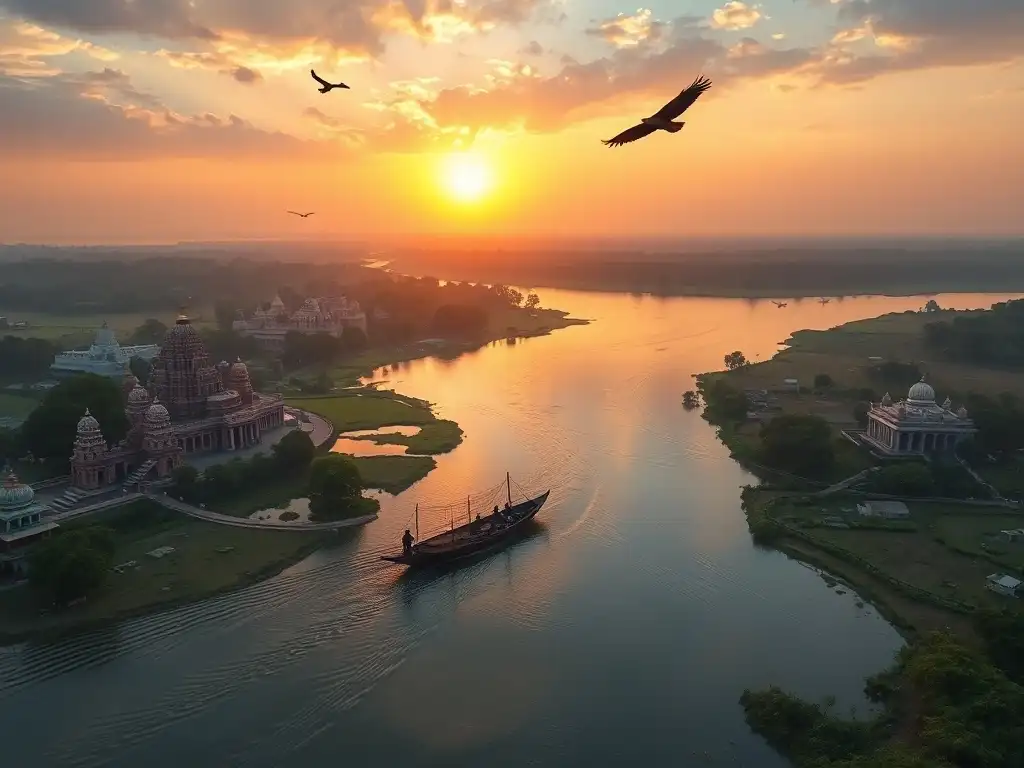
Welcome to Ancient India History, where we invite you to embark on an enriching exploration of the remarkable tapestry woven by ancient Indian civilizations. In our featured article, "From the Ganges to the Bay of Bengal: A Journey Through Eastern India's Historical Landscape," we delve into the Eastern India historical journey, uncovering the profound cultural contributions and legacies that shaped this vibrant region.
Prepare to be captivated as we traverse through time, revealing the stories and milestones that define Eastern India’s unique heritage. Join us on this voyage and discover the secrets of a past that continues to resonate in our present.
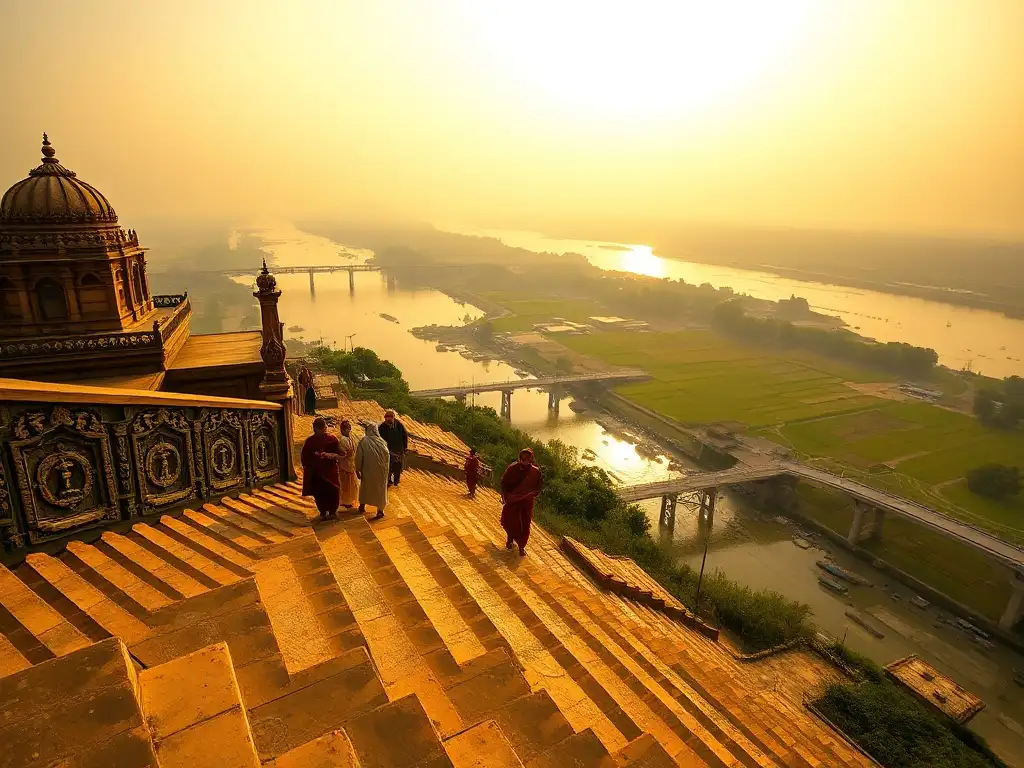
Introduction to Eastern India Historical Journey
Embarking on an Eastern India historical journey allows one to uncover the profound and intricate tapestry of cultures, religions, and civilizations that have thrived along the fertile plains of the Ganges River and the coastal expanse of the Bay of Bengal. This region, steeped in history, has served as a crucible for many of India's most significant societies, including the Mauryas, Guptas, and various dynasties that shaped the subcontinent's political and cultural landscape.
From ancient trade routes to religious pilgrimages, the history of Eastern India is rich with stories that highlight its pivotal role in shaping not only India but also the broader narrative of human civilization.
Overview of Eastern India's Historical Significance
Eastern India, encompassing modern-day states like West Bengal, Odisha, Jharkhand, and parts of Bihar and Assam, has been the epicenter of numerous historical developments. The region has witnessed the rise and fall of powerful empires, the flourishing of art and literature, and the birth of major religious movements. The confluence of diverse cultures and traditions has endowed Eastern India with a unique identity that continues to influence contemporary society.
Key aspects of Eastern India's historical significance include:
- Cultural Melting Pot: A rich blend of languages, religions, and customs.
- Economic Hub: Historical trade routes facilitated commerce and cultural exchange.
- Religious Heritage: Birthplace of major religions, including Buddhism and Jainism.
Importance of the Ganges and Bay of Bengal in Ancient Civilizations
The Ganges River and the Bay of Bengal have played an essential role in supporting ancient civilizations. The Ganges, often referred to as "Ganga," is not only a lifeline for millions but also holds sacred significance in Hinduism. It has been pivotal in agricultural development, providing irrigation and supporting large settlements.
The Bay of Bengal, on the other hand, has historically been a gateway for maritime trade, enabling cultural exchanges with Southeast Asia and beyond. Together, these two geographical features have greatly influenced the socio-economic and political dynamics of Eastern India.
The Ganges River: Lifeblood of Eastern India
Historical Role of the Ganges in Ancient India
The Ganges River has been revered as the lifeblood of Eastern India since ancient times. Its banks have nurtured some of the earliest urban settlements, facilitating agricultural practices and enabling the growth of cities. The river served not only as a source of water but also as a means of transportation and communication, connecting various civilizations along its course.
Throughout history, the Ganges has also been a site for religious ceremonies and spiritual practices, making it a vital component of the cultural landscape of Eastern India. The river's significance is evident in ancient texts, rituals, and the art that depicts its importance in daily life.
Major Civilizations Along the Ganges
Several major civilizations have flourished along the banks of the Ganges, contributing to the region's rich historical narrative. Some of these include:
- Indus Valley Civilization: Although primarily associated with the Indus River, its influence extended into parts of Eastern India.
- Mahajanapadas: The emergence of powerful kingdoms during the 6th century BCE, such as Magadha and Vaishali.
- Maurya Empire: Established by Chandragupta Maurya, it became one of the largest empires in ancient India, with Patna (Pataliputra) as its capital.
- Gupta Empire: Known as the Golden Age of India, this period saw significant advancements in science, art, and literature, with the Ganges region at its heart.
Through this exploration of Eastern India's historical landscape, we begin to appreciate the intricate connections between geography, culture, and history that continue to shape this vibrant region today.
Cultural Heritage of Eastern India
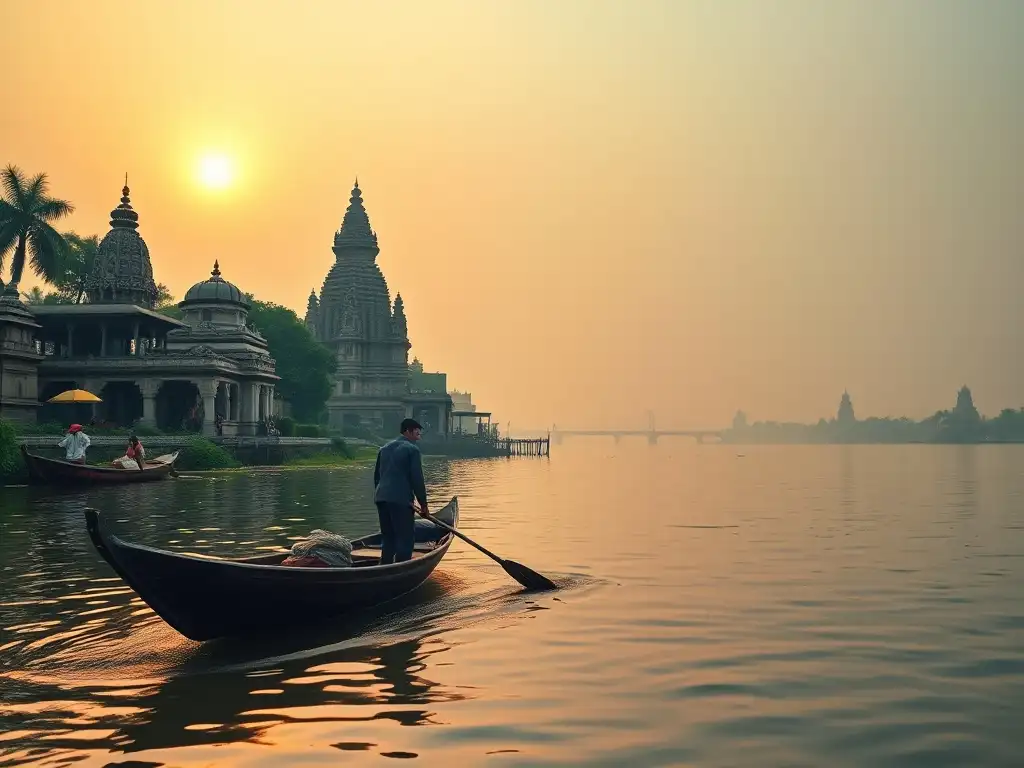
Eastern India boasts a rich tapestry of cultural heritage, intricately woven through centuries of history, traditions, and diverse communities. This region, which includes states like West Bengal, Odisha, Bihar, and Jharkhand, has been a cradle for numerous civilizations, each contributing to the cultural landscape. The cultural heritage of Eastern India is reflected in its festivals, languages, music, dance, and culinary traditions.
At the heart of this cultural identity is the influence of major religions such as Buddhism, Hinduism, and Jainism, which have shaped the region's spiritual and philosophical outlook. Festivals like Durga Puja in West Bengal and Rath Yatra in Odisha are not just religious observances but also showcase elaborate rituals, artistic expressions, and communal harmony. The Eastern Indian ethos is characterized by its warm hospitality and a communal spirit that embraces diversity.
In addition to its spiritual richness, Eastern India has a vibrant tradition of storytelling, literature, and folk arts. Literature in languages such as Bengali and Odia has flourished through the ages, with notable figures like Rabindranath Tagore and Sarala Das leading the way. The region's folklore, passed down through generations, remains an essential part of its cultural heritage, highlighting the values, struggles, and aspirations of its people.
Ancient Architectural Marvels
The architectural heritage of Eastern India is a testament to its historical significance and aesthetic brilliance. The region is home to some of the most remarkable ancient structures that reflect the ingenuity and artistic prowess of its builders. The temples of Bhubaneswar, often referred to as the "Temple City," showcase stunning Kalinga architecture with intricate carvings and elaborate sculptures.
One of the highlights of this architectural journey is the Sun Temple at Konark, a UNESCO World Heritage Site, which symbolizes the grandeur of ancient Hindu architecture. Built in the 13th century, this temple is renowned for its chariot-shaped structure and exquisite stone carvings that narrate various mythological stories.
In West Bengal, the terracotta temples of Bishnupur, dating back to the 17th century, exemplify the unique artistry of the region. These temples, adorned with intricate terracotta plaques, depict scenes from Hindu epics and local folklore. Additionally, the ancient ruins of Nalanda and Vikramshila in Bihar provide insight into the architectural and educational advancements during the Pala dynasty.
Art and Craftsmanship in Eastern India
Eastern India is a haven for art and craftsmanship, boasting a diverse range of traditional art forms that have been nurtured through generations. The region is known for its exquisite textiles, pottery, metalwork, and paintings, each representing a unique blend of cultural influences and artistic expression.
One of the most celebrated art forms is the intricate handloom textiles of West Bengal, particularly the famous Baluchari and Tant sarees. These textiles are known for their fine craftsmanship and elaborate patterns, often depicting mythological tales and nature. In Odisha, the Pattachitra paintings, characterized by their intricate details and vibrant colors, narrate stories from Hindu epics and folk traditions.
Moreover, the craftsmanship of the tribal communities in Eastern India is noteworthy. The Dokra metal craft, practiced by the tribal artisans of Jharkhand and Chhattisgarh, showcases the ancient lost-wax casting technique, producing beautiful sculptures and household items. This rich tradition of art and craftsmanship not only supports the local economy but also preserves the cultural heritage of the region.
The Bay of Bengal: A Maritime Gateway
The Bay of Bengal has played a pivotal role in shaping the historical narrative of Eastern India. As a significant maritime gateway, it facilitated trade, cultural exchanges, and interactions with various civilizations throughout history. The coastal regions of Eastern India, particularly Odisha and West Bengal, have thrived due to their strategic location along this vital waterway.
Historically, the Bay of Bengal served as a conduit for trade routes that connected Eastern India to Southeast Asia, contributing to the region's economic prosperity. The maritime activities not only enhanced trade but also fostered the spread of ideas, religions, and cultural practices across the region.
Historical Trade Routes Established by Eastern India
Eastern India was integral to several ancient trade routes that connected India to other parts of the world, particularly through the Bay of Bengal. The maritime trade networks flourished from the early centuries CE, linking Eastern Indian ports with Southeast Asia, China, and beyond. Major ports like Puri, Tamralipta (in present-day West Bengal), and Chandraketugarh were bustling centers of commerce.
Goods such as spices, textiles, and precious stones were exported, while imports included gold, silver, and exotic items. This trade not only enriched the economy but also facilitated cultural exchanges. The influence of Indian art, philosophy, and religion spread to Southeast Asia, where it left a lasting impact on local cultures.
The establishment of trade routes also led to the emergence of prosperous merchant communities, which played a crucial role in the region's economic development. The interactions through these trade networks significantly contributed to the cosmopolitan nature of Eastern Indian society.
Naval Power and Influence in Ancient Times
The naval prowess of Eastern India in ancient times significantly influenced its ability to engage in maritime trade and warfare. Various kingdoms, such as the Kalinga and the Pala dynasties, developed formidable naval fleets that not only protected their trade routes but also extended their influence across the Bay of Bengal and beyond.
The Kalinga War, fought in the 3rd century BCE, is a prime example of the strategic importance of naval power in the region. The Mauryan Emperor Ashoka's victory over Kalinga highlighted the significance of controlling maritime routes for political and economic dominance. Following this, the Kalinga kingdom capitalized on its naval strength to enhance trade with Southeast Asia.
Later, during the Pala dynasty in the 8th to 12th centuries, the navy was instrumental in establishing trade links with countries like Burma and the Malay Archipelago, effectively making Eastern India a maritime hub. The naval influence of Eastern India not only facilitated commerce but also served as a means for cultural and religious dissemination, further cementing its historical significance in the region.
Through these multifaceted dimensions, the historical journey of Eastern India unfolds, revealing a rich legacy that continues to resonate through its cultural heritage, architectural marvels, and maritime prowess.
Key Historical Events Shaping Eastern India
Eastern India has been a crucible of diverse historical events that have significantly influenced its development and shaped the broader Indian subcontinent. From the rise of ancient kingdoms to the establishment of colonial rule, the region's history is marked by pivotal moments that reflect the confluence of cultural, political, and economic dynamics.
One of the earliest significant events was the establishment of the Maurya Empire in the 4th century BCE, which effectively unified much of the Indian subcontinent, including Eastern India. The emperor Ashoka, known for his promotion of Buddhism and non-violence, played a critical role in spreading the teachings of Buddhism throughout the region and beyond. His edicts, inscribed on pillars and rocks, serve as important historical documents that provide insight into the administration and philosophy of governance during that era.
Another key event was the Bengal Renaissance during the 19th century, which was characterized by a surge in cultural, social, and intellectual reform. It marked a period when Eastern India became a center for educational advancement and cultural revival, with figures like Raja Ram Mohan Roy leading movements against social injustices and advocating for modernization. This era laid the groundwork for the future political movements that would eventually emerge during the struggle for independence.
Significant Battles and Their Outcomes
The Battle of Plassey (1757)
One of the most defining moments in Eastern India's history was the Battle of Plassey, fought on June 23, 1757. This battle marked the beginning of British colonial rule in India. The forces of the British East India Company, led by Robert Clive, faced off against the Nawab of Bengal, Siraj ud-Daula, and his French allies.
The outcome was a decisive victory for the British, primarily due to the defection of key figures within the Nawab's camp. This battle not only resulted in the establishment of British dominance in Bengal but also set the stage for the expansion of British colonial rule throughout India.
The Battle of Buxar (1764)
Following the success at Plassey, the Battle of Buxar further consolidated British power in Eastern India. Fought on October 22, 1764, this battle involved the British forces against a coalition of Indian rulers, including the Nawab of Bengal, the Mughal Emperor Shah Alam II, and the Nawab of Oudh. The British emerged victorious, leading to the Treaty of Allahabad, which granted them significant territorial control and revenue rights, thus solidifying their influence in the region.
Cultural and Political Changes Over Centuries
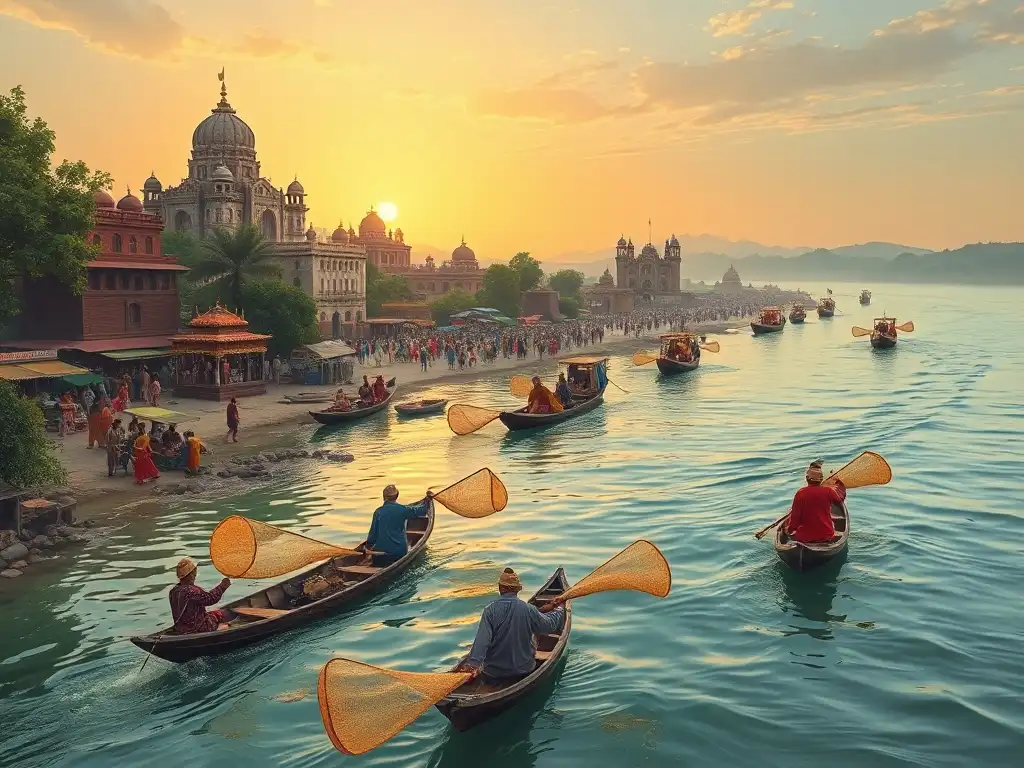
The historical landscape of Eastern India has been characterized by a series of cultural and political transformations throughout the centuries. From ancient times, when the region was home to the Indus Valley Civilization, to the flourishing of numerous dynasties, each era contributed unique cultural elements that shaped the society.
The Gupta Empire, often referred to as the "Golden Age" of India, saw significant advancements in art, science, and philosophy. This period fostered an environment of creativity and intellectual growth, with Eastern India being a major center for learning. Universities such as Nalanda and Vikramashila attracted scholars from across the globe, contributing to the dissemination of knowledge.
With the arrival of the Mughals in the 16th century, Eastern India experienced a blend of Persian and Indian cultures, leading to advancements in architecture, cuisine, and the arts. This era saw the construction of magnificent structures, including the Howrah Bridge and the Victoria Memorial, which symbolize the cultural amalgamation of the time.
The colonial period brought about significant political changes, including the introduction of Western education systems and legal frameworks. These transformations led to a rise in political awareness among the populace, culminating in the movement for independence in the early 20th century.
The Legacy of Eastern India in Modern Times
How Ancient Histories Influence Contemporary Culture
The rich tapestry of Eastern India's history continues to influence contemporary culture in profound ways. Traditional practices, art forms, and festivals that originated in ancient times remain integral to the social fabric of modern Eastern India. Festivals like Durga Puja in West Bengal and Bihula in Bihar are celebrated with fervor and reflect the region's historical narratives and mythologies.
Moreover, the region's cuisine, a delightful blend of flavors and ingredients, draws heavily from its historical roots. Dishes like Biryani, Paturi, and various fish preparations are not only popular but also serve as reminders of the diverse cultural influences that have shaped Eastern Indian culinary traditions over centuries.
Preservation of Historical Sites and Cultural Heritage
Preserving Eastern India's historical sites and cultural heritage is of paramount importance for maintaining the region's identity. Numerous organizations, both governmental and non-governmental, are dedicated to the conservation of historical landmarks such as the Bodh Gaya, where Siddhartha Gautama attained enlightenment, and the Khajuraho Temples, known for their intricate sculptures.
Efforts are being made to promote awareness and tourism around these sites, encouraging local communities to engage in heritage preservation. Educational initiatives aimed at teaching younger generations about their history and culture also play a critical role in ensuring that the legacy of Eastern India continues to thrive in the modern world.
The historical journey of Eastern India is not just a tale of the past but a living narrative that continues to evolve, shaping the lives and identities of its people today.
Conclusion: Reflecting on the Eastern India Historical Journey
The historical journey through Eastern India offers a vast and intricate tapestry of cultures, achievements, and exchanges that have shaped not only the region but also the broader narrative of Indian civilization. From the early days of the Indus Valley Civilization to the flourishing kingdoms of the Gupta Empire, Eastern India stands as a testament to human innovation, resilience, and adaptability. This exploration highlights the region's significant role in trade, philosophy, art, and religion, marking it as a vital pillar in India's historical framework.
As we reflect on this journey, it becomes evident that Eastern India is more than just a geographical location; it is a vibrant canvas painted with the contributions of diverse communities. The intertwining of various cultures, languages, and traditions has created a unique identity that continues to influence contemporary society. Recognizing this historical wealth helps foster a deeper appreciation of the present and encourages a sense of pride in our heritage.
Summary of Key Historical Contributions
Eastern India has made numerous significant contributions throughout history, which can be summarized as follows:
- Indus Valley Civilization: One of the world's oldest urban cultures, known for its advanced urban planning, architecture, and social organization.
- Buddhism and Jainism: The region was pivotal in the birth and spread of these religions, with sites like Bodh Gaya marking important historical and spiritual landmarks.
- Mughal and Maratha Influence: The rise of powerful empires that shaped the political landscape, promoting arts, culture, and trade.
- Cultural Syncretism: The blending of various traditions and customs, especially during the medieval period, fostering a rich cultural heritage.
- Economic Hub: The establishment of trade routes and ports that connected Eastern India to global markets, promoting economic prosperity.
These contributions reflect the region's dynamic role in shaping not only Eastern India but also the larger historical narrative of the Indian subcontinent.
The Importance of Understanding Eastern India's Past for Future Generations
Understanding the historical journey of Eastern India is crucial for future generations for several reasons:
- Cultural Heritage Preservation: By studying the past, young people can appreciate the rich cultural heritage that has been passed down through generations. This fosters a sense of identity and belonging.
- Learning from History: Knowledge of historical events and movements helps society learn from past mistakes and successes, guiding future decision-making and policy formulation.
- Encouraging Diversity: Eastern India’s history is emblematic of diversity and pluralism. Emphasizing this aspect can help cultivate tolerance and respect among different communities in contemporary society.
- Inspiration for Innovation: The innovative spirit of ancient civilizations can inspire contemporary efforts in various fields, including science, art, and technology.
- Promoting Regional Pride: A deep understanding of local history instills pride in one’s roots and can motivate individuals to contribute positively to their communities.
The exploration of Eastern India's historical landscape is not merely an academic pursuit; it is a vital endeavor that shapes our understanding of identity, culture, and progress for generations to come.
- Introduction to Eastern India Historical Journey
- Overview of Eastern India's Historical Significance
- Importance of the Ganges and Bay of Bengal in Ancient Civilizations
- The Ganges River: Lifeblood of Eastern India
- Cultural Heritage of Eastern India
- The Bay of Bengal: A Maritime Gateway
- Key Historical Events Shaping Eastern India
- Significant Battles and Their Outcomes
- Cultural and Political Changes Over Centuries
- The Legacy of Eastern India in Modern Times
- Conclusion: Reflecting on the Eastern India Historical Journey
- What is the significance of the Ganges River in Eastern India's history?
- Which ancient civilization is associated with Eastern India?
- What were some key contributions of the Gupta Empire?
- How did trade routes shape Eastern India's historical journey?
- What role did religion play in the cultural development of Eastern India?
Frequently Asked Questions
What is the significance of the Ganges River in Eastern India's history?
The Ganges River has been a crucial lifeline for ancient civilizations, supporting agriculture and trade, and serving as a cultural and spiritual symbol for millions.
Which ancient civilization is associated with Eastern India?
The Indus Valley Civilization, one of the earliest urban cultures, is known for its advanced cities and innovative urban planning, laying the foundation for future societies in the region.
What were some key contributions of the Gupta Empire?
The Gupta Empire is often regarded as a golden age of Indian history, marked by significant advancements in science, mathematics, and the arts, influencing generations to come.
How did trade routes shape Eastern India's historical journey?
Trade routes facilitated cultural exchange and economic growth, connecting Eastern India to other regions and allowing for the spread of ideas, religions, and technologies.
What role did religion play in the cultural development of Eastern India?
Religion, particularly Hinduism and Buddhism, played a vital role in shaping the cultural landscape of Eastern India, influencing art, architecture, and social structures throughout history.
Final Reflection: Embracing the Rich Tapestry of Eastern India's Historical Journey
The journey through Eastern India's historical landscape is not merely a passage through time; it is a profound exploration of identity, culture, and resilience. Today, as we navigate an increasingly interconnected world, understanding the historical narratives that shape our regions becomes essential. The stories of the Ganges and the Bay of Bengal resonate beyond their geographical confines, reminding us that history is alive, breathing, and intricately woven into the fabric of our present.
The influence of Eastern India's historical journey continues to shape the cultural and social landscape, fostering a sense of belonging and pride among its people. From ancient trade routes to the flourishing arts and spirituality, this region's legacy is a testament to human creativity and endurance. As Mahatma Gandhi once said, "> A nation's greatness is measured by how it treats its weakest members." This sentiment echoes through the ages, urging us to recognize the importance of preserving our historical narratives and learning from them to build a more inclusive future.
As you reflect on the rich tapestry of Eastern India's history, I invite you to consider how these lessons can inspire your own journey. What aspects of this historical journey resonate with your personal experiences? Embrace the stories of resilience, innovation, and cultural richness, and let them guide you in your own life. By acknowledging and celebrating our shared histories, we can foster a deeper understanding of ourselves and each other, paving the way for a harmonious future.
Embark on Your Own Journey Through History!
Thank you for taking the time to explore the rich tapestry of Eastern India’s historical landscape with us. We hope you’ve uncovered fascinating insights and feel inspired to delve deeper into this vibrant region's past. Now, let’s transform that inspiration into action!
- Join a local history tour in your area or during your next travels to connect with the stories of the past firsthand.
- Share your favorite historical discovery from the article on social media using the hashtag #ExploringEasternIndia to spark interest among your friends!
- Dive deeper: Choose a specific aspect of Eastern India's history that captured your attention and research it further—consider visiting libraries or accessing online archives.
What historical journey are you excited to embark on next, and why? We would love to hear your thoughts!