
The Indus Valley Civilization: A Testament to Human Ingenuity

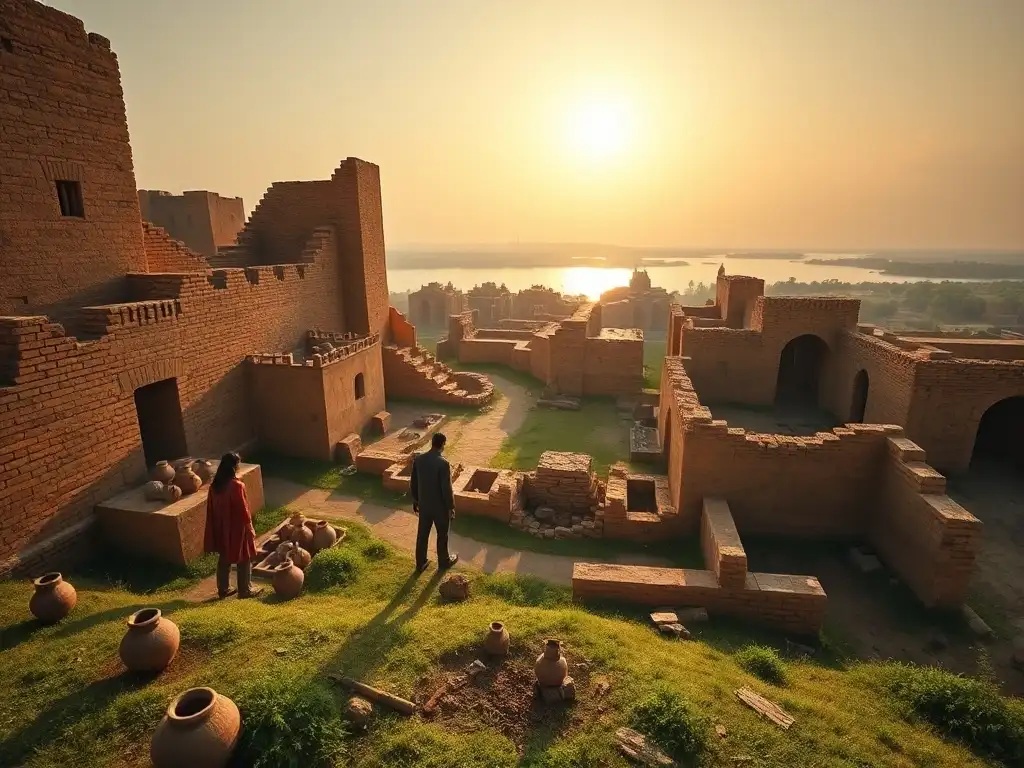
Welcome to Ancient India History, where we embark on a captivating journey through the rich tapestry of ancient Indian civilizations. Delve into the remarkable achievements of the Indus Valley Civilization, a testament to human ingenuity and innovation that laid the groundwork for future societies. From intricate urban planning to groundbreaking trade practices, the wonders of this ancient era await your discovery.
What secrets do the ruins hold, and how did they shape the course of history? Join us as we unravel the mysteries of the past and explore the profound impact of these early cultures on the world we know today.
Introduction to the Indus Valley Civilization
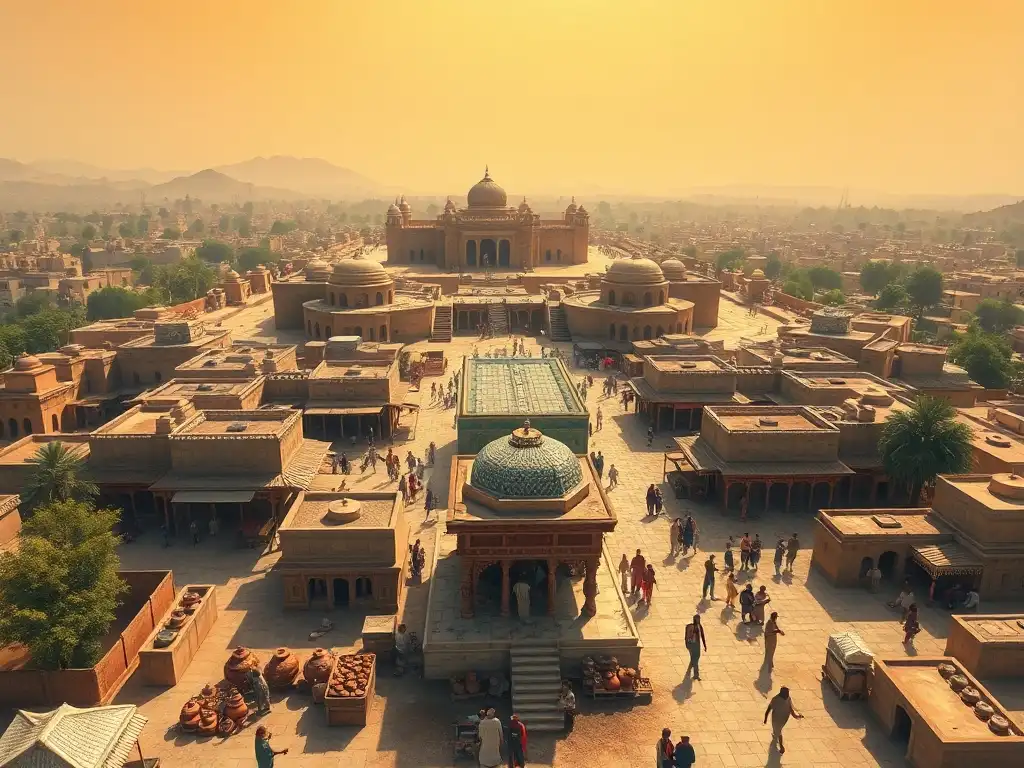
The Indus Valley Civilization (IVC), flourishing between approximately 3300 to 1300 BCE, represents one of the world's earliest urban cultures. Spanning across present-day Pakistan and northwest India, this civilization is renowned for its advanced city planning, architecture, and social organization. The IVC stands as a testament to human ingenuity, showcasing remarkable achievements that continue to intrigue historians and archaeologists alike. From sophisticated drainage systems to a standardized system of weights and measures, the Indus Valley Civilization achievements reveal a society that not only thrived but also laid the groundwork for future civilizations in the region.
Overview of Indus Valley Civilization
The Indus Valley Civilization was characterized by its impressive urban centers, such as Harappa and Mohenjo-Daro, which were meticulously planned with grid layouts, advanced drainage systems, and fortified structures. The civilization is noted for:
- Urban Planning: Cities were built with a grid pattern, featuring streets that intersected at right angles.
- Architectural Innovation: Buildings were constructed using standardized baked bricks, many of which were multi-storied.
- Advanced Drainage Systems: The civilization had some of the world's earliest drainage systems, with covered drains running along major streets.
This civilization also demonstrated remarkable advancements in art, trade, and governance, all of which contributed to its longevity and influence in the ancient world.
Importance of Indus Valley Civilization in Ancient History
The significance of the Indus Valley Civilization extends beyond its immediate geographical boundaries. It played a crucial role in shaping the socio-economic and cultural landscapes of ancient India. Key factors include:
- Cultural Exchange: The IVC engaged in trade with contemporary civilizations such as Mesopotamia, facilitating cultural and technological exchange.
- Agricultural Innovations: The civilization’s agricultural practices, including irrigation techniques, contributed greatly to food security and population growth.
- Social Structure: The evidence of a well-organized society suggests a complex social hierarchy, which laid the foundation for future Indian societies.
Understanding the IVC is essential for comprehending the broader narrative of ancient Indian history, as it serves as a precursor to subsequent civilizations in the region.
Origins of the Indus Valley Civilization
The origins of the Indus Valley Civilization are as intriguing as its achievements, marked by a combination of environmental and cultural factors that fostered its development.
Geographical Location and Its Significance
The Indus Valley region is flanked by the Indus River and its tributaries, which provided fertile soil conducive to agriculture. The geographical advantages included:
- Rich Alluvial Soil: Enabled the cultivation of various crops such as wheat, barley, and cotton.
- Strategic Location: Positioned along vital trade routes, facilitating commerce with neighboring regions.
This geographical positioning was instrumental in the rise of the IVC, enabling it to flourish as a hub of trade and culture.
Early Settlements and Agricultural Practices
The inception of the Indus Valley Civilization is believed to have been rooted in early agricultural settlements that emerged around 7000 BCE. Key aspects of these early settlements include:
- Agricultural Foundations: The transition from nomadic lifestyles to settled farming communities marked a significant shift in societal organization.
- Domestication of Animals: Livestock such as cattle and sheep were domesticated, supplementing agricultural practices and enhancing food production.
The agricultural practices established during this period laid the groundwork for the urban centers that would later define the Indus Valley Civilization, showcasing a remarkable evolution in human society.
Major Achievements of the Indus Valley Civilization
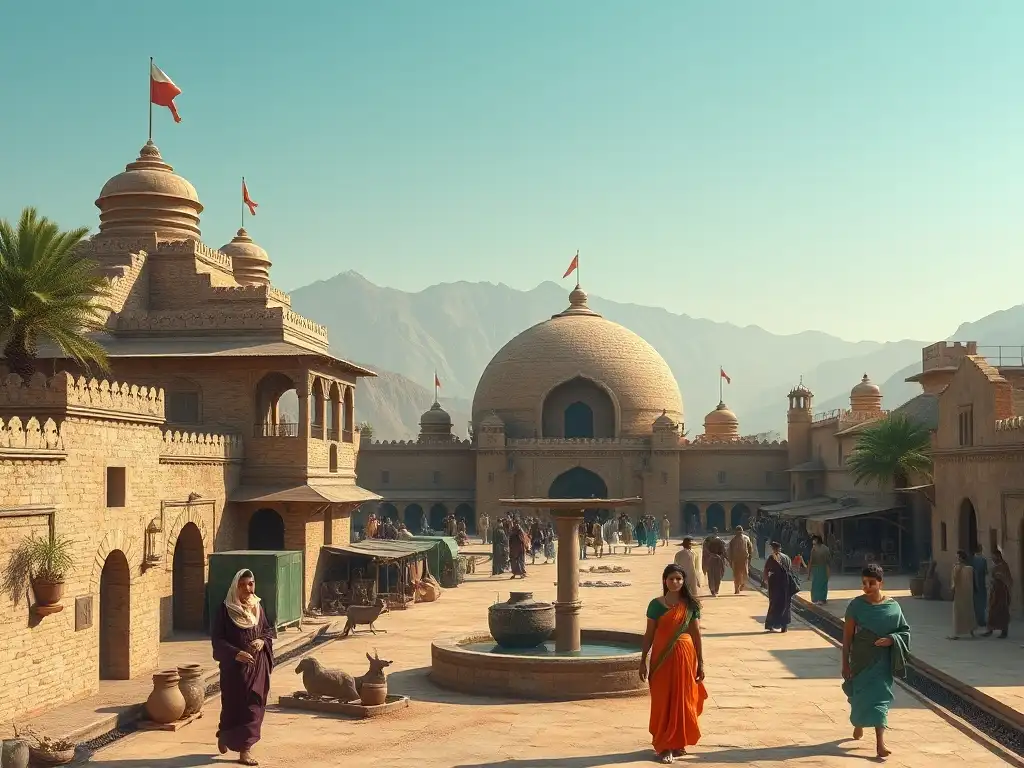
The Indus Valley Civilization (IVC), flourishing between approximately 3300 BCE and 1300 BCE, is renowned for its remarkable achievements that reflect a high level of sophistication in various aspects of life. As one of the earliest urban cultures in the world, the IVC made significant advancements in urban planning, trade, art, technology, and agriculture. These achievements not only highlight their ingenuity but also their ability to adapt and thrive in their environment, laying the groundwork for future civilizations.
Urban Planning and Architecture
The urban planning of the Indus Valley Civilization is considered one of its most impressive achievements. Cities like Harappa and Mohenjo-Daro were meticulously planned with a grid layout, demonstrating advanced urban design principles. Streets were laid out at right angles, and the cities featured wide avenues, indicating a high level of organization.
Key features of their architectural prowess include:
- Drainage Systems: The cities had sophisticated drainage systems that included covered drains, which were connected to individual houses, showcasing an understanding of sanitation and hygiene.
- Public Buildings: Large public baths, like the Great Bath of Mohenjo-Daro, suggest a focus on communal activities and possibly ritualistic practices.
- Residential Structures: Homes were typically made from baked bricks and featured flat roofs, demonstrating both aesthetic and functional architectural choices.
This level of urban planning not only reflects the societal structure but also the technological capabilities of the people living in the IVC, underscoring their achievements in architecture.
Trade and Economy
The trade networks established by the Indus Valley Civilization were extensive, indicating a robust economy that engaged in both local and long-distance trade. Evidence suggests that the IVC traded goods like textiles, pottery, and metalwork with neighboring regions, including Mesopotamia and Persia.
Key aspects of their trade and economic practices include:
- Standardized Weights and Measures: The use of uniform weights and measures facilitated trade, allowing for fair exchanges and the development of a thriving market system.
- Craft Specialization: Different cities specialized in various crafts, such as bead-making in Lothal and metallurgy in Harappa, which enhanced their economic output and trade capabilities.
- Maritime Trade: The civilization had access to the Arabian Sea, which enabled them to engage in maritime trade, further expanding their economic interactions.
These trade practices not only contributed to the prosperity of the IVC but also influenced cultural exchanges with other ancient civilizations.
Art and Culture
The artistic expressions of the Indus Valley Civilization are a testament to their rich cultural heritage. Artifacts such as seals, pottery, and figurines provide insight into their aesthetic values and societal norms.
Key highlights of their art and culture include:
- Seals and Inscriptions: The discovery of intricately carved seals, often featuring animals and script, suggests they had a written language and were engaged in trade and administration.
- Terracotta Figurines: The creation of terracotta figurines, including those depicting women and animals, reflects their artistic skills and possibly their spiritual beliefs.
- Pottery: The IVC produced a variety of pottery styles, often painted with geometric patterns, showcasing both functionality and artistry.
These artistic contributions reveal not only the creativity of the IVC people but also their cultural and spiritual life.
Technological Innovations of the Indus Valley Civilization
The Indus Valley Civilization was marked by numerous technological innovations that facilitated their daily life and economic activities. These advancements highlight their understanding of various sciences and their ability to implement practical solutions in their society.
Metallurgy and Tool-making
The mastery of metallurgy and tool-making was a significant achievement of the Indus Valley Civilization. They were skilled in crafting various tools and ornaments from metals, particularly copper, bronze, and gold.
Key innovations in metallurgy include:
- Copper and Bronze Tools: Tools such as axes, chisels, and knives made from copper and bronze were extensively used in agriculture and craftsmanship.
- Jewelry Making: The production of intricate jewelry from gold and semi-precious stones indicates a high level of skill in metalwork and an appreciation for aesthetics.
- Casting Techniques: The IVC utilized advanced casting techniques, such as lost-wax casting, to create detailed sculptures and artifacts, showcasing their technological expertise.
These advancements in metallurgy not only contributed to their daily lives but also established trade relationships with other cultures.
Agricultural Techniques and Irrigation Systems
Agriculture was the backbone of the Indus Valley Civilization, and their innovative techniques greatly enhanced productivity. The IVC developed sophisticated agricultural practices that supported their growing population.
Key agricultural techniques include:
- Irrigation Systems: Advanced irrigation systems, including canals and wells, were employed to manage water resources effectively, ensuring consistent crop production despite seasonal variations.
- Crop Diversification: The cultivation of various crops, such as wheat, barley, and cotton, indicates their understanding of agriculture and the need for food security.
- Animal Husbandry: The domestication of cattle, sheep, and goats played a crucial role in their agricultural economy, providing milk, labor, and materials for clothing.
These agricultural innovations not only ensured the sustenance of the IVC population but also contributed to their economic stability and growth.
The Indus Valley Civilization (IVC), flourishing around 2500 BCE in present-day Pakistan and northwest India, exhibited a sophisticated social structure and governance model that was advanced for its time. The society was likely stratified, with a hierarchy that facilitated the management of urban centers, trade, and social responsibilities. Evidence suggests that this civilization had organized city-planning, which implies a level of governance that could enforce rules and coordinate resources effectively.
Social Hierarchy and Roles
The social hierarchy of the Indus Valley Civilization is believed to have been relatively egalitarian compared to other ancient cultures, yet distinct class divisions likely existed. Archaeological findings suggest that there were several key roles within this society:
- Rulers and Priests: Likely at the top of the hierarchy, these individuals would have held significant power, possibly combining religious authority with political governance.
- Merchants and Artisans: A thriving trade network indicates the presence of skilled craftsmen and merchants who contributed to the economy through the production and exchange of goods.
- Farmers: Agriculture was the backbone of the IVC economy, with farmers playing a crucial role in sustaining the population. The fertile plains of the Indus River facilitated the cultivation of crops like wheat and barley.
- Laborers and Servants: This class would have included workers responsible for construction, maintenance, and various labor-intensive tasks essential for urban infrastructure.
This stratification suggests a complex society where roles were defined by occupation, with individuals contributing to the overall functioning of the civilization.
Evidence of Governance and Legal Systems
The governance of the Indus Valley Civilization is evidenced by the meticulous urban planning seen in cities like Harappa and Mohenjo-Daro. These cities featured advanced drainage systems, standardized brick sizes, and public baths, which point to an organized administrative system overseeing public works and urban management.
Furthermore, there are indications of a legal system through the discovery of seals and inscriptions that may have been used for trade and accounting. The uniformity of weights and measures across various sites suggests a regulated trade system, hinting at a centralized authority that maintained economic order. The absence of large palatial structures, which are common in other ancient civilizations, leads scholars to hypothesize that governance may have been more decentralized and collective than autocratic.
Decline of the Indus Valley Civilization
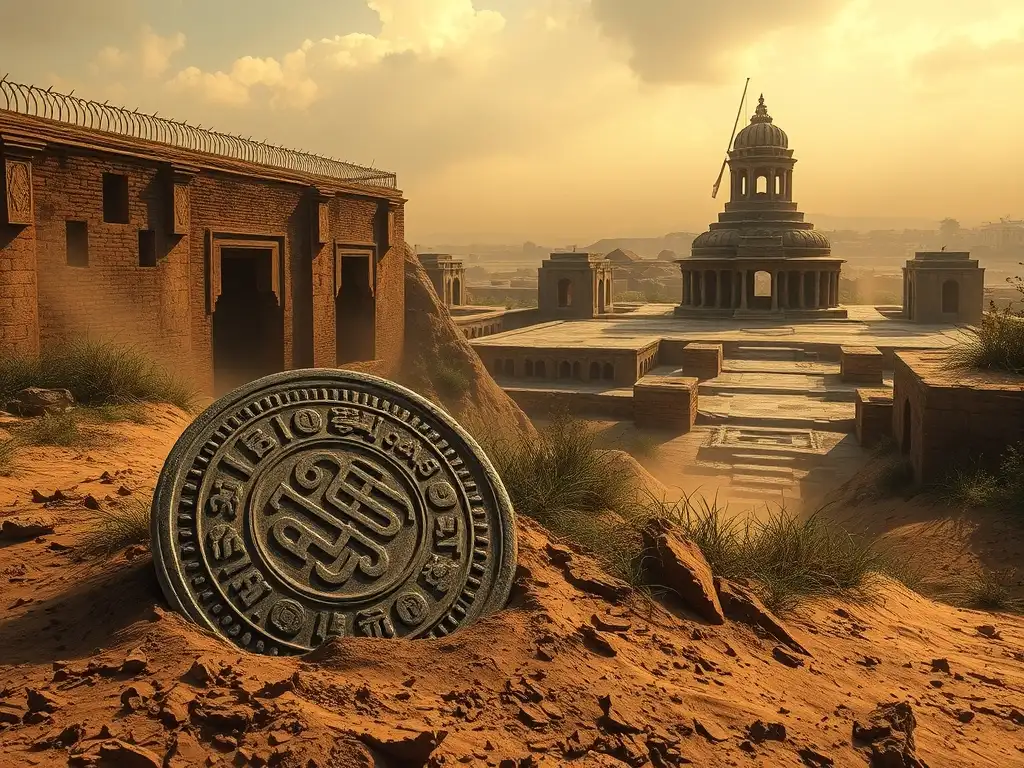
The decline of the Indus Valley Civilization remains one of the most debated topics among historians and archaeologists. The civilization began to decline around 1900 BCE, leading to the eventual abandonment of major urban centers.
Theories on the Decline
Several theories have been proposed to explain the decline of this advanced civilization:
- Environmental Changes: Many scholars suggest that climatic shifts, such as droughts or flooding, could have severely impacted agriculture, leading to food shortages and societal stress.
- Economic Decline: Disruptions in trade routes, possibly due to changes in river patterns or competition with emerging civilizations, may have led to an economic downturn.
- Social and Political Factors: Internal strife, possibly exacerbated by population pressures or class conflicts, could have contributed to the breakdown of social order and governance.
- Invasions: Some theories posit that invasions by nomadic tribes from the north may have led to the decline; however, evidence for this is limited.
Each of these theories provides insights into the multifaceted reasons behind the decline, but a conclusive explanation remains elusive.
Legacy of the Indus Valley Civilization
The legacy of the Indus Valley Civilization is profound, influencing subsequent cultures in the Indian subcontinent. Its contributions to urban planning, architecture, and governance set foundational standards for later societies. The IVC is credited with significant achievements such as:
- Urban Planning: The grid layout of cities and advanced drainage systems established principles that influenced future urban developments.
- Standardized Weights and Measures: This practice laid the groundwork for trade, contributing to economic practices that persisted in later civilizations.
- Cultural Exchange: The trade networks established by the IVC facilitated cultural exchange with neighboring regions, promoting the spread of ideas, technologies, and goods.
The disappearance of the Indus Valley Civilization did not erase its impact; rather, its innovations and cultural practices continued to resonate throughout the ages, forming an integral part of ancient Indian history.
Conclusion
The Indus Valley Civilization stands as one of the most remarkable achievements in the annals of human history. Its innovations in urban planning, architecture, and social organization reflect an advanced understanding of both technology and governance, paving the way for future civilizations in the Indian subcontinent and beyond. The sophisticated drainage systems, standardized weights and measures, and remarkable craftsmanship in pottery and metallurgy highlight the ingenuity of its people.
Furthermore, the development of a script, although still undeciphered, indicates a complex system of communication that underscores the civilization's intellectual achievements. As we study the Indus Valley Civilization, we not only gain insight into its accomplishments but also appreciate the profound influence it has had on subsequent cultures in the region.
Lasting Impact of Indus Valley Civilization Achievements
The achievements of the Indus Valley Civilization continue to resonate through time, influencing various aspects of modern society. The advancements in urban planning, such as grid layouts and the integration of advanced drainage systems, have inspired contemporary architects and city planners. The emphasis on hygiene and public health in Indus cities illustrates an early understanding of sanitation that is still relevant today.
Moreover, the standardized weights and measures used in trade fostered a sense of economic unity and efficiency that is mirrored in today’s global trade practices. The craftsmanship seen in their artifacts, from intricate jewelry to beautifully crafted seals, showcases a high level of artistic expression that continues to inspire artists and artisans.
The civilization's achievements in agriculture, particularly the use of irrigation, laid the groundwork for agricultural practices in the region. Their methods of crop cultivation and domestication of animals contributed significantly to food security, which is a crucial aspect of sustainable development today. Overall, the legacy of the Indus Valley Civilization remains a testament to human ingenuity and adaptability.
Reflection on Human Ingenuity in Ancient Cultures
The Indus Valley Civilization exemplifies the remarkable creativity and resourcefulness of ancient cultures. It serves as a reminder that human ingenuity is not confined to a specific era or region; rather, it is a universal trait that has manifested in various forms throughout history. The ability of the Indus people to create a thriving urban society in a challenging environment speaks volumes about their adaptability and innovation.
As we explore other ancient civilizations, we can draw parallels that highlight common themes of innovation, social organization, and cultural expression. Each civilization, including those of Mesopotamia, Egypt, and the Mesoamericans, demonstrates unique achievements that contribute to our collective understanding of human history. Reflecting on these cultures encourages us to appreciate the diverse paths of human development and the shared characteristics that unite us across time and space.
References and Further Reading
To gain a deeper understanding of the Indus Valley Civilization and its achievements, the following resources are recommended:
Recommended Books and Articles
- "The Indus Civilization: A Contemporary Perspective": by Gregory L. Possehl: This book offers an in-depth analysis of the archaeological findings and historical context of the Indus Valley Civilization.
- "Indus Valley: The Story of a Forgotten Civilization": by Jonathan Mark Kenoyer: A comprehensive exploration of the cultural, economic, and technological advancements of the Indus Valley people.
- "The Harappan Civilization: A Historical Perspective": in the Journal of Asian Studies: This article provides a scholarly overview of the key aspects of Harappan society and its contributions to ancient history.
Online Resources for Further Exploration
- The Archaeological Survey of India (ASI): An official website providing access to research, excavations, and findings related to the Indus Valley Civilization.
- The British Museum's Online Collection: Features artifacts and exhibits related to the Indus Valley, offering insights into its cultural heritage.
- The Indus Valley Civilization Project: A dedicated website that compiles research papers, articles, and news about ongoing studies and discoveries in the field.
- Introduction to the Indus Valley Civilization
- Overview of Indus Valley Civilization
- Importance of Indus Valley Civilization in Ancient History
- Origins of the Indus Valley Civilization
- Major Achievements of the Indus Valley Civilization
- Technological Innovations of the Indus Valley Civilization
- Social Structure and Governance
- Decline of the Indus Valley Civilization
- Conclusion
- References and Further Reading
- What are the major achievements of the Indus Valley Civilization?
- How did the Indus Valley influence later Indian cultures?
- What types of artifacts have been discovered from the Indus Valley?
- How did the Indus Valley Civilization contribute to mathematics and science?
- What led to the decline of the Indus Valley Civilization?
Frequently Asked Questions
What are the major achievements of the Indus Valley Civilization?
The Indus Valley Civilization is known for its sophisticated urban planning, advanced drainage systems, and innovative trade practices, showcasing their remarkable engineering skills.
How did the Indus Valley influence later Indian cultures?
The cultural foundations laid by the Indus Valley Civilization, including urbanization and trade networks, significantly influenced subsequent Indian cultures and societies, contributing to their economic and social structures.
What types of artifacts have been discovered from the Indus Valley?
Archaeologists have unearthed various artifacts such as pottery, seals, and tools, which provide insight into the daily lives, beliefs, and trade relationships of the people in the Indus Valley.
How did the Indus Valley Civilization contribute to mathematics and science?
The Indus Valley Civilization made significant strides in mathematics, including the use of measuring systems and weights, and they also had knowledge of basic astronomy for agricultural planning.
What led to the decline of the Indus Valley Civilization?
Factors contributing to the decline of the Indus Valley Civilization include climate change, shifts in river patterns, and possible invasions, which disrupted their agricultural and trade networks.
Final Reflection: Celebrating the Ingenuity of the Indus Valley Civilization
The achievements of the Indus Valley Civilization resonate profoundly in today's world, illustrating how human ingenuity can shape societies and foster innovation. From advanced urban planning to sophisticated trade networks, the legacy of this ancient civilization serves as a powerful reminder of our capacity for creativity and resilience. As we navigate the complexities of modern life, it is essential to recognize the enduring impact of these early innovations on contemporary culture and technology.
The Indus Valley Civilization has not only influenced historical narratives but continues to inspire contemporary thought in architecture, urban design, and sustainability. The meticulous planning of cities like Mohenjo-Daro and Harappa showcases a profound understanding of community needs and environmental harmony. As historian Jonathan Mark Kenoyer aptly stated, The Indus Valley Civilization represents one of the earliest examples of urban planning and social organization, reflecting a sophisticated understanding of the relationship between people and their environment.
This ongoing influence encourages us to reflect on our own societal structures and the importance of sustainable practices in our rapidly changing world.
As we conclude our exploration of the Indus Valley Civilization, I invite you to consider how the lessons from this remarkable society can be applied to your own life. Reflect on the importance of innovation, collaboration, and sustainability in your personal and professional endeavors. Let the achievements of the Indus Valley Civilization inspire you to think creatively and act purposefully, ensuring that your contributions to society echo the ingenuity of those who came before us. Together, we can build a future that honors the past while paving the way for new achievements.
Unleash Your Curiosity: Dive Deeper into Ancient Innovations!
Thank you for exploring the fascinating world of the Indus Valley Civilization with us! You've uncovered the brilliance of human ingenuity that shaped our history. Now, let’s turn that knowledge into action! Here’s how you can continue your journey of discovery:
- Explore further: Delve into our comprehensive articles on other ancient civilizations to understand their interconnectedness and their impact on the modern world.
- Share the knowledge: Engage in discussions about this civilization’s innovations with friends or on social media—let’s keep the conversation alive!
- Engage with the community: Join our online forum to connect with fellow history enthusiasts and share your insights on what captivates you the most about the Indus Valley.
What innovation or aspect of the Indus Valley Civilization fascinates you the most, and how do you believe it can shape our lives today?