
The Influence of Indus Valley Art on Later Indian Cultures

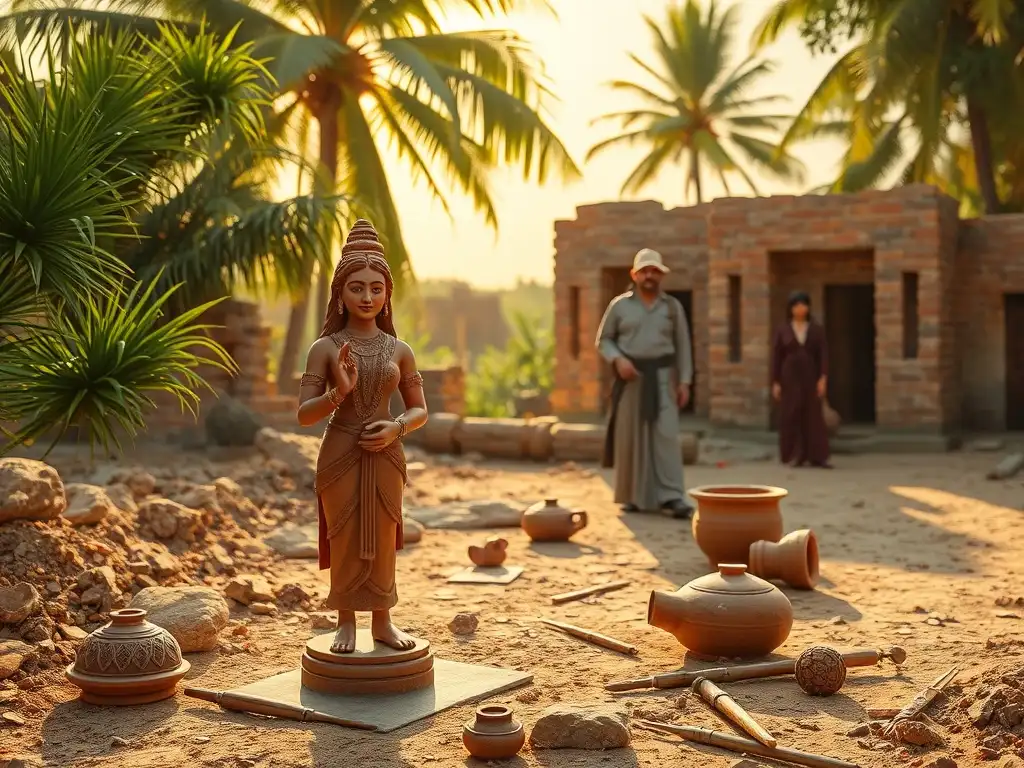
Welcome to Ancient India History, where we embark on a fascinating journey through the rich tapestry of ancient Indian civilizations. Here, we delve into the intricate details of cultures that shaped the subcontinent, from the harmonious streets of the Indus Valley to the grandeur of the Gupta Empire.
In our featured article, "The Influence of Indus Valley Art on Later Indian Cultures," we uncover how the artistic innovations of the Indus Valley continue to resonate through time, leaving an indelible mark on the cultural heritage of India. Prepare to be captivated by stories of creativity and craftsmanship that have influenced generations—your exploration begins now!
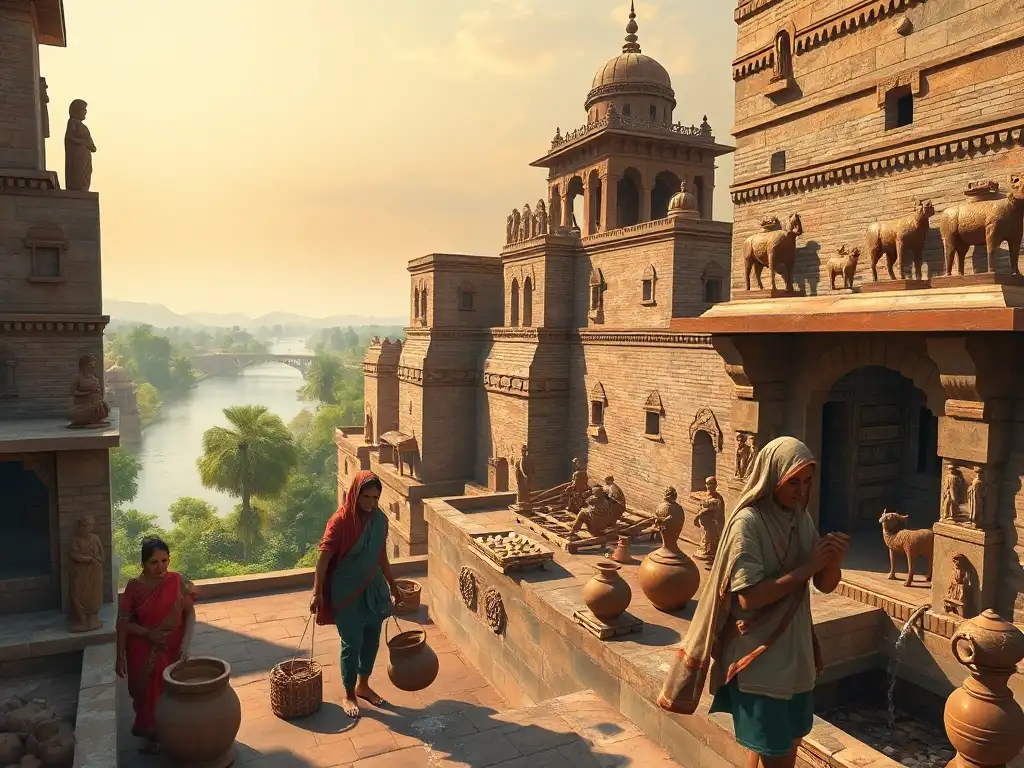
Introduction to Indus Valley Art Influence
The Indus Valley Civilization (IVC), flourishing from approximately 3300 BCE to 1300 BCE, stands as one of the world's earliest urban cultures, distinguished not only by its advanced city planning and architecture but also by its unique and sophisticated art. The art of this civilization laid the groundwork for various artistic trends that would resonate throughout subsequent Indian cultures.
As we delve into the Indus Valley art influence, we will explore how the motifs, materials, and techniques developed during this period shaped the artistic expressions of later Indian civilizations, creating a rich tapestry that reflects both continuity and transformation in Indian art history.
Overview of Indus Valley Civilization
The Indus Valley Civilization, primarily located in what is now Pakistan and northwest India, was remarkable for its urban centers like Harappa and Mohenjo-Daro. Characterized by advanced drainage systems, standardized weights, and a script that remains undeciphered, the IVC was a hub of trade and cultural exchange. The society was marked by a high degree of craftsmanship, with artisans producing intricate jewelry, pottery, and seals that reveal much about their beliefs and daily life.
- Key Features of the IVC:
- Urban planning with grid layouts.
- Advanced drainage and sanitation systems.
- Evidence of trade networks with Mesopotamia and beyond.
- Use of standardized weights and measures.
Significance of Art in Ancient Indian Cultures
Art in ancient Indian cultures served as a medium for spiritual expression, social commentary, and a reflection of everyday life. The significance of art transcended mere aesthetics; it was deeply intertwined with religious practices, societal values, and cultural identity.
- Roles of Art in Ancient Indian Societies:
- Religious Symbolism: Artworks often embodied spiritual beliefs and were used in rituals.
- Cultural Identity: Artistic styles helped define regional identities and heritage.
- Communication: Art served as a means to convey stories, values, and historical narratives.
Characteristics of Indus Valley Art
The art of the Indus Valley Civilization is notable for its diversity and craftsmanship. It reflects the civilization's sophisticated understanding of aesthetics, symbolism, and technology.
Major Forms of Art in the Indus Valley
Indus Valley art encompasses various forms, including:
- Sculpture: Terracotta figurines, seals, and stone sculptures often depicted animals, deities, and human figures.
- Pottery: Painted pottery showcased intricate designs and motifs, serving both utilitarian and decorative purposes.
- Seals: The famous seals, often inscribed with motifs and script, were used for trade and administrative purposes.
Themes and Motifs in Indus Valley Art
Thematically, Indus Valley art is rich with symbolism and recurring motifs:
- Animals: Depictions of animals such as bulls, elephants, and mythical creatures reflect the importance of fauna in their culture.
- Geometric Patterns: Abstract designs and geometric patterns indicate a keen sense of aesthetics and mathematics.
- Human Figures: Figurines and seals often portray human figures engaged in various activities, highlighting social and cultural practices.
As we progress through this exploration of Indus Valley art influence, we will analyze how these characteristics not only defined the artistic landscape of their time but also laid a foundational influence on subsequent Indian art forms, echoing through the ages.
The Transition of Art Forms: Indus Valley to Later Cultures
The artistic legacy of the Indus Valley Civilization (IVC), which flourished around 2500 BCE, laid significant foundations for subsequent Indian cultures. As the IVC transitioned into the Vedic period and beyond, the art forms evolved while retaining core elements of style, technique, and symbolism. This transition is marked by a blend of continuity and change, where earlier motifs and methods adapted to new cultural contexts and purposes.
The IVC was noted for its intricate seals, terracotta figurines, and urban design, which showcased a high level of craftsmanship and aesthetic sensibility. As these art forms encountered new influences from migrating communities and evolving societal needs, they began to exhibit unique adaptations. The continuity of certain themes, such as reverence for nature and the human form, remained prevalent, while the introduction of new materials and techniques spurred innovation.
Continuity of Artistic Traditions
Despite the changes that occurred over centuries, many artistic traditions from the Indus Valley persisted. The motifs and iconography found in IVC artifacts, such as animals, deities, and geometric patterns, continued to be significant in later Indian art. The stylized representation of figures, particularly in terracotta, influenced the aesthetic choices in subsequent civilizations, including the Mauryan and Gupta empires.
The practice of using seals, for instance, transitioned into the use of stamps and engravings in later artworks. The emphasis on craftsmanship and the depiction of daily life, spiritual beliefs, and nature in the IVC laid a foundation that many later artists would draw upon. The enduring legacy of these traditions is reflected in the artistry of subsequent cultures, where earlier influences are often reinterpreted through new lenses.
Innovations and Adaptations in Art
As Indian societies evolved, so did their artistic expressions. Innovations in material use, such as the introduction of new metals and techniques, allowed artists to explore different forms. For example, the shift from terracotta to stone carving marked a significant development in artistic methods, with the Mauryan period being notable for its monumental architecture and sculpture.
Additionally, the synthesis of regional styles contributed to a diverse artistic landscape. The adaptation of IVC artistic themes was evident in the incorporation of new religious motifs, particularly with the rise of Buddhism and Jainism during the Mauryan era. The blending of these influences resulted in a rich tapestry of artistic expression that reflected the changing spiritual and cultural milieu of ancient India.
Influence of Indus Valley Art on Mauryan Empire
The Mauryan Empire (c. 322–185 BCE) is recognized for its significant advancements in art and architecture, which were deeply influenced by the earlier Indus Valley traditions. This influence is evident in various artistic and architectural forms, showcasing how the legacy of the IVC was integrated into the cultural fabric of the Mauryan period.
During this time, the emphasis on sculpture and monumental art became pronounced, with the Indus Valley's artistic motifs serving as a foundation for innovation. The Mauryan artists adopted and adapted these influences, leading to a unique style that combined traditional elements with new thematic and technological developments.
Artistic Developments during the Mauryan Period
The Mauryan period witnessed remarkable artistic achievements, particularly in the realm of sculpture and architecture. The use of stone, especially in the construction of stupas and pillars, marked a departure from the terracotta traditions of the IVC. However, the intricate craftsmanship and attention to detail seen in IVC art persisted, influencing the design of the famous Ashoka Pillars and the Sanchi Stupa.
Iconography also evolved, with representations of animals and human figures becoming more elaborate and symbolic. The Mauryan artists drew inspiration from the realistic portrayals of animals and daily life found in Indus Valley seals, which contributed to a rich iconographic vocabulary that represented the spiritual and cultural ideals of the time.
Examples of Indus Valley Influence in Mauryan Art
Several specific examples illustrate the influence of Indus Valley art on Mauryan creations. The portrayal of the bull, a significant motif in IVC art, re-emerged in Mauryan sculpture, symbolizing strength and fertility. Similarly, the stylistic elements of the IVC seals can be observed in the decorative motifs on Mauryan pillar capitals.
The famous Lion Capital of Ashoka, which features four lions standing back to back, reflects the grandeur and compositional balance derived from earlier artistic traditions. Moreover, the intricate carvings and relief work found in Mauryan stupas echo the detailed craftsmanship of Indus Valley artifacts, showcasing a continuum of artistic excellence that bridged these ancient cultures.
Through these examples, it is evident that the artistic influence of the Indus Valley Civilization not only persisted but also evolved, enriching the cultural landscape of the Mauryan Empire and shaping the trajectory of Indian art for centuries to come.
The Impact of Indus Valley Art on Gupta Era Art
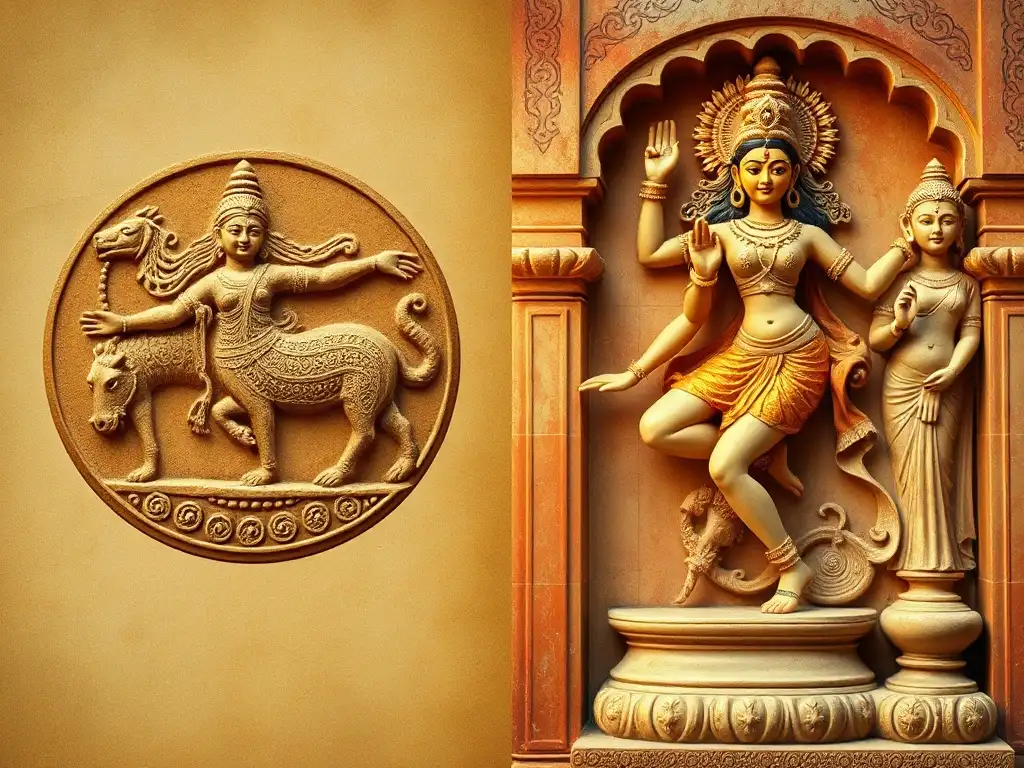
The Gupta Empire, often referred to as the Golden Age of India, flourished from approximately 320 to 550 CE. During this period, art and architecture saw significant advancements, many of which can be traced back to the artistic traditions established in the earlier Indus Valley Civilization (IVC). The influence of Indus Valley art on Gupta era art is evident in various domains, including sculpture, pottery, and urban planning.
The meticulous craftsmanship of Indus Valley artisans laid the groundwork for subsequent artistic developments in India. The use of terracotta figurines, seals, and intricate designs from the IVC created a legacy that Gupta artists would build upon. This continuity demonstrates how ancient traditions were preserved and adapted, ensuring the survival of cultural expressions that defined India’s artistic identity.
Artistic Flourishing of the Gupta Empire
The Gupta Empire was marked by a remarkable flourishing of the arts, characterized by a synthesis of local and regional influences. This artistic renaissance can be attributed to the stability and prosperity of the empire, which allowed for patronage of the arts, religious activities, and cultural exchanges. The Gupta period saw the emergence of iconic styles in sculpture, painting, and architecture.
Sculpture during this era was particularly notable, with a focus on religious themes, especially Buddhist and Hindu iconography. The Gupta artists refined the techniques of stone carving, producing exquisite figures and reliefs that showcased a harmonious blend of realism and stylistic beauty. This artistic flourishing was deeply rooted in the traditions established during the Indus Valley period, where artisans demonstrated an early mastery of form and expression.
Key Artistic Elements Borrowed from Indus Valley Art
Several key artistic elements from Indus Valley art can be identified in Gupta era creations. These include:
- Terracotta Figurines: The Gupta artists continued the tradition of crafting terracotta figures, which were prevalent in the Indus Valley. These figurines often depicted deities, animals, and everyday life, maintaining a narrative quality that linked back to their ancient predecessors.
- Seals and Inscriptions: The use of seals, which were characteristic of the Indus Valley Civilization, influenced the Gupta period's use of inscriptions on stone and metal. The motifs and stylistic elements found on these seals can be seen echoed in Gupta art, particularly in the representation of deities and symbols.
- Architectural Techniques: The urban planning and architectural innovations of the Indus Valley, including the use of baked brick and drainage systems, set a precedent for Gupta architecture. The emphasis on symmetry and proportion in Gupta temple architecture reflects this ancient influence.
Comparative Analysis of Indus Valley Art and Subsequent Indian Art Forms
A comparative analysis of Indus Valley art and subsequent Indian art forms reveals both similarities and differences that highlight the evolution of artistic expression in ancient India.
Similarities in Themes and Techniques
Indus Valley art and later Indian art forms share several thematic and technical similarities, such as:
- Religious Iconography: Both art forms often depict religious themes. The Indus Valley had a pantheon of deities, and this religious focus continued in Gupta art, which prominently featured Hindu and Buddhist figures.
- Naturalistic Representation: Artists from both periods employed naturalistic techniques. The lifelike quality of figurines and sculptures can be traced from the Indus Valley through to Gupta sculptures, reflecting a deep appreciation for human and animal forms.
- Motifs and Patterns: Geometric patterns and floral motifs found in Indus Valley pottery and textiles are echoed in later Indian art. This continuity suggests a shared aesthetic sensibility that persisted through generations.
Differences in Style and Material Usage
Despite the similarities, there are notable differences in style and material usage between Indus Valley art and later forms:
- Material Preference: Indus Valley art primarily utilized terracotta and stone, while Gupta art saw a broader range of materials, including metal and ivory, which allowed for more intricate designs and durability.
- Stylistic Evolution: The Gupta period marked a shift towards more elaborate and decorative styles, with greater emphasis on idealized forms and elaborate ornamentation. In contrast, Indus Valley art often exhibited a more simplified, functional aesthetic.
- Cultural Context: The socio-political and religious contexts of the Gupta Empire were vastly different from those of the Indus Valley Civilization. The Gupta era artists responded to new cultural influences, leading to a distinct evolution in themes that reflected the changing beliefs and practices of society.
The influence of Indus Valley art on later Indian cultures, particularly during the Gupta Empire, is profound and multifaceted. It highlights a rich tapestry of continuity and evolution that shaped the artistic landscape of ancient India.
Cultural Significance of Indus Valley Art Influence
The art of the Indus Valley Civilization, spanning from approximately 3300 to 1300 BCE, represents a pivotal chapter in ancient Indian history. This civilization, known for its sophisticated urban planning and advanced societal structures, also produced a diverse array of artistic expressions that have profoundly influenced subsequent Indian cultures. The intricate designs, motifs, and craftsmanship found in Indus Valley art not only served aesthetic purposes but also conveyed deeper social and cultural meanings.
Indus Valley art is characterized by its use of natural materials such as terracotta, ivory, and semi-precious stones. The craftsmanship involved in creating seals, pottery, and figurines showcases a high level of skill and innovation. These artistic forms emerged not merely as decorative pieces but as integral elements of daily life, reflecting the values, beliefs, and technological advancements of the time. As this art form evolved, it laid the groundwork for subsequent artistic traditions, establishing a rich heritage that would be felt for millennia.
The cultural significance of Indus Valley art can also be observed in the way it influenced the religious and social frameworks of later Indian societies. The motifs and symbols found in Indus art, such as the depiction of animals and human figures, were often imbued with spiritual meanings. These elements provided a sense of continuity between the ancient and later periods, fostering a shared cultural identity that persisted across generations.
Role of Art in Social and Religious Life
Art in the Indus Valley Civilization was deeply intertwined with social and religious practices. The intricate seals featuring various motifs, including animals and deities, suggest a complex belief system that permeated daily life. These seals, often used for trade and administrative purposes, also served as markers of identity and status within the community. The iconography depicted on these artifacts indicates a rich tapestry of religious beliefs that would later influence Hinduism and Buddhism.
Moreover, the use of figurines, such as the famous "Dancing Girl" bronze sculpture, exemplifies the role of art in ritualistic practices and social gatherings. These artifacts not only served as decorative items but also as representations of societal roles and spiritual beliefs. The continuity of these artistic expressions into later periods highlights the enduring influence of Indus Valley art on the social fabric of subsequent Indian cultures.
Reflection of Trade and Economic Relations
The artistry of the Indus Valley Civilization also provides insights into the trade and economic relations that shaped ancient India. The presence of meticulously crafted goods, often made from imported materials, points to an extensive trade network that connected the Indus Valley with regions as far as Mesopotamia and Persia. The artistic styles and techniques adopted from these interactions reflect a dynamic exchange of ideas and cultural practices, further enriching the tapestry of Indus Valley art.
Artifacts such as terracotta figurines and pottery not only showcase local craftsmanship but also reveal influences from external cultures. This blending of styles is evident in the motifs and designs that emerged in later Indian art, where elements of Indus Valley aesthetics can be seen in the art of the Mauryan and Gupta periods. The economic relations fostered through trade thus played a crucial role in the evolution of artistic traditions, creating a legacy that would resonate through time.
Conclusion: Lasting Legacy of Indus Valley Art in Indian Culture
The enduring legacy of Indus Valley art is evident in its profound influence on subsequent Indian cultures, shaping artistic expressions, social structures, and religious practices. As scholars continue to explore this rich heritage, it becomes clear that the artistic contributions of the Indus Valley are not merely historical artifacts; they are living testimonies to the creativity and ingenuity of ancient Indian civilizations.
Summary of Key Influences on Later Indian Cultures
The key influences of Indus Valley art on later Indian cultures can be summarized as follows:
- Symbolism and Motifs: The use of specific motifs, such as animals and geometric patterns, persisted in later artistic traditions, notably in Hindu and Buddhist art.
- Craftsmanship and Techniques: The high level of craftsmanship established by Indus artisans laid the foundation for subsequent artistic practices in pottery, sculpture, and metalwork.
- Cultural Continuity: The spiritual and social themes expressed through Indus Valley art created a continuum that linked ancient practices with later religious and artistic expressions in India.
This legacy is not only a testament to the ingenuity of the Indus Valley people but also a vital part of India's cultural narrative.
Future Research Directions in Indus Valley Art Studies
As interest in the Indus Valley Civilization continues to grow, future research directions in Indus Valley art studies could focus on several key areas:
- Interdisciplinary Approaches: Integrating archaeology, anthropology, and art history can provide a more comprehensive understanding of the cultural significance of Indus Valley art.
- Technological Analysis: Advancements in technology, such as imaging techniques and material analysis, can uncover new insights into the techniques and materials used by Indus artisans.
- Cultural Exchange Studies: Investigating the extent of cultural exchanges with neighboring civilizations during the Indus Valley period can deepen our understanding of the influences that shaped its art.
By pursuing these research avenues, scholars can continue to unravel the complexities of Indus Valley art and its lasting impact on the broader canvas of Indian history and culture.
- Introduction to Indus Valley Art Influence
- Characteristics of Indus Valley Art
- The Transition of Art Forms: Indus Valley to Later Cultures
- Influence of Indus Valley Art on Mauryan Empire
- The Impact of Indus Valley Art on Gupta Era Art
- Comparative Analysis of Indus Valley Art and Subsequent Indian Art Forms
- Cultural Significance of Indus Valley Art Influence
- Conclusion: Lasting Legacy of Indus Valley Art in Indian Culture
- What was the significance of Indus Valley art in ancient India?
- How did Indus Valley art influence later Indian cultures?
- What are some key features of Indus Valley art?
- Can you name any famous artifacts from the Indus Valley?
- How did the discovery of Indus Valley art impact our understanding of ancient Indian history?
Frequently Asked Questions
What was the significance of Indus Valley art in ancient India?
The Indus Valley art is significant as it showcases the advanced artistic skills and cultural expressions of one of the earliest civilizations, influencing later Indian art and architecture.
How did Indus Valley art influence later Indian cultures?
The artistic techniques and motifs from the Indus Valley laid the foundation for subsequent styles, notably seen in the Mauryan and Gupta periods, reflecting continuity and evolution in Indian art.
What are some key features of Indus Valley art?
Key features include the use of terracotta, intricate sculptures, seals with animal motifs, and the development of urban art, highlighting their craftsmanship and aesthetic sensibilities.
Can you name any famous artifacts from the Indus Valley?
Famous artifacts include the Dancing Girl of Mohenjo-Daro and numerous seals depicting animals and script, showcasing the cultural richness of the Indus Valley civilization.
How did the discovery of Indus Valley art impact our understanding of ancient Indian history?
The discovery revealed the sophistication of early Indian societies, reshaping our understanding of their cultural dynamics and artistic achievements, influencing historical narratives of the region.
Final Reflection: The Enduring Legacy of Indus Valley Art
The influence of Indus Valley art on later Indian cultures is not merely a historical footnote; it is a vibrant thread woven into the fabric of contemporary Indian identity. As we explore the intricate designs, motifs, and philosophies that emerged from this ancient civilization, we realize that their artistic expressions continue to resonate in modern art, architecture, and cultural practices. This connection underscores the profound impact of our past on our present, reminding us that art is a timeless language that transcends generations.
Cultural evolution is a continuous dialogue, and the legacy of Indus Valley art serves as a cornerstone in this conversation. The motifs and techniques developed thousands of years ago have shaped various artistic movements and styles across India, influencing everything from traditional crafts to contemporary visual arts. As we reflect on this influence, we can appreciate the words of art historian John Onians: Art is a reflection of the society that creates it, and the Indus Valley civilization has left an indelible mark on the artistic landscape of India.
This ongoing dialogue between past and present invites us to recognize the importance of preserving and celebrating our artistic heritage.
As we conclude this exploration of Indus Valley art influence, I invite you to reflect on the art that surrounds you in your daily life. Consider how the aesthetics and philosophies of ancient cultures can inspire your creativity and understanding of the world. Whether through personal artistic endeavors or an appreciation of cultural heritage, let us carry forward the lessons of the Indus Valley, fostering a deeper connection to our roots while embracing the future. Your journey into the world of art can be a powerful means of connecting with history and shaping the narrative of tomorrow.
Unveil the Artistic Legacy: Take Action Today!
Thank you for taking the time to explore the profound impact of Indus Valley art on later Indian cultures. Understanding this rich legacy not only deepens your appreciation of ancient India but also inspires a greater connection to our communal heritage. Now, it’s your turn to keep the spirit of exploration alive!
Here are some exciting steps you can take:
- Dive deeper into the captivating world of ancient art by visiting a local museum or exploring online galleries dedicated to Indus Valley artifacts.
- Share your thoughts with the community—post your insights and favorite discoveries on social media or in the comments section to inspire others to appreciate this art.
- Join a workshop or class focused on ancient Indian art techniques to experience firsthand the creative processes that shaped our cultural landscape.
Which aspects of Indus Valley art resonate most with you, and in what ways do you see its influence reflected in today's artistic expressions?