
The Evolution of Puranas: From Oral Traditions to Written Texts

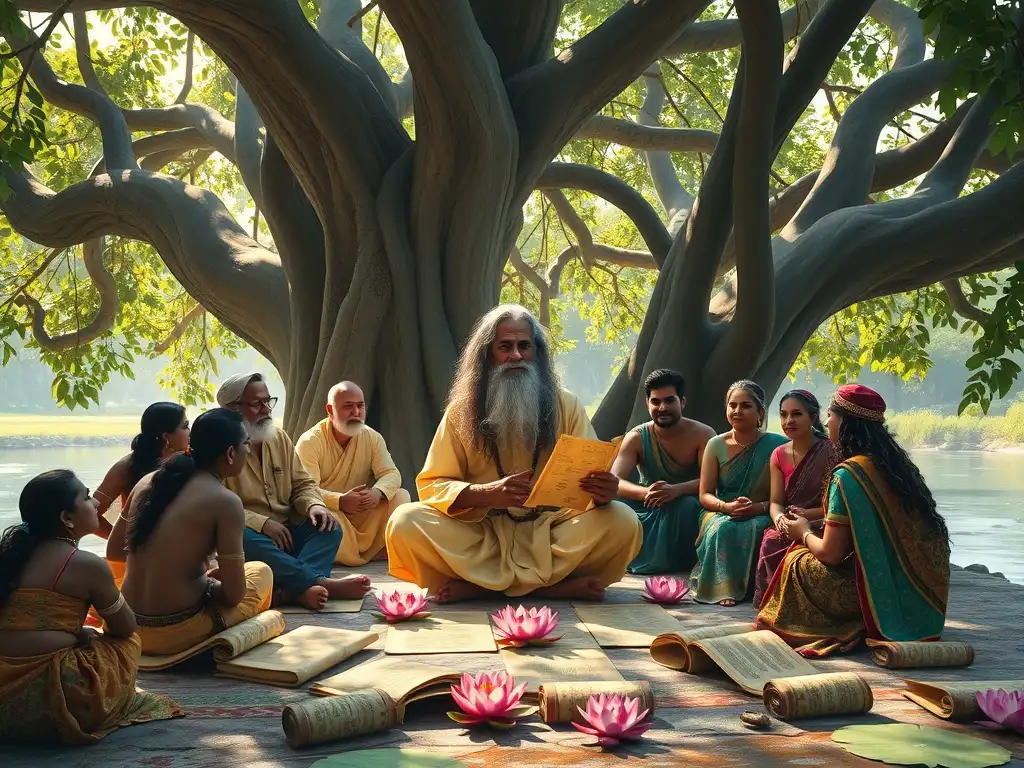
Welcome to Ancient India History, where we embark on a captivating journey through the rich tapestry of India's past. Delve into the evolution of Puranas in India, as we explore how these ancient texts transitioned from vibrant oral traditions to the revered written works that have shaped our understanding of culture and spirituality. Join us as we uncover the fascinating stories and contributions of ancient Indian civilizations, from the Indus Valley to the Gupta Empire, and discover how these narratives continue to resonate today. Are you ready to unlock the secrets of India's literary heritage? Let's dive in!
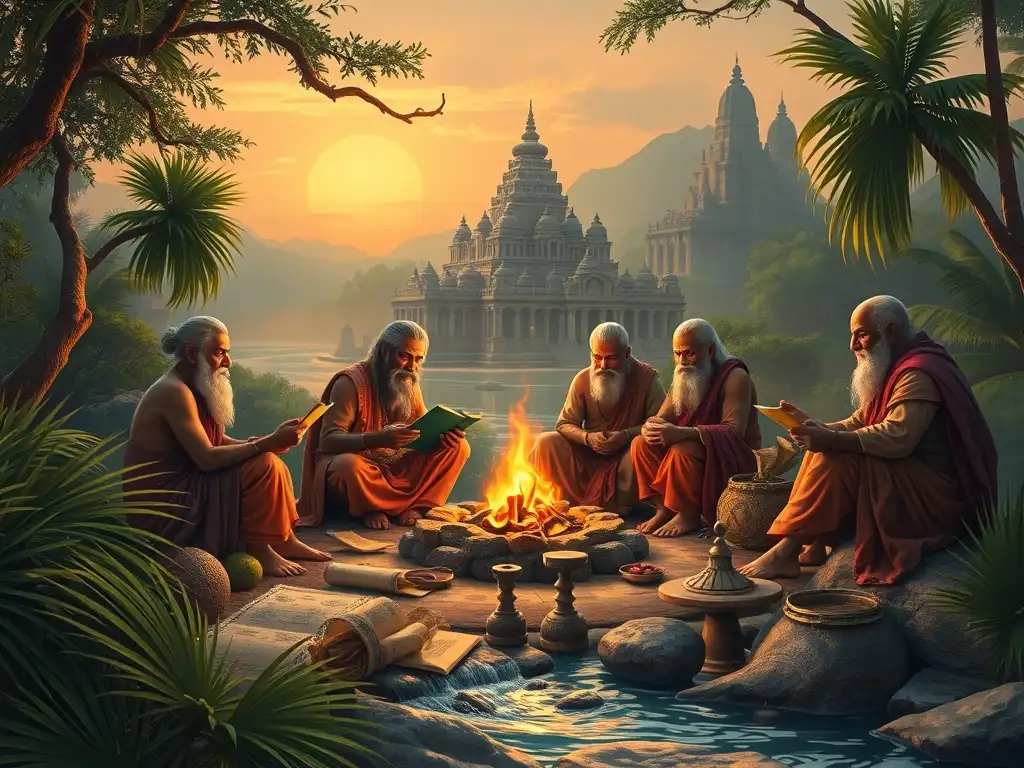
The Puranas, a cornerstone of ancient Indian literature, represent a rich tapestry of mythology, history, and philosophy woven together through the ages. Tracing their evolution from oral traditions to written texts reveals not only the adaptability of these narratives but also their profound significance in shaping the cultural and spiritual landscape of India.
As repositories of knowledge, the Puranas encompass a vast array of subjects, including cosmology, genealogies of gods and heroes, rituals, and moral teachings. This article aims to delve into the Evolution of Puranas in India, exploring their historical context, key characteristics, and the transformative journey from oral storytelling to written documentation.
Introduction to the Puranas
The Puranas are a genre of ancient Indian literature that serve as a crucial link between mythology and history. Composed in Sanskrit, these texts date back to several centuries BCE and are characterized by their diverse narratives and rich symbolism. They play a significant role in understanding the socio-cultural milieu of ancient India, providing insights into the beliefs, practices, and values of the time.
Understanding Puranas and Their Significance in Indian Literature
Puranas are often classified into eighteen major texts, known as the "Mahāpurāṇas," and numerous minor ones. They are considered sacred by many and form an integral part of Hindu tradition. Their significance lies in:
- Preservation of History: Puranas offer a unique perspective on historical events, blending fact and mythology to create a narrative that resonates with the cultural identity of the time.
- Cultural Continuity: They have been instrumental in the transmission of cultural values and moral teachings across generations.
- Religious Instruction: Many Puranas serve as guides for religious practices, festivals, and rituals, thereby influencing spiritual life in India.
Key Characteristics of Puranas in Ancient India
The Puranas are notable for several defining characteristics that distinguish them from other literary forms:
- Narrative Style: The storytelling approach allows for the incorporation of a wide range of themes, including cosmology, mythology, and genealogy.
- Inclusivity: They encompass various sectarian views, catering to different communities within the broader umbrella of Hinduism.
- Fluidity in Content: The Puranas are dynamic texts that evolved over time, reflecting changes in society, belief systems, and cultural practices.
Historical Context of the Puranas
Understanding the evolution of the Puranas requires a contextual examination of the historical backdrop against which they emerged. The transition from oral traditions to written forms marks a significant milestone in their development.
The Origins of Puranic Literature in Oral Traditions
Initially, the narratives that would later be codified as Puranas were part of oral traditions. Oral storytelling played a vital role in disseminating knowledge, with bards and priests acting as custodians of these rich narratives. The key features of this oral phase included:
- Performance-Based Transmission: Stories were often recited in communal settings, allowing for interactive engagement.
- Variability of Narratives: The oral nature permitted storytellers to adapt and modify tales based on audience response and local customs.
- Cultural Memory: Oral traditions served as a means of preserving collective memories, legends, and values inherent in society.
Transition from Oral to Written Forms: A Historical Overview
The transition from oral to written forms of the Puranas occurred over several centuries, influenced by various socio-political and cultural factors:
- Invention of Writing: The advent of writing systems in ancient India facilitated the documentation of oral traditions, leading to the compilation of various texts.
- Patronage by Rulers: With the rise of kingdoms and empires, rulers began to patronize the writing of Puranas, viewing them as tools for legitimizing their authority and cultural hegemony.
- Standardization of Texts: The process of writing led to greater standardization, although variations still persisted across regions due to local influences.
The evolution of the Puranas thus reflects a complex interplay of oral traditions and written documentation, encapsulating the rich cultural heritage of ancient India.
The Evolution of Puranas in India
The evolution of Puranas in India is a fascinating journey that reflects the dynamic interplay between oral traditions and written texts. Originating from a rich oral heritage, the Puranas were initially transmitted through storytelling, evolving over centuries into structured written compositions. This evolution is marked by the incorporation of diverse cultural and religious influences, particularly during periods of significant sociopolitical changes in India.
The earliest Puranas, believed to date back to around 500 BCE, served primarily as repositories of mythology, cosmology, and genealogies. Their oral form allowed for flexibility and adaptability, enabling them to resonate with local traditions and practices. As Indian civilization progressed, particularly during the Gupta period (circa 320 to 550 CE), the Puranas began to be codified in written form. This transition not only solidified their content but also expanded their reach, allowing them to become crucial tools for the propagation of religious and cultural ideologies across vast regions.
The evolution of Puranas is also characterized by the emergence of various sub-genres, each reflecting specific contexts and audiences. This adaptability highlights the Puranas' role as living texts, responding to the needs and values of different communities throughout Indian history.
Phases of Development in Puranic Literature
The development of Puranic literature can be divided into several key phases:
- Oral Tradition (Pre-500 BCE)
- The initial phase where stories were transmitted orally, allowing for fluidity and variation. Local myths and legends were woven into narratives that could change with each retelling.
- Compilation and Codification (500 BCE - 500 CE)
- This phase marks the beginning of written texts. Scholars began to compile and codify the oral traditions into structured narratives, resulting in the formation of the Mahāpurāṇas and Upapurāṇas.
- Expansion and Regional Adaptation (500 CE - 1200 CE)
- The Puranas witnessed significant expansion during this time, with numerous regional adaptations emerging. Local deities and traditions were incorporated, making the texts more relatable to various audiences.
- Standardization and Commentaries (1200 CE - 1800 CE)
- This phase involved the standardization of texts, with scholars producing commentaries that explained and interpreted the Puranas, further enriching their literary and theological dimensions.
- Modern Interpretations (19th Century - Present)
- In recent times, Puranas have been reinterpreted in light of contemporary values and social issues, reflecting ongoing relevance in modern Indian society.
Key Themes in the Evolution of Puranas
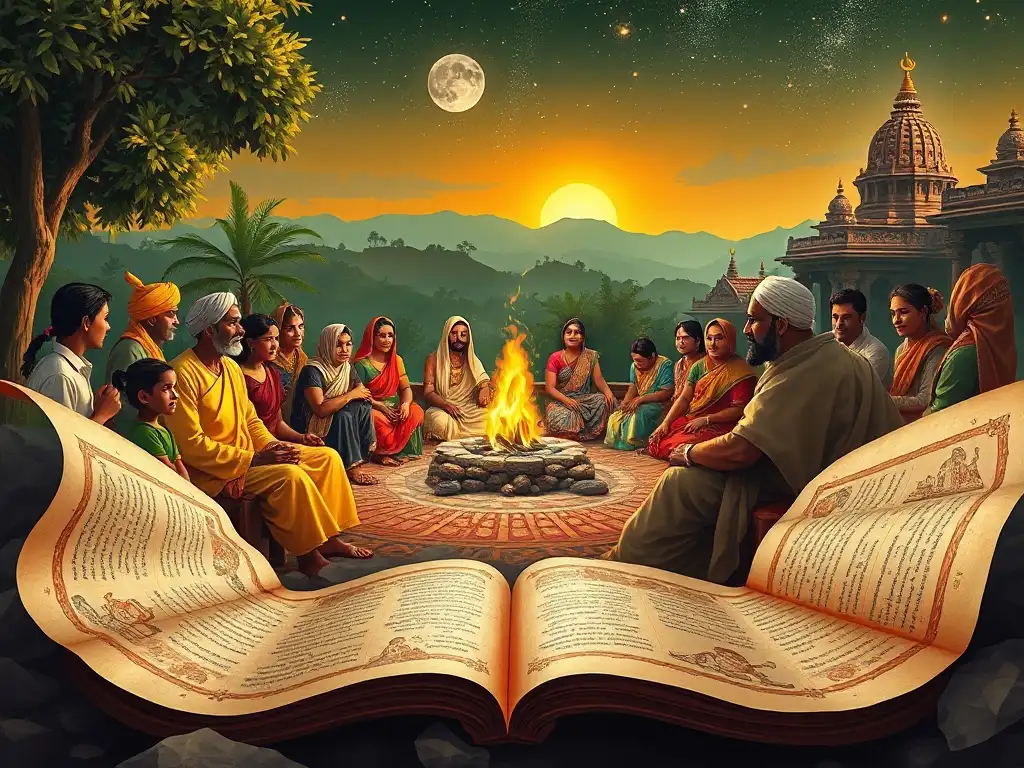
The key themes within the evolution of the Puranas provide insight into the philosophical, religious, and cultural fabric of ancient Indian society. These themes include mythology, cosmology, ethics, and the preservation of cultural heritage. Each theme illustrates how Puranas serve not just as religious texts but as a mirror to the evolving identity of Indian civilization.
Mythology and Cosmology in Puranas
Mythology and cosmology are central to the Puranas, offering narratives that explain the origins of the universe, the nature of deities, and the interplay between good and evil. Through vivid storytelling, the Puranas articulate complex cosmological concepts, such as the cycles of creation and destruction (Kalpas) and the roles of various deities within these cycles.
For example, the Vishnu Purana presents a comprehensive account of the creation of the world, the avatars of Vishnu, and their significance in maintaining cosmic order (Dharma). These narratives not only provide a framework for understanding the universe but also serve as a means to convey moral and ethical lessons, reinforcing the importance of dharma in individual lives.
The Role of Puranas in Preserving Cultural Heritage
Puranas play a crucial role in preserving the cultural heritage of India. They serve as repositories of historical narratives, genealogies, and local traditions, linking contemporary society with its ancient roots. The Puranas encapsulate various aspects of everyday life, rituals, festivals, and arts, thus acting as a bridge between the past and present.
Furthermore, by documenting the histories of dynasties, significant events, and cultural practices, the Puranas help to foster a sense of identity and continuity within communities. They also reflect the syncretic nature of Indian culture, showcasing the interaction between different religions and philosophies throughout history.
Ethical and Moral Lessons Conveyed Through Puranic Texts
The Puranas are rich in ethical and moral lessons, often conveyed through allegorical tales and parables. These texts emphasize virtues such as truth, righteousness, compassion, and devotion. Characters within the Puranas often face moral dilemmas, providing readers with reflections on human behavior and the consequences of actions.
For instance, the story of Dhruva from the Vishnu Purana illustrates the importance of perseverance and devotion. Dhruva's unwavering dedication leads to divine blessings, imparting lessons about the power of resolve and faith. The ethical teachings found in the Puranas have influenced the moral fabric of Indian society, shaping values that continue to resonate in contemporary life.
The Puranas represent a vital aspect of India's literary heritage, encapsulating the evolution of cultural, religious, and ethical paradigms over centuries. Through their rich narratives, they offer invaluable insights into the complexities of ancient Indian civilization.
The Impact of the Evolution of Puranas on Indian Culture
The evolution of Puranas marks a significant chapter in the cultural and spiritual history of India. As these texts transitioned from oral traditions to written forms, they not only preserved ancient knowledge but also shaped various aspects of Indian society. The Puranas encompass a vast array of themes, including mythology, cosmology, and ethics, which have been instrumental in influencing the cultural landscape of India. Their adaptability allowed them to serve diverse communities, ensuring their continued relevance through centuries.
Influence on Religion and Spiritual Practices
The Puranas have played a pivotal role in shaping religious beliefs and practices across India. They provide detailed narratives about deities, rituals, and moral principles, thereby acting as a guide for spiritual life. The text often reflects the socio-religious context of the time, adapting to the changing beliefs and practices of the people.
For instance, the Vishnu Purana emphasizes the worship of Lord Vishnu and describes various avatars, influencing devotional practices in Hinduism. Similarly, the Devi Bhagavata Purana focuses on the worship of the Goddess, promoting the Shakti cult. This adaptability has allowed the Puranas to remain integral to Hindu worship and rituals, fostering a rich tapestry of spiritual practices that resonate with devotees today.
Puranas as Historical Sources: Insights into Ancient Indian Society
Beyond their spiritual significance, Puranas serve as invaluable historical sources that provide insights into ancient Indian society. They document various aspects of life, including social norms, political structures, and economic conditions, reflecting the ethos of different eras.
The Puranas often contain genealogies of kings, descriptions of ancient cities, and accounts of significant events, enabling modern scholars to piece together the socio-political landscape of ancient India. For example, the Matsya Purana offers details about the geography and political divisions during the early medieval period, while the Vishnu Purana captures the dynamics of power among various dynasties. By studying these texts, historians gain a deeper understanding of the societal frameworks and cultural exchanges that shaped ancient India.
The Role of Puranas in Shaping Regional Literature and Traditions
The influence of the Puranas extends beyond religious texts; they have also significantly shaped regional literature and cultural traditions throughout India. As these texts were localized and adapted, they inspired a plethora of literary works, folk tales, and regional practices that vary across different states.
For instance, the Tamil Puranas contributed to the rich tradition of Tamil literature, where local versions of stories about deities and heroes emerged. Similarly, in Bengal, the Puranas inspired the Bhakti movement, leading to the creation of devotional songs and poetry that resonate with local cultural elements. This regional adaptation of Puranic themes has fostered a unique blend of literature, art, and cultural practices that celebrate the diversity and richness of Indian heritage.
Conclusion
Summary of the Evolution of Puranas in India
The evolution of Puranas from oral traditions to written texts represents a significant transformation in the preservation and dissemination of ancient knowledge. This journey not only highlights the adaptability of these texts but also underscores their foundational role in shaping various facets of Indian culture, religion, and society. The Puranas encapsulate the collective wisdom of generations, providing insights that remain relevant even in contemporary times.
The Ongoing Relevance of Puranas in Contemporary Culture
In modern India, the Puranas continue to hold relevance, influencing art, literature, and spiritual practices. They are frequently referenced in contemporary discussions on ethics, morality, and philosophy. The resurgence of interest in traditional knowledge systems has prompted a revival of Puranic studies, with scholars and practitioners exploring their teachings in the context of contemporary challenges. As a living tradition, the Puranas inspire new interpretations and adaptations, ensuring their place in the cultural consciousness of India for generations to come.
- Introduction to the Puranas
- Historical Context of the Puranas
- The Evolution of Puranas in India
- Key Themes in the Evolution of Puranas
- The Impact of the Evolution of Puranas on Indian Culture
- Conclusion
Frequently Asked Questions
What are Puranas in the context of ancient Indian literature?
Puranas are ancient texts that narrate the mythology, cosmology, and history of the universe, often including legends, traditions, and teachings of Hinduism. They serve as a crucial source of cultural and religious knowledge.
How did the Puranas evolve from oral traditions to written texts?
The evolution of Puranas began with oral traditions, where stories were passed down through generations. Over time, these narratives were recorded in written form, influenced by regional languages and cultural shifts.
What role did the Puranas play in ancient Indian society?
Puranas played a significant role in shaping cultural identity and spiritual practices in ancient India. They provided moral guidance, preserved historical narratives, and were integral to the development of various religious sects.
Are there different types of Puranas?
Yes, there are 18 major Puranas, categorized into three groups: Sattvic, Rajasic, and Tamasic. Each type has its own focus, such as mythology, cosmology, or ethics, reflecting the diversity of beliefs in ancient India.
How do the Puranas reflect the cultural diversity of ancient India?
Puranas encapsulate the rich cultural tapestry of ancient India by incorporating local legends, languages, and traditions. They highlight the regional variations in worship and belief systems, showcasing the pluralistic nature of Indian civilization.
Final Reflection: The Enduring Legacy of the Puranas
The evolution of Puranas in India serves as a powerful reminder of how oral traditions can shape cultural identity and spiritual understanding. Today, as we navigate a world increasingly dominated by digital communication, the significance of these ancient texts becomes even more profound. They not only preserve the wisdom of our ancestors but also offer insights into the values and beliefs that have shaped Indian civilization for centuries. The journey from oral recitation to written scripture underscores a remarkable transformation, highlighting the resilience of cultural narratives in the face of change.
The Puranas have profoundly influenced the cultural and social landscape of India, weaving together history, mythology, and philosophy into a rich tapestry of knowledge. Their stories continue to resonate, reminding us of our shared heritage and the importance of storytelling in fostering community and connection. As noted by scholar David Kinsley, The Puranas are not just texts; they are living traditions that continue to evolve and inspire.
This ongoing influence invites us to reflect on how these narratives can inform our understanding of contemporary issues, bridging the past and present in meaningful ways.
As we contemplate the evolution of Puranas, I encourage you to explore how these ancient teachings can be applied in your own life. Consider the values and lessons embedded within these texts and how they resonate with your personal journey. Let the stories of the Puranas inspire you to engage with your own cultural heritage and to share your narratives with others, fostering a sense of connection and continuity in our ever-changing world. Embrace the wisdom of the past as you forge your path into the future.
Unveil the Legacy of Puranas!
Thank you for taking the time to explore the fascinating journey of the Puranas with us! Your interest not only enriches your understanding of ancient traditions but also contributes to preserving this vital part of our cultural heritage. As you reflect on the evolution of these texts, consider taking the following steps to deepen your engagement and appreciation:
- Dive deeper: Explore additional resources on ancient Indian traditions or Puranas by visiting online archives or libraries.
- Share your insights: Discuss this captivating evolution with friends or on social media to spark conversations about cultural narratives and their significance today.
- Join a community: Get involved in forums or groups focused on ancient history to exchange knowledge and learn from fellow enthusiasts.
What aspect of the Puranas' transformation intrigues you the most? How do you think these ancient stories continue to influence modern narratives?