
The Dialogues of the Gods: Philosophical Insights from Puranas

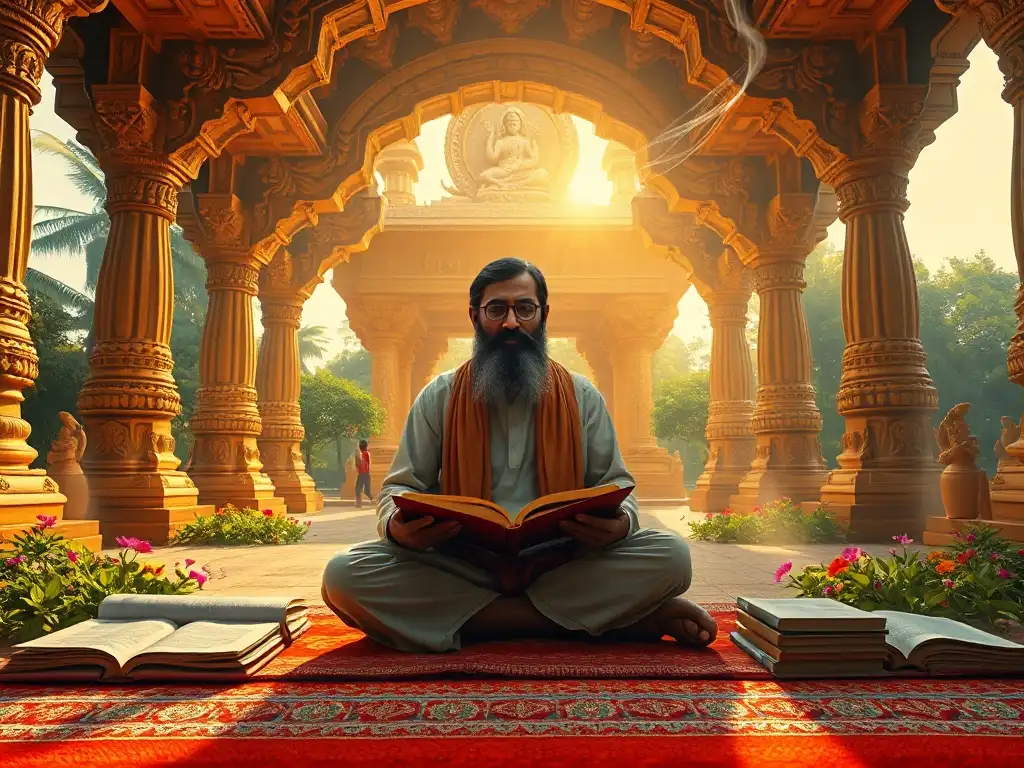
Welcome to Ancient India History, where we delve into the rich tapestry of India's past, exploring the profound culture and monumental contributions of its ancient civilizations. In our featured article, "The Dialogues of the Gods: Philosophical Insights from Puranas," we invite you to uncover the deep philosophical discussions woven into these sacred texts. What wisdom do the Puranas hold, and how do they reflect the thoughts and beliefs of a time long gone? Join us on this enlightening journey as we unlock the secrets of ancient dialogues and their relevance today, igniting your curiosity to explore further!
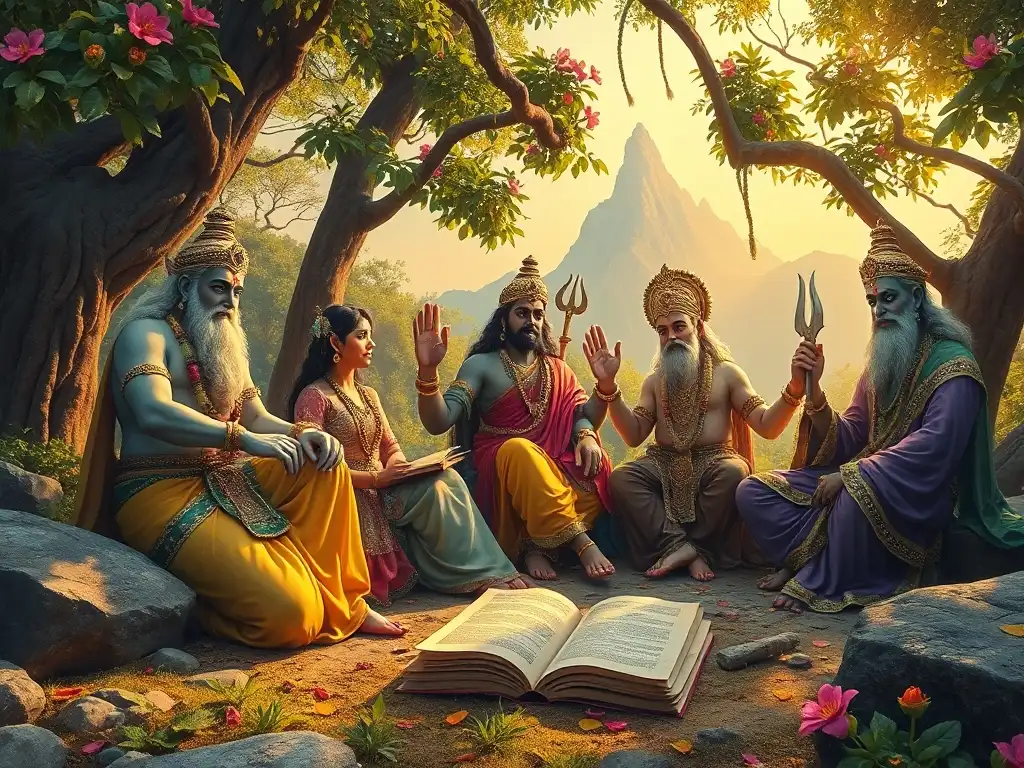
Exploring the Puranas—a rich tapestry of ancient Indian texts—invites us on a profound journey into the philosophical dialogues that have shaped the spiritual and moral landscape of Indian civilization. These narratives, woven with mythological stories, historical accounts, and deep philosophical discourses, provide invaluable insights into the nature of existence, the divine, and the ethical dilemmas faced by humanity. As we delve into the philosophical insights from Puranas, we uncover a treasure trove of wisdom that transcends time and continues to resonate in contemporary discussions on spirituality and ethics.
Introduction to Puranas and Their Significance
The Puranas hold a pivotal place in ancient Indian literature, serving not only as religious texts but also as reservoirs of cultural and philosophical knowledge. Comprising eighteen major works, these texts encompass a vast array of topics, from cosmology and mythology to rituals and moral teachings. Their significance lies in their ability to convey complex philosophical ideas through engaging narratives, making profound concepts accessible to a broader audience. This interplay of storytelling and philosophy invites readers to reflect on their own lives and the world around them.
Understanding Puranas in Ancient Indian Literature
The Puranas are often described as the "fifth Veda" due to their authoritative status in Hindu tradition. Unlike the Vedas, which are primarily focused on rituals, the Puranas delve into narratives that illuminate the divine, the universe, and humanity's place within it. They are characterized by:
- Mythological Stories: Tales of gods, goddesses, and cosmic events that convey spiritual truths.
- Historical Accounts: Narratives that trace the lineage of dynasties and the evolution of cultures.
- Philosophical Discourses: Dialogues that tackle essential questions about existence, morality, and the divine.
The Puranas exemplify a unique blend of literature and philosophy, making them a crucial component of India's intellectual heritage.
The Role of Dialogues in Puranic Texts
Central to the Puranic narratives are dialogues that occur between divine beings, sages, and humans. These exchanges often serve as a medium for conveying philosophical insights and ethical teachings. The dialogues:
- Facilitate Understanding: By presenting complex ideas in a conversational format, they make philosophical concepts more relatable.
- Encourage Reflection: The interactions often pose questions that prompt readers to reflect on their own beliefs and values.
- Illustrate Moral Dilemmas: The discussions frequently highlight ethical challenges, providing frameworks for navigating real-life situations.
Through these dialogues, the Puranas become not just texts to be read, but dialogues to be engaged with, encouraging a deeper exploration of life's fundamental questions.
Key Themes of Philosophical Insights from Puranas
The philosophical insights from Puranas encompass several key themes that illuminate various aspects of existence and ethics. By examining these themes, we can gain a deeper understanding of the philosophical landscape of ancient India.
The Nature of the Divine: Perspectives from Different Puranas
The Puranas offer diverse perspectives on the nature of the divine, reflecting the complexity of Hindu theology. For example:
- Brahman: The ultimate reality, often described as formless, infinite, and beyond human comprehension.
- Ishvara: A personal god who interacts with the world and its beings, exemplified in texts like the Bhagavata Purana.
- Devi: The feminine divine, representing the power and energy of creation, as seen in the Devi Bhagavata Purana.
These varying depictions encourage readers to explore the multifaceted nature of divinity and its implications for spiritual practice.
Morality and Ethics: Lessons from Divine Dialogues
The dialogues within the Puranas frequently address moral and ethical dilemmas, offering timeless lessons applicable to contemporary society. Key lessons include:
- The Importance of Righteousness: Upholding dharma (righteousness) as a guiding principle in decision-making.
- Compassion and Forgiveness: Emphasizing the value of compassion in interpersonal relationships and the importance of forgiveness in resolving conflicts.
- The Consequences of Actions: Highlighting the notion of karma and the moral weight of one's actions.
Through these discussions, the Puranas provide a moral compass that encourages ethical behavior.
The Concept of Dharma in Puranic Conversations
Dharma, or righteousness, is a central theme in the Puranas, woven throughout the dialogues among gods, sages, and mortals. The texts explore various dimensions of dharma, including:
- Personal Duty: The responsibilities individuals have towards themselves and others, shaped by their roles in society and family.
- Universal Law: The underlying principles that govern the cosmos, reflecting the interconnectedness of all beings.
- Adaptability of Dharma: The idea that dharma can change based on circumstances, emphasizing the need for discernment in ethical decision-making.
By examining these discussions, readers can better understand the nuanced and dynamic nature of dharma in the context of ancient Indian philosophy.
The philosophical insights from Puranas provide a rich exploration of divine dialogues, moral teachings, and the intricate web of existence, inviting us to engage with these timeless concepts as we navigate our own paths in life.
Prominent Dialogues in Puranas and Their Philosophical Implications
The Puranas, a vast genre of ancient Indian literature, encapsulate a multitude of dialogues between divine beings, sages, and mortals that explore profound philosophical concepts. These dialogues serve as vehicles for transmitting ethical, metaphysical, and spiritual insights, reflecting the complexities of existence and human nature. Each conversation is imbued with layers of meaning, prompting readers to contemplate their own understanding of life, duty, and the universe. Here, we delve into some renowned dialogues found in the Puranas, examining their philosophical implications and the wisdom they impart.
The Dialogue Between Vishnu and Brahma: Creation and Existence
In one of the most significant dialogues found in the Vishnu Purana, Vishnu and Brahma engage in a contemplative discourse regarding the nature of creation and existence. This dialogue emphasizes the concept of Brahman, the ultimate reality, and the interplay of Prakriti (nature) and Purusha (spirit).
Brahma, as the creator, questions Vishnu about the purpose of creation and the essence of existence. Vishnu elucidates that creation is a manifestation of divine will, aimed at fostering dharma (righteousness) and enabling souls to realize their true nature. This dialogue encapsulates the philosophical inquiry into the nature of reality, highlighting that existence is not merely about being but involves a deeper understanding of one's role within the cosmic order.
The implications of this dialogue extend to various philosophical schools, particularly in understanding the relationship between the creator and the created, as well as the significance of ethical living in fulfilling one's existential purpose.
The Discourse of Shiva and Parvati: Love and Liberation
Another profound exchange occurs between Shiva and Parvati in the Shiva Purana, where they discuss the themes of love and liberation. Parvati, representing the dynamic aspect of the universe, queries Shiva about the path to spiritual liberation (moksha).
Shiva's response intertwines the notions of love (bhakti) and renunciation (vairagya), suggesting that true liberation arises from a balance between devotion and detachment. He elaborates that love for the divine can lead to transcending the material world, thus allowing the soul to attain moksha. This dialogue illuminates the philosophical understanding of how emotional devotion can complement spiritual practices, creating a holistic approach to enlightenment.
Through this discourse, the Puranas convey that love is not merely an emotion but a transformative force that can guide individuals toward profound spiritual realizations and liberation from the cycle of birth and death.
The Teachings of Yudhishthira: Truth and Righteousness
The dialogues of Yudhishthira, particularly in the Mahabharata's Anushasana Parva, reflect the moral complexities of truth and righteousness. Yudhishthira, renowned for his commitment to dharma, engages in discussions with various sages about the nature of truth and its implications in governance and personal conduct.
In these dialogues, Yudhishthira emphasizes that while truth is paramount, its expression must be nuanced by context and compassion. He argues that rigid adherence to truth without regard for the consequences can lead to harm, thus advocating for a more compassionate approach to righteousness. This philosophical stance addresses the perennial conflict between absolute truth and ethical pragmatism, presenting a nuanced understanding of dharma.
Yudhishthira's teachings resonate with subsequent ethical and philosophical discourses in Indian thought, highlighting the importance of context in moral decision-making and the pursuit of a life aligned with higher truths.
Comparative Analysis of Philosophical Thoughts in Puranas
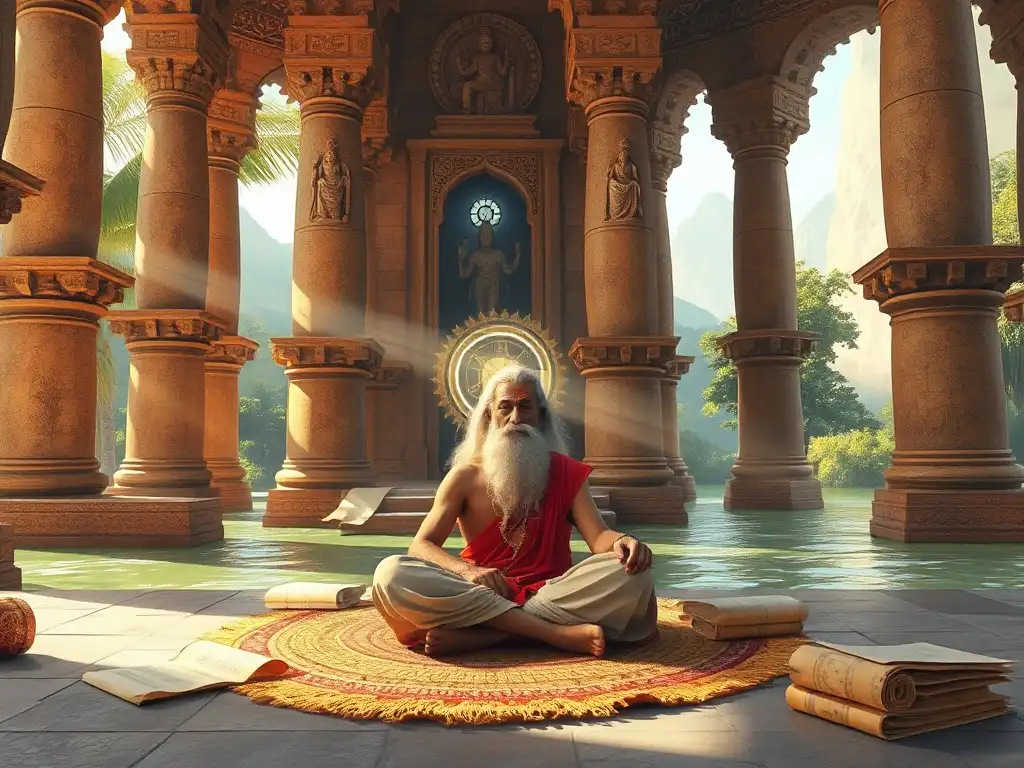
The philosophical insights gleaned from the dialogues within the Puranas not only enrich our understanding of ancient Indian thought but also reveal the intricate connections between different philosophical traditions. A comparative analysis of these insights against Vedic philosophy and their influence on later philosophical movements can illuminate the evolution of thought in ancient India.
Puranic Philosophy vs. Vedic Philosophy: Similarities and Differences
While both Puranic and Vedic philosophies share foundational concepts such as dharma, karma, and moksha, they exhibit distinct characteristics in their approach and expression. Vedic philosophy tends to focus on rituals, hymns, and the metaphysical aspects of the universe, emphasizing a more abstract understanding of the divine.
In contrast, the Puranas present a more narrative-driven and accessible approach, often using dialogues to convey philosophical ideas. They incorporate a greater emphasis on personal devotion and the relational aspects of the divine, which reflects a shift towards bhakti (devotion) as a means to attain spiritual realization.
This comparative framework highlights how the Puranas serve as a bridge between the esoteric nature of the Vedas and the practical, devotional aspects of later Indian philosophy, illustrating the dynamic evolution of spiritual thought in ancient India.
Influence of Puranic Dialogues on Later Philosophical Traditions
The philosophical dialogues of the Puranas have significantly influenced later Indian philosophical traditions, including Advaita Vedanta and Bhakti movements. The emphasis on personal relationships with the divine and the integration of love and devotion into spiritual practice laid the groundwork for these schools of thought.
For instance, the bhakti movement, which emerged in medieval India, draws heavily on the emotional and devotional themes articulated in Puranic dialogues. The teachings on love and liberation from Shiva and Parvati resonate deeply within bhakti literature, where the pursuit of a personal connection with the divine is central.
Furthermore, the moral complexities discussed by Yudhishthira regarding truth and righteousness have informed ethical discussions in various philosophical schools, emphasizing the need for contextual understanding of dharma. Overall, the philosophical insights from the Puranas continue to resonate, shaping the spiritual landscape of India and guiding seekers on their quest for truth and liberation.
Practical Applications of Philosophical Insights from Puranas
The Puranas, ancient texts rich in mythology and philosophy, offer a treasure trove of insights that are not only relevant to the spiritual realm but also applicable in contemporary life. The dialogues between gods and sages encapsulate moral dilemmas, ethical principles, and metaphysical discussions that can guide individuals in navigating complex situations. For instance, the concepts of Dharma (righteousness) and Karma (action and consequence) serve as fundamental frameworks for ethical decision-making. By understanding these principles through the lens of Puranic narratives, individuals can cultivate a sense of responsibility in both personal and societal contexts.
Moreover, the Puranas emphasize the importance of self-realization and inner peace. Practices such as meditation and mindfulness are deeply rooted in these philosophical insights, encouraging individuals to look within and understand their true nature. This introspective approach is vital in today's fast-paced world, where stress and anxiety are prevalent. By applying the lessons derived from Puranic teachings, one can develop coping mechanisms that promote mental well-being and emotional resilience.
In education, the philosophical insights from the Puranas can be integrated into curricula to foster critical thinking and moral reasoning among students. By analyzing the dialogues and the ethical dilemmas presented, learners can engage in discussions that enhance their understanding of morality, justice, and the human condition, thereby preparing them to be thoughtful and conscientious citizens.
How Puranic Teachings Influence Modern Ethical Thought
Puranic teachings have significantly influenced modern ethical thought by providing a framework that interweaves morality with spirituality. The dialogues often present scenarios that challenge the characters to make choices that reflect their values and responsibilities. These narratives serve as case studies for ethical considerations in contemporary society. For example, the concept of Ahimsa (non-violence) emphasized in texts like the Bhagavata Purana has permeated various movements for social justice and peace, inspiring leaders like Mahatma Gandhi in their quest for nonviolent resistance.
Additionally, the Puranas advocate for social harmony and the well-being of all beings, aligning with modern concepts of universal ethics. The emphasis on collective welfare encourages individuals to consider the impact of their actions on the larger community, fostering a sense of interconnectedness that is crucial in today's globalized world. This ethical framework promotes empathy and compassion, guiding individuals in their personal and professional lives to act with integrity and respect toward others.
The Relevance of Puranic Dialogues in Contemporary Spiritual Practices
The dialogues found in the Puranas remain relevant in contemporary spiritual practices, reflecting timeless themes of devotion, self-discovery, and the quest for truth. Many spiritual leaders and practitioners draw upon these texts to deepen their understanding of spirituality and to guide their meditative practices. For instance, the conversation between Lord Krishna and Arjuna in the Bhagavad Gita, which is closely associated with the Puranic tradition, provides profound insights into duty and morality that resonate with individuals facing personal dilemmas today.
Furthermore, the Puranas encourage the exploration of various paths to spirituality, including devotion (Bhakti), knowledge (Jnana), and disciplined practice (Yoga). This inclusivity allows practitioners to find a spiritual path that aligns with their unique disposition and life circumstances. In modern spiritual communities, Puranic teachings are often revisited to inspire rituals, discussions, and community gatherings, enriching the spiritual experience with philosophical depth.
Conclusion: The Lasting Impact of Puranic Insights on Philosophy
The philosophical insights from the Puranas have left an indelible mark on the intellectual landscape of India and beyond. They serve as foundational texts that bridge the realms of spirituality and ethics, encouraging individuals to engage with profound questions about existence, morality, and purpose. Through their vivid narratives and dialogues, the Puranas continue to inspire philosophical inquiry and reflection, ensuring their relevance across generations.
Summarizing the Importance of Philosophical Insights from Puranas
The philosophical insights derived from the Puranas offer valuable lessons that extend beyond religious contexts. They provide ethical guidance, promote self-awareness, and encourage individuals to engage in meaningful conversations about morality and existence. As society grapples with complex issues, these ancient teachings can serve as a beacon of wisdom, guiding contemporary thought and action.
Encouraging Further Exploration of Puranic Literature for Deeper Understanding
To fully appreciate the depth of philosophical insights from the Puranas, it is essential to engage with the texts themselves. Readers are encouraged to explore various Puranic literature, delving into the rich narratives and dialogues that reveal the complexities of human nature and the divine. By studying these texts, individuals can cultivate a deeper understanding of their philosophical implications and apply these timeless lessons to their lives, fostering a more thoughtful and ethically aware society.
- Introduction to Puranas and Their Significance
- Key Themes of Philosophical Insights from Puranas
- Prominent Dialogues in Puranas and Their Philosophical Implications
- Comparative Analysis of Philosophical Thoughts in Puranas
- Practical Applications of Philosophical Insights from Puranas
- Conclusion: The Lasting Impact of Puranic Insights on Philosophy
Frequently Asked Questions
What are the Puranas?
The Puranas are ancient Indian texts that encompass a wide range of topics, including mythology, history, and philosophy. They play a crucial role in understanding the cultural and spiritual heritage of ancient India.
How do the Puranas contribute to philosophical thought?
The Puranas offer profound philosophical insights through dialogues between gods and sages, addressing existential questions and moral dilemmas central to Hindu philosophy.
What is the significance of dialogues in the Puranas?
The dialogues serve as a medium to convey complex ideas in an accessible manner, allowing readers to explore spiritual concepts and ethical teachings through engaging narratives.
Can you give an example of a philosophical theme in the Puranas?
One prominent theme is the concept of dharma (duty and righteousness), which is examined through various stories that illustrate the balance between personal desires and societal responsibilities.
How can I study the philosophical insights from the Puranas?
To explore these insights, one can start by reading translated versions of the Puranas, focusing on commentaries that highlight their philosophical aspects and implications for modern life.
Final Reflection: Embracing the Wisdom of the Puranas
The philosophical insights from Puranas resonate profoundly in today's world, where ancient wisdom meets modern dilemmas. As we navigate the complexities of contemporary life, the dialogues of the gods offer timeless guidance that transcends cultural and temporal boundaries. The teachings encapsulated in these texts remind us that the quest for understanding and meaning is as relevant now as it was millennia ago.
The Puranas have not only shaped spiritual thought but have also woven themselves into the fabric of our cultural identity. Their narratives encourage us to reflect on our values, ethics, and the interconnectedness of all beings. As we engage with these texts, we find ourselves in a dialogue that challenges our perceptions and inspires growth. Wisdom is not a product of schooling but of the lifelong attempt to acquire it.
– Albert Einstein. This quote encapsulates the essence of our journey through the Puranas, urging us to seek knowledge and understanding throughout our lives.
As you close this chapter on the dialogues of the gods, I invite you to reflect on how these philosophical insights can be integrated into your daily life. Consider the lessons learned and how they can guide your actions and decisions moving forward. Engage with these teachings not just as ancient stories, but as living wisdom that can illuminate your path and foster a deeper connection with yourself and the world around you. Embrace the opportunity to grow, learn, and transform through the rich tapestry of insights offered by the Puranas.
Unveil the Wisdom of the Puranas!
Thank you for diving into the profound insights of the Puranas with us! Your interest in these ancient texts reveals a desire to explore not just history but the deep philosophical truths that shape our understanding of life. Now, it’s time to put that inspiration into action and deepen your journey.
Here are some ways you can continue your exploration:
- Engage with a Puranic text: Select a specific Puranic text and delve deeper into its teachings. Reflect on its philosophical themes and consider how they apply to your life today.
- Start a discussion group: Gather friends or family to discuss the philosophical insights found in the Puranas. Share your perspectives and learn from each other!
- Share your reflections: Write a brief blog post or social media update about a particular insight that resonated with you. Inspire others to explore these timeless teachings!
What philosophical insights from the Puranas have you found most relevant in your own life? We invite you to share your thoughts in the comments below!