
The Role of Public Opinion in Mauryan Politics: The Voice of the People

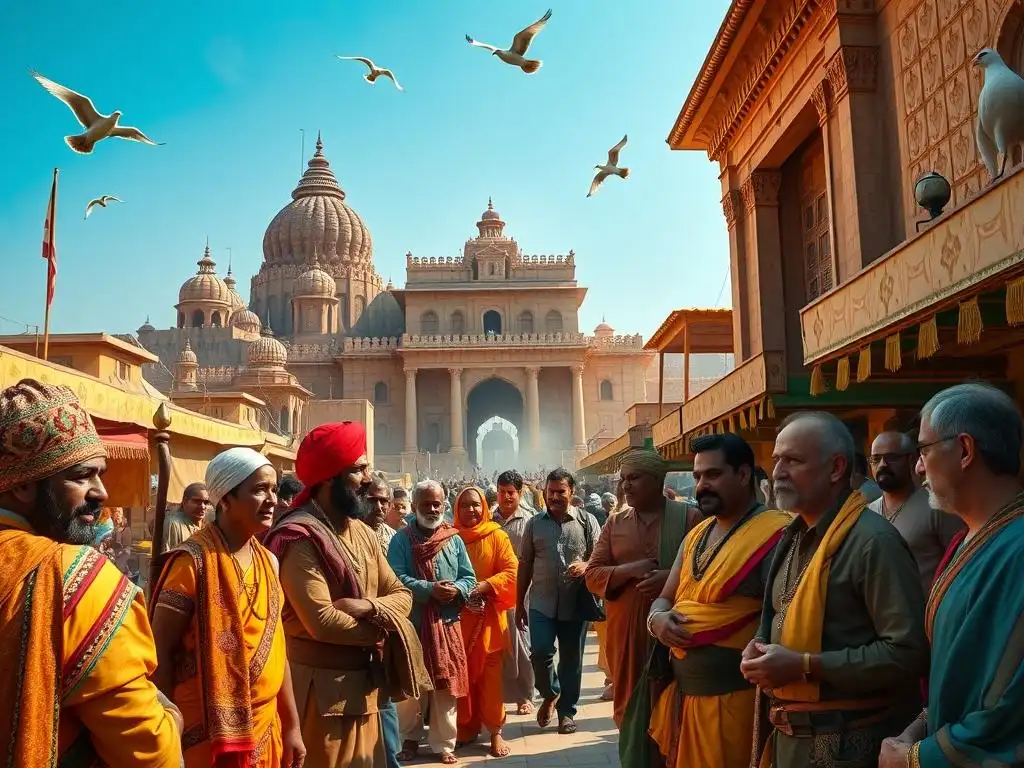
Welcome to Ancient India History, where we embark on a captivating journey through the vast tapestry of ancient Indian civilizations. Here, we delve into the intricate web of Mauryan politics and public opinion, illuminating how the voice of the people played a crucial role in shaping one of the most influential empires of its time. Are you ready to uncover the fascinating dynamics between rulers and their subjects?
Join us as we explore how public sentiment influenced governance during the Mauryan era, and prepare to be intrigued by the profound connections that echo through history. Dive deeper into this compelling topic and discover the legacies that still resonate today!
Introduction to Mauryan Politics and Public Opinion
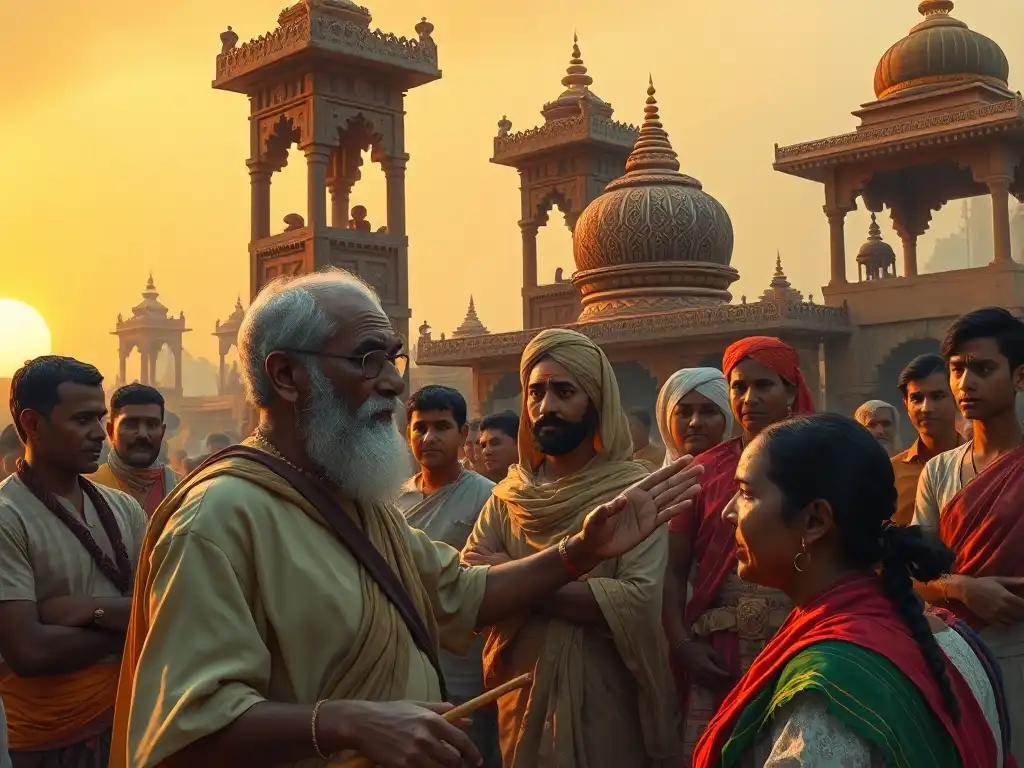
The Mauryan Empire, one of the most significant and powerful empires in ancient India, was marked by intricate political structures and a distinctive relationship between the rulers and the governed. Understanding Mauryan politics and public opinion provides insight into how the voices of the populace influenced governance, policy-making, and the overall social fabric of the time.
Unlike many ancient civilizations where the voice of the people was often muffled, the Mauryan rulers, particularly Ashoka, recognized the importance of public sentiments in shaping their policies and political strategies. This article delves into the dynamics of public opinion during the Mauryan period, exploring how it was cultivated, expressed, and ultimately leveraged for political stability and reform.
Overview of the Mauryan Empire
The Mauryan Empire emerged in the 4th century BCE and expanded across much of the Indian subcontinent. Founded by Chandragupta Maurya, it reached its zenith under the rule of his grandson, Ashoka. This empire is notable not only for its military conquests but also for its administrative prowess and cultural advancements.
The Mauryan political system was characterized by a centralized bureaucracy, extensive taxation, and a well-organized military. The use of prashastis (edicts) and dhamma (moral law) illustrated the empire's efforts to engage with its subjects and ensure their welfare. By examining the Mauryan political framework, we gain a clearer understanding of how public opinion played a crucial role in governance.
Importance of Public Opinion in Ancient Societies
In ancient societies, public opinion was critical in legitimizing authority and maintaining social order. It served as a tool through which rulers could gauge the sentiments of their subjects and adapt their policies accordingly. Public opinion was not only a reflection of popular sentiment but also a catalyst for change.
In the context of the Mauryan Empire, it had the potential to unify diverse populations under a common identity, particularly in a culturally rich and heterogeneous landscape. The relationship between the state and its citizens was dynamic; public support was essential for sustaining power, implementing reforms, and ensuring the prosperity of the realm.
Historical Context of Mauryan Politics
The Rise of the Mauryan Empire
The Mauryan Empire's rise was marked by a series of strategic alliances, conquests, and political maneuvers. Chandragupta Maurya, under the guidance of his advisor Chanakya, successfully overthrew the Nanda Dynasty and established a powerful empire. The consolidation of power involved not only military strength but also the ability to address the concerns and aspirations of various social groups. As the empire expanded, the need to consider public opinion became increasingly apparent, particularly in regions with diverse cultural and economic backgrounds.
Key Figures in Mauryan Politics
Several key figures significantly influenced the nature of Mauryan politics. Besides Chandragupta, his son Bindusara and grandson Ashoka played crucial roles in shaping the empire's political landscape. Each ruler had a distinct approach to governance, with Ashoka’s reign being particularly notable for its emphasis on ethical rule and public welfare.
Ashoka’s transformation from a conqueror to a proponent of peace and dharma is a testament to the evolving nature of public opinion during this period. His edicts, inscribed on pillars and rocks across the empire, reflect a conscious effort to communicate with the populace and align political actions with public sentiment.
The Role of Ashoka in Shaping Public Opinion
Ashoka's reign represents a pivotal moment in the history of Mauryan politics, as he actively sought to shape public opinion through his policies and proclamations. After the Kalinga War, which resulted in immense loss of life, Ashoka embraced Buddhism and adopted a more compassionate approach to governance. His Rock Edicts and pillar inscriptions emphasized values such as non-violence, tolerance, and social justice, resonating deeply with the populace.
By prioritizing public welfare and ethical governance, Ashoka not only solidified his authority but also fostered a sense of unity and identity among his subjects. The impact of his policies illustrates the profound connection between public opinion and political authority in the Mauryan Empire.
Understanding Public Opinion in Mauryan Society
In the context of Mauryan society, public opinion played a crucial role in shaping political decisions and governance. The Mauryan Empire, which flourished from 322 to 185 BCE, was characterized by a complex social structure and a rich tapestry of cultural influences. Public opinion, reflecting the collective sentiments, beliefs, and attitudes of the populace, was significant in maintaining the legitimacy of the ruling authority and in facilitating social cohesion.
The Mauryan Empire's vast geographical expanse and diverse population necessitated a nuanced understanding of public sentiment. Leaders, particularly Emperor Ashoka, recognized that engaging with the populace and being responsive to their needs could reinforce their authority and stabilize the empire. Public opinion was a barometer for the ruling class to gauge the success of policies and the general mood of the citizens, thus influencing governance strategies.
Definition and Significance of Public Opinion
Public opinion can be defined as the aggregate of individual attitudes or beliefs held by the adult population. In the Mauryan context, it encompassed various aspects, including the people's views on governance, social justice, and the moral obligations of rulers. The significance of public opinion in Mauryan politics was profound:
- Legitimacy of Rule: The acceptance or rejection of a ruler's authority often depended on public sentiment. Leaders who aligned their policies with the welfare of the populace enjoyed greater legitimacy.
- Policy Formulation: Public opinion informed decision-making, as rulers sought to implement reforms that resonated with the people's needs and aspirations.
- Social Stability: A harmonious relationship between the government and the citizenry, fostered by positive public sentiment, contributed to the overall stability of the empire.
Methods of Gauging Public Sentiment
The Mauryan administration employed several methods to gauge public sentiment, reflecting a sophisticated understanding of governance. Some of these methods included:
- Royal Edicts: Emperor Ashoka famously issued edicts inscribed on pillars and rocks, which conveyed messages to the public and invited feedback on governance.
- Public Assemblies: Local gatherings provided a platform for citizens to express their views and concerns directly to officials, allowing rulers to tap into grassroots sentiments.
- Census and Surveys: Although not as formalized as modern surveys, the Mauryan government likely conducted informal assessments to understand the demographic and social dynamics of different regions.
Influence of Religion and Philosophy on Public Opinion
Religion and philosophy significantly shaped public opinion during the Mauryan era, particularly under the reign of Ashoka. The spread of Buddhism and its emphasis on moral governance influenced how citizens viewed their leaders and the expectations they held. Key aspects include:
- Moral Authority: Rulers who adhered to Buddhist principles were perceived as more legitimate, fostering a sense of trust and loyalty among the populace.
- Philosophical Teachings: The teachings of Jainism and other philosophical schools also contributed to public discourse, shaping moral expectations and civic responsibilities.
- Cultural Integration: The blending of various religious beliefs facilitated a broader understanding of justice and governance, encouraging a more participatory role for the people in political matters.
Mechanisms of Public Opinion in Mauryan Politics
The mechanisms through which public opinion influenced Mauryan politics were multifaceted and integral to the functioning of the empire. These mechanisms ensured that the voices of the people were heard and considered within the political framework.
Communication Channels in Ancient India
Communication during the Mauryan period relied on a variety of channels to disseminate information and gather public opinion. Key channels included:
- Oral Traditions: Storytelling and oral recitations were vital in sharing news and opinions, enabling word-of-mouth communication throughout communities.
- Written Edicts: The use of written edicts, as seen in Ashoka's inscriptions, served to inform the public of policies and solicit their thoughts.
- Messengers: The deployment of messengers facilitated the swift exchange of information between the central authority and local communities.
Role of Assemblies and Councils
Assemblies and councils played a critical role in the political landscape of the Mauryan Empire. These institutions provided a formalized structure for public participation in governance:
- Local Assemblies: Local assemblies allowed citizens to discuss community issues, influencing decisions that affected their lives. This grassroots participation was essential for leaders to remain attuned to the needs of their subjects.
- Advisory Councils: Rulers often relied on councils of ministers and advisors, which included representatives from various societal strata, to gauge public sentiment and inform policy-making.
Influence of Local Leaders and Community Elders
Local leaders and community elders were pivotal in shaping public opinion within the Mauryan Empire. Their influence stemmed from:
- Trust and Respect: Elders were often seen as wise and trustworthy figures within their communities, and their opinions carried significant weight.
- Mediation: Local leaders acted as intermediaries between the government and the populace, facilitating communication and ensuring that the grievances of the people were addressed.
- Cultural Influence: As custodians of local traditions and practices, community leaders could sway public opinion in favor of or against the policies of the ruling power, thereby influencing the overall political climate.
Through these mechanisms, public opinion was not merely a passive element in Mauryan politics; it actively shaped the policies and actions of the rulers, reflecting a dynamic interaction between governance and the sentiments of the governed.
Case Studies of Public Opinion Impacting Mauryan Decisions
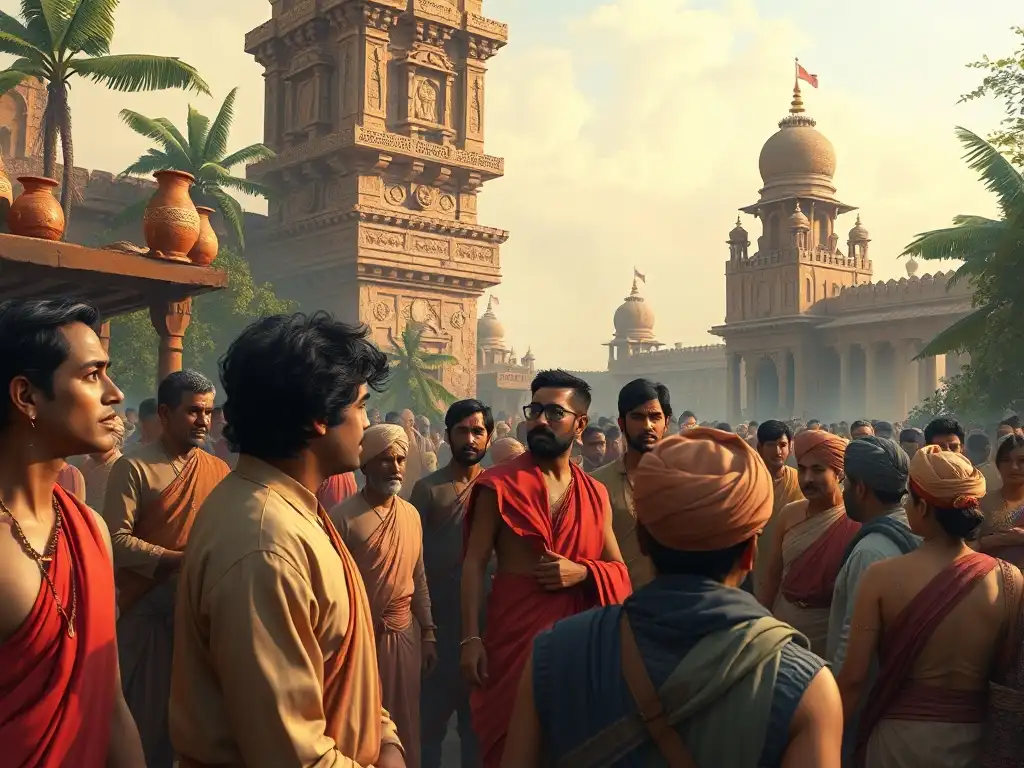
The Mauryan Empire, renowned for its sophisticated political structure, was also significantly influenced by public opinion. Several case studies illustrate how the rulers, particularly Emperor Ashoka, were responsive to the sentiments of their subjects. For example, Ashoka's decision to adopt Buddhism and promote non-violence was a direct reflection of the public's discontent following the brutal Kalinga War. The overwhelming grief and loss experienced by the populace prompted Ashoka to rethink his approach to governance, emphasizing moral and ethical leadership over military conquest. This pivotal shift not only transformed Ashoka's reign but also shaped the cultural landscape of ancient India.
Another notable instance is the construction and dissemination of the Edicts of Ashoka. These inscriptions were not merely proclamations of royal decrees; they were designed to engage with the public, reflecting their concerns and aspirations. By addressing issues such as justice, welfare, and ethical conduct, Ashoka sought to resonate with the values of his subjects, effectively using public opinion as a guiding force in his administration.
The Edicts of Ashoka and Their Public Reception
The Edicts of Ashoka, inscribed on pillars and rocks across the empire, serve as a remarkable example of how public opinion was integrated into Mauryan politics. These edicts communicated Ashoka’s policies, emphasizing dharma (moral law), non-violence, and religious tolerance. Public reception of these edicts was generally favorable, as they reflected the collective values and ethical aspirations of the populace.
Ashoka's commitment to welfare, evident in edicts advocating for the care of animals and the establishment of hospitals, garnered significant public support. The people viewed these initiatives as a direct response to their needs and concerns, fostering a sense of loyalty and respect for Ashoka's rule. Furthermore, by promoting local administrators to disseminate and explain these edicts, Ashoka ensured that public opinion was not only acknowledged but actively included in the governance process.
Public Opinion during Major Wars and Conflicts
Public opinion played a crucial role during periods of conflict in the Mauryan Empire. The Kalinga War, one of the most significant conflicts in Ashoka’s reign, exemplifies how public sentiment could influence military decisions. The aftermath of the war, characterized by extensive loss of life and suffering, led to widespread disillusionment among the populace. It was this outcry that pushed Ashoka towards a policy of non-violence and a commitment to spreading Buddhism.
Moreover, the response of the public to military campaigns often shaped the strategies employed by the Mauryan rulers. For instance, the reluctance of local populations to support prolonged military engagements could lead to changes in tactics or even the cessation of conflict. This dynamic illustrates the importance of public sentiment in guiding the political and military decisions of the Mauryan leadership.
The Role of Public Sentiment in Policy Making
Public sentiment was a critical factor in policy making during the Mauryan Empire. Ashoka’s governance model notably prioritized the welfare of his subjects, which was reflected in his policies. The establishment of welfare programs, such as the construction of roads and irrigation systems, was often a response to the expressed needs of the people.
Additionally, the Mauryan rulers employed emissaries to gauge public opinion on various issues. This system allowed the rulers to adapt their policies in alignment with the prevailing sentiments of the populace. The effective integration of public opinion into policy decisions not only enhanced the legitimacy of the Mauryan government but also fostered a sense of shared responsibility between the rulers and the ruled.
Challenges to Public Opinion in Mauryan Politics
Despite the apparent integration of public opinion in Mauryan politics, several challenges existed that limited its impact and expression. The complexities of governance, societal hierarchies, and mechanisms of control contributed to a nuanced landscape of public sentiment and political response.
Suppression of Dissenting Voices
The Mauryan Empire, while often responsive to public opinion, also faced challenges in managing dissenting voices. The rigid political structure and the authority wielded by the emperor meant that not all expressions of public sentiment were welcomed. Critics of the regime or those advocating for alternative policies often faced suppression, limiting the diversity of opinions that could influence governance.
Censoring dissent was not merely a tool for maintaining power but also a response to the fears of instability. The need to preserve order often led to the prioritization of conformity over open dialogue, thereby stifling genuine public engagement in political processes.
The Impact of Caste and Class on Public Opinion
The stratified nature of society in ancient India profoundly affected the way public opinion was formed and expressed during the Mauryan period. The caste system created distinct social groups, each with its own interests and perspectives. This division often led to a fragmented public opinion, where the voices of lower castes were marginalized in political discourse.
Moreover, the ruling elite often catered to the interests of the higher castes, which could skew public perception and limit the effectiveness of broader public engagement. The disparity in power dynamics meant that genuine representation of the populace was often overshadowed by the interests of the privileged classes.
Historical Limitations of Public Engagement
The historical context of the Mauryan Empire also presented limitations to public engagement. The communication channels of the time were rudimentary, making it challenging for the broader populace to express their opinions effectively. Furthermore, the literacy rates were low, which meant that many citizens could not engage directly with political discourse or the edicts issued by the rulers.
Additionally, the centralized nature of power in the Mauryan Empire often led to a disconnect between the rulers and the common people. While efforts were made to include public sentiment in governance, the realities of political control and societal structure often impeded genuine engagement. The complexities of these historical limitations highlight the intricate relationship between public opinion and Mauryan politics.
The Legacy of Public Opinion in Mauryan Politics
The Mauryan Empire, which flourished from the 4th to the 2nd century BCE, is often recognized for its sophisticated governance and political structure. Among its many innovations, the role of public opinion stands out as a significant aspect of its political legacy. The Mauryan rulers, particularly Emperor Ashoka, understood the importance of public sentiment and actively sought to engage with the populace. This engagement was not merely a formality but a crucial aspect of maintaining social harmony and political stability.
Public opinion during the Mauryan period was shaped by various factors, including religious beliefs, social hierarchies, and economic conditions. The state utilized various channels, such as local assemblies and public discussions, to gauge the feelings and needs of its citizens. This responsiveness fostered a sense of belonging and loyalty among the people, which in turn reinforced the legitimacy of Mauryan rule. The legacy of this interaction laid a foundation for the understanding of governance that values citizen input, an idea that would echo through subsequent Indian political systems.
Influence on Subsequent Indian Political Systems
The principles of public opinion established during the Mauryan era significantly influenced later Indian political systems. After the decline of the Mauryan Empire, various dynasties, including the Gupta Empire, adopted similar methods of governance, where rulers recognized the importance of public consent and engagement. For example, the Gupta rulers employed local councils and assemblies, mirroring Mauryan practices, to maintain a connection with their subjects and ensure their support.
Moreover, the philosophical ideas about governance that emerged during the Mauryan period, particularly those articulated by thinkers such as Kautilya (Chanakya), emphasized the importance of understanding the needs and desires of the populace. This influence can be seen in the emphasis on dharma (moral duty) and the welfare of the people, which became central to later Indian political thought. Thus, the Mauryan approach to public opinion helped shape the political landscape of India for centuries to come.
Lessons Learned for Modern Governance
The Mauryan experience offers several valuable lessons for modern governance, particularly regarding the importance of public engagement and responsiveness. In a contemporary context, where democratic ideals are prevalent, the Mauryan model illustrates that listening to the voice of the people is essential for effective governance. Public opinion can serve as a barometer for the health of a society, guiding policymakers in addressing the needs and concerns of their constituents.
Additionally, the Mauryan emphasis on ethical governance and moral responsibility highlights the necessity of integrity in leadership. Modern governments can learn from the Mauryan strategy of maintaining legitimacy through public consent, ensuring that policies reflect the will of the people rather than imposing top-down decisions. The integration of public opinion mechanisms, such as surveys and town hall meetings, can enhance transparency and foster trust between citizens and their leaders.
The Continued Relevance of Public Opinion in Politics
The relevance of public opinion in politics transcends time and geography. In today’s digital age, the channels through which public sentiment is expressed have multiplied, encompassing social media, opinion polls, and various forms of civic engagement. This evolution echoes the Mauryan practice of engaging with the populace, albeit through modern means.
Governments worldwide increasingly recognize that public opinion can significantly influence policy outcomes. The Mauryan legacy teaches us that effective governance is not simply about authority but about understanding and responding to the needs of the people. As societies become more interconnected and informed, the ability to gauge public sentiment has become more crucial than ever for maintaining legitimacy and achieving successful governance.
Conclusion
Recap of the Role of Public Opinion in Mauryan Politics
Public opinion played a pivotal role in the political landscape of the Mauryan Empire. The rulers understood that their legitimacy depended on their ability to connect with and respond to the sentiments of their subjects. This engagement not only fostered loyalty but also provided a framework for governance that prioritized the welfare of the people.
Final Thoughts on the Voice of the People in Ancient India
The voice of the people in ancient India, particularly during the Mauryan period, serves as a powerful reminder of the importance of public opinion in governance. As we reflect on this legacy, it is clear that the principles established during this time continue to resonate in contemporary political discourse. The Mauryan example encourages modern leaders to prioritize public engagement, ensuring that governance is both responsive and reflective of the people's needs and aspirations. In an era where the voice of the people is increasingly amplified, the lessons from the Mauryan Empire remain profoundly relevant and instructive.
- Introduction to Mauryan Politics and Public Opinion
- Historical Context of Mauryan Politics
- Understanding Public Opinion in Mauryan Society
- Mechanisms of Public Opinion in Mauryan Politics
- Case Studies of Public Opinion Impacting Mauryan Decisions
- Challenges to Public Opinion in Mauryan Politics
- The Legacy of Public Opinion in Mauryan Politics
- Conclusion
- What was the significance of public opinion in Mauryan politics?
- How did the Mauryan rulers engage with the public?
- What were some key factors influencing public opinion in ancient India?
- Did public opinion affect the policies of the Mauryan Empire?
- How did the Mauryan Empire differ from previous Indian civilizations regarding public opinion?
Frequently Asked Questions
What was the significance of public opinion in Mauryan politics?
Public opinion played a critical role in shaping political decisions during the Mauryan Empire. Leaders often relied on the consensus of the populace to maintain their authority and legitimacy.
How did the Mauryan rulers engage with the public?
Mauryan rulers utilized various methods, such as proclamations and public assemblies, to gauge popular sentiment. This engagement allowed them to adapt their policies based on the needs and desires of the people.
What were some key factors influencing public opinion in ancient India?
Factors such as religious beliefs, local customs, and economic conditions significantly influenced public opinion. These elements shaped the perceptions and attitudes of the citizens towards their rulers.
Did public opinion affect the policies of the Mauryan Empire?
Yes, public opinion was a major factor in the formulation of policies. Rulers who were attuned to the voices of the people were more likely to implement successful and popular reforms.
How did the Mauryan Empire differ from previous Indian civilizations regarding public opinion?
The Mauryan Empire was notable for its systematic approach to governance, which included a greater sensitivity to public opinion compared to earlier civilizations. This shift marked a transformation in political dynamics in ancient India.
Final Reflection: The Power of the People in Mauryan Politics
The intricate relationship between public opinion and Mauryan politics remains profoundly relevant today, as it underscores the fundamental truth that governance is most effective when it resonates with the voices of the people. In examining the dynamics of how public sentiment shaped the Mauryan Empire, we uncover not only historical insights but also a timeless lesson: the strength of a ruler lies in their ability to listen and respond to the needs and desires of their constituents.
This connection between leadership and public opinion is as vital now as it was in ancient India, reminding us that democracy thrives when the people's voices are heard.
The influence of public opinion in shaping political landscapes is a theme that transcends time, echoing through the corridors of history to our modern-day societies. The Mauryan Empire serves as a powerful example of how leaders who prioritized the welfare of their citizens could foster stability and prosperity. As we reflect on this, we can recall the words of the ancient philosopher Chanakya, who stated, "> A person should not be too honest.
Straight trees are cut first and honest people are victimized first." This quote resonates with the ongoing struggle between authority and the populace, highlighting the necessity for leaders to balance integrity with the realities of governance. The Mauryan approach to public sentiment reminds us that the voices of the people can either uplift or undermine a regime, a lesson that continues to shape our understanding of political power today.
As we move forward, let us take a moment to reflect on our own roles within our political systems. How can we ensure that our voices contribute to the dialogue in our societies, just as they did in the Mauryan Empire? Each of us has the power to influence public opinion and, consequently, the direction of our governance.
I invite you to engage actively in your community, to listen, to speak out, and to advocate for the issues that matter to you. By doing so, we honor the legacy of the Mauryan Empire and reaffirm the vital role of public opinion in shaping a just and responsive political landscape.
Unveil the Power of Public Opinion in Mauryan Politics!
Thank you for taking the time to explore the fascinating influence of public opinion on Mauryan politics! Your engagement with this article showcases your curiosity about how the voices of the people shape history. Now, let’s transform that knowledge into action!
Here are some steps you can take to delve deeper into this captivating topic:
- Reflect on the impact of public opinion today: Consider how the voices of individuals in contemporary society influence politics and governance. Write a short piece or discuss with friends and family about the parallels you observe.
- Join or create a discussion group: Gather fellow history enthusiasts to explore how public sentiment has shaped various historical events. This can lead to intriguing insights and perspectives!
- Share your thoughts: Post a comment below or share your insights on social media, using your voice to contribute to the ongoing dialogue about the historical significance of public opinion.
How do you believe public opinion has shaped the course of history in other civilizations? Let’s spark a discussion in the comments!