
Art Forms
Discover the vibrant Art Forms of Ancient India 🎨—a powerful expression of creativity, spirituality, and cultural heritage shaped across civilizations from the Indus Valley to the Gupta Empire. Explore how painting, sculpture, theater, dance, and music reflected ancient Indian beliefs, daily life, storytelling, and artistic innovation. ✨ Uncover the timeless traditions and masterpieces that continue to influence India’s cultural identity and global history.
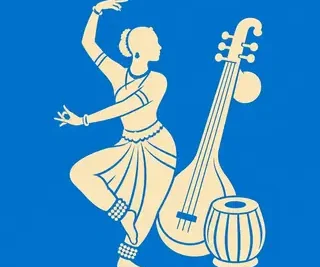
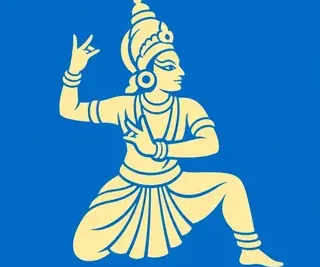
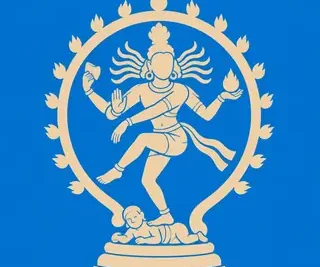
Art Forms in Ancient India reveal the creativity, spirituality, and social values of civilizations that flourished from the Indus Valley Civilization to the Gupta Empire. Ancient Indian art developed through painting, sculpture, architecture, theater, dance, and music, leaving behind a cultural legacy that continues to influence South Asian traditions today.
This category explores the history of ancient Indian art forms, including sacred sculpture, temple decoration, dramatic performance, classical dance, and traditional music. Discover how artists, performers, craftsmen, and patrons used artistic expression to represent gods, nature, royal power, religious beliefs, and everyday life. Each subcategory provides historical context and explains the development of India’s artistic traditions across different periods and regions.
Whether you are researching the Indus Valley art tradition, Mauryan pillars, Buddhist sculpture, Gupta-era temples, Sanskrit theater, or the origins of Indian classical dance and music, this category offers valuable insights for students, history enthusiasts, and anyone interested in India’s cultural heritage.
🗿 Visual Arts and Sculpture
The Visual Arts and Sculpture section examines the paintings, statues, carvings, pottery, seals, and architectural decorations created in ancient India. Readers can learn about famous artistic traditions such as the terracotta figures and seals of the Indus Valley Civilization, the polished stone pillars of the Mauryan period, the narrative reliefs of Buddhist monuments, and the refined religious sculptures of the Gupta age.
Expect detailed discussions of ancient Indian sculpture, iconography, artistic materials, and the religious meaning of visual representation. This section also explains how stone, bronze, clay, wood, and precious metals were used to portray deities, rulers, animals, mythical figures, and scenes from daily life, while tracing the influence of Hinduism, Buddhism, and Jainism on Indian art.
🎭 Theater and Performance Arts
The Theater and Performance Arts section explores the origins of drama, storytelling, acting, and stage performance in ancient India. It introduces the Natyashastra, one of the most important works on Indian theater, and explains concepts such as rasa, bhava, gesture, character, costume, music, and dramatic structure.
Readers can discover how Sanskrit drama and folk performance traditions communicated religious stories, moral lessons, royal histories, and social ideas. The section also considers the role of performers, theaters, stage design, and audience participation in the development of ancient Indian performing arts, connecting early traditions with later Indian theater and cultural practices.
💃 Dance and Music in Ancient India
The Dance and Music in Ancient India section investigates the close relationship between movement, rhythm, melody, worship, and storytelling. Learn how dance developed as a form of religious expression and theatrical communication, with carefully defined gestures, postures, facial expressions, and rhythmic patterns used to convey emotion and narrative.
This section also covers the foundations of ancient Indian music, including vocal traditions, instruments, scales, rhythm, and performance practices. Readers can explore references to drums, flutes, string instruments, and cymbals, as well as the influence of temple ceremonies, royal courts, epics, and sacred traditions on the evolution of Indian classical music and dance.
❓ Frequently Asked Questions About Ancient Indian Art Forms
What are the main art forms of ancient India?
The main art forms of ancient India included sculpture, painting, pottery, architecture, theater, dance, music, poetry, and storytelling. These traditions often combined artistic beauty with religious, philosophical, and social meanings.
Which period is known for important developments in ancient Indian art?
Several periods made major contributions, including the Indus Valley Civilization, the Mauryan Empire, the Kushan period, and the Gupta Empire. The Gupta period is especially associated with refined sculpture, temple art, literature, music, and the development of classical cultural traditions.
What is the Natyashastra?
The Natyashastra is an ancient Indian treatise traditionally attributed to Bharata Muni. It discusses drama, acting, dance, music, stagecraft, emotional expression, and the theory of rasa, making it a foundational text for Indian performing arts.
How was religion connected to ancient Indian art?
Religion strongly influenced ancient Indian art. Hindu, Buddhist, and Jain beliefs inspired temples, stupas, sculptures, paintings, ritual performances, and symbolic representations of deities, sacred events, enlightened figures, and mythological stories.
Why is the study of ancient Indian art important today?
Studying ancient Indian art helps explain the cultural history, religious ideas, social organization, and technological skills of early Indian civilizations. It also shows how traditional forms of sculpture, theater, dance, and music continue to shape India’s living cultural heritage.