
Theater and Performance Arts
Theater and Performance Arts
36 articles in this topic
Start here
Read more about this topic
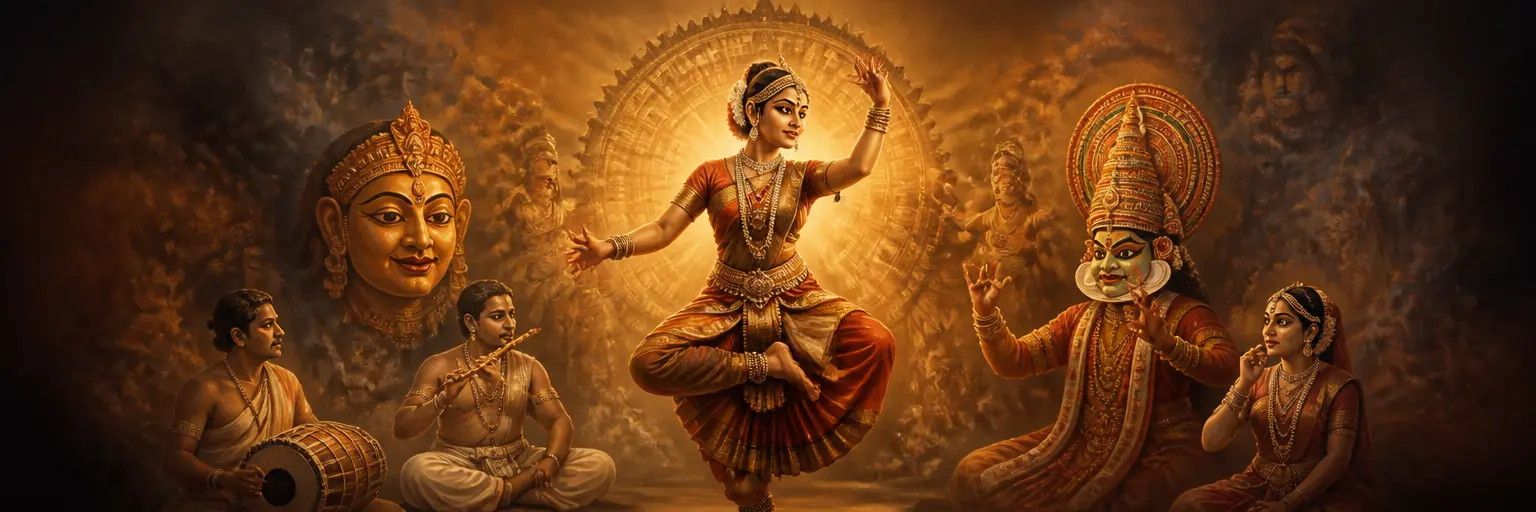
Discover the vibrant world of ancient Indian theater and performance arts, where storytelling, music, dance, and spiritual expression came together. Explore the origins of Sanskrit drama, classical traditions, dramatic theory, and sacred performances that shaped India’s cultural heritage from the Indus Valley era to the Gupta Empire. 🎭✨
More in Theater and Performance Arts
Theater and Performance Arts
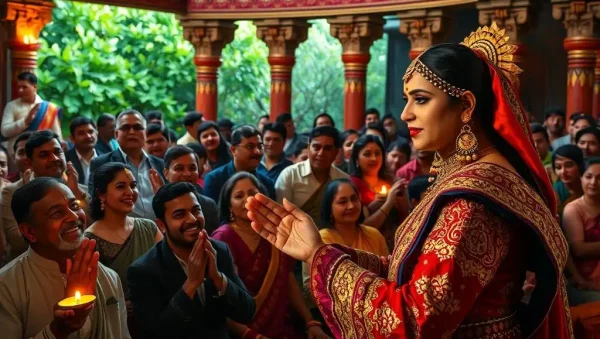
The Role of Audience Interaction in Ancient Indian Theater Practices
Theater and Performance Arts
How the Ramayana and Mahabharata Influenced Ancient Indian Theater
Theater and Performance Arts
The Influence of Persian Theater on Ancient Indian Dramatic Traditions
Theater and Performance Arts
From Temples to Theaters: The Venues of Ancient Indian Performances
Theater and Performance Arts
The Role of Patronage in the Flourishing of Ancient Indian Theater
Theater and Performance Arts
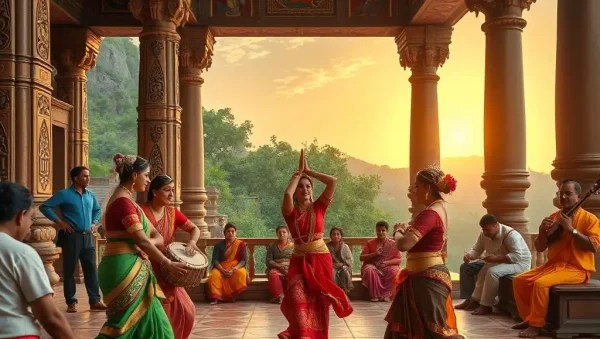
The Significance of Dance Dramas in Ancient Indian Literature
Theater and Performance Arts
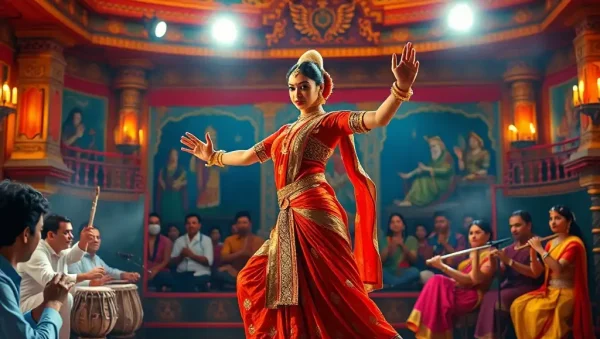
The Artistic Collaboration of Dance and Music in Ancient Indian Theater
Theater and Performance Arts
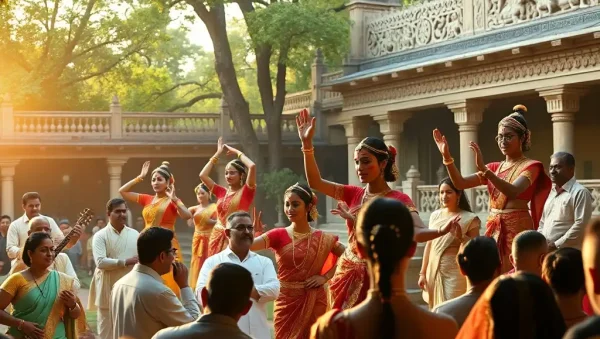
The Rich Tapestry of Performance Arts in Ancient Indian Civilizations
🎭 Theater and Performance Arts in Ancient India
Explore the vibrant world of theater and performance arts in ancient India, a subcategory dedicated to the origins, traditions, and cultural significance of Indian drama, dance, music, storytelling, and ritual performance. From the sophisticated theories of the Natya Shastra to temple dances, royal court performances, folk narratives, and Sanskrit drama, this collection reveals how performance shaped religion, education, society, and artistic expression across ancient Indian civilizations.
📜 Origins of Indian Theater and Dramatic Tradition
Discover how ancient Indian theater developed as a powerful form of communication and cultural expression. Articles in this section explore early dramatic practices, ritual performances, storytelling traditions, and the evolution of staged drama from the Vedic period through the Mauryan, Kushan, and Gupta eras.
Readers can learn about the relationship between theater, mythology, spirituality, and royal patronage. Topics may include Sanskrit drama, dramatic structure, stage design, actors, costumes, dialogue, and the role of performance in preserving ancient Indian literature and historical memory.
🎼 The Natya Shastra and Classical Performance Theory
Learn about the Natya Shastra, one of the most important texts in the history of Indian theater, dance, music, and aesthetics. Traditionally attributed to Bharata Muni, this influential work explains performance techniques, theatrical architecture, gestures, emotions, character types, musical systems, and audience experience.
This section examines concepts such as rasa, bhava, abhinaya, mudras, rhythm, and dramatic representation. It offers valuable insight into how ancient Indian scholars understood artistic expression and why the Natya Shastra continues to influence classical Indian dance, theater studies, and performance research today.
💃 Ancient Indian Dance and Expressive Movement
Explore the history of ancient Indian dance forms and their connection to temples, religious ceremonies, royal courts, and storytelling. Performance traditions used movement, facial expression, hand gestures, rhythm, and music to communicate stories from the Ramayana, Mahabharata, Puranas, and local legends.
Readers can discover the early foundations of classical Indian dance traditions, including the artistic principles later associated with Bharatanatyam, Kuchipudi, Kathak, Odissi, and other forms. This content explains how dance functioned not only as entertainment but also as a sacred language of devotion, education, and cultural identity.
🎶 Music, Rhythm, and Performance Culture
Ancient Indian performance arts were deeply connected to music and rhythm. This section explores early musical instruments, vocal traditions, melodic systems, percussion, chanting, and the relationship between sound and dramatic performance in Vedic and post-Vedic India.
Learn how instruments such as drums, flutes, cymbals, veenas, and other string and wind instruments supported dance, theater, ritual, and public celebrations. Articles also examine the development of ancient Indian music theory and its lasting influence on Hindustani and Carnatic musical traditions.
🏛️ Theater, Temples, and Royal Courts
Discover the important role played by temples and royal courts in supporting ancient Indian theater and performance arts. Temples served as centers of music, dance, ritual drama, and cultural education, while kings and wealthy patrons sponsored performers, playwrights, musicians, and theatrical productions.
This section explores performance spaces, stage architecture, artistic guilds, festivals, and patronage networks. Readers will gain a deeper understanding of how political power, religious institutions, and artistic communities worked together to preserve and develop India’s performance heritage.
🪔 Rituals, Festivals, and Storytelling Traditions
Explore the connection between performance, ritual, and community life in ancient India. Religious ceremonies, seasonal festivals, processions, dramatic retellings, and oral performances helped communities celebrate deities, explain cosmological ideas, and pass traditions from one generation to the next.
Articles in this area examine bards, storytellers, reciters, puppeteers, dancers, and traveling performers. Readers can learn how oral history and performance preserved legends, ethical teachings, genealogies, and regional identities long before widespread manuscript circulation.
🎭 Sanskrit Drama and Ancient Playwrights
Study the achievements of Sanskrit drama and the playwrights who shaped the history of Indian literature. Works by celebrated figures such as Kalidasa, Bhasa, Shudraka, and Bhavabhuti demonstrate the sophistication of ancient Indian dramatic writing, characterization, poetry, humor, romance, and political storytelling.
This section explores famous plays, dramatic genres, stage conventions, language choices, female characters, heroes, clowns, courtiers, and supernatural figures. It also explains how Sanskrit theater combined literature, music, dance, gesture, and visual presentation into a complete artistic experience.
🌏 Regional and Folk Performance Heritage
Ancient Indian performance culture was not limited to Sanskrit traditions. Discover the importance of regional theater, folk drama, oral poetry, puppetry, and community performances that developed across the Indian subcontinent and reflected local languages, customs, landscapes, and beliefs.
Readers can explore how regional traditions interacted with pan-Indian epics and religious narratives. These performances offer valuable evidence about everyday life, social values, village communities, occupations, gender roles, and the diverse cultural history of ancient India.
❓ Frequently Asked Questions About Theater and Performance Arts
What is the importance of theater and performance arts in ancient India?
Theater and performance arts were important forms of religious expression, education, entertainment, storytelling, and cultural preservation. They communicated myths, moral lessons, historical traditions, and social values to audiences across different communities.
What is the Natya Shastra?
The Natya Shastra is an ancient Indian treatise associated with Bharata Muni. It discusses drama, dance, music, stage design, acting, gestures, emotions, aesthetics, and audience response, making it one of the world’s foundational texts on performance theory.
What does rasa mean in Indian theater?
Rasa refers to the emotional experience or aesthetic flavor created by a performance. Through acting, music, movement, language, and expression, performers evoke emotions such as love, courage, compassion, laughter, anger, wonder, and peace in the audience.
How were temples connected to ancient Indian performance arts?
Temples functioned as major centers of dance, music, ritual drama, and artistic training. Performances were often offered as acts of devotion, included in festivals, or supported by temple institutions and royal patrons.
Which ancient Indian texts and works are important for theater studies?
Important sources include the Natya Shastra, Sanskrit plays by Kalidasa, Bhasa, Shudraka, and Bhavabhuti, as well as epic, Puranic, Buddhist, Jain, and inscriptional records. Together, these sources reveal the development of ancient Indian drama, dance, music, and storytelling.