
Dance and Music in Ancient India
Dance and Music in Ancient India
38 articles in this topic
Start here
- Dance and Music in Ancient IndiaThe Sacred Dance: Exploring the Spiritual Significance of Bharatanatyam
- Dance and Music in Ancient IndiaMelodies of the Past: How Ancient Indian Music Shaped Cultural Identity
- Dance and Music in Ancient IndiaDance as Devotion: The Role of Performing Arts in Ancient Religious Practices
Read more about this topic
Discover the vibrant world of dance and music in Ancient India, where rhythm, movement, spirituality, and storytelling shaped one of the world’s oldest artistic traditions. Explore classical dance origins, sacred performances, ancient instruments, musical theories, temple arts, and the cultural legacy preserved in texts, sculptures, and archaeological discoveries. 🎶💃 Learn how these timeless Indian art forms expressed devotion, celebrated royal life, and influenced generations of performers across the subcontinent.
More in Dance and Music in Ancient India
Dance and Music in Ancient India
The Golden Triangle: The Interconnection Between Dance, Music, and Visual Arts in Ancient India
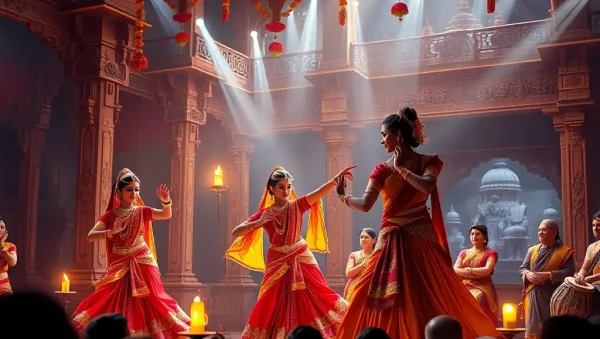
Dance and Music in Ancient India
The Interplay of Dance and Drama in Ancient Indian Theater
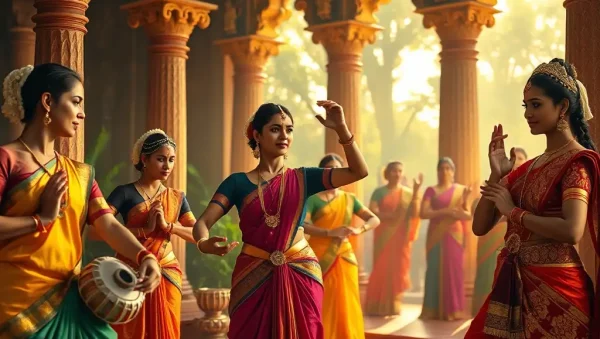
Dance and Music in Ancient India
The Influence of Religion on the Evolution of Dance and Music in Ancient India
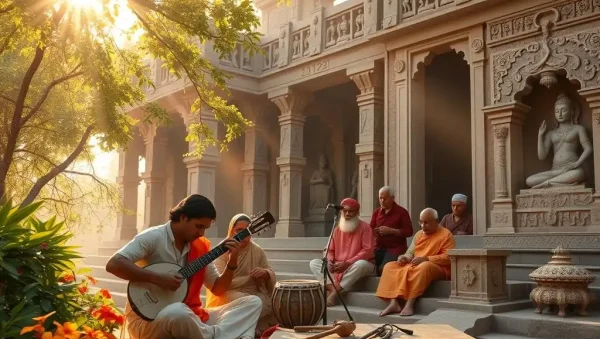
Dance and Music in Ancient India
The Influence of Vedic Chanting on Ancient Indian Musical Traditions
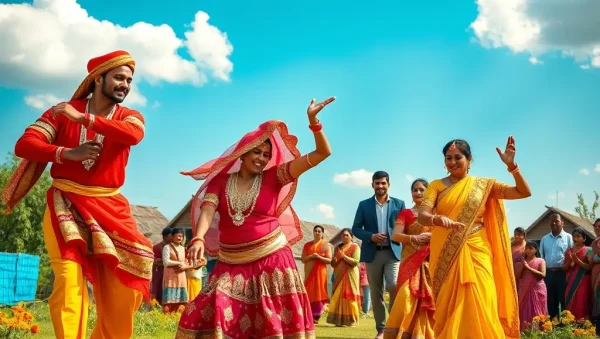
Dance and Music in Ancient India
Ancient Indian Folk Dances: Preserving Tradition Through Generations
Dance and Music in Ancient India
Music in Ancient India: How It Influenced Political and Social Structures
Dance and Music in Ancient India
Ancient Indian Music Theory: An Exploration of Concepts and Practices
Dance and Music in Ancient India
The Connection Between Poetry and Music in Ancient Indian Literature
🎶 Dance and Music in Ancient India: Exploring India’s Classical Artistic Heritage
Dance and Music in Ancient India reveals how rhythm, performance, storytelling, and spirituality shaped the cultural life of early Indian civilizations. On Ancient India History, explore the development of Indian classical dance, ancient music traditions, temple performances, dramatic arts, and sacred sound from the Indus Valley Civilization through the Vedic period and the Gupta Empire. This subcategory examines the artistic traditions, instruments, texts, performers, and religious ideas that helped define the history of Indian art forms.
💃 Ancient Indian Dance Traditions and Sacred Performance
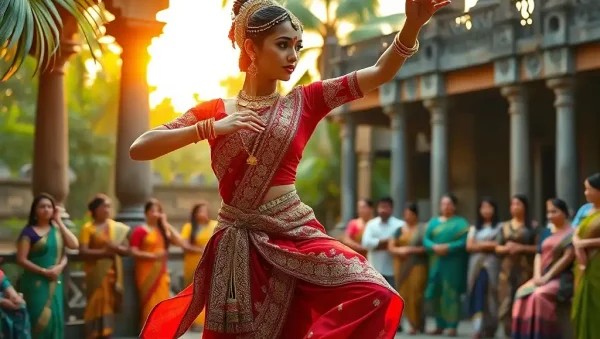
Readers can discover how dance functioned as more than entertainment in ancient India. It was closely connected with religion, mythology, ritual, storytelling, and royal ceremonies. Archaeological discoveries, sculptures, terracotta figures, and literary references provide valuable evidence about dancers and performers in the Indus Valley, Vedic society, Mauryan India, and the Gupta period.
This section explores the foundations of Indian classical dance and explains how expressive gestures, body movements, facial expressions, costumes, and rhythmic footwork communicated stories from the Ramayana, Mahabharata, Puranas, and Buddhist traditions. Learn how temple culture and court patronage helped preserve and develop ancient Indian dance history.
🎵 Music in Vedic and Classical India
Ancient Indian music developed through sacred chants, ritual recitations, folk traditions, and courtly performances. The Samaveda is especially important because it arranged Vedic verses for musical singing, creating an early foundation for Indian vocal music. Readers will learn about melody, rhythm, intonation, and the spiritual significance of sound in ancient Indian culture.
Explore the evolution of Indian classical music through the Vedic period, Buddhist and Jain communities, Mauryan society, and the Gupta age. This section explains how music was used in worship, education, theatre, festivals, royal courts, and everyday cultural life, while highlighting the connection between ancient musical theory and later Hindustani and Carnatic traditions.
🥁 Ancient Indian Musical Instruments
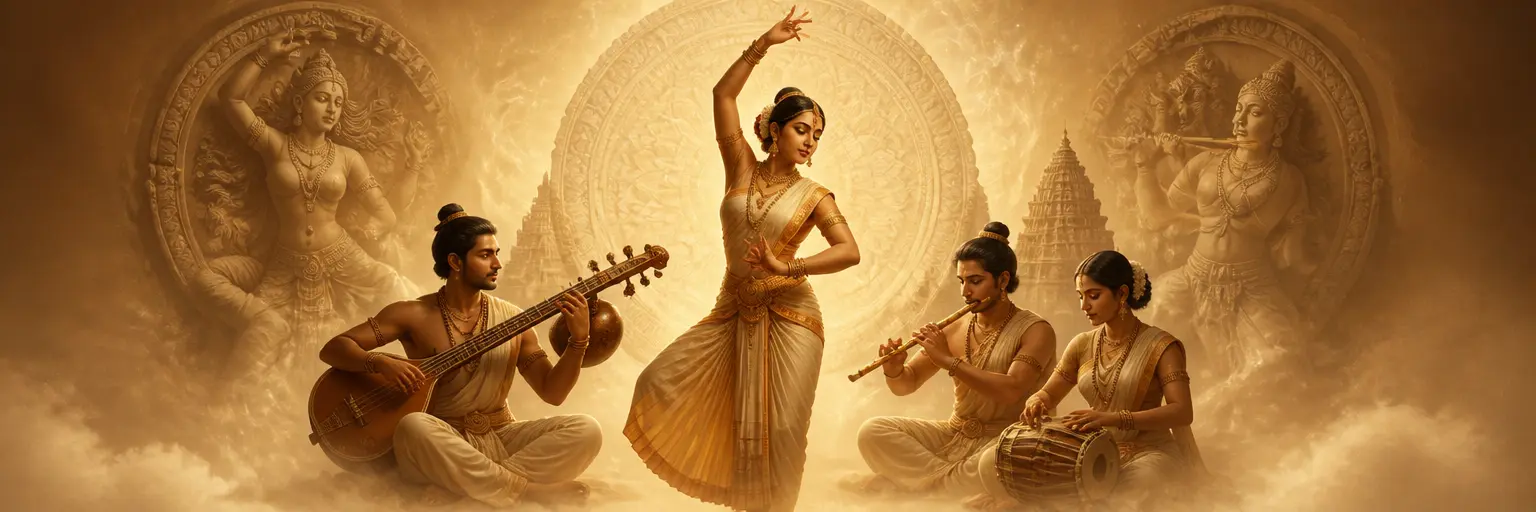
Musical instruments played an essential role in religious ceremonies, dance performances, military events, celebrations, and dramatic productions. Discover ancient Indian instruments such as the veena, flute, mridanga, dundubhi, damaru, cymbals, conch, and various drums. Sculptures, coins, paintings, texts, and archaeological remains help historians understand how these instruments were designed and played.
Readers can explore the classification of instruments according to their construction and sound. Ancient Indian music theory recognized string, wind, percussion, and solid instruments, offering an organized approach to the study of sound. These instruments also reveal connections between music, dance, theatre, temple rituals, and royal patronage across ancient Indian civilization.
📜 Natya Shastra and the Science of Indian Performance
The Natya Shastra, traditionally attributed to Bharata Muni, is one of the most influential works on ancient Indian dance, music, drama, and theatre. This section introduces key concepts such as rasa, bhava, abhinaya, tala, raga, stagecraft, gesture language, and dramatic expression. It explains how the text created a sophisticated framework for performance art.
Learn how the Natya Shastra influenced later Indian classical dance forms, theatrical traditions, temple art, and performance practices. Readers will also understand why ancient Indian theatre combined dialogue, song, instrumental music, movement, costumes, scenery, and spiritual meaning to create a complete artistic experience.
🏛️ Dance, Music, Temples, and Royal Courts
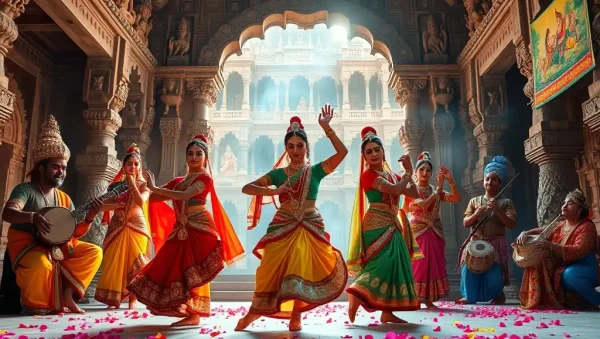
Temples and royal courts were important centers for the development of dance and music in ancient India. Performers served religious institutions, entertained kings, participated in festivals, and preserved oral traditions. Temple sculptures and Gupta-period artwork provide detailed visual evidence of musicians, dancers, instruments, and performance ensembles.
This section examines the relationship between artistic patronage and social history. Discover how rulers, priests, merchants, monasteries, and temple communities supported the arts, and how performances helped communicate religious beliefs, celebrate political power, and strengthen cultural identity throughout ancient India.
🌺 Dance and Music in Religious and Social Life
Music and dance were deeply integrated into Hindu, Buddhist, and Jain cultural traditions. Sacred chants, devotional singing, ritual drumming, processions, and dramatic storytelling made artistic performance an important part of worship and community life. Readers will explore how sound and movement were believed to connect the human world with the divine.
Beyond religious ceremonies, ancient Indian dance and music appeared at weddings, seasonal festivals, public celebrations, military gatherings, and royal events. This broader perspective shows how the arts reflected social values, transmitted historical stories, educated audiences, and brought communities together.
🔍 Frequently Asked Questions About Dance and Music in Ancient India
What was the importance of dance in ancient India?
Dance was used for religious rituals, storytelling, entertainment, royal ceremonies, and cultural education. Ancient Indian dance combined movement, gesture, facial expression, music, and mythology to communicate ideas and emotions.
Which ancient Indian text discusses dance and music?
The Natya Shastra is the best-known ancient Indian treatise on dance, music, drama, theatre, aesthetics, and performance. It explains concepts such as rasa, bhava, abhinaya, rhythm, stage design, and dramatic presentation.
What role did the Samaveda play in ancient Indian music?
The Samaveda arranged Vedic hymns for musical chanting and is widely regarded as a major source for the development of Indian sacred music and vocal tradition. Its melodies and recitation methods influenced later approaches to musical expression.
Which musical instruments were used in ancient India?
Ancient Indian musicians used string instruments such as the veena, wind instruments such as the flute and conch, and percussion instruments including drums, mridangas, cymbals, and damarus. These instruments appeared in rituals, dances, theatres, temples, and royal courts.
How did ancient Indian dance and music influence later traditions?
Ancient theories of rasa, tala, raga, gesture, rhythm, and dramatic expression influenced the development of later Indian classical traditions. Many ideas associated with Bharatanatyam, Kathak, Odissi, Kuchipudi, Carnatic music, and Hindustani music can be studied alongside ancient Indian artistic history.