
Visual Arts and Sculpture
Visual Arts and Sculpture
35 articles in this topic
Start here
Read more about this topic
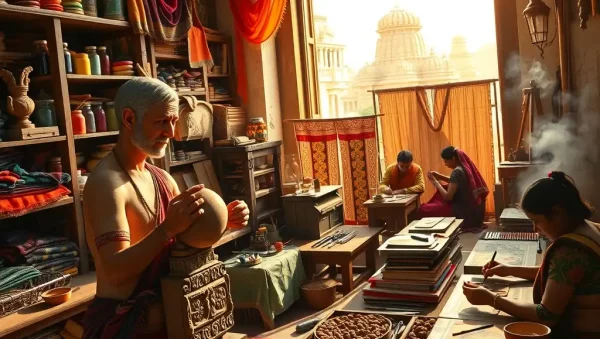
Explore the visual arts and sculpture of ancient India, where masterful carvings, intricate statues, vibrant paintings, and sacred artistic traditions reveal the beliefs, creativity, and daily life of early Indian civilizations. From Indus Valley artifacts to the refined Buddhist, Jain, and Hindu sculptures of the Mauryan, Kushan, and Gupta periods, discover how ancient Indian art shaped cultural heritage and continues to inspire the world.
More in Visual Arts and Sculpture
Visual Arts and Sculpture
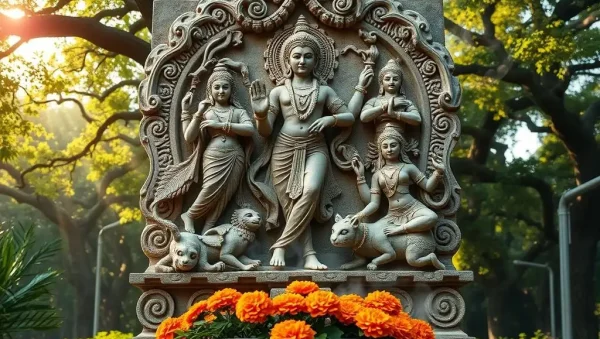
The Majestic Storytelling of Ancient Indian Sculpture: Unveiling Hidden Narratives
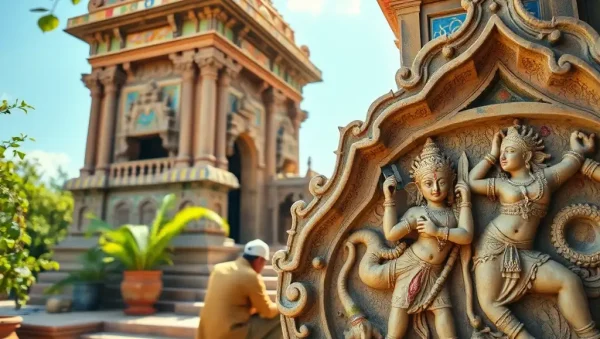
Visual Arts and Sculpture
From Frescoes to Friezes: Exploring Diverse Art Forms in Ancient India
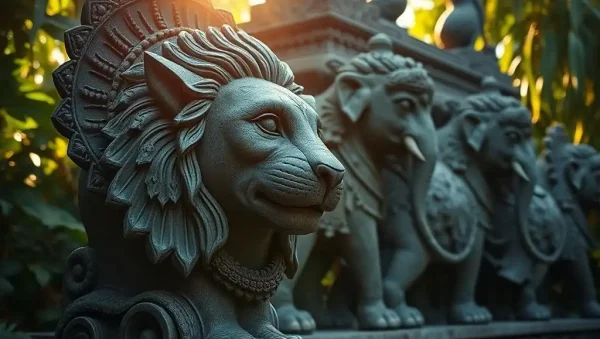
Visual Arts and Sculpture
The Symbolism of Animals in Ancient Indian Sculpture: More Than Meets the Eye
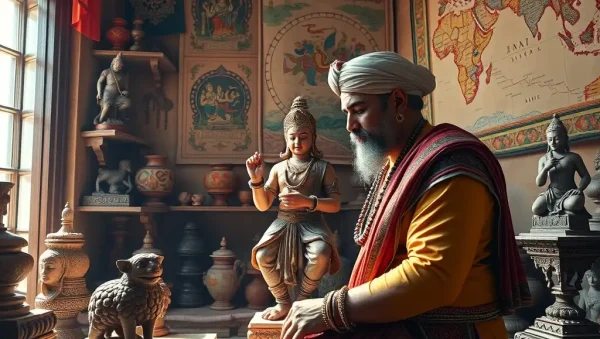
Visual Arts and Sculpture
The Impact of the Silk Road on Ancient Indian Art and Sculpture
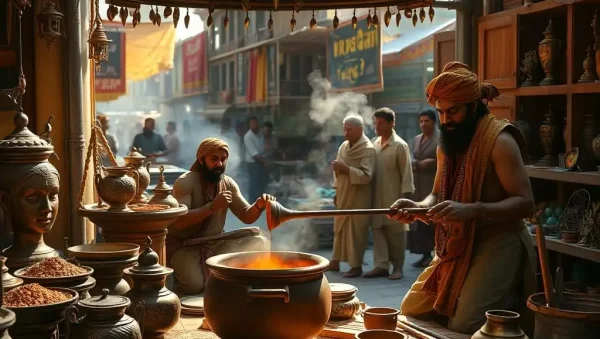
Visual Arts and Sculpture
The Evolution of Bronze Casting in Ancient India: Techniques and Innovations
Visual Arts and Sculpture
Celebrating the Craftsmanship of Ancient Indian Artisans: A Tribute to Skill
Visual Arts and Sculpture
The Influence of Religion on Ancient Indian Visual Arts: A Cultural Exploration
Visual Arts and Sculpture
Visual Storytelling in Ancient Indian Narratives: A Study of Reliefs and Frescoes
🎨 Visual Arts and Sculpture in Ancient India
Explore the world of Visual Arts and Sculpture within the broader study of Art Forms in Ancient India. This subcategory examines how artists, architects, sculptors, and craftspeople expressed religious beliefs, social values, royal power, and everyday life through stone carving, terracotta, painting, metalwork, and monumental design. From the artistic achievements of the Indus Valley Civilization to the refined sculpture of the Gupta Empire, discover the traditions that shaped ancient Indian art and influenced South Asian culture for centuries.
🏺 Indus Valley Art and Archaeological Discoveries
Learn about the visual culture of Harappa, Mohenjo-daro, Dholavira, Lothal, and other Indus Valley Civilization sites. Articles explore bronze figurines, terracotta objects, painted pottery, seals, beads, ornaments, and carved artifacts, revealing the technical skill and symbolic imagination of one of the world’s earliest urban civilizations.
Readers can also examine how archaeologists interpret Indus Valley art despite the undeciphered script. Discover what animal motifs, geometric patterns, human figures, ritual objects, and carefully designed urban structures may reveal about ancient Indian society, trade, religion, craftsmanship, and daily life.
🗿 Buddhist, Jain, and Hindu Sculpture
This section explores the development of religious sculpture across ancient India, including representations of the Buddha, Jinas, Hindu deities, yakshas, yakshis, guardians, and sacred symbols. Learn how sculptors used posture, gesture, facial expression, clothing, jewelry, and body proportions to communicate spiritual ideas and divine qualities.
Discover major sculptural traditions associated with Gandhara, Mathura, Amaravati, Sanchi, Bharhut, and Gupta art. These artistic centers demonstrate the diversity of ancient Indian sculpture, from Greco-Buddhist influences and realistic drapery to idealized forms that became central to classical Indian religious art.
🛕 Temple Architecture and Stone Carving
Explore how ancient Indian temples developed as sacred spaces filled with sculpture, relief panels, pillars, gateways, and ornamental designs. Content in this section highlights the relationship between architecture, mythology, ritual, and visual storytelling in early Hindu, Buddhist, and Jain monuments.
Readers will learn how artisans carved scenes from religious texts, celestial beings, animals, floral patterns, and scenes of human life into stone. These monuments offer valuable evidence about ancient Indian architecture, engineering, religious practices, patronage, and regional artistic styles.
🎨 Ancient Indian Painting and Mural Traditions
Study the surviving paintings and mural traditions of ancient India, including the celebrated Ajanta Caves and other rock-cut and religious sites. Explore the colors, mineral pigments, artistic techniques, narrative compositions, and expressive figures used to represent Buddhist stories, royal life, nature, and sacred themes.
Ancient Indian painting provides insight into clothing, hairstyles, jewelry, architecture, music, courtly culture, and social relationships. Through detailed analysis of murals and painted surfaces, readers can understand how visual storytelling supported religious teaching, cultural memory, and artistic innovation.
🔨 Materials, Techniques, and Artistic Craftsmanship
Discover the materials and methods used by ancient Indian artists, including sandstone, granite, marble, clay, bronze, copper, ivory, wood, and natural pigments. Articles explain techniques such as stone carving, lost-wax casting, terracotta modeling, engraving, polishing, painting, and metalworking.
This section also considers the organization of artisan communities, the role of royal and religious patrons, and the transmission of artistic knowledge. Understanding these processes reveals the high level of technical expertise, specialization, creativity, and cultural continuity present in ancient Indian visual arts.
🌍 Regional Styles and Cultural Influences
Ancient Indian art was not a single uniform tradition. Explore regional styles from the Indus Valley, northern India, the Deccan, eastern India, and the southern kingdoms. Comparisons between artistic centers show how local materials, political developments, religious movements, and trade networks shaped distinct forms of sculpture and visual expression.
Readers can also investigate cultural exchange between India and Central Asia, Persia, the Hellenistic world, and Southeast Asia. These connections help explain the evolution of Gandhara sculpture, Buddhist imagery, iconography, artistic motifs, and international trade in ancient Indian history.
❓ Frequently Asked Questions About Visual Arts and Sculpture
What are the main forms of visual art in ancient India?
Major forms include sculpture, painting, terracotta, metalwork, pottery, jewelry, seals, architectural decoration, and rock-cut art. These works were often connected to religion, ritual, royal patronage, trade, and everyday life.
What is the significance of Indus Valley sculpture?
Indus Valley sculpture, including bronze figures, terracotta objects, and stone carvings, demonstrates advanced craftsmanship and a rich symbolic tradition. It provides important evidence about technology, beliefs, social organization, trade, and artistic communication in early urban India.
How did Buddhism influence ancient Indian sculpture?
Buddhism encouraged the creation of stupas, railings, gateways, narrative reliefs, and devotional images. Over time, Buddhist art developed from symbolic representations of the Buddha to fully formed images in traditions such as Gandhara and Mathura sculpture.
Why is Gupta sculpture considered important?
Gupta sculpture is often associated with balance, idealized beauty, calm expressions, and refined spiritual symbolism. It established influential models for Buddhist and Hindu iconography that shaped later Indian art and sculpture across the subcontinent.
Where can ancient Indian visual arts and sculptures be studied today?
Important examples can be found at archaeological sites, cave complexes, temples, stupas, museums, and heritage collections throughout India. Notable locations include Ajanta, Ellora, Sanchi, Bharhut, Mathura, Amaravati, and major Indus Valley sites.