
Daily Life and Society
Discover Daily Life and Society in Ancient India 🏺—a fascinating journey into how people lived, worked, married, and organized their communities from the Indus Valley to the Gupta Empire. Explore social customs, family traditions, occupations, labor systems, and evolving social structures to understand the rich cultural heritage and everyday experiences that shaped ancient Indian civilization. ✨
🏛️ Daily Life and Society in Ancient India
Discover how ordinary people lived, worked, married, worshipped, and interacted in ancient Indian society. This category explores daily life in ancient India through evidence from the Indus Valley Civilization, Vedic period, Mauryan Empire, and Gupta era. Learn how occupations, family traditions, marriage customs, social classes, and caste relationships shaped communities across the Indian subcontinent.
From farmers and merchants to artisans, rulers, priests, and laborers, ancient Indian society was organized through complex economic and social systems. Explore historical sources, archaeological discoveries, Sanskrit texts, Buddhist and Jain literature, inscriptions, and material culture to understand ancient Indian civilization in greater depth. Whether you are researching social history, cultural traditions, or everyday life, these guides provide clear and informative insights into India’s past.
⚒️ Occupations and Labor Systems
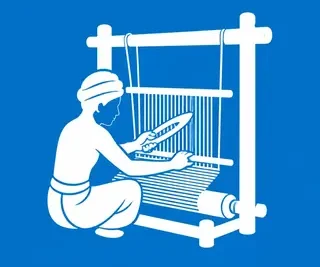
Explore the many occupations that supported daily life and economic development in ancient India. This section examines farming, animal husbandry, trade, craft production, metalworking, pottery, weaving, construction, administration, military service, and religious professions. Readers can learn how specialized labor contributed to the growth of cities, kingdoms, villages, and long-distance trade networks.
The section also explains how labor was organized in different historical periods. Discover the roles of artisans, merchants, agricultural workers, servants, guild members, and bonded laborers, as well as the importance of markets and craft guilds in Mauryan and Gupta society. Discussions of ancient Indian occupations connect economic life with technology, taxation, social status, and urban development.
💍 Family and Marriage Practices
Learn about family life and marriage customs in ancient India, including household organization, kinship, inheritance, gender roles, and the responsibilities of parents and children. This section explores how family structures differed across regions, communities, religions, and social groups from the Vedic age through the Gupta period.
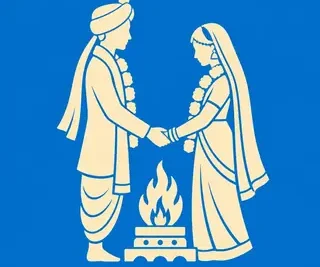
Readers can examine the historical development of marriage traditions, including arranged marriages, familial alliances, dowry practices, bridewealth, widowhood, and remarriage. Sources from Hindu, Buddhist, and Jain traditions reveal both social ideals and lived experiences, offering a balanced view of ancient Indian family traditions and the position of women in society.
⚖️ Social Structure and Caste System
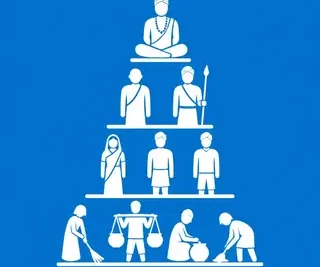
Understand the organization of social classes and caste in ancient India. This section introduces the varna model—Brahmins, Kshatriyas, Vaishyas, and Shudras—while also examining the growth of occupational communities, jatis, social groups, and local hierarchies. It explains how religious ideas, political power, wealth, occupation, and birth influenced social identity.
Rather than presenting society as completely uniform, these articles explore differences between prescriptive texts and everyday reality. Learn how social mobility, regional variation, tribal communities, marginalized groups, Buddhist and Jain critiques, and imperial administration shaped ancient Indian social structure across different periods. The result is a nuanced understanding of caste, status, privilege, and social change.
❓ Frequently Asked Questions About Daily Life and Society in Ancient India
What was daily life like in ancient India?
Daily life varied according to region, period, occupation, wealth, and social status. People lived as farmers, artisans, merchants, soldiers, priests, administrators, and laborers. Their routines included agriculture, craft production, trade, religious observances, family duties, and participation in village or urban communities.
What were the main occupations in ancient India?
Major occupations included farming, animal husbandry, fishing, pottery, weaving, metalworking, carpentry, construction, commerce, transport, military service, teaching, priesthood, and government administration. Guilds and trading communities played an important role in supporting specialized crafts and economic exchange.
How were families organized in ancient Indian society?
Many communities valued extended or joint family households, although family structures differed across time and social groups. Families often organized property, inheritance, religious duties, child-rearing, and marriage alliances. Gender expectations and household responsibilities were strongly influenced by cultural and religious traditions.
What is the difference between varna and caste?
Varna refers to the broad four-part social classification described in several ancient texts. Jati refers to more specific birth-based, occupational, and regional communities. In historical reality, social organization was complex, and local customs often differed from the simplified varna model.
Which sources help historians study ancient Indian society?
Historians use archaeological remains, seals, pottery, tools, settlement layouts, inscriptions, coins, religious texts, legal literature, epics, Buddhist and Jain writings, and accounts by foreign travelers. Comparing these sources helps distinguish social ideals from the experiences of people in everyday life.