
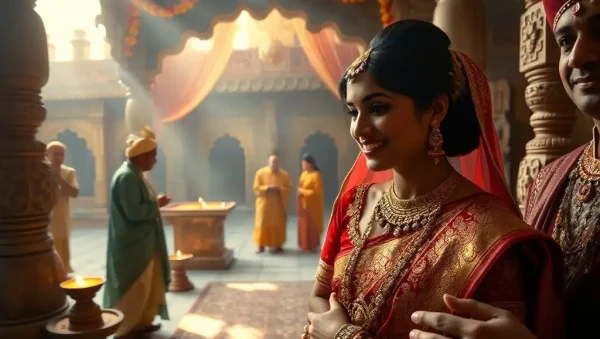
Family and Marriage Practices
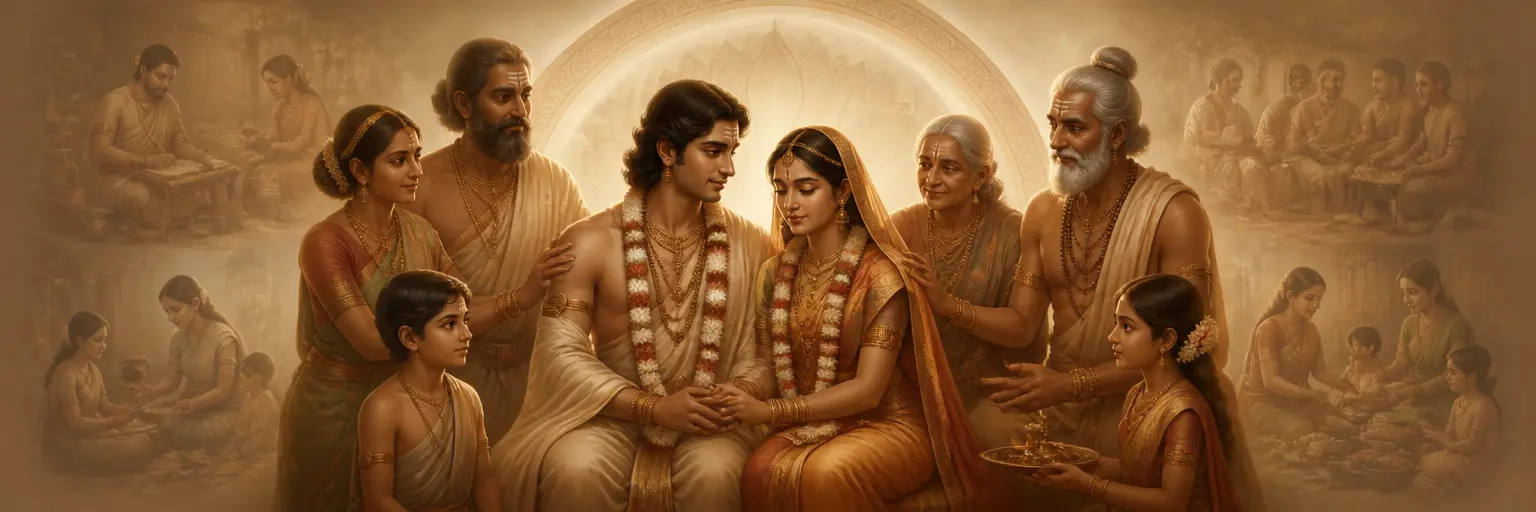
Family and Marriage Practices
56 articles in this topic
Read more about this topic
Discover how family and marriage practices shaped daily life and society in ancient India—from arranged unions and kinship traditions to household roles, inheritance, and sacred wedding rituals. Explore the customs, values, and social structures that influenced relationships across major Indian civilizations, offering fascinating insight into ancient Indian culture, family life, and enduring traditions. 🏛️💍
More in Family and Marriage Practices
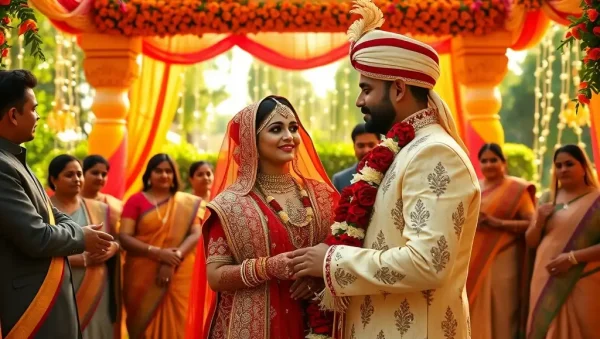
Family and Marriage Practices
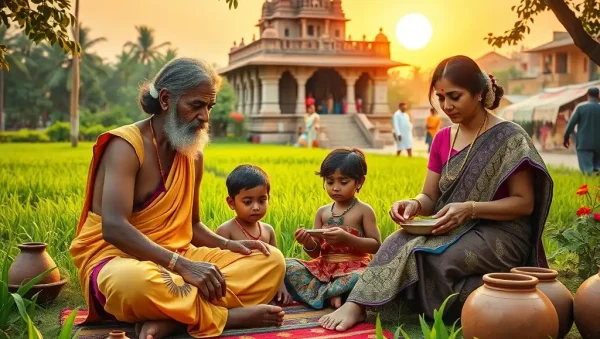
Modern Interpretations of Ancient Indian Family and Marriage Practices
Family and Marriage Practices
The Evolution of Family Roles in the Gupta Empire
Family and Marriage Practices
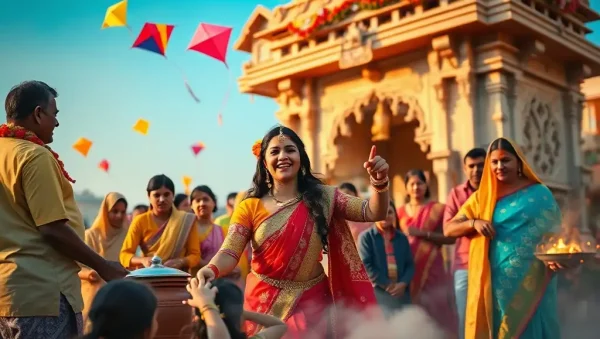
Celebrating Togetherness: Festivals and Family in Ancient Indian Life

Family and Marriage Practices
The Shift in Gender Roles: From Ancient India to Today
Family and Marriage Practices
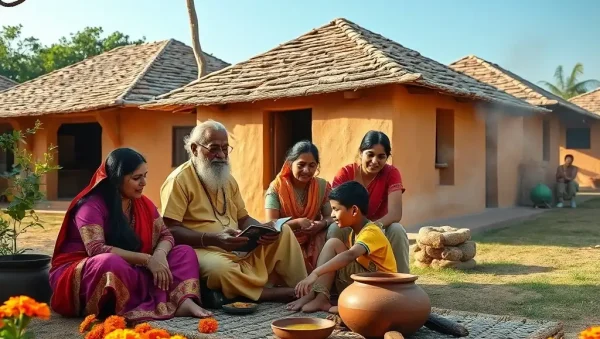
The Family as a Unit of Social Stability in Ancient India
Family and Marriage Practices
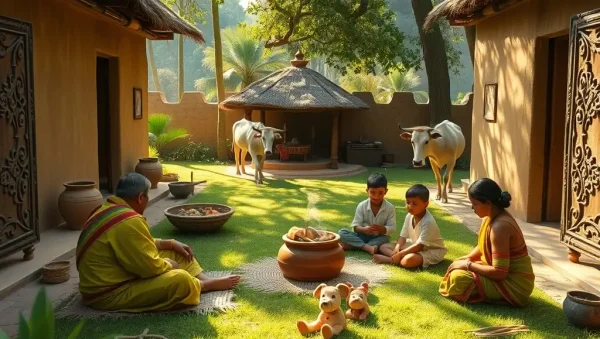
Family Life in the Vedic Period: Insights and Influences
Family and Marriage Practices
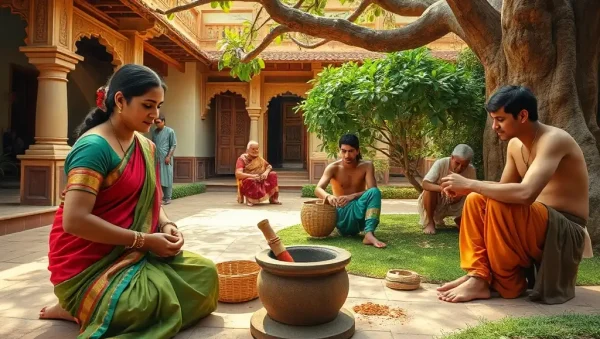
Gender Roles in Ancient Indian Family Structures
Family and Marriage Practices
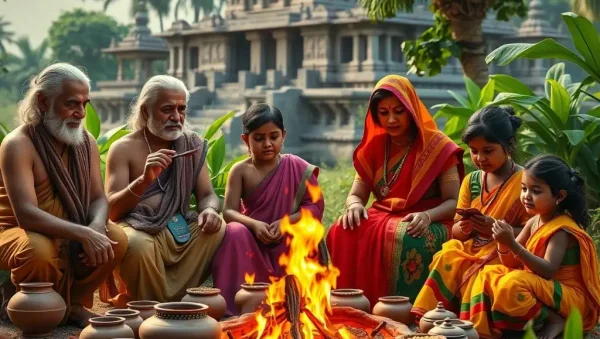
The Changing Face of Family Practices from the Vedic Age to the Gupta Empire
👨👩👧👦 Family and Marriage Practices in Ancient India
Explore the family and marriage practices of ancient India and discover how kinship, household life, inheritance, gender roles, social customs, and religious traditions shaped daily life and society. This subcategory examines family structures and matrimonial traditions across major periods, from the Indus Valley Civilization and the Vedic age to the Mauryan and Gupta periods. Readers can learn how ancient Indian communities organized domestic life, celebrated marriage, raised children, honored ancestors, and maintained social relationships within a changing cultural landscape.
🏺 Family Life from the Indus Valley to the Gupta Empire
Learn how households and kinship networks may have functioned in ancient Indian societies. Archaeological evidence from Harappan cities, including homes, settlements, burial practices, ornaments, figurines, and household objects, provides valuable clues about domestic life in the Indus Valley Civilization. Although written records remain difficult to interpret, material culture helps historians study community organization, family identity, and everyday relationships.
Later Vedic, Mauryan, and Gupta sources offer more detailed information about family duties, household responsibilities, ancestry, and social organization. This section explains how the joint family tradition, intergenerational households, and relationships between parents, children, relatives, and dependents contributed to ancient Indian society.
💍 Marriage Customs and Rituals in Ancient India
Discover the importance of marriage in ancient Indian culture, including wedding ceremonies, religious rituals, family alliances, and social expectations. Ancient texts describe several forms of marriage and emphasize the role of sacred vows, offerings, kinship approval, and household responsibilities. These practices reveal how marriage was viewed as both a personal relationship and a significant religious and social institution.
Readers can explore wedding traditions such as the presence of sacred fire, the exchange of vows, gift-giving, feasting, and ceremonial processions. Comparisons across historical periods also show how ancient Indian marriage customs varied according to region, social group, economic status, and changing religious and legal ideas.
📜 Marriage Forms, Laws, and Social Norms
Ancient Indian legal and religious literature discusses different marriage forms, family obligations, property rights, and rules concerning social conduct. Texts such as the Dharmashastras, the Manusmriti, epics, Buddhist literature, and Jain writings provide perspectives on marriage law in ancient India, although these sources often describe ideals rather than the experiences of every community.
This section presents historical evidence carefully, distinguishing between prescribed customs and lived practices. It examines arranged marriage, inter-community relationships, bridewealth and dowry traditions, remarriage, divorce-related practices, and the role of elders while recognizing the diversity of ancient Indian matrimonial traditions.
👩 Women, Men, and Gender Roles in the Household
Understand how gender roles influenced family life, marriage, education, work, religion, and property ownership. Ancient Indian sources reveal both expectations and variations in the lives of women and men. Women could participate in household production, religious activities, intellectual traditions, and economic exchange, while patriarchal customs often shaped authority, inheritance, and marital decisions.
By studying literary texts, inscriptions, sculpture, and archaeological discoveries, readers can gain a balanced view of women in ancient Indian society and the responsibilities of men within family structures. This subcategory also considers motherhood, fatherhood, widowhood, domestic labor, female education, and the ways social status affected personal freedom.
👶 Children, Education, and Generational Relationships
Explore childhood and education in ancient India, including family-based learning, religious instruction, apprenticeships, and the gurukula education system. Children were taught social values, household duties, ethical conduct, practical skills, and traditions connected with caste, occupation, and community identity.
Ancient Indian families often placed strong emphasis on respect for elders, ancestry, obligations to parents, and the continuation of family lineages. This section examines birth rituals, naming ceremonies, coming-of-age traditions, inheritance, and the role of children in sustaining family traditions and ancestral practices.
🕉️ Religion, Rituals, and Family Responsibilities
Religion was closely connected with family and marriage practices in ancient India. Household rituals, ancestor worship, daily offerings, festivals, life-cycle ceremonies, and marriage rites helped connect domestic life with wider Hindu, Buddhist, and Jain traditions. Readers will learn how the concept of grihastha, or household life, was understood within the broader framework of duty and social order.
Family members often shared responsibilities for maintaining sacred fires, honoring ancestors, supporting religious communities, and observing ethical obligations. The section explores how religious beliefs influenced marriage ceremonies, inheritance, birth rituals, funeral customs, and ideas about family duty in ancient Indian culture.
🏛️ Social Class, Caste, and Marriage Alliances
Social status played an important role in many ancient Indian marriage practices. Literary and legal sources describe rules connected with varna, jati, occupation, and family reputation, while inscriptions and regional evidence demonstrate that actual relationships could be more complex. Marriage could strengthen alliances, preserve property, establish social connections, and influence political relationships.
This section investigates endogamy, social mobility, inter-group marriage, royal marriages, and the relationship between family identity and community organization. It also explains why historians compare different sources instead of treating a single text as a complete description of ancient Indian society.
👑 Royal Families, Political Marriages, and Lineage
Marriage was frequently used by rulers and elite families to create political alliances, secure territory, strengthen legitimacy, and connect royal lineages. Ancient Indian epics, inscriptions, coins, and historical accounts provide evidence of dynastic marriage alliances and the importance of ancestry in kingship.
Readers can examine how royal women, queens, princes, and extended families participated in political life. These relationships reveal that marriage in ancient India could involve diplomacy, succession, economic power, and religious patronage in addition to household responsibilities.
🔎 Sources for Studying Ancient Indian Family Practices
Discover how historians reconstruct family and marriage customs through archaeology, inscriptions, coins, sculpture, literary works, religious texts, foreign accounts, and comparative research. Sources from the Indus Valley Civilization, Vedic period, Mauryan Empire, and Gupta Empire each offer different types of evidence about ancient Indian domestic life.
Because historical sources may reflect idealized rules, elite viewpoints, or specific religious communities, responsible study requires context and comparison. This subcategory highlights the difference between textual prescriptions and everyday experiences while presenting reliable insights into family history in ancient India.
❓ Frequently Asked Questions About Family and Marriage Practices
What was the family structure in ancient India?
Many ancient Indian communities valued extended or joint households in which parents, children, grandparents, and other relatives lived together or maintained close economic and ritual ties. However, family structures varied by region, period, occupation, wealth, and social group. Archaeological and literary evidence suggests that both smaller households and larger kinship networks existed.
How were marriages arranged in ancient India?
Marriage arrangements commonly involved families, elders, community customs, and considerations such as social status, occupation, lineage, religion, and economic relationships. Ancient texts describe several marriage forms, while historical evidence shows that practices differed across regions and communities. Marriage could be arranged by relatives, connected to political alliances, or influenced by personal choice.
What role did women have in ancient Indian families?
Women contributed to household management, agriculture, crafts, trade, religious ceremonies, childrearing, and cultural education. Their rights and social freedom varied significantly according to period, class, caste, region, and marital status. Sources reveal both patriarchal restrictions and examples of women participating in intellectual, economic, religious, and political life.
Did ancient Indian marriage customs include wedding rituals?
Yes. Many Hindu marriage traditions included sacred fire, vows, offerings, blessings, family ceremonies, feasting, and symbolic acts connecting the couple and their families. Buddhist, Jain, regional, and community traditions could differ. The details of ancient wedding rituals were not identical everywhere and changed over time.
Which sources help historians study ancient Indian marriage and family life?
Important sources include archaeological remains, household artifacts, seals, sculptures, inscriptions, legal texts, epics, Buddhist and Jain literature, religious writings, coins, and accounts by foreign travelers. Historians compare these sources to identify social patterns while recognizing that many texts describe ideal behavior rather than the complete reality of everyday family life.