
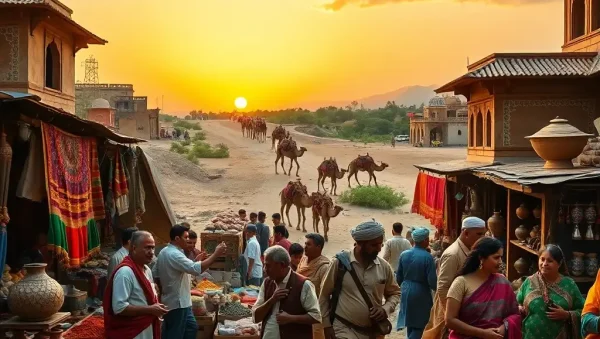
Occupations and Labor Systems
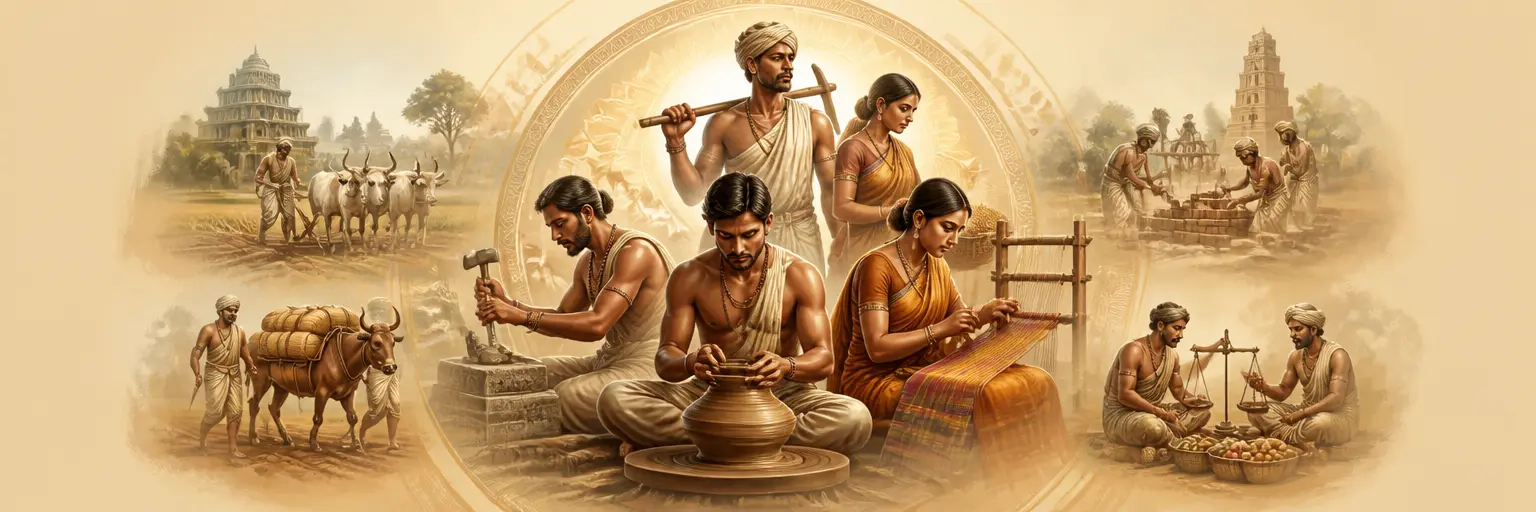
Occupations and Labor Systems
51 articles in this topic
Start here
Read more about this topic
Explore Occupations and Labor Systems in ancient India, uncovering how farmers, artisans, merchants, soldiers, administrators, and skilled workers shaped everyday life and society. Discover the organization of work, traditional crafts, trade networks, agricultural practices, guilds, and labor relationships that supported powerful civilizations from the Indus Valley to the Gupta Empire. Learn how livelihoods, social roles, and economic systems influenced ancient Indian history and culture.
More in Occupations and Labor Systems
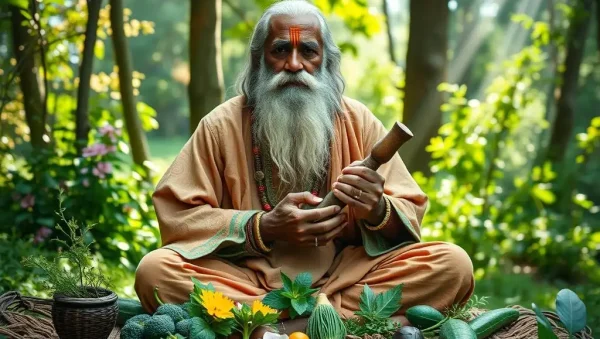
Occupations and Labor Systems
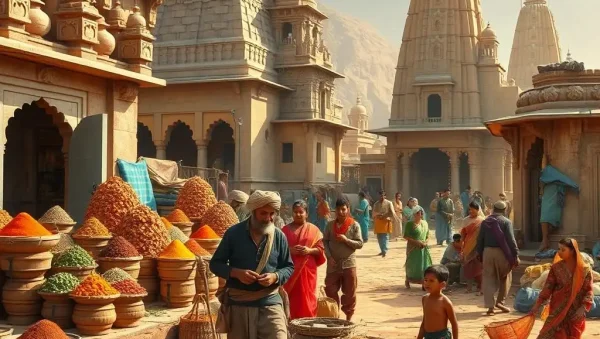
Ancient Healers: The Evolution of Medical Professions in India
Occupations and Labor Systems
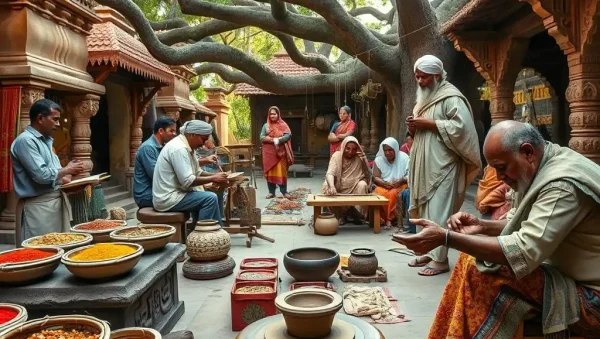
The Interplay of Occupations and Cultural Practices in Ancient India
Occupations and Labor Systems
Labor and Society: The Interconnection of Occupations and Social Status in Ancient India
Occupations and Labor Systems
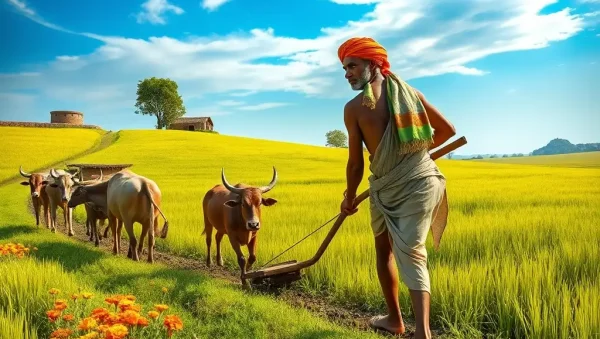
The Role of Farmers: Agriculture as the Backbone of Ancient Indian Civilizations
Occupations and Labor Systems
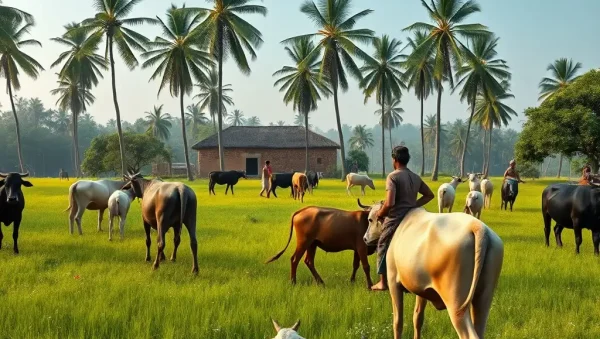
The Significance of Animal Husbandry in Ancient Indian Labor Systems
Occupations and Labor Systems
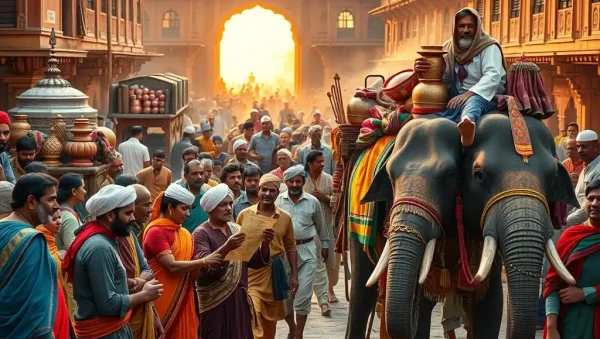
The Role of Transport Workers in Ancient Indian Trade and Economy
Occupations and Labor Systems
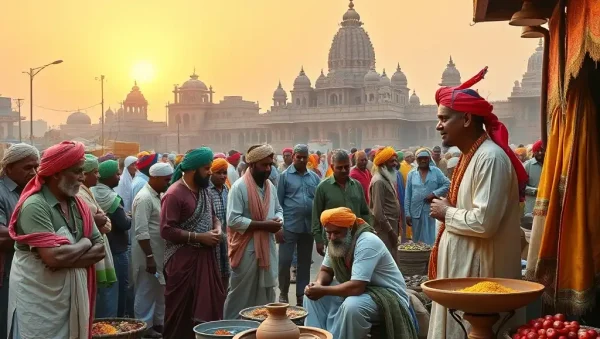
The Role of Labor in Trade: Ancient Indian Merchants and Their Professions
Occupations and Labor Systems
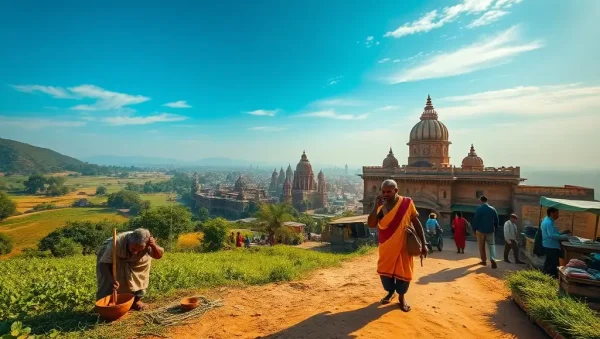
The Dynamics of Rural vs. Urban Labor in Ancient India
🏛️ Occupations and Labor Systems in Ancient India
Explore how occupations, professions, and labor systems shaped daily life and society in ancient India, from the Indus Valley Civilization to the Gupta Empire. This subcategory examines agriculture, craft production, trade, administration, warfare, religious service, and domestic work, showing how people earned livelihoods and contributed to the growth of ancient Indian civilizations. Discover the organization of labor, the role of occupational communities, and the economic relationships that connected villages, towns, courts, temples, and markets across South Asia.
🌾 Agriculture and Rural Labor
Agriculture was the foundation of the ancient Indian economy and supported communities from the Indus Valley Civilization through the Mauryan and Gupta periods. Readers can learn about farmers, agricultural laborers, land cultivation, irrigation, animal power, crop production, and the importance of monsoon patterns in rural life. Topics may include rice, wheat, barley, pulses, cotton, sugarcane, and other crops that sustained growing populations.
This section also explores landholding, taxation, village organization, and seasonal labor. Ancient Indian texts and archaeological evidence reveal how peasants, tenants, herders, and land administrators participated in systems of production. Understanding rural occupations provides valuable insight into food security, social hierarchy, state revenue, and the economic foundations of ancient Indian society.
🔨 Craftspeople, Artisans, and Skilled Workers
Ancient India was renowned for specialized crafts and advanced manufacturing traditions. Discover the occupations of potters, metalworkers, blacksmiths, goldsmiths, carpenters, weavers, dyers, stoneworkers, ivory carvers, bead makers, and builders. Evidence from archaeological sites, inscriptions, coins, and literary sources illustrates the technical knowledge and artistic skill behind tools, ornaments, pottery, textiles, sculptures, and architectural structures.
Readers can also examine how artisan communities organized production and passed skills between generations. Craft specialization supported urban development, long-distance trade, religious institutions, royal courts, and household economies. This section explains the value of skilled labor and the way craft industries connected local workshops with regional and international markets.
🛍️ Merchants, Traders, and Commercial Networks
Trade was an important occupation in ancient India, linking agricultural settlements, urban centers, ports, and foreign markets. Learn about merchants, caravan leaders, ship owners, moneylenders, market officials, and other commercial groups involved in the exchange of textiles, spices, metals, gems, grains, animals, and luxury goods. The subcategory explores internal trade routes as well as connections with Central Asia, Southeast Asia, the Roman world, and the Indian Ocean.
Special attention is given to guilds, marketplaces, trade taxation, commercial contracts, and merchant communities. These networks helped distribute resources and encouraged cultural exchange. By studying ancient Indian occupations connected with commerce, readers can better understand the relationship between economic activity, urbanization, political power, and social mobility.
🏺 Guilds and Occupational Organizations
Guilds, often associated with organized groups of merchants and craftspeople, played a significant role in ancient Indian economic life. Explore how occupational organizations regulated production, maintained standards, trained apprentices, protected members, and managed commercial activity. Inscriptions and historical texts offer evidence of guild donations, financial influence, and relationships with rulers and religious institutions.
These organizations demonstrate that ancient Indian labor systems were supported by cooperation, professional identity, and shared economic interests. Readers can investigate how guilds operated in cities and trade centers, how they interacted with temples and monasteries, and how collective organization contributed to the development of early markets and urban society.
⚔️ Soldiers, Administrators, and Royal Service
Kingdoms and empires required many occupations beyond farming and trade. This section examines soldiers, military officers, tax collectors, scribes, judges, diplomats, messengers, engineers, and provincial administrators. From the Mauryan Empire to the Gupta period, these roles helped maintain political authority, defend territory, collect revenue, enforce laws, and manage complex states.
Readers will discover how government service and military labor supported the administration of ancient India. The study of royal occupations also reveals relationships between rulers and local communities, systems of land grants, professional expertise, and the practical organization of empires. These themes are essential for understanding ancient Indian governance and social structure.
🕉️ Religious Professionals and Institutional Labor
Religious institutions depended on a wide range of occupations and services. Explore the roles of priests, teachers, monks, nuns, temple workers, scribes, builders, musicians, performers, cooks, gardeners, and caretakers. Vedic settlements, Buddhist monasteries, Jain establishments, and Hindu temples served not only as spiritual centers but also as places where labor, education, charity, and economic exchange were organized.
This section explains how religion and labor were closely connected in ancient Indian society. Donations of land, food, money, and goods supported religious communities, while temples and monasteries could become important employers and landholders. Readers can examine the economic influence of religious institutions and their contribution to education, culture, architecture, and social welfare.
🏠 Household Work and Domestic Labor
Daily life depended on household occupations that are often less visible in historical records. Learn about food preparation, child care, textile production, water collection, cleaning, animal care, and other forms of domestic labor. This section considers the work performed within families and households, including the contributions of women, children, servants, dependents, and enslaved people.
Studying domestic labor provides a fuller picture of social history and everyday life in ancient India. Readers can explore how household responsibilities varied according to class, caste, gender, region, and wealth. These perspectives help reveal the economic value of unpaid work and the ways family organization supported agriculture, crafts, trade, and public life.
⚖️ Social Status, Caste, and Occupational Roles
Occupations in ancient India were influenced by social status, family traditions, regional customs, and systems associated with varna and jati. Explore how texts and inscriptions described the relationship between work and social identity, while also considering the difference between idealized prescriptions and lived historical realities. The section includes discussions of priests, warriors, merchants, farmers, laborers, service providers, and specialized occupational communities.
Readers will gain a balanced understanding of caste, hereditary professions, occupational mobility, and social hierarchy. Ancient Indian society was diverse and changed over time, so evidence must be studied carefully rather than treated as uniform. This approach highlights both the restrictions and opportunities that shaped work, status, and community life.
🌍 Regional Diversity and Changing Labor Systems
Labor systems differed across the Indus Valley, the Gangetic plains, the Deccan, southern India, Himalayan regions, and coastal trade zones. Discover how geography, climate, natural resources, political institutions, and cultural traditions influenced occupations in different parts of ancient India. Farming communities, mining settlements, port cities, forest societies, and imperial capitals each developed distinctive economic patterns.
This section follows changes in occupations from the Bronze Age to the Gupta Empire. It considers technological innovation, expanding trade, urban growth, state formation, religious movements, and the development of new professional communities. Comparing regions and historical periods helps readers understand the complexity and adaptability of ancient Indian labor systems.
❓ Frequently Asked Questions About Occupations and Labor Systems
What were the main occupations in ancient India?
The main occupations included farming, animal husbandry, craft production, trade, fishing, mining, construction, administration, military service, teaching, religious service, and domestic work. Agriculture remained the largest foundation of the economy, while artisans and merchants supported urban growth and long-distance commerce.
How did agriculture influence ancient Indian society?
Agriculture provided food, raw materials, employment, and state revenue. Farming communities supported cities, armies, royal courts, temples, and monasteries. Irrigation, seasonal rainfall, land ownership, taxation, and village organization all influenced the lives of agricultural workers.
What were guilds in ancient India?
Guilds were organized groups of merchants or artisans who managed professional and commercial activities. They could regulate quality, train workers, protect members, arrange trade, receive donations, and participate in urban administration. Guilds were especially important in craft production and market networks.
Did caste determine every occupation in ancient India?
Caste and social customs influenced many occupational choices, especially where professions became hereditary. However, historical evidence also shows regional variation, occupational specialization, migration, economic change, and instances of professional flexibility. Ancient Indian work patterns were complex and cannot be explained by one uniform system.
Why is the study of ancient labor systems important?
Occupations and labor systems reveal how ancient Indian communities produced food, built cities, organized trade, supported governments, and maintained religious institutions. Studying work also brings attention to farmers, artisans, women, servants, laborers, and other groups whose contributions were essential to the development of ancient Indian civilization.