
Ancient Indian Agriculture: Balancing Nature and Productivity

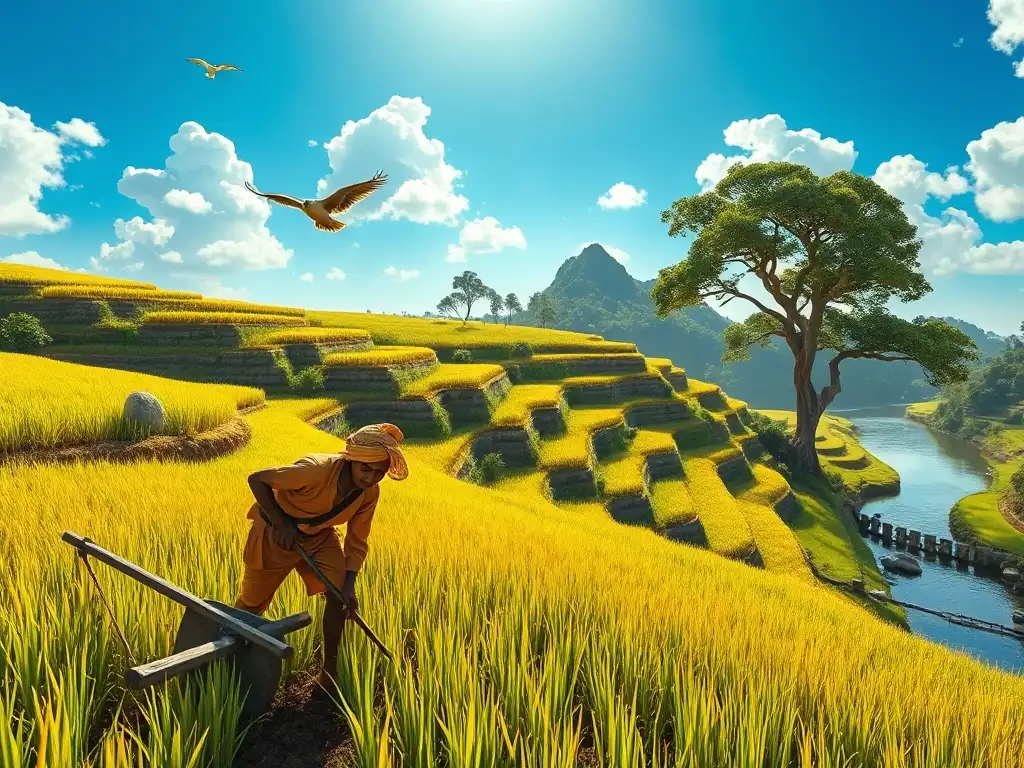
Welcome to Ancient India History, where we embark on a fascinating journey through time to uncover the rich tapestry of ancient Indian civilizations. Today, we delve into the intricate world of ancient Indian agriculture techniques, exploring how these early practices not only shaped the economy but also harmonized with nature. What secrets lie in the fields where our ancestors toiled? How did their innovations influence the course of history? Join us as we unravel these compelling stories and discover the profound impact of agriculture on the flourishing societies of the past. Your exploration begins here!
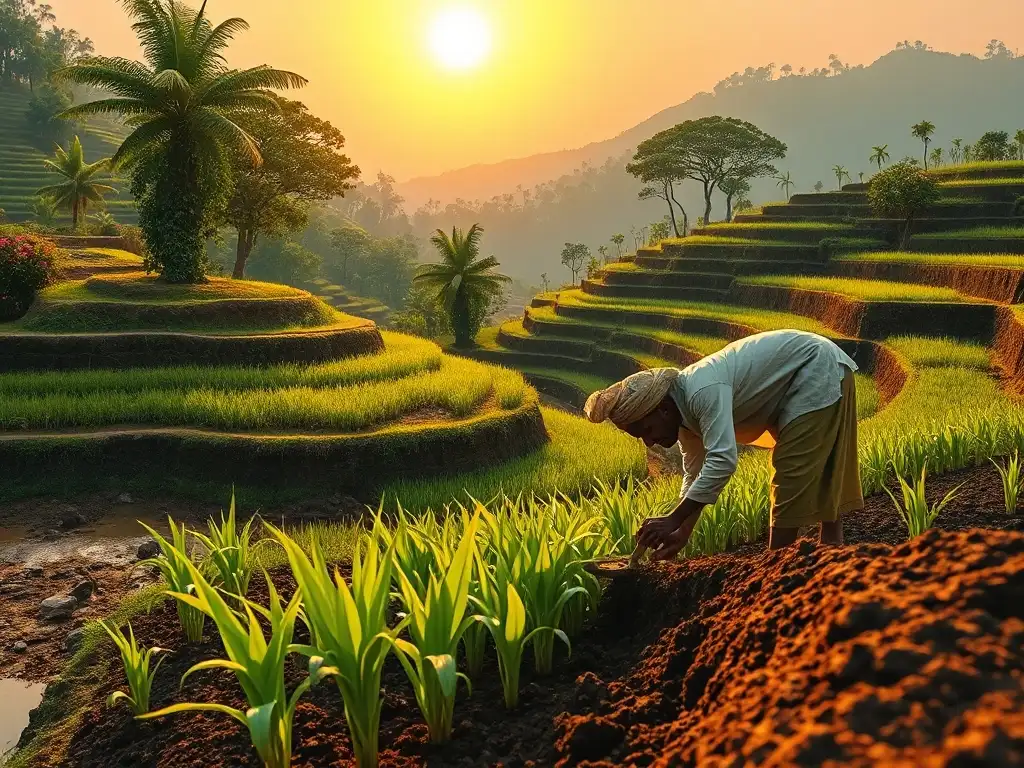
Introduction to Ancient Indian Agriculture Techniques
Ancient Indian agriculture represents a fascinating tapestry woven from the rich traditions, innovations, and environmental adaptations of various civilizations across the subcontinent. From the sophisticated irrigation systems of the Indus Valley Civilization to the crop rotation methods employed during the Gupta Empire, the ancient techniques were not only pivotal for sustaining life but also for fostering economic growth and cultural development. Understanding these ancient Indian agriculture techniques provides insights into how early farmers balanced productivity with ecological stability, ensuring the longevity of their agricultural practices in harmony with nature.
The agricultural practices of ancient India were characterized by a profound respect for the environment. Farmers utilized local resources, maintained soil fertility, and developed diverse cropping systems that were resilient to climatic variations. This article delves into the specific techniques that defined ancient Indian agriculture, emphasizing their contributions to food security, trade, and societal organization.
Historical Context of Agriculture in Ancient India
The roots of agriculture in ancient India can be traced back to the Neolithic era, around 7000 BCE, with the domestication of various grains and livestock. The Indus Valley Civilization (circa 3300–1300 BCE) marked a significant milestone in agricultural development, showcasing advanced techniques such as:
- Irrigation Systems: The civilization developed complex irrigation networks that included canals and wells, allowing for the effective management of water resources in arid regions.
- Crop Diversification: Farmers cultivated a variety of crops, including wheat, barley, and cotton, which not only enhanced dietary variety but also contributed to trade.
- Granaries: Large granaries were constructed to store surplus grain, ensuring food security during lean seasons.
As we progress through history, we observe the Vedic period (circa 1500–500 BCE), where agriculture was closely linked to societal norms and rituals. The introduction of plough agriculture transformed farming practices, leading to increased productivity. The use of iron tools further revolutionized the industry, allowing for more efficient land tillage and crop management.
During the Maurya and Gupta Empires (circa 322 BCE–550 CE), agricultural techniques evolved significantly. The following innovations marked this era:
- Crop Rotation: Farmers began to implement systematic crop rotation, which improved soil fertility and reduced pest infestations.
- Fertilizers: The use of organic fertilizers, such as animal manure and compost, became prevalent, enhancing soil health and crop yields.
- Market Integration: Agricultural surplus led to the establishment of trade networks, connecting rural producers with urban markets.
In this historical context, ancient Indian agriculture not only reflects the ingenuity of its practitioners but also serves as a vital foundation for understanding the socio-economic dynamics of ancient Indian civilization. Through a careful balance of nature and productivity, these techniques laid the groundwork for sustainable agricultural practices that resonate even in contemporary times.
Core Techniques in Ancient Indian Agriculture
Ancient Indian agriculture was characterized by a variety of innovative techniques that balanced productivity with environmental sustainability. Farmers utilized knowledge passed down through generations, adapting their practices to local conditions such as climate, soil type, and water availability. Key techniques included traditional farming methods, crop rotation, intercropping, and the use of organic fertilizers. These methods not only enhanced crop yields but also contributed to the long-term fertility of the land.
Traditional Farming Methods
Traditional farming methods in ancient India were deeply rooted in local customs and ecological considerations. Farmers relied on ploughing with oxen, which allowed them to cultivate the soil effectively while maintaining its structure. The use of hand tools like sickles and hoes facilitated precise planting and harvesting.
In addition to these tools, mixed cropping was a common practice, where different crops were cultivated in the same field. This method reduced the risk of crop failure due to pests or diseases and improved soil health by promoting biodiversity. Specific regions also employed terracing on hilly terrains, which minimized soil erosion and maximized arable land.
Crop Rotation and Intercropping
Crop rotation and intercropping were essential strategies in ancient Indian agriculture that helped maintain soil fertility and reduce pest populations. Crop rotation involved alternating different crops in the same field across seasons. This practice disrupted the lifecycle of pests and diseases that thrive on specific crops, significantly enhancing agricultural resilience.
Intercropping, or growing two or more crops simultaneously in the same field, further optimized land use. For example, planting legumes alongside cereals helped enhance nitrogen levels in the soil through nitrogen-fixing bacteria, enriching the soil naturally. The combination of these techniques not only maximized productivity but also ensured a steady supply of diverse food sources.
Use of Organic Fertilizers
Ancient Indian farmers extensively utilized organic fertilizers to enhance soil fertility and support healthy crop growth. They employed various natural inputs, such as cow dung, compost, and green manure made from cover crops. These organic materials provided essential nutrients, improved soil structure, and increased moisture retention.
The practice of using organic fertilizers also reflected a profound understanding of ecological balance. By avoiding chemical fertilizers, ancient farmers maintained a sustainable farming system that preserved the health of the soil and surrounding environment. This approach not only supported crop productivity but also safeguarded the ecosystem for future generations.
Water Management in Ancient Indian Agriculture
Water management was a critical aspect of ancient Indian agriculture, given the diverse climatic conditions across the subcontinent. Farmers developed sophisticated systems for irrigation and rainwater harvesting, ensuring that their crops received adequate moisture throughout the growing season.
Irrigation Techniques
Ancient Indian civilizations employed various irrigation techniques to optimize water usage. Canals, dams, and wells were commonly constructed to divert water from rivers and lakes to agricultural fields. The Indus Valley Civilization is particularly noted for its advanced irrigation systems, which included an extensive network of canals that supported large-scale agriculture.
Farmers also utilized surface irrigation, where water was allowed to flow over the fields, and subsurface irrigation, which delivered water directly to the roots through underground channels. These techniques ensured efficient water use, especially in regions experiencing irregular rainfall.
Rainwater Harvesting Practices
Rainwater harvesting was another vital practice in ancient Indian agriculture, particularly in arid and semi-arid regions. Farmers constructed check dams and percolation tanks to capture and store rainwater, allowing it to seep into the ground and recharge aquifers. This practice helped mitigate the effects of droughts and ensured a reliable water supply during dry seasons.
The integration of rainwater harvesting into agricultural practices demonstrated a keen awareness of environmental sustainability. By harnessing natural rainfall, ancient farmers minimized dependence on external water sources and maintained the ecological balance of their farming systems.
Crop Diversity and Selection in Ancient India

Ancient Indian agriculture was characterized by a remarkable diversity of crops, which were carefully selected based on regional climates, soil types, and cultural practices. This diversity not only ensured food security but also contributed to the resilience of agricultural systems in ancient India. Farmers practiced crop rotation and intercropping, allowing them to cultivate multiple crops within a single growing season. This practice maximized land productivity and reduced the risk of crop failure due to pest infestations or adverse weather conditions.
The selection of crops was deeply influenced by local traditions and the availability of resources. For instance, in the fertile plains of the Indus Valley, crops like wheat and barley flourished, while in the southern regions, rice became the staple due to the monsoon climate. Additionally, leguminous crops such as lentils and chickpeas were cultivated to enhance soil fertility through nitrogen fixation.
Key Crops Cultivated in Ancient India
Ancient Indian farmers cultivated a variety of crops, each serving unique nutritional and economic purposes. Some of the key crops included:
- Rice: Predominantly grown in the southern regions, rice was a staple food that supported large populations.
- Wheat: A major crop in northern India, wheat was essential for making bread and other food products.
- Barley: Often used for both food and brewing, barley was cultivated in arid and semi-arid regions.
- Millets: Sorghum and pearl millet were popular in dry regions due to their drought-resistant qualities.
- Legumes: Lentils, chickpeas, and pigeon peas were crucial for their protein content and their ability to improve soil health.
These crops were not only vital for sustenance but also played an integral role in trade, contributing to the economic prosperity of ancient Indian civilizations.
The Role of Indigenous Knowledge
Indigenous knowledge played a fundamental role in shaping ancient Indian agriculture. Farmers relied on their extensive understanding of local ecosystems, weather patterns, and soil characteristics to make informed decisions about crop cultivation. Practices such as seed selection, irrigation management, and pest control were deeply rooted in traditional wisdom passed down through generations.
Moreover, ancient texts such as the Arthashastra and Krishi Parashara provided insights into sustainable agricultural practices and the importance of maintaining ecological balance. Techniques such as the use of organic fertilizers, crop rotation, and the preservation of traditional seed varieties illustrate a holistic approach to agriculture that prioritized environmental health.
Challenges Faced by Ancient Indian Agriculture
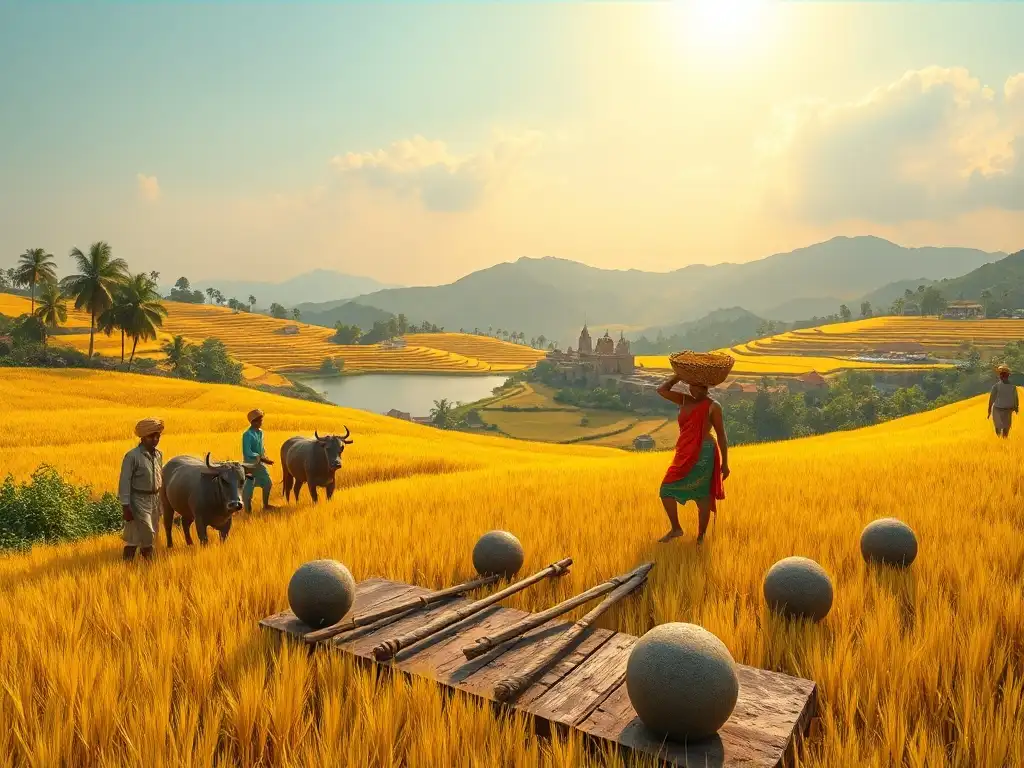
Despite its advancements, ancient Indian agriculture faced numerous challenges that impacted productivity and sustainability. Some of the key challenges included:
- Climate Variability: The dependence on monsoon rains made agriculture vulnerable to fluctuations in weather patterns, leading to droughts or floods that could devastate crops.
- Soil Degradation: Over time, intensive farming practices without adequate soil management led to soil erosion and nutrient depletion, threatening the long-term viability of agricultural lands.
- Pest Infestation and Crop Diseases: Ancient farmers dealt with various pests and diseases that could wipe out entire harvests, necessitating the development of natural pest control methods.
- Political Instability: Changes in political regimes and invasions often disrupted agricultural practices, impacting the livelihoods of farmers and the stability of food supplies.
While ancient Indian agriculture demonstrated impressive techniques and resilience, it was not without its challenges, which required innovative solutions and adaptability from the farming communities.
The Legacy of Ancient Indian Agriculture Techniques
Ancient Indian agriculture techniques have left an indelible mark on the agricultural practices of the region and beyond. The agricultural heritage of India dates back to the Neolithic period, with the Indus Valley Civilization showcasing some of the earliest evidence of organized farming. The inhabitants of this civilization cultivated crops such as wheat, barley, and pulses, employing techniques that demonstrated a deep understanding of the local environment.
The ancient agrarian societies also developed intricate irrigation systems, which played a crucial role in enhancing agricultural productivity. For instance, the use of canals and water reservoirs allowed farmers to manage water supply effectively, especially in arid regions. This innovation not only supported the growth of staple crops but also contributed to the flourishing of trade, as surplus produce could be exchanged.
Furthermore, ancient Indian texts, such as the Arthashastra and various Ayurveda manuscripts, provide insights into crop rotation and soil management practices. These texts emphasized the importance of maintaining soil fertility, highlighting techniques such as fallowing and the use of organic fertilizers. The incorporation of diverse crops in farming systems also demonstrated an understanding of biodiversity and its role in sustaining agricultural productivity.
The legacy of these techniques extends beyond mere historical significance; many of these practices remain relevant today. Modern organic farming movements often draw inspiration from ancient methods, emphasizing sustainability and ecological balance. As contemporary agriculture faces challenges such as climate change and soil degradation, revisiting these time-tested techniques presents opportunities for revitalizing agricultural practices that respect natural ecosystems.
Conclusion: Balancing Nature and Productivity in Agriculture
The exploration of ancient Indian agriculture techniques reveals a profound understanding of the delicate interplay between nature and productivity. By integrating ecological principles into their farming practices, ancient Indian societies demonstrated that agriculture could be both productive and sustainable. This balance was achieved through a combination of innovative irrigation methods, crop diversification, and thoughtful soil management.
The wisdom of ancient Indian agriculture serves as a reminder of the importance of respecting and nurturing the environment while pursuing agricultural advancement. As the world grapples with modern agricultural challenges, the lessons learned from ancient practices could provide invaluable insights for achieving sustainable agricultural development. Emphasizing a holistic approach to farming—one that values soil health, water conservation, and biodiversity—can lead to a more resilient agricultural system that honors the legacy of ancient Indian civilization while ensuring food security for future generations.
By reflecting on these historical techniques and principles, we can strive to create an agricultural landscape that balances productivity with ecological integrity, fostering a sustainable relationship between humanity and nature.
- Introduction to Ancient Indian Agriculture Techniques
- Historical Context of Agriculture in Ancient India
- Core Techniques in Ancient Indian Agriculture
- Water Management in Ancient Indian Agriculture
- Crop Diversity and Selection in Ancient India
- Key Crops Cultivated in Ancient India
- The Role of Indigenous Knowledge
- Challenges Faced by Ancient Indian Agriculture
- The Legacy of Ancient Indian Agriculture Techniques
- Conclusion: Balancing Nature and Productivity in Agriculture
- What are the key features of ancient Indian agriculture techniques?
- How did the Indus Valley Civilization influence agriculture?
- What crops were primarily cultivated in ancient India?
- How did the Gupta Empire contribute to agricultural advancements?
- What role did ancient Indian agriculture play in society?
Frequently Asked Questions
What are the key features of ancient Indian agriculture techniques?
Ancient Indian agriculture techniques are characterized by sustainable practices that emphasized crop rotation, organic fertilizers, and the use of irrigation systems, showcasing a deep understanding of nature.
How did the Indus Valley Civilization influence agriculture?
The Indus Valley Civilization introduced advanced irrigation methods and drainage systems, which significantly improved agricultural productivity and laid the foundation for sustainable farming practices in later periods.
What crops were primarily cultivated in ancient India?
Ancient Indian agriculture focused on a variety of crops, including rice, wheat, barley, and millets, reflecting the region's climatic diversity and the ability to adapt to various environmental conditions.
How did the Gupta Empire contribute to agricultural advancements?
The Gupta Empire is known for promoting agricultural innovation through the introduction of new crops, improved tools, and an emphasis on scientific farming methods, which boosted economic prosperity.
What role did ancient Indian agriculture play in society?
Agriculture was the backbone of ancient Indian society, providing food security, supporting trade, and contributing to the cultural and social development of civilizations, thus ensuring a stable and thriving community.
Final Reflection: Embracing the Wisdom of Ancient Indian Agriculture
The techniques of ancient Indian agriculture hold profound relevance in today's world, where the balance between productivity and sustainability is more critical than ever. As we face the challenges of climate change and food security, the wisdom embedded in these age-old practices serves as a guiding light. The intricate relationship that ancient Indian farmers cultivated with nature is a testament to their understanding of ecological balance, reminding us that sustainable practices are not just a modern trend but a time-honored tradition.
The influence of ancient Indian agriculture techniques extends far beyond historical significance; they resonate deeply within our contemporary cultural and social landscapes. These practices have shaped not only agricultural methods but also community structures, food security, and environmental stewardship. The reverence for nature that these techniques embody is echoed in the words of Mahatma Gandhi: To forget how to dig the earth and to tend the soil is to forget ourselves.
This sentiment underscores the importance of reconnecting with our roots and recognizing the value of sustainable practices that prioritize harmony with the environment.
As we reflect on the lessons of ancient Indian agriculture, I invite you to consider how these principles can be woven into your own life. Take a moment to explore your relationship with nature and the food you consume. Whether it's adopting sustainable gardening practices, supporting local farmers, or simply being mindful of the resources you use, every small action contributes to a larger movement towards sustainability. Let us honor the legacy of ancient wisdom by integrating these timeless techniques into our modern lives, ensuring a healthier planet for future generations.
Rediscover Ancient Wisdom: Embrace Sustainable Practices!
Thank you for exploring the fascinating world of ancient Indian agriculture! You've uncovered valuable insights into how our ancestors balanced nature and productivity in their farming methods. Now, it's time to take action and apply these lessons in our modern lives.
Here are a few practical steps you can take right now:
- Implement sustainable gardening techniques in your own backyard to promote biodiversity and enhance soil health.
- Join a local community garden or agricultural group to collaborate and learn more about traditional practices that could enrich your current cultivation efforts.
- Share your knowledge! Discuss these insights with friends or on social media to inspire others to embrace sustainable practices.
Which ancient agricultural techniques resonate with you the most, and how will you incorporate them into your daily routine?