
The Cultural Impact of Agriculture in Ancient Indian Civilizations


Welcome to Ancient India History, where we invite you to embark on a captivating journey through time, exploring the rich tapestry of ancient Indian civilizations. In our featured article, "The Cultural Impact of Agriculture in Ancient Indian Civilizations," we delve into the profound cultural significance of ancient agriculture—a cornerstone that shaped societal structures, rituals, and daily life.
As you uncover the intricate connections between farming practices and the development of vibrant cultures, you'll discover how these early agricultural innovations laid the foundation for one of the world's greatest civilizations. Join us as we unlock the secrets of the past and reveal the enduring legacy of ancient India's agricultural heritage!
Introduction
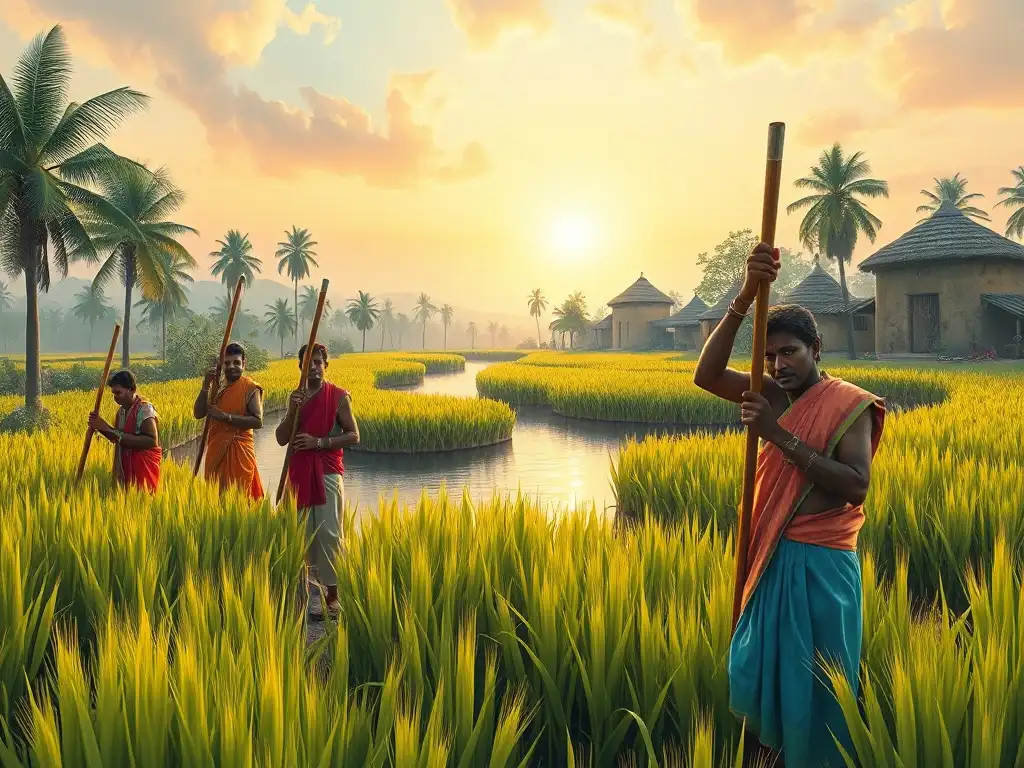
Agriculture has played a pivotal role in shaping the cultural landscape of ancient Indian civilizations. From the fertile plains of the Indus Valley to the agrarian society of the Gupta Empire, farming was not merely an economic activity; it was a foundation upon which communities, social structures, and cultural practices were built.
The cultural significance of ancient agriculture extends beyond the mere cultivation of crops; it influenced religious beliefs, social hierarchies, and even art forms. This article delves into the multifaceted impact of agriculture on ancient Indian civilizations, exploring how farming practices contributed to the development of culture and society.
Overview of Ancient Indian Civilizations
Ancient India was home to several remarkable civilizations, each with its unique contributions to agriculture and culture. Key periods include:
- Indus Valley Civilization (c. 3300–1300 BCE): Known for its advanced urban planning and agricultural practices, this civilization thrived on the banks of the Indus River.
- Vedic Period (c. 1500–500 BCE): Marked by the composition of the Vedas, this era saw the establishment of agrarian societies that integrated spiritual beliefs with farming.
- Maurya and Gupta Empires (c. 322 BCE–550 CE): These empires expanded agricultural practices and promoted trade, leading to significant cultural advancements.
Each of these periods laid the groundwork for India's rich cultural tapestry, with agriculture at its core.
Importance of Agriculture in Cultural Development
Agriculture was crucial for the sustenance and growth of ancient Indian societies. Its significance can be observed in various aspects:
- Economic Stability: Stable food production ensured economic security, allowing societies to flourish and engage in trade.
- Cultural Practices: Agricultural cycles influenced festivals, rituals, and daily life. For example, harvest festivals like Pongal and Makar Sankranti celebrated the abundance of crops.
- Art and Literature: Many ancient texts and artworks reflect agricultural themes, showcasing the reverence for nature and the agrarian lifestyle.
The intertwining of agriculture with cultural practices highlights its role in shaping the identity of ancient Indian societies.
The Role of Agriculture in Ancient Indian Society
Agricultural Practices in the Indus Valley Civilization
The Indus Valley Civilization is renowned for its sophisticated agricultural techniques. Key features included:
- Irrigation Systems: Advanced irrigation methods were employed to manage water resources effectively, enhancing crop yields.
- Crop Diversity: The cultivation of various crops, such as wheat, barley, and cotton, supported a diverse diet and textile industry.
- Urban Planning: Cities like Harappa and Mohenjo-Daro were strategically located near fertile lands, emphasizing the importance of agriculture in urban development.
These practices laid the foundation for agricultural advancements in subsequent periods.
Farming Techniques of the Vedic Period
During the Vedic Period, agriculture evolved significantly, with new techniques and tools introduced:
- Ploughing Techniques: The use of wooden ploughs allowed for more efficient land cultivation, contributing to increased productivity.
- Crop Rotation: Farmers began to practice crop rotation, which improved soil fertility and sustained agricultural output.
- Religious Practices: Agriculture was closely linked to religious rituals, with offerings to deities ensuring bountiful harvests.
These innovations not only improved agricultural efficiency but also reinforced the cultural ties between farming and spirituality.
The Influence of Agriculture on Social Structure
Agriculture significantly influenced the social hierarchy of ancient Indian societies:
- Land Ownership: Control over fertile land often determined social status, with landowners holding power in communities.
- Caste System: The agrarian economy contributed to the emergence of the caste system, where occupations became hereditary, influencing social mobility.
- Community Life: Farming fostered community bonds, with collective activities like sowing and harvesting strengthening social ties and cooperation.
Agriculture was a fundamental force that shaped the social fabric of ancient Indian civilizations, affecting everything from economic structures to cultural identities.
Cultural Significance of Ancient Agriculture
Agriculture was foundational to the development of ancient Indian civilizations, shaping not only economic structures but also social and cultural dynamics. The practice of farming allowed societies to transition from nomadic lifestyles to settled communities, fostering the growth of villages and urban centers. This shift facilitated the emergence of complex social hierarchies, trade networks, and cultural exchanges among diverse groups. The agricultural surplus enabled the specialization of labor, leading to advancements in crafts, trade, and the arts, thus contributing significantly to the cultural tapestry of ancient India.
Moreover, agriculture influenced the ideological frameworks of these societies. The agrarian lifestyle was often intertwined with philosophical and ethical principles, emphasizing harmony with nature and respect for the cycles of life. As a result, ancient Indian agriculture not only provided sustenance but also shaped the identity and values of communities, embedding itself deeply in the cultural consciousness.
Agriculture and Religious Practices in Ancient India
Agriculture in ancient India was closely linked with religious practices and beliefs. The agrarian calendar was marked by various rituals and ceremonies aimed at seeking divine blessings for a bountiful harvest. Major deities associated with fertility and agriculture, such as Indra, the rain god, and Annapurna, the goddess of food, were venerated through elaborate ceremonies.
Communities engaged in agrarian activities often performed rituals to honor the earth and the elements, reflecting their understanding of the interconnectedness of life. For instance, the sowing of seeds was often accompanied by prayers and offerings to ensure the land's fertility. This spiritual dimension of agriculture reinforced the notion that successful farming was not solely a matter of human effort but also required the favor of divine forces.
Festivals Celebrating Agricultural Cycles
Ancient Indian civilizations celebrated numerous festivals that were intrinsically linked to agricultural cycles, marking the transition from one season to another. Festivals such as Pongal in Tamil Nadu and Makar Sankranti in various parts of India symbolize the harvest and the gratitude of farmers for a fruitful season.
These celebrations often included communal feasts, music, dance, and rituals, fostering social cohesion within communities. Such festivals not only acknowledged the hard work of farmers but also served as opportunities for cultural expression and the transmission of traditions. The agricultural calendar thus became a framework for social gatherings and cultural identity, reinforcing the significance of farming in the societal fabric.
Myths and Legends Surrounding Agriculture
Myths and legends surrounding agriculture played a crucial role in shaping the cultural narratives of ancient Indian societies. These stories often illustrated the relationship between humans and nature, emphasizing themes of cooperation, respect, and struggle.
For example, many ancient texts recount the tale of King Prithu, who is said to have coaxed the earth to yield crops, thus establishing the role of agriculture as a divine gift. Such narratives not only celebrated agricultural practices but also provided moral lessons and cultural values that were passed down through generations. These myths contributed to a collective understanding of the importance of agriculture and the reverence afforded to the land and its resources.
Innovations in Agricultural Practices
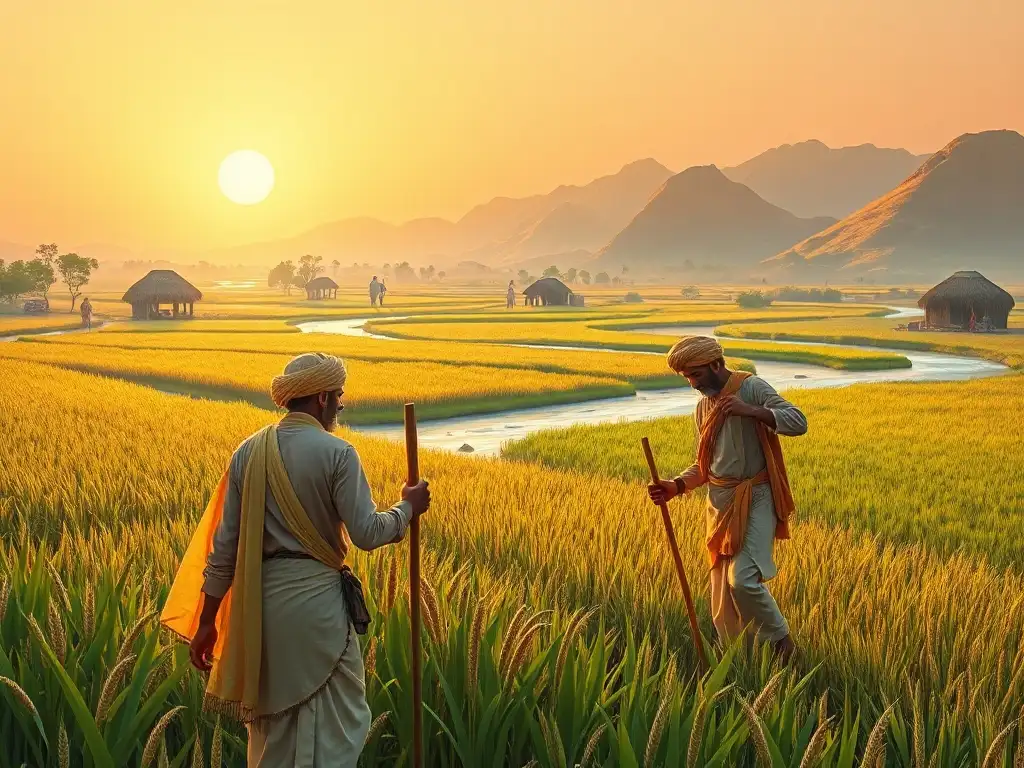
The evolution of agricultural practices in ancient India was marked by significant innovations that enhanced productivity and sustainability. These advancements were not only technological but also reflected an understanding of ecological principles.
By developing techniques that suited the diverse climates and terrains of India, ancient farmers were able to cultivate a wide range of crops and maintain the fertility of the soil. Such innovations laid the groundwork for a resilient agricultural system that supported the growing populations of ancient civilizations.
Advances in Irrigation Techniques
Ancient Indian farmers made remarkable strides in irrigation techniques, which were crucial for enhancing agricultural productivity, especially in regions with erratic rainfall. They constructed elaborate systems of canals, reservoirs, and wells to harness water from rivers and monsoon rains.
For instance, the Indus Valley Civilization is noted for its sophisticated drainage and irrigation systems, which enabled the cultivation of crops in arid areas. These innovations not only improved crop yields but also facilitated the expansion of agricultural land, ultimately supporting larger populations and the growth of urban centers. The emphasis on irrigation reflects a deep understanding of water management, which was vital for agricultural sustainability.
Crop Diversification and Its Cultural Impact
Crop diversification was a key feature of ancient Indian agriculture, allowing communities to adapt to varying climatic conditions and market demands. Farmers cultivated a wide array of crops, including rice, wheat, pulses, and spices, which not only sustained local diets but also facilitated trade.
This diversity had profound cultural implications, as different regions developed unique agricultural practices and culinary traditions. The exchange of crops and agricultural knowledge among communities enriched the cultural landscape of ancient India, leading to a rich tapestry of food practices and culinary heritage that continues to influence Indian cuisine today. Additionally, the cultivation of cash crops like cotton and sugarcane contributed to economic growth and cultural exchanges with neighboring civilizations.
The Use of Tools and Technology in Ancient Farming
The advancement of tools and technology in ancient Indian agriculture played a pivotal role in enhancing efficiency and productivity. Tools such as the plow, sickle, and various hand-held implements were developed to assist in farming activities.
The introduction of iron tools during the later Vedic period significantly improved agricultural practices, allowing for deeper tillage and more effective harvesting. This technological progress facilitated the expansion of cultivated areas and increased food production, which was essential for sustaining growing populations. Furthermore, the use of these tools often reflected local craftsmanship and innovation, embedding technological advancements into the cultural identity of various communities.
Trade and Economy: The Agricultural Backbone
Agriculture played a pivotal role in shaping the trade and economic structures of ancient Indian civilizations. It was not merely a means of sustenance but the backbone of the economy, influencing various facets of daily life, social organization, and cultural development. The surplus generated from agricultural practices allowed for the emergence of trade networks, which facilitated the exchange of goods, ideas, and cultural practices both locally and across regions. This interconnectedness fostered a vibrant economy that was deeply rooted in agricultural productivity.
Agricultural Trade Routes and Their Importance
The establishment of agricultural trade routes was crucial for the dissemination of agricultural products and the growth of commerce in ancient India. Major routes connected various regions, enabling the transport of grains, spices, textiles, and other commodities. The Grand Trunk Road, for instance, played an essential role in linking the eastern and western parts of India, facilitating trade with neighboring civilizations, including the Persians, Greeks, and later, the Romans.
- Key Trade Routes:
- Northwestern routes: Facilitated trade with Central Asia and the Middle East.
- Southern routes: Connected with maritime trade networks, enhancing trade with Southeast Asia and beyond.
The agricultural surplus not only met local consumption needs but also became a significant export, which in turn strengthened the economy and fostered cultural exchanges. The importance of these routes was not just economic; they also contributed to the spread of ideas, religions, and cultural practices.
Economic Contributions of Agriculture to Ancient Civilizations
Agriculture was the primary economic driver in ancient India, providing the foundation for various sectors. The productivity of crops such as rice, wheat, barley, and millet ensured food security and stimulated population growth. This, in turn, allowed for the specialization of labor, leading to advancements in crafts, trade, and services.
- Economic Contributions:
- Wealth Generation: Agricultural surplus led to wealth accumulation among landlords and the ruling classes, fostering social hierarchies.
- Tax Revenue: The agrarian economy provided significant tax revenue for kingdoms, allowing for the funding of public works, military campaigns, and cultural projects.
- Market Development: The rise of marketplaces and trading hubs emerged around agricultural centers, promoting commerce and economic interaction.
The interdependence of agriculture with other economic activities illustrates its centrality in the ancient Indian economy.
The Interconnection Between Agriculture and Urbanization
The rise of agriculture directly influenced urbanization in ancient Indian civilizations. As agricultural practices improved, communities could sustain larger populations, leading to the growth of urban centers. Cities like Harappa and Mohenjo-Daro exemplified this phenomenon, where agrarian surplus supported a burgeoning population, resulting in sophisticated urban planning, architecture, and social organization.
The relationship between agriculture and urbanization can be understood through several facets:
- Resource Allocation: Agricultural productivity allowed for the allocation of resources towards urban development, including infrastructure, sanitation, and housing.
- Cultural Exchange: Urban centers became melting pots of culture, where agricultural surplus facilitated interactions among diverse groups, leading to the flourishing of arts, crafts, and trade.
- Social Structures: The complexities of urban life necessitated more structured governance and social hierarchies, often rooted in agricultural wealth.
The interplay between agriculture and urban growth not only transformed the physical landscape but also shaped the cultural and social fabric of ancient Indian civilizations.
Conclusion
Summary of the Cultural Significance of Ancient Agriculture
The cultural significance of ancient agriculture in India extends beyond mere sustenance; it was a vital force that shaped social structures, economic systems, and cultural practices. The agricultural lifestyle fostered communal living, rituals, and celebrations tied to planting and harvest cycles, reinforcing social bonds and cultural identity. Festivals such as Pongal and Makar Sankranti are modern-day reflections of these ancient agricultural traditions, celebrating the agrarian roots of Indian society.
Lasting Legacy of Ancient Agricultural Practices in Modern India
The legacy of ancient agricultural practices is evident in modern India, where traditional farming methods and cultural practices continue to influence contemporary agricultural systems. Techniques such as crop rotation, water conservation, and organic farming have their roots in ancient practices, showcasing the wisdom and sustainability of early agricultural societies. Moreover, the cultural narratives surrounding agriculture persist, reflecting the deep-seated connection between the land and the people.
The cultural impact of agriculture in ancient Indian civilizations is profound, with lasting implications that resonate in today's agricultural practices and societal values. Understanding this heritage not only enriches our knowledge of ancient India but also informs modern agricultural and cultural policies, ensuring sustainability and cultural preservation for future generations.
- Introduction
- The Role of Agriculture in Ancient Indian Society
- Cultural Significance of Ancient Agriculture
- Innovations in Agricultural Practices
- Trade and Economy: The Agricultural Backbone
- Conclusion
- What was the primary role of agriculture in ancient Indian civilizations?
- How did agriculture influence social structures in ancient India?
- What crops were commonly cultivated in ancient India?
- How did agricultural practices reflect the cultural values of ancient Indian civilizations?
- In what ways did ancient agriculture contribute to India's cultural heritage?
Frequently Asked Questions
What was the primary role of agriculture in ancient Indian civilizations?
Agriculture played a crucial role in the economic stability and cultural development of ancient Indian societies, supporting both sustenance and trade.
The practice of agriculture led to the formation of settlements, which in turn gave rise to complex social hierarchies and community cooperation.
What crops were commonly cultivated in ancient India?
Ancient Indian farmers cultivated a variety of crops, including rice, wheat, and barley, which were integral to both diet and trade.
How did agricultural practices reflect the cultural values of ancient Indian civilizations?
Agricultural practices were often intertwined with religious beliefs and festivals, showcasing the spiritual significance of farming in daily life.
In what ways did ancient agriculture contribute to India's cultural heritage?
The innovations in agriculture led to technological advancements and the establishment of trade routes, greatly enriching India's cultural tapestry and legacy.
Final Reflection: The Enduring Legacy of Ancient Agriculture
The cultural significance of ancient agriculture resonates profoundly in today's world, as it laid the foundational principles of community, sustainability, and innovation. The agricultural practices of ancient Indian civilizations not only shaped their societies but also influenced the broader cultural tapestry of humanity. As we navigate the complexities of modern life, the lessons from these ancient practices remind us of the interconnectedness of our existence and the importance of nurturing our environment.
The impact of ancient agriculture continues to echo through our cultural and social landscapes, shaping our values and traditions. From the rituals surrounding harvests to the communal gatherings that celebrate agricultural milestones, these practices have woven a rich narrative that persists in contemporary society. Agriculture is the foundation of civilization and any stable economy.
This quote encapsulates the essence of how agricultural practices have not only sustained populations but also fostered cultural identity and continuity.
As we reflect on the profound lessons of ancient agriculture, I invite you to consider how these insights can be applied in your own life. Embrace the principles of sustainability, community, and respect for nature that were central to ancient agricultural societies. Let us honor their legacy by cultivating a deeper connection with our food sources, supporting local agriculture, and fostering a sense of community that echoes through time. Together, we can ensure that the cultural significance of ancient agriculture continues to inspire future generations.
Explore the Rich Harvest of Ancient Indian Culture!
Thank you for diving into the fascinating world of agriculture and its profound impact on ancient Indian civilizations! Your interest helps keep the legacy of these cultures alive and thriving. Now that you’ve uncovered the key insights from the article, it's time to take action and deepen your connection with this vital aspect of history.
Here are some ways you can continue your journey:
- Immerse Yourself: Visit a local museum or exhibit that showcases ancient agricultural tools or practices to experience history firsthand!
- Join the Conversation: Share your thoughts and insights on social media or in the comments section below. Connect with fellow enthusiasts about how agriculture shaped not just the economy but also cultural identities throughout history.
- Expand Your Knowledge: Look for additional articles and resources on ancient Indian societies—each piece of history enriches our understanding of the present.
What aspect of ancient Indian agriculture intrigues you the most, and how do you think it influences modern practices in today's world?