
The Importance of Agriculture in the Maurya and Gupta Empires

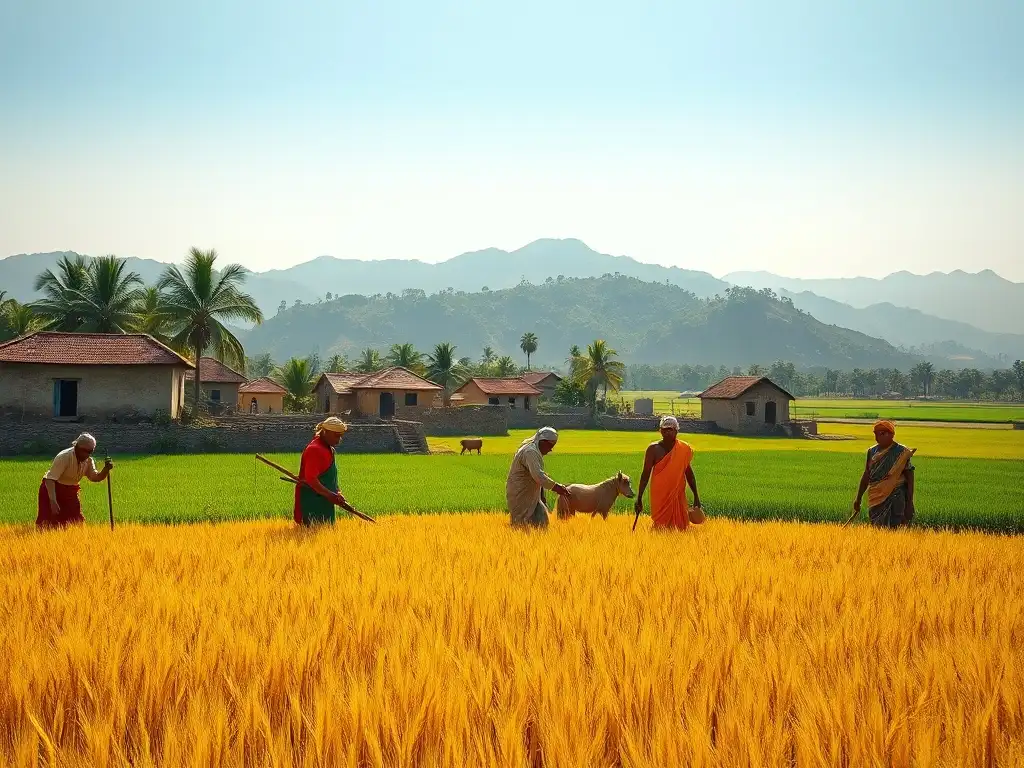
Welcome to Ancient India History, where we embark on a fascinating journey through the rich tapestry of ancient Indian civilizations. Have you ever wondered how agriculture shaped the very foundations of society during the Maurya and Gupta Empires? In our featured article, "The Importance of Agriculture in the Maurya and Gupta Empires," we delve into the crucial role that farming played in sustaining economies, fostering cultural advancements, and influencing daily life.
Prepare to uncover the layers of agricultural practices that not only fed a burgeoning population but also cultivated the seeds of innovation and prosperity. Join us as we explore this pivotal aspect of ancient history—your adventure into the past starts here!

Agriculture served as the backbone of the economy in ancient India, particularly during the illustrious periods of the Maurya and Gupta Empires. The significance of agriculture in ancient India goes beyond mere sustenance; it was intricately linked to social structure, trade, and cultural development.
The Maurya Empire (322-185 BCE) and the Gupta Empire (c. 240-550 CE) flourished due to innovative agricultural practices and a robust agrarian economy that supported their vast populations and complex societies. Understanding the importance of agriculture in ancient India not only sheds light on the economic strategies of these empires but also illustrates how agriculture influenced social hierarchies, urbanization, and trade networks.
Introduction to Agriculture in Ancient India
Agriculture in ancient India has a rich history that dates back to the Neolithic period. By the time of the Maurya and Gupta Empires, agricultural practices had evolved significantly, employing various techniques and tools that enhanced productivity. The fertile plains of the Indus Valley and the Gangetic basin became the cradle of agricultural innovation, allowing diverse crops to flourish. The agrarian lifestyle was not merely a means of survival; it fostered community ties and laid the foundation for trade and cultural exchange.
Overview of Agricultural Practices in Ancient India
The agricultural practices of ancient India were characterized by a variety of techniques that adapted to the local geography and climate. Key features included:
- Crop Rotation: Farmers practiced rotating crops to maintain soil fertility.
- Irrigation Systems: The development of canals and wells allowed for enhanced irrigation, facilitating agricultural activities even during drier months.
- Use of Plows: The introduction of wooden plows improved tillage and efficiency in farming.
These practices laid the groundwork for a thriving agrarian society, enabling the growth of urban centers and complex economies.
Significance of Agriculture in the Maurya and Gupta Empires
The Maurya and Gupta Empires recognized agriculture as a crucial element of their economic framework. It provided:
- Food Security: A stable food supply was essential for sustaining large populations and armies.
- Tax Revenue: Agricultural production generated significant tax income, which funded administrative and military expenditures.
- Trade: Surplus crops facilitated trade both within the empires and with neighboring regions, enhancing economic prosperity.
The emphasis on agricultural development played a critical role in the stability and expansion of both empires, making it a focal point of their economic strategies.
The Role of Agriculture in the Maurya Empire
The Maurya Empire exemplified the importance of agriculture in maintaining a powerful state. Under the reign of Chandragupta Maurya and his grandson Ashoka, agricultural practices were further refined and systematically organized.
Agricultural Innovations During the Maurya Period
During the Maurya period, several innovations were introduced that significantly improved agricultural efficiency:
- Improved Seed Varieties: Selection of high-yield varieties helped increase crop production.
- Water Management: Advanced irrigation techniques, including the construction of reservoirs, maximized water usage.
These innovations not only boosted agricultural output but also stimulated economic growth and stability.
Major Crops Cultivated in the Maurya Empire
The Maurya Empire was known for cultivating a variety of crops, including:
- Rice: A staple food crop, crucial for sustenance.
- Wheat: Another important grain that formed the basis of the diet.
- Pulses: Legumes such as lentils and chickpeas were also widely grown, providing essential proteins.
These crops were vital for the diet of the Mauryan populace and contributed to the empire's economic strength.
The Economic Impact of Agriculture on Mauryan Society
Agriculture had a profound impact on the social and economic structure of Mauryan society. The agrarian economy supported:
- Urbanization: Growth in agricultural productivity led to the rise of urban centers, where trade and crafts flourished.
- Social Stratification: A class of landowners emerged, contributing to a more complex social hierarchy based on wealth derived from agricultural production.
- Cultural Developments: Agricultural festivals and rituals played a significant role in the cultural life of the Mauryan people, reflecting the deep connection between agriculture and society.
The importance of agriculture in ancient India, particularly during the Maurya and Gupta Empires, cannot be overstated. It was a vital driver of economic stability, social organization, and cultural richness, ultimately shaping the trajectory of India's historical development.
The Role of Agriculture in the Gupta Empire
Agriculture played a pivotal role in the Gupta Empire, significantly influencing its economy and society. The period, often referred to as the Golden Age of India, saw a thriving agrarian economy that supported urbanization, trade, and cultural advancements. The majority of the population was engaged in farming, which provided not only sustenance but also surplus produce that facilitated trade both locally and with distant regions.
The Gupta rulers implemented policies that promoted agricultural productivity, including land grants and irrigation projects. These initiatives led to increased crop yields and the establishment of a more structured agrarian system. The emphasis on agriculture was not merely for subsistence; it was integral to the social stratification and wealth accumulation within the empire. As a result, agriculture became a cornerstone of Gupta identity and economic strength, allowing the empire to flourish culturally and intellectually.
Advancements in Agricultural Techniques During the Gupta Era
The Gupta Empire witnessed notable advancements in agricultural techniques, which were crucial for enhancing productivity. Farmers began to adopt more sophisticated tools and methods, such as the use of iron plows and improved irrigation systems. These innovations allowed them to cultivate a wider variety of crops and utilize previously uncultivated land effectively.
Irrigation techniques, including the construction of canals and reservoirs, were significantly refined during this period. The establishment of these systems not only improved water management but also enabled farmers to grow crops in regions that were previously limited by seasonal rains. Crop rotation and mixed cropping were also practiced more extensively, contributing to soil fertility and reducing the risk of crop failure.
Additionally, the application of organic fertilizers, such as compost and animal manure, became more common, further boosting agricultural output. These advancements laid the foundation for agricultural practices that would influence subsequent generations.
Key Crops and Agricultural Products in the Gupta Empire
The Gupta Empire was characterized by a diverse array of agricultural products, which were vital for both sustenance and trade. Key crops included rice, wheat, barley, and pulses, which formed the staple diet of the population. The fertile plains of the Ganges and other river valleys provided ideal conditions for these crops to flourish.
In addition to staples, the Gupta farmers also cultivated cash crops such as cotton, sugarcane, and various spices, which were highly sought after in both domestic and international markets. The production of textiles, particularly cotton, became a significant economic activity, with the empire known for its quality fabrics.
The trade in agricultural products not only bolstered the local economy but also positioned the Gupta Empire as a key player in international trade routes, facilitating cultural exchange and economic prosperity.
Contribution of Agriculture to Gupta Economic Prosperity
Agriculture was the backbone of the Gupta economy, contributing significantly to its overall prosperity. The surplus generated from agricultural production allowed for trade expansion, urban development, and the flourishing of various crafts and industries. With a stable food supply, the population could grow, leading to increased demands for goods and services.
Moreover, agriculture provided the revenue necessary for the state to fund public works, maintain a standing army, and support the arts and education. The wealth generated from agriculture enabled the Gupta rulers to invest in infrastructure, such as roads and irrigation systems, further enhancing agricultural efficiency and economic stability.
The interdependence between agriculture and other sectors of the economy fostered a vibrant marketplace, where agricultural products could be exchanged for manufactured goods, thus stimulating further economic growth and cultural development.
Comparison of Agricultural Practices: Maurya vs. Gupta Empires
The Maurya and Gupta Empires, although separated by time and differing socio-political contexts, shared several similarities and differences in their agricultural practices that defined their economic landscapes.
Similarities in Agricultural Techniques and Innovations
Both the Maurya and Gupta Empires recognized the critical importance of agriculture in sustaining their economies. They employed similar agricultural techniques, such as the use of plowing and crop rotation, which were essential for maximizing land use and improving yield. The cultivation of rice, wheat, and pulses was prevalent in both empires, reflecting a shared agrarian culture.
Additionally, both empires invested in irrigation systems to enhance crop production. The Mauryas had initiated some of these developments, which the Guptas later expanded upon, utilizing advanced engineering techniques to create extensive canal systems that improved water distribution.
Differences in Agricultural Policies and Practices
While both empires valued agriculture, their policies differed significantly. The Maurya Empire, particularly under Ashoka, implemented a more centralized approach to agriculture, promoting state control over land and resources. This often involved taxation policies that directly influenced agricultural production and distribution.
In contrast, the Gupta Empire adopted a more decentralized approach, allowing local rulers and village councils to manage agricultural practices. This shift led to greater autonomy for farmers and encouraged innovation, as local communities tailored their agricultural practices to suit specific environmental conditions.
The Impact of Geographic and Climatic Factors on Agriculture
Geographic and climatic factors played a crucial role in shaping agricultural practices in both empires. The Maurya Empire, which spanned a vast territory, dealt with a diverse range of climates and topographies. This diversity necessitated varied farming techniques and crop choices, from the arid regions of the Deccan plateau to the fertile plains of the Ganges.
The Gupta Empire, while benefiting from similar geographic advantages, experienced a more stable climatic condition that allowed for improved agricultural productivity. The predictable monsoon rains facilitated the cultivation of multiple crops in a year, which was less feasible during the Mauryan period due to fluctuations in weather patterns.
Overall, while both empires were deeply rooted in agrarian practices, the evolution of these practices was significantly influenced by their respective governance styles, geographic conditions, and climatic factors.
The Socio-Cultural Importance of Agriculture
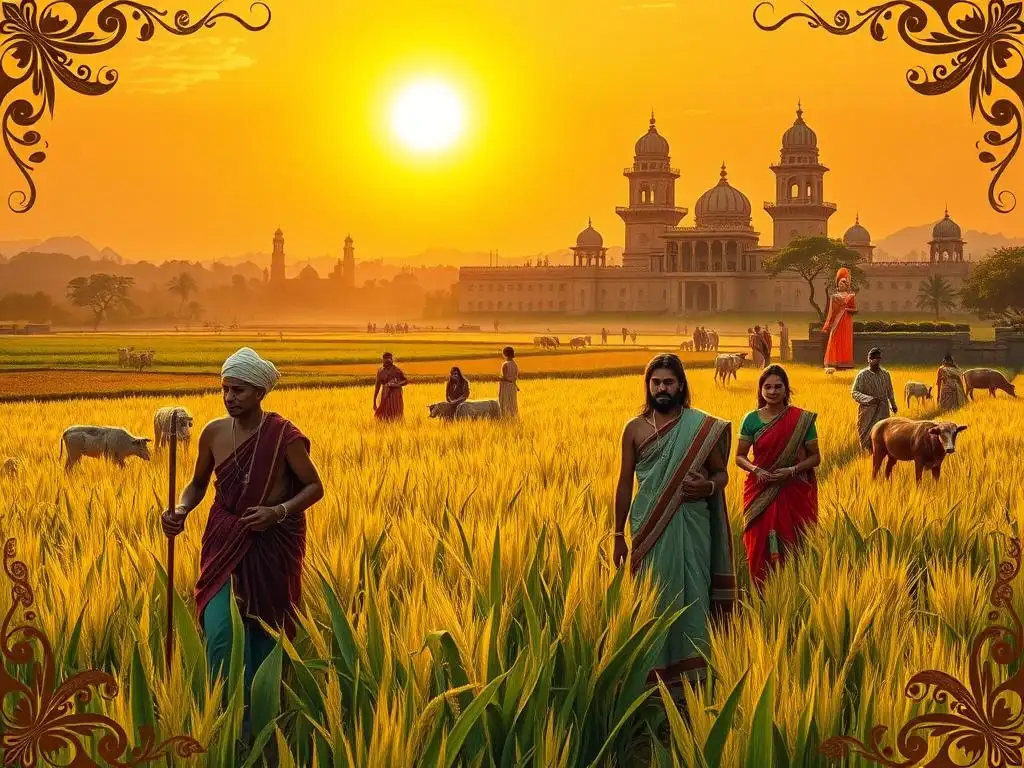
Agriculture in ancient India was not merely an economic activity; it played a pivotal role in shaping the social and cultural fabric of the Maurya and Gupta Empires. The agrarian lifestyle influenced various aspects of daily life, including social structures, community interactions, and cultural practices, which contributed to the overall identity of these civilizations.
Agriculture's Influence on Society and Culture in Ancient India
The agrarian economy significantly influenced societal structures in ancient India. Villages, primarily agrarian in nature, became the backbone of the economy, fostering a sense of community and collective responsibility among their inhabitants. The organization of labor, rituals surrounding planting and harvesting, and the distribution of agricultural produce created intricate social networks. Additionally, agrarian festivals such as Makar Sankranti and Pongal celebrated the harvest season, highlighting the cultural significance of agriculture.
The wealth generated from agriculture also enabled the rise of various social classes, including landowners, peasants, and laborers, each contributing to the socio-economic dynamics of the time. The prosperity derived from agriculture allowed for the patronage of arts, literature, and education, leading to advancements in culture and scholarship.
The Role of Agriculture in Religious and Ritual Practices
Agriculture was deeply embedded in the religious and ritual practices of ancient Indian societies. Various deities were worshiped for their blessings on crops, including fertility gods such as Parvati and agricultural deities like Goddess Annapurna. Rituals and ceremonies were conducted to ensure bountiful harvests, reflecting the agrarian society's reliance on successful crop production for sustenance.
Rituals such as "Kharif" and "Rabi" harvest festivals were integral to community life, serving not only as religious observances but also as opportunities for social bonding and cultural expression. These practices reinforced the connection between agriculture and spirituality, underscoring its importance in the daily lives of individuals.
Agriculture and Its Contribution to Population Growth
The agricultural advancements during the Maurya and Gupta Empires significantly contributed to population growth. Improved agricultural techniques, such as crop rotation and the use of iron tools, led to increased food production. The surplus of food not only supported larger populations but also reduced famine risks, encouraging migration and urbanization.
This growth in population facilitated the development of cities and trade, further embedding agriculture as a critical component of the economy. The population density increased the labor force available for agricultural activities, thereby enhancing productivity and sustaining the socio-economic structure of the empires.
Challenges Faced by Agriculture in Ancient India
Despite its importance, agriculture in ancient India faced numerous challenges that threatened its sustainability and productivity. These challenges were multifaceted, encompassing environmental, socio-political, and technological factors that required strategic responses.
Environmental Challenges and Their Impact on Crop Production
Environmental conditions posed significant hurdles to agricultural success. Monsoon patterns were often unpredictable, leading to either droughts or floods, which could devastate crops. Soil fertility was another concern, as over-cultivation and insufficient crop rotation led to nutrient depletion.
The reliance on rain-fed agriculture made farmers vulnerable to climatic variations. Ancient texts such as the Arthashastra by Kautilya highlight the importance of irrigation systems, indicating awareness of these environmental challenges and the need for solutions to maintain agricultural productivity.
Socio-Political Factors Affecting Agriculture in the Empires
The socio-political landscape also influenced agricultural practices. Land tenure systems, taxation policies, and military campaigns could disrupt farming activities. Heavy taxation imposed by rulers could lead to peasant unrest and reduce agricultural output, as farmers found it challenging to sustain their livelihoods under economic pressures.
Additionally, constant warfare between empires and rival states often resulted in the destruction of agricultural land and displacement of communities, further complicating food production and stability.
Solutions and Innovations to Overcome Agricultural Challenges
To overcome these challenges, both the Maurya and Gupta Empires implemented various agricultural innovations and solutions. The introduction of advanced irrigation techniques, including canals and wells, helped mitigate the impact of erratic monsoon patterns, allowing for more reliable crop production.
The use of crop rotation and intercropping practices improved soil fertility and reduced pest infestations, leading to enhanced yields. Additionally, the establishment of agricultural advisory systems, as suggested in texts like the Arthashastra, aimed to educate farmers about best practices and innovations, fostering a more resilient agricultural framework.
By addressing environmental and socio-political challenges through innovation and strategic planning, ancient Indian civilizations were able to sustain and advance their agricultural practices, laying the foundation for their economic prosperity.
Conclusion: The Lasting Legacy of Agriculture in Ancient India
The agricultural practices and innovations developed during the Maurya and Gupta Empires laid the groundwork for India's subsequent economic and cultural evolution. These empires recognized agriculture not merely as a means of sustenance but as a pivotal element of their economic systems. The extensive cultivation of crops such as rice, wheat, and pulses, coupled with advancements in irrigation and farming techniques, significantly boosted agricultural productivity. This increase in food production supported a growing population and facilitated urbanization, trade, and the establishment of complex societal structures.
The legacy of ancient agricultural practices can be seen in the diverse farming methods still employed in modern India. The emphasis on crop rotation, seasonal planting, and the use of organic fertilizers has its roots in the agrarian knowledge of these empires. Furthermore, ancient texts and treatises on agriculture from this period continue to influence contemporary agricultural practices, highlighting the importance of sustainable farming and resource management. The agricultural heritage established during the Maurya and Gupta Empires remains a testament to the ingenuity and adaptability of ancient Indian civilizations.
Summary of the Importance of Agriculture in the Maurya and Gupta Empires
Agriculture was the backbone of the Maurya and Gupta Empires, underpinning their economies and sustaining their populations. During these periods, agricultural advancements led to:
- Increased Crop Yields: Innovations in plowing, irrigation, and the introduction of new crop varieties enhanced agricultural productivity.
- Economic Stability: A strong agricultural sector provided the necessary resources to support trade, taxation, and the overall economy.
- Social Structure: The agrarian economy fostered a complex social hierarchy where landowners, peasants, and laborers played distinct roles, contributing to the stability of the empires.
- Cultural Development: Agricultural festivals, rituals, and practices were deeply woven into the cultural fabric, influencing art, literature, and social customs.
This holistic view of agriculture's role highlights its critical importance in shaping the political, economic, and cultural landscapes of ancient India.
Reflection on Agricultural Contributions to Modern Indian Society
The agricultural practices established during the Maurya and Gupta Empires have profoundly influenced modern Indian society. The emphasis on sustainable practices, crop diversity, and community-based agriculture can be traced back to these ancient traditions. The following points illustrate this connection:
- Sustainable Farming Practices: Many traditional farming techniques, such as organic farming and integrated pest management, reflect the methods used in ancient times, promoting environmental sustainability.
- Community Engagement: The cooperative agricultural practices observed during the Maurya and Gupta periods resonate with modern initiatives aimed at empowering local farming communities through shared resources and knowledge.
- Culinary Heritage: The diverse crops cultivated during these empires have enriched Indian cuisine, with many traditional dishes stemming from the agricultural practices of ancient India.
By reflecting on these contributions, we recognize that the agricultural innovations of the Maurya and Gupta Empires continue to play a vital role in shaping contemporary India's agricultural landscape and food culture.
Further Reading and Resources
For those interested in exploring the agricultural history of ancient India further, several resources provide in-depth insights and analyses.
Suggested Books on Ancient Indian Agriculture
- "Agrarian History of India: From the Earliest Times to the Present Day": by D.N. Jha
- "The Economic History of India: 1857-1947": by Romesh Dutt
- "Ancient Indian Agriculture: A Study in Historical Perspective": by P.K. Mishra
These books offer comprehensive overviews of agricultural practices, economic structures, and the socio-political implications of farming in ancient Indian civilizations.
Online Resources for Exploring Agricultural History in Ancient India
- Digital India Initiative: A portal offering access to various historical documents and research related to ancient Indian agriculture.
- Archaeological Survey of India (ASI): Provides information on archaeological findings that shed light on ancient agricultural practices.
- National Agricultural Research System (NARS): Features research articles and papers on the evolution of agriculture in India, including its ancient roots.
These online resources serve as valuable tools for anyone looking to deepen their understanding of the importance of agriculture in ancient India and its lasting impact on modern society.
- Introduction to Agriculture in Ancient India
- The Role of Agriculture in the Maurya Empire
- The Role of Agriculture in the Gupta Empire
- Comparison of Agricultural Practices: Maurya vs. Gupta Empires
- The Socio-Cultural Importance of Agriculture
- Challenges Faced by Agriculture in Ancient India
- Conclusion: The Lasting Legacy of Agriculture in Ancient India
- Further Reading and Resources
- What role did agriculture play in the Maurya Empire?
- How did the Gupta Empire improve agricultural practices?
- What crops were primarily cultivated in ancient India?
- How did agriculture influence social structure in ancient India?
- What were the economic impacts of agriculture in ancient Indian civilizations?
Frequently Asked Questions
What role did agriculture play in the Maurya Empire?
Agriculture was the foundation of the Maurya Empire's economy, providing food and resources for the population and supporting trade activities.
How did the Gupta Empire improve agricultural practices?
The Gupta Empire introduced innovative techniques and tools, significantly enhancing productivity and leading to economic prosperity during this period.
What crops were primarily cultivated in ancient India?
Farmers primarily cultivated cereals, pulses, and spices, with rice and wheat being the most significant staples that supported the population's needs.
Agriculture contributed to a hierarchical society, where landowners held power, while peasants formed the backbone of the economy through their agricultural labor.
What were the economic impacts of agriculture in ancient Indian civilizations?
The agricultural surplus enabled trade, supported urbanization, and fostered cultural development, making it a crucial element in the growth of ancient Indian civilizations.
Final Reflection: The Enduring Legacy of Agriculture in Ancient India
The importance of agriculture in ancient India resonates powerfully in today's world, reminding us of the foundational role that farming has played in shaping civilizations. The Maurya and Gupta Empires thrived due to their agricultural advancements, which not only supported their economies but also fostered cultural and social development. This historical context underscores a striking reality: the roots of modern society are deeply intertwined with the agricultural practices of our ancestors.
The influence of agriculture in these ancient empires is not merely a relic of the past; it continues to shape our cultural and social landscapes today. As we navigate contemporary challenges such as food security and sustainable practices, the lessons learned from the agricultural innovations of the Maurya and Gupta periods remain profoundly relevant. Agriculture is the foundation of civilization and any stable economy.
This quote encapsulates the enduring significance of agriculture, reminding us that the cultivation of land is not just about food production but also about nurturing communities and cultures.
As you reflect on the importance of agriculture in ancient India, consider how these lessons can be applied in your own life. How can you contribute to sustainable practices in your community? Whether through supporting local farmers, advocating for sustainable agriculture, or simply being mindful of your consumption choices, each action can echo the wisdom of the past. Embrace the opportunity to cultivate not just crops, but also a deeper understanding of our interconnectedness with the land and each other.
Cultivate Your Knowledge: Dive Deeper into Ancient Agriculture!
Thank you for exploring the vital role of agriculture in the Maurya and Gupta Empires! Your interest enriches our understanding of ancient civilizations and their innovations. Now, it’s time to take that curiosity a step further:
- Join a local history group or an online forum to share insights and learn more about ancient agricultural practices.
- Visit a nearby museum that features exhibits on ancient cultures—be sure to explore sections dedicated to agriculture and its impact on society!
- Share this article with friends or on social media to spark discussions about how agriculture shaped our world, and invite others to share their thoughts.
What aspect of ancient agriculture intrigues you the most? Is it the innovative techniques used, the diverse crops harvested, or the profound impact on society? Let's explore this fascinating topic together!