
The Ingenious Irrigation Systems of the Indus Valley: How They Transformed Agriculture

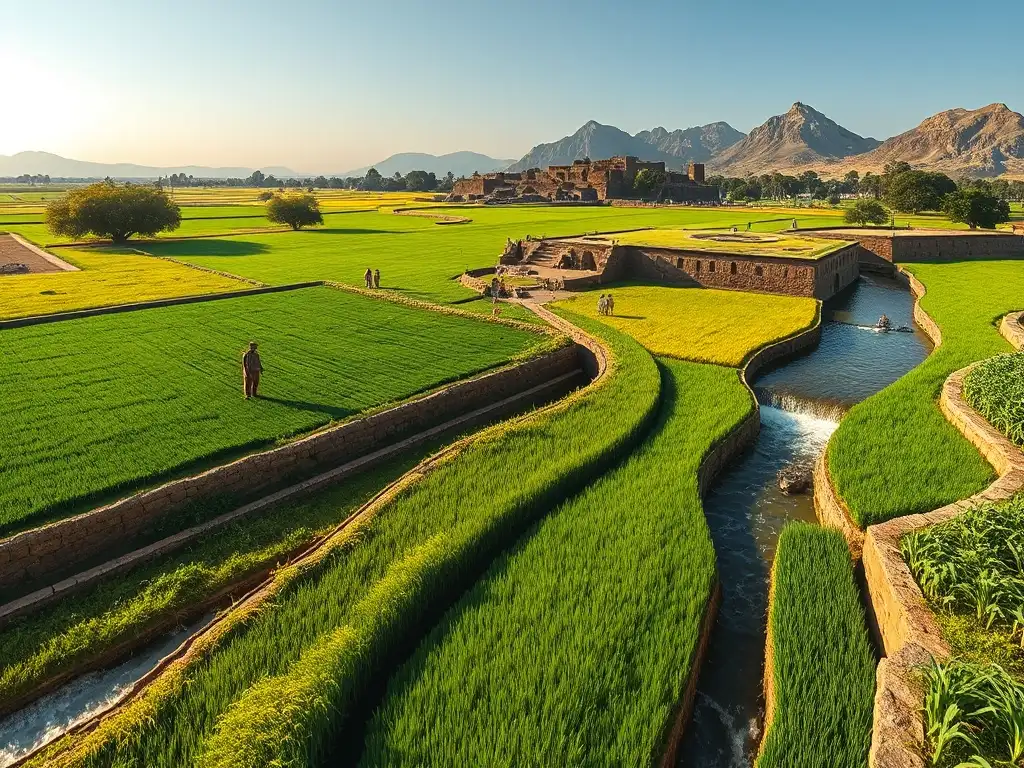
Welcome to Ancient India History, where we embark on a captivating journey through the remarkable tapestry of ancient Indian civilizations. In this exploration, we delve into the Ingenious Irrigation Systems of the Indus Valley, uncovering how these innovative techniques transformed agriculture and laid the foundation for a flourishing economy. As you navigate through our insights, prepare to be amazed by the architectural brilliance and environmental foresight of the Indus Valley people. Join us as we unveil the secrets of their agricultural mastery and its lasting impact on civilization. Your adventure into the depths of history begins now!
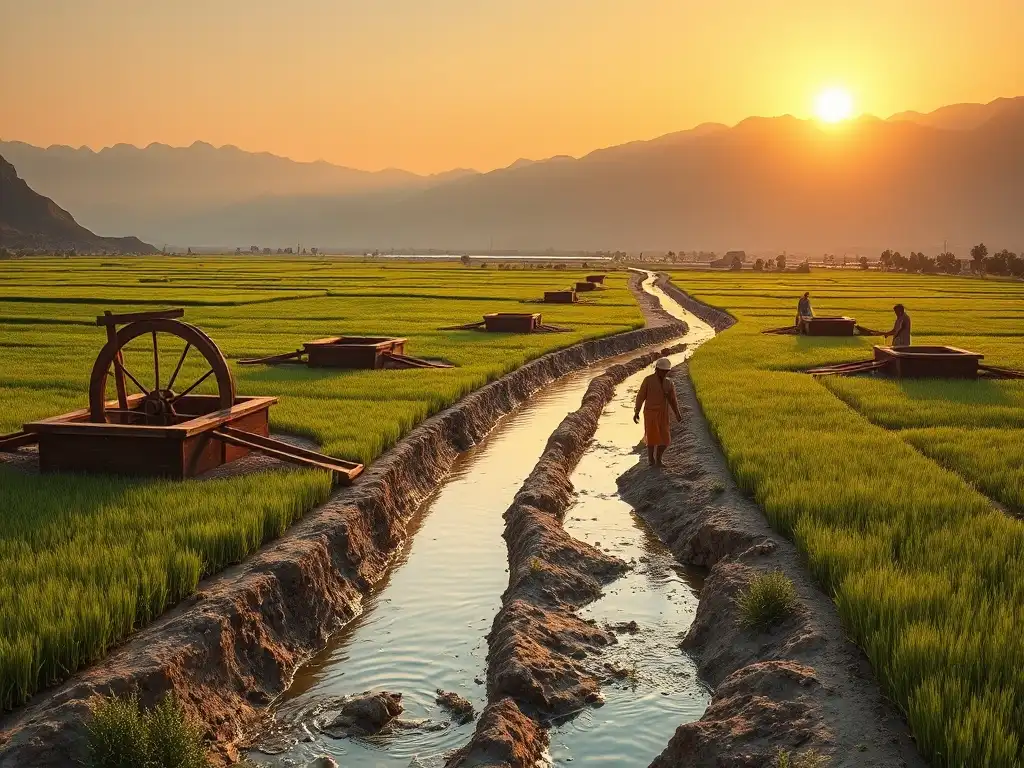
Introduction to Indus Valley Irrigation Systems
The Indus Valley Civilization, one of the world's earliest urban cultures, flourished between approximately 3300 and 1300 BCE in what is now Pakistan and northwest India. This remarkable civilization is renowned not only for its advanced urban planning and architecture but also for its sophisticated agricultural practices. At the heart of these practices were the ingenious irrigation systems that transformed agriculture in the region.
The effective use of water resources allowed the Indus Valley inhabitants to cultivate a variety of crops, ensuring food security and supporting a growing population. This article delves into the intricacies of Indus Valley irrigation systems, exploring their design, implementation, and the profound impact they had on the agriculture of ancient India.
Overview of the Indus Valley Civilization
The Indus Valley Civilization, often referred to as the Harappan Civilization, spanned a vast area of around 1.25 million square kilometers. It encompassed major urban centers such as Harappa and Mohenjo-Daro, which showcased remarkable urban planning, including grid layouts, sophisticated drainage systems, and standardized fired-brick structures.
- Key Features:
- Urban Planning: Cities were meticulously planned with well-defined streets and advanced drainage systems.
- Trade and Economy: The civilization had a thriving trade network, exporting goods such as textiles, beads, and metals.
- Cultural Aspects: The people of the Indus Valley practiced a rich culture, evidenced by their artifacts, seals, and potential religious practices.
Importance of Agriculture in Ancient India
Agriculture was the backbone of the Indus Valley economy, providing sustenance and supporting the growth of urban centers. The fertile plains of the Indus River facilitated the cultivation of various crops, including wheat, barley, peas, and cotton. This agricultural abundance not only fed the population but also generated surplus produce, which could be traded, thereby enhancing economic stability.
- Crops Cultivated:
- Wheat and Barley: Staples that formed the diet of the civilization.
- Cotton: Evidence suggests the Indus Valley people were among the first to cultivate cotton for textiles.
- Legumes: Various pulses were grown, contributing to dietary diversity.
Historical Context of Irrigation in the Indus Valley
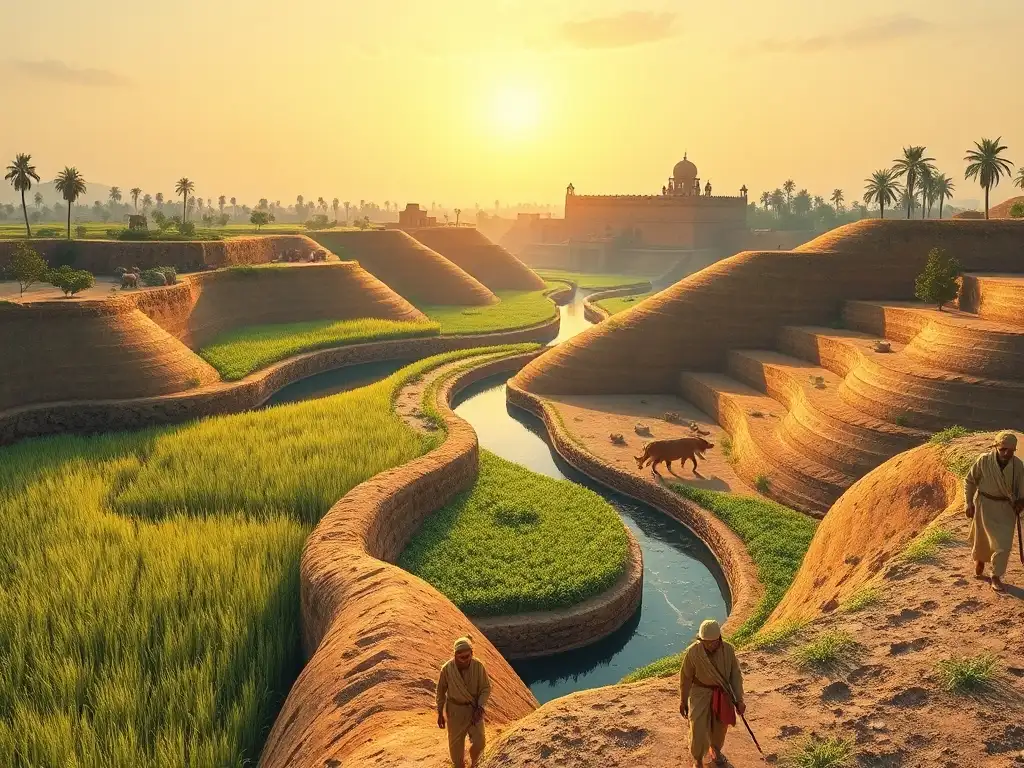
The development of irrigation systems in the Indus Valley was a pivotal factor in the advancement of agriculture. Early settlers recognized the importance of harnessing water from the Indus River and its tributaries to meet their agricultural needs.
Early Agricultural Practices in the Indus Valley
Before the advent of sophisticated irrigation, early agricultural practices included shifting cultivation and rain-fed agriculture. However, as the population grew and demand for food increased, the need for a more reliable water supply became evident.
- Shifting Cultivation: Early farmers rotated fields to maintain soil fertility.
- Rain-fed Agriculture: Relied on seasonal rains, which were unpredictable.
The Development of Irrigation Techniques
To address the challenges of agriculture in a semi-arid region, the people of the Indus Valley devised innovative irrigation techniques. These systems included:
- Canal Systems: Extensive networks of canals were constructed to divert river water to fields.
- Reservoirs and Tanks: Large reservoirs were built to store water for dry seasons.
- Wells and Lifting Devices: Techniques for extracting groundwater were developed, enhancing irrigation capacity.
The culmination of these efforts not only transformed agricultural productivity but also played a crucial role in the sustainability of the Indus Valley Civilization, setting a precedent for future agricultural practices in ancient India.
Key Features of Indus Valley Irrigation Systems
The irrigation systems of the Indus Valley civilization, which flourished between 3300 and 1300 BCE, are remarkable examples of engineering ingenuity and agricultural innovation. These systems were characterized by their sophisticated design and functionality, which effectively utilized the region's water resources to support agriculture. Key features include:
- Canals and Channels: The Indus Valley civilization developed an extensive network of canals and channels that directed water from rivers such as the Indus and its tributaries. These canals helped to spread water across fields, ensuring that crops received the necessary hydration.
- Drainage Systems: Advanced drainage systems were employed to manage excess water and prevent flooding. The careful planning of drainage ensured that crops were not submerged, which could lead to crop failure.
- Water Storage: The civilization constructed numerous reservoirs and cisterns for water storage. This allowed them to store water during monsoon seasons and utilize it during drier periods, demonstrating foresight in water management.
- Flood Control Measures: The Indus Valley irrigation systems also included flood control measures, such as levees and embankments, to protect agricultural land from seasonal flooding.
These features collectively contributed to the effectiveness of the irrigation systems, allowing for sustained agricultural practices even in the face of fluctuating water availability.
Types of Irrigation Systems Used
The Indus Valley civilization employed various types of irrigation systems tailored to the region's geography and climate. The primary types include:
- Surface Irrigation: This method involved the direct application of water to the soil surface, either through canals or by flooding fields. It was the most common form of irrigation, relying on gravity-fed systems to distribute water.
- Well Irrigation: Wells were dug to access groundwater, particularly in areas where surface water was scarce. These wells provided a reliable water source, especially during dry spells.
- Tank Irrigation: Tanks, or small reservoirs, were constructed to collect rainwater and runoff. This stored water was crucial for irrigation, particularly in regions with less frequent rainfall.
- Perennial Irrigation: Some areas utilized perennial irrigation systems, where water was supplied continuously through canals. This method ensured a consistent water supply, promoting intensive agriculture.
Each of these systems played a vital role in enabling the Indus Valley civilization to cultivate a variety of crops, including wheat, barley, and cotton.
Engineering Innovations in Irrigation
The engineering prowess of the Indus Valley civilization is evident in its irrigation systems. Several innovative techniques were employed to optimize water usage:
- Surveying and Planning: The civilization made use of advanced surveying techniques to plan the layout of canals and fields. This meticulous planning allowed for efficient water distribution and minimized water loss.
- Use of Geometry: The design of irrigation channels often incorporated geometric principles, which helped ensure that water flowed evenly and efficiently across fields.
- Materials and Construction: The use of durable materials, such as fired bricks and stone, in constructing canals and reservoirs contributed to the longevity of these systems. The engineering techniques employed were sophisticated for their time, allowing for structures that withstood the test of time.
- Adaptation to Terrain: The Indus Valley engineers adapted their irrigation systems to the local topography, creating sloped channels that facilitated gravity flow. This adaptation was crucial for maximizing the efficiency of water delivery to crops.
These innovations not only enhanced agricultural productivity but also showcased the advanced understanding of hydraulic engineering possessed by the Indus Valley civilization.
Impact of Irrigation on Agriculture in the Indus Valley
The implementation of sophisticated irrigation systems had a profound impact on agriculture in the Indus Valley, transforming the landscape of food production and economic stability.
Increased Agricultural Productivity
The introduction of effective irrigation systems led to a significant increase in agricultural productivity. With reliable water supply, farmers could cultivate larger areas of land and grow multiple crops each season. This enabled them to:
- Diverse Crop Cultivation: The ability to irrigate allowed for the cultivation of various crops, including staple grains like wheat and barley, as well as cash crops such as cotton. This diversity reduced reliance on single crops and increased food security.
- Higher Yields: Access to water throughout the growing season resulted in higher yields per hectare. This increase in productivity is believed to have supported a growing population and contributed to the urbanization of the region.
- Food Surplus: With enhanced productivity, the Indus Valley civilization was able to produce food surpluses. These surpluses were crucial for trade, supporting not only local populations but also facilitating economic interactions with neighboring regions.
Socio-Economic Effects of Efficient Irrigation
The efficient irrigation systems of the Indus Valley had far-reaching socio-economic effects that extended beyond agriculture:
- Economic Growth: The surplus of agricultural products facilitated trade and commerce, contributing to the economic growth of the civilization. Markets emerged, and trade networks expanded, connecting the Indus Valley with distant regions.
- Social Stratification: The ability to produce surplus food allowed for the emergence of a more complex social structure. Wealthy landowners and merchants prospered, leading to increased social stratification within the society.
- Urban Development: The growth of agriculture supported the development of urban centers, as surplus food allowed for the sustenance of larger populations in cities. This urbanization marked a significant milestone in the development of the Indus Valley civilization.
- Cultural Exchange: The prosperity brought about by efficient irrigation systems also fostered cultural exchanges with neighboring civilizations, enriching the cultural landscape of the Indus Valley.
The irrigation systems of the Indus Valley civilization were not only a testament to engineering ingenuity but also a catalyst for agricultural advancement and socio-economic development. Their legacy continues to be a subject of study and admiration in the history of agricultural practices.
Comparison of Indus Valley Irrigation Systems with Other Ancient Civilizations
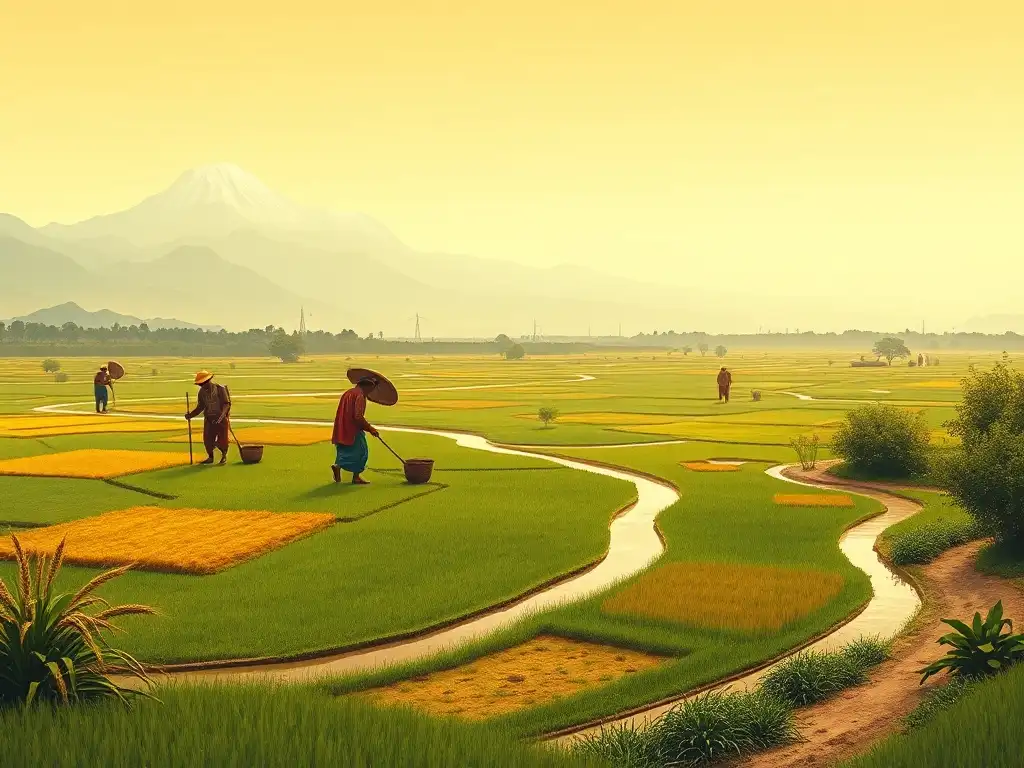
The irrigation systems of the Indus Valley civilization were remarkable not only for their sophistication but also for their distinct characteristics when compared to those of other ancient civilizations. By examining these differences and similarities, we can gain a deeper understanding of the agricultural innovations that shaped societies in the ancient world. The Indus Valley irrigation systems were pivotal in transforming agriculture, and their comparison with those of Mesopotamia and Egypt reveals both shared techniques and unique practices.
Similarities with Mesopotamian Irrigation Techniques
Both the Indus Valley and Mesopotamian civilizations developed advanced irrigation systems to support their agricultural needs, reflecting a common challenge posed by their natural environments.
- Canal Systems: Like the Mesopotamians, the Indus Valley people constructed extensive canal networks. These canals were designed to divert water from rivers to fields, ensuring a consistent water supply for crops.
- Water Management: Both civilizations utilized techniques for managing floodwaters. In Mesopotamia, the use of levees and dikes helped control river overflow, while the Indus Valley civilization employed similar methods to protect their fields and villages from seasonal floods.
- Crop Rotation and Diversification: Agricultural practices in both regions included the rotation of crops and the cultivation of diverse species to optimize yields and maintain soil fertility, a necessity in regions reliant on irrigation.
Despite these similarities, the methodologies and technologies employed differed significantly, showcasing the ingenuity unique to each civilization.
Differences with Egyptian Irrigation Practices
While the Indus Valley civilization shared some irrigation strategies with the Egyptians, there were critical differences that highlighted their distinct agricultural approaches.
- Flood Reliance: Egyptian irrigation heavily depended on the annual flooding of the Nile, which provided a natural irrigation cycle. In contrast, the Indus Valley used a more complex system of canals and reservoirs to manage water independently of natural floods.
- Construction Materials: The Egyptians primarily employed mud bricks in constructing their irrigation systems. In contrast, the Indus Valley civilization demonstrated advanced engineering capabilities, utilizing well-planned drainage systems and sophisticated layouts that reflected urban planning principles.
- Centralization of Control: Egyptian irrigation was often controlled by a centralized authority, such as the Pharaoh, who oversaw the distribution of water. In the Indus Valley, evidence suggests a more decentralized approach, with communities managing their irrigation systems collaboratively.
These differences reflect broader variations in governance, environmental adaptation, and technological advancement between the two civilizations.
Lessons from Indus Valley Irrigation Systems for Modern Agriculture
The ingenuity of the Indus Valley irrigation systems offers valuable insights and lessons for contemporary agricultural practices. As modern societies grapple with water scarcity and environmental challenges, revisiting these ancient techniques can inspire sustainable solutions.
Sustainable Practices from Ancient Techniques
The sustainable practices employed by the Indus Valley civilization can inform current agricultural strategies:
- Water Conservation: The use of efficient water management techniques, including the construction of reservoirs and canals, highlights the importance of conserving water resources. Modern agriculture can benefit from adopting similar practices that prioritize water efficiency.
- Soil Fertility Management: Techniques such as crop rotation and organic fertilization, observed in the Indus Valley, can enhance soil health and productivity, reducing reliance on chemical fertilizers and promoting ecological balance.
- Community-Based Management: The collaborative approach to irrigation in the Indus Valley can serve as a model for community-driven water management initiatives today, fostering cooperation and shared responsibility.
Relevance of Indus Valley Innovations Today
The innovations of the Indus Valley civilization remain relevant in addressing contemporary agricultural challenges:
- Urban Planning and Agriculture: The integration of agriculture within urban landscapes, as practiced in the Indus Valley, can inspire modern cities to incorporate green spaces and community gardens, promoting food security and environmental sustainability.
- Adapting to Climate Change: As climate change affects water availability, the adaptive strategies of the Indus Valley civilization can inform current practices aimed at resilience. Understanding their adaptive methods can enhance modern agricultural practices in the face of unpredictable weather patterns.
The irrigation systems of the Indus Valley civilization not only revolutionized their agricultural practices but also offer timeless lessons on sustainability and innovation that can guide modern agriculture in creating more resilient and efficient systems.
Conclusion
The irrigation systems of the Indus Valley represent a remarkable achievement in ancient engineering and agricultural innovation. These systems not only facilitated the cultivation of crops in an arid environment but also laid the groundwork for the prosperity of one of the world's earliest urban civilizations. The ingenuity of the Indus Valley people in managing water resources through sophisticated drainage and irrigation techniques highlights their understanding of hydrology and agriculture. Their methods were not just about survival; they enabled the development of a thriving economy and a complex society.
Summary of the Importance of Indus Valley Irrigation Systems
The significance of the Indus Valley irrigation systems can be summarized through several key points:
- Sustainable Agriculture: The irrigation systems allowed for year-round farming, which led to surplus production. This surplus was crucial for supporting a growing population and contributed to the establishment of urban centers.
- Economic Growth: With enhanced agricultural productivity, trade flourished. The ability to produce a variety of crops, such as wheat, barley, and pulses, enabled the Indus Valley civilization to engage in both local and long-distance trade, enriching the economy.
- Urban Planning: The careful planning of irrigation channels and water management systems showcased advanced urban planning skills. Cities like Harappa and Mohenjo-Daro were designed with drainage systems that reflect an understanding of public health and sanitation.
- Cultural Impact: The agricultural practices shaped social structures and cultural developments. The reliance on irrigation techniques fostered a sense of community, as collective efforts were necessary for maintaining these systems.
Reflection on Agricultural Innovations in Ancient India
The agricultural innovations of ancient India, particularly those seen in the Indus Valley, were pivotal in shaping not only the region's economy but also its cultural and social landscapes. The advancements in irrigation were not isolated; they were part of a broader trend of agricultural innovation across the subcontinent.
- Technological Ingenuity: The use of levees, canals, and wells demonstrated a sophisticated understanding of water management. These innovations reflected a deep knowledge of their environment, allowing communities to adapt to and thrive in varying climatic conditions.
- Legacy of Innovation: The practices established by the Indus Valley civilization influenced subsequent agricultural techniques throughout India. The principles of irrigation and water conservation developed during this period can still be seen in modern agricultural practices, illustrating the lasting legacy of these early innovations.
- Interconnectedness of Agriculture and Society: The relationship between agriculture and societal development is evident in the Indus Valley. The success of their irrigation systems fostered not only economic stability but also cultural advancements, as a surplus of food allowed for specialization of labor and the rise of artistic and intellectual pursuits.
The Indus Valley irrigation systems were a hallmark of ancient agricultural innovation, representing a blend of technological prowess and social organization that transformed the landscape of agriculture in ancient India and left an enduring legacy for future generations.
- Introduction to Indus Valley Irrigation Systems
- Overview of the Indus Valley Civilization
- Importance of Agriculture in Ancient India
- Historical Context of Irrigation in the Indus Valley
- Key Features of Indus Valley Irrigation Systems
- Impact of Irrigation on Agriculture in the Indus Valley
- Comparison of Indus Valley Irrigation Systems with Other Ancient Civilizations
- Lessons from Indus Valley Irrigation Systems for Modern Agriculture
- Conclusion
- What were the Indus Valley irrigation systems used for?
- How did the Indus Valley irrigation systems impact agriculture?
- What technologies were utilized in the Indus Valley irrigation systems?
- Were the Indus Valley irrigation systems unique to ancient India?
- How did the Indus Valley irrigation systems contribute to the economy?
Frequently Asked Questions
What were the Indus Valley irrigation systems used for?
The Indus Valley irrigation systems were primarily used for agricultural purposes, allowing civilizations to cultivate crops more efficiently in the arid climate.
How did the Indus Valley irrigation systems impact agriculture?
These systems significantly transformed agriculture by increasing crop yield and enabling the growth of various crops, which supported a larger population.
What technologies were utilized in the Indus Valley irrigation systems?
The Indus Valley civilization employed advanced technologies such as canals, dams, and wells to manage water supply and distribute it across agricultural fields.
Were the Indus Valley irrigation systems unique to ancient India?
While many ancient civilizations developed irrigation systems, the Indus Valley featured some of the most sophisticated and organized methods, showcasing their advanced understanding of water management.
How did the Indus Valley irrigation systems contribute to the economy?
By enhancing agricultural productivity, the Indus Valley irrigation systems not only ensured food security but also promoted trade and economic growth within the civilization.
Final Reflection: The Enduring Legacy of Indus Valley Irrigation Systems
The ingenious irrigation systems of the Indus Valley not only transformed agriculture in their time but continue to resonate with modern agricultural practices today. As we face the challenges of climate change and food security, the innovative methods developed by the ancient Indus Valley civilization serve as a reminder of the profound impact that effective water management can have on sustaining communities and ecosystems. The lessons learned from their sophisticated systems are more relevant than ever as we strive to cultivate resilience in our agricultural practices.
Cultural and social landscapes have been shaped by the ingenuity of these ancient irrigation systems, illustrating the interconnectedness of water management and societal development. The ability to harness and distribute water efficiently allowed the Indus Valley civilization to thrive, fostering economic growth and social stability. As historian David W. Anthony once said, "> The management of water resources is the foundation upon which civilizations are built." This observation underscores the importance of understanding and preserving the knowledge of our ancestors, as it holds the key to addressing contemporary challenges.
As we reflect on the remarkable achievements of the Indus Valley irrigation systems, I invite you to consider how these ancient practices can inspire your own approach to sustainability and resource management. Let us take a moment to appreciate the ingenuity of those who came before us and challenge ourselves to apply their lessons in our lives today. Whether through advocating for responsible water use or exploring innovative agricultural techniques, we each have the power to contribute to a more sustainable future, honoring the legacy of the Indus Valley civilization.
Unveil the Secrets of Ancient Agriculture!
Thank you for diving into the incredible world of the ingenious irrigation systems of the Indus Valley! By exploring how these ancient methods transformed agriculture, you’ve gained valuable insights into their lasting impact on civilization. Now it’s time to take what you’ve learned and put it into action!
- Start a conversation about ancient irrigation methods with your friends or community. Discuss how these innovative practices can inspire modern solutions for water conservation.
- Explore local irrigation systems in your area—visit farms or agricultural exhibits to see modern adaptations of ancient techniques.
- Consider sharing this article to spark curiosity among your peers. Imagine if everyone understood how ancient methods could inspire today’s agricultural practices!
How do you think ancient irrigation systems could influence our approach to sustainable farming today?