
The Transition to Cash Crops in Ancient Indian Agriculture

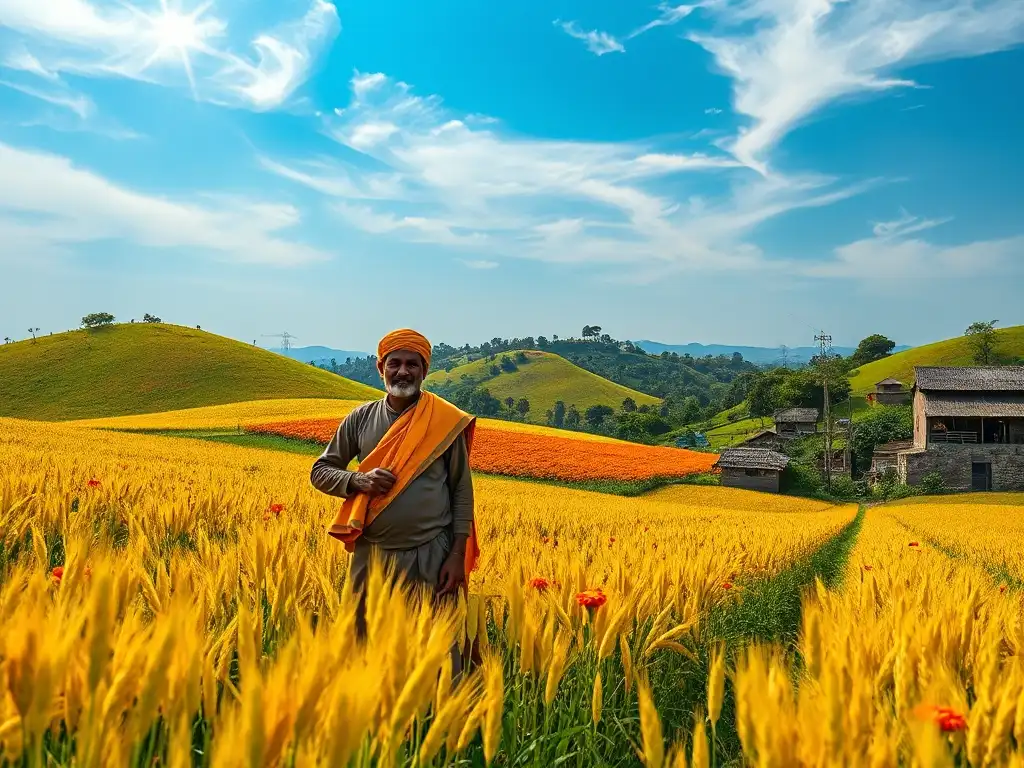
Welcome to Ancient India History, where we embark on a fascinating journey through the rich tapestry of ancient Indian civilizations. Today, we delve into a pivotal topic— the transition to cash crops in ancient Indian agriculture. This significant shift not only transformed the agricultural landscape but also laid the groundwork for economic prosperity and cultural evolution.
What drove this transition, and how did it impact society? Join us as we explore the intricate connections between agriculture, economy, and cultural development in ancient India, and discover the profound legacy that continues to shape our world today. Dive deeper to uncover the stories behind this transformative era!

Introduction to Cash Crops in India
The evolution of agricultural practices in ancient India reveals a complex interplay between environmental factors, societal needs, and economic imperatives. One of the significant shifts witnessed during this period was the transition to cash crops, which played a transformative role in the agricultural landscape. This transition not only altered farming practices but also had profound implications for trade and the economy. Understanding this shift helps illuminate the broader narrative of ancient Indian civilization, which thrived on its agricultural prowess and adaptability.
Definition of Cash Crops in Ancient Context
In the context of ancient Indian agriculture, cash crops refer to those crops cultivated primarily for sale in the market rather than for subsistence. These crops, including cotton, indigo, and spices, were strategically chosen based on their demand in local and international markets. The shift towards cash crops marked a departure from traditional subsistence farming, which focused on growing food for local consumption. This change was driven by various factors, including economic incentives, market accessibility, and the increasing integration of local economies into broader trade networks.
Importance of Cash Crops in the Economy of Ancient India
The cultivation of cash crops significantly boosted the economy of ancient India. By focusing on cash crops, farmers could generate higher incomes, which facilitated trade and stimulated local markets. The importance of cash crops can be observed through several key aspects:
- Economic Diversification: The cultivation of cash crops encouraged farmers to diversify their agricultural practices, leading to increased productivity and economic resilience.
- Trade Expansion: Cash crops such as spices and textiles became major export commodities, positioning ancient India as a crucial player in global trade routes.
- Cultural Exchange: The demand for cash crops fostered cultural interactions as traders and farmers engaged with various communities, leading to the exchange of ideas, technology, and practices.
Historical Background of Agriculture in Ancient India
Understanding the transition to cash crops necessitates an examination of the historical context of agriculture in ancient India. Agriculture formed the backbone of Indian civilization, evolving through various stages influenced by geography, climate, and socio-political dynamics.
Overview of Ancient Indian Agricultural Practices
Ancient Indian agriculture was characterized by a rich array of practices developed over centuries. The Indus Valley Civilization, for instance, showcased advanced agricultural techniques, including irrigation and crop rotation, which laid the groundwork for subsequent agricultural developments. Farmers primarily cultivated staple crops such as barley, wheat, and pulses, gradually incorporating cash crops into their practices as markets evolved.
- Irrigation Systems: The development of sophisticated irrigation techniques allowed for the expansion of arable land and diversified crop production.
- Crop Rotation: Farmers practiced crop rotation to maintain soil fertility and maximize yields, which eventually included cash crops as market demands increased.
The Role of Agriculture in Ancient Indian Society
Agriculture was not merely an economic activity; it was deeply woven into the fabric of ancient Indian society. The agrarian lifestyle influenced social structures, cultural practices, and religious beliefs.
- Social Hierarchy: Agricultural success often determined wealth and power dynamics within communities, leading to the establishment of social hierarchies based on land ownership.
- Cultural Significance: Agricultural festivals and rituals celebrated the harvest, reflecting the integral role farming played in societal values and traditions.
The transition to cash crops in ancient India represents a pivotal moment in agricultural history, illustrating how economic needs, cultural practices, and environmental factors converged to shape the landscape of one of the world's oldest civilizations.
Factors Leading to the Transition to Cash Crops
The transition to cash crops in ancient India was influenced by a confluence of factors that reshaped agricultural practices and economic structures. One of the primary factors was the growing demand for specific crops both domestically and internationally. As trade routes expanded and markets developed, farmers began to shift from subsistence farming to cultivating cash crops that had higher market value.
Additionally, population growth played a significant role in this transition. With an increasing population, there was a greater need for food security, which prompted farmers to diversify their crops. The introduction of new agricultural techniques and innovations, such as irrigation and crop rotation, also facilitated this shift, enabling farmers to produce more and different varieties of crops.
Economic Motivations for Shifting to Cash Crops
Economic motivations were pivotal in the transition to cash crops in ancient India. Farmers recognized the potential for higher profits by growing crops that were in demand rather than merely producing for their own consumption. This shift was particularly evident in regions where cash crops could be easily traded, leading to greater economic integration and wealth accumulation.
Moreover, the establishment of market towns and trade networks incentivized farmers to engage in cash crop production. The emergence of merchant classes and the flourishing of trade with other civilizations, such as those in the Middle East and Southeast Asia, provided additional avenues for profit. The potential for earning a surplus income allowed farmers to invest in better farming tools and techniques, further promoting the shift toward cash crops.
Impact of Trade and Commerce on Agricultural Practices
Trade and commerce significantly impacted agricultural practices in ancient India, promoting the cultivation of cash crops. As trade routes expanded, the demand for specific agricultural products increased, leading to a more market-oriented approach to farming. The flourishing trade networks allowed farmers to sell their surplus crops, which incentivized them to specialize in cash crop production.
The rise of merchant guilds and the establishment of market regulations also facilitated the transition. Merchants played a crucial role in connecting producers to consumers, allowing farmers to access broader markets. This integration of agriculture into the economy resulted in a more sophisticated farming system where the focus shifted toward quality and quantity of cash crops, driven by market demands.
Climatic and Geographic Influences on Crop Selection
Climatic and geographic factors significantly influenced the selection of cash crops in ancient India. The diverse climatic zones across the subcontinent allowed for the cultivation of a wide variety of crops. For instance, the arid regions of Gujarat and Rajasthan were suitable for cotton cultivation, while the tropical climates of Kerala and Tamil Nadu favored spices and sugarcane.
Topography and soil quality also played critical roles in determining which crops could be successfully grown. Farmers had to adapt their agricultural practices to the specific environmental conditions of their regions. This adaptability ensured that cash crops were not only economically viable but also suited to the local agricultural landscape.
Major Cash Crops in Ancient India
The transition to cash crops saw the rise of several key agricultural products that played significant roles in the economy and trade of ancient India.
Cotton: The Textile Revolution
Cotton emerged as one of the most important cash crops in ancient India, particularly in regions like Gujarat and the Deccan plateau. The cultivation of cotton not only transformed local economies but also laid the foundation for the textile industry, which became a significant driver of trade.
The production of cotton textiles, known for their quality and craftsmanship, gained immense popularity in both domestic and international markets. This textile revolution not only created jobs for weavers and artisans but also established India as a prominent player in the global textile trade, contributing to economic growth and cultural exchange.
Spices: A Boost to Trade
Spices were another major cash crop that significantly impacted ancient Indian agriculture and trade. India was renowned for its diverse and flavorful spices, such as black pepper, cardamom, and cinnamon, which were highly sought after in international markets. The spice trade not only boosted the economy but also established India as a culinary epicenter.
The lucrative nature of spice cultivation encouraged farmers to dedicate larger portions of their land to these crops. Additionally, the demand for spices stimulated the growth of trade routes, connecting India with distant lands and facilitating cultural exchanges that enriched the subcontinent's heritage.
Sugarcane: Sweetening the Economy
Sugarcane became a significant cash crop in ancient India, particularly in regions with favorable climatic conditions, such as the Gangetic plains. The cultivation of sugarcane not only provided raw materials for sugar production but also supported various industries, including the production of jaggery and molasses.
The economic importance of sugarcane extended beyond local markets; it became a key export commodity. The sweetening of the economy through sugarcane cultivation contributed to trade relations with other civilizations and enhanced the overall prosperity of agrarian communities in ancient India.
Regions and Their Specialization in Cash Crop Production

The transition to cash crops in ancient India was significantly influenced by the geographical diversity of the region. Different areas specialized in various cash crops based on their unique climatic and soil conditions. This specialization not only maximized agricultural output but also facilitated trade and economic growth, allowing ancient Indian civilizations to thrive. Below, we explore some key regions and their contributions to cash crop production.
The Gangetic Plain: A Fertile Ground for Cash Crops
The Gangetic Plain, renowned for its rich alluvial soil and favorable climate, became a hub for cash crop cultivation. The region's extensive river systems provided ample water supply, which was crucial for growing high-demand crops such as sugarcane, cotton, and jute.
- Sugarcane: This crop flourished due to the warm climate and abundant water, leading to the establishment of sugar production centers that became significant trade commodities.
- Cotton: The quality of cotton produced here was exceptional, making it a staple in both local and international markets.
- Jute: With its fibers used for making bags and ropes, jute became another crucial cash crop, contributing to the economy.
The agricultural practices in the Gangetic Plain were advanced, promoting intensive farming and crop rotation, which helped sustain high yields year after year.
The Deccan Plateau: Innovations in Crop Cultivation
The Deccan Plateau, characterized by its rocky terrain and varying altitudes, required innovative agricultural practices to optimize crop production. Despite its challenges, the plateau became significant for cultivating several cash crops, particularly during the medieval period.
- Millets and Pulses: Farmers adapted to the region’s conditions by growing resilient crops like millets and pulses, which thrived in less fertile soil and were essential for local diets and trade.
- Sorghum and Groundnuts: The introduction of sorghum and groundnuts as cash crops showcased the region's agricultural adaptability. These crops not only provided sustenance but also contributed to the local economy.
Innovations such as terracing and the use of plows improved cultivation methods, making the Deccan Plateau an essential contributor to the cash crop economy in ancient India.
The Coastal Areas: Spice Trade and Cash Crops
The coastal regions of ancient India were pivotal in the spice trade, which played a significant role in the transition to cash crops. The favorable climate and rich soils along the coasts allowed for the cultivation of a variety of cash crops that were in high demand globally.
- Spices: Crops like black pepper, cardamom, and turmeric were cultivated extensively and became key exports. The spice trade not only enriched local economies but also connected India with international markets, enhancing cultural exchanges.
- Coconut and Cashew: These crops were also prevalent in the coastal areas, contributing to both local consumption and export. The versatility of coconut, in particular, allowed its various parts to be utilized for food, oil, and handicrafts.
The coastal regions thus played a crucial role in developing a market-oriented agricultural economy, showcasing how the transition to cash crops was influenced by both natural resources and global trade dynamics.
Agricultural Innovations Supporting Cash Crop Transition
The shift to cash crops in ancient India was not solely dependent on geographical factors; it was also significantly supported by various agricultural innovations. These innovations improved productivity, sustainability, and efficiency, allowing farmers to meet the growing demands for cash crops.
Introduction of New Cultivation Techniques
Farmers in ancient India adopted several new cultivation techniques that facilitated the transition to cash crops. Techniques such as crop rotation, intercropping, and selective breeding of seeds were crucial.
- Crop Rotation: This method helped maintain soil fertility and reduce pest infestations, ensuring a more sustainable approach to farming.
- Intercropping: By growing different crops in proximity, farmers could maximize land use and improve overall yields.
- Selective Breeding: Farmers began to cultivate specific varieties of cash crops that were more resilient and had higher yields, which contributed to increased production.
These innovative practices enabled ancient Indian farmers to adapt to changing economic conditions and market demands effectively.
The Role of Irrigation in Enhancing Crop Yields
Irrigation systems were vital in supporting the transition to cash crops in ancient India. The development of canals, wells, and water harvesting techniques significantly improved water availability for agriculture.
- Canal Systems: The construction of extensive canal networks allowed farmers to irrigate larger areas, leading to the cultivation of cash crops even in regions with less rainfall.
- Well Irrigation: Wells became a lifeline for farmers, particularly in arid regions, enabling them to cultivate cash crops year-round.
The enhancement of irrigation facilities contributed to higher crop yields and allowed for the diversification of cash crops, ultimately boosting the agricultural economy.
Use of Fertilizers and Soil Management Practices
The understanding and application of fertilizers and soil management practices were crucial for the successful cultivation of cash crops in ancient India. Farmers employed various organic fertilizers, including animal dung and compost, to enrich the soil.
- Organic Fertilizers: These natural fertilizers improved soil structure and fertility, promoting healthier crop growth.
- Soil Management: Techniques such as mulching, fallowing, and the use of green manures helped maintain soil health, ensuring the sustainability of cash crop farming.
These practices not only enhanced yields but also paved the way for the sustainable cultivation of cash crops, securing food production for future generations.
The transition to cash crops in ancient India had profound economic and social impacts that reshaped local economies, altered trade networks, and transformed social structures. Cash crops, such as cotton, indigo, and sugarcane, became vital to the agrarian landscape, prompting shifts in agricultural practices, labor dynamics, and community relations.
Effects on Local Economies and Trade Networks
The introduction of cash crops significantly boosted local economies by creating new markets and enhancing trade networks. Farmers shifted from subsistence farming to cultivating crops that had higher demand in both local and international markets, leading to increased income and economic diversification.
- Market Expansion: As cash crops gained prominence, trade routes expanded, connecting various regions and facilitating the exchange of goods. This not only enhanced economic interactions but also led to the emergence of merchant classes who specialized in the trade of cash crops.
- Increased Investment: The profitability of cash crops attracted investments in infrastructure, such as roads and irrigation systems, further bolstering agricultural productivity and trade efficiency.
Changes in Social Structure and Labor Dynamics
The shift to cash crops also brought about significant changes in the social structure and labor dynamics within rural communities.
- Emergence of Landowners: Wealth generated from cash crops led to the rise of a new class of landowners who wielded considerable economic power. This shift often resulted in the concentration of land ownership, with wealthier farmers acquiring more land, which marginalized smaller farmers and laborers.
- Shifts in Labor Roles: Traditional labor roles evolved as the demand for labor in cash crop production increased. Many farmers transitioned from self-sustaining agricultural practices to wage labor, leading to changes in family dynamics, with some members seeking employment in cash crop fields rather than working on subsistence farms.
The Influence of Cash Crops on Agrarian Relations
The rise of cash crops significantly influenced agrarian relations, altering the interactions between landowners, laborers, and the broader community.
- Debt and Dependency: As farmers shifted to cash crops, many became reliant on loans to finance their operations. This often led to cycles of debt and dependency on moneylenders, who gained power over the farmers' livelihoods.
- Community Tensions: The changing economic landscape sometimes resulted in tensions within communities, as disparities in wealth grew. Conflicts arose between landowners and laborers, particularly over wages and working conditions, highlighting the social strains caused by the transition.
Challenges Faced During the Transition to Cash Crops
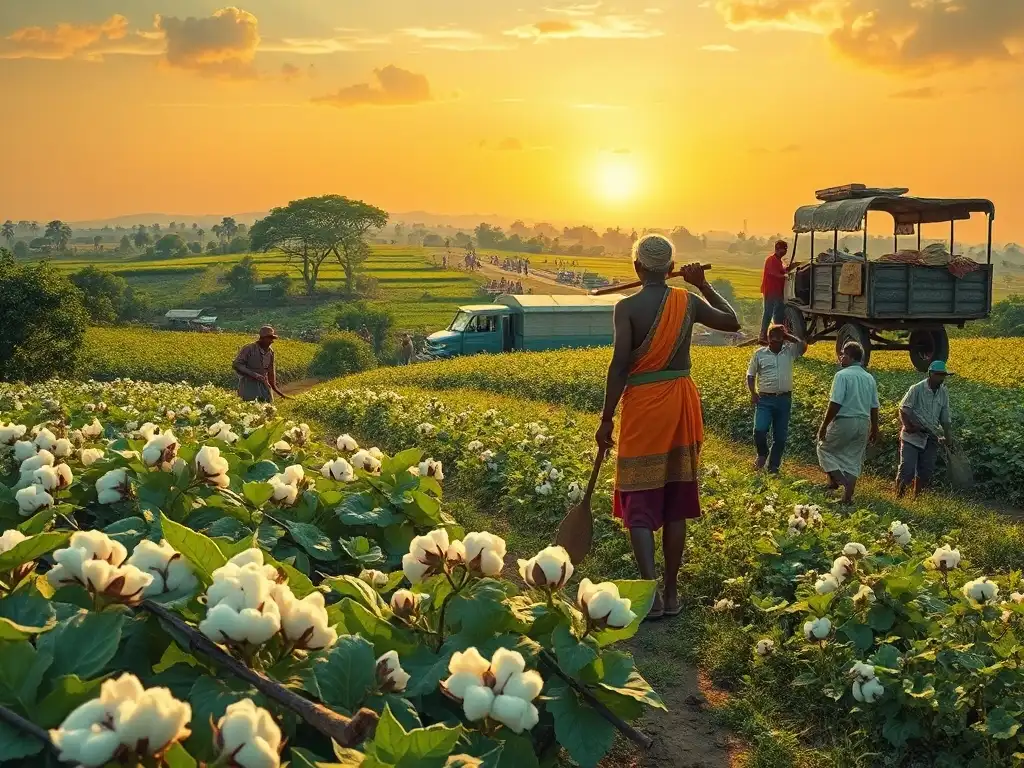
Despite the economic benefits brought about by the transition to cash crops, several challenges emerged that impacted farmers and the environment.
Environmental Impacts and Sustainability Issues
The shift to cash crops raised significant environmental concerns, particularly regarding sustainability.
- Soil Degradation: Intensive cultivation of cash crops often led to soil depletion and degradation, as farmers prioritized immediate profits over long-term soil health. Monoculture practices further exacerbated this problem, reducing biodiversity and increasing vulnerability to pests and diseases.
- Water Scarcity: The demand for irrigation to support cash crop cultivation strained local water resources, leading to issues of scarcity and competition among farmers. This often resulted in conflicts over water rights, affecting both agricultural productivity and community relations.
Social Disparities and Farmers’ Struggles
The transition to cash crops also intensified social disparities, leading to struggles for many farmers.
- Economic Inequality: While some farmers thrived, others faced hardships due to fluctuating market prices and increased costs of inputs. This economic inequality created a divide between landowners and smallholder farmers, often pushing the latter into poverty.
- Vulnerability to Market Fluctuations: Farmers who shifted to cash crops became increasingly vulnerable to market fluctuations. Price drops could lead to devastating losses, making it difficult for them to sustain their livelihoods and repay debts.
Resistance from Traditional Farming Practices
The transition faced resistance from traditional farming practices and communities that valued subsistence agriculture.
- Cultural Resistance: Many communities held cultural beliefs and traditions tied to subsistence farming, leading to resistance against adopting cash crop practices. These communities often viewed the shift as a threat to their way of life and agricultural heritage.
- Advocacy for Sustainable Practices: As awareness of the negative impacts of cash cropping grew, some farmers and activists began advocating for sustainable agricultural practices that integrated traditional methods with modern techniques, seeking a balance between economic viability and ecological sustainability.
Conclusion: The Legacy of Cash Crop Agriculture in Ancient India
The transition to cash crops in ancient Indian agriculture marked a significant turning point that shaped the economic landscape of the region. This shift not only facilitated trade and commerce but also stimulated agricultural innovation and diversification. The cultivation of cash crops such as cotton, indigo, and sugarcane created new opportunities for farmers, transforming subsistence farming into a more market-oriented agricultural system. This transition played a pivotal role in integrating local economies into broader trade networks, both regionally and internationally.
The legacy of cash crop agriculture in ancient India is evident in the agrarian practices that emerged, as well as in the socio-economic structures that developed around these cash crops. The cultivation of cash crops led to the establishment of specialized markets, the emergence of textile industries, and the enhancement of trade routes, all of which have had lasting impacts on Indian society. Additionally, the agrarian reforms and land tenure systems that evolved during this period laid the groundwork for future agricultural practices and economic policies.
Reflection on the Transition to Cash Crops’ Long-term Effects
The long-term effects of the transition to cash crops in ancient India can be observed in various dimensions of Indian agriculture and economy today. The emphasis on cash crops fostered an entrepreneurial spirit among farmers, encouraging them to adopt innovative farming techniques and engage with market demands. This resulted in increased agricultural productivity and the ability to support larger populations, which in turn fueled urbanization and the growth of cities.
Moreover, the cash crop economy helped shape social hierarchies and land ownership patterns that persist in contemporary India. For example, the concentration of wealth among landowners who engaged in cash crop production often translated into socio-economic disparities that can still be observed today. Furthermore, the reliance on cash crops has implications for food security, as it can lead to a decline in the cultivation of staple crops, affecting local diets and nutrition.
Lessons Learned from Ancient Practices for Modern Agriculture
The agricultural practices of ancient India provide valuable lessons for modern agriculture, particularly in the context of sustainability and resilience. One critical lesson is the importance of crop diversification. Ancient farmers who engaged in cash crop cultivation often practiced intercropping and polyculture, which not only maximized land use but also minimized risks associated with crop failure. Modern agricultural strategies can benefit from these ancient techniques by promoting biodiversity and reducing dependency on single crops.
Additionally, the historical practice of linking agriculture to local market demands underscores the need for modern farmers to adapt to changing market conditions. Emphasizing sustainable practices, such as organic farming and agroecology, can help ensure that cash crop production does not compromise environmental health or social equity.
The lessons from ancient cash crop agriculture highlight the importance of adaptive strategies that balance economic viability with ecological sustainability, ensuring resilience in the face of modern agricultural challenges.
References and Further Reading
Suggested Books and Articles on Ancient Indian Agriculture
- "Agricultural History of India" by Surjit Singh – This book explores the evolution of agricultural practices in India from ancient to modern times.
- "The Indus Civilization: A Contemporary Perspective": by Gregory L. Possehl – This work provides insights into the agricultural practices of the Indus Valley civilization.
- "From the Ground Up: Agricultural Change in India": by Sudhir Chella Rajan – This article offers a comprehensive overview of agricultural transformations throughout Indian history, focusing on cash crops.
Online Resources for Exploring Agricultural History in India
- Digital South Asia Library – A valuable resource for accessing historical texts and maps related to agriculture in ancient India.
- Indian Council of Historical Research (ICHR) – The ICHR provides various publications and studies focused on the historical aspects of agriculture in India.
- Mahatma Gandhi National Rural Employment Guarantee Act (MGNREGA) – This site includes documentation and studies on rural livelihoods, which often reference historical agricultural practices.
These resources can deepen understanding of the transition to cash crops in ancient India and its implications for contemporary agricultural practices.
- Introduction to Cash Crops in India
- Historical Background of Agriculture in Ancient India
- Factors Leading to the Transition to Cash Crops
- Major Cash Crops in Ancient India
- Regions and Their Specialization in Cash Crop Production
- Agricultural Innovations Supporting Cash Crop Transition
- Economic and Social Impacts of Cash Crop Transition
- Challenges Faced During the Transition to Cash Crops
- Conclusion: The Legacy of Cash Crop Agriculture in Ancient India
- References and Further Reading
Frequently Asked Questions
What were cash crops in ancient India?
Cash crops in ancient India were agricultural products grown primarily for commercial purposes rather than for personal consumption. These included crops like cotton, indigo, and spices.
How did the transition to cash crops affect Indian agriculture?
The transition to cash crops led to a shift in agricultural practices, emphasizing market-oriented farming. This change increased economic opportunities but also risked food security.
What role did the Indus Valley Civilization play in cash cropping?
The Indus Valley Civilization was known for its advanced agricultural techniques and crop diversification, laying the groundwork for later transitions to cash crops by cultivating varied crops for trade.
How did the Gupta Empire influence cash crop production?
During the Gupta Empire, there was a significant emphasis on trade and commerce, which encouraged the cultivation of cash crops to meet both domestic and international demand.
What were the socio-economic impacts of cash cropping in ancient India?
The rise of cash crops significantly influenced the socio-economic structure, creating new trade networks and impacting land ownership patterns, often leading to increased wealth disparities among farmers.
Final Reflection: Embracing Change in Ancient Indian Agriculture
The transition to cash crops in ancient India was not merely an agricultural shift; it represented a profound transformation in the socio-economic fabric of the time. Today, as we navigate a world increasingly driven by market demands and economic pressures, the lessons from this historical transition resonate more than ever. The ability to adapt agricultural practices to meet changing needs is a testament to human resilience and ingenuity. This historical perspective reminds us that the choices we make today can shape our future in significant ways.
The impact of this transition extends far beyond the fields; it has influenced the cultural and social landscape of India throughout the centuries. Understanding how ancient farmers navigated the complexities of market demands and environmental challenges can inspire contemporary practices. As we reflect on this, we can draw from the wisdom of the past. Change is the law of life, and those who look only to the past or present are certain to miss the future.
– John F. Kennedy. This quote encapsulates the ongoing relevance of adapting to new realities, urging us to learn from history as we forge our paths forward.
As we conclude this exploration of ancient agricultural practices, I invite you to reflect on your own relationship with change and adaptation. How can the lessons from the transition to cash crops in India inform your choices today? Embrace the spirit of innovation and adaptability that characterized those ancient farmers. Whether in agriculture or any other aspect of life, remember that every transition holds the potential for growth and transformation. Let us honor the past by applying its lessons to create a more sustainable and prosperous future.
Thank you for diving into the fascinating world of ancient Indian agriculture with us! You've gained a deeper understanding of how cash crops transformed economies and societies. Now, it's time to take that knowledge further and engage with these historical insights in your own life.
Here are a few steps you can take to connect with this rich legacy:
- Explore Traditional Crop Varieties: Research and discover **heritage crop varieties** that were once pivotal in Indian agriculture, and consider incorporating some of these resilient plants into your own garden or local agricultural initiatives.
- Share & Discuss: Share this article with friends or on social media to spark discussions about the significance of cash crops. Your insights can inspire others to appreciate our agricultural heritage!
- Join a Community: Find or create a local group focused on sustainable agriculture and traditional farming techniques. **Your involvement can help revive forgotten practices that benefit today’s farming communities. **
What ancient crop do you believe could hold the key to sustainable agriculture in our future? Share your thoughts below!