
The Role of Monsoons: How Ancient Indian Farmers Maximized Harvests

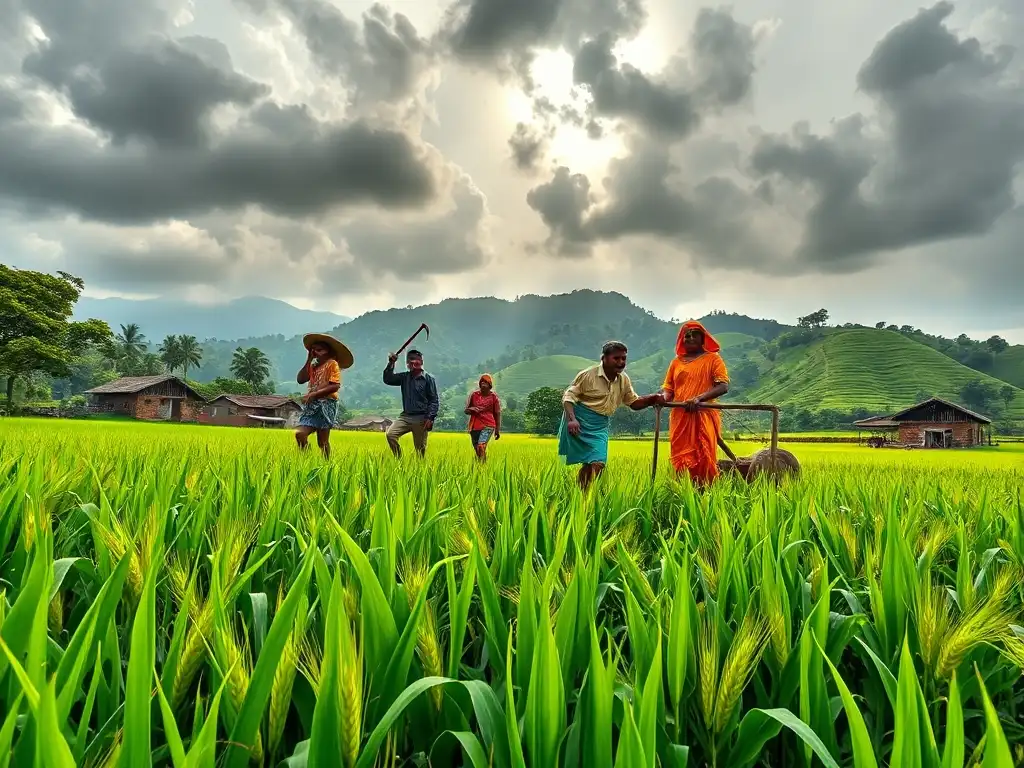
Welcome to Ancient India History! Here, we embark on a journey through the captivating tapestry of ancient Indian civilizations, where the ingenuity of farmers played a crucial role in shaping society. In our featured article, “The Role of Monsoons: How Ancient Indian Farmers Maximized Harvests,” we delve into the fascinating ancient Indian farming techniques that not only sustained communities but also influenced economic prosperity.
Prepare to uncover the secrets of monsoon mastery and discover how these time-honored practices laid the groundwork for the agricultural advancements we benefit from today. Dive in, and let your curiosity guide you through this rich narrative!
-
The Role of Monsoons in Ancient Indian Farming Techniques
- Introduction to Ancient Indian Farming Techniques
- Understanding the Monsoon Cycle
- The Impact of Monsoons on Crop Cultivation
- Ancient Indian Farming Techniques Utilized During Monsoons
- Case Studies: Successful Monsoon Farming Regions
- Conclusion: The Legacy of Monsoon-Driven Agriculture in Ancient India
- References and Further Reading
-
Frequently Asked Questions
- What were the primary farming techniques used in ancient India?
- How did the monsoon season impact ancient Indian agriculture?
- Which crops were primarily grown by ancient Indian farmers?
- What role did technology play in ancient Indian farming?
- How did ancient Indian farmers cope with climatic challenges?
- Final Reflection: Embracing the Wisdom of Ancient Indian Farming Techniques
- Unleash the Power of Monsoons in Your Own Garden!
The Role of Monsoons in Ancient Indian Farming Techniques
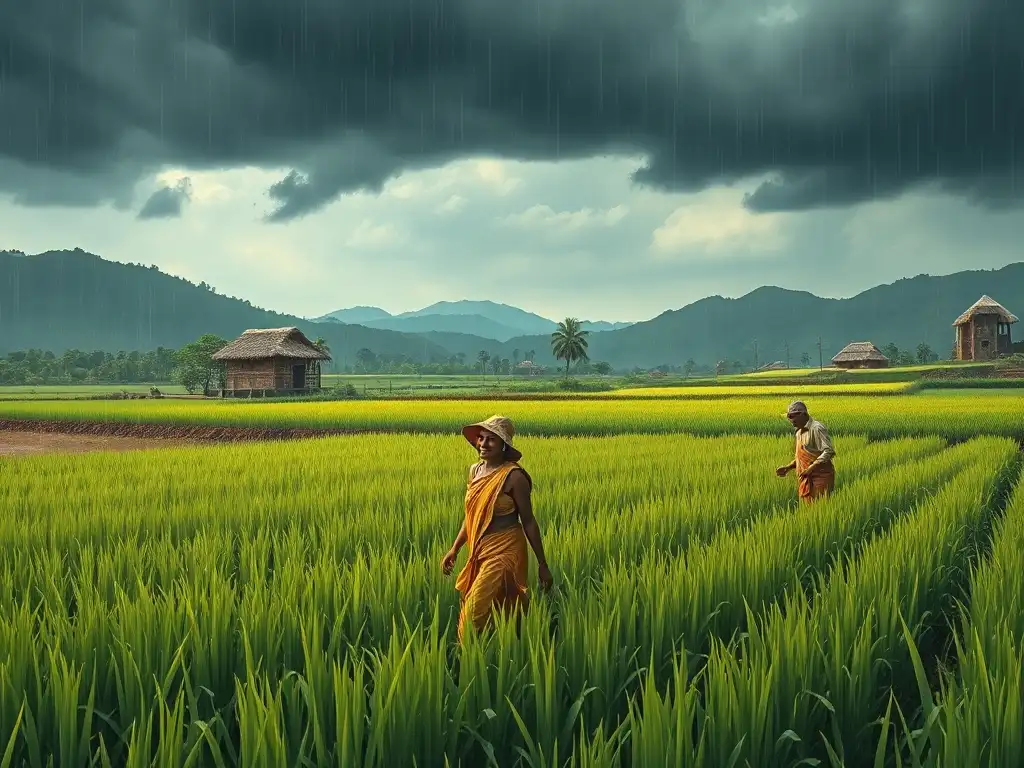
The interplay between monsoons and agriculture has been a defining aspect of ancient Indian civilization. The seasonal rains not only shaped the climate but also dictated the agricultural practices, crop choices, and overall economic stability of the region. Understanding how ancient Indian farmers maximized harvests through their innovative techniques in response to the monsoon patterns offers valuable insights into their resilience and adaptability. This article delves into the intricacies of ancient Indian farming techniques, highlighting the profound impact of the monsoon cycle on crop cultivation and harvesting, and ultimately shaping the agricultural legacy of the subcontinent.
Introduction to Ancient Indian Farming Techniques
Ancient Indian farming techniques were characterized by a deep understanding of local geography, climate, and soil types. Farmers relied on a variety of practices designed to optimize yields and ensure food security in a landscape influenced heavily by the monsoon rains. Key techniques included:
- Crop rotation: Alternating different crops to maintain soil fertility.
- Irrigation systems: Utilizing rivers, lakes, and wells to supplement rainfall.
- Terracing: Creating flat plots on sloped land to prevent soil erosion and retain moisture.
These methods reflect a sophisticated agricultural knowledge that enabled ancient Indians to thrive despite the challenges posed by unpredictable weather patterns.
Understanding the Monsoon Cycle
What are Monsoons?
Monsoons are seasonal wind patterns that bring significant rainfall, primarily affecting regions in South Asia, including India. They occur due to the differential heating of land and water, leading to shifts in wind direction. The monsoon season in India typically spans from June to September and is critical for agriculture, as it provides the necessary water for crops during the growing season.
- Types of Monsoons:
- Southwest Monsoon: The most significant for Indian agriculture, bringing heavy rains from the Arabian Sea.
- Northeast Monsoon: Affects the southeastern coast, particularly in Tamil Nadu, offering a secondary rainy season.
The Timing of Monsoons
The timing of monsoons is crucial for ancient Indian farmers, as it determines the sowing and harvesting cycles. Farmers developed a keen sense of the monsoon schedule, often relying on traditional knowledge and observations to plan their agricultural activities.
- Sowing Period: Typically begins with the arrival of the southwest monsoon, allowing farmers to plant crops such as rice, millet, and pulses.
- Harvesting Period: Usually occurs from October to December, following the withdrawal of the monsoon, when crops are ready for collection.
This intricate relationship between monsoon patterns and agricultural practices underscores the importance of understanding climatic influences on ancient Indian farming techniques.
The Impact of Monsoons on Crop Cultivation
Monsoons played a crucial role in shaping the agricultural landscape of ancient India. The seasonal rains, characterized by heavy downpours, were essential for replenishing water sources and supporting crop growth in a region often marked by arid conditions. The timing and intensity of the monsoon rains directly influenced the agricultural calendar, determining when crops could be sown, cultivated, and harvested.
Farmers in ancient India developed a deep understanding of the monsoon patterns, allowing them to maximize their yields. The cultivation of staple crops such as rice, millet, and pulses was largely dependent on these rains. The arrival of the monsoon heralded a season of growth, transforming dry fields into lush landscapes. However, the reliance on monsoon rains also necessitated the development of adaptive farming strategies to mitigate potential risks associated with variable rainfall.
Beneficial Effects of Monsoons on Ancient Crops
The monsoons offered several beneficial effects that were fundamental to ancient Indian agriculture:
- Water Supply: The rains provided much-needed water, making it possible to cultivate crops in regions that would otherwise be unsuitable for farming. Fields became fertile with the influx of rainwater, supporting the growth of diverse crops.
- Soil Enrichment: Monsoon rains contributed to soil fertility by washing away salts and replenishing nutrients. This natural irrigation process enabled farmers to cultivate crops that required rich, loamy soil.
- Seasonal Planting: The predictable arrival of monsoons allowed farmers to establish a seasonal planting routine, optimizing harvest times. The alignment of crop cycles with monsoon patterns ensured that crops like rice could be sown during the wet season, leading to bountiful harvests.
- Diversity of Crops: The ample moisture facilitated the growth of various crops, including legumes, grains, and vegetables. This diversity not only improved food security but also supported the nutritional needs of ancient communities.
Challenges Posed by Monsoons
Despite the advantages, monsoons also brought significant challenges that ancient farmers had to navigate:
- Unpredictable Rainfall: The intensity and timing of monsoon rains were not always consistent. A late arrival could lead to drought conditions, while excessively heavy rains could result in flooding, both of which jeopardized crop yields.
- Soil Erosion: Intense downpours often caused soil erosion, washing away the topsoil essential for crop growth. This degradation posed a long-term threat to agricultural productivity.
- Pest and Disease Proliferation: The high humidity levels during the monsoon season created ideal conditions for the proliferation of pests and plant diseases, which could devastate crops if not managed effectively.
- Crop Damage: Flooding could lead to waterlogging of fields, damaging crops and reducing harvest quality. Farmers needed to be vigilant and responsive to changing weather patterns to protect their livelihoods.
Ancient Indian Farming Techniques Utilized During Monsoons
To cope with the challenges posed by the monsoon and to harness its benefits, ancient Indian farmers employed several innovative farming techniques:
Traditional Irrigation Methods
Irrigation was a cornerstone of ancient Indian agriculture, particularly during the monsoon season. Farmers developed various traditional methods to manage water effectively, including:
- Dug Wells: These were constructed to access groundwater, allowing farmers to irrigate their crops during dry spells. Wells provided a reliable water source that complemented the seasonal rains.
- Canals and Channels: Ancient civilizations built extensive canal systems to divert and manage rainwater runoff. These channels helped to irrigate fields and prevent waterlogging.
- Rainwater Harvesting: Farmers practiced rainwater harvesting techniques to capture and store rainwater for later use. This ensured that water was available during periods of inadequate rainfall.
- Terracing: In hilly regions, terracing was employed to create flat surfaces for cultivation. This method helped to slow down water runoff and reduce soil erosion, allowing for better water absorption.
Crop Rotation and Diversification
To optimize crop yields and maintain soil health, ancient Indian farmers practiced crop rotation and diversification:
- Crop Rotation: This technique involved alternating different crops in the same field across growing seasons. By rotating crops, farmers could reduce soil depletion, control pests, and improve overall soil fertility.
- Intercropping: Farmers often planted multiple crops simultaneously in the same field to maximize land use and minimize the risk of total crop failure. This practice not only enhanced biodiversity but also provided a more stable food supply.
- Diverse Crop Selection: By cultivating a variety of crops, including legumes, grains, and vegetables, farmers were able to adapt to changing environmental conditions and market demands. This diversification reduced the impact of pests or diseases affecting any single crop.
By employing these techniques, ancient Indian farmers effectively navigated the challenges of monsoon-driven agriculture, ensuring their communities thrived amidst the seasonal fluctuations of weather.
Case Studies: Successful Monsoon Farming Regions
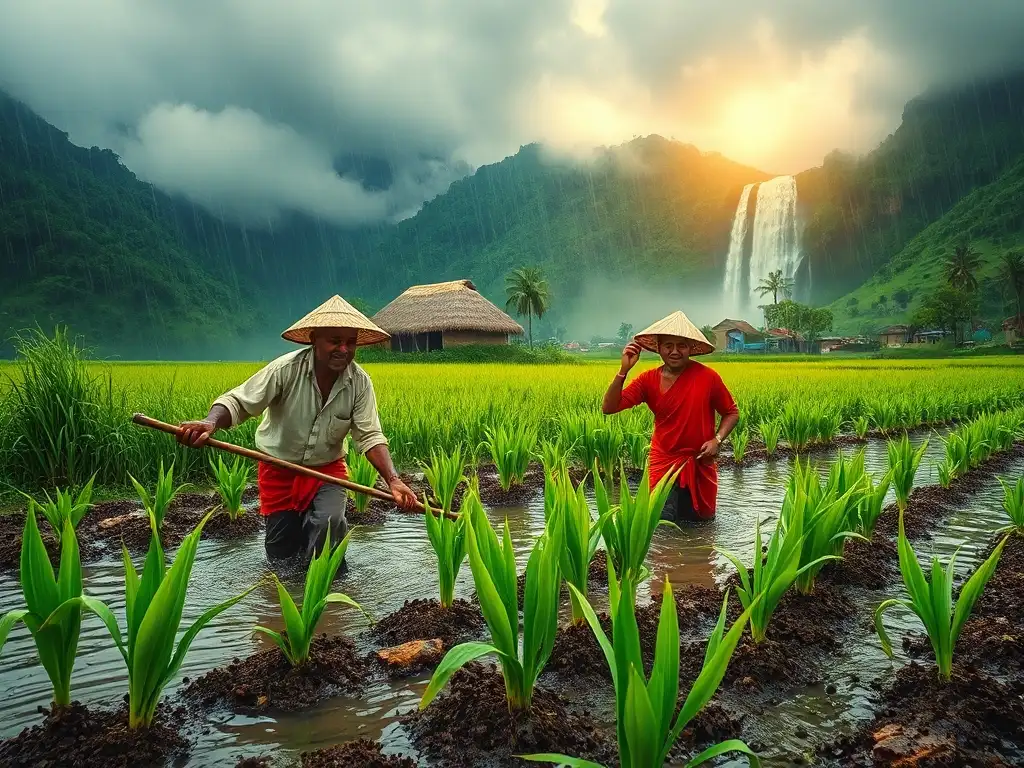
Ancient India benefited immensely from the monsoons, which shaped the agricultural landscape and the techniques employed by farmers. Two of the most prominent civilizations that thrived due to effective monsoon farming were the Indus Valley Civilization and the Gupta Empire. By examining these case studies, we can gain insights into how ancient Indian farmers maximized their harvests in response to the seasonal rains.
The Indus Valley Civilization
The Indus Valley Civilization (IVC), flourishing around 2500 BCE in present-day Pakistan and northwest India, was one of the earliest urban cultures. The IVC's agricultural success was largely attributed to its sophisticated understanding of the monsoon patterns. The farmers of this civilization employed several key techniques to maximize their crop yields:
- Irrigation Systems: The IVC is noted for its advanced irrigation systems. Farmers constructed channels and wells to redirect rainwater, ensuring crops received adequate moisture even during dry spells.
- Crop Diversification: Evidence suggests that the Indus Valley farmers practiced crop diversification, growing wheat, barley, peas, and cotton. This allowed them to mitigate the risks associated with monsoon variability.
- Storage Facilities: The civilization also established granaries, which stored surplus grain during bountiful harvests. This strategic planning helped them manage food supplies during unfavorable weather conditions.
The agricultural practices of the Indus Valley Civilization played a vital role in sustaining its urban centers, supporting a population that thrived on trade and cultural advancements.
The Gupta Empire's Agricultural Innovations
The Gupta Empire (approximately 320 to 550 CE) is often referred to as the Golden Age of India due to its significant advancements in various fields, including agriculture. Farmers during this period honed their skills in utilizing monsoon rains to enhance productivity:
- Improved Tools and Techniques: The Guptas introduced iron plows and other farming implements, which improved soil cultivation and allowed for more efficient planting. This technological innovation helped farmers better prepare their fields for the monsoon season.
- Fertilization Practices: The use of organic fertilizers became more prevalent, with farmers employing cow dung and green manure to enrich the soil. This practice not only enhanced crop yields but also improved soil health over time.
- Monsoon Calendar: The Gupta Empire saw the development of a monsoon calendar, which helped farmers identify optimal planting and harvesting times. This calendar was crucial for maximizing crop production and ensuring food security.
These innovations contributed to an agricultural surplus, which supported the empire's economy and facilitated trade both within and beyond Indian borders.
Conclusion: The Legacy of Monsoon-Driven Agriculture in Ancient India
The monsoons played a pivotal role in shaping the agricultural practices of ancient Indian civilizations. From the innovative irrigation systems of the Indus Valley to the advancements in tools and techniques during the Gupta Empire, farmers adapted their methods to harness the seasonal rains effectively.
The legacy of these monsoon-driven agricultural practices is evident in modern Indian farming techniques, where understanding seasonal patterns remains crucial. The ability of ancient farmers to maximize their harvests showcases their ingenuity and resilience in the face of environmental challenges, laying the foundation for future generations to build upon. As we explore the rich history of ancient India, it is clear that the monsoon not only influenced agriculture but also the very fabric of Indian society and culture.
References and Further Reading
To gain a deeper understanding of the role of monsoons in ancient Indian farming techniques, the following sources provide valuable insights and information:
- Books:
- The History of Indian Agriculture by B. R. Sharma - This comprehensive resource explores the evolution of agricultural practices in India, including the pivotal role of monsoons.
- Ancient Indian Agriculture: A Historical Perspective by S. K. Sharma - This book delves into ancient agricultural methods and their adaptation to monsoonal patterns.
- Journal Articles:
- "Impact of Monsoon Variability on Agriculture in Ancient India" - This research article provides an analysis of how fluctuations in monsoon seasons affected crop yields and farming strategies.
- "Water Management in Ancient Indian Civilizations" - A scholarly article focusing on irrigation techniques and water conservation methods employed by ancient Indian farmers in relation to monsoon cycles.
- Theses and Dissertations:
- "Agricultural Adaptations to Monsoon Climates: A Study of Ancient Indian Civilizations" - A doctoral dissertation that examines the specific farming techniques utilized by various ancient Indian societies to optimize their harvests according to monsoon patterns.
- Online Resources:
- The Indian Council of Agricultural Research (ICAR) - Offers publications and research reports that discuss ancient and contemporary farming practices influenced by monsoons.
- National Geographic’s article on The Monsoon: India’s Lifeblood - An overview of the monsoon’s significance in Indian agriculture, including historical perspectives.
- Documentaries:
- "The Green Gold of India" - A documentary that explores the historical and cultural significance of agriculture in India, with a focus on the role of monsoons.
These resources not only provide detailed historical data but also contextualize the agricultural innovations and techniques that ancient Indian farmers developed in harmony with the monsoon climate. Engaging with these materials will enrich your understanding of how ancient Indian farming techniques were intricately linked to the patterns and phenomena of monsoon weather.
Frequently Asked Questions
What were the primary farming techniques used in ancient India?
Ancient Indian farmers utilized irrigation systems, crop rotation, and terracing to enhance their agricultural output. These techniques allowed them to adapt to varying climatic conditions and maximize their harvests.
How did the monsoon season impact ancient Indian agriculture?
The monsoon season was crucial for ancient Indian farmers as it provided the necessary rainfall for crops. Farmers developed methods to harness this water effectively, ensuring better yields during this critical period.
Which crops were primarily grown by ancient Indian farmers?
Ancient Indian farmers cultivated a variety of crops, including rice, wheat, barley, and millets. These staples were essential for sustaining the population and were often grown using advanced techniques suited to local conditions.
What role did technology play in ancient Indian farming?
Technological innovations such as the plow and irrigation channels significantly improved farming efficiency. These advancements allowed farmers to work larger areas of land and optimize their water usage for crop cultivation.
How did ancient Indian farmers cope with climatic challenges?
Farmers in ancient India developed strategies like staggered planting and diversification of crops to mitigate risks associated with unpredictable weather. This adaptability helped sustain agriculture through various climatic challenges.
Final Reflection: Embracing the Wisdom of Ancient Indian Farming Techniques
The intricate relationship between monsoons and ancient Indian farming techniques underscores a vital truth: the ability to adapt and thrive in harmony with nature is essential for sustainable agriculture. As we face the challenges of climate change and food security today, the lessons from ancient practices remind us that understanding and respecting natural cycles can lead to not only survival but also prosperity. The ingenuity of ancient farmers in maximizing harvests through their deep connection with the monsoon seasons is a testament to human resilience and innovation.
Cultural and social landscapes are continually shaped by our relationship with agriculture, and the techniques developed by ancient Indian farmers still resonate in contemporary discussions about sustainable practices. The wisdom of these farmers, who relied on the monsoons for their livelihoods, speaks to a broader narrative of community, cooperation, and respect for the environment. To forget how to dig the earth and tend the soil is to forget ourselves.
This quote encapsulates the importance of remembering our roots and the agricultural practices that have sustained civilizations for millennia.
As we reflect on the significance of ancient Indian farming techniques, let us take this opportunity to reconnect with our agricultural heritage and consider how we can apply these timeless lessons in our own lives. I invite you to explore your relationship with food, nature, and sustainability.
Whether through supporting local farmers, practicing mindful consumption, or advocating for environmentally friendly policies, each of us has a role to play in nurturing the earth and ensuring that the wisdom of the past informs our future. Together, we can cultivate a world where agriculture thrives in harmony with nature, just as it once did in ancient India.
Unleash the Power of Monsoons in Your Own Garden!
Thank you for diving into the fascinating world of ancient Indian agriculture and the remarkable ways farmers harnessed the monsoons to optimize their harvests. You’ve learned how vital this seasonal shift was, and now it's your turn to tap into that wisdom.
Here are a few actionable steps you can take to embrace the spirit of ancient farming today:
- Start a seasonal garden: Utilize your understanding of monsoon cycles to plan and plant your crops, ensuring that you take advantage of natural rainfall for effective irrigation.
- Share your findings: Engage with fellow gardening enthusiasts by discussing the insights you've gained in forums or local gardening clubs to foster a deeper appreciation for nature's rhythms.
- Attend workshops: Seek out local agricultural workshops that focus on sustainable practices inspired by traditional methods to enhance your gardening skills.
Which gardening techniques from ancient practices resonate with you the most, and how can you incorporate them into your outdoor space?