
The Secrets of Sustainable Agriculture in Ancient India


Welcome to Ancient India History, where we embark on a journey through time to uncover the rich tapestry of civilizations that shaped one of the world's oldest cultures. Today, we delve into the fascinating realm of sustainable agriculture in ancient India, revealing the innovative practices that not only fed vast populations but also harmonized with nature. What secrets lie behind the agricultural techniques that supported thriving societies from the Indus Valley to the Gupta Empire? Join us as we explore these captivating insights and discover how the past can inspire our future. Let’s dig deeper into this remarkable topic!

Introduction to Sustainable Agriculture in Ancient India
Sustainable agriculture in ancient India represents a profound understanding and practice of farming that harmonized with the environment, ensuring the longevity of agricultural productivity and ecological balance. The civilizations of ancient India, including the Indus Valley, Vedic society, and the Maurya and Gupta Empires, employed innovative techniques that not only maximized crop yield but also preserved the land for future generations. This article explores the secrets of sustainable agriculture in ancient India, delving into the practices that have shaped its rich agricultural history and contributed to its resilience over millennia.
Definition of Sustainable Agriculture
Sustainable agriculture refers to farming practices that meet current food needs without compromising the ability of future generations to meet their own needs. It encompasses various principles, including:
- Soil Health: Maintaining and improving soil fertility through organic practices.
- Biodiversity: Encouraging a variety of crops and livestock to enhance ecosystem resilience.
- Water Conservation: Efficient use of water resources to prevent depletion and degradation.
- Cultural Practices: Integrating traditional knowledge and techniques that are environmentally friendly.
Overview of Ancient Indian Agricultural Practices
Ancient Indian societies were pioneers in developing agricultural practices that were both sustainable and efficient. Key aspects of these practices included:
- Crop Rotation: Farmers rotated different crops to maintain soil fertility and reduce pests.
- Mixed Cropping: Cultivating multiple crops together to optimize space and resources.
- Rainwater Harvesting: Building structures to collect and store rainwater for irrigation.
- Use of Natural Fertilizers: Utilizing cow dung, compost, and green manures to enrich the soil.
Historical Context of Agriculture in Ancient India
The agricultural practices in ancient India evolved significantly over time, influenced by environmental conditions, technological advancements, and socio-political changes.
Agricultural Development in the Indus Valley Civilization
The Indus Valley Civilization (approximately 3300–1300 BCE) showcased remarkable agricultural innovation. Key features included:
- Urban Planning: Cities like Harappa and Mohenjo-Daro had sophisticated drainage systems and granaries.
- Crop Diversity: Evidence suggests that wheat, barley, peas, and cotton were cultivated, indicating advanced agricultural techniques.
- Irrigation Systems: The civilization utilized canals and reservoirs to manage water supply effectively, demonstrating early forms of sustainable irrigation.
Farming Techniques During the Vedic Period
The Vedic period (approximately 1500–500 BCE) marked a transition in agricultural practices, characterized by:
- Shift to Plough Agriculture: The introduction of iron ploughshares revolutionized farming, allowing deeper tillage and improved soil aeration.
- Crop Specialization: Farmers began to specialize in specific crops, enhancing yields and trade.
- Religious and Cultural Influence: Agriculture was deeply intertwined with Vedic rituals, promoting the sanctity of farming practices.
Innovations in Agriculture During the Maurya and Gupta Empires
The Maurya (322–185 BCE) and Gupta (approximately 240–550 CE) Empires were periods of significant agricultural advancement, highlighted by:
- State Support for Agriculture: The Mauryan administration implemented policies to support farmers, including irrigation projects and subsidies.
- Technological Innovations: The development of new tools and techniques, such as the seed drill and improved irrigation methods, increased productivity.
- Agricultural Texts: Works like Kautilya’s Arthashastra provided guidelines on agriculture, including crop management and market regulations, reflecting a sophisticated understanding of sustainable practices.
Sustainable agriculture in ancient India was a complex interplay of environmental stewardship, innovative practices, and cultural values. These historical insights reveal the foundational principles that not only sustained ancient civilizations but also offer valuable lessons for contemporary agricultural practices.
Key Features of Sustainable Agriculture in Ancient India
Sustainable agriculture in ancient India was characterized by practices that prioritized ecological balance, resource conservation, and community resilience. These methods were essential in sustaining the livelihoods of ancient Indian civilizations, allowing them to thrive in diverse geographical regions. The primary features included effective land use, minimal reliance on chemical inputs, and a deep understanding of local ecosystems. This approach not only ensured food security but also maintained the health of the environment, fostering biodiversity and soil fertility.
One of the most remarkable aspects of ancient Indian agriculture was its emphasis on integrating traditional knowledge with practical farming techniques. Farmers were adept at using indigenous seeds, which were often more resilient to local climatic conditions. Additionally, they practiced sustainable land management methods that prevented soil erosion and degradation, ensuring long-term productivity.
Crop Rotation and Diversity
Crop rotation and diversity were pivotal practices in ancient Indian agriculture, aimed at maintaining soil health and maximizing yields. By alternating different crops in a systematic sequence, farmers were able to break pest and disease cycles, reduce soil depletion, and enhance soil fertility. For instance, legumes were frequently intercropped with staple grains like wheat and rice, as legumes enriched the soil with nitrogen, a crucial nutrient for subsequent crops.
The diversity of crops cultivated not only provided a varied diet but also reduced the risk of total crop failure due to pests or adverse weather. Ancient Indian farmers cultivated a wide range of crops, including cereals, pulses, oilseeds, and vegetables, tailored to the climatic and soil conditions of their regions. This polyculture system fostered resilience and adaptability, ensuring food security even in challenging environmental conditions.
Organic Fertilizers and Soil Management
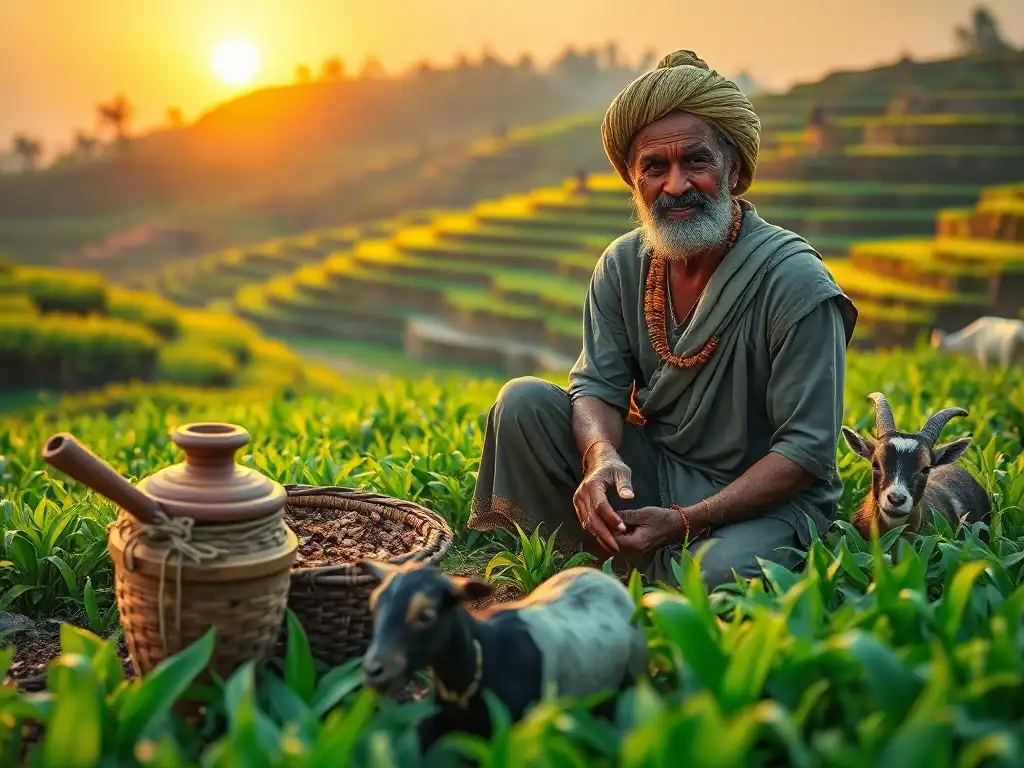
Organic fertilizers played a significant role in ancient Indian agricultural practices, reflecting a deep understanding of soil management. Farmers utilized various organic materials, such as compost, cow dung, and green manures, to enrich the soil. These natural fertilizers improved soil structure, enhanced moisture retention, and promoted beneficial microbial activity, leading to healthier crops.
Additionally, practices like mulching and cover cropping were employed to prevent soil erosion and maintain soil fertility. Farmers often planted cover crops during off-seasons to protect the soil and add organic matter, which further contributed to sustainable agricultural practices. The emphasis on organic amendments not only ensured the health of the crops but also preserved the environment, making agriculture more sustainable.
Water Conservation Techniques
Water conservation was a critical element of sustainable agriculture in ancient India, particularly given the monsoon-dependent climate of the region. Farmers employed various techniques to efficiently manage water resources and minimize waste. This included the construction of small check dams, reservoirs, and ponds to capture rainwater, which could then be used during dry periods.
Additionally, practices such as bunding (creating earthen embankments) and terracing were used to slow down water runoff and facilitate water infiltration, thus improving moisture availability for crops. Ancient texts and agricultural manuals from the period highlight the importance of water management practices, emphasizing their role in sustaining agricultural productivity and ensuring food security.
Irrigation Systems in Ancient India
Irrigation systems were fundamental to the success of agriculture in ancient India, allowing farmers to cultivate crops in regions with variable rainfall. These systems were designed to maximize water efficiency and cater to the diverse needs of crops. The ingenuity of ancient Indian irrigation methods enabled civilizations to flourish, particularly in arid and semi-arid regions.
The development of sophisticated irrigation infrastructure not only supported agricultural growth but also facilitated the rise of urban centers by providing a reliable food supply. The integration of irrigation with crop management practices demonstrated a comprehensive understanding of sustainable agriculture principles.
Types of Irrigation Methods
Ancient Indian irrigation methods encompassed a variety of techniques tailored to local conditions. The most common methods included:
- Surface Irrigation: Water was applied directly to the soil surface, utilizing gravity to distribute it across fields. This method was common in river valleys where water flow could be easily managed.
- Well Irrigation: Farmers dug wells to access groundwater, drawing water using traditional methods such as leather bags or pulley systems. This method was crucial in areas with low surface water availability.
- Canal Irrigation: Extensive canal systems, often derived from rivers, were constructed to transport water to fields. These canals enabled more extensive cultivation and supported larger agricultural communities.
- Rainwater Harvesting: Techniques for capturing and storing rainwater were widely practiced, allowing farmers to utilize seasonal rains effectively.
These diverse irrigation methods reflected a sophisticated understanding of hydrology and resource management, tailored to the geographic and climatic challenges of ancient India.
Impact of Irrigation on Crop Yield
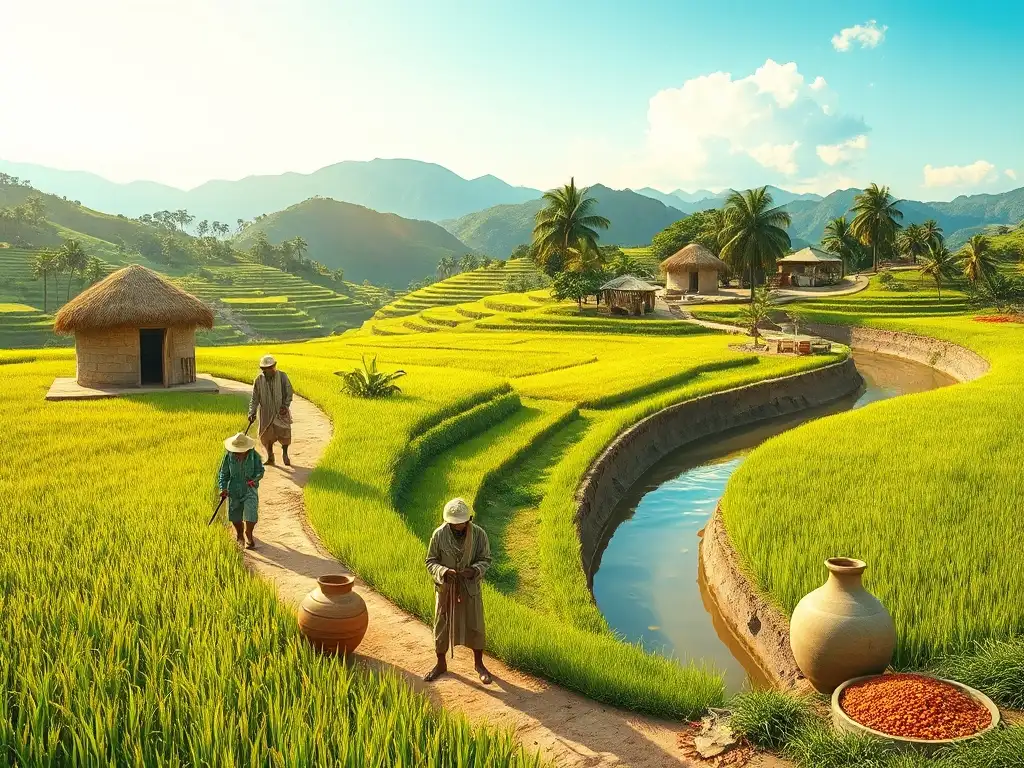
The implementation of effective irrigation systems had a profound impact on crop yields in ancient India. By providing a consistent water supply, irrigation allowed farmers to cultivate crops in regions that would otherwise be unsuitable for agriculture. This not only increased the quantity of food produced but also improved the quality of crops, as consistent moisture levels contributed to healthier plants.
The ability to irrigate also enabled multiple cropping cycles annually, which significantly enhanced overall agricultural productivity. For instance, in fertile river basins, farmers were able to grow two or three crops per year, leading to surplus production. This surplus played a vital role in supporting urbanization and the development of trade networks, as excess food could be exchanged for goods and services.
The interplay between irrigation and sustainable agricultural practices in ancient India fostered resilience, ensured food security, and laid the foundation for the region's rich agricultural heritage.
Cultural and Religious Influences on Agriculture
Agriculture in ancient India was not merely an economic activity but deeply intertwined with the cultural and religious fabric of society. The agrarian lifestyle influenced various aspects of daily life, from social structures to spiritual beliefs. The reverence for nature is evident in the agricultural practices that emerged, reflecting a sustainable approach to land use.
Farmers often worshipped deities associated with fertility and harvest, such as Goddess Annapurna, ensuring that their agricultural activities were in harmony with spiritual beliefs. This connection to the divine fostered a sense of responsibility toward the land, encouraging practices that would maintain its fertility over generations. The cyclical nature of planting and harvesting was celebrated through rituals that underscored the importance of agriculture in sustaining life.
The Role of Agriculture in Ancient Indian Society
Agriculture formed the backbone of ancient Indian society, providing sustenance and economic stability. The majority of the population engaged in farming, which dictated social hierarchies and occupations. Land ownership and agricultural productivity determined wealth and power, influencing political dynamics and societal relationships.
The agrarian economy facilitated trade, both locally and with distant regions. Surplus produce enabled the growth of urban centers, fostering a culture of commerce and craftsmanship. Additionally, agriculture supported a range of allied industries, from pottery to textiles, creating a diverse economic landscape within ancient India.
Agricultural Practices in Religious Texts
Ancient Indian scriptures, such as the Vedas and the Mahabharata, contain references to agricultural practices, highlighting their significance in society. The Vedas, particularly, provide insights into the rituals associated with sowing, harvesting, and honoring the land.
For instance, the Atharva Veda includes hymns that invoke blessings for a bountiful harvest and protection against pests and diseases. These texts reveal an understanding of the natural cycles and the importance of aligning agricultural practices with seasonal changes, showcasing an early form of sustainable agriculture.
Festivals and Agriculture
Festivals in ancient India often revolved around agricultural cycles, reflecting the deep-rooted relationship between culture and farming. Celebrations like Makar Sankranti, Pongal, and Baisakhi mark the transition of seasons and the onset of harvest. These festivals not only served as a time for communal festivities but also reinforced agricultural practices and the gratitude towards nature.
Rituals performed during these festivals were aimed at ensuring a prosperous harvest, demonstrating the community's collective responsibility towards agriculture. Such practices promoted social cohesion and emphasized the significance of agriculture as a lifeline for ancient Indian communities.
Lessons from Ancient Indian Sustainable Practices
Ancient Indian agricultural practices offer valuable lessons in sustainability that remain relevant today. By examining their methods, modern societies can find inspiration for sustainable agriculture that respects ecological balance.
Adaptability to Local Environments
One of the hallmarks of ancient Indian agriculture was its adaptability to local environments. Farmers employed a variety of techniques tailored to their specific geographic and climatic conditions. For instance, in arid regions, rainwater harvesting and the use of drought-resistant crops were common practices, while in fertile river valleys, intensive cropping methods thrived.
This localized approach not only maximized yield but also minimized environmental degradation. The wisdom of ancient farmers in selecting appropriate crops and techniques based on their surroundings underscores the importance of understanding and respecting local ecosystems in modern agricultural practices.
Community-Based Farming Approaches
Community-based farming was prevalent in ancient India, where collective efforts ensured food security and shared resources. Villages often practiced cooperative farming, pooling labor and resources to cultivate larger tracts of land. This collaboration fostered social bonds and enabled communities to withstand adverse conditions, such as droughts or floods.
By prioritizing collective well-being over individual gain, these practices cultivated a sense of responsibility among community members. Such approaches can inspire contemporary agricultural systems to adopt cooperative models that enhance resilience and sustainability.
Preservation of Biodiversity
Ancient Indian agriculture was characterized by a rich diversity of crops and farming techniques. Farmers grew a variety of grains, vegetables, and fruits, which not only provided nutritional security but also promoted soil health and resilience against pests and diseases. Traditional knowledge surrounding crop rotation and intercropping further contributed to maintaining biodiversity.
Preserving such biodiversity is crucial for sustainable agriculture today, as it enhances ecosystem services and contributes to food security. Learning from the ancient emphasis on diverse cropping systems can guide modern practices towards more sustainable and resilient agricultural landscapes.
Conclusion: The Legacy of Sustainable Agriculture in Ancient India

The legacy of sustainable agriculture in ancient India is a testament to the ingenuity and resourcefulness of its civilizations. By employing practices that harmonized with the environment, ancient Indian farmers not only ensured food security but also fostered biodiversity and ecological balance. Techniques such as crop rotation, intercropping, and the use of organic fertilizers demonstrated a profound understanding of local ecosystems and resource management.
These ancient practices laid the groundwork for agricultural systems that prioritized sustainability long before modern concepts of environmental conservation emerged. The wisdom embedded in these methods reflects a holistic approach to agriculture, emphasizing the interdependence between humans and nature. As we look back at these practices, it becomes evident that the ancient Indian civilization had a rich repository of knowledge that can inform contemporary efforts to develop sustainable agricultural systems.
Relevance of Ancient Techniques in Modern Agriculture
The techniques employed in ancient Indian agriculture hold significant relevance for today’s agricultural practices. In an era where modern agriculture faces challenges such as soil degradation, climate change, and dwindling water resources, revisiting these age-old methods can provide viable solutions. For instance:
- Crop Rotation: This technique helps maintain soil fertility and disrupts pest cycles. Modern farmers can adopt this method to enhance crop yields sustainably.
- Intercropping: Planting different crops together can improve biodiversity and reduce the risk of pest infestations. This practice can lead to healthier ecosystems, which are crucial for long-term agricultural success.
- Organic Fertilization: The use of natural fertilizers like compost and green manure is a sustainable alternative to chemical fertilizers, promoting soil health and reducing environmental impact.
These ancient practices are not merely historical relics; they offer practical solutions to the pressing issues faced by contemporary agriculture, making them highly relevant in discussions about sustainable farming today.
Future Directions for Sustainable Practices Inspired by History
As we move forward, the integration of ancient agricultural practices into modern systems offers exciting possibilities for sustainable development. Future directions can include:
- Research and Documentation: There is a need for comprehensive research to document and validate ancient agricultural techniques. This can help in understanding their practical applications in current contexts.
- Education and Training: Educating farmers about the benefits of ancient techniques can encourage the adoption of sustainable practices. Training programs that focus on traditional methods can empower communities to enhance their agricultural productivity sustainably.
- Policy Integration: Governments and organizations can promote policies that incentivize the use of sustainable practices inspired by ancient agriculture. Supporting local farming communities in transitioning to these methods can lead to more resilient food systems.
- Technological Innovation: Combining ancient wisdom with modern technology can lead to innovative solutions. For example, using precision agriculture tools to implement crop rotation effectively can maximize the benefits of both approaches.
By embracing the lessons learned from ancient Indian agricultural practices, we can pave the way for a more sustainable and resilient agricultural future that honors the wisdom of our ancestors while addressing the challenges of modern farming.
- Introduction to Sustainable Agriculture in Ancient India
- Historical Context of Agriculture in Ancient India
- Key Features of Sustainable Agriculture in Ancient India
- Crop Rotation and Diversity
- Organic Fertilizers and Soil Management
- Water Conservation Techniques
- Irrigation Systems in Ancient India
- Types of Irrigation Methods
- Impact of Irrigation on Crop Yield
- Cultural and Religious Influences on Agriculture
- Lessons from Ancient Indian Sustainable Practices
- Conclusion: The Legacy of Sustainable Agriculture in Ancient India
- Relevance of Ancient Techniques in Modern Agriculture
- Future Directions for Sustainable Practices Inspired by History
- What were the main features of sustainable agriculture in ancient India?
- How did ancient Indian civilizations manage water resources for agriculture?
- What role did agricultural texts play in ancient India?
- How did the Indus Valley Civilization contribute to sustainable agriculture?
- What were some crops cultivated in ancient India that supported sustainability?
Frequently Asked Questions
What were the main features of sustainable agriculture in ancient India?
Ancient Indian agriculture focused on crop rotation, organic farming, and the use of natural fertilizers. These practices ensured soil fertility and minimized environmental impact.
How did ancient Indian civilizations manage water resources for agriculture?
They developed sophisticated irrigation systems, including canals and reservoirs, to ensure efficient water use. This helped sustain crops even during dry seasons.
What role did agricultural texts play in ancient India?
Ancient texts, such as the Arthashastra, provided guidelines on farming techniques, crop management, and sustainable practices, influencing agricultural methods for centuries.
How did the Indus Valley Civilization contribute to sustainable agriculture?
The Indus Valley Civilization implemented advanced drainage systems and crop planning, which allowed for effective farming practices and helped support a large population.
What were some crops cultivated in ancient India that supported sustainability?
Farmers in ancient India grew a variety of crops, including rice, wheat, and pulses, which were well-suited to local climates and contributed to a balanced diet and agricultural diversity.
Final Reflection: Embracing the Wisdom of Sustainable Agriculture in Ancient India
The principles of sustainable agriculture in ancient India resonate profoundly with today’s environmental challenges. As we grapple with climate change, resource depletion, and food security, the age-old practices of our ancestors remind us that sustainability is not a modern concept but a time-honored tradition. The wisdom embedded in these ancient techniques offers a blueprint for cultivating harmony between nature and agriculture, urging us to rethink our current methods and prioritize ecological balance.
The impact of sustainable agriculture in ancient India extends far beyond mere farming techniques; it has shaped cultural identities and social structures. These practices fostered a deep respect for the land and its resources, instilling a sense of responsibility that is crucial in our current age of consumption. As we reflect on this legacy, we are reminded of the words of Mahatma Gandhi: The earth provides enough to satisfy every man's needs, but not every man's greed.
This quote encapsulates the essence of sustainable practices, urging us to adopt a mindset that values preservation over exploitation.
As we look to the future, let us take inspiration from the sustainable agriculture practices of ancient India and integrate these lessons into our lives. I invite you to reflect on your own relationship with the environment and consider how you can contribute to a more sustainable future. Whether it’s adopting eco-friendly practices in your garden, supporting local farmers, or advocating for policies that protect our natural resources, every small action counts. Together, we can honor the wisdom of our ancestors and cultivate a world where agriculture and nature thrive in harmony.
Unveil the Wisdom of Ancient Sustainability!
Thank you for diving deep into the fascinating world of sustainable agriculture in Ancient India! You've uncovered invaluable insights into how these practices can inspire our modern approaches to farming and environmental stewardship. Now, let's take these lessons to heart and put them into action.
Here’s how you can connect further with this rich legacy:
- Implement sustainable practices in your garden or community by using organic methods inspired by ancient techniques. Start small and watch the impact grow!
- Share your insights with friends or on social media—let's spread the word about the importance of sustainability in agriculture.
- Explore local farms that utilize traditional methods or attend workshops to learn hands-on skills that honor these time-tested practices.
How will you incorporate the ancient wisdom of sustainable agriculture into your daily life? Share your thoughts below and join the conversation!