
Ancient Textiles of the Gupta Empire: Weaving Stories Through Fabric

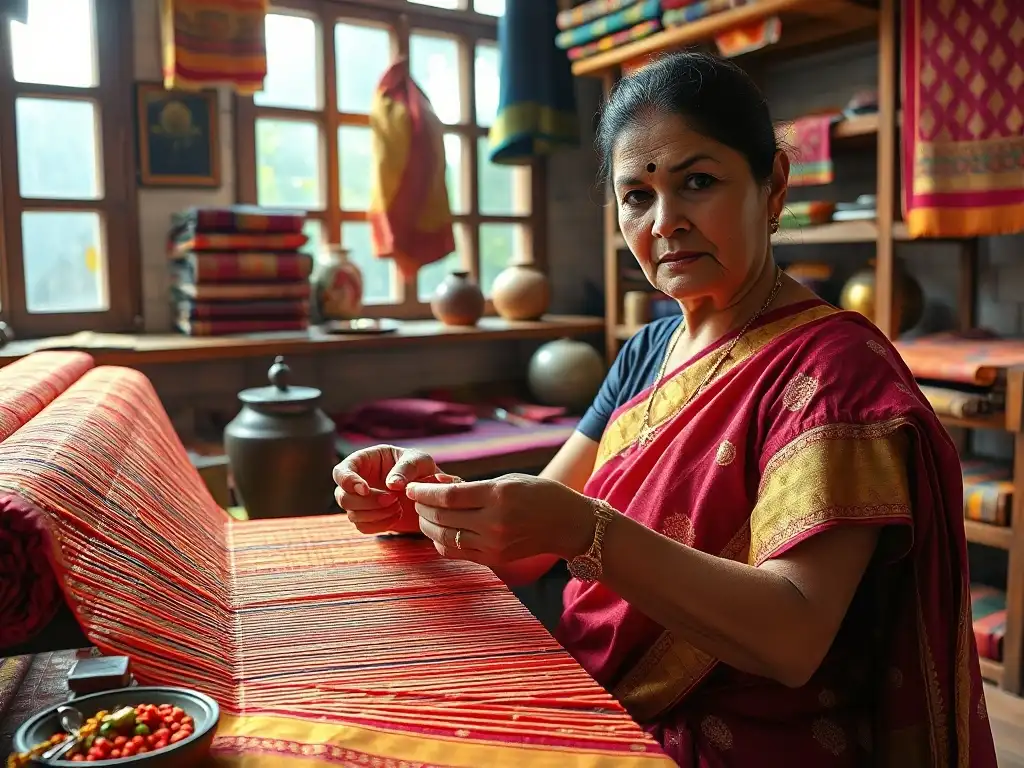
Welcome to Ancient India History, where we embark on a captivating journey through the rich tapestry of ancient Indian civilizations. Here, we delve into the fascinating world of the Gupta Empire, a golden era known not just for its remarkable achievements in art and science, but also for its exquisite textiles that tell stories of innovation and culture.
In our featured article, "Ancient Textiles of the Gupta Empire: Weaving Stories Through Fabric," we invite you to explore how these intricate fabrics reflect the grandeur and artistry of a civilization that shaped history. Get ready to uncover the threads that connect us to the past and inspire a deeper understanding of our shared heritage!
- Introduction to Ancient Gupta Empire Textiles
- Historical Context of Textiles in the Gupta Empire
- Materials Used in Ancient Gupta Empire Textiles
- Techniques of Weaving and Design
- Social and Economic Impact of Textiles
- Religious and Cultural Significance of Textiles
- Preservation and Legacy of Gupta Textiles
- Conclusion: The Enduring Legacy of Ancient Gupta Empire Textiles
-
Frequently Asked Questions
- What were the main characteristics of textiles in the Gupta Empire?
- How did the Gupta Empire influence textile production?
- What types of fabrics were commonly produced during the Gupta Empire?
- How did trade impact the textiles of the Gupta period?
- What significance did textiles hold in Gupta society?
- Final Reflection: Weaving the Threads of History
- Unleash Your Creativity: Start Weaving Your Own Fabric Stories!
Introduction to Ancient Gupta Empire Textiles
The Gupta Empire, often hailed as the "Golden Age" of ancient India, was a period marked by remarkable advancements in art, science, and culture. Among its many contributions, the textiles produced during this era stand out, not only for their aesthetic appeal but also for their symbolic significance.
The ancient Gupta Empire textiles were more than mere fabric; they were woven narratives that reflected the social, economic, and cultural dynamics of the time. This article delves into the intricate world of textiles from the Gupta period, exploring their role in society and how they continue to influence modern perceptions of ancient Indian craftsmanship.
Overview of the Gupta Empire's Cultural Significance
The Gupta Empire, which flourished from approximately 320 to 550 CE, played a pivotal role in shaping the cultural landscape of ancient India. It was a time of substantial prosperity, marked by advancements in various fields such as mathematics, astronomy, and literature. The empire's embrace of Hinduism and patronage of the arts led to a flourishing of cultural expressions, including sculpture, painting, and, notably, textiles.
During this era, textiles became a reflection of societal values and identities. The Gupta court was known for its luxurious fabrics, often embellished with intricate designs and vibrant colors. These textiles were not only functional but also served as symbols of status and wealth. The techniques developed during this time laid the groundwork for the rich textile heritage of India, influencing future generations of artisans and weavers.
Importance of Textiles in Ancient Indian Society
Textiles in ancient Indian society held multifaceted importance, transcending mere utility. They played a crucial role in various aspects of daily life, including:
- Economic Significance: The textile industry was a vital economic sector, providing employment to a vast number of artisans and craftsmen. Trade routes facilitated the exchange of textiles, making them a significant commodity in both domestic and international markets.
- Cultural Identity: Different regions of India developed distinct textile traditions, each reflecting local aesthetics and cultural practices. The diversity in textiles served as a means of expressing regional identities and traditions.
- Ceremonial Use: Textiles were integral to religious and cultural ceremonies. Sari, dhoti, and other garments were often used in rituals, symbolizing purity and devotion.
- Artistic Expression: The techniques of weaving, dyeing, and embroidery evolved into sophisticated art forms. Textiles became a canvas for artistic expression, showcasing the skill and creativity of the artisans.
The ancient textiles of the Gupta Empire were not just materials for clothing; they were woven into the very fabric of society, embodying the artistic and cultural achievements of one of India’s most illustrious civilizations. Through this exploration, we aim to uncover the stories that these fabrics tell and their enduring legacy in the history of ancient India.
Historical Context of Textiles in the Gupta Empire
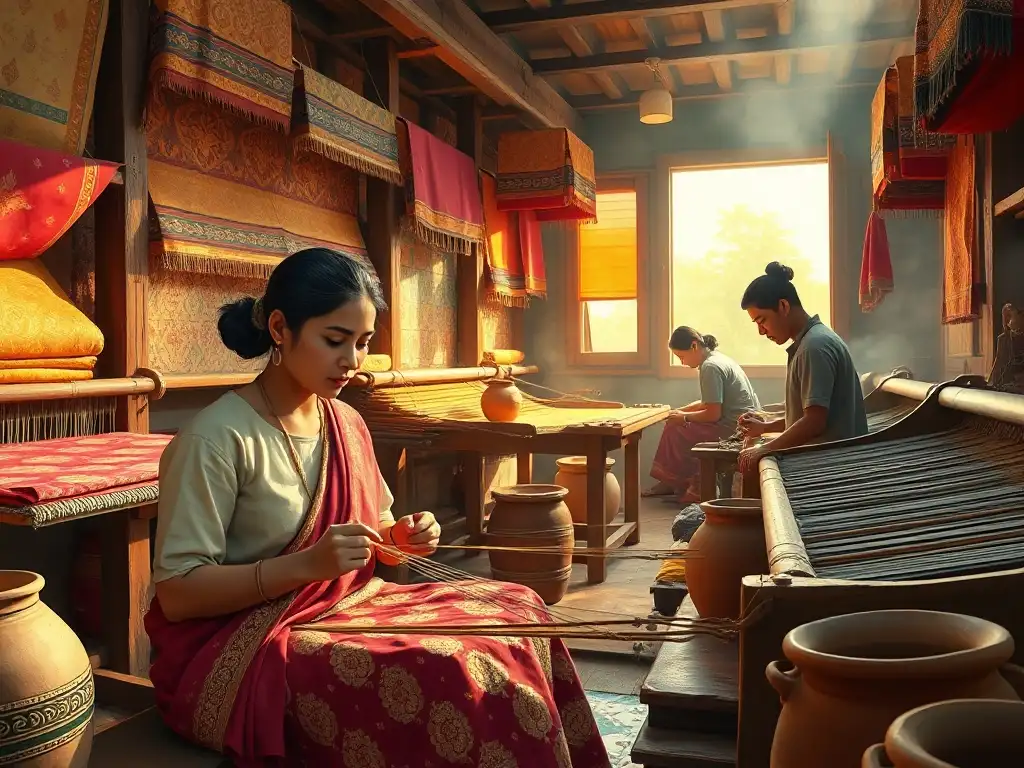
The Gupta Empire, often referred to as the Golden Age of India, flourished between the 4th and 6th centuries CE. This period was marked by significant advancements in various fields, including art, science, and culture, with textiles playing a crucial role in the daily lives and economy of the empire.
Textiles in the Gupta Empire were not merely functional; they were a medium of expression, reflecting the intricate artistry and cultural identity of the time. The use of textiles extended beyond clothing to include ceremonial garments, temple adornments, and trade goods. This rich textile tradition was influenced by earlier practices from the Indus Valley civilization and evolved through various regional styles and techniques.
The Evolution of Weaving Techniques
Weaving techniques during the Gupta period saw remarkable sophistication and diversity. Artisans employed a range of methods to create intricate patterns and textures, reflecting both local traditions and external influences.
- Loom Types: The backstrap loom, widely used in ancient India, allowed for flexibility in weaving and was particularly suited for the creation of fine fabrics. By the Gupta period, the use of vertical looms became more prevalent, enabling the production of wider textiles that could be used for saris and other garments.
- Dyeing Methods: The Gupta artisans mastered various dyeing techniques, including natural dyes derived from plants, minerals, and insects. The use of indigo for blue hues and madder for reds became prominent, resulting in vibrant textiles that were highly sought after.
- Patterning Techniques: Techniques such as resist dyeing and block printing emerged during this period. These methods allowed for the creation of complex designs, often depicting mythological themes or floral motifs, which were characteristic of Gupta artistry.
- Material Choice: Cotton became the dominant fabric choice due to its accessibility and versatility. Silk, introduced through trade routes from China, gained popularity among the affluent classes, leading to a rich variety of textiles that catered to different social strata.
The evolution of these weaving techniques not only enhanced the quality and aesthetic appeal of textiles but also established a thriving textile industry that contributed significantly to the Gupta economy.
Influence of Trade on Textile Development
Trade played a pivotal role in shaping the textile landscape of the Gupta Empire, facilitating the exchange of ideas, techniques, and materials across regions.
- Trade Routes: The Gupta Empire was strategically positioned along major trade routes, connecting it to regions as far as the Mediterranean, Central Asia, and Southeast Asia. These routes enabled the flow of not just goods but also cultural influences that enriched local textile practices.
- Material Acquisition: The introduction of luxurious materials like silk and various dyes from distant lands influenced local craftsmanship. This influx led to the blending of styles, where Gupta textiles showcased a fusion of indigenous and foreign designs, making them unique in their appeal.
- Market Demand: The wealth generated from trade created a demand for high-quality textiles, spurring innovation and increasing competition among artisans. This demand led to the establishment of specialized guilds, which played a crucial role in maintaining standards and passing down techniques through generations.
- Cultural Exchange: The interaction with traders from different cultures not only impacted textile production but also led to the introduction of new motifs and patterns, enriching the visual language of Gupta textiles. This cross-cultural exchange is evident in the diversity of designs found on textiles from this era.
The textiles of the Gupta Empire were a testament to the civilization's artistic brilliance and economic sophistication. The advancements in weaving techniques, coupled with the influence of trade, contributed to a vibrant textile culture that remains a significant aspect of ancient Indian heritage.
Materials Used in Ancient Gupta Empire Textiles
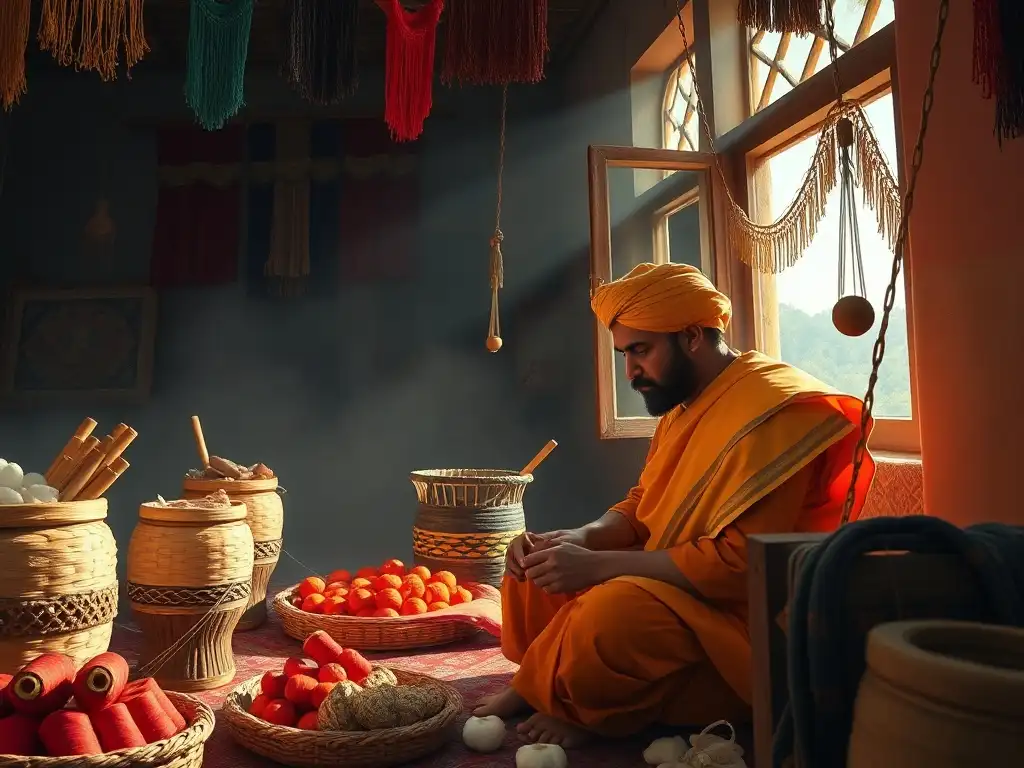
The textiles of the Gupta Empire stand as a testament to the sophistication and artistry of ancient Indian craftsmanship. The materials employed in these textiles were vital not only for their physical properties but also for the cultural significance they carried. The following sections delve into the primary materials used in the creation of ancient Gupta Empire textiles, highlighting their importance and unique characteristics.
Natural Fibers: Cotton, Silk, and Wool
The Gupta Empire thrived between the 4th and 6th centuries CE, a period marked by remarkable advancements in textile production. The primary natural fibers utilized for weaving during this era included cotton, silk, and wool.
- Cotton:
- Cotton was the most prominent fiber used in Gupta textiles, thanks to its availability and versatility. The climate of the Indian subcontinent was conducive to cotton cultivation, leading to its widespread use.
- Gupta artisans developed advanced spinning and weaving techniques, resulting in exceptionally fine cotton fabrics. These textiles were often adorned with intricate patterns and designs, reflecting the artistic sensibilities of the time.
- Historical references suggest that cotton textiles were not only used for clothing but also for ceremonial purposes, indicating their cultural significance.
- Silk:
- Silk was a luxury fiber that symbolized wealth and status. Imported from China through trade routes, it became highly sought after in the Gupta era.
- The production of silk required meticulous craftsmanship, and Gupta weavers were adept at creating elaborate silk garments. The use of silk in textiles was often associated with royalty and nobility.
- Different types of silk fabrics, such as Banarasi and Mysore silk, began to emerge, showcasing the diversity of styles and techniques employed.
- Wool:
- Although less prevalent than cotton and silk, wool was nonetheless an important material in the Gupta Empire, particularly in the colder regions.
- Woolen textiles were produced using various techniques, including felting and weaving, to create warm garments and blankets. These textiles often featured bold patterns and vibrant colors.
- The use of wool was primarily functional, catering to the needs of the populace living in colder climates, but it also played a role in trade with neighboring regions.
The combination of these natural fibers not only demonstrates the technological capabilities of Gupta artisans but also highlights the cultural exchanges that occurred through trade and interaction with other civilizations.
Dyes and Colorants in Gupta Textiles
The vibrancy and allure of ancient Gupta Empire textiles were significantly enhanced by the use of dyes and colorants. These dyes were derived from natural sources, and the techniques employed in dyeing were advanced for the time.
- Natural Dyes:
- The Gupta artisans utilized a variety of natural materials to create dyes, extracting colors from plants, minerals, and even insects. Common sources included:
- Indigo: Sourced from the indigo plant, this dye produced deep blue hues that were highly prized.
- Turmeric: This root provided a bright yellow color, often used in conjunction with other dyes for a richer palette.
- Madder: This plant yielded shades of red, making it a popular choice for vibrant textiles.
- The Gupta artisans utilized a variety of natural materials to create dyes, extracting colors from plants, minerals, and even insects. Common sources included:
- Dyeing Techniques:
- The dyeing process involved multiple steps, including mordanting, which helped fix the dye to the fabric. Artisans experimented with different combinations of mordants to achieve a wide range of colors.
- Techniques such as tie-dye and block printing were also developed, allowing for intricate patterns and designs to be created on fabric. These methods were not only functional but also served as a means of artistic expression.
- Cultural Significance of Colors:
- The colors used in Gupta textiles often held symbolic meanings. For instance, red was associated with fertility and prosperity, while blue represented the divine. Such associations influenced the choice of colors in garments worn for specific occasions.
- The vibrant hues and elaborate designs of Gupta textiles played a crucial role in ceremonies and festivities, reflecting the rich cultural tapestry of the empire.
The materials and techniques used in the textiles of the Gupta Empire illustrate not only the advanced craftsmanship of the time but also the cultural values and social dynamics that influenced textile production. The legacy of these ancient Gupta Empire textiles continues to inspire and inform contemporary textile arts.
Techniques of Weaving and Design
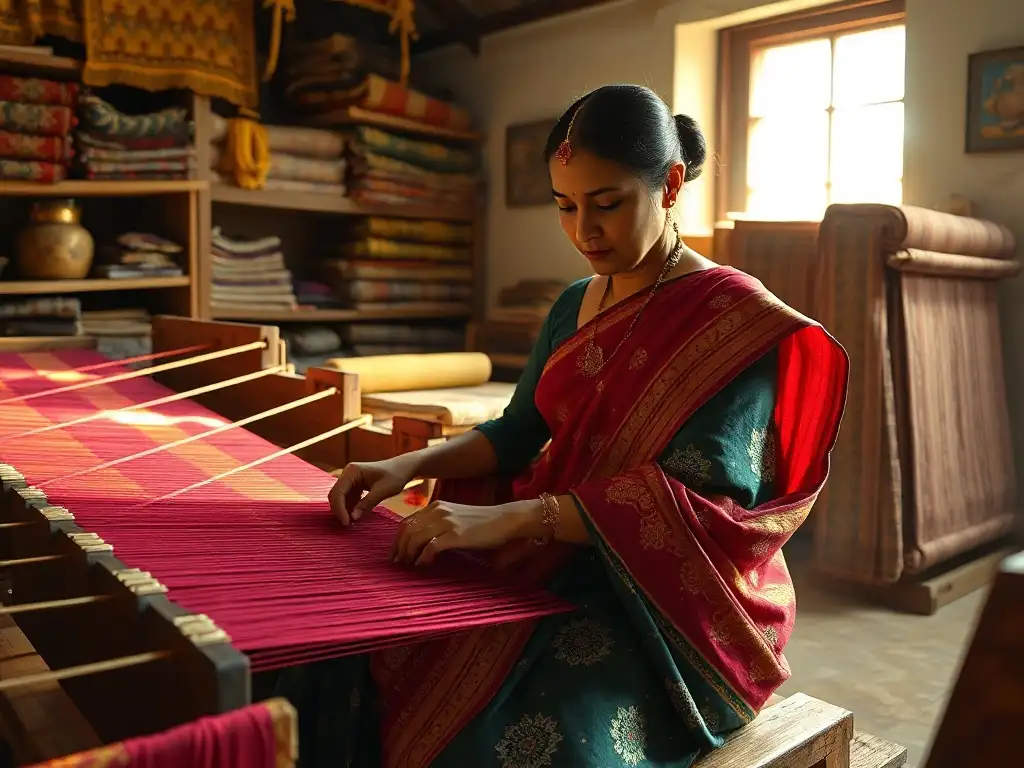
Traditional Weaving Methods in the Gupta Era
The Gupta Empire, flourishing from around 320 to 550 CE, is renowned for its advancements in various art forms, including textiles. The traditional weaving methods of this era reflected both the technological innovations and the artistic sensibilities of the time.
During the Gupta period, weavers employed several techniques that laid the foundation for the intricate designs seen in ancient Gupta Empire textiles:
- Vertical Looms: The most common weaving tool was the vertical loom, which allowed for greater precision and control. This method facilitated the production of fine fabrics, particularly silk and cotton.
- Hand Spinning: Spinning was done manually using a spindle, which enabled the creation of high-quality yarn. The quality of the thread significantly influenced the final textile, contributing to the luxurious feel of Gupta fabrics.
- Dyeing Techniques: Natural dyes derived from plants, minerals, and insects were used extensively. Techniques such as tie-dyeing and resist dyeing helped create vibrant colors and patterns, which were significant in the aesthetics of Gupta textiles.
The combination of these techniques not only improved the functionality of the textiles but also enhanced their visual appeal, making them highly sought after in both domestic and international markets.
Patterns and Motifs in Ancient Gupta Textiles
The patterns and motifs found in ancient Gupta Empire textiles were deeply symbolic and reflected the cultural and spiritual beliefs of the time. Common themes and designs included:
- Floral and Fauna Motifs: Nature-inspired designs featuring flowers, vines, and animals were prevalent, often symbolizing fertility and prosperity.
- Geometric Patterns: Geometric shapes, such as diamonds and triangles, were frequently used, often arranged in complex repeats that added depth and texture to the fabric.
- Religious Symbols: Textiles often depicted religious iconography, including symbols of Hindu deities and Buddhist motifs, which served both decorative and devotional purposes.
These patterns were not merely decorative; they conveyed stories and cultural meanings, making each piece of textile a narrative of the society's values and beliefs.
The Role of Artisans and Weavers
Artisans and weavers played a crucial role in the production of textiles during the Gupta Empire, contributing significantly to both the economy and cultural identity of the period. Their contributions can be outlined as follows:
- Skilled Craftsmanship: Weavers were highly skilled artisans who underwent extensive training to master their craft. Their expertise in weaving techniques and design was passed down through generations, ensuring the preservation of traditional methods.
- Community and Guilds: Many weavers operated within guilds, which provided a support system for artisans. These guilds not only facilitated the sharing of techniques but also helped regulate the quality of textiles produced.
- Economic Impact: The textile industry was a vital part of the Gupta economy, with textiles being a major export. The demand for Gupta textiles in trade routes extended as far as Rome and Southeast Asia, highlighting their significance beyond regional markets.
The artisans and weavers of the Gupta Empire were instrumental in creating textiles that embodied the rich cultural tapestry of ancient India, weaving not only fabric but also the stories and traditions of their society.
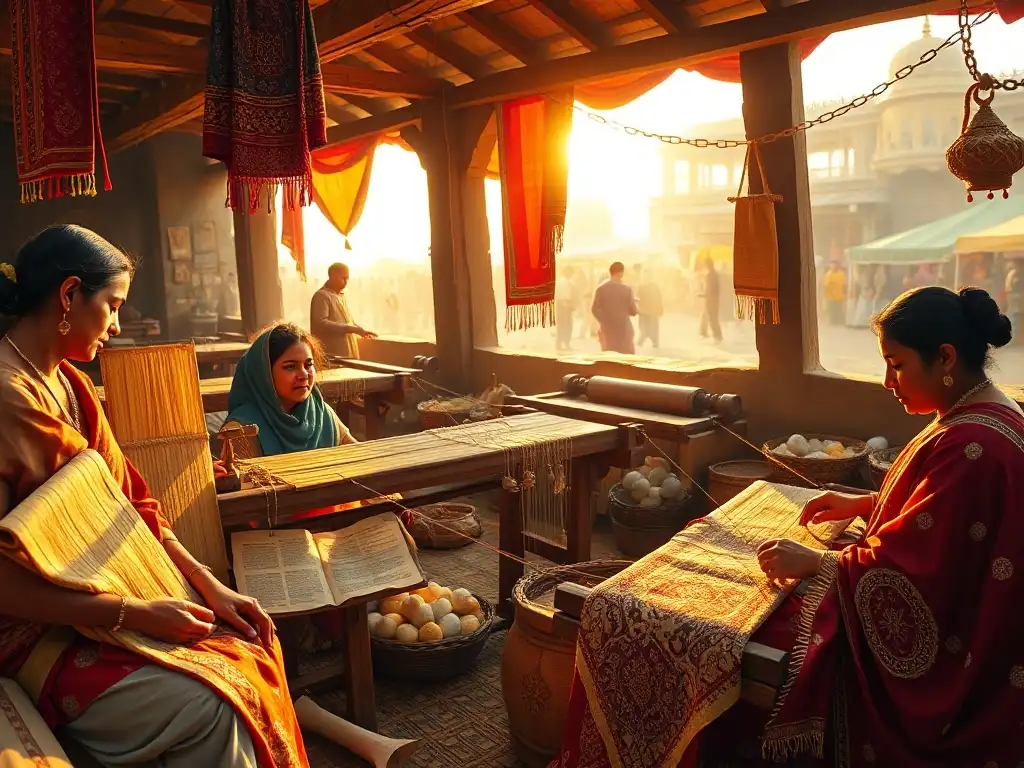
Textiles played a pivotal role in the social and economic fabric of the Gupta Empire, influencing various aspects of life from trade to social hierarchy. The intricate designs and vibrant colors of fabrics not only reflected the artistic prowess of the time but also had significant implications for status and identity within society.
Textiles as a Symbol of Status and Identity
In the Gupta Empire, textiles served as more than mere clothing; they were a powerful symbol of status and identity. High-quality fabrics, often adorned with elaborate patterns and embroidery, distinguished the elite from the common people. The types of textiles worn were indicative of one's social standing, with silk being a preferred choice among the upper classes, while more modest fabrics like cotton were common among the lower strata.
- Silk and Its Significance:
- Silk, often imported from regions like China, was a luxury item that conveyed wealth and sophistication.
- It was used for ceremonial garments and special occasions, reinforcing the notion of textiles as status symbols.
- Regional Variations:
- Different regions produced unique textiles, each with its own significance. For instance, the vibrant colors of Bengal textiles contrasted with the more subdued tones of fabrics from the western regions.
- The regional variations also helped in the formation of local identities, highlighting the cultural diversity within the Gupta Empire.
- Caste and Occupation:
- The caste system influenced textile production and consumption. Certain castes specialized in weaving, dyeing, or selling textiles, thereby creating a social structure tied to the textile industry.
- The garments worn often signified one's caste, with specific colors and styles being associated with different groups.
The Textile Trade within the Gupta Empire and Beyond
The textile industry was a cornerstone of the Gupta Empire's economy, fostering trade both within its territories and with foreign lands. The flourishing economy, coupled with advancements in weaving techniques, positioned Gupta textiles as highly sought after commodities.
- Domestic Trade:
- Markets and trade routes flourished, facilitating the exchange of textiles across various regions. Towns like Pataliputra became bustling centers of commerce where textiles were bought and sold.
- Local fairs and festivals provided platforms for showcasing and trading textiles, further embedding them into the daily lives of the populace.
- International Trade Networks:
- The Gupta Empire was part of extensive trade networks that reached as far as the Mediterranean and Southeast Asia. Textiles were among the primary goods exported, with Gupta silk being particularly prized in foreign markets.
- Trade routes, such as the Silk Road, allowed for cultural exchanges that enriched the textile industry, introducing new patterns and dyes.
- Economic Contributions:
- The textile industry contributed significantly to the empire's economy, providing employment for thousands. Weavers, dyers, and merchants played crucial roles in sustaining the economic landscape.
- The demand for high-quality textiles fostered innovation in techniques and designs, which in turn stimulated economic growth and cultural exchange.
The textiles of the Gupta Empire were not merely functional items; they were integral to the social structure and economic vitality of the civilization. Their impact resonates through history, reflecting the complexities of identity, status, and trade in ancient India.
Religious and Cultural Significance of Textiles
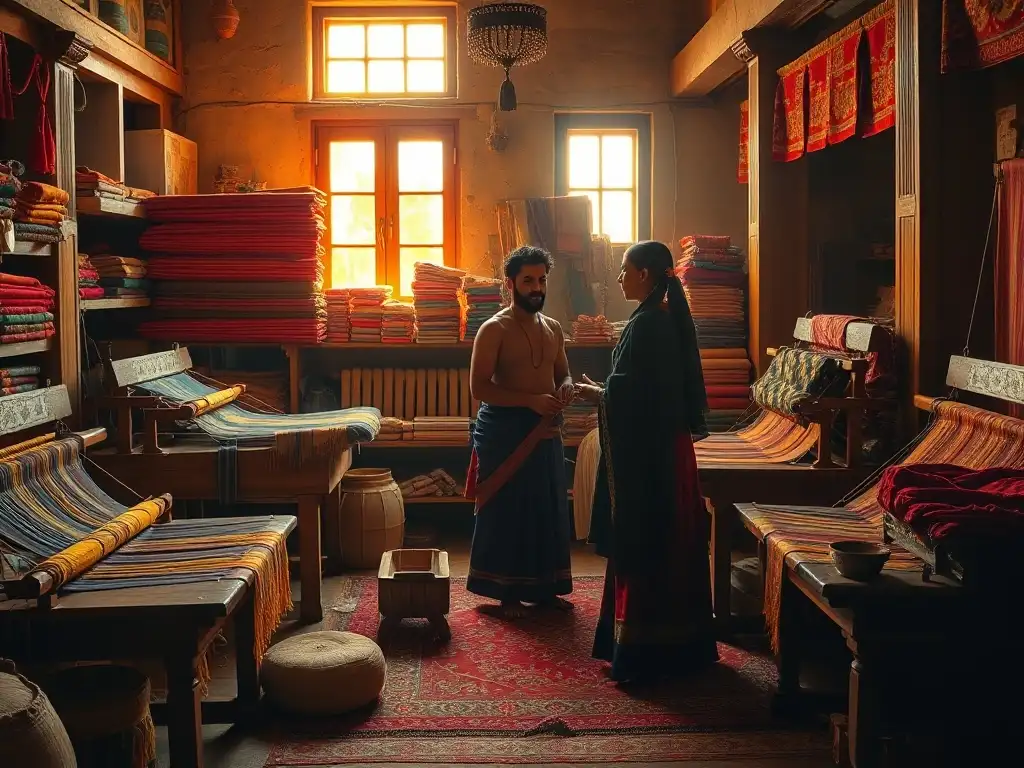
The textiles of the Gupta Empire were not merely functional items; they held deep religious and cultural significance that reflected the values, beliefs, and artistic expressions of the time. The intricate designs and vibrant colors of these fabrics often conveyed important symbolic meanings, making them integral to both everyday life and ceremonial practices in Gupta society.
Textiles in Gupta Religious Practices
In the Gupta Empire, textiles played a crucial role in various religious practices, serving both as offerings and as garments worn during rituals. The use of specific colors and materials was often dictated by religious customs. For example, saffron, a color associated with purity and spirituality, was predominantly used in textiles meant for temple rituals and offerings to deities.
- Sacred Garments: Priests and worshippers often donned special textiles made from cotton or silk, which were intricately woven with motifs representing deities and sacred symbols. These garments were believed to enhance spiritual connection during worship.
- Offerings: Fabrics such as silk and fine cotton were commonly offered at temples as a sign of devotion. These offerings could include cloaks, scarves, or mats, showcasing the craftsmanship and resources of the devotee.
The presence of textiles in religious sculptures and murals from the Gupta period also highlights their importance. Many artworks depict figures adorned in elaborate garments, emphasizing the aesthetic value of textiles in spiritual contexts.
The Role of Textiles in Festivals and Ceremonies
Festivals and ceremonies in the Gupta Empire were vibrant events that showcased the richness of Gupta textiles. These occasions were marked by elaborate displays of clothing and decoration, emphasizing the cultural significance of fabric in communal celebrations.
- Celebratory Attire: During festivals, individuals adorned themselves with the finest textiles, often featuring gold thread and intricate embroidery. This practice was not only a means of personal expression but also a display of social status.
- Decorative Textiles: Homes and public spaces were often decorated with textiles during significant celebrations. Colorful banners, drapes, and tapestries transformed environments into festive spaces, creating a visual feast that reflected the spirit of the occasion.
The Gupta Empire also saw the emergence of textiles that were specifically designed for ceremonial purposes, such as wedding attires and garments for important rites of passage. These textiles were often rich in symbolism, with each design element telling a story about the family's heritage and aspirations.
The textiles of the Gupta Empire were woven into the very fabric of religious and cultural life. They served as conduits of spirituality, social identity, and artistic expression, making them indispensable to the vibrant tapestry of Gupta civilization.
Preservation and Legacy of Gupta Textiles
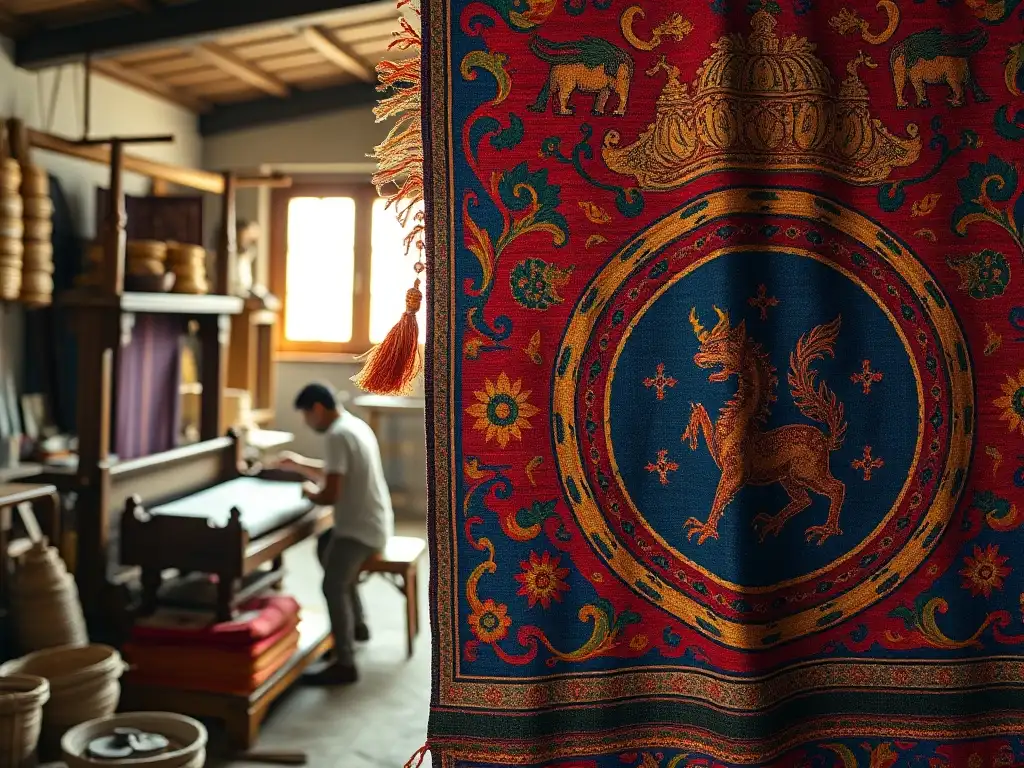
The textiles of the Gupta Empire represent a significant aspect of ancient Indian culture, showcasing an intricate interplay of artistry, craftsmanship, and utility. The preservation and legacy of these textiles not only reflect the technological advancements of the period but also provide insights into the social, economic, and cultural dynamics of the time.
One of the critical factors contributing to the preservation of Gupta textiles is their association with trade. The Gupta Empire, which thrived from approximately 240 CE to 550 CE, was a pivotal center for commerce, connecting various regions through trade routes. Textiles produced during this era were often exchanged with foreign cultures, which helped in disseminating techniques and styles. As a result, the Gupta textiles have influenced not only Indian fabrics but also textiles in regions as far as Southeast Asia and the Mediterranean.
Moreover, many of these textiles were made from durable materials such as cotton and silk, which contributed to their longevity. Archaeological findings indicate that Gupta artisans employed advanced dyeing and weaving techniques, leading to vibrant and resilient fabrics. The techniques, such as the use of intricate patterns and motifs, were often inspired by the natural world and mythological themes, rendering them not just practical items but also works of art.
Archaeological discoveries have played a crucial role in understanding the production and use of textiles during the Gupta Empire. Sites such as Patan and Bharhut have yielded remnants of textile fragments and tools used in weaving, offering invaluable insight into the techniques employed by Gupta artisans.
For instance, the discovery of a cotton textile in Ajanta Caves has revealed much about the dyeing and weaving processes. These textiles often featured elaborate designs, including animal motifs and geometric patterns, which were indicative of the sophisticated artistry present during this period.
In addition to fabric remnants, tools such as spindles, looms, and dye pots have been uncovered, providing evidence of the domestic and industrial production of textiles. These artifacts suggest that textile making was not only a craft but also a significant economic activity within the Gupta society.
Furthermore, inscriptions and ancient texts, including those from the Aryabhata period, reference the importance of textiles in trade and daily life, highlighting their role in both the economy and cultural expression. The quality and variety of textiles produced during the Gupta Empire are often regarded as a testament to the empire's wealth and sophistication.
Influence of Gupta Textile Techniques on Later Indian Fabrics
The textile techniques developed during the Gupta Empire have had a lasting impact on Indian textile traditions that followed. The introduction of advanced dyeing methods, such as the use of natural dyes, paved the way for vibrant color palettes that would be seen in subsequent eras. The Gupta emphasis on intricate designs and patterns can be traced through the centuries, influencing later textile styles, including those of the Mughal Empire.
In regions like Kanchipuram and Banaras, the weaving techniques perfected during the Gupta period were adapted, resulting in the creation of exquisite silk sarees known for their rich colors and elaborate motifs. The craftsmanship associated with Gupta textiles is celebrated even today, as many modern artisans draw inspiration from the traditional techniques established during this golden age of Indian history.
Additionally, the legacy of Gupta textiles is evident in the revival of ancient weaving techniques in contemporary art and fashion. Designers often incorporate motifs and styles that pay homage to the Gupta period, thus ensuring that the rich heritage of ancient Gupta Empire textiles continues to thrive in modern culture.
The preservation and legacy of Gupta textiles, underscored by archaeological discoveries and their influence on later fabrics, illustrate the enduring impact of this era on India's cultural tapestry. The stories woven into these fabrics continue to resonate, reflecting the artistry and innovation of ancient Indian civilizations.
Conclusion: The Enduring Legacy of Ancient Gupta Empire Textiles
The ancient Gupta Empire, renowned for its advancements in art, science, and culture, also holds a significant place in the history of textiles. The textiles produced during this period not only showcased the skill and artistry of Indian weavers but also reflected the social, economic, and cultural dynamics of the time. The vibrant colors, intricate patterns, and diverse techniques used in ancient Gupta Empire textiles tell a story of innovation and cultural exchange that has shaped the textile heritage of India.
The legacy of these textiles is evident in their lasting influence on subsequent generations of weavers. The techniques developed during the Gupta period laid the foundation for various textile traditions that emerged later, making it an essential chapter in the history of fabric production. The intricate designs and motifs continue to inspire modern artisans, who draw upon these historical influences to create contemporary textiles that pay homage to their ancient roots.
Reflections on the Cultural Importance of Weaving in Ancient India
Weaving in ancient India was not merely a craft; it was a vital aspect of cultural identity and social expression. Textiles served multiple purposes, from practical uses in daily life to ceremonial garments that marked important events. The Gupta Empire witnessed the flourishing of weaving as both an art form and a means of livelihood.
- Symbolism and Status: Different textiles often signified social status and regional identity. For instance, certain fabrics were reserved for royalty or religious ceremonies, while others were accessible to the general populace. The vibrant hues and elaborate patterns were imbued with meaning, often reflecting local myths and traditions.
- Role of Guilds: The existence of specialized guilds, known as shrenis, played a crucial role in the development of weaving practices. These organizations not only maintained quality and standards but also facilitated the transmission of knowledge and techniques across generations. This structured approach contributed to the rich tapestry of textile traditions within the empire.
- Cultural Exchange: The Gupta Empire was a hub of trade and cultural exchange, which influenced its textile production. Weavers incorporated designs and techniques from neighboring regions, resulting in a unique blend of styles that enriched the local textile heritage. This intercultural dialogue is evident in the surviving fabrics, which often exhibit a fusion of influences.
The Impact of Gupta Textiles on Modern Textile Practices
The impact of ancient Gupta Empire textiles extends beyond historical significance; it continues to influence modern textile practices in several ways:
| Aspect | Influence |
|---|---|
| Techniques | Modern weavers still employ techniques such as ikat and block printing, which were prevalent during the Gupta period. |
| Designs | Many contemporary textiles incorporate motifs and patterns derived from ancient Gupta designs, keeping the artistic legacy alive. |
| Sustainability | The traditional methods of weaving and dyeing used in the Gupta Empire promote sustainability, as they rely on natural materials and processes. |
| Cultural Revitalization | There is a growing interest in reviving ancient weaving techniques among artisans, fostering a renewed appreciation for historical textiles. |
The ancient Gupta Empire textiles represent a rich cultural heritage that continues to inspire and inform modern practices. The legacy of these textiles is not merely a remnant of the past; it is a living tradition that echoes through the fabric of contemporary Indian culture. By understanding and appreciating the artistry of Gupta textiles, we can continue to weave stories through fabric, celebrating the enduring connection between history and modernity.
Frequently Asked Questions
What were the main characteristics of textiles in the Gupta Empire?
The textiles of the Gupta Empire were known for their intricate designs, vibrant colors, and the use of fine materials such as silk and cotton, reflecting the era's artistic skill.
How did the Gupta Empire influence textile production?
The Gupta Empire established a flourishing trade network that promoted the exchange of textile techniques, leading to improved methods of production and a diverse range of fabrics.
What types of fabrics were commonly produced during the Gupta Empire?
Common fabrics included cotton, silk, and wool, with remarkable embroidery techniques and patterns that showcased the empire's artistic heritage.
How did trade impact the textiles of the Gupta period?
Trade facilitated the exchange of textile innovations and materials, allowing the Gupta Empire to incorporate foreign influences and expand its market reach, ultimately enriching its textile industry.
What significance did textiles hold in Gupta society?
In Gupta society, textiles were not just practical; they held cultural importance, symbolizing status and wealth, and were often used in religious ceremonies and rituals.
Final Reflection: Weaving the Threads of History
The exploration of ancient Gupta Empire textiles reveals not only the artistry of fabric but also the profound cultural narratives embedded within them. Today, as we navigate a world increasingly defined by rapid change and technological advancement, the stories woven into these ancient textiles remind us of the enduring human connection to craftsmanship and heritage. The intricate designs and techniques of the Gupta period serve as a testament to the creativity and resourcefulness of our ancestors, urging us to appreciate the artistry that has shaped our cultural identity.
Cultural heritage is not merely a relic of the past; it is a living tapestry that continues to influence our social landscape. The textiles of the Gupta Empire have inspired contemporary artists and designers, fostering a renewed interest in traditional crafts and sustainable practices. As we embrace these ancient techniques, we acknowledge the wisdom of our forebears and their ability to convey stories through fabric. Art is the most beautiful of all lies.
This quote encapsulates the essence of textiles as a medium that transcends time, allowing us to connect with the past while shaping our present.
As you reflect on the stories woven into the ancient textiles of the Gupta Empire, consider how these narratives resonate in your own life. What stories do you carry with you, and how can you weave them into the fabric of your daily existence? Embrace the lessons of craftsmanship, creativity, and cultural appreciation that these textiles impart. Let them inspire you to honor your own heritage and to weave your unique narrative into the rich tapestry of human experience.
Unleash Your Creativity: Start Weaving Your Own Fabric Stories!
Thank you for engaging with our exploration of the exquisite textiles from the Gupta Empire! We hope you’re inspired by the rich tapestry of history woven into each fabric. Now, let's turn that inspiration into creativity!
Here are some actionable steps you can take to deepen your connection with this ancient art form:
- Start a DIY project: Create your own small piece of artwork using fabric scraps, drawing inspiration from the vibrant colors and intricate patterns of Gupta textiles.
- Join or start a local crafting group: Connect with fellow enthusiasts to share techniques and explore the art of traditional weaving together.
- Explore ancient patterns: Research and replicate a specific textile pattern from the Gupta Empire in your own creation or home decor.
As you embark on this journey of creativity, what unique story do you want your fabric to tell? Share your thoughts in the comments below!