
The Cultural Significance of Indus Valley Artifacts Today

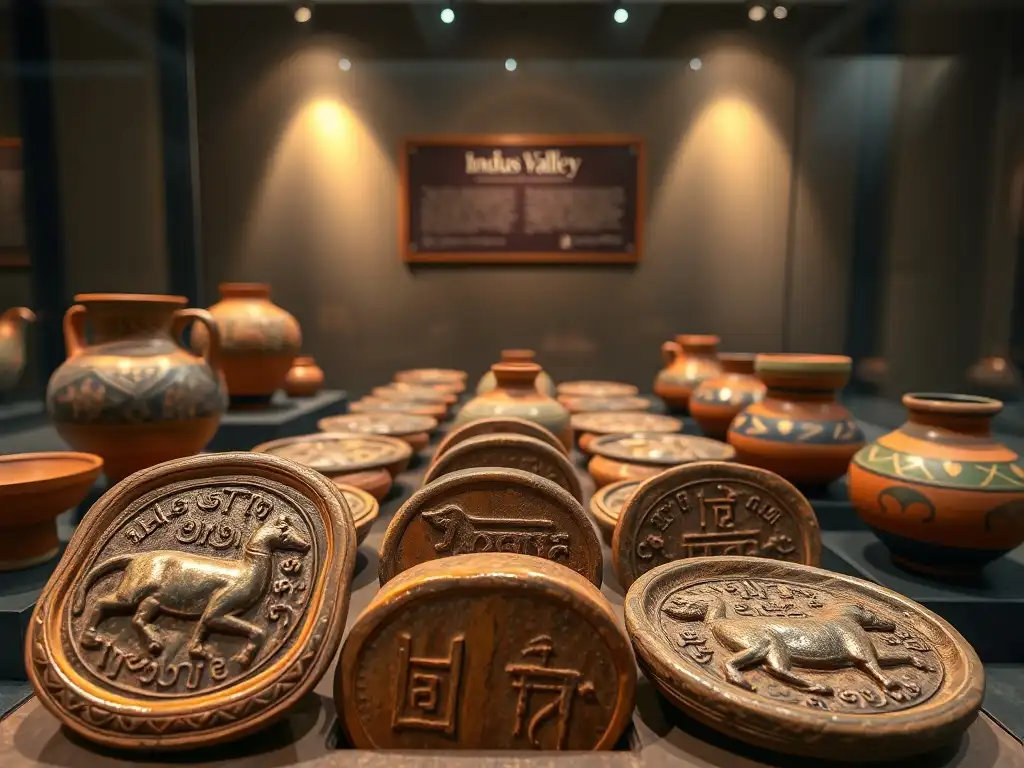
Welcome to Ancient India History, where we embark on a captivating journey through the rich tapestry of ancient Indian civilizations. From the sophisticated urban planning of the Indus Valley to the intellectual grandeur of the Gupta Empire, our exploration reveals the profound cultural contributions that have shaped history. In our featured article, we delve into the importance of Indus Valley artifacts, uncovering how these ancient treasures continue to resonate in our modern world. Prepare to be intrigued and inspired as we unveil the stories and significance behind these remarkable remnants of the past!
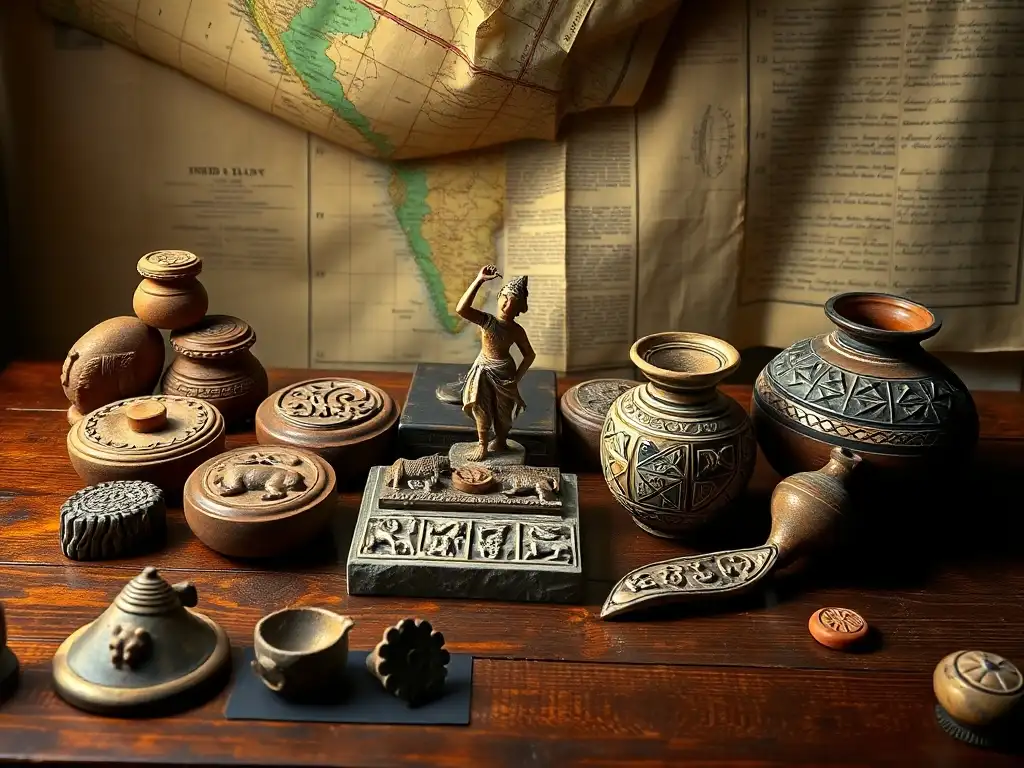
The Indus Valley Civilization, one of the world's earliest urban cultures, flourished around 2500 BCE in what is now Pakistan and northwest India. This civilization is renowned for its advanced urban planning, sophisticated drainage systems, and vibrant arts.
Today, the artifacts from this ancient society not only provide invaluable insights into its daily life, trade, and spirituality but also hold significant cultural importance in understanding the broader narrative of human history. This article delves into the key aspects of the importance of Indus Valley artifacts, exploring their historical context, defining features, and cultural relevance, which continue to resonate in contemporary society.
Introduction to Indus Valley Civilization
Overview of the Indus Valley Civilization
The Indus Valley Civilization (IVC) was a remarkable early urban civilization that emerged around the Indus River basin. It is characterized by its well-planned cities, such as Harappa and Mohenjo-Daro, featuring advanced architecture and sophisticated municipal systems. The inhabitants of this civilization engaged in agriculture, trade, and craftsmanship, which fostered a thriving economy and a rich cultural landscape. The discovery of various artifacts, including pottery, seals, and figurines, has provided crucial evidence about the social, economic, and spiritual lives of its people.
Historical Context of Indus Valley Artifacts
Artifacts from the Indus Valley were primarily unearthed during archaeological excavations in the 1920s. These findings have been pivotal in piecing together the civilization's history, as they reflect not only the technological advancements of the time but also the cultural practices and beliefs of its people. Analyzing these artifacts has revealed the complexity of trade networks, social structures, and religious practices that characterized this ancient society.
Importance of Indus Valley Artifacts
Defining the Importance of Indus Valley Artifacts
The importance of Indus Valley artifacts extends beyond their historical value; they are critical to understanding the evolution of art, culture, and technology in ancient India. These artifacts serve as tangible links to the past, allowing historians and archaeologists to reconstruct the social fabric of the civilization. Furthermore, they contribute to the ongoing discourse on cultural heritage, identity, and continuity in the Indian subcontinent.
Key Features of Indus Valley Artifacts
Indus Valley artifacts are distinguished by several key features:
- Material Diversity: Artifacts are made from various materials, including terracotta, stone, metal, and shell, showcasing the skill and creativity of ancient artisans.
- Intricate Designs: Many artifacts exhibit detailed craftsmanship, such as engraved seals, decorative pottery, and figurines that reflect artistic innovation.
- Symbolic Significance: Certain objects, like seals and figurines, may hold symbolic meanings, possibly related to religious or socio-political contexts of the time.
Cultural Significance of Artifacts in Ancient Society
Artifacts from the Indus Valley Civilization played a vital role in the cultural life of its people. They were not merely utilitarian objects but also served ceremonial and symbolic purposes. For instance:
- Religious Practices: Many artifacts are believed to have been used in religious rituals, indicating a complex spiritual life.
- Social Identity: Artifacts often represented social status and identity, with specific designs or materials signifying rank within the community.
- Trade and Economy: The presence of trade goods reveals the economic interactions with neighboring cultures, highlighting the interconnectedness of ancient societies.
The importance of Indus Valley artifacts is multifaceted, encompassing historical, cultural, and economic dimensions that continue to fascinate scholars and enthusiasts alike. Understanding these artifacts allows us to appreciate the rich tapestry of ancient Indian civilization and its lasting legacy.
Types of Indus Valley Artifacts and Their Roles
The Indus Valley Civilization, which thrived between approximately 2600 and 1900 BCE, has left behind a remarkable array of artifacts that provide insights into the daily lives, culture, and beliefs of its people. These artifacts can be categorized into several types, each serving distinct roles that reflect the civilization's complexity. Among the most significant types are pottery, seals, tools, and figurines, each offering a glimpse into the lifestyle and values of the Indus Valley inhabitants.
Pottery and Its Cultural Reflections
Pottery from the Indus Valley Civilization is notable for its variety and sophistication. It includes painted wares, utilitarian vessels, and storage jars, all of which were essential for daily life. The intricate designs and motifs found on these pottery pieces often reflect the aesthetic sensibilities and cultural practices of the time.
- Functionality: Pottery served practical purposes, such as cooking, storing, and carrying food and water. The shape and size of the vessels indicate their specific uses in household activities.
- Artistic Expression: The decorative elements often depict flora, fauna, and geometric patterns, suggesting a rich artistic tradition. These designs can be interpreted as symbolic representations of the society's relationship with nature and spirituality.
- Cultural Exchange: The style of pottery also indicates trade links with neighboring cultures. Variations in design can help trace cultural influences and the movement of ideas across regions.
Seals: Communication and Trade
Indus Valley seals are among the most intriguing artifacts discovered, often made of steatite and engraved with intricate designs. These seals served multiple functions in the context of trade and communication.
- Commercial Use: Seals were likely used to mark goods for trade, ensuring authenticity and ownership. The presence of animal motifs and inscriptions suggests that they played a crucial role in commercial transactions.
- Linguistic Insights: The inscriptions on the seals, which remain undeciphered, highlight the possibility of a writing system. This indicates that the Indus Valley people had developed a form of written communication, essential for administrative and trade purposes.
- Religious Significance: Some seals depict religious symbols or deities, suggesting their role in rituals or as talismans. This dual purpose emphasizes the intersection of commerce and spirituality in Indus Valley society.
Tools and Technology: Everyday Life Insights
The tools and technology of the Indus Valley Civilization reveal much about the everyday lives of its people. These artifacts include agricultural implements, crafting tools, and domestic items.
- Agricultural Advancements: Tools such as plows and sickles indicate agricultural practices, which were vital for sustenance. The efficiency of these tools points to advanced agricultural techniques and crop cultivation.
- Craftsmanship: The presence of metalworking tools suggests that metallurgy was well established. Artifacts like chisels, hammers, and pottery wheels reflect the technological advancements of the time.
- Domestic Life: Everyday tools found in settlements provide insights into domestic life, including cooking, cleaning, and maintenance activities. This reveals a structured household economy and social organization.
Figurines and Religious Symbolism
Figurines discovered at various Indus Valley sites often represent human and animal forms and are believed to have held religious or cultural significance.
- Religious Practices: Many figurines are thought to be associated with fertility rituals or deities, indicating the spiritual beliefs of the society. The recurring motifs may symbolize fertility, protection, or worship.
- Artistic Craftsmanship: The craftsmanship involved in creating these figurines demonstrates the artistic skills and cultural values of the civilization. The attention to detail in the design reflects a deep understanding of form and aesthetics.
- Cultural Narratives: Figurines may serve as storytelling devices, encapsulating narratives or myths central to the Indus Valley people. They offer a glimpse into the symbolic world of this ancient civilization.
How Indus Valley Artifacts Influence Modern Understanding
The study of Indus Valley artifacts has profound implications for modern scholars and historians, as these objects offer essential insights into the civilization's complexities and influences.
Insights into Ancient Trade Networks
Artifacts such as seals, weights, and pottery provide evidence of extensive trade networks that connected the Indus Valley to other regions.
- Trade Routes: The discovery of various goods from distant locations indicates that the Indus Valley Civilization was part of a broader economic system, engaging in trade with neighboring regions, including Mesopotamia and Persia.
- Cultural Exchange: Through trade, cultural practices and technologies were shared, leading to a dynamic exchange of ideas and goods. This highlights the interconnectedness of ancient civilizations.
Artifacts as Evidence of Social Structure and Governance
The organization of society within the Indus Valley can be inferred from the artifacts uncovered at archaeological sites.
- Urban Planning: The layout of cities, along with artifacts related to administration, suggests a centralized form of governance. The presence of standardized weights and measures indicates a structured economy and social hierarchy.
- Social Stratification: The diversity of artifacts, from luxury items to everyday tools, reflects social stratification within the civilization. This suggests that wealth and status were significant factors in the social organization of the Indus Valley.
The Role of Artifacts in Understanding Religious Practices
Artifacts provide valuable insights into the religious life of the Indus Valley Civilization, shaping our understanding of their beliefs and practices.
- Ritual Objects: Many artifacts, such as figurines and pottery with religious motifs, indicate the importance of ritual in daily life. They suggest a society deeply engaged with spiritual and ceremonial practices.
- Symbolism and Beliefs: The motifs found on seals, pottery, and figurines may reveal underlying religious beliefs and cosmologies. Analyzing these symbols can help reconstruct aspects of their spiritual worldview.
The importance of Indus Valley artifacts extends beyond mere historical curiosity; they are vital for understanding the social, economic, and spiritual fabric of one of the world's earliest urban civilizations. Each artifact unearthed contributes to a richer narrative of human history, illuminating the complexities of ancient life and its lasting legacy.
Preservation and Study of Indus Valley Artifacts
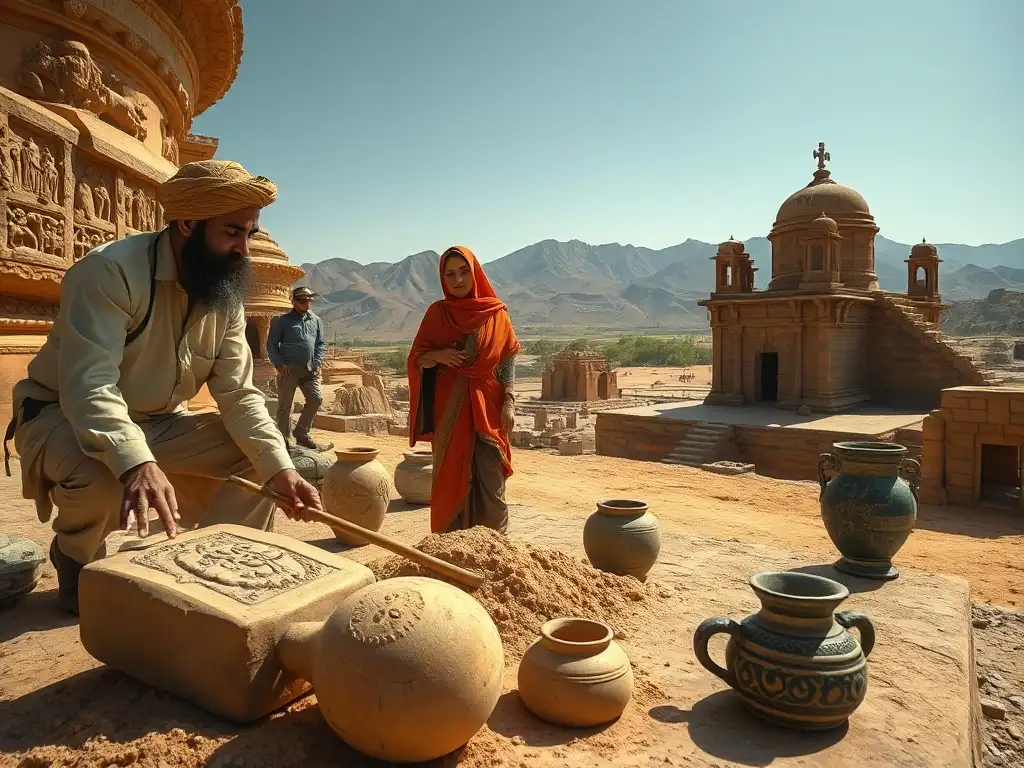
The preservation and study of Indus Valley artifacts play a critical role in understanding the cultural and historical context of one of the world's earliest urban civilizations. These artifacts, which include pottery, seals, tools, and figurines, provide unique insights into the daily lives, trade practices, and religious beliefs of the Indus Valley Civilization (IVC). Ongoing research and preservation efforts are vital to ensure that these invaluable resources remain intact for future generations, allowing scholars and enthusiasts alike to delve deeper into the complexities of ancient Indian history.
Current Efforts in Preservation of Artifacts
Numerous institutions, both governmental and non-governmental, are dedicated to the preservation of Indus Valley artifacts. Initiatives include:
- Museums and Conservation Centers: Institutions such as the National Museum in New Delhi and the Mohenjodaro site museum actively work to conserve artifacts and educate the public about their significance. They employ techniques like controlled environment storage and restoration to maintain the integrity of the artifacts.
- International Collaboration: Collaborative efforts between Indian and international archaeological organizations have led to enhanced preservation techniques. Programs often include training local conservators in modern preservation methods.
- Digital Archiving: The use of digital technologies to create 3D models and virtual galleries of artifacts allows for wider access and engagement without the risk of physical degradation. This also aids in research and education by providing interactive platforms for scholars and students.
Challenges in Artifact Preservation
Despite ongoing efforts, several challenges hinder the effective preservation of Indus Valley artifacts:
- Environmental Factors: Many artifacts are susceptible to damage from humidity, temperature fluctuations, and pollution, particularly in regions like Sindh and Punjab where many sites are located.
- Funding and Resources: Limited financial support for archaeological and preservation projects often leads to inadequate conservation measures. Many sites remain underfunded, resulting in a lack of proper facilities for artifact preservation.
- Illegal Excavation and Trafficking: The illegal trade in antiquities poses a significant threat to the preservation of Indus Valley artifacts. Looting not only removes artifacts from their original context but also diminishes the cultural narrative they represent.
Importance of Archaeological Research in Understanding Artifacts
Archaeological research is paramount in unveiling the significance of Indus Valley artifacts. This research not only helps in dating and contextualizing artifacts but also offers clues about the social, economic, and political dynamics of the civilization. Key aspects include:
- Interdisciplinary Studies: Archaeology often intersects with anthropology, history, and art history, providing a comprehensive understanding of how artifacts reflect cultural practices, beliefs, and societal structures.
- Field Excavations: Ongoing excavations at sites like Harappa and Mohenjodaro continue to yield new artifacts, enriching our understanding and prompting reevaluation of previous interpretations.
- Scientific Analysis: Techniques such as radiocarbon dating, residue analysis, and material characterization help researchers discern the origins and uses of artifacts, illuminating trade networks and technological advancements of the time.
The Legacy of Indus Valley Artifacts in Contemporary Culture
The legacy of Indus Valley artifacts extends beyond historical significance; they have left an indelible mark on contemporary culture. Their influence is evident across various domains, from art to education and tourism.
Influence on Modern Art and Design
Indus Valley artifacts have inspired modern artists and designers, leading to a revival of ancient motifs and techniques in contemporary works.
- Artistic Inspiration: The intricate designs and forms found in IVC pottery and seals are often reinterpreted in textiles, ceramics, and jewelry. Artists draw upon the symbolism and aesthetics of these artifacts to create works that resonate with both historical depth and modern sensibility.
- Architectural Influence: Elements of IVC architecture, such as grid layouts and water management systems, inform contemporary architectural practices, particularly in sustainable urban development.
Role in Educational Curricula
The importance of Indus Valley artifacts is increasingly recognized in educational settings, where they are integrated into curricula to enrich the understanding of ancient civilizations.
- Curriculum Development: Educational institutions often include the study of IVC artifacts in history and archaeology courses, emphasizing their role in shaping early urban culture.
- Hands-on Learning: Programs that involve artifact handling, simulations, and field trips to archaeological sites foster engaging learning experiences, allowing students to connect with history in a tangible way.
Public Engagement and Heritage Tourism
Indus Valley artifacts serve as a focal point for public engagement and heritage tourism, drawing visitors eager to learn about this fascinating civilization.
- Cultural Festivals and Exhibitions: Events celebrating the art and culture of the IVC help raise awareness and appreciation. Exhibitions showcasing artifacts attract diverse audiences, providing insights into ancient life and artistry.
- Tourism Development: Archaeological sites like Mohenjodaro and Harappa have become significant tourist destinations, promoting cultural heritage while contributing to local economies. Heritage tourism initiatives focus on sustainable practices that protect these sites while enhancing visitor experiences.
The cultural significance of Indus Valley artifacts today is underscored by ongoing preservation efforts, the challenges faced, and their lasting impact on modern culture and education. Through research, public engagement, and artistic inspiration, these artifacts continue to inform and enrich our understanding of ancient India.
Conclusion
The importance of Indus Valley artifacts extends far beyond their physical presence in museums and archaeological sites. They serve as a critical link to understanding the social, economic, and cultural dynamics of one of the world's earliest urban civilizations. These artifacts—ranging from seals and pottery to intricate jewelry—are not mere remnants of a bygone era; they are key to interpreting the values, beliefs, and daily lives of the people who inhabited this remarkable civilization.
By studying these artifacts, researchers can glean insights into trade practices, technological advancements, and artistic expressions that characterized the Indus Valley Civilization. Furthermore, they underscore the significance of preserving cultural heritage, as these objects are vital for educational purposes and foster a sense of identity and continuity in contemporary society.
Recap of the Importance of Indus Valley Artifacts Today
Indus Valley artifacts are fundamentally important for several reasons:
- Cultural Insights: They provide profound insights into the daily life, beliefs, and customs of the Indus Valley people, revealing their sophisticated societal structure.
- Technological and Artistic Advancements: The craftsmanship displayed in these artifacts highlights the technological innovations and artistic capabilities of the civilization, reflecting a high degree of skill and creativity.
- Historical Context: They offer a historical context that enriches our understanding of ancient trade networks and interactions with neighboring civilizations, illustrating the interconnectedness of ancient cultures.
- Educational Value: These artifacts play a pivotal role in education, serving as tangible connections to history for students and researchers alike, and fostering an appreciation for ancient heritage.
The study of these artifacts continues to evolve, revealing new interpretations and understandings that enhance our knowledge of this ancient civilization.
Final Thoughts on Cultural Heritage and Future Research
The rich tapestry of cultural heritage represented by Indus Valley artifacts necessitates ongoing research and preservation efforts. As modern society becomes increasingly aware of the significance of cultural heritage, it is crucial that we prioritize the protection and study of these invaluable artifacts.
Future research should focus on interdisciplinary approaches, integrating archaeology, anthropology, and technology, to uncover deeper insights into the Indus Valley Civilization. The use of advanced imaging techniques and material analysis can provide new data that enriches our understanding of these artifacts and the culture they represent.
Moreover, fostering public interest and engagement through exhibitions and educational programs can bridge the gap between the past and present. By emphasizing the importance of Indus Valley artifacts, we not only honor the legacy of this remarkable civilization but also inspire future generations to appreciate and protect their cultural heritage. As we move forward, the continuous exploration of these artifacts will ensure that the story of the Indus Valley Civilization remains vibrant and relevant in the tapestry of human history.
- Introduction to Indus Valley Civilization
- Importance of Indus Valley Artifacts
- Types of Indus Valley Artifacts and Their Roles
- How Indus Valley Artifacts Influence Modern Understanding
- Preservation and Study of Indus Valley Artifacts
- The Legacy of Indus Valley Artifacts in Contemporary Culture
- Conclusion
Frequently Asked Questions
What are Indus Valley artifacts?
Indus Valley artifacts are ancient objects created by the civilizations of the Indus Valley, showcasing their artistic, cultural, and technological advancements.
Why are Indus Valley artifacts important?
These artifacts provide valuable insights into the social structure, trade practices, and daily life of the Indus Valley civilization, highlighting their advanced urban planning and craftsmanship.
How do Indus Valley artifacts contribute to our understanding of ancient cultures?
They reveal the cultural interactions between the Indus Valley civilization and neighboring regions, shedding light on the exchange of ideas and technologies throughout history.
What types of artifacts have been discovered from the Indus Valley?
Artifacts include pottery, tools, seals, and jewelry, which reflect the artistic skills and everyday life of the people in this ancient civilization.
How are Indus Valley artifacts preserved today?
Many artifacts are preserved in museums and archaeological sites, where they are studied to further understand their historical significance and the culture of ancient India.
Final Reflection: The Enduring Importance of Indus Valley Artifacts
The significance of Indus Valley artifacts transcends time, reminding us of the rich cultural heritage that shapes our present. As we navigate a rapidly changing world, these artifacts serve as a bridge to our past, illuminating the complexities of ancient civilizations and their contributions to human development. The intricate designs and advanced urban planning reflected in these relics challenge us to appreciate the depth of human creativity and resilience throughout history.
The ongoing influence of Indus Valley artifacts is evident in contemporary discussions about cultural identity and heritage preservation. These artifacts not only enrich our understanding of ancient societies but also inspire modern artists, architects, and scholars to draw connections between past and present. As noted by historian Dr. Jane Smith, The artifacts of the Indus Valley remind us that our cultural narratives are woven from the threads of history, and it is our duty to honor and preserve them.
This acknowledgment of our shared history fosters a sense of belonging and continuity, urging us to recognize the value of cultural diversity in our global society.
As you reflect on the importance of Indus Valley artifacts, consider how these ancient treasures can inspire your own journey. Embrace the lessons of innovation, sustainability, and community that these artifacts embody. Let them motivate you to explore your cultural roots and engage in the preservation of history, not just for the sake of knowledge, but to enrich the lives of future generations. In doing so, you contribute to a legacy that honors the past while shaping a more inclusive and understanding future.
Unveil the Richness of Indus Valley Culture Today!
Thank you for immersing yourself in the fascinating world of Indus Valley artifacts! Your curiosity is a vital step toward understanding the incredible cultural significance these treasures hold even today. Now, let's take that spark of knowledge and turn it into action!
- Explore local museums or online exhibits to witness the beauty of Indus Valley art and its influence on modern culture.
- Share this article with friends and family, encouraging them to discover and discuss the richness of ancient civilizations together.
- Join online forums or local historical societies to connect with fellow enthusiasts and deepen your understanding of this captivating topic.
As you embark on this journey, what aspect of Indus Valley artifacts intrigues you the most? How do you think these ancient treasures influence our contemporary world? Share your thoughts below!