
Crafting Community: The Importance of Neighborhoods in Indus Valley Society

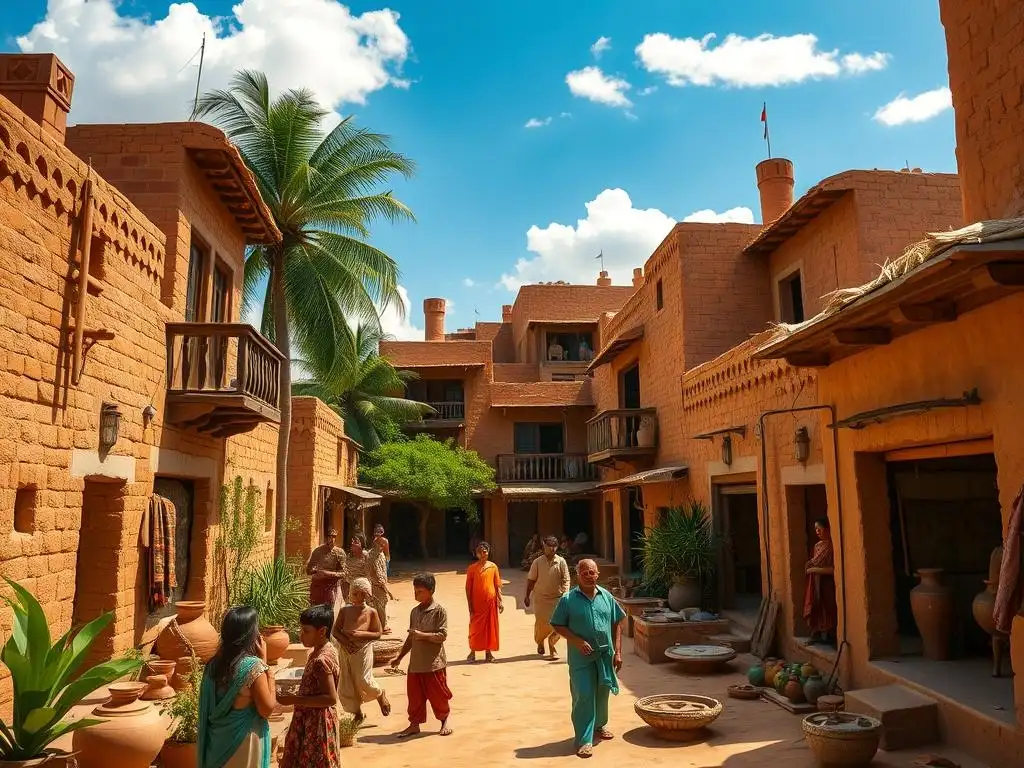
Welcome to Ancient India History, where we embark on a journey through the vibrant tapestry of India's past. Dive into the intriguing world of the Indus Valley neighborhood culture, a cornerstone of ancient society that shaped community life and social structures. What secrets do these early neighborhoods hold about the lives, traditions, and innovations of their inhabitants? Join us as we unravel the significance of these communities and discover how their legacy continues to resonate today. Your exploration of ancient civilizations begins here—read on to uncover the fascinating stories that await!
The Indus Valley Civilization, one of the world's earliest urban societies, flourished between 3300 and 1300 BCE in what is now modern-day Pakistan and northwest India. Renowned for its advanced city planning, sophisticated drainage systems, and rich cultural practices, the civilization also placed a significant emphasis on community and social structure. Central to this social fabric were the neighborhoods, which played a crucial role in the daily lives of its inhabitants.
This article explores the intricate dynamics of Indus Valley neighborhood culture, examining how these communities not only facilitated economic interactions but also fostered a sense of identity and belonging among their residents. Through an analysis of archaeological findings and sociocultural patterns, we will uncover the importance of neighborhoods in shaping the societal framework of the Indus Valley, revealing the profound connections between space and community in this ancient civilization.
The Structure of Indus Valley Neighborhoods
Indus Valley neighborhoods were characterized by their unique layouts and architectural features, which reflected the civilization's sophisticated urban planning. The cities of Harappa and Mohenjo-Daro, for instance, were marked by:
- Grid Patterns: Streets were often organized in a grid pattern, facilitating easy navigation and trade.
- Residential Blocks: Houses were typically built from baked bricks, often arranged in clusters or blocks, promoting close-knit community living.
- Public Spaces: Neighborhoods included communal areas such as baths and granaries, which served as gathering places for social and economic interactions.
These structural elements highlight how the design of neighborhoods was intentional, aimed at fostering community engagement and cooperation among residents.
The neighborhoods of the Indus Valley were not just physical spaces; they were vibrant communities that fostered social relationships and interactions. The social dynamics within these neighborhoods included:
- Collaborative Activities: Residents often engaged in shared tasks such as pottery, weaving, and trade, which encouraged collaboration and skill sharing.
- Cultural Practices: Festivals, rituals, and communal gatherings were integral to neighborhood life, reinforcing social bonds and cultural identity.
- Support Systems: Close proximity fostered support networks, where neighbors could rely on one another in times of need, whether for childcare or assistance during harvests.
Such dynamics contributed to a strong sense of belonging, crucial for the stability and continuity of the society.
Economic Interactions within Neighborhoods
Economically, neighborhoods in the Indus Valley served as hubs of trade and commerce. Key aspects included:
- Marketplace Proximity: Many neighborhoods were strategically located near marketplaces, facilitating easy access to goods and services.
- Specialization of Labor: Different neighborhoods often specialized in various crafts, such as metallurgy or bead-making, promoting economic diversity and interdependence.
- Trade Networks: Neighborhoods were interconnected through trade routes, allowing for the exchange of goods not only locally but also with distant regions.
These economic interactions underscore the neighborhoods' roles as vital components of the larger economic system of the Indus Valley Civilization.
Conclusion: The Legacy of Indus Valley Neighborhood Culture
The neighborhoods of the Indus Valley Civilization were more than mere living spaces; they were foundational to the civilization's social, cultural, and economic fabric. By fostering community ties and facilitating interactions, these neighborhoods played a critical role in the development and sustainability of one of the world's earliest urban societies. Understanding the importance of Indus Valley neighborhood culture allows us to appreciate the complexity of social life in ancient India and its enduring legacy in shaping community structures throughout history.
- The Structure of Indus Valley Neighborhoods
- Social Dynamics within Neighborhoods
- Economic Interactions within Neighborhoods
- Conclusion: The Legacy of Indus Valley Neighborhood Culture
- What was the significance of neighborhoods in Indus Valley society?
- How did geography influence the neighborhood culture in the Indus Valley?
- What types of houses were common in Indus Valley neighborhoods?
- How did the Indus Valley neighborhood culture contribute to trade?
- What role did religion play in the neighborhood culture of the Indus Valley?
Understanding Indus Valley Neighborhood Culture
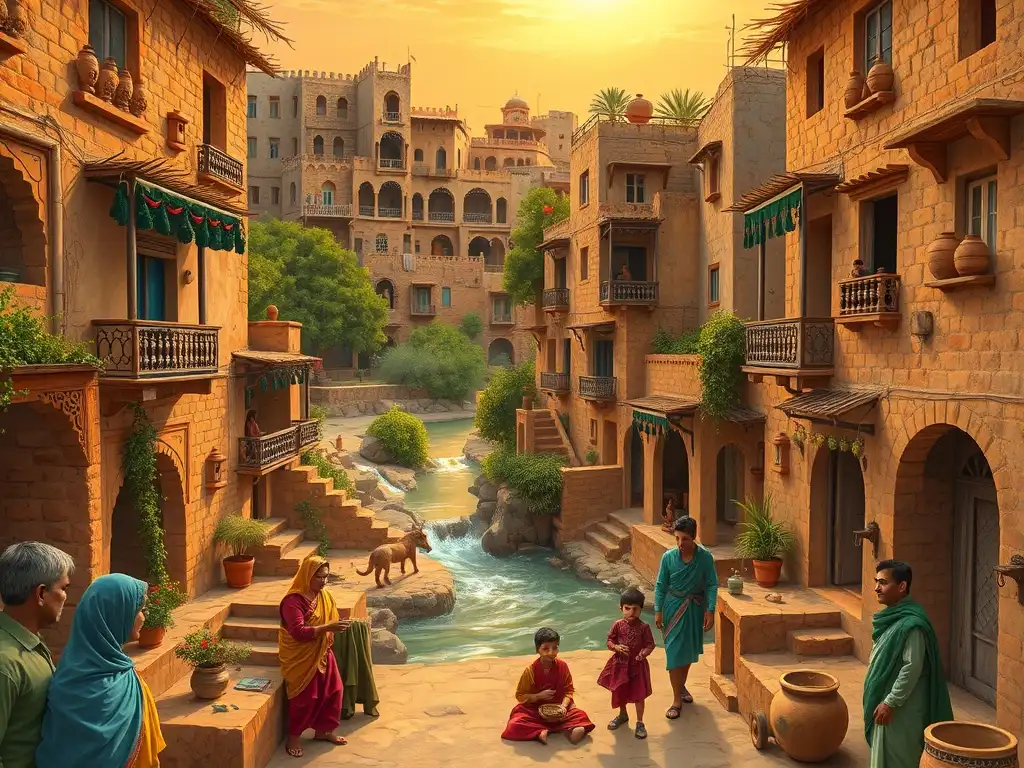
Definition of Neighborhoods in the Indus Valley Civilization
In the Indus Valley Civilization (IVC), neighborhoods played a fundamental role in shaping social interactions and community structures. Neighborhoods can be defined as distinct residential areas within larger urban centers, characterized by their architectural styles, public facilities, and social dynamics. The layout of these neighborhoods was not random; rather, it reflected a sophisticated understanding of urban planning and communal living.
Archaeological findings suggest that the neighborhoods in the IVC were designed to accommodate various social groups, fostering a sense of belonging among inhabitants. Each neighborhood likely had its own identity, influenced by factors such as trade, occupation, and cultural practices. The organization of these neighborhoods reveals much about the societal norms and values of the time, emphasizing cooperation and communal activities.
Key Features of Indus Valley Neighborhoods
Indus Valley neighborhoods exhibited several distinctive features that contributed to their unique culture:
- Urban Planning and Architecture:
- The cities of the IVC, such as Harappa and Mohenjo-Daro, were meticulously planned with grid-like street patterns. This design not only facilitated efficient movement but also reflected a unified community framework.
- Homes were typically made of baked bricks, with flat roofs and often shared walls, promoting a sense of closeness among neighbors.
- Common Facilities:
- Neighborhoods often included shared amenities such as wells, drainage systems, and public baths. These facilities were crucial for sanitation and daily living, indicating a communal approach to health and hygiene.
- The presence of granaries and storage facilities suggests that neighborhoods may have also functioned as centers for trade and resource distribution, reinforcing economic interdependence.
- Social Cohesion:
- Evidence of communal activities, such as ritualistic practices or festivals, points to strong social bonds within neighborhoods. These gatherings likely served to strengthen ties among residents and foster a collective identity.
- The diversity of pottery styles and artifacts found in different neighborhoods suggests a rich tapestry of cultural expressions, with each area contributing uniquely to the overall IVC culture.
- Economic Interactions:
- Neighborhoods were interconnected through trade networks, with some specializing in specific crafts or goods. This specialization allowed for inter-neighborhood commerce, enhancing economic resilience and diversity.
- The layout of neighborhoods facilitated easy access to marketplaces, further promoting economic exchanges and community engagement.
- Cultural Significance:
- The arrangement of neighborhoods also held cultural significance, as certain areas may have been designated for specific ethnic or occupational groups, thus reflecting the multicultural nature of IVC society.
- Artistic motifs and symbols found within residential areas indicate that neighborhoods were not only living spaces but also important sites for cultural expression and identity.
The Indus Valley neighborhood culture was characterized by its intricate design and functionality, promoting social interaction and community well-being. The features of these neighborhoods illustrate the advanced urban planning and the cultural richness that defined one of the world's earliest civilizations.
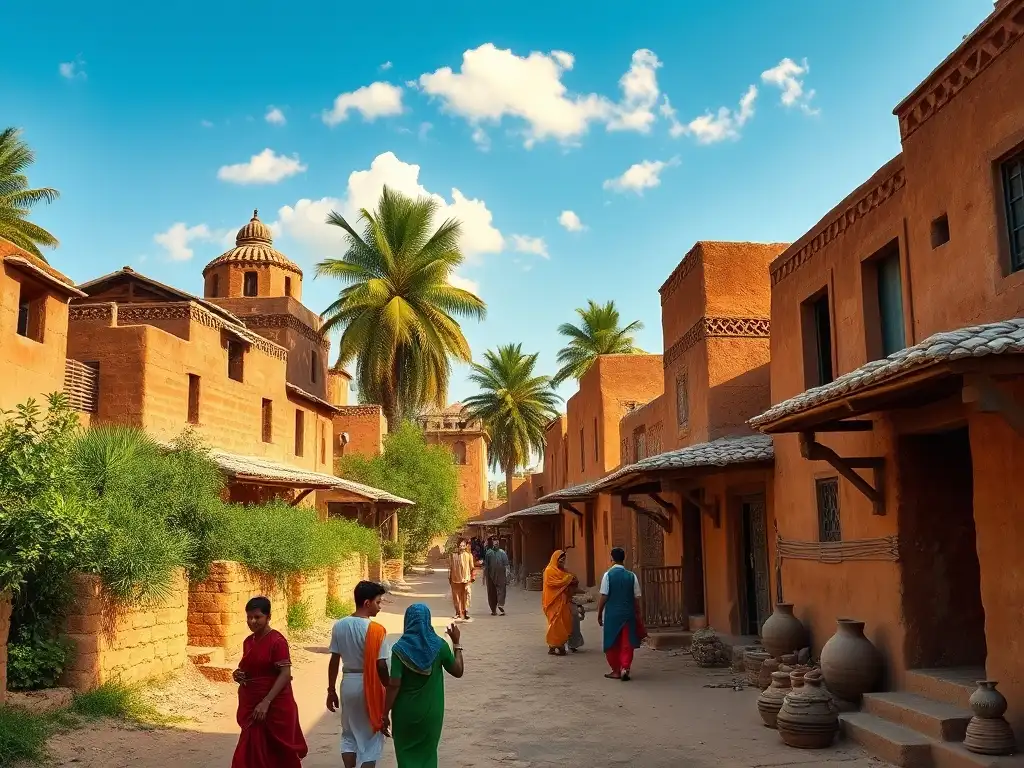
The social structure of the Indus Valley Civilization was intricately woven, with neighborhoods playing a crucial role in shaping community dynamics. Each neighborhood served as a microcosm of society, fostering relationships among families and facilitating cooperation in various aspects of daily life. Understanding this social structure is essential to grasp the significance of "Indus Valley neighborhood culture."
Indus Valley neighborhoods were typically organized around family units, with each unit contributing to the overall community. These neighborhoods were characterized by their planned layouts, which reflected a sophisticated understanding of urban planning and social organization. The layout often included residential buildings, public spaces, and essential amenities, ensuring that community members could interact and collaborate efficiently.
Role of Family Units in Neighborhood Dynamics
Family units formed the backbone of neighborhood life in the Indus Valley Civilization. Each family played a distinct role, contributing to the economic, social, and cultural fabric of the community. The dynamics of these family units were influenced by several factors:
- Economic Contributions: Family units often engaged in various trades and crafts, from pottery to textile production. This specialization allowed neighborhoods to thrive, as families exchanged goods and services, fostering economic interdependence.
- Social Responsibilities: Families participated in communal activities, such as festivals and rituals, reinforcing social bonds. These gatherings were essential for maintaining cultural traditions and fostering a sense of belonging within the neighborhood.
- Support Systems: Families often relied on one another for support, whether in childcare, elder care, or during times of need. This network of assistance helped to create a resilient community that could withstand challenges.
- Conflict Resolution: Neighborhoods served as spaces for resolving disputes among families. Elders or respected figures often mediated conflicts, promoting harmony and cooperation within the community.
The family unit was a vital component of the Indus Valley neighborhood culture, influencing various aspects of daily life and contributing to the overall stability and cohesion of society.
Community Leadership in Indus Valley Society
Leadership within Indus Valley neighborhoods was likely shared among community members, reflecting a collaborative approach to governance. While specific details about leadership structures in the Indus Valley Civilization remain somewhat elusive, several key elements have been identified:
- Decentralized Authority: Unlike some ancient civilizations with centralized power, the Indus Valley appears to have had a more decentralized leadership model. Community leaders likely emerged based on their skills, knowledge, and ability to foster cooperation among families.
- Elders and Respected Figures: Elders played a crucial role in community decision-making. Their experience and wisdom were valued, and they often acted as mediators in disputes and facilitators of community events.
- Collective Decision-Making: Leadership in the Indus Valley neighborhoods may have involved collective decision-making processes. Community gatherings allowed members to voice their opinions and contribute to the governance of their neighborhoods, fostering a sense of ownership and responsibility.
- Cultural Leadership: Leaders also played a role in preserving and promoting cultural practices within the neighborhood. They facilitated religious ceremonies, festivals, and rituals, ensuring that traditions were passed down through generations.
Community leadership in the Indus Valley was characterized by a collaborative and decentralized approach that empowered individuals while fostering unity. This structure was integral to the development of "Indus Valley neighborhood culture," ensuring that communities thrived through cooperation and shared responsibility.
Economic Activities in Indus Valley Neighborhoods
Agriculture and Neighborhood Cooperation
Agriculture formed the backbone of the economy in Indus Valley neighborhoods, significantly influencing the daily lives and social structures of its inhabitants. The fertile plains of the Indus River provided ideal conditions for the cultivation of various crops, including wheat, barley, and cotton. This agricultural bounty fostered a sense of community among neighboring settlements, as cooperation in farming practices became essential for maximizing yields.
Cooperative Farming Practices
- Shared Resources: Neighbors often pooled resources for irrigation systems, ensuring that all had access to water.
- Collective Labor: Seasonal labor, such as planting and harvesting, was frequently performed collaboratively, which not only enhanced productivity but also strengthened social bonds within the community.
- Crop Rotation and Diversity: Communities practiced crop rotation, which not only preserved soil fertility but also encouraged the exchange of techniques and seeds among neighbors, leading to a resilient agricultural ecosystem.
Trade Practices and Neighborhood Interactions
Trade was another vital economic activity that shaped the interactions within Indus Valley neighborhoods. The strategic location of these communities facilitated trade with other regions, including Mesopotamia and Persia. Such interactions were not merely economic; they played a crucial role in the cultural exchange and development of the neighborhood culture.
Local and Long-Distance Trade
- Local Markets: Neighborhoods often organized local markets where surplus agricultural produce, crafted goods, and textiles were exchanged. This not only stimulated the local economy but also promoted social gatherings and cultural exchanges.
- Long-Distance Trade Routes: The establishment of trade routes allowed for the exchange of goods such as precious stones, metals, and luxury items, which were highly valued by neighboring civilizations. For instance, the trade of lapis lazuli from Afghanistan highlights the extensive networks established by Indus Valley traders.
Impact on Neighborhood Culture
The economic interactions through trade and agriculture fostered a unique neighborhood culture characterized by:
- Shared Practices: The interdependence of agricultural and trade practices led to the development of shared cultural rituals, festivals, and communal gatherings.
- Cultural Exchange: Exposure to diverse goods and ideas from trading partners enriched the Indus Valley society, leading to advancements in craftsmanship and artistry.
- Cohesion and Identity: Economic cooperation and trade fostered a sense of identity among neighbors, as they worked together for mutual benefit, reinforcing community ties and social cohesion.
The economic activities within Indus Valley neighborhoods—particularly agriculture and trade—played a pivotal role in shaping the neighborhood culture. These practices not only ensured survival but also fostered a rich social fabric that contributed to the overall prosperity and cultural richness of the Indus Valley Civilization.
Urban Planning and Neighborhood Layout in the Indus Valley

The urban planning of the Indus Valley Civilization (IVC) is a testament to the advanced societal organization and community-focused design of its time. Neighborhoods in this civilization were meticulously crafted, reflecting a deep understanding of urban dynamics and social interaction. The city layouts were characterized by a grid pattern, promoting accessibility and organized living spaces.
Architectural Features of Indus Valley Neighborhoods
Indus Valley neighborhoods were distinguished by several key architectural features:
- Planned Grid Layout: Cities like Harappa and Mohenjo-Daro exemplified a well-planned grid system, with streets laid out at right angles. This design facilitated efficient movement and social interaction among residents.
- Residential Units: Homes were typically made of baked mud bricks, with some evidence suggesting multi-storied structures. Houses often featured flat roofs, which served as additional living spaces, fostering community interactions.
- Common Facilities: Neighborhoods included shared amenities such as public baths and granaries, which played a crucial role in community life. These facilities not only provided practical benefits but also served as social hubs where residents could gather and interact.
- Drainage Systems: One of the most remarkable aspects of IVC architecture was its sophisticated drainage system. Well-engineered drains ran alongside streets, reflecting a commitment to public health and hygiene.
- Variability in Size and Wealth: Although the neighborhoods were uniformly planned, there was a noticeable variation in the size and quality of houses, indicating a degree of social stratification. Wealthier residents likely occupied larger homes with more elaborate features.
These architectural elements contributed to a sense of community, highlighting the importance of neighborhood culture in fostering social ties and collective identity among the inhabitants of the Indus Valley.
The Influence of Geography on Neighborhood Design
The geographical context of the Indus Valley significantly influenced the design and development of its neighborhoods.
- River Systems: The proximity to the Indus River provided essential resources, including water for drinking and irrigation. This access informed the placement and orientation of neighborhoods, often situated near riverbanks to take advantage of fertile lands.
- Climate Considerations: The semi-arid climate necessitated architectural adaptations to ensure comfort and sustainability. Homes were constructed to maximize airflow, with thick walls providing insulation against heat.
- Natural Resources: The availability of raw materials, such as clay for bricks and timber for roofs, dictated construction practices. Neighborhoods were built using locally sourced materials, reflecting a harmonious relationship with the environment.
- Trade Routes: The strategic location of Indus Valley cities along trade routes influenced neighborhood layouts, as areas near these routes often developed into bustling commercial hubs. This not only facilitated trade but also enhanced cultural exchanges.
The interplay between geography and urban planning in the Indus Valley resulted in neighborhoods that were not only functional but also integral to the fabric of IVC society. The thoughtful design of these communities underscores the significance of Indus Valley neighborhood culture in shaping social cohesion and daily life.
Cultural Practices within Indus Valley Neighborhoods
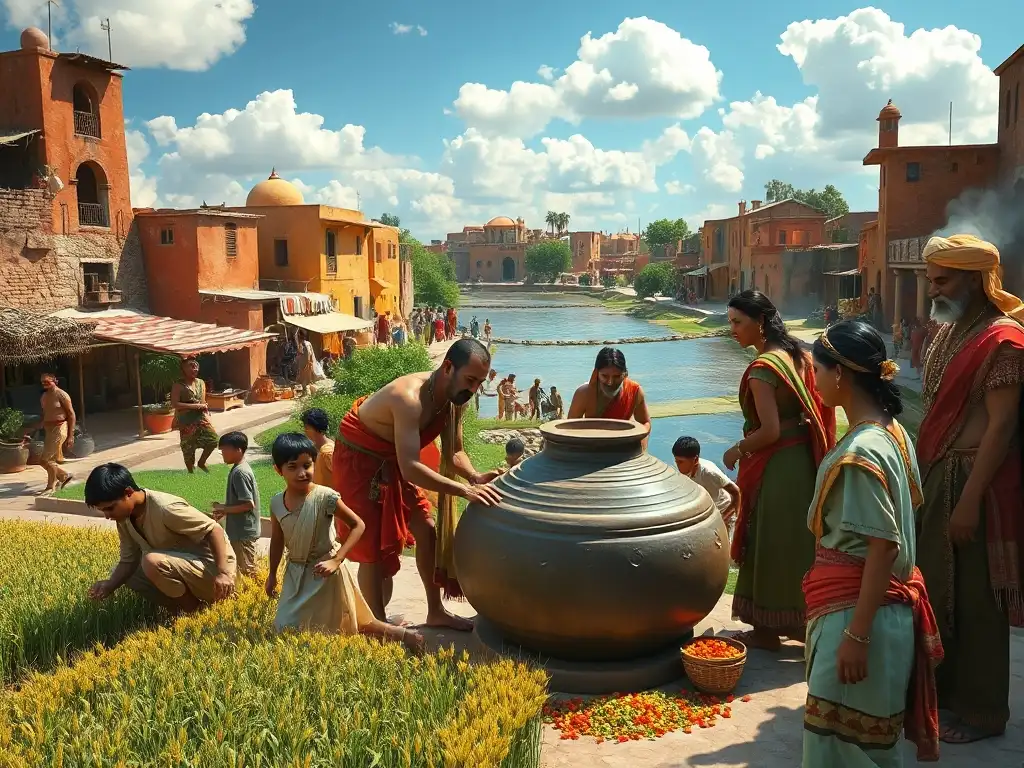
Festivals and Community Gatherings
The Indus Valley Civilization (IVC) was characterized by a vibrant neighborhood culture that fostered community ties through various festivals and gatherings. These events were essential for reinforcing social bonds and enhancing a sense of belonging among residents.
1. Agricultural Festivals
Agricultural cycles played a crucial role in the lives of Indus Valley inhabitants. Festivals celebrating harvests were common, where communities would come together to give thanks for bountiful crops. Key elements of these festivals included:
- Rituals of Gratitude: Offerings made to local deities, perhaps using grains and fruits from the harvest.
- Dancing and Music: Community members would engage in traditional dances and music, amplifying the celebratory atmosphere.
- Feasting: Shared meals that included locally sourced foods, fostering communal harmony.
2. Seasonal Celebrations
Different seasons brought unique opportunities for festivals. For instance, the arrival of monsoons might have been celebrated with ceremonies to ensure adequate rainfall. These gatherings often involved:
- Decorative Practices: Homes and public spaces adorned with flowers and leaves.
- Storytelling: Elders recounting historical tales or myths, strengthening cultural identity.
3. Trade and Craft Fairs
With the IVC known for its trade networks, fairs likely served as important community events. Neighborhoods would gather to showcase local crafts and goods, facilitating:
- Economic Exchange: Residents bartering goods, which not only met needs but also reinforced neighborhood interdependence.
- Cultural Exchange: Interactions with traders from different regions, introducing new ideas and practices.
Rituals and Beliefs in Neighborhood Life
Rituals and beliefs were integral to the daily life and neighborhood culture of the Indus Valley. These practices provided structure to community interactions and reflected the values held by its inhabitants.
1. Ancestor Worship
Many neighborhoods may have participated in rituals honoring ancestors, which served to maintain familial ties and respect for heritage. Such practices likely included:
- Shrines and Altars: Constructed within homes or communal spaces, where offerings were made.
- Ceremonies: Regular gatherings to remember ancestors, reinforcing community identity and continuity.
2. Water Rituals
Given the significance of water in agricultural practices and daily life, rituals centered around water sources were likely prevalent. These rituals might have included:
- Purification Rites: Community members gathering at rivers or wells to perform cleansing rituals.
- Celebration of Springs: Seasonal celebrations at the onset of the monsoon, to honor water deities and ensure plentiful resources.
3. Artifacts and Symbols
The use of specific artifacts, such as terracotta figurines and seals, played a role in neighborhood culture. These items often held symbolic meanings and were part of communal rituals. Their presence in neighborhoods may have indicated:
- Shared Beliefs: Common values and cultural narratives expressed through art.
- Identity Markers: Distinct symbols that represented individual neighborhoods, fostering pride and unity.
The Indus Valley neighborhood culture was rich in cultural practices, marked by festivals, rituals, and shared beliefs that created a cohesive social fabric. These elements not only defined community life but also contributed to the enduring legacy of the Indus Valley Civilization.
The Impact of Neighborhoods on Daily Life in the Indus Valley
In the Indus Valley Civilization, neighborhoods served as vital hubs for social interaction, shaping community ties and cultural exchanges. Each neighborhood was characterized by its distinct layout, with houses often built close together, creating an intimate environment that fostered communal living. This close-knit configuration encouraged residents to engage in daily interactions, from sharing resources to participating in communal activities.
- Community Gatherings: Neighborhoods often hosted gatherings, where residents could come together to celebrate festivals, share meals, or discuss community matters. These gatherings were essential for strengthening social bonds and fostering a sense of belonging.
- Trade and Commerce: The proximity of homes facilitated local trade. Artisans and merchants operated within their neighborhoods, promoting economic interdependence. For instance, neighborhoods could be known for specific crafts, like pottery or textiles, allowing residents to barter goods easily.
- Cultural Exchange: The diverse population of the Indus Valley also contributed to cultural richness. Neighborhoods often included individuals from various backgrounds, leading to the exchange of traditions, languages, and practices. This diversity enhanced the vibrancy of Indus Valley neighborhood culture, as people shared stories, rituals, and culinary practices.
Neighborhoods were not just physical spaces; they were dynamic centers of social interaction that played a crucial role in the daily lives of Indus Valley inhabitants, shaping their identities and community dynamics.
The Role of Neighborhoods in Education and Knowledge Sharing
Education in the Indus Valley was deeply intertwined with neighborhood structures, as knowledge was often imparted within community settings. Unlike formal institutions, learning predominantly took place through informal channels, where families and neighbors played crucial roles in educating the younger generation.
- Apprenticeship Models: Children learned trades and skills through apprenticeships within their neighborhoods. For example, a child might learn weaving from a skilled neighbor, while another might assist in pottery making. This hands-on approach not only ensured the transmission of practical skills but also reinforced community relationships.
- Oral Traditions: Storytelling was a key element in the educational practices of the Indus Valley. Elders would share tales of history, mythology, and moral lessons, fostering a rich oral tradition. These stories often reflected the values and beliefs of the community, contributing to a shared cultural identity.
- Rituals and Festivals: Educational opportunities also arose during communal rituals and festivals. Participation in these events allowed individuals to learn about religious practices, agricultural cycles, and social responsibilities. Through these communal experiences, residents acquired knowledge that was essential for their roles within society.
In essence, neighborhoods in the Indus Valley served as informal educational institutions, where knowledge was shared through lived experiences, fostering a well-informed and culturally rich community. The interdependence of social interactions and knowledge sharing significantly contributed to the overall development of Indus Valley neighborhood culture.
Challenges Faced by Indus Valley Neighborhoods
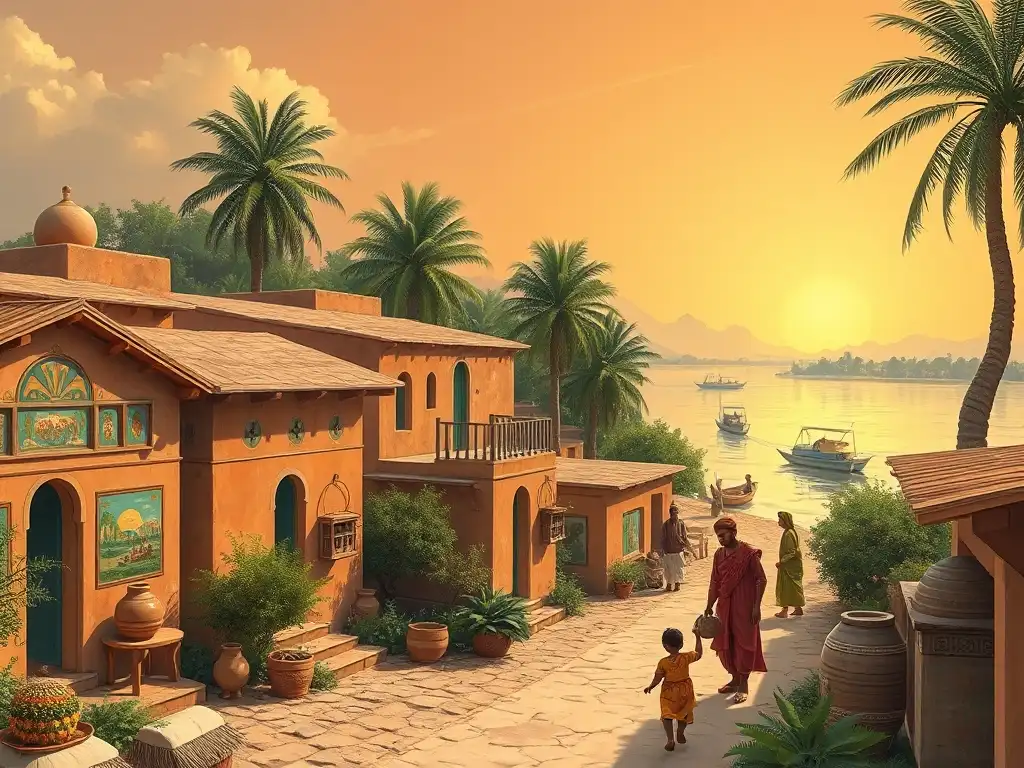
The Indus Valley Civilization, one of the earliest urban cultures in the world, established complex neighborhoods that played a crucial role in the social and economic fabric of its society. However, these neighborhoods faced various challenges that impacted their stability and cohesion. Understanding these challenges is essential to grasp the dynamics of Indus Valley neighborhood culture.
Environmental Factors Influencing Neighborhood Stability
Environmental factors significantly influenced the stability of neighborhoods in the Indus Valley. The region was characterized by its diverse landscape, including rivers, fertile plains, and varying climatic conditions.
- Flooding and Water Management:
- The Indus River, while providing essential irrigation, was prone to seasonal flooding. Historical evidence suggests that cities like Mohenjo-Daro and Harappa had advanced drainage systems, but extreme weather could overwhelm these infrastructures.
- Flooding not only led to property damage but also disrupted agricultural activities, leading to food shortages and economic strain within neighborhoods.
- Soil Fertility and Agricultural Practices:
- The fertility of the soil was crucial for sustaining the agrarian lifestyle. Changes in water availability due to climate shifts could affect crop yields.
- Neighborhoods reliant on specific agricultural outputs faced challenges during bad harvests, resulting in competition for resources and strained community relationships.
- Urban Planning and Resource Distribution:
- The layout of Indus Valley cities reflects a high degree of urban planning, which included residential zones, public baths, and granaries. However, unequal access to resources could create tensions among different neighborhoods.
- Variations in the availability of water, building materials, and land for agriculture could lead to disparities that fostered social friction.
Social dynamics within the neighborhoods of the Indus Valley were complex and multifaceted, with conflicts arising from various sources that could undermine community cohesion.
- Caste and Class Divisions:
- Although the caste system as we know it today may not have been fully formed during the Indus Valley Civilization, evidence suggests that social stratification existed. Differences in wealth and status among neighborhoods could lead to tensions and conflicts.
- Those in higher social strata may have had better access to resources, creating resentment among poorer residents who felt marginalized.
- Cultural and Ethnic Diversity:
- The Indus Valley was home to various ethnic groups and cultures, which contributed to a rich tapestry of community life. However, this diversity could also lead to misunderstandings and conflicts.
- Neighborhoods that struggled to integrate different cultural practices might experience friction, especially in areas such as trade and communal activities.
- Economic Competition:
- As trade flourished in the Indus Valley, neighborhoods often competed for markets and resources. Economic rivalry could escalate into conflicts that disrupted social harmony.
- Neighborhoods that relied heavily on trade needed to maintain strong relationships with surrounding areas to ensure access to goods, making them vulnerable to economic downturns.
The challenges faced by Indus Valley neighborhoods, driven by environmental factors and social conflicts, played a significant role in shaping the neighborhood culture of this ancient civilization. Understanding these challenges provides valuable insights into the resilience and adaptability of the communities that thrived in one of history's earliest urban centers.
Legacy of Indus Valley Neighborhood Culture
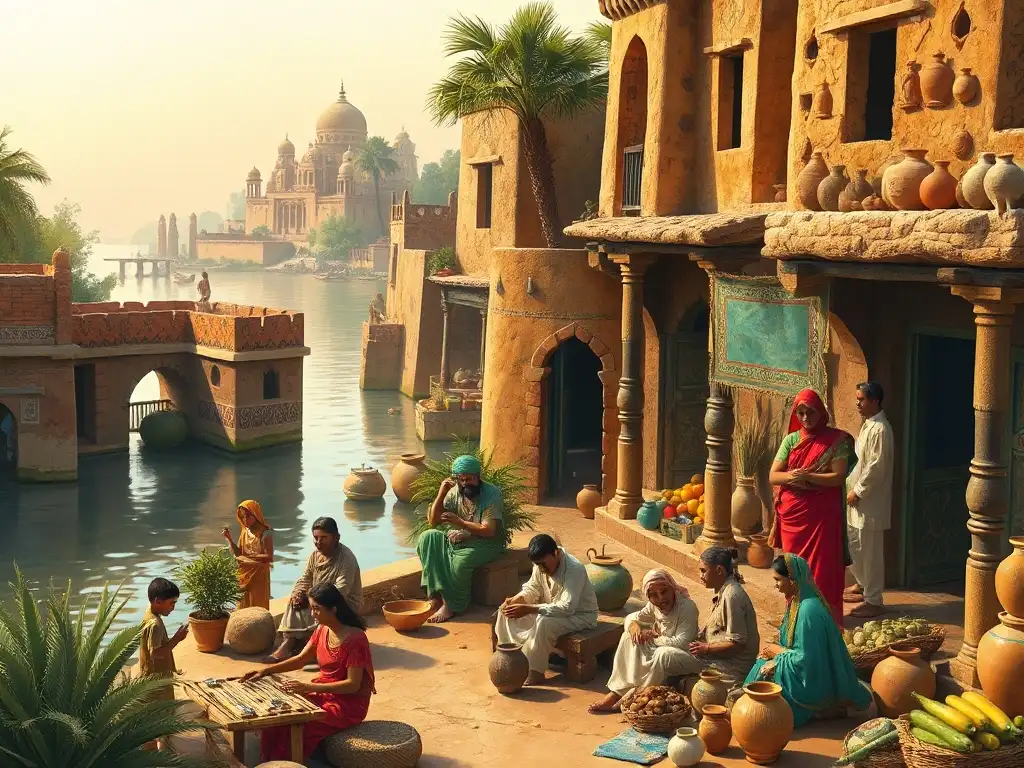
The neighborhoods of the Indus Valley Civilization were foundational in shaping the societal structure and daily life of one of the world's earliest urban cultures. This civilization, which flourished around 2500 BCE in what is now Pakistan and northwest India, demonstrated a sophisticated understanding of urban planning, community living, and resource management. The layout and organization of these neighborhoods laid the groundwork for communal living that influenced subsequent Indian societies.
The Indus Valley neighborhood culture is characterized by well-planned cities, such as Mohenjo-Daro and Harappa, where homes were constructed using standardized baked bricks. Streets were systematically aligned, often featuring advanced drainage systems. This attention to urban infrastructure reflected a collective approach to community living, emphasizing cleanliness and public health. This legacy of urban planning can be seen echoed in later civilizations, showcasing a continuity of values that prioritize communal well-being.
Influence on Later Indian Societies
The impact of the Indus Valley neighborhood culture extended far beyond its decline around 1900 BCE. As the foundations of urban life shifted, many characteristics of Indus Valley societies were assimilated into the cultures that followed. The emphasis on neighborhood organization, communal spaces, and shared resources became integral to the development of subsequent Indian cities and societies.
For instance, the concept of panchayati raj—a system of local self-governance—can trace its roots back to the communal decision-making practices established in the neighborhoods of the Indus Valley. Moreover, the architectural innovations in urban planning set a precedent for later empires, such as the Maurya and Gupta, which expanded upon these principles to create even larger and more complex urban centers.
Additionally, the emphasis on trade and economic interdependence in Indus Valley neighborhoods fostered a spirit of collaboration. This principle persisted through centuries, influencing trade networks in later Indian kingdoms that thrived on cooperative economic practices and cultural exchanges.
Lessons from Indus Valley Neighborhoods for Modern Communities
The neighborhoods of the Indus Valley Civilization offer valuable insights for contemporary communities. Their legacy teaches us the importance of sustainable urban planning and the necessity of fostering strong community bonds. Here are some key lessons drawn from their neighborhoods:
- Sustainable Urban Design: The balance between built environments and natural landscapes in Indus Valley cities highlights the need for modern planning to prioritize sustainability. Green spaces, efficient waste management, and water conservation methods are essential for thriving urban areas today.
- Community Involvement: The collective decision-making seen in Indus Valley neighborhoods underscores the importance of community engagement in governance. Encouraging local participation in urban planning can lead to more responsive and effective governance structures.
- Cultural Diversity: The inclusivity observed in Indus Valley society serves as a reminder of the value of cultural diversity. Modern neighborhoods can benefit from embracing multiculturalism, fostering environments where different cultures and traditions can coexist and enrich community life.
- Infrastructure and Public Health: The advanced drainage and sanitation systems of the Indus Valley illustrate the critical link between infrastructure and public health. Modern urban planning must prioritize these elements to ensure the well-being of residents.
The Indus Valley neighborhood culture not only shaped its own society but also laid down principles that continue to resonate in our urban environments today. By studying their legacy, modern communities can draw inspiration to create inclusive, sustainable, and vibrant neighborhoods that honor the past while addressing contemporary challenges.
Conclusion: The Significance of Neighborhoods in Understanding Indus Valley Civilization
The neighborhoods of the Indus Valley civilization serve as a crucial lens through which we can understand the complexities of their society. This unique aspect of ancient urban life not only showcases the architectural and technological advancements of the time but also reflects the social organization, cultural practices, and economic interactions that defined the civilization. By examining the layout, construction, and spatial arrangement of these neighborhoods, we can glean insights into the daily lives of their inhabitants, their communal relationships, and the values they held dear.
Neighborhoods in the Indus Valley were often characterized by their organized street layouts, advanced drainage systems, and the presence of public spaces, which provided a sense of community and facilitated social interaction. The significance of these neighborhoods extends beyond mere physical structures; they were the heart of social life, fostering connections among residents and allowing for the exchange of ideas, goods, and cultural practices. Understanding this aspect of Indus Valley neighborhood culture can illuminate the broader narrative of ancient Indian civilization, showcasing how these communities contributed to the development of urban society.
Summary of Key Points on Indus Valley Neighborhood Culture
- Urban Planning: The meticulous planning of neighborhoods, with straight streets and well-defined areas for residential and commercial activities, reflects a high degree of social organization and governance.
- Community Interaction: Evidence suggests that neighborhoods facilitated interaction among residents, promoting a sense of identity and belonging that was essential for social cohesion.
- Economic Activities: Neighborhoods played a pivotal role in economic exchanges, with proximity to markets and workshops enabling trade and craftsmanship to flourish.
- Cultural Practices: Rituals and communal events likely took place in shared spaces, reinforcing cultural traditions and collective memory among the inhabitants.
- Architectural Innovations: The construction techniques and materials used in neighborhood buildings provide insight into the technological advancements of the Indus Valley people.
The Importance of Preserving Historical Neighborhood Insights
Preserving the insights gained from studying Indus Valley neighborhoods is vital for several reasons. Firstly, it enhances our understanding of urban development and societal structures in ancient civilizations, offering lessons that can be applied to modern urban planning and community building.
Secondly, these historical insights help to foster a sense of identity and continuity among contemporary populations, linking them to their ancestral roots. By recognizing the value of neighborhoods in the Indus Valley civilization, we can appreciate the ongoing relevance of community in shaping human experience.
Finally, the preservation of archaeological sites and the promotion of research on Indus Valley neighborhood culture contribute to the broader field of historical and cultural studies. By ensuring that these insights are documented and shared, we honor the legacy of the Indus Valley civilization and its contributions to the tapestry of human history.
Frequently Asked Questions
What was the significance of neighborhoods in Indus Valley society?
Neighborhoods in Indus Valley society were crucial for social organization and community life, serving as centers for trade, crafts, and daily interactions among residents.
How did geography influence the neighborhood culture in the Indus Valley?
The geography of the Indus Valley, with its river systems and fertile land, fostered the development of agricultural communities that shaped neighborhood structures and economic activities.
What types of houses were common in Indus Valley neighborhoods?
Indus Valley neighborhoods typically featured well-planned homes made of baked bricks, with courtyards, drainage systems, and common spaces that promoted community engagement.
How did the Indus Valley neighborhood culture contribute to trade?
Neighborhoods acted as trade hubs, where goods were exchanged locally and with other regions, facilitating economic growth and cultural exchange across the Indus Valley civilization.
What role did religion play in the neighborhood culture of the Indus Valley?
Religion influenced the neighborhood culture through the establishment of communal spaces for worship and rituals, fostering a sense of identity and unity among the inhabitants.
Final Reflection: The Enduring Legacy of Indus Valley Neighborhood Culture
The exploration of Indus Valley neighborhood culture reveals a profound truth about the foundations of human society: our neighborhoods shape our identities and influence our communal bonds. Today, as we navigate an increasingly globalized world, the lessons from the Indus Valley civilization remind us of the significance of local connections and the importance of cultivating vibrant communities. The way these ancient societies organized their neighborhoods speaks volumes about how we can foster resilience and unity in our own communities amidst modern challenges.
The impact of the Indus Valley neighborhood culture extends far beyond its historical context; it continues to resonate in our cultural and social landscapes. The intricate planning of their cities and the emphasis on communal spaces reflect a deep understanding of the human need for connection. As we strive to create inclusive environments today, we can draw inspiration from their legacy. The greatness of a community is most accurately measured by the compassionate actions of its members.
This quote encapsulates the essence of what neighborhoods can achieve when individuals come together, echoing the values of cooperation and mutual support that were central to the Indus Valley society.
As we reflect on the importance of neighborhoods in shaping our lives, I invite you to consider how you can contribute to your community. Engage with your neighbors, support local initiatives, and foster connections that transcend differences. By embracing the spirit of community that thrived in the Indus Valley, we can create a more harmonious future, where every individual feels valued and connected. Let us take these lessons to heart and actively participate in crafting our own neighborhoods, ensuring they remain vibrant and inclusive for generations to come.
Unveil the Power of Community in the Indus Valley!
Thank you for diving into the fascinating world of the Indus Valley Society with us! Your interest in how neighborhoods shaped this ancient civilization is truly commendable. Now, let's transform that knowledge into action and deepen our understanding of community dynamics throughout history.
Here are a few steps you can take to explore this topic further:
- Join a local history group or online forum to discuss the significance of communal spaces in ancient cultures. Share insights and learn from diverse perspectives!
- Visit a museum or exhibit that focuses on ancient civilizations. Explore displays that highlight urban planning and community life; you may discover unexpected treasures that ignite your curiosity!
- Start a neighborhood book club centered around historical literature. Delve into the narratives of ancient societies and examine how their community structures influenced their way of life.
Which aspect of community life in the Indus Valley intrigues you the most, and how do you think these insights can be applied to enhance modern neighborhoods?