
The Cultural Significance of Technology in the Indus Valley Society

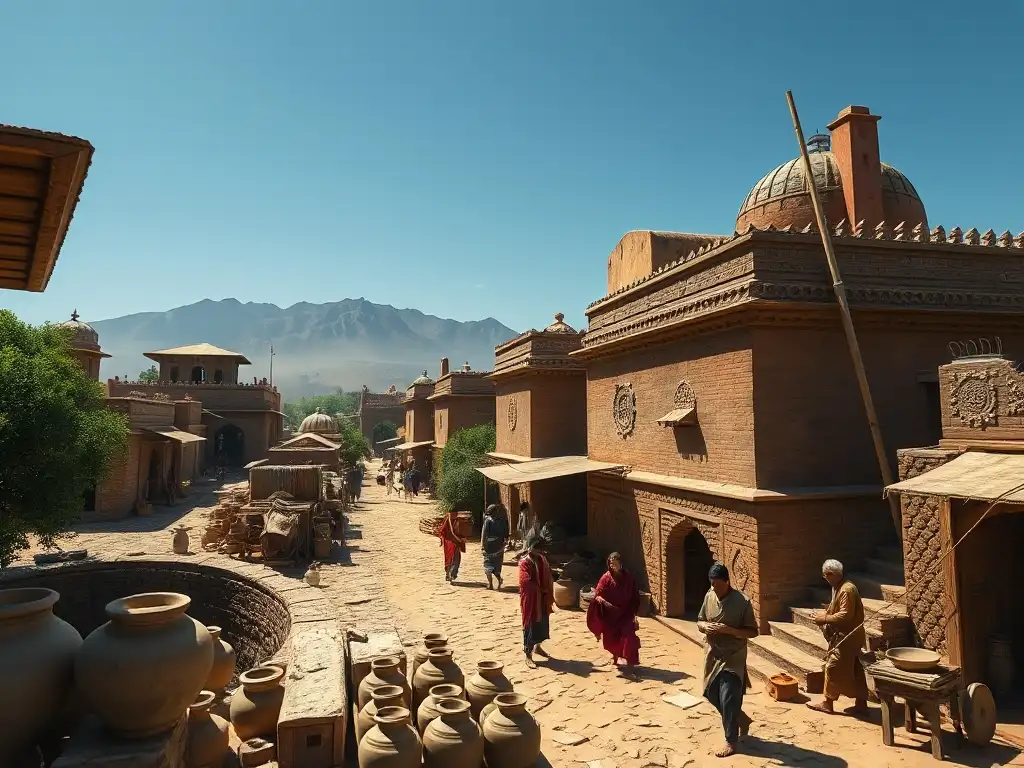
Welcome to Ancient India History, where we embark on a fascinating journey through time to unveil the rich tapestry of ancient Indian civilizations. In our featured article, we delve into the significance of technology in the Indus Valley Society, exploring how innovations shaped not just their daily lives but also laid the groundwork for future advancements.
As you navigate through the captivating stories and insights, prepare to discover the profound impact of these ancient technologies on culture and society. Your adventure into the depths of history starts here—read on to unlock the secrets of one of the world's earliest urban civilizations!
Introduction to the Indus Valley Civilization
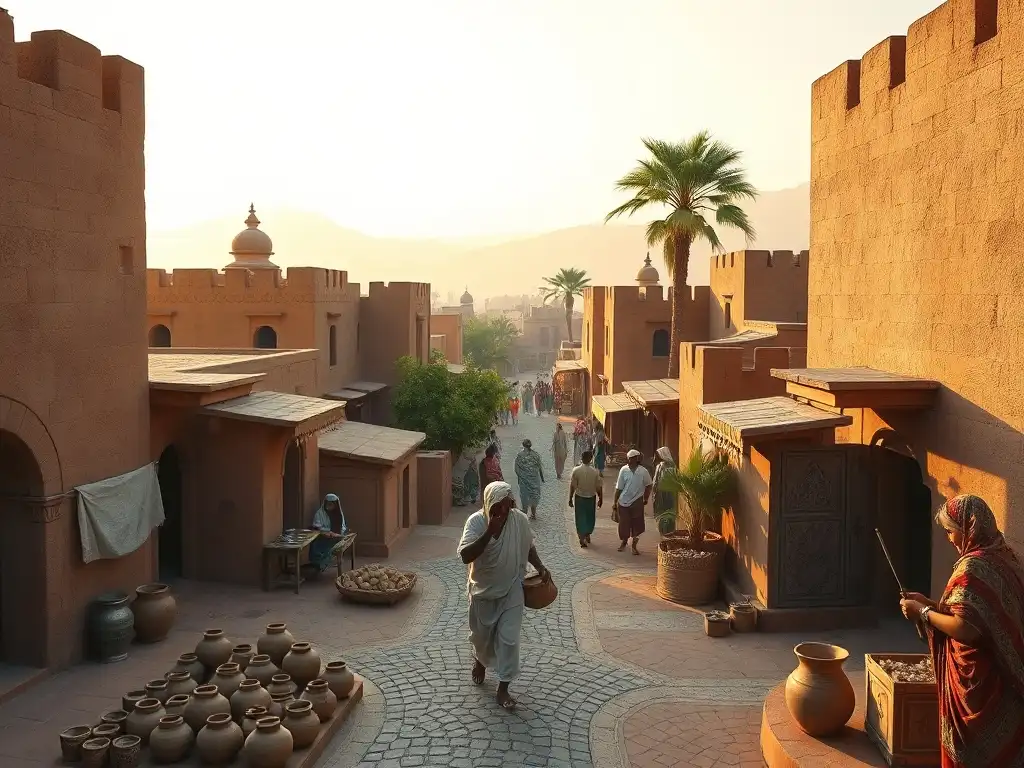
The Indus Valley Civilization, one of the world's earliest urban cultures, flourished around 2500 BCE in what is now modern-day Pakistan and northwest India. This remarkable civilization is characterized by its advanced city planning, impressive architectural feats, and a complex social structure that reflects a high degree of technological sophistication.
Understanding the Indus Valley technology significance is crucial for appreciating how these innovations shaped not just the civilization itself, but also laid the groundwork for future societies in the region. From their intricate drainage systems to standardized weights and measures, the technological advancements of the Indus Valley people reveal much about their daily lives, trade practices, and cultural values.
Overview of Indus Valley Civilization
The Indus Valley Civilization, also known as the Harappan Civilization, emerged around 3300 BCE and reached its zenith between 2600 and 1900 BCE. Spanning across present-day Pakistan and northwest India, this civilization included well-planned cities such as Harappa and Mohenjo-Daro. The inhabitants of this civilization were skilled in various crafts, including pottery, metallurgy, and textile production. Their urban centers featured advanced infrastructure, such as well-organized streets, public baths, and elaborate drainage systems, which indicate a remarkable level of engineering capability.
Importance of Technology in Ancient Societies
Technology has always played a pivotal role in shaping human societies. In ancient civilizations, technological advancements were not merely tools for survival; they were integral to social organization, trade, and cultural expression. The ability to manipulate materials and innovate processes allowed societies to enhance agricultural yield, improve trade efficiency, and develop artistic endeavors. In the context of the Indus Valley Civilization, technology was vital for urban planning, resource management, and fostering a sense of community among its inhabitants.
Indus Valley Technology Significance
Definition of Indus Valley Technology
Indus Valley technology encompasses a wide array of innovations that were developed and utilized by the civilization's inhabitants. This includes advancements in urban planning, construction techniques, agricultural practices, and craft production. Some of the most notable technological achievements of the Indus Valley include:
- Urban Engineering: The cities were meticulously planned with grid layouts and sophisticated drainage systems.
- Metallurgy: The use of bronze and copper for tools and ornaments showcased their metalworking skills.
- Weights and Measures: Standardized systems facilitated trade and commerce, promoting economic stability.
These technologies are significant not only for their functionality but also for the insights they provide into the values and priorities of the Indus Valley society.
Key Innovations and Their Cultural Impact
The cultural impact of Indus Valley innovations is profound and multi-faceted:
- Urban Planning and Architecture:
- The cities of Harappa and Mohenjo-Daro exemplify advanced urban planning, with their organized street layouts and public sanitation systems.
- This level of planning suggests a complex administrative system capable of managing resources and populations.
- Agricultural Advancements:
- The development of irrigation techniques allowed for surplus food production, which supported larger populations and led to social stratification.
- The reliance on agriculture fostered a stable society that could engage in trade and cultural exchanges.
- Craftsmanship and Trade:
- The production of high-quality pottery and textiles not only served local needs but also facilitated trade with neighboring regions.
- This trade network helped distribute Indus Valley innovations, influencing other cultures and economies.
- Standardization:
- The use of standardized weights and measures in trade indicates a sophisticated understanding of commerce and economic principles.
- Such practices enhanced trade efficiency and contributed to economic prosperity.
These innovations collectively underline the significant role that technology played in shaping the cultural landscape of the Indus Valley Civilization, highlighting its contributions to both historical and contemporary understandings of technological development in ancient societies.
Major Technological Advancements in the Indus Valley
The Indus Valley Civilization, flourishing between approximately 3300 BCE and 1300 BCE, is renowned for its remarkable technological advancements that played a pivotal role in shaping its society. The ingenuity of the Indus people is evident in various fields, including urban planning, agriculture, craftsmanship, and trade. These advancements not only facilitated daily life but also contributed to the economic and social structures that defined one of the world's earliest urban societies.
Urban Planning and Architecture
Urban planning in the Indus Valley was characterized by highly organized layouts and sophisticated architecture. Cities such as Mohenjo-Daro and Harappa were meticulously designed with a grid pattern, featuring wide streets and well-defined residential and public areas. The use of standardized baked bricks for construction enhanced the durability of buildings and facilitated uniformity across cities.
Notable architectural features included the Great Bath of Mohenjo-Daro, which suggests advanced knowledge of hydraulics and water management. This massive structure, possibly used for ritualistic purposes, demonstrates the significance of water in Indus society. Furthermore, the presence of drainage systems and sophisticated sewage management indicates an understanding of sanitation and urban health, highlighting the civilization's commitment to public welfare.
Agriculture and Irrigation Techniques
Agriculture was the backbone of the Indus Valley economy, and the civilization's technological innovations in this area were significant. The fertile floodplains of the Indus River provided ideal conditions for farming, allowing the cultivation of a variety of crops, including wheat, barley, peas, and cotton.
Irrigation techniques were essential for maximizing agricultural output. The Indus people developed sophisticated systems that included canals and reservoirs to manage water supply, particularly during dry seasons. This ability to control water resources not only increased crop yields but also supported a growing population and facilitated trade.
Craftsmanship and Trade
The Indus Valley Civilization is also known for its exceptional craftsmanship, particularly in bead making, pottery, and metallurgy. Artisans employed advanced techniques to create intricate jewelry and tools, showcasing their skills and creativity. The quality of these goods made them highly sought after, promoting extensive trade networks with neighboring regions.
Trade was further enhanced by the development of standardized weights and measures, allowing for fair transactions. The discovery of seals with unique inscriptions suggests that the Indus people engaged in trade with Mesopotamia and other civilizations, facilitating cultural exchange and economic growth. This interconnectedness underscores the significance of technology in expanding trade routes and enhancing the civilization's influence.
The Role of Technology in Daily Life
The technological advancements of the Indus Valley Civilization were not merely for economic purposes; they also played a crucial role in shaping daily life and societal structures. From domestic technologies to social roles associated with these innovations, technology was deeply embedded in the fabric of Indus society.
Domestic Technologies and Their Uses
Domestic technologies in the Indus Valley included various tools and practices that improved the quality of life for its inhabitants. Evidence of well-constructed homes indicates that families enjoyed comfort and functionality. Features such as storage jars, cooking utensils, and grinding stones suggest a well-developed culinary culture.
Moreover, the presence of terracotta figurines and toys indicates that technology was also aimed at leisure and education, enriching the lives of children and families. These domestic advancements reflect not only the practical needs of the society but also the cultural emphasis on home life and community.
Social Structure and Technological Roles
Technology in the Indus Valley Civilization was closely linked to social structure. Different technological roles emerged, with specialized craftsmen, traders, and agricultural workers forming the backbone of the economy. This division of labor allowed for efficiency and innovation, as individuals could focus on honing specific skills.
The existence of workshops and evidence of collaboration among artisans suggests a network of social relations based on technology. This interconnectedness fostered a sense of community and shared identity, reinforcing the importance of technology in both economic and social realms. The roles associated with technological advancement contributed to the stability and prosperity of the Indus Valley Society, reflecting its cultural significance.
Technological Influence on Culture and Society
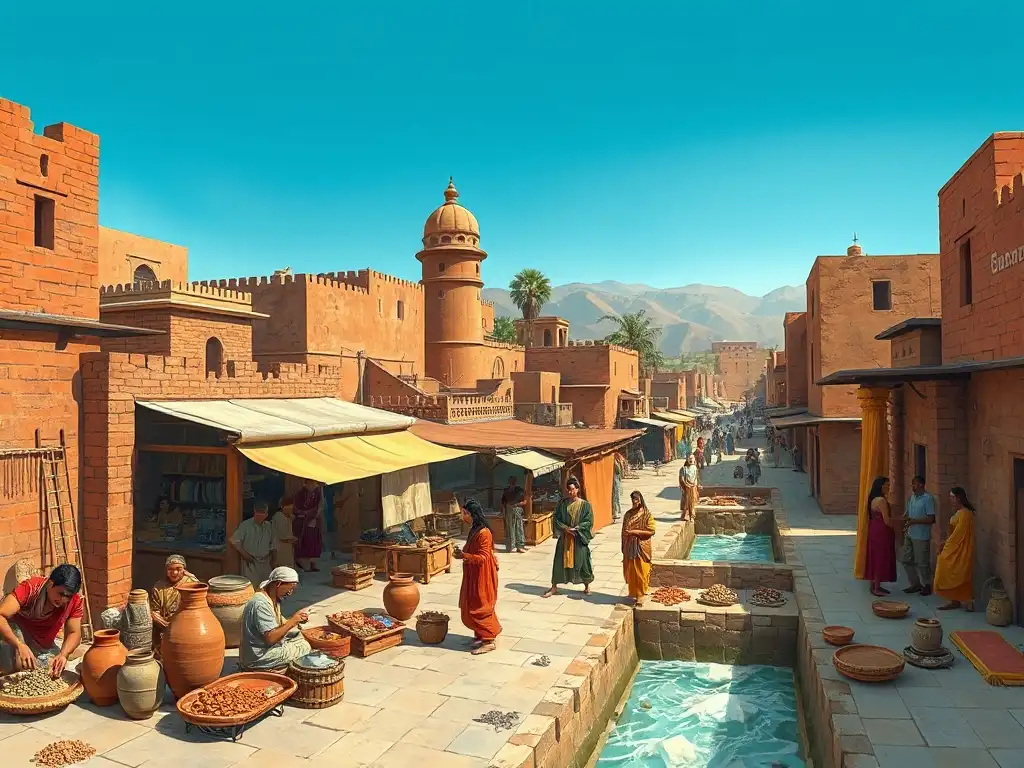
The Indus Valley Civilization (IVC), which flourished between approximately 3300 BCE and 1300 BCE, is renowned for its remarkable technological advancements that had profound impacts on its culture and society. The innovations in urban planning, metallurgy, and agriculture reflect a sophisticated understanding of their environment and resources, which not only facilitated daily life but also shaped social structures and cultural practices.
Urban centers like Harappa and Mohenjo-Daro exemplified advanced engineering with their grid patterns, drainage systems, and water management techniques. Such infrastructure not only promoted hygiene and public health but also indicated a complex social organization. The ability to manage resources effectively likely influenced community cohesion and administrative practices, fostering a sense of civic identity among inhabitants.
Moreover, the technological capabilities of the IVC allowed for the establishment of trade networks that extended beyond the region. This connectivity facilitated cultural exchanges, enriching the local society with diverse influences, leading to a dynamic cultural tapestry woven through shared technologies and practices.
Religion and Rituals Influenced by Technology
Technology played a pivotal role in shaping the religious and ritualistic aspects of Indus Valley society. Archaeological evidence suggests the presence of various artifacts associated with religious practices, such as terracotta figurines, seals, and possibly altars.
The use of fired clay and metal in creating these religious artifacts reflects the technological prowess of the civilization. The intricate designs on seals may have been used for ritualistic purposes or as symbols of authority, indicating the intertwining of technology with spiritual beliefs. Moreover, the construction of large public baths, such as the Great Bath of Mohenjo-Daro, suggests the importance of ritual purification in their religious practices, showcasing how technological advancements supported societal rituals.
The integration of technology in religious contexts likely fostered a shared identity and collective beliefs, reinforcing social bonds and communal participation in rituals that were essential to their cultural life.
Art and Artistic Expressions through Technology
Art in the Indus Valley Civilization was heavily influenced by the technological advancements of the time. The civilization is known for its exquisite craftsmanship in pottery, jewelry, and sculpture, which were often created using advanced techniques and tools.
The production of painted pottery and intricate beadwork demonstrates a high level of skill and creativity, reflecting not only aesthetic values but also the technological capabilities that allowed for such detailed artistic expressions. The use of metallurgy, particularly in the creation of bronze tools and ornaments, showcases the intersection of technology and art, where functional objects were also imbued with artistic significance.
Additionally, the use of seals featuring animal motifs and intricate designs highlights the role of technology in communication and trade, as these artifacts served both practical and symbolic purposes. Artistic expressions in the Indus Valley were thus not merely decorative but were deeply connected to the technological context of the society, reflecting both cultural values and technological mastery.
Communication Systems and Their Societal Impact
Effective communication systems were essential for the functioning of the Indus Valley Civilization, particularly given its extensive trade networks and urban centers. The development of writing, evident in the use of seals and inscriptions, indicates a sophisticated approach to record-keeping and communication.
The undeciphered script found on various artifacts suggests that the IVC had a method of conveying information, which could have included trade agreements, religious texts, or administrative records. This form of communication likely facilitated governance and economic activities, enabling the civilization to coordinate complex urban functions and maintain social order.
Moreover, the widespread use of standardized weights and measures indicates a structured approach to trade and commerce, promoting fairness and efficiency in transactions. This system not only supported economic growth but also fostered relationships between different communities, enhancing cultural exchanges and societal cohesion.
Comparative Analysis of Indus Valley Technology
Similarities with Contemporary Civilizations
When comparing the technological practices of the Indus Valley Civilization to those of contemporary civilizations, striking similarities emerge, especially in urban planning and agricultural techniques. Like the Mesopotamians and Egyptians, the IVC developed sophisticated drainage systems and water management strategies, which facilitated urbanization and improved public health.
The use of standardized weights and measures in trade reflects a commonality with other ancient societies that relied on similar systems to regulate commerce. Moreover, the advancements in metallurgy and craftsmanship share parallels with technologies developed in neighboring regions, showcasing a broader trend of technological innovation across ancient civilizations.
Such similarities indicate a shared understanding of the need for efficient resource management and urban infrastructure, influenced by the geographical and environmental contexts of each civilization.
Unique Aspects of Indus Valley Technological Practices
Despite the similarities with contemporary civilizations, the Indus Valley Civilization exhibited unique technological practices that set it apart. One notable distinction is the emphasis on urban planning, characterized by a grid layout and sophisticated drainage systems that were not as prevalent in other ancient societies.
The IVC's approach to sanitation and water supply—evidenced by the advanced drainage systems and the Great Bath—demonstrates an unparalleled commitment to public health and hygiene, reflecting a unique cultural value placed on cleanliness.
Additionally, the undeciphered script and the use of seals for administrative and trade purposes reveal a distinct method of communication and record-keeping that remains enigmatic compared to other civilizations. This uniqueness not only highlights the innovative spirit of the Indus Valley society but also prompts further exploration into their cultural identity and technological legacy.
Conclusion
The exploration of technology within the Indus Valley Civilization reveals a profound interplay between innovation and culture. The advancements in urban planning, water management, metallurgy, and craftsmanship not only facilitated daily life but also reflected the values and social structures of the society. Understanding the Indus Valley technology significance provides insight into how these innovations contributed to the civilization's efficiency and sustainability, setting a benchmark for subsequent cultures in ancient India.
By analyzing the technological achievements of the Indus Valley Society, we gain a deeper appreciation for their sophisticated understanding of materials, engineering, and environmental management. This context enriches our understanding of how technology was not merely a set of tools but a vital component of their cultural identity and community resilience.
Summary of Indus Valley Technology Significance
The significance of technology in the Indus Valley Civilization can be summarized as follows:
- Urban Planning and Architecture: The cities of Harappa and Mohenjo-Daro showcased advanced urban planning with grid layouts, drainage systems, and standardized brick sizes, exemplifying an organized society that prioritized hygiene and functionality.
- Water Management Systems: The civilization's innovative use of wells, reservoirs, and drainage systems highlights their mastery over water management, essential for agriculture and daily life in a region influenced by monsoon patterns.
- Metallurgy and Craftsmanship: The production of high-quality tools, ornaments, and seals from materials like copper, bronze, and terracotta demonstrates their advanced metallurgy and artistry, which not only catered to local needs but also facilitated trade.
- Trade and Economic Network: The development of weights and measures and their trade relations with distant regions underscore the economic significance of their technological advancements, promoting commerce and cultural exchange.
By recognizing these key areas, we can appreciate how the technological innovations of the Indus Valley Civilization laid the groundwork for future advancements in the Indian subcontinent.
Lasting Legacy of Technology in Ancient Indian Civilizations
The technological achievements of the Indus Valley Civilization had a lasting impact on subsequent ancient Indian civilizations, influencing various aspects of life:
- Continuity in Urban Planning: The principles of urban design initiated during the Indus Valley period can be seen in later cities, such as those during the Maurya and Gupta Empires, where strategic planning and infrastructure continued to evolve.
- Water Conservation Techniques: The sophisticated water management systems established by the Indus people inspired later civilizations, as seen in the construction of step-wells and tanks in medieval India, demonstrating a continued reverence for sustainable practices.
- Metallurgical Innovations: Advances in metallurgy during the Indus Valley period provided a foundation for the development of ironworking technologies in later Indian societies, contributing to agricultural and military advancements.
- Cultural Exchange through Trade: The trade networks initiated by the Indus Valley merchants established patterns of economic and cultural exchange that persisted, enriching the cultural tapestry of ancient India and facilitating the spread of ideas and technologies.
In essence, the legacy of Indus Valley technology is woven into the broader narrative of ancient Indian civilizations, serving as a testament to the enduring influence of their innovative spirit.
References
Academic Sources Related to Indus Valley Technology
- Possehl, Gregory J. "The Indus Civilization: A Contemporary Perspective." Journal of World Prehistory, vol. 15, no. 3, 2001, pp. 197-222.
- Frank, Andre Gunder. "The Indus Civilization and the World Economy." Journal of Economic Issues, vol. 21, no. 4, 1987, pp. 1201-1225.
- Allchin, Bridget. "The Archaeology of Early Historic India." Indian Archaeology: A Review, vol. 22, 1994, pp. 1-15.
Suggested Further Reading on Ancient Indian Innovations
- Mehta, R. S. "Ancient Indian Technology: A Historical Overview." Indian Journal of History of Science, vol. 39, no. 1, 2004, pp. 1-20.
- K. P. Rao, V. S. "Water Management in Ancient India." Water Policy, vol. 4, no. 6, 2002, pp. 567-580.
- S. R. Rao, D. C. "Trade and Economy in Ancient India." The Indian History Congress, 2001, pp. 295-310.
- Introduction to the Indus Valley Civilization
- Indus Valley Technology Significance
- Major Technological Advancements in the Indus Valley
- The Role of Technology in Daily Life
- Technological Influence on Culture and Society
- Comparative Analysis of Indus Valley Technology
- Conclusion
- References
- What was the primary technology used in the Indus Valley civilization?
- How did technology impact daily life in the Indus Valley?
- What role did metallurgy play in the Indus Valley society?
- How did the Indus Valley's technological innovations influence later civilizations?
- Why is the technological significance of the Indus Valley civilization important today?
Frequently Asked Questions
What was the primary technology used in the Indus Valley civilization?
The Indus Valley civilization is renowned for its advanced urban planning, including sophisticated drainage systems and the use of baked bricks for construction.
How did technology impact daily life in the Indus Valley?
Technology significantly enhanced daily life in the Indus Valley by facilitating trade, improving agriculture through irrigation, and promoting craftsmanship, thus contributing to a prosperous economy.
What role did metallurgy play in the Indus Valley society?
Metallurgy, particularly the use of copper and bronze, was crucial for tools and weapons, showcasing the technological advancement that allowed for more efficient farming and craftsmanship.
How did the Indus Valley's technological innovations influence later civilizations?
The technological innovations of the Indus Valley laid the groundwork for subsequent civilizations by introducing concepts of urban planning, standardized weights, and advanced craft techniques.
Why is the technological significance of the Indus Valley civilization important today?
Understanding the technological significance of the Indus Valley civilization helps us appreciate the foundations of modern engineering and urban development, highlighting its influence on contemporary societies.
Final Reflection: The Enduring Legacy of Indus Valley Technology
The technological innovations of the Indus Valley civilization continue to resonate in our modern world, demonstrating that the significance of Indus Valley technology transcends time and geography. Today, as we navigate an era defined by rapid technological advancement, it is crucial to recognize how the ingenuity of ancient societies laid the groundwork for contemporary innovations. The remarkable engineering feats and urban planning of the Indus Valley serve as a testament to human creativity and adaptability, reminding us that our current technological landscape is built upon the foundations laid by those who came before us.
Culture and technology are inextricably linked, and the legacy of the Indus Valley civilization profoundly influences our understanding of societal development. The sophisticated drainage systems, standardized weights and measures, and urban planning of this ancient society highlight the importance of technology in fostering community and enhancing quality of life. As we reflect on these achievements, we are reminded of the words of historian David Christian: The past is not a foreign country; it is a part of who we are today.
This observation underscores the ongoing relevance of Indus Valley technology, as it continues to inspire contemporary innovations and cultural practices.
As we look to the future, let us take a moment to reflect on how we can apply the lessons learned from the Indus Valley civilization in our own lives. Consider how technology can be a force for good, fostering community, sustainability, and innovation. Embrace the spirit of creativity and collaboration that characterized the Indus Valley, and challenge yourself to think about how your actions today can contribute to a better tomorrow. Together, we can honor the legacy of our ancestors by using technology to build a more connected and equitable world.
Unveil the Legacy: Explore Ancient Innovations!
Thank you for diving into the fascinating world of the Indus Valley Society! We hope this exploration of their technological advancements has ignited your curiosity about the cultural significance they held. Now, let’s turn that curiosity into action!
Here are a few steps you can take to deepen your understanding and appreciation of ancient innovations:
- Engage with the past: Visit a local museum that features artifacts or exhibitions on the Indus Valley Civilization to see these innovations up close.
- Join the conversation: Share your thoughts and insights about how technology influenced ancient societies in our community forum.
- Expand your knowledge: Explore literature on other ancient civilizations and their technological achievements to draw fascinating comparisons.
What ancient technology do you find most surprising, and how do you think it shaped the culture of its time? Let's discuss!