
Unraveling the Mysteries of Indus Valley Transportation Systems

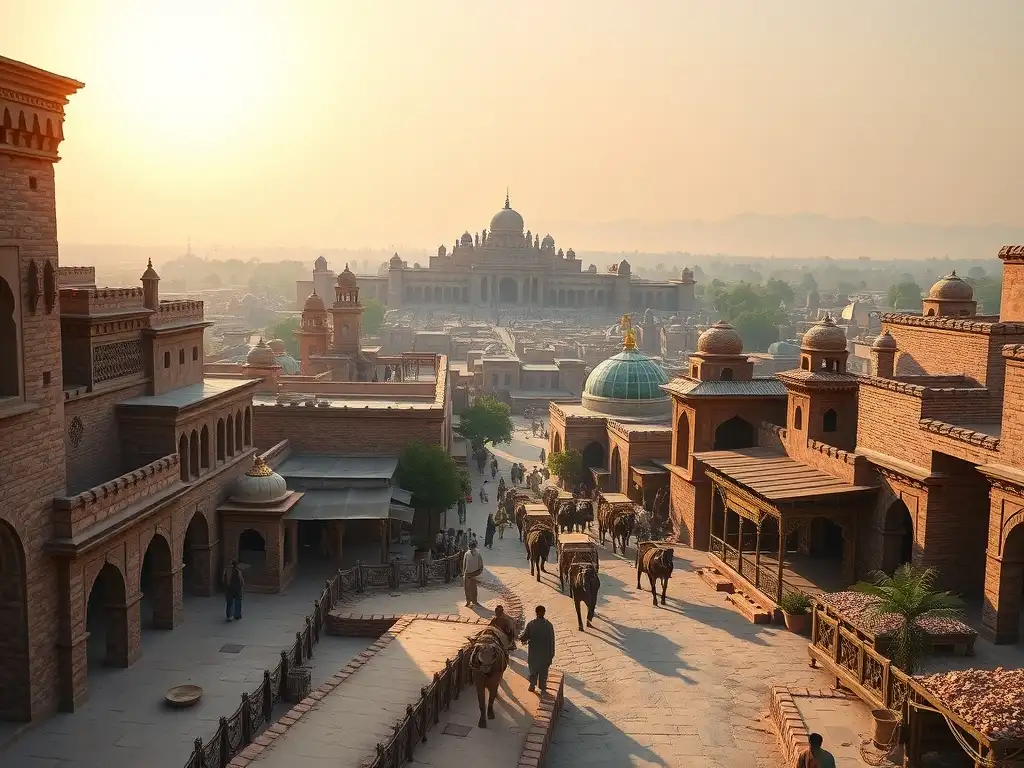
Welcome to Ancient India History, where we embark on an extraordinary journey through the vibrant tapestry of ancient Indian civilizations. From the awe-inspiring architecture of the Indus Valley to the intellectual brilliance of the Gupta Empire, every corner of this rich history tells a story waiting to be uncovered. In our featured article, "Unraveling the Mysteries of Indus Valley Transportation Systems," we delve deep into the ingenious methods of transport that shaped trade and connectivity in one of the world’s earliest urban landscapes.
Prepare to be captivated by the innovations that not only transformed the landscape of ancient India but also laid the groundwork for future civilizations. Join us as we explore these fascinating contributions and ignite your curiosity about the past!
Introduction to Indus Valley Transportation Systems
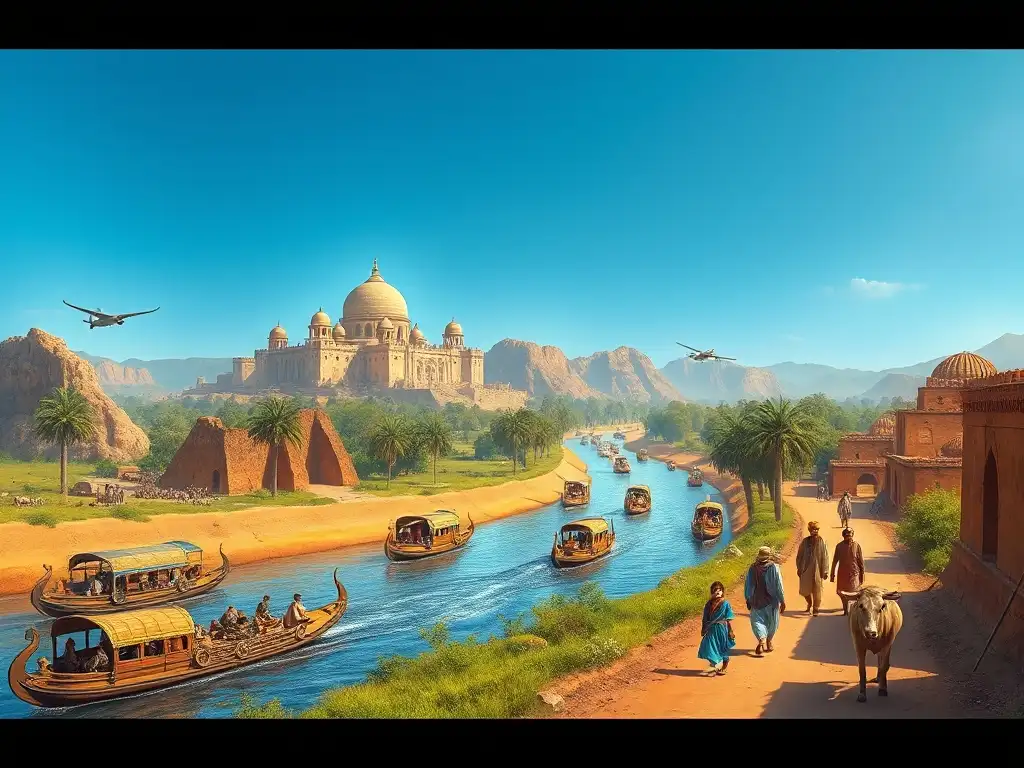
The Indus Valley Civilization, one of the earliest urban cultures in the world, flourished between approximately 3300 and 1300 BCE in what is today Pakistan and northwest India. This remarkable civilization is renowned for its sophisticated urban planning, advanced agricultural practices, and innovative technologies. Among these, the Indus Valley transportation systems stand out as critical to the civilization's economic, social, and cultural development. Understanding these systems not only sheds light on the lifestyle and ingenuity of the people of the Indus Valley but also highlights the interconnectedness of ancient societies through trade and communication.
Transportation in the Indus Valley was multifaceted, encompassing both land and water routes that facilitated the movement of goods, people, and ideas. As we explore the various aspects of these transportation systems, it becomes evident that they played a vital role in integrating the vast geography of the civilization, which included urban centers like Harappa and Mohenjo-Daro, with surrounding regions. The effectiveness and complexity of these systems reflect the advanced state of technology and organization achieved by the Indus Valley people.
Overview of the Indus Valley Civilization
The Indus Valley Civilization (IVC) is characterized by its well-planned cities, advanced drainage systems, and standardized weights and measures. It thrived in an area rich in resources, which facilitated trade both locally and with distant regions. Key cities such as Harappa, Mohenjo-Daro, and Dholavira were meticulously constructed, featuring grid layouts and impressive public works.
The civilization's economy was primarily agrarian, supported by the annual flooding of the Indus River, which provided fertile land for agriculture. However, the growth of urban centers necessitated robust transportation systems to ensure the efficient movement of agricultural products, raw materials, and crafts. These systems were essential for sustaining the economy and promoting cultural exchange, which ultimately contributed to the rich tapestry of Indus Valley life.
Importance of Transportation in Ancient Societies
Transportation systems are the lifeblood of any civilization, enabling trade, communication, and the movement of populations. In ancient societies, such as the Indus Valley, effective transportation facilitated not only economic growth but also cultural exchange and the spread of ideas. The ability to transport goods over long distances allowed for the establishment of trade networks, which in turn fostered relationships between different communities.
Moreover, transportation played a crucial role in the administration and governance of ancient states. It allowed for the movement of officials, soldiers, and information, ensuring that centralized authority could maintain control over vast territories. In the case of the Indus Valley Civilization, well-developed transportation networks contributed to its longevity and prosperity, as they connected urban centers with agricultural hinterlands and trade routes.
Key Features of Indus Valley Transportation
The transportation systems of the Indus Valley were marked by several key features:
- Innovative Road Networks: The civilization developed a network of roads that facilitated the movement of people and goods. These roads were often constructed using baked bricks, showcasing the engineering skills of the Indus Valley people.
- Standardization of Measures: The use of standardized weights and measures played a significant role in trade and transportation, enabling fair exchanges and efficient logistics.
- Waterways and Ports: The Indus River and its tributaries served as vital transportation routes, with evidence suggesting the presence of docks and port facilities in cities like Lothal.
- Animal Domestication: The use of domesticated animals, such as oxen and camels, for pulling carts and carrying loads was a common practice, enhancing the efficiency of land transportation.
Types of Transportation Systems in the Indus Valley
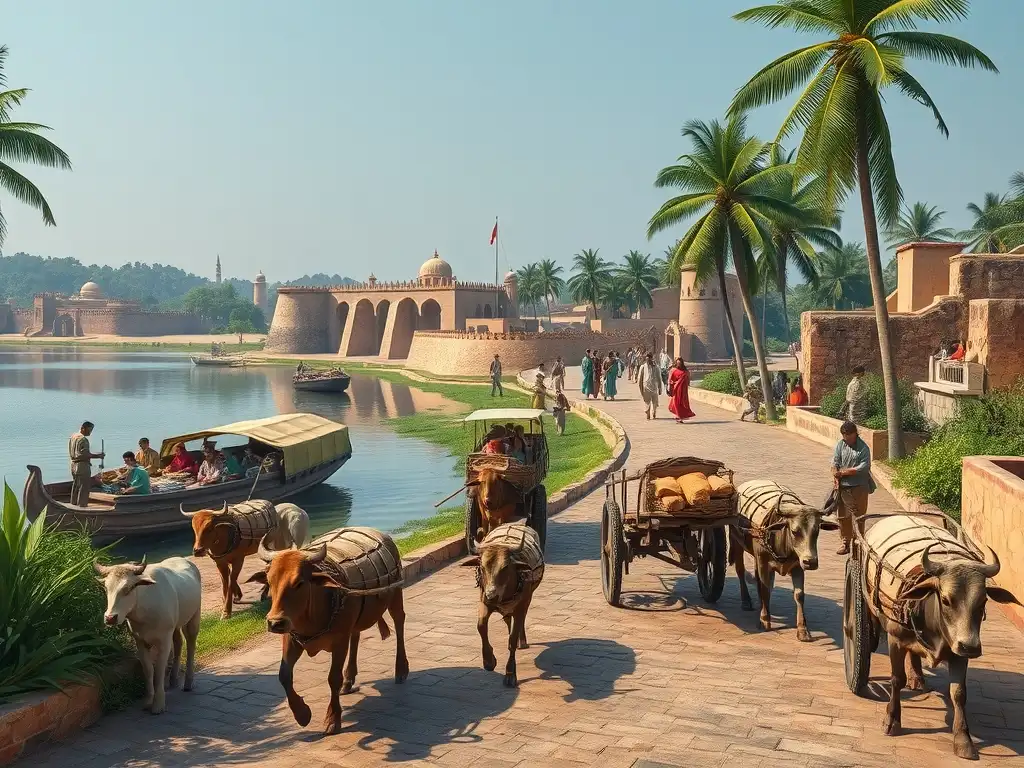
The transportation systems of the Indus Valley can be broadly categorized into two main types: land transportation and water transportation.
Land Transportation: Roads and Carts
Land transportation in the Indus Valley was primarily facilitated through an extensive network of roads and the use of carts. The roads connected major urban centers, allowing for the efficient movement of goods and people. Carts, often drawn by oxen, played a crucial role in transporting agricultural products, raw materials, and crafts.
- Road Infrastructure: Evidence suggests that roads were well-planned and constructed with precision, featuring a grid layout in urban areas.
- Carts and Wheeled Vehicles: The discovery of wheels in archaeological sites indicates that wheeled vehicles were common, enhancing the speed and efficiency of land transport.
Water Transportation: Rivers and Boats
Water transportation was equally vital in the Indus Valley, with rivers serving as natural highways for trade and communication. The Indus River, along with its tributaries, enabled the movement of goods over longer distances.
- Use of Boats: Archaeological findings indicate that boats were used for transporting goods and people, facilitating trade with neighboring regions.
- Docks and Ports: Sites like Lothal have revealed evidence of docks, suggesting that the Indus Valley Civilization had developed sophisticated maritime trade practices.
The Indus Valley transportation systems were a testament to the ingenuity and resourcefulness of one of the world's earliest urban civilizations. Through a combination of land and water routes, the people of the Indus Valley effectively connected their cities and facilitated trade, contributing to the richness of their culture and economy.
Infrastructure Supporting Transportation
The infrastructure supporting transportation in the Indus Valley Civilization was a remarkable reflection of their advanced urban planning and engineering capabilities. The layout of cities such as Harappa and Mohenjo-Daro reveals a sophisticated understanding of logistics and mobility. The Indus Valley people constructed wide streets, organized into a grid pattern, allowing for efficient movement of goods and people.
Urban Planning and Road Networks
The urban planning of Indus Valley cities was meticulously designed, featuring straight roads that were often laid out at right angles. This grid system not only facilitated ease of transport but also contributed to the effective management of urban spaces. Roads in major cities were typically around 9 meters wide, allowing for the passage of carts and pedestrians alike.
- Materials Used: The roads were paved with baked bricks, displaying a level of durability that has withstood the test of time.
- Connectivity: Major roads connected different sectors of the cities and extended to surrounding agricultural areas, indicating a well-established trade network.
- Drainage Systems: The roads were often integrated with advanced drainage systems, showcasing the civilization's attention to hygiene and flood management.
The effectiveness of these road networks played a critical role in the economic prosperity of the civilization, enabling the transportation of goods such as textiles, pottery, and agricultural produce.
Ports and Harbors in the Indus Valley
The Indus Valley Civilization was strategically located near water bodies, which facilitated maritime trade. The development of ports and harbors was pivotal for commerce, allowing for the exchange of goods with distant regions, including Mesopotamia.
- Major Ports: The port city of Lothal is one of the most significant examples, featuring a well-planned dockyard that served as a hub for maritime activities.
- Trade Routes: These ports connected the Indus Valley to the Arabian Sea, enhancing trade routes that contributed to the economic richness of the civilization.
- Shipbuilding Techniques: Evidence suggests that the Indus Valley people possessed advanced shipbuilding techniques, which not only facilitated trade but also allowed for fishing and transportation of goods along rivers.
The strategic placement of these ports underscores the civilization's understanding of geography and commerce, enhancing their ability to thrive in a competitive environment.
Technological Innovations in Transportation
Technological innovations in transportation were a hallmark of the Indus Valley Civilization, reflecting their ingenuity and ability to adapt to their environment. The advancements in transportation technology significantly contributed to the movement of goods and people.
Engineering Marvels of Indus Valley Roads
The engineering of roads in the Indus Valley was characterized by precision and durability. Not only were the roads well-planned, but they were also constructed using advanced techniques that ensured their longevity and functionality.
- Construction Techniques: The use of standardized baked bricks in road construction provided stability and strength, enabling them to bear heavy loads.
- Grade and Elevation: Roads were often leveled and designed with slight elevations to facilitate drainage, preventing water accumulation and damage during monsoons.
- Integration with Urban Layout: The roads were strategically integrated into the urban layout, allowing for efficient traffic management and accessibility to public spaces.
These engineering marvels highlight the civilization's architectural prowess and their commitment to creating a functional urban environment.
Advances in Boat Construction
The advances in boat construction within the Indus Valley Civilization played a crucial role in their transportation systems, particularly for trade and fishing.
- Materials: Boats were constructed using local materials such as wood and reeds, showcasing the civilization's resourcefulness in utilizing available resources.
- Design and Functionality: Archaeological finds suggest that boats were designed for both riverine navigation and coastal trade, indicating a diverse range of uses.
- Trade Efficiency: The ability to construct sturdy and efficient boats facilitated the movement of goods along rivers and coastal routes, enhancing trade interactions with neighboring civilizations.
These technological advancements in boat construction not only demonstrate the ingenuity of the Indus Valley people but also their ability to adapt to their environment for economic and social purposes.
Trade and Economic Impact of Transportation Systems
The transportation systems of the Indus Valley Civilization played a pivotal role in enhancing trade and economic activities, facilitating not only the movement of goods but also the exchange of ideas and cultures. The well-planned cities, such as Harappa and Mohenjo-Daro, were strategically located near rivers and trade routes, which significantly contributed to their economic prosperity.
Role of Transportation in Trade Networks
The Indus Valley Civilization established extensive trade networks that connected them with neighboring regions, including Mesopotamia, Persia, and even parts of Central Asia. River systems, especially the Indus River, provided natural highways for transporting goods, while roads and pathways linked various urban centers. Evidence suggests that these transportation networks enabled the exchange of commodities such as:
- Cotton textiles: The Indus Valley was among the first to cultivate cotton and produce textiles.
- Metals: Copper and bronze tools and ornaments were commonly traded, showcasing advanced metallurgy.
- Semi-precious stones: Lapis lazuli, carnelian, and agate were crafted into beads and jewelry, traded extensively with other cultures.
The efficiency of these transportation routes not only facilitated local trade but also promoted long-distance commerce, making the Indus Valley a significant player in ancient trade dynamics.
Economic Prosperity Linked to Efficient Transportation
The economic structure of the Indus Valley Civilization thrived due to its efficient transportation systems. The ability to transport goods quickly and reliably meant that surplus agricultural products could be traded, leading to a diverse economy. This economic prosperity is evident in archaeological findings, which indicate that urban centers were well-planned with granaries, warehouses, and marketplaces.
The integration of transportation systems allowed for:
- Increased trade volume: Regular transport of goods led to a flourishing market economy.
- Specialization of labor: Different regions could focus on specific goods, enhancing productivity and innovation.
- Urbanization: As trade flourished, urban centers grew, attracting more inhabitants and stimulating further economic activity.
The interdependence of transportation and economic growth was a hallmark of the Indus Valley Civilization, laying the foundation for sustainable urban development.
Cultural Significance of Transportation in the Indus Valley
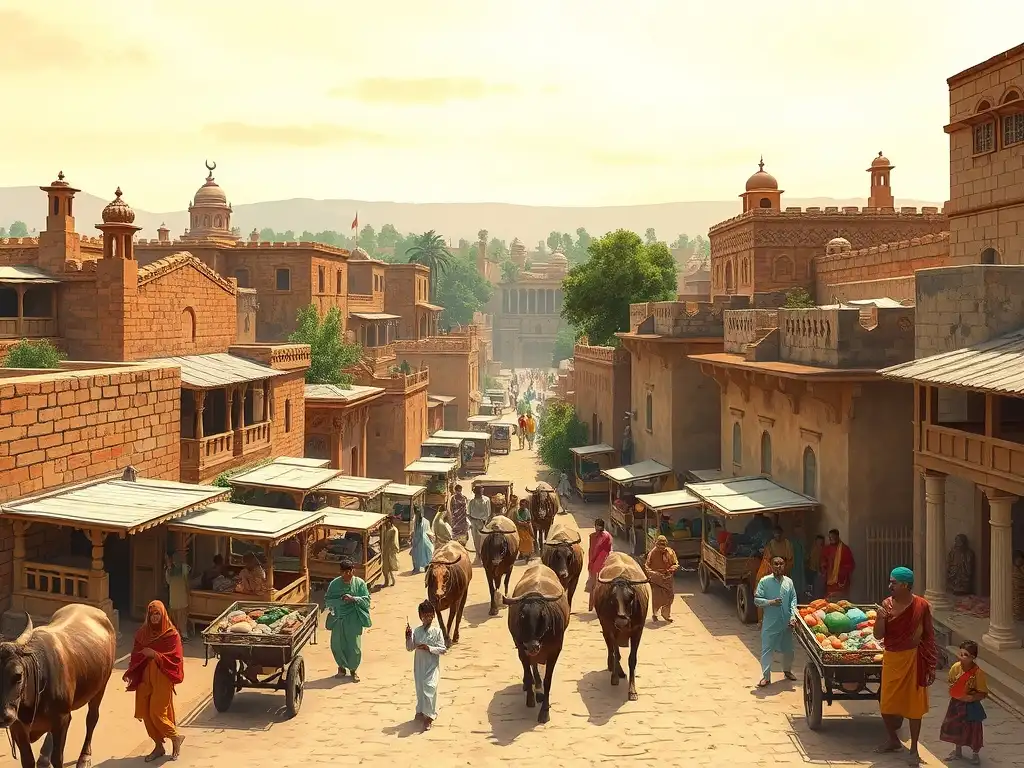
Transportation in the Indus Valley was not solely a means of economic activity; it also held cultural significance that influenced social structures and religious practices. The movement of people, goods, and ideas facilitated cultural exchange and integration, shaping the identity of the civilization.
Transportation and Social Structure
The organization of transportation systems mirrored the social hierarchy of the Indus Valley Civilization. Evidence suggests that access to transport routes and trade networks was stratified, with elite classes benefiting from better transportation for trade and luxury goods. The urban infrastructure, including wide streets and drainage systems, reflects a sophisticated understanding of logistics and planning, pointing towards a society that valued order and efficiency.
- Class Distinctions: The wealth generated from trade likely created distinct social classes, with merchants and traders playing a crucial role.
- Community Cohesion: Transportation routes also facilitated social gatherings and cultural events, fostering a sense of community among different groups.
The intertwining of transportation and social structure illustrates how mobility influenced both the economy and the social dynamics of Indus Valley society.
Religious and Ritualistic Aspects of Transport
Transportation also played a role in the religious and ritualistic life of the Indus Valley Civilization. The movement of people to sacred sites, as well as the transport of offerings, indicates the significance of connectivity in religious practices. Archaeological findings suggest that certain pathways and routes may have had spiritual connotations, linking communities to their deities and cultural heritage.
- Pilgrimages: The ability to access religious sites would have facilitated pilgrimages, strengthening the spiritual fabric of the civilization.
- Ritual Offerings: Goods transported for religious purposes, such as pottery, food, and ceremonial objects, highlight the connection between trade and spirituality.
The cultural significance of transportation in the Indus Valley extends beyond mere logistics, indicating a complex interplay between economy, society, and religion.
Conclusion: The Legacy of Indus Valley Transportation Systems
The transportation systems of the Indus Valley Civilization (IVC) represent a remarkable achievement in ancient engineering and urban planning. The effective use of roads, waterways, and trade routes not only facilitated the movement of goods and people but also played a crucial role in the economic and social organization of this early civilization. The legacy of these systems is evident in the structured layouts of cities like Harappa and Mohenjo-Daro, where thoroughfares were meticulously planned, contributing to an efficient urban environment.
Furthermore, the advanced understanding of material usage, such as the construction of durable pathways and the utilization of bullock carts, showcases the ingenuity of the Indus Valley people. Their transportation innovations laid foundational principles that would influence subsequent Indian civilizations and their transport infrastructures. The significance of these systems transcends mere logistics; they are a testament to the interconnectedness of societal development, trade, and culture during the IVC era.
Lasting Impact on Subsequent Indian Civilizations
The transportation systems established by the Indus Valley Civilization had a profound and lasting impact on later Indian civilizations. The principles of urban planning and logistics were adopted and adapted by subsequent cultures, including the Maurya and Gupta Empires. The integration of road networks and trade routes facilitated commerce and cultural exchange across vast distances, significantly contributing to the economic prosperity of these later societies.
Additionally, the legacy of the Indus Valley's river navigation systems influenced subsequent settlements along major rivers such as the Ganges and Yamuna. These waterways became vital conduits for trade and communication, reflecting the enduring importance of the transportation innovations first pioneered in the IVC. The continuity of these practices underscores how the Indus Valley's approach to transportation laid the groundwork for the transport and trade dynamics that shaped the Indian subcontinent for centuries.
Continued Relevance in Modern Transportation Studies
The study of Indus Valley transportation systems continues to hold relevance in contemporary transportation studies. Modern scholars and archaeologists draw insights from the urban planning and transport methodologies of the IVC to inform current transportation systems and infrastructure designs. By analyzing the efficiency and sustainability of ancient transportation networks, researchers are discovering principles that can be applied to address modern urban challenges, such as congestion and environmental sustainability.
Moreover, the interdisciplinary approach to studying these ancient systems—combining archaeology, anthropology, and engineering—encourages a holistic understanding of how transportation shapes societal structures. As cities around the world grapple with the complexities of urban growth and sustainability, the lessons learned from the transportation strategies of the Indus Valley Civilization serve as a valuable resource for developing modern infrastructure that honors both historical precedent and future needs.
References
Suggested Reading on Indus Valley Transportation
- Possehl, Gregory. The Indus Civilization: A Contemporary Perspective. New Delhi: Oxford University Press, 2002.
- Kenoyer, Jonathan Mark. Ancient Cities of the Indus Valley Civilization. Karachi: Oxford University Press, 1998.
Academic Sources for Further Research
- Wright, Rita P. "The Indus Valley: A New Perspective." Journal of World Prehistory, vol. 10, no. 1, 1996, pp. 1-43.
- Meadow, Richard H., and Jonathan Mark Kenoyer. "The Role of Trade in the Development of the Indus Valley Civilization." Ancient Pakistan, vol. 10, 1995, pp. 85-100.
- Introduction to Indus Valley Transportation Systems
- Overview of the Indus Valley Civilization
- Importance of Transportation in Ancient Societies
- Key Features of Indus Valley Transportation
- Types of Transportation Systems in the Indus Valley
- Infrastructure Supporting Transportation
- Technological Innovations in Transportation
- Trade and Economic Impact of Transportation Systems
- Cultural Significance of Transportation in the Indus Valley
- Conclusion: The Legacy of Indus Valley Transportation Systems
- References
- What were the main transportation systems used in the Indus Valley?
- How did the Indus Valley contribute to modern transportation?
- Were there any trade routes established in the Indus Valley?
- What role did rivers play in the Indus Valley transportation systems?
- How did the geography of the Indus Valley influence transportation?
Frequently Asked Questions
What were the main transportation systems used in the Indus Valley?
The Indus Valley civilization primarily relied on river transport, utilizing the Indus River and its tributaries, along with overland routes for trade and communication.
How did the Indus Valley contribute to modern transportation?
The innovations in transportation, including the use of wheeled carts and road networks, laid the groundwork for future civilizations and influenced modern transportation infrastructure.
Were there any trade routes established in the Indus Valley?
Yes, the Indus Valley civilization established extensive trade routes connecting to other regions, facilitating the exchange of goods like cotton, pottery, and metals.
What role did rivers play in the Indus Valley transportation systems?
Rivers served as vital transportation arteries, enabling the movement of goods and people, significantly enhancing trade and cultural exchange within and beyond the civilization.
How did the geography of the Indus Valley influence transportation?
The geography, characterized by fertile plains and river systems, facilitated easy movement of goods and people, making it an ideal location for developing transportation systems.
Final Reflection: The Enduring Legacy of Indus Valley Transportation Systems
The exploration of Indus Valley transportation systems reveals not only the ingenuity of ancient civilizations but also their profound relevance in today's world. As we navigate the complexities of modern infrastructure and urban planning, the lessons learned from the sophisticated networks of the Indus Valley civilization remind us that effective transportation is foundational to societal growth and connectivity. The remarkable engineering and logistical strategies employed by these ancient peoples continue to inspire contemporary approaches to sustainable development and urban mobility.
The impact of the Indus Valley transportation systems extends far beyond their historical context; they serve as a testament to the interconnectedness of culture, trade, and innovation. The intricate road networks and advanced maritime routes facilitated not just commerce but also cultural exchange, shaping the social fabric of the region. As we reflect on this legacy, we are reminded of the words of historian David Christian: The past is a foreign country; they do things differently there.
This perspective encourages us to appreciate the complexities of ancient societies and their contributions to our present-day systems.
As we look to the future, let us embrace the lessons of the Indus Valley transportation systems in our own lives and communities. Consider how you can contribute to building more efficient, sustainable, and interconnected systems in your environment. Whether through advocating for better public transport, supporting local infrastructure projects, or simply being mindful of how we move through our spaces, each action can echo the wisdom of the past. Together, we can honor the legacy of the Indus Valley by fostering a future where transportation serves as a bridge, connecting people and ideas across time and space.
Explore the Secrets of Ancient Transportation!
Thank you for diving into the fascinating world of Indus Valley transportation systems! We hope this article has unveiled the ingenuity and complexity of ancient logistics that still inspire us today. Now, it’s your turn to take action and further your exploration of this intriguing topic.
- Delve deeper into the innovations of the Indus Valley Civilization by visiting your local library or exploring online resources for more information on ancient engineering.
- Join a discussion forum or a social media group dedicated to ancient history to exchange ideas and connect with others who share your passion for the past.
- Consider creating a visual representation or model of what you imagine the ancient transportation network looked like—this engaging activity will help reinforce your understanding!
What do you believe are the most significant impacts of the Indus Valley’s transportation systems on modern logistics today? We invite you to share your thoughts below!