
The Role of International Trade Routes in Strengthening Mauryan Political Power

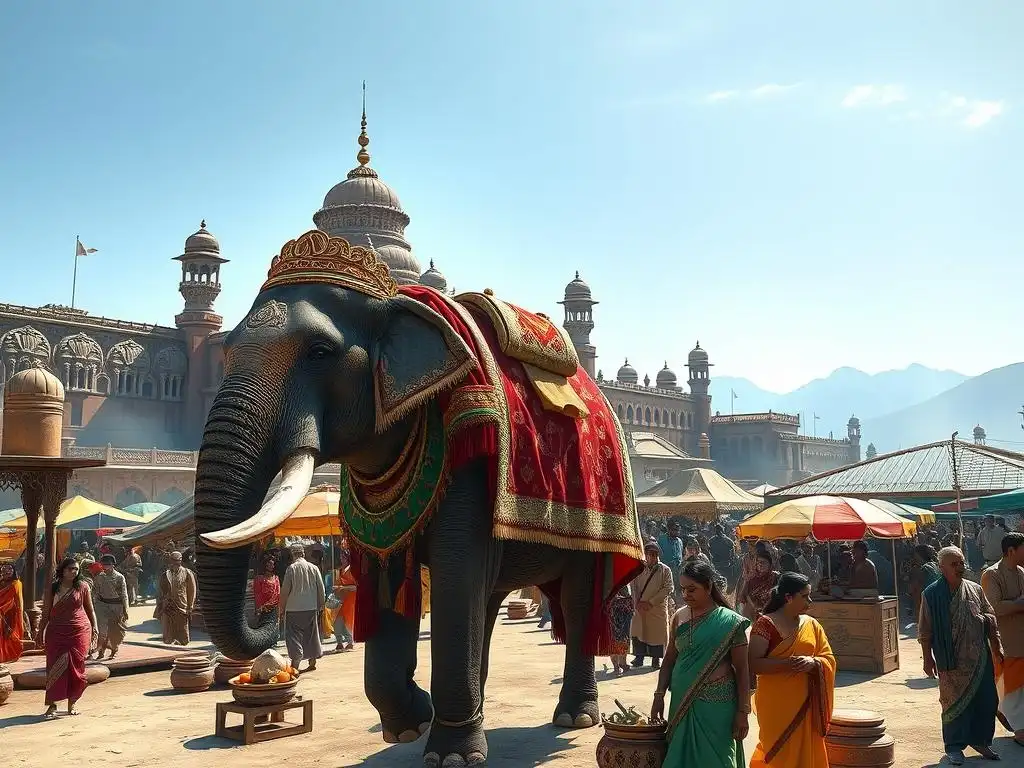
Welcome to Ancient India History, where we embark on a journey through time to uncover the rich tapestry of ancient Indian civilizations. In our featured article, "The Role of International Trade Routes in Strengthening Mauryan Political Power," we delve into the fascinating influence of ancient Indian trade routes on the rise and consolidation of power during the Mauryan Empire.
Prepare to be captivated as we reveal how commerce not only shaped economies but also forged connections that transcended borders. Join us as we explore the intricate web of trade that played a crucial role in the rich narrative of India's past!
Introduction to Ancient Indian Trade Routes Influence
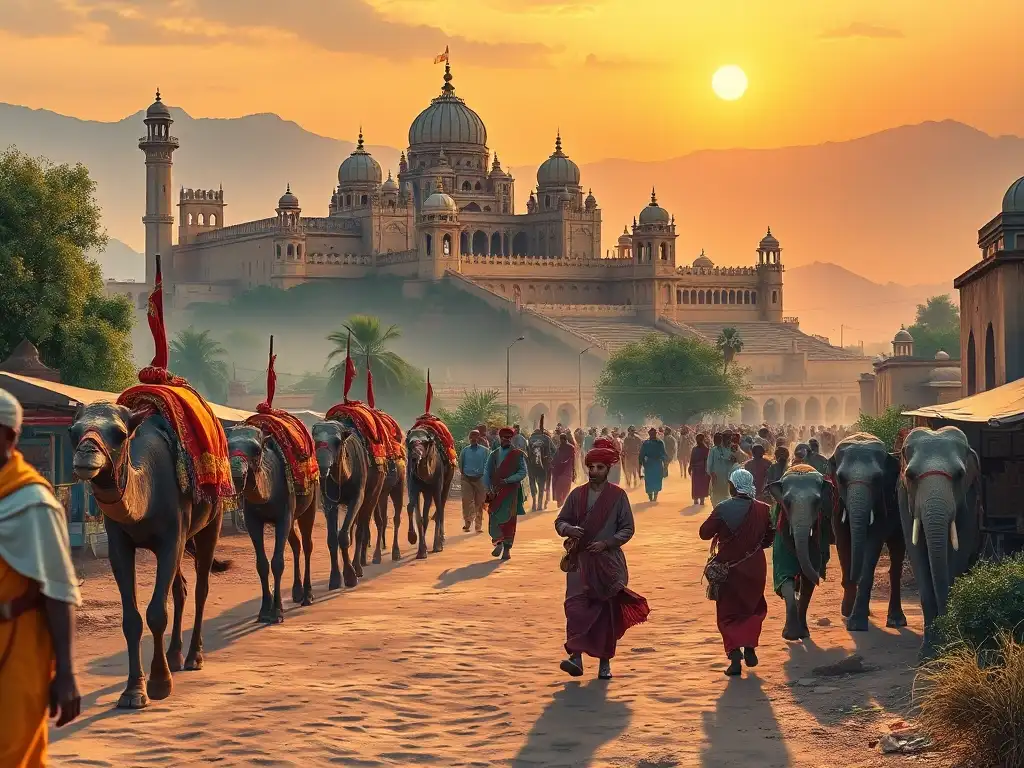
The history of ancient India is intricately woven with the threads of trade, commerce, and cultural exchange. Among the various civilizations that flourished in this region, the Mauryan Empire stands out for its remarkable political organization and expansive influence.
International trade routes played a pivotal role in bolstering the political power of the Mauryan rulers, facilitating not only economic prosperity but also the spread of ideas, culture, and diplomatic relationships. This article delves into the significant influence of ancient Indian trade routes on the political landscape of the Mauryan Empire, shedding light on how these routes shaped governance and strengthened authority.
Overview of Ancient Indian Trade Routes
Ancient India was crisscrossed by a multitude of trade routes that linked it to distant lands, fostering a vibrant exchange of goods and culture. Key trade routes included:
- The Silk Road: Connecting India to Central Asia and beyond, facilitating the exchange of silk, spices, and precious metals.
- The Spice Route: Vital for the trade of spices, which were highly sought after in global markets.
- Maritime Trade Routes: Linking the western coast of India with ports in the Persian Gulf and the Red Sea, enhancing maritime commerce.
These routes were not just conduits for goods; they were also pathways for cultural exchanges, including religions, philosophies, and artistic influences.
Importance of Trade in Political Power
Trade was a cornerstone of the Mauryan Empire's strength, impacting its political power in several ways:
- Economic Resources: Control over lucrative trade routes allowed the Mauryan rulers to amass wealth, which was essential for sustaining a large standing army and administrative apparatus.
- Diplomatic Relations: Trade fostered connections with neighboring kingdoms and empires, facilitating diplomatic ties that could be leveraged for political advantage.
- Cultural Exchange: The influx of diverse cultural influences through trade enriched the Mauryan political ideology, promoting a more sophisticated governance structure.
The Mauryan Empire: Political Structure and Trade
The Rise of the Mauryan Empire
Emerging in the 4th century BCE, the Mauryan Empire, founded by Chandragupta Maurya, was a testament to the profound impact of strategic trade on political ascendancy. As the empire expanded, it incorporated key trade hubs and routes, significantly enhancing its influence over regional trade.
Political Organization and Trade Routes
The Mauryan political structure was characterized by a centralized authority that effectively managed trade routes, ensuring the flow of goods and resources throughout the empire. Key features included:
- Bureaucratic Governance: An extensive bureaucracy was established to oversee trade activities and maintain infrastructure along trade routes.
- Taxation Policies: The Mauryan rulers implemented effective taxation systems on trade, generating revenue that supported their military and administrative functions.
- Security and Stability: By ensuring the safety of trade routes, the Mauryan Empire attracted merchants and traders, further solidifying its economic base and political power.
The strategic use of trade routes not only enriched the Mauryan Empire economically but also played a crucial role in establishing its political dominance in ancient India.
Key Trade Routes of the Mauryan Period
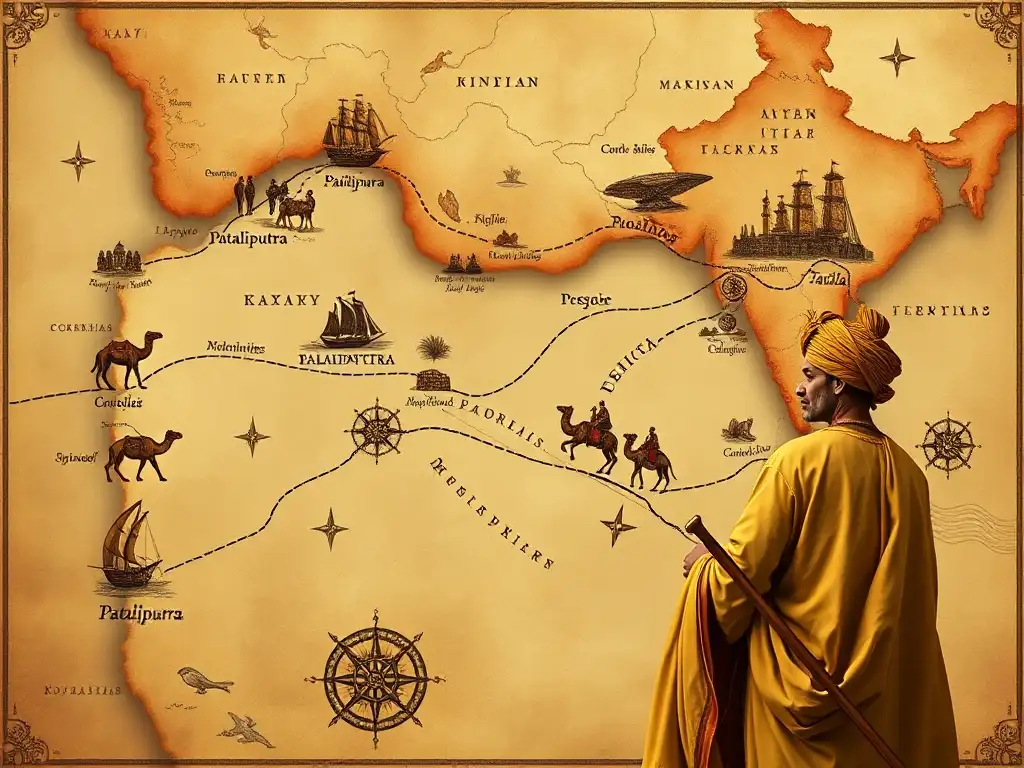
The Mauryan Empire, which flourished from 322 to 185 BCE, was strategically located at the crossroads of several vital trade routes. These routes facilitated not only the movement of goods but also the exchange of ideas and cultures between different regions. The key trade routes during this period included both overland and maritime paths, which connected the empire to various parts of Asia, the Middle East, and even Europe.
Major Trade Routes in Ancient India
- The Grand Trunk Road: This ancient route, one of the oldest in the world, connected the eastern city of Pataliputra (modern Patna) with the northwestern regions, facilitating trade with Persia and beyond. Merchants transported silk, spices, and precious stones along this route.
- The Silk Road: Though primarily associated with later periods, the foundations of the Silk Road were established during the Mauryan era. This network connected India with Central Asia and China, allowing for the exchange of silk, textiles, and other luxury goods.
- Maritime Trade Routes: The Mauryans took advantage of the Indian Ocean trade routes, which linked India with the Arabian Peninsula and East Africa. Ports like Lothal facilitated maritime trade, allowing for the export of Indian goods such as cotton and spices.
- The Ujjain Route: This route connected the western and central parts of India, facilitating trade with the western regions and enhancing the significance of Ujjain as a commercial hub.
Connections to Neighboring Regions
The Mauryan Empire's trade routes established significant connections with several neighboring regions, promoting cultural and economic exchanges.
- Central Asia: Through trade, the Mauryans interacted with the nomadic tribes of Central Asia, which led to the exchange of goods and ideas, fostering a rich cultural dialogue.
- Persia: The trade with the Persian Empire was crucial. Indian spices, textiles, and gemstones were highly sought after, while Persian silver and luxury goods flowed into India, enhancing the wealth and political power of the Mauryan rulers.
- Southeast Asia: The maritime trade routes also linked the Mauryan Empire with the emerging kingdoms in Southeast Asia, facilitating the exchange of goods and cultural influences that would shape the region for centuries.
The Influence of Trade on Mauryan Political Power
Trade played a crucial role in consolidating the political power of the Mauryan Empire. The economic prosperity derived from trade not only strengthened the empire but also supported its political structures and strategies.
Economic Benefits of Trade for the Mauryan Empire
The economic advantages of trade were manifold for the Mauryan Empire:
- Revenue Generation: Trade routes generated significant revenue through taxes and tariffs on goods. This income was vital for maintaining the vast bureaucracy and military of the Mauryan state.
- Resource Access: Through trade, the Mauryan Empire gained access to essential resources such as metals, textiles, and luxury items, which were crucial for both the economy and the imperial court.
- Market Expansion: The establishment of trade routes expanded market access for local artisans and farmers, leading to increased production and a diverse economy that contributed to the overall stability of the empire.
Trade as a Tool for Political Alliances
Apart from economic benefits, trade served as a diplomatic tool for the Mauryan Empire:
- Alliances with Trade Partners: The Mauryan rulers often formed alliances with neighboring states and regions to secure trade routes. These alliances were beneficial in promoting stability and mutual economic growth.
- Cultural Diplomacy: The exchange of goods was often accompanied by cultural exchanges, including the spread of Buddhism, which was supported by trade connections. This helped to enhance the Mauryan political influence and foster loyalty among diverse populations.
- Military Support: Trade alliances sometimes included military support agreements, providing the Mauryan Empire with additional security and strength in times of conflict.
The international trade routes were not only vital for the Mauryan economy but also played a significant role in shaping its political landscape, enabling the empire to thrive and maintain its power across a vast territory.
Case Studies of Trade Route Impact on Mauryan Governance
The Mauryan Empire, one of the largest empires in ancient India, thrived significantly due to its strategic control over various trade routes. The interconnections facilitated by these routes not only enriched the empire economically but also fortified its political power. Case studies from this era reveal how trade routes influenced governance and administrative strategies.
For instance, the Grand Trunk Road, which linked the Mauryan heartland with the northwestern frontiers, was pivotal in fostering trade with regions such as Persia and Central Asia. The revenue generated from this trade allowed the Mauryan rulers, particularly Chandragupta Maurya and his grandson Ashoka, to maintain a strong military and a bureaucratic system that upheld law and order. Furthermore, the trade routes became conduits for cultural exchange, bringing diverse ideas and practices into the Mauryan society, which in turn enriched their political philosophy and governance structures.
Another significant case study is the Silk Road, which connected India to the far reaches of Asia and Europe. The Mauryans capitalized on this trade route by exporting spices, textiles, and precious stones, generating substantial wealth that could be utilized to enhance state functions. The influx of wealth allowed the Mauryan leaders to invest in infrastructure, such as roads and communication systems, which not only improved trade efficiency but also facilitated tighter control over the vast empire.
Specific Trade Routes and Their Political Significance
Several trade routes during the Mauryan era played critical roles in shaping the political landscape.
- The North-Western Trade Routes: These routes linked the Mauryan Empire to regions like Bactria and Persia. Control over these paths allowed the Mauryan rulers to levy taxes on goods passing through, thus enhancing their treasury. This financial power was crucial for maintaining a large standing army and supporting extensive administrative functions.
- The Coastal Trade Routes: The maritime routes along the Arabian Sea connected the Mauryan Empire to trade partners in the Middle East and beyond. The ports such as Tamralipti became bustling trade hubs, further extending the Mauryan influence overseas. The political significance lies in the ability to project power beyond the continent, establishing alliances and engaging in diplomatic relations with foreign kingdoms.
- The Southern Trade Routes: Linking the Mauryan heartland with the Deccan and Tamil regions, these routes facilitated the exchange of goods such as spices and textiles. The Mauryan Empire's ability to control and protect these routes reinforced their governance over southern territories, integrating diverse cultures and economies into the empire.
Analysis of Trade Agreements During the Mauryan Era
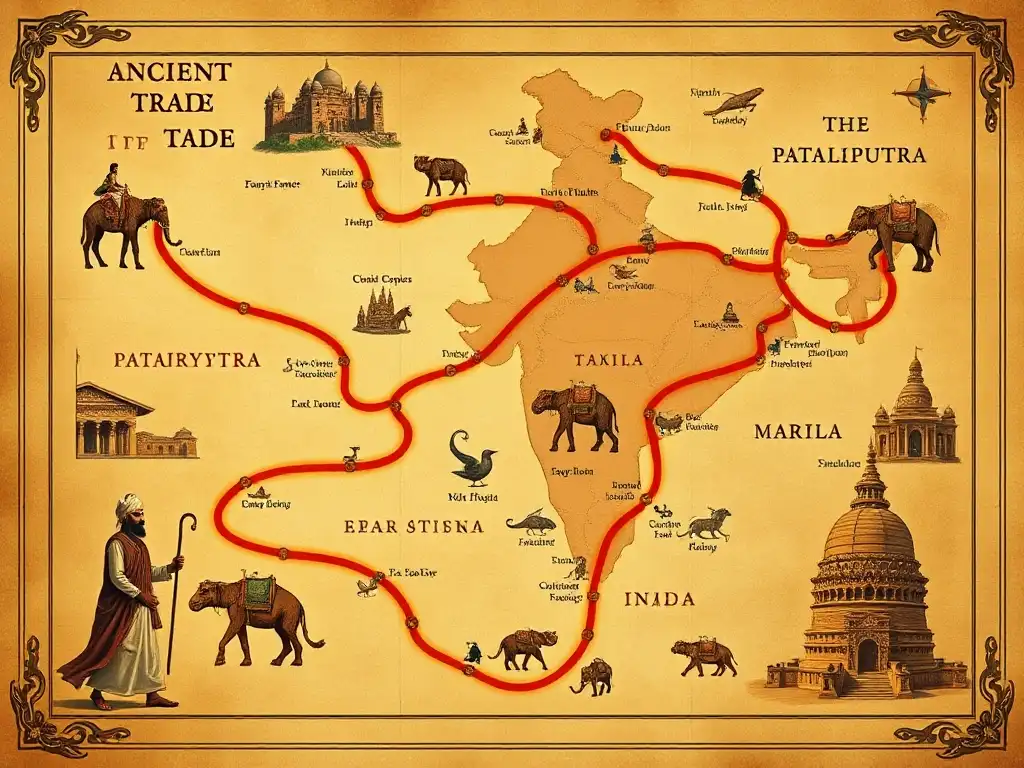
Trade agreements during the Mauryan period were instrumental in establishing political ties and stabilizing trade. The Mauryan Empire engaged in various treaties with neighboring states and distant regions to secure favorable trade conditions.
Key Elements of Trade Agreements:
- Taxation and Tariffs: Agreements often included stipulations on the taxation of goods, allowing Mauryan rulers to benefit from trade without alienating trading partners.
- Protection of Traders: The Mauryans provided security to traders traveling through their territories, which was essential for maintaining trade flow and preventing disruptions caused by banditry or local conflicts.
- Cultural Exchange: These agreements also facilitated cultural interactions, which were politically significant as they helped to promote the Mauryan way of life, including religious and cultural practices, across trade networks.
The Mauryan state’s ability to create and maintain these trade agreements not only enhanced its economic power but also displayed a sophisticated understanding of international relations, allowing it to navigate the complexities of diplomacy effectively.
Challenges Faced by Trade Routes in the Mauryan Empire
Despite the advantages, the Mauryan Empire faced several challenges that impacted its trade routes and, consequently, its political stability.
Geographic and Political Obstacles
The geography of the Indian subcontinent posed significant challenges to trade. The rugged terrain of the Himalayas and the dense forests in the central regions made overland trade difficult. Additionally, the political landscape was often fragmented, with local chieftains and kingdoms competing for control of strategic areas along trade routes.
- Terrain Challenges: The natural landscape led to limited access and increased travel time, which hindered trade efficiency.
- Local Conflicts: Localized conflicts and rivalries disrupted trade, leading to fluctuating prices and uncertainty that could destabilize the Mauryan economy.
Impact of External Threats on Trade Stability
External threats, such as invasions from nomadic tribes and rival empires, posed serious risks to the stability of trade routes. The Mauryan Empire had to constantly defend its borders against these incursions, which diverted military resources and attention away from governance.
- Invasions: The incursions from groups such as the Scythians not only threatened trade but also forced the Mauryan rulers to fortify their borders, straining their economic and military resources.
- Economic Disruption: Such threats often resulted in temporary trade embargoes and loss of goods, leading to economic instability that could undermine the Mauryan political structure.
While trade routes were essential for the rise and maintenance of Mauryan political power, they were not without their challenges, necessitating strategic responses from the Mauryan leadership to ensure their influence remained strong.
The Legacy of Mauryan Trade Routes in Ancient Indian History
The Mauryan Empire, which flourished from 322 to 185 BCE, is renowned for its vast and intricate trade networks that played a significant role in its political power and cultural development. The Mauryan trade routes extended across the Indian subcontinent and connected it with distant regions such as Persia, Central Asia, and the Mediterranean. These routes facilitated not only the exchange of goods but also the movement of ideas, technologies, and cultural practices.
The legacy of these trade routes is evident in the economic prosperity they brought to the Mauryan Empire. The strategic locations of trade hubs, such as Pataliputra and Taxila, allowed for efficient commerce and the collection of taxes, which, in turn, bolstered the imperial treasury. This economic strength underpinned the political stability and expansion of the Mauryan state. Moreover, the integration of diverse cultures and communities through trade routes contributed to a rich tapestry of social interactions that characterized the Mauryan period.
Cultural Exchange Through Trade
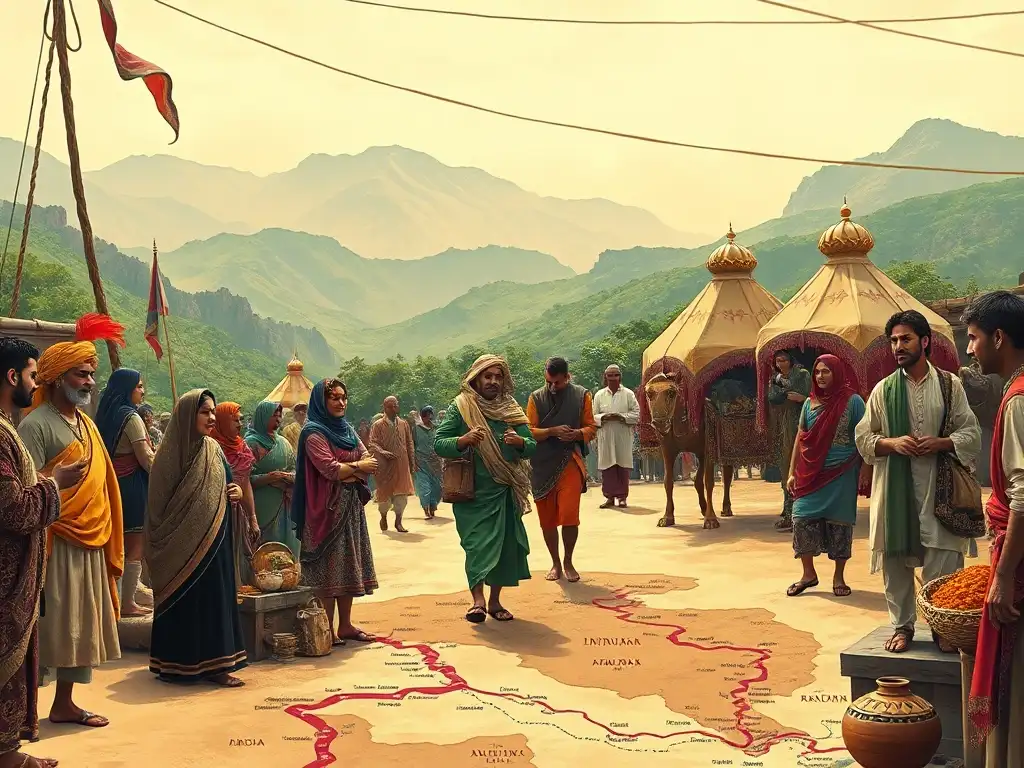
Trade routes were not only conduits for commodities but also vital channels for cultural exchange. As merchants traversed these routes, they carried with them not only goods but also philosophies, religions, and artistic influences. This cultural interchange was particularly evident during the Mauryan era, where Buddhism and Jainism gained prominence and spread across regions, aided by traders who traveled these routes.
For instance, the famous Silk Road, which began in the eastern part of the Mauryan Empire, connected India with China and the West, allowing for the dissemination of Buddhist teachings. The Mauryan emperor Ashoka, a proponent of Buddhism, actively promoted the religion along these trade routes, leading to its establishment in various regions. This cultural diffusion fostered a sense of unity and shared identity among diverse groups, further strengthening the political framework of the Mauryan Empire.
Long-Term Effects on Political Structures in India
The influence of Mauryan trade routes extended far beyond the empire’s immediate political landscape; it laid the groundwork for the future political structures in India. The wealth generated from trade enabled the Mauryan rulers to implement administrative reforms and strengthen their military. This solidified their authority and shaped governance in subsequent Indian states.
Moreover, the trade routes established a precedent for economic interdependence among regions, which encouraged the development of a more cohesive political entity across the subcontinent. This interconnectivity influenced later dynasties, as they sought to maintain and expand the trade networks initiated during the Mauryan period. Thus, the Mauryan trade routes can be seen as precursors to the political and economic ties that would characterize India’s historical trajectory.
Conclusion: The Interconnection of Trade and Political Power in Ancient India
Summary of Key Points
The Mauryan Empire's trade routes were instrumental in enhancing its political power and cultural richness. These routes facilitated economic prosperity, enabling rulers to consolidate their authority while promoting cultural exchanges that enriched the society. Additionally, the long-term effects of these trade routes have had a lasting impact on the political structures that followed, establishing a framework for economic interdependence in ancient India.
Reflection on the Role of Trade Routes in Shaping Ancient Indian Civilization
Reflecting on the role of trade routes in ancient Indian civilization reveals their critical function in fostering political stability and cultural diversity. The Mauryan Empire serves as a prime example of how trade not only bolstered economic strength but also facilitated the exchange of ideas, ultimately shaping the sociopolitical landscape of the region. The legacy of these trade routes continues to inform our understanding of ancient Indian history, illustrating the profound interconnectedness of commerce and governance.
- Introduction to Ancient Indian Trade Routes Influence
- Overview of Ancient Indian Trade Routes
- Importance of Trade in Political Power
- The Mauryan Empire: Political Structure and Trade
- Key Trade Routes of the Mauryan Period
- The Influence of Trade on Mauryan Political Power
- Case Studies of Trade Route Impact on Mauryan Governance
- Specific Trade Routes and Their Political Significance
- Analysis of Trade Agreements During the Mauryan Era
- Challenges Faced by Trade Routes in the Mauryan Empire
- The Legacy of Mauryan Trade Routes in Ancient Indian History
- Cultural Exchange Through Trade
- Long-Term Effects on Political Structures in India
- Conclusion: The Interconnection of Trade and Political Power in Ancient India
Frequently Asked Questions
What were the main trade routes during the Mauryan Empire?
The Mauryan Empire utilized significant trade routes such as the Grand Trunk Road and maritime paths connecting to Southeast Asia and beyond, facilitating extensive commerce.
How did trade influence Mauryan political power?
International trade routes bolstered Mauryan political power by enhancing economic prosperity, which allowed for greater military funding and stability within the empire.
What goods were commonly traded during the Mauryan period?
Traders exchanged various goods, including spices, textiles, and precious metals, which contributed to both local economies and the empire's wealth.
How did the Mauryan Empire manage trade relationships?
The empire established diplomatic ties and alliances with neighboring regions, ensuring safe passage for merchants and enhancing economic influence across Asia.
What was the significance of trade to ancient Indian civilizations?
Trade routes were crucial for the cultural exchange and economic development of ancient Indian civilizations, fostering connections that shaped their society and culture.
Final Reflection: The Enduring Legacy of Ancient Indian Trade Routes
The influence of ancient Indian trade routes on political power remains profoundly relevant today as we navigate a world increasingly defined by global interconnections. The intricate web of trade that once flourished across the Mauryan Empire not only facilitated economic prosperity but also fostered cultural exchanges that shaped civilizations. In an era where international trade continues to play a pivotal role in shaping geopolitical landscapes, understanding the historical significance of these routes offers invaluable insights into the dynamics of power and influence.
The legacy of these ancient trade routes is evident in the way they have shaped cultural identities and social structures throughout history. The Mauryan Empire exemplified how trade could be leveraged to enhance political authority, creating a model that resonates even in contemporary discussions about trade agreements and diplomatic relations. As historian Romila Thapar noted, Trade routes were not just conduits for goods; they were pathways for ideas, cultures, and governance.
This observation underscores the ongoing relevance of trade as a catalyst for not only economic growth but also cultural enrichment and political cohesion.
As we reflect on the lessons from the Mauryan Empire, let us consider how we can apply these insights to our own lives and communities. In a world where connections are more critical than ever, we must embrace the spirit of collaboration and exchange that defined ancient trade routes.
I invite you to think about how you can foster connections in your own life—whether through supporting local businesses, engaging in cultural exchanges, or advocating for policies that promote equitable trade practices. By doing so, we honor the legacy of those who came before us and contribute to a future where the power of connection continues to thrive.
Forge Your Path in Understanding Ancient Trade Influence!
Thank you for taking the time to explore the intricate ways international trade routes bolstered the political power of ancient empires. The rich insights you’ve gained today highlight the profound impact of commerce on these civilizations. Now, let’s build upon that knowledge and take some exciting steps forward!
- Delve Deeper: Explore the influence of various empires, such as the Gupta and Roman Empires, on global trade patterns to uncover more fascinating connections.
- Join the Conversation: Share this article with your friends or on social media to spark discussions about the importance of trade in shaping history.
- Get Engaged: Participate in our forum dedicated to ancient trade routes to connect with fellow enthusiasts and expand your understanding through collaborative insights.
What aspect of trade do you believe had the most significant impact on the political dynamics of ancient civilizations?